Syria
Aleppo

Threat of Arab-Kurdish war in new battle for Syria

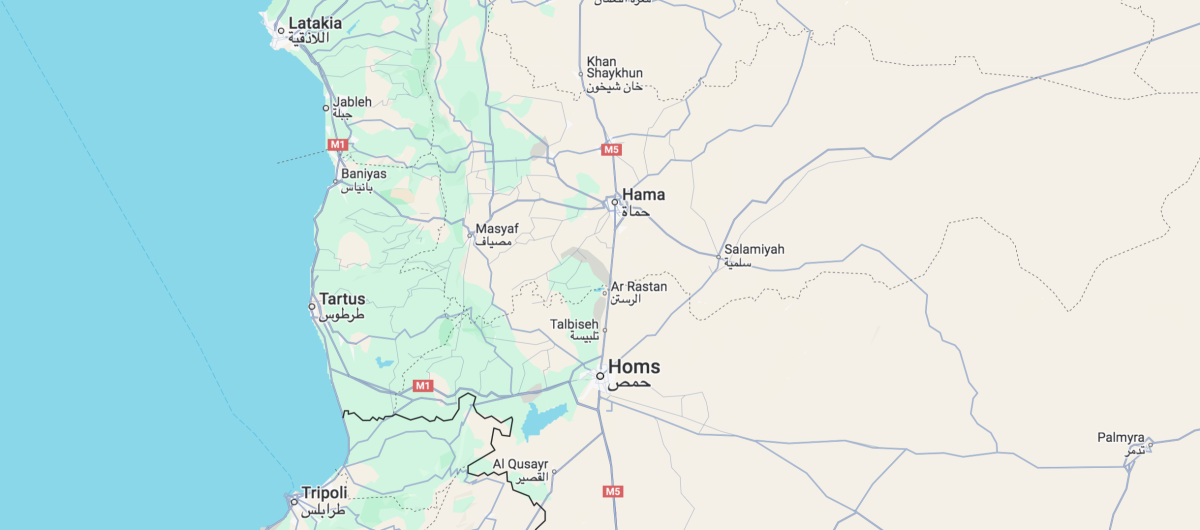
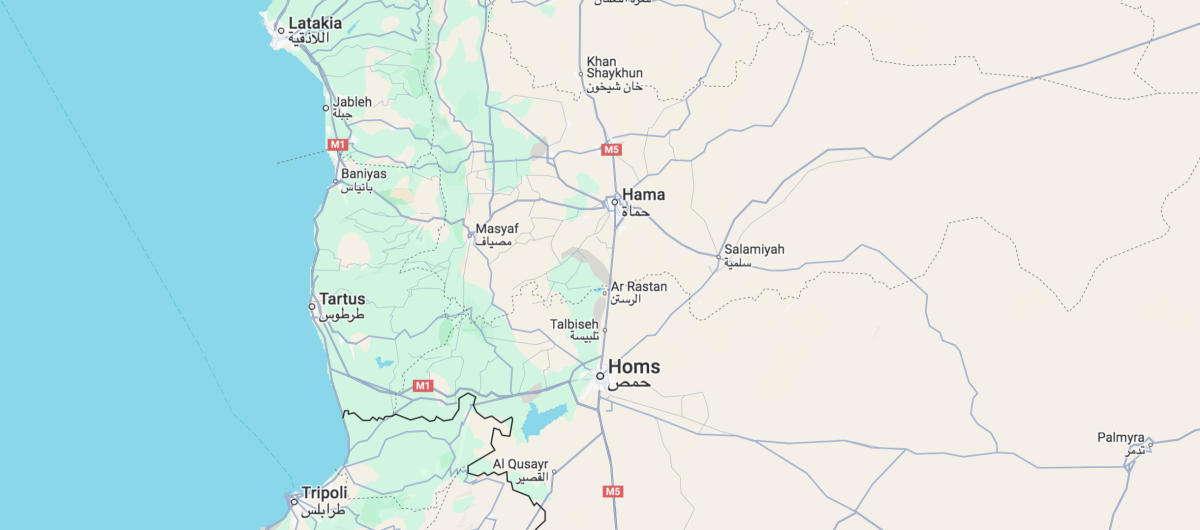
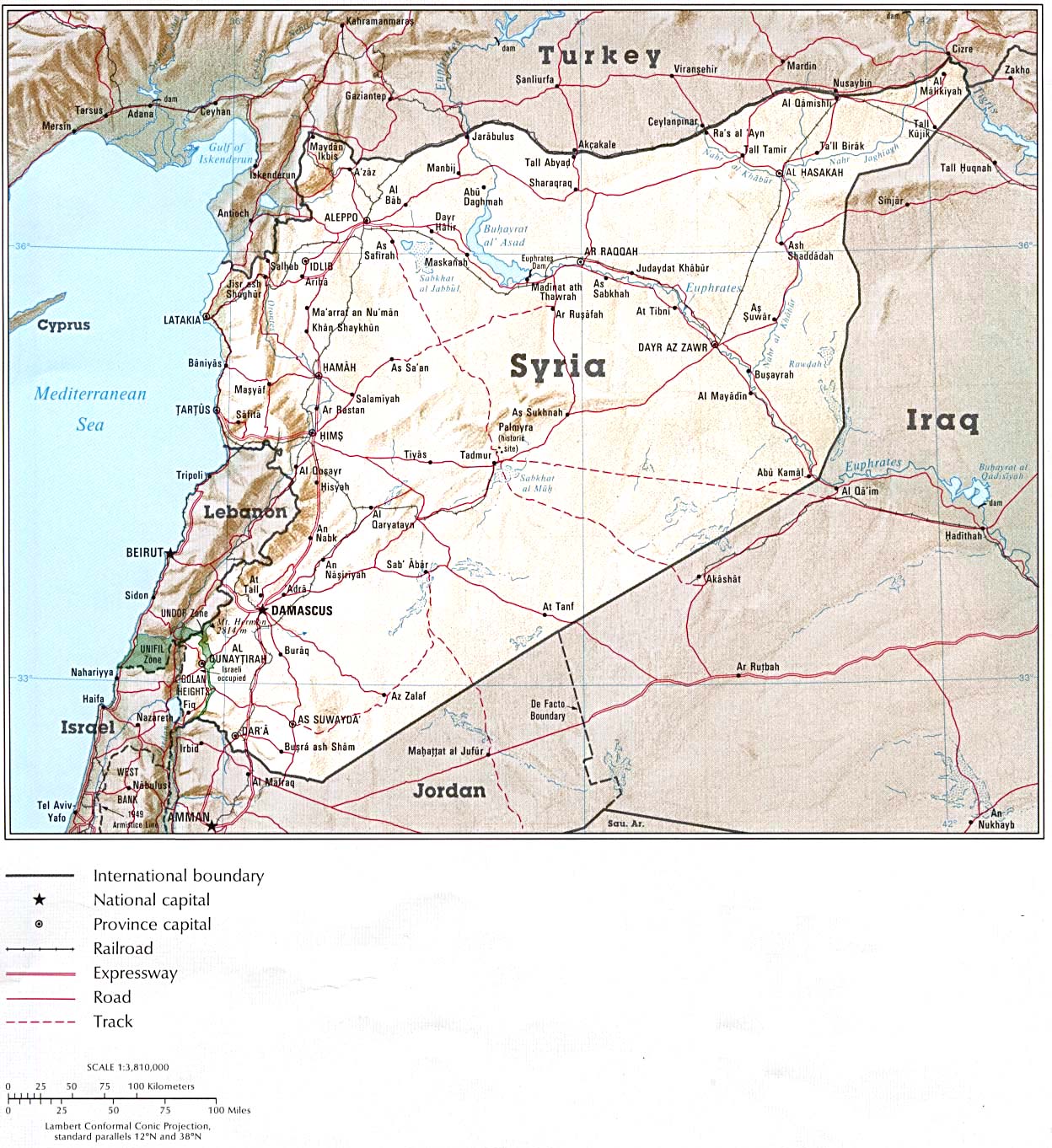
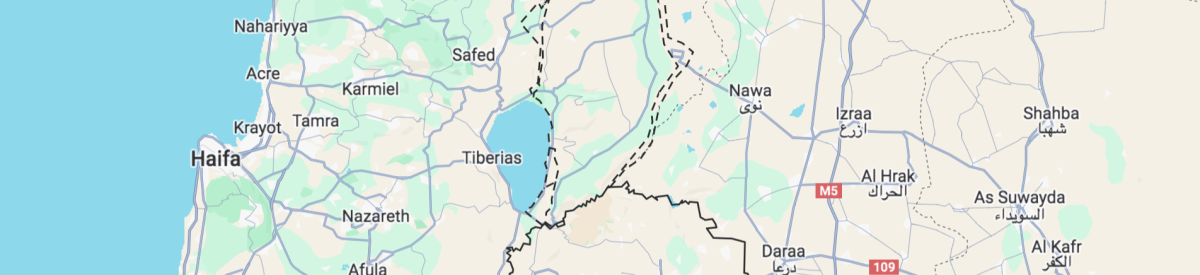
With the Syrian city of Aleppo now mostly in rebel hands following a surprise offensive, the danger emerges that Kurdish forces could be drawn into the conflict on the side of Assad dictatorship. Kurdish militias have for years controlled their own enclave within the city, the neighborhood of Sheikh Maqsood. The Kurdish-led Syrian Democratic Forces (SDF) are now trying to open an evacuation corridor between Sheikh Maqsood and the Kurdish-held town of Tal Rifaat to the north. An evacuation of Tal Rifaat itself to Kurdish-held areas to the east is also being prepared. This effort is being blocked by one of the rebel militias, the Turkish-backed Syrian National Army (SNA), with clashes between the two forces reported. The SNA has been repeatedly implicated in abuses against the Kurdish population in areas it took from SDF-aligned forces in a 2019 offensive. This offensive drove the SDF into a tactical alliance with the Assad regime—although this alliance has repeatedly broken down over the regime’s rejection of the SDF’s principal demand of Kurdish autonomy. (Map: Google)

Syria
Syria rebels

Syria: rebel forces launch new offensive on Aleppo

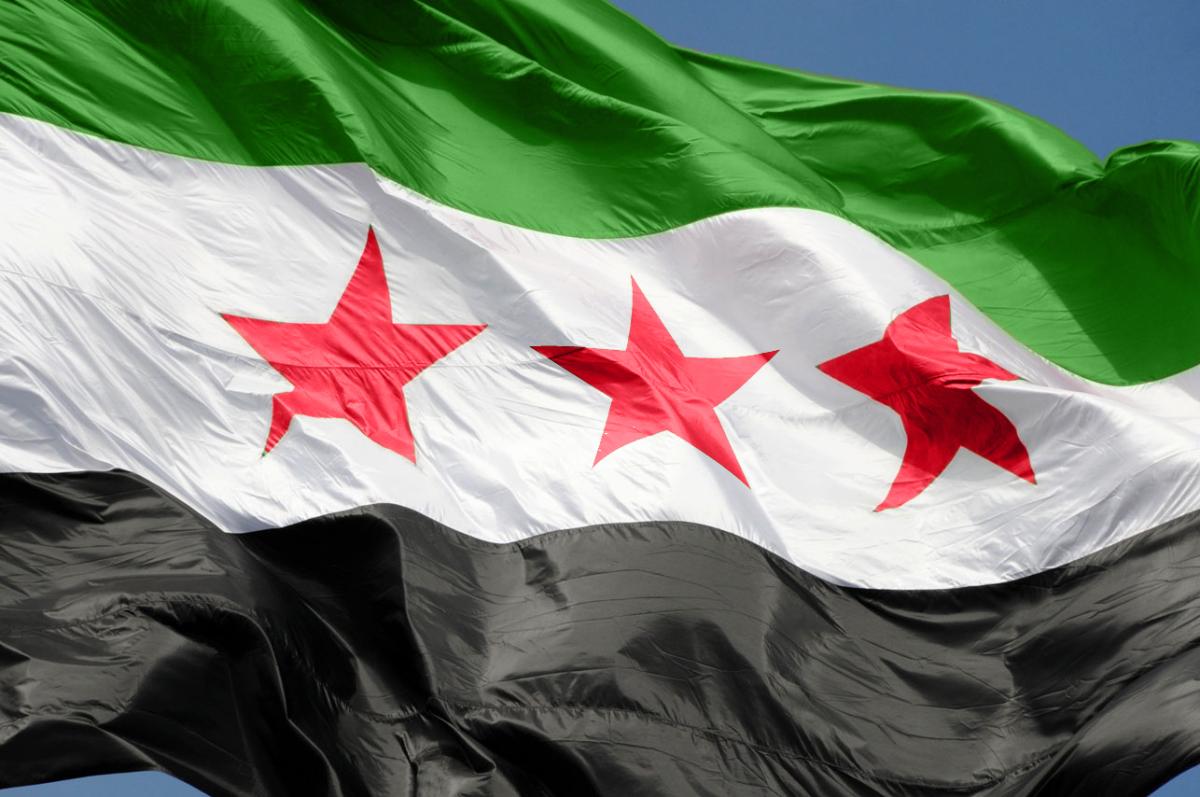
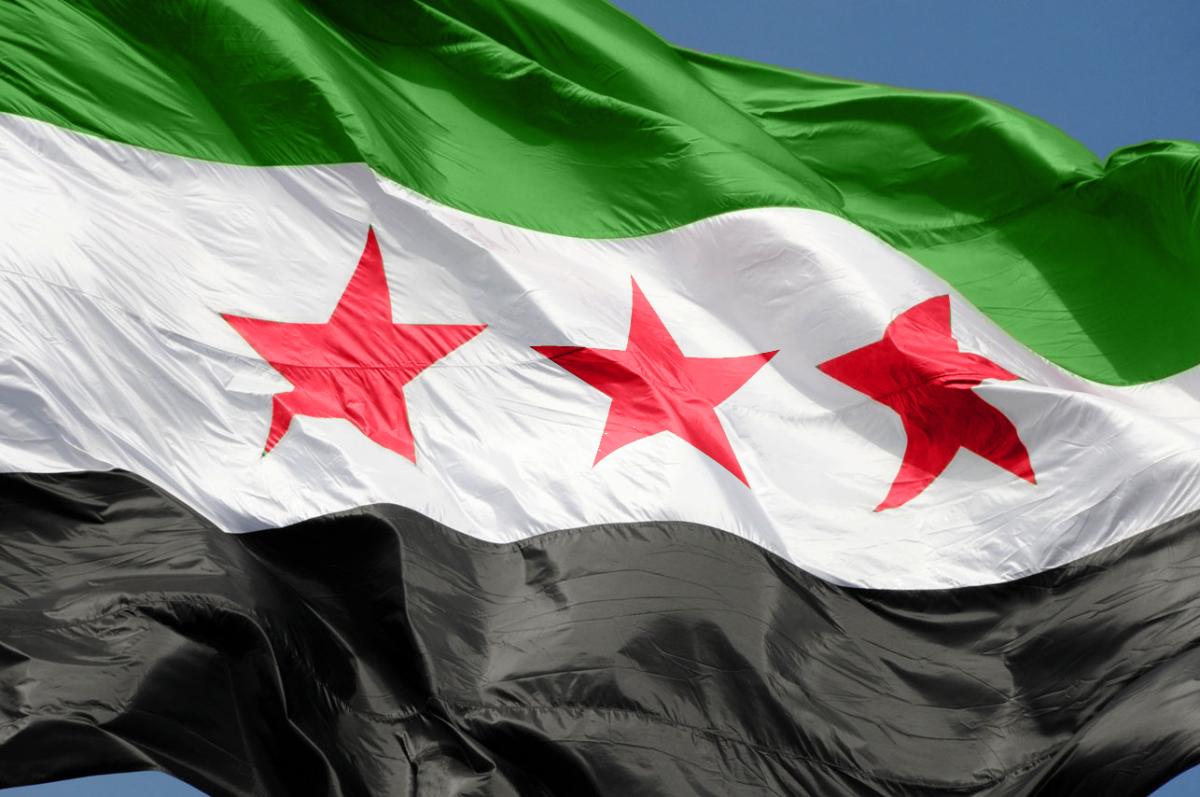
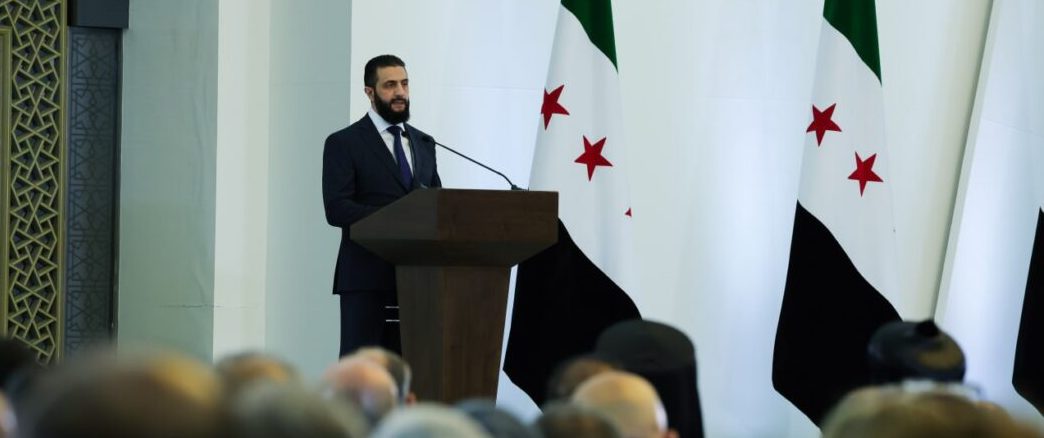
In the most significant escalation in Syria since a 2020 ceasefire instated under emergency conditions during the COVID pandemic, rebel forces in northwestern Idlib province  launched a surprise offensive on the country’s most populous city, Aleppo. The rebel advance is said to have penetrated the perimeter of the city, which had been held for years by rebel forces before it was retaken by the regime with the help of Russian air power in 2016. Russia has responded to the new offensive with fresh air-strikes on Idlib, which has been coming under intermittent Russian bombardment for years. At least 225 fatalities are reported in the new fighting, including some 25 civilians killed in Russian air-strikes. (Photo: Syrian Observer)

Syria
al-Hol

Syria: Kurdish militia accused of diverting US aid

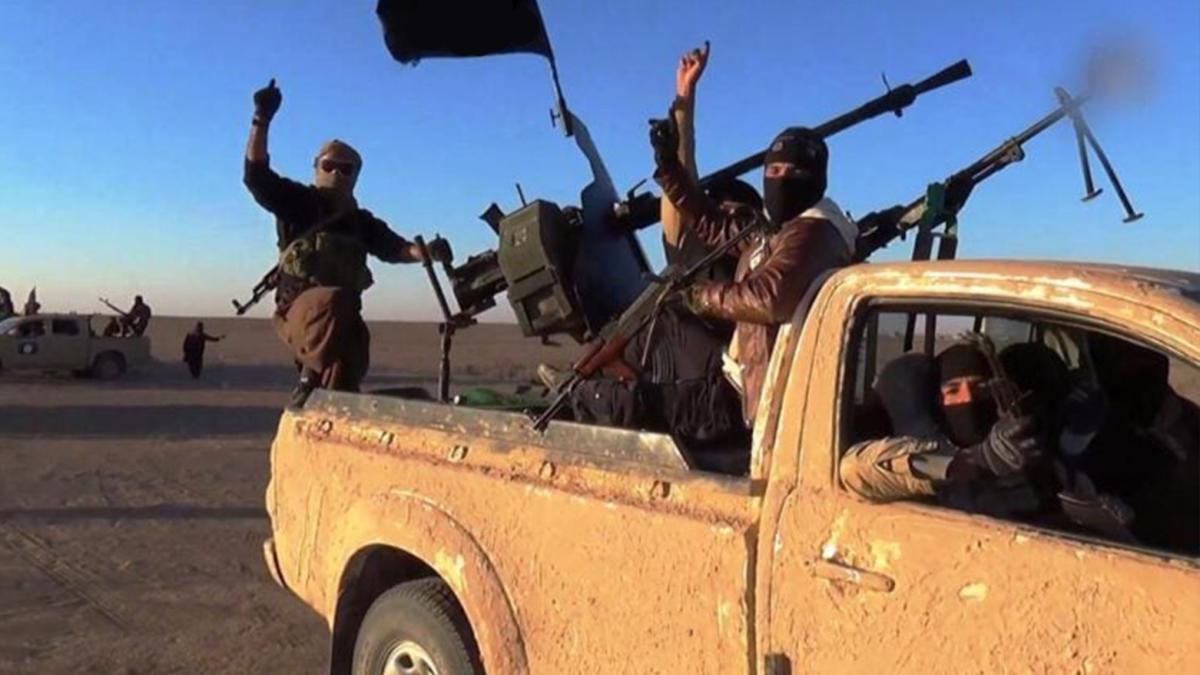
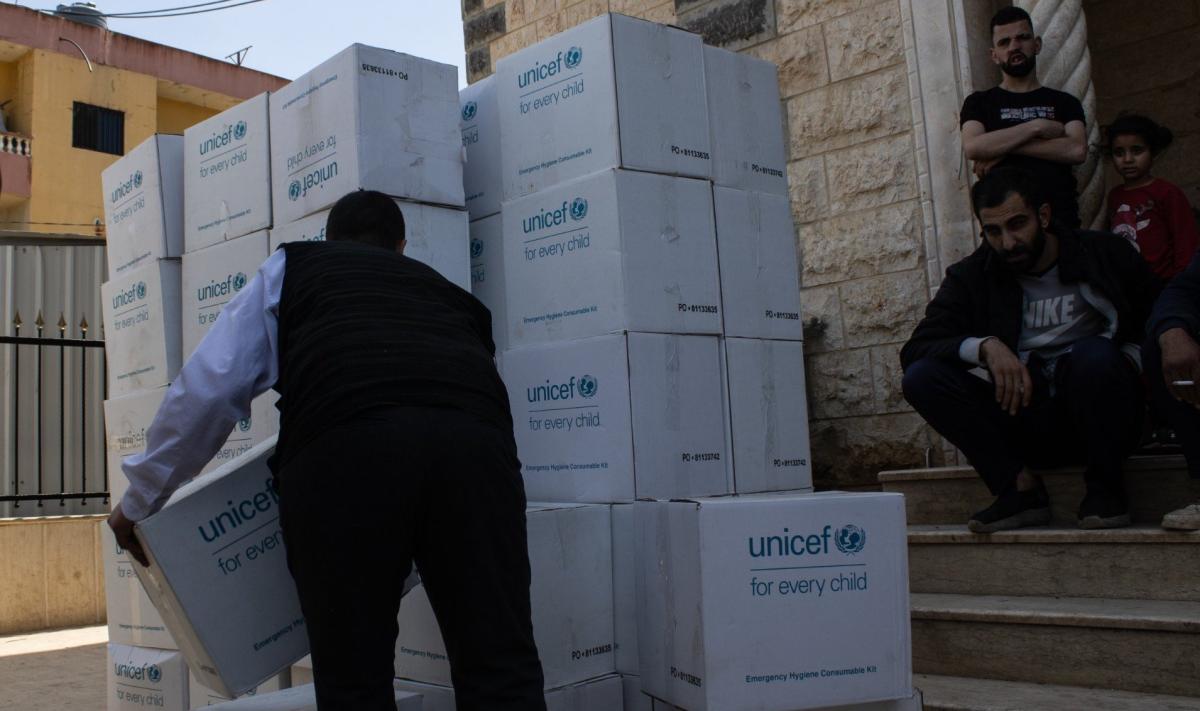
USAID’s Office of Inspector General has found that security forces and administrators at northeast Syria’s al-Hol camp “diverted aid”—bread from a USAID-funded program—”from the intended beneficiaries to themselves.” An unnamed “awardee” of the aid, presumably an NGO, was “forced to rely on the Asayish and the Camp Administration to deliver bread within the inaccessible areas of the camp, which created the opportunity for the initial diversion. However, once the awardee received full access to the camp, the Asayish and the Camp Administration continued to divert the USAID-funded bread.” Asayish (for Internal Security Forces of North and East Syria) is the militia associated with the US-backed Kurdish-led Syrian Democratic Forces (SDF). Al-Hol, which is home to both sympathizers and victims of the so-called Islamic State, has become notorious for its dangerous and extremely harsh conditions. (Photo: SOHR)

Greater Middle East
warplanes

US air-strikes on Yemen, Syria

Pentagon Central Command forces carried out multiple air-strikes against Houthi weapons facilities in Yemen. Both Air Force and Navy aircraft, including F-35C fighter jets, were involved in the strikes, which were in response to Houthi attacks on commercial ships and US-led coalition military vessels in the Red Sea, Bab al-Mandab Strait and Gulf of Aden. CentCom also conducted strikes against targets at two locations “associated with Iranian groups in Syria.” The strikes were in response to drone and artillery attacks on US personnel that took place at Mission Support Site “Green Village” in northeast Syria. (DOD News)

Greater Middle East
Iran protests

Podcast: neither Jewish State nor Islamic Republic

Israel’s long-awaited strikes on Iran targeted military and industrial installations in Tehran, Khuzestan and Ilam, with air-strikes also reported in the Syrian cities of Damascus and Homs. It is now Iran’s turn to retaliate in the escalatory tit-for-tat game, as the brink of regional and even world war looms ever closer. In Episode 249 of the CounterVortex podcast, Bill Weinberg advocates a neither/nor position that rejects the militaristic and reactionary regimes of both Zionism and political Islam, and looks to a secular order in the Middle East. Listen on SoundCloud or via Patreon. (Image: @iranprotest2019)

Greater Middle East
Iran

Turkey strikes Syria, Iraq after Ankara attack

Turkey launched air-strikes on supposed Kurdistan Workers’ Party (PKK) targets in Syria’s Rojava autonomous enclave and Iraq’s Kurdistan region in retaliation for an attack on the headquarters of a defense contractor in Ankara. Five were killed and two attackers reported “neutralized” in the explosion and armed assault at the Turkish Aerospace Industries (TUSAS) facility in Ankara’s Kahramankazan district. No group has claimed responsibility for the attack, but Turkish authorities quickly blamed the PKK. Strikes were reported on the Rojava towns of Qamishli, Derik, Kobane, Tal Rifaat, and Manbij. Rojava’s autonomous authorities said that at least four civilians were killed, including a five-year-old child, and 15 people injured. (Image: Pixabay)

Watching the Shadows
Tulsi Gabbard

Podcast: against hippie fascism

Once-time peacenik icon Tulsi Gabbard has joined Robert F. Kennedy Jr in defecting to the now openly fascist and even Nazi-embracing MAGA camp—actually becoming members of the Trump transition team. Meanwhile, the Green Party presidential candidate Jill Stein, likewise enamoured of Vladimir Putin and the dictators in his orbit (including mass murderer Bashar Assad), is being represented by a former Trump attorney in her bid to get on the ballot in swing state Nevada. Beyond the threat that she could serve as a spoiler and throw the election to Trump, this raises questions about the cooptation of segments of the American left by MAGA-fascism. It is no longer just the old-school sectarian “tankie” left that’s in danger of taking the fascist lure in a Red-Brown alliance, but the pacifist, cannabis-friendly “green” left as well. In Episode 244 of the CounterVortex podcast, Bill Weinberg raises the alarm. Listen on SoundCloud, and support our podcast via Patreon. (Image via Freedom Leaf)

Syria
Syria

Syria: Rojava Kurds clash with Assadist forces

Clashes broke out between Syrian regime forces and militia of the Kurdish-led Rojava autonomous administration near the Euphrates River in eastern Deir ez-Zor governorate. The fighting began after regime forces west of the Euphrates launched surface-to-surface attacks on Kurdish-held towns across the river. The Syrian Democratic Forces (SDF), the principal Kurdish-led military formation, said in a statement that an operation against regime positions was carried out “in retaliation for the blood of the martyrs” killed “by artillery shelling from the Syrian regime.” The violence erupted three days after US troops were targeted in a drone attack on a position they share with the SDF at Rumalyn Landing Zone in al-Hasakah governorate to the north. The current fighting is close to al-Omar oil field, which is protected by a joint force of SDF fighters and US troops. (Map: PCL)

Syria
Kuweires

Is Ukraine backing Syrian insurgents?

Ukrainian special forces under command of Kyiv’s Main Intelligence Directorate (HUR) carried out an operation against Russian forces in Syria, according to a video released by the agency. First reported by the Kyiv Post, the raid by the “Khimik” elite unit is said to have targeted Kuweires airbase outside Aleppo, which is used by both Russian and Assad regime forces. Drone strikes followed by a ground attack are said to have destroyed a Russian “electronic warfare complex” at the base, along with other “military objects.” The report said the operation was conducted in cooperation with Syrian “insurgents,” although it didn’t make clear which faction. The strike was reportedly carried out the day after a meeting at the Kremlin between Russian President Vladimir Putin and his Syrian counterpart Bashar al-Assad. In May 2023, HUR chief Lt. Gen. Kyrylo Budanov promised to “destroy Russian war criminals anywhere in the world they may be.” (Image via Kyiv Post)

Greater Middle East
Golan Heights

Podcast: flashpoint Golan Heights

In Episode 237 of the CounterVortex podcast, Bill Weinberg provides some under-reported context for the international crisis that has quickly spiraled since last week’s deadly rocket strike on a Golan Heights village, and now threatens to escalate to the unthinkable. Under international law, the Golan is Syrian territory not Israeli. And the kids who were killed in the rocket strike were Druze not Jews. Most of the Druze residents of the Golan have refused Israeli citizenship and remain loyal to Syria. Only one country on Earth recognizes Israeli sovereignty over the Golan—the USA, thanks to Donald Trump. Israel has a complicated history with the Druze, going back well before the occupation of the Golan in 1967. But the origins of the current trajectory toward regional war in a massacre of Druze youth points again to how peoples on the ground are exploited as pawns and propaganda in the cynical Great Power game. Listen on SoundCloud or via Patreon. (Photo: Freedom’s Falcon via Wikimedia Commons)

Greater Middle East
Iran

Regional war looms closer after Golan rocket strike

Israeli warplanes hit several targets in southern Lebanon, as diplomats worked frantically to prevent a regional war after a rocket strike that killed 12 youths in the Golan Heights. Israel is blaming Hezbollah for the rocket, which struck a football field in the Druze village of Majdal Shams. Hezbollah has denied responsibility, asserting that a projectile from Israel’s own Iron Dome missile defense system hit the village amid strikes on military targets elsewhere in the area by the Iran-backed Lebanese armed organization. Israel and Hezbollah have been trading strikes over the Lebanese border since Oct. 8, a day after the start of the war in Gaza. Israel has killed 527 people in Lebanon since then, according to an AFP tally, including at least 104 civilians. Israel says 23 of its civilians and 17 soldiers have been killed by Hezbollah rocket-fire over this period. (Image: Pixabay)

Syria
Idlib

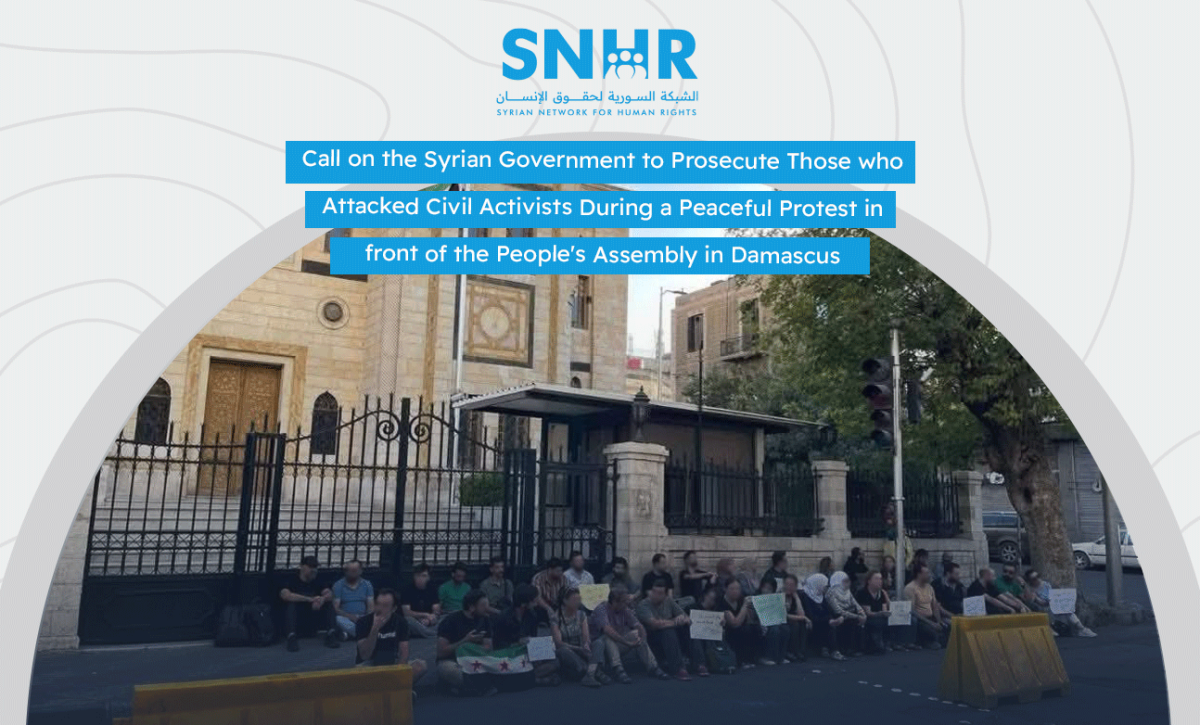
Syria: protests against HTS face repression in Idlib

Security forces of Hayat Tahrir al-Sham (HTS), the Islamist militia that controls much of northwest Syria, put down protests that broke out in cities and towns across Idlib province. In the Idlib cities of Binnish and Jisr al-Shughour, HTS forces beat protesters with batons, deployed armored vehicles, and fired tear-gas and even live rounds to disperse demonstrations calling for the fall of the militia group and its leader, Abu Muhammad al-Jolani. Since then, HTS has increased security in the region, establishing checkpoints and roadblocks, especially aimed at preventing protesters from gathering in the provincial capital, Idlib City. Protests against HTS rule have been mounting in Syria’s northwest since the start of the year. (Photo: Macro Media Center)