

Central Asia
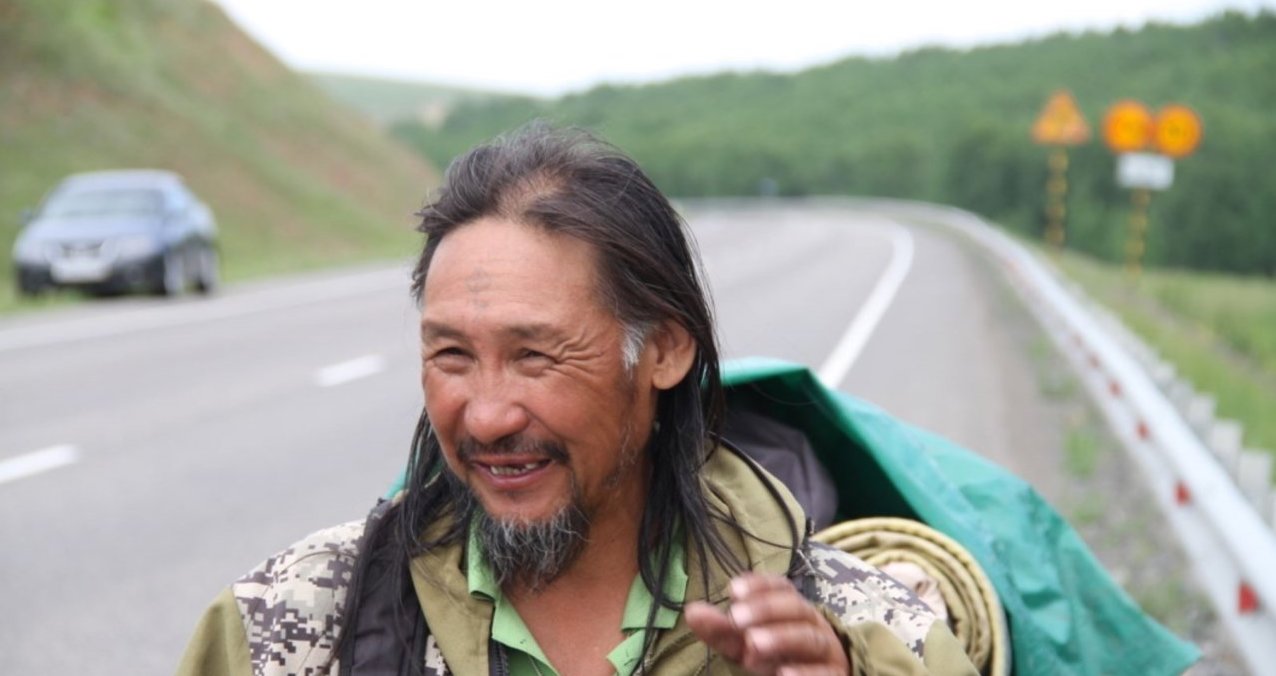
Aleksandr Gabyshev

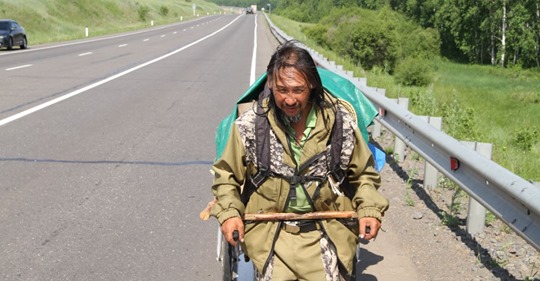
Siberian shaman’s anti-Putin protest trek cut short

NYPDAmnesty International and the Surveillance Technology Oversight Project (STOP) released more than 2,700 New York Police Department (NYPD) documents obtained after a five-year lawsuit. The groups say that the documents reveal extensive and discriminatory surveillance practices. The records, ordered to be disclosed by a New York state court in 2022, show repeated use of facial recognition technology (FRT) against individuals engaged in everyday activity as well as political expression. According to the organizations, the disclosures detail how the NYPD relied on FRT to identify people flagged by public reports that labeled them "suspicious" for speaking a foreign language or wearing culturally distinctive clothing. Advocates say the documents demonstrate that racial and cultural profiling frequently served as the basis for surveillance queries. (Photo: Wikimedia Commons)

Planet Watch
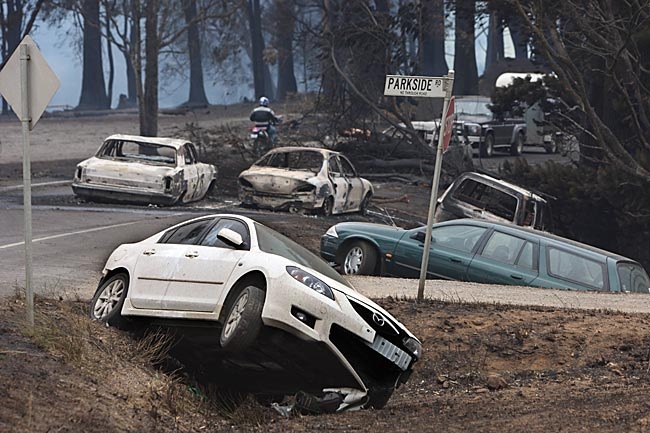
Africa fires

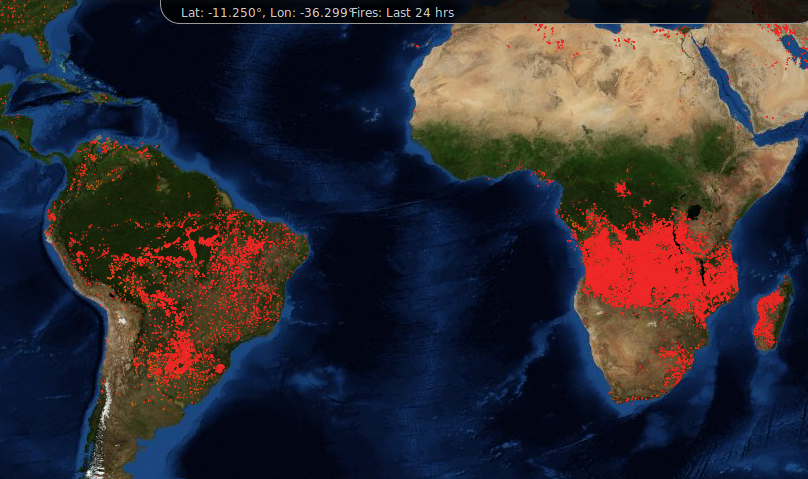
Central African forests burning faster than Amazon

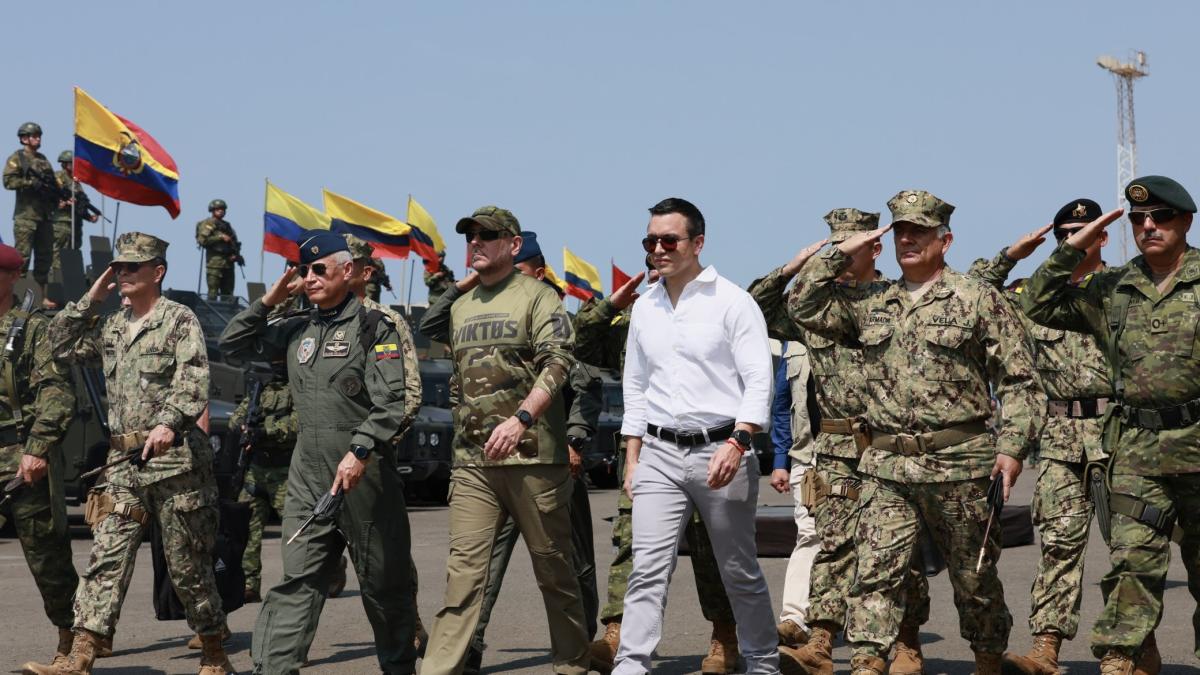
EcuadorAt least 17 people were killed in an armed attack on a bar in El Empalme, a small town north of Ecuador's port city of Guayaquil—days before US Homeland Security Secretary Kristi Neom visited the country and signed a deal to fight organized crime and illegal migration. The deal includes training for Ecuadoran security forces in the US and collaboration on border security. Once one of South America’s safest countries, Ecuador has registered a vertiginous uptick in violent crime in the past few years. In response, President Daniel Noboa has adopted a series of hardline security policies that have raised concern over human rights abuses. The policies range from the repeated declaration of states of emergency, the construction of El Salvador-style prisons, and a "strategic alliance" with private US military contractor Erik Prince. Noboa has also replicated some of US President Donald Trump's deportation tactics, returning more than 600 Colombian prisoners to their country in late July with no official notice. (Photo: Presidencia Ecuador via Peoples Dispatch)

Planet Watch
Chad

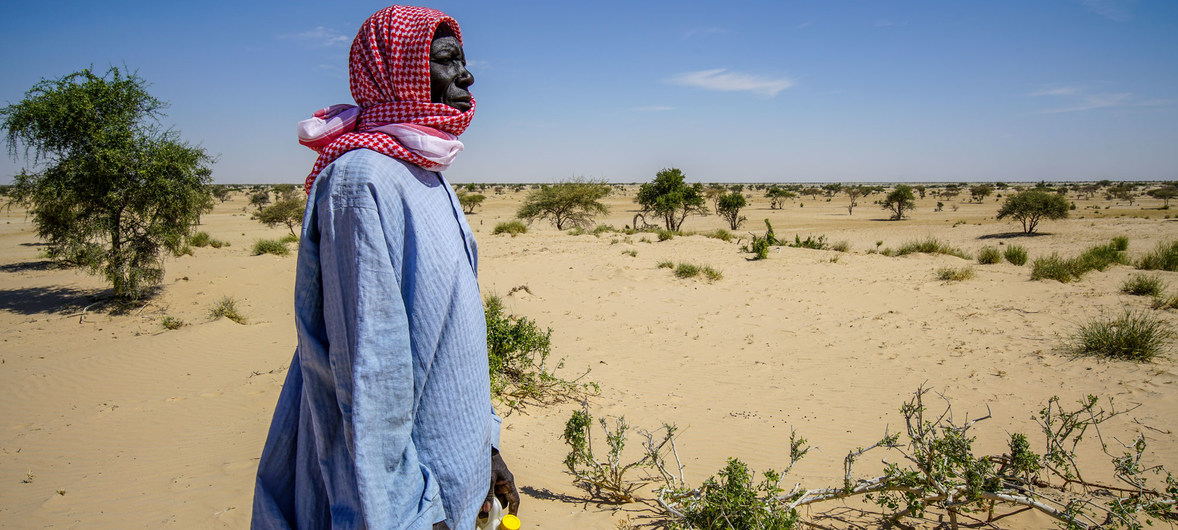
UN report on climate change calls for urgent action

ZaporizhzhiaUN Secretary-General António Guterres strongly condemned Russia's largest yet wave of drone and missile attacks in Ukraine, especially noting strikes that disrupted the power supply to the Zaporizhzhia Nuclear Power Plant (ZNPP), endangering nuclear safety. Rafael Grossi, director of the International Atomic Energy Agency (IAEA), also warned of the persisting "extremely fragile" situation at Europe's largest nuclear facility. Russia's latest air-strike against the ZNPP marked the ninth time power was broken off to the plant since the war began in February 2022. Although external power has been restored, Grossi cautioned that the situation remains unsafe. (Photo: Wikipedia)

Planet Watch

Will world war be October surprise?

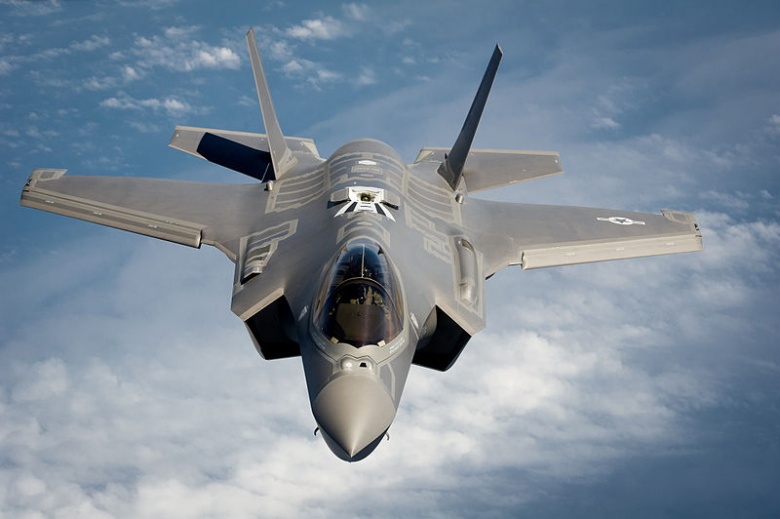
warplaneWill an "October surprise" in the prelude to the mid-term elections in the US be the outbreak of world war—that is, direct superpower conflict? Things are escalating fast on the frontlines with both of the United States' major imperial rivals. The US Navy's Pacific Fleet is preparing to carry out a "global show of force" as a warning to China, after a near-skirmish between a US warship and a Chinese destroyer in the disputed South China Sea. Meanwhile, NATO is planning to conduct its largest military exercises since the end of the Cold War, Trident Juncture 2018, along Norway's border wth Russia. This comes as Washington and Moscow are odds over missile deployments, accusing each other of violating the 1987 Intermediate-range Nuclear Forces Treaty. (Image: Lockheed Martin)

Europe

Podcast: Toward Lakota-Tatar solidarity

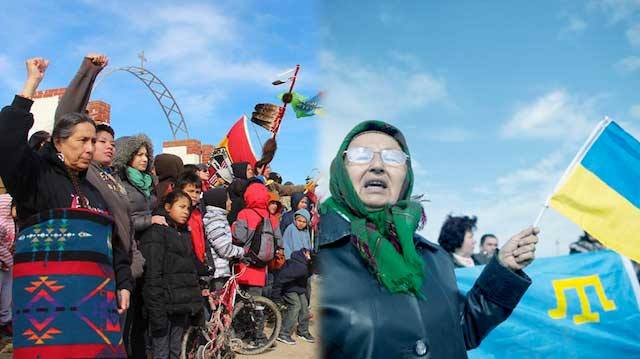
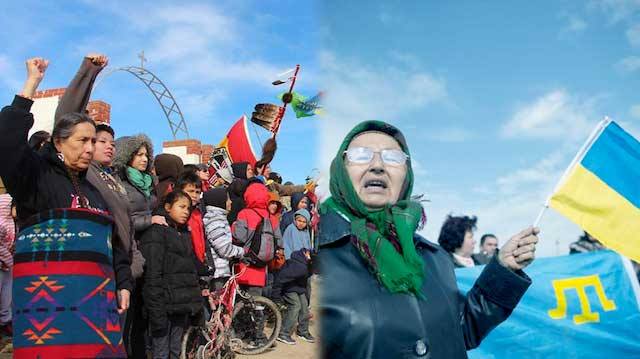
Lakota TatarIn Episode 17 of the CounterVortex podcast, Bill Weinberg discusses growing repression against the Tatar people of the Crimea, and the abrogation of their autonomous government by the Russian authorities since Moscow's illegal annexation of the peninsula. This is a clear parallel to violation of the territorial rights of the Lakota people in the United States through construction of the Dakota Access Pipeline, and the legal persecution of indigenous leaders who stood against it. The parallel is even clearer in the cases of the Evenks and Telengit, indigenous peoples of Siberia, resisting Russian construction of pipelines through their traditional lands. Yet the US State Department's Radio Free Europe aggressively covers the Tatar struggle, while Kremlin propaganda organ Russia Today (RT) aggressively covered the Dakota Access protests. Indigenous struggles are exploited in the propaganda game played by the rival superpowers. It is imperative that indigenous peoples and their allies overcome the divide-and-rule game and build solidarity across borders and influence spheres. Listen on SoundCloud, and support our podcast via Patreon.

Central Asia

Russian blogger jailed for protesting Syria war

A Russian court sentenced blogger Alexei Kungurov to two-and-a-half years in prison for "justification of terrorism" over a post criticizing Moscow's military intervention in Syria.

Central Asia

Next: Free Siberia?

In a little-noted irony, as Vladiimir Putin backs the "People's Republics" in eastern Ukraine, he has cracked down on a separatist movement that has emerged in Siberia.

Europe
FIRE9

FIRE9

Lakota TatarIn Episode 17 of the CounterVortex podcast, Bill Weinberg discusses growing repression against the Tatar people of the Crimea, and the abrogation of their autonomous government by the Russian authorities since Moscow's illegal annexation of the peninsula. This is a clear parallel to violation of the territorial rights of the Lakota people in the United States through construction of the Dakota Access Pipeline, and the legal persecution of indigenous leaders who stood against it. The parallel is even clearer in the cases of the Evenks and Telengit, indigenous peoples of Siberia, resisting Russian construction of pipelines through their traditional lands. Yet the US State Department's Radio Free Europe aggressively covers the Tatar struggle, while Kremlin propaganda organ Russia Today (RT) aggressively covered the Dakota Access protests. Indigenous struggles are exploited in the propaganda game played by the rival superpowers. It is imperative that indigenous peoples and their allies overcome the divide-and-rule game and build solidarity across borders and influence spheres. Listen on SoundCloud, and support our podcast via Patreon.