Planet Watch
toad

Podcast: Thoughts on the Common Toad

In Episode 67 of the CounterVortex podcast, Bill Weinberg continues the Spring ritual from his old WBAI program, the Moorish Orthodox Radio Crusade (which he lost due to his political dissent exactly 10 years ago), of reading the George Orwell essay “Some Thoughts on the Common Toad,” which brilliantly predicted ecological politics way back in 1946. Among other reasons for hope this season, Bill notes passage of New York state’s extremely progressive cannabis legalization act. Shout-out to Bill’s old co-host Ann-Marie Hendrickson, who is still carrying on the Common Toad tradition on her own WBAI program, Mansion for a Rat. Listen on SoundCloud or via Patreon. (Photo: National Wildlife Federation)

Planet Watch
Mars probe

Podcast: US robo-imperialism hands off Mars!

In Episode 64 of the CounterVortex podcast, Bill Weinberg notes the maddening and telling irony that while we’re all supposed to be ga-ga with triumphalism over NASA’s latest Mars probe, it has received practicailly no attention that Afro-Brazilian peasant communities are being forcibly removed from their traditional lands to make way for a US-backed expansion of the Alcântara Satellite Launch Center in impoverished Maranhão state. This juxtaposition of news stories is paradigmatic of the whole global struggle—sustainable, Earth-rooted cultures against a hypertrophing technosphere that is now colonizing the very heavens. Meanwhile, there are already so many satellites in orbit that near-Earth space is experiencing a fast-growing “space junk” problem. And economic austerity down here on terra firma is compounding the agonizing impacts of the pandemic. Whatever useful knowledge may be gleaned from the Mars probe, accounts don’t note that Halliburton is drawing up plans for mining operations on Mars. We recall Gil Scott Heron’s wry reaction to the 1969 Moon landing (“Whitey on the Moon“), and say with Marvin Gaye: “Spend it on the have-nots!” Listen on SoundCloud or via Patreon. (Image adapted from NASA photo)

Planet Watch
baffinland

Nunavut hunters blockade Baffin Island mine

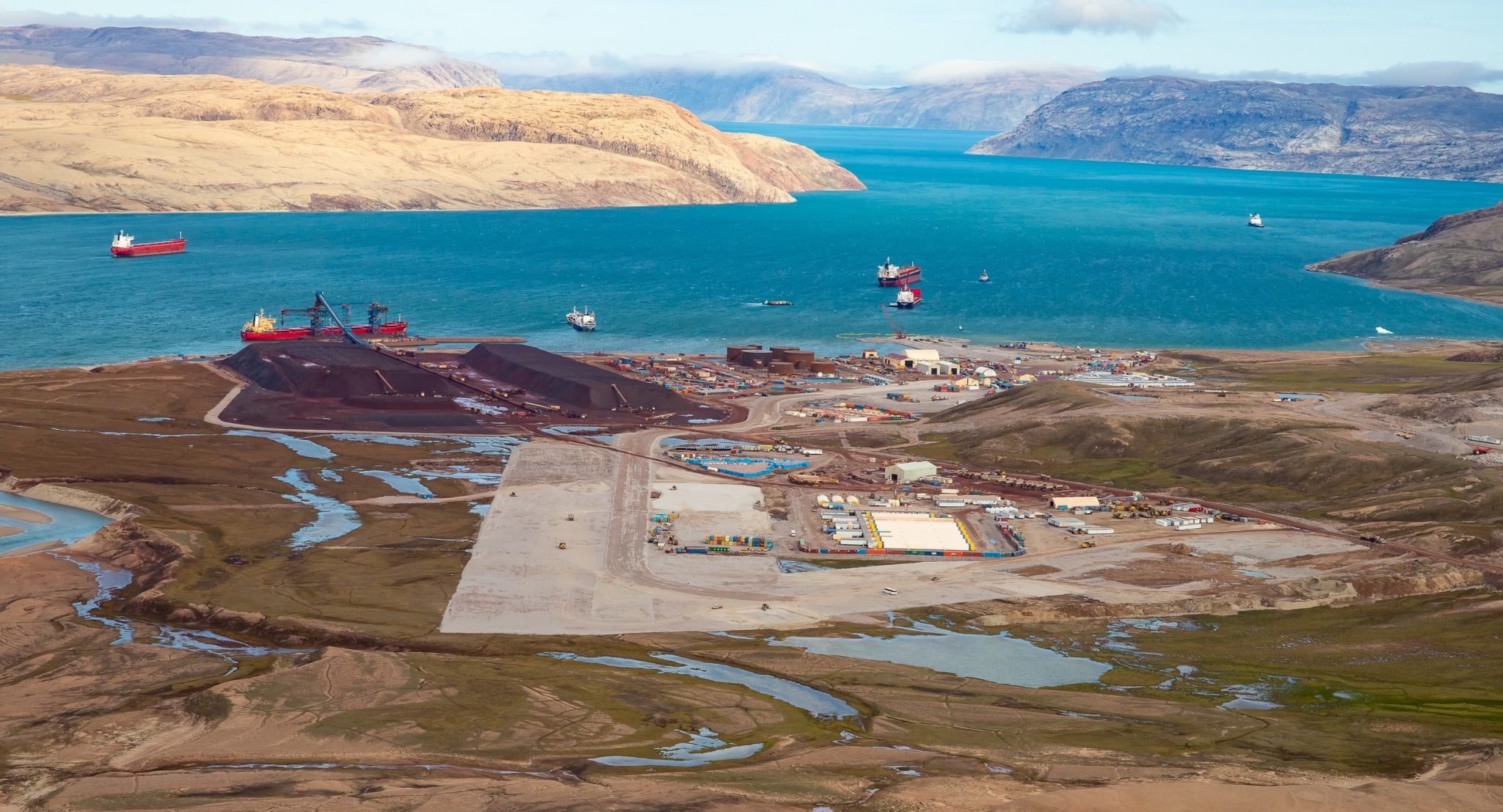
After a week of blockading an airstrip and road to an iron mine on north Baffin Island, a small group of Inuit protesters packed up their tents, agreeing to give dialogue with authorities a chance after the mining company won an injunction ordering them to disband their encampment. The self-declared Nuluujaat Land Guardians began blocking access to Baffinland Iron Mines Corp’s Mary River mine to oppose a proposal for expansion that would see its output of iron ore double to 12 million tons per year, as well as construction of a 110-kilometer railway to the facility. The Land Guardians say the expansion would drive caribou away and harm other wildlife in the area, including narwhal, upon which their communities depend for subsistence. (Photo: Baffinland Iron Mines Corp via Nunatsiaq News)

Planet Watch
Line 3

Global petro-resistance greets 2021

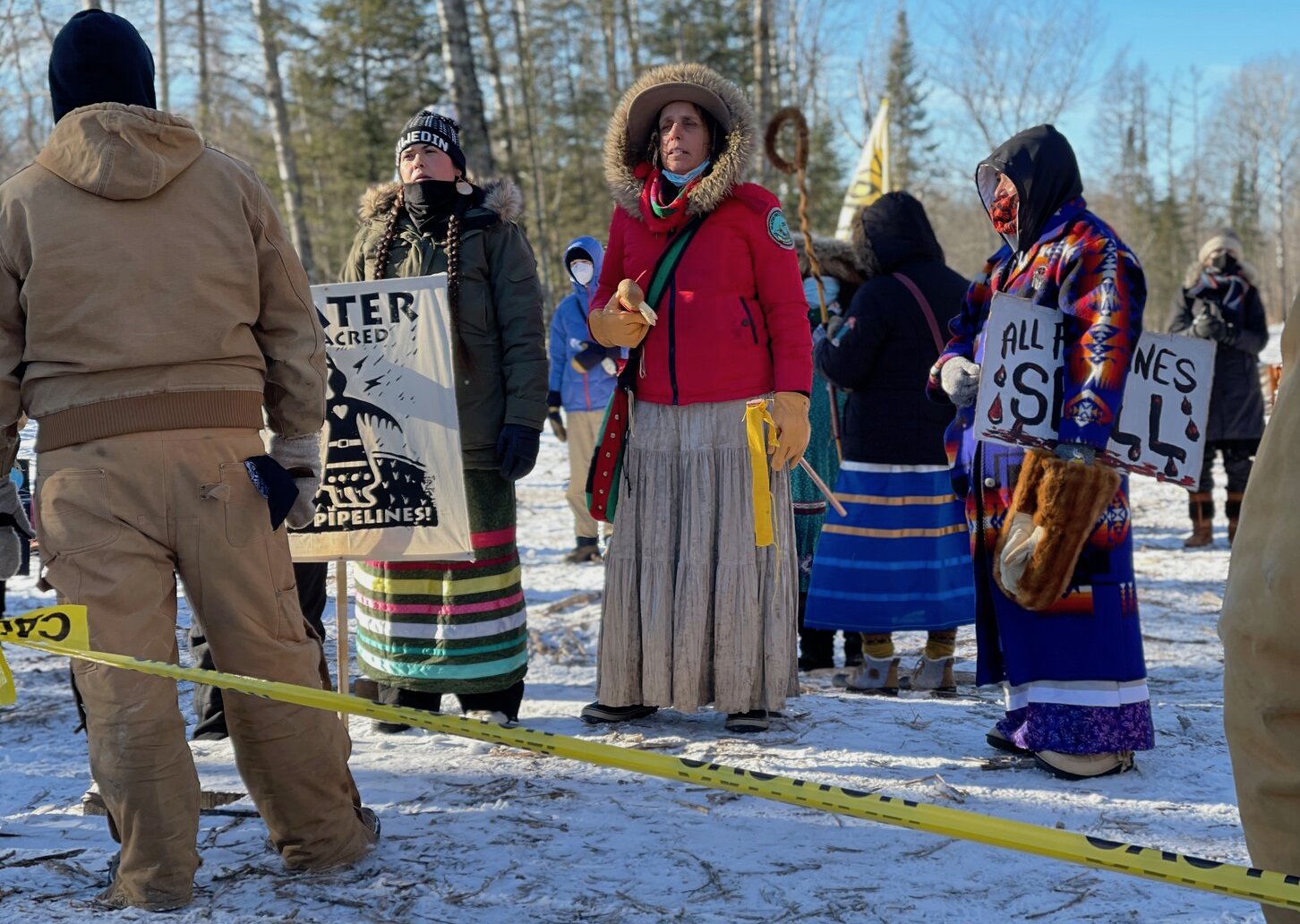
As the year comes to a close, Native American activists and their allies in Minnesota are launching a weekly protest vigil against the planned Line 3 pipeline, that would bring more Canadian shale-oil to US markets. The self-proclaimed “water protectors” pledge to continue the campaign into the winter. The Conservation Council of Western Australia meanwhile launched legal challenge against approval of the new Burrup Hub liquified natural gas facility, asserting that it is the “most polluting fossil fuel project ever to be proposed in Australia,” and “undermines global efforts [to mitigate climate change] under the Paris Agreement.” While Denmark has pledged to end North Sea oil exploitation by 2050 as a step toward meeting the Paris accord goals, other Scandinavian governments remain intransigent. The Supreme Court of Norway has upheld a judgment allowing the government to grant oil licenses in new sections of the country’s continental shelf. The decision was challenged by environmental groups including Nature & Youth Norway, who claimed that it violates the European Convention on Human Rights. (Photo: Stop Line 3)

Planet Watch
poverty

COVID-19 could deepen global poverty: UNDP

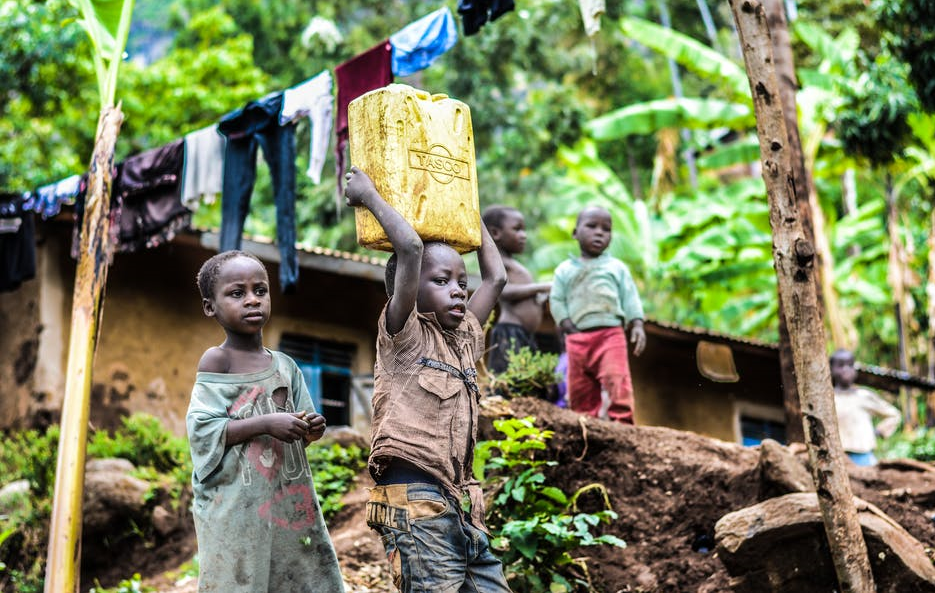
Severe long-term effects of the COVID-19 pandemic could push an additional 207 million people into extreme poverty, bringing the total to over 1 billion by 2030, according to a study by the United Nations Development Programme (UNDP). The “Baseline COVID” scenario, based on current mortality rates and the most recent growth projections by the International Monetary Fund (IMF), would result in 44 million more people living in extreme poverty by 2030 compared to the development trajectory the world was on before the pandemic. Under a “High Damage” scenario, where the recovery is protracted, COVID-19 is likely to push an additional 207 million people into extreme poverty by 2030, compared to that baseline. (Photo of youth in Uganda: Dazzle Jam via Photos for Class)

Planet Watch
freeway

Humanity’s affluent 1% drive climate change

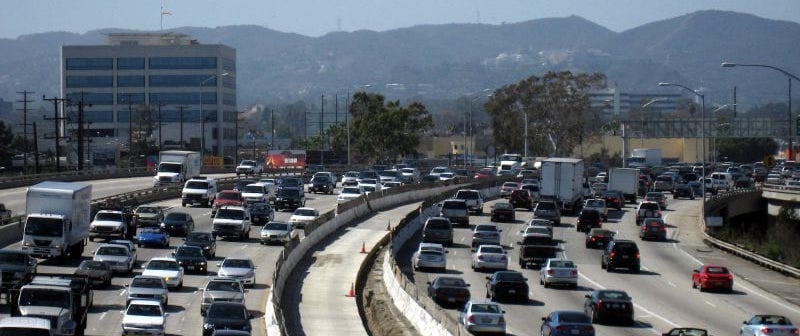
The richest one percent of the world’s population are responsible for more than twice as much carbon pollution as the 3.1 billion people who made up the poorest half of humanity during a critical 25-year period of unprecedented emissions growth, according to a new study by the aid group Oxfam. The report, “Confronting Carbon Inequality,” is based on research conducted with the Stockholm Environment Institute and has been released as world leaders prepare to meet at the UN General Assembly to discuss global challenges including the climate crisis. The report assesses the “consumption emissions” of different income groups between 1990 and 2015—the 25 years when humanity doubled the amount of carbon dioxide in the atmosphere. Tim Gore, head of climate policy at Oxfam and author of the report, said: “The over-consumption of a wealthy minority is fuelling the climate crisis, yet it is poor communities and young people who are paying the price. Such extreme carbon inequality is a direct consequence of our governments’ decades-long pursuit of grossly unequal and carbon-intensive economic growth.” (Photo: malingering via The Source Metro)

Planet Watch
Innu

Innu Nation sues Hydro-Quebec

The Innu Nation of Labrador announced that it is seeking $4 billion in damages from Hydro-Quebec over its mega-dam on the Upper Churchill River. The suit, filed in the Supreme Court of Newfoundland & Labrador, seeks compensation for the theft of ancestral Innu land to build the Churchill Falls hydro-electric project, leading to devastation of their community’s culture and way of life. “The impact of Churchill Falls has been felt across generations of Innu,” said Grand Chief Etienne Rich. He charged that Hydro-Quebec and the provincial utility in Newfoundland, now called Nalcor Energy, “stole our land and flooded it in order to take advantage of the enormous hydro potential of the Churchill Falls. This project was undertaken without consulting us and without our consent.” New York City is pinning many of its hopes to cut carbon emissions on imported Canadian hydropower, but environmentalist opponents point to the impact of planned hydro projects on indigenous lands. (Image: Innu Nation)

Planet Watch
GLAN

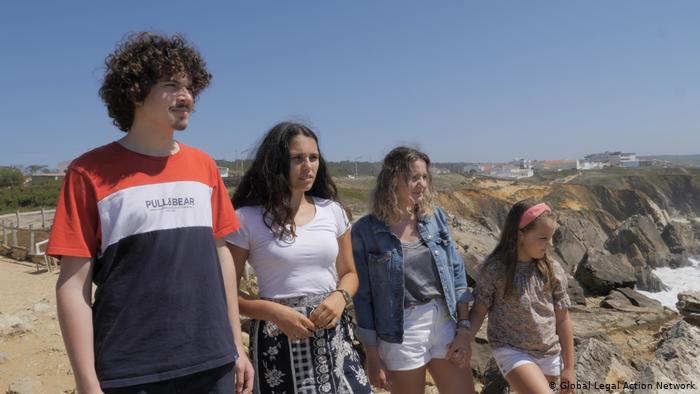
International youth file climate change lawsuits

Six Portuguese young people have filed a legal complaint at the European Court of Human Rights (ECHR) in Strasbourg, France, accusing 33 countries of violating their right to a secure future by failing to take action to mitigate the climate crisis. The youths aged 12 through 21, represented by the Global Legal Action Network (GLAN), are targetting countries whose policies on carbon emission reduction they say are too weak to meet the 1.5 degrees Celsius goal of the Paris Agreement, citing the country ratings of the Climate Action Tracker. Named in the suit are the 27 European Union member states, as well as the United Kingdom, Switzerland, Norway, Russia, Turkey and Ukraine. A similar legal action has been launched by a group of youth in Australia, seeking an injunction to stop approval of a license extension at Whitehaven Coal‘s Vickery mine in New South Wales, arguing that it would threaten the futures of young people all over the world by exacerbating climate change. (Photo: GLAN)

Planet Watch
Bicycles

Global mayors envision car-free ‘new normal’

The Global Mayors COVID-19 Recovery Task Force, representing cities on every continent, announced a proposal for a post-pandemic “new normal” that will de-emphasize cars and carve out more room on the streets for bicyclists. The C40 Mayors Agenda for a Green and Just Recovery seeks to create conditions that will proactively prepare cities for future pandemics, while addressing systemic injustices and keeping global warming below the 1.5°C goal of the Paris Agreement. The Agenda calls for substantial investments in affordable housing and public transportation, the permanent banning of cars from many thoroughfares, an end to public investment in and subsidies for fossil fuels, and an embrace of the “15-Minute City” paradigm now being pioneered by Paris. (Photo: JPC24M)

Planet Watch
landgrab

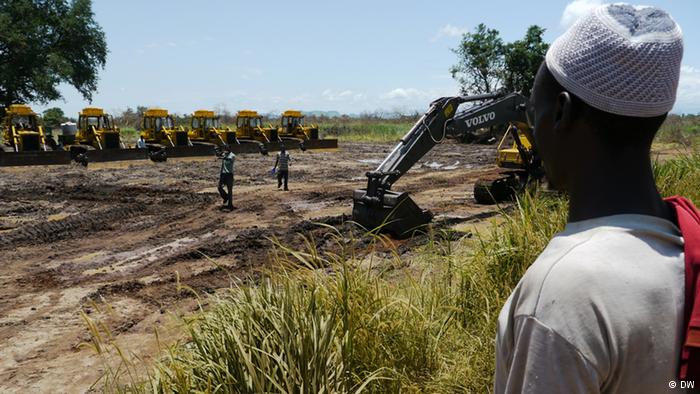
Destruction of nature linked to new pandemics

Leaders from the UN Convention on Biological Diversity, the World Health Organization and the World Wide Fund for Nature joined to issue a stark warning that pandemics such as COVID-19 are a direct result of the destruction of nature caused by human activity. In an op-ed published by The Guardian, top figures from each organization state that the destruction of forests and other habitats, coupled with trafficking in wildlife, is causing a growing number of animal diseases to migrate to human hosts. In a call to action ahead of the UN Biodiversity Summit, the three representatives cite prior examples of environmental destruction that triggered new virus outbreaks in humans. (Photo: Schadomski/DW, used with permission)

Planet Watch
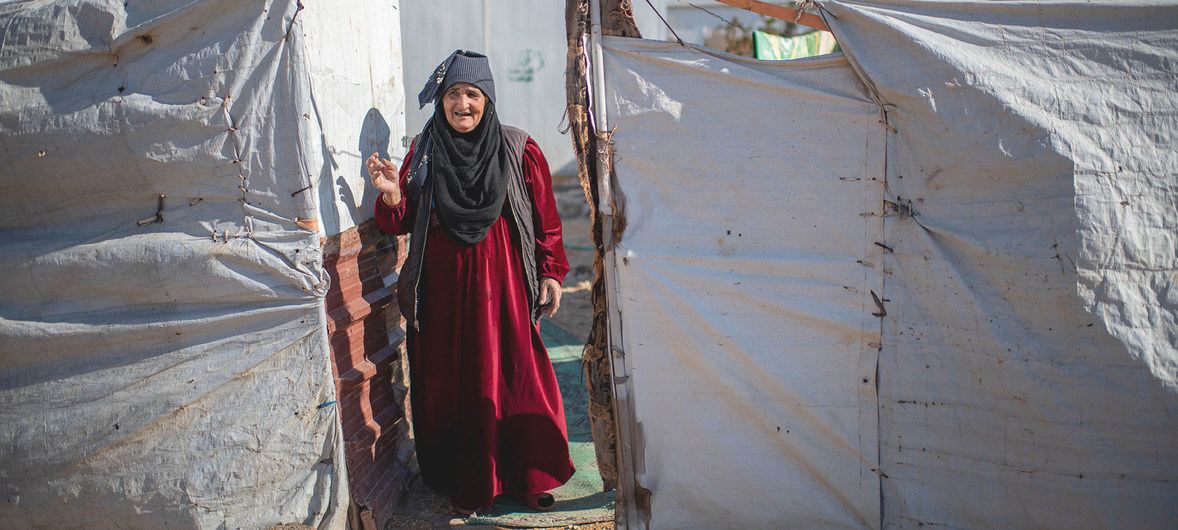
Idlib displaced

UN: world refugees break record —again

An unprecedented one percent of the world’s population has been forced to flee their homes due to war, conflict and persecution to seek safety either somewhere within their country or across borders, according to the latest annual report by the UN Refugee Agency. At the end of 2019, there were 79.5 million people around the world who had been forcibly displaced, up from 70.8 million the year before. The rise was in part due to new displacements in places such as the Democratic Republic of the Congo, the Sahel region of Africa, Yemen and Syria. It also reflected the inclusion for the first time of 3.6 million Venezuelans who have been displaced outside their country but who have not sought asylum. (Photo: UNHCR)

Planet Watch
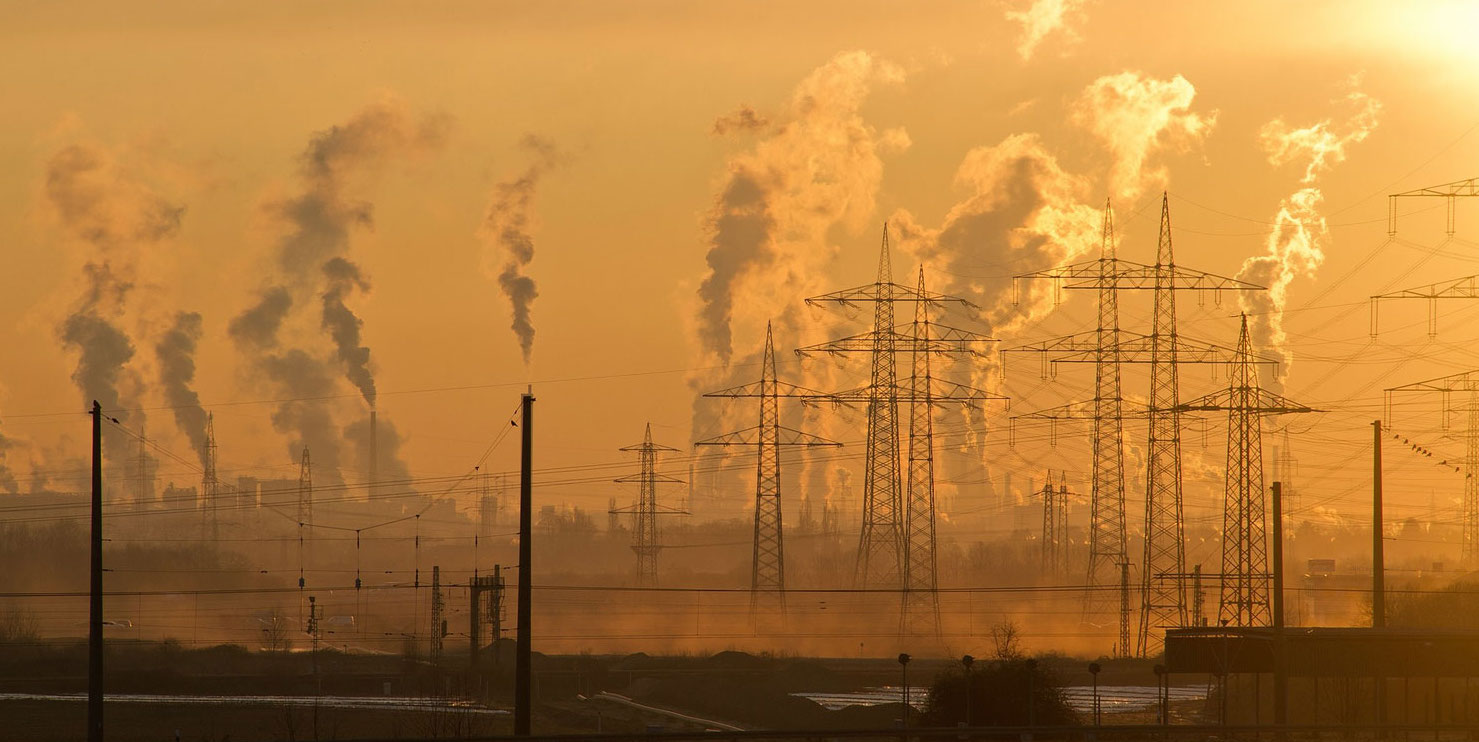
air pollution

UN climate talks delayed one year by COVID-19

International climate negotiations will be delayed by a full year due to the coronavirus pandemic, the UN Framework Convention on Climate Change (UNFCCC) and the UK government announced. The next summit, dubbed COP26, was due to take place this November in Glasgow, but has now been put off to November 2021. Delaying the talks could encourage governments, industrial concerns and financial institutions to adopt recovery plans with high climate costs—such as a bailout for the oil companies. The postponement is particularly critical given the failure of last year’s summit, held in Madrid, to reach any agreement. (Photo: Ralf Vetterle, Pixabay)