Planet Watch
Chile protester

Podcast: world revolution in 2020?
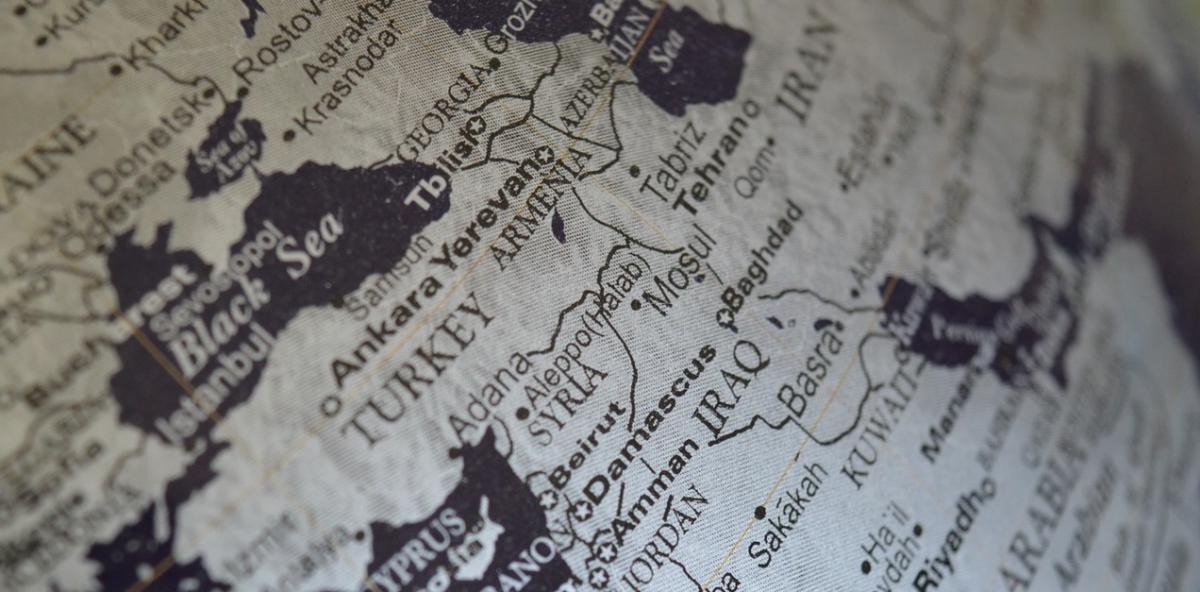
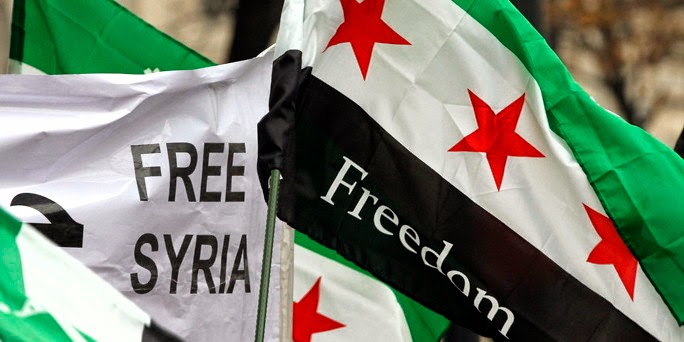
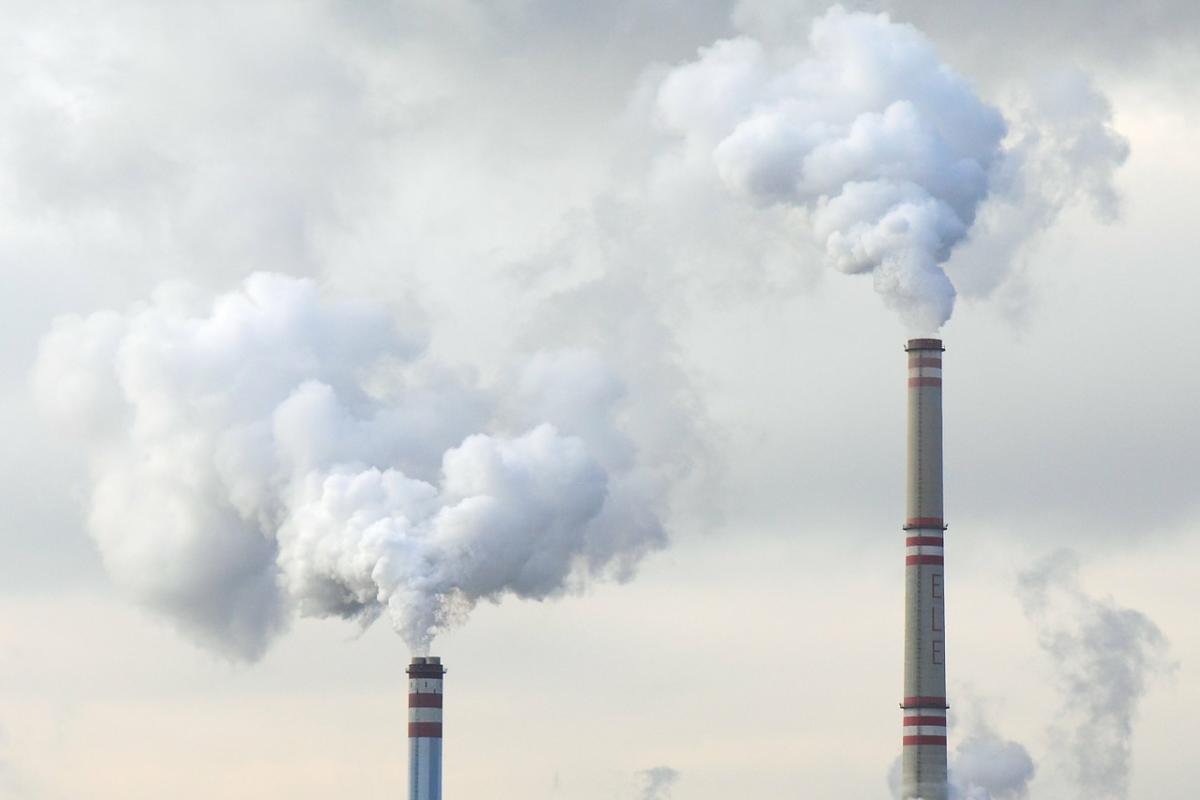
SyriaUN Human Rights Chief Volker Türk warned that repression of freedom of expression across the Middle East has deepened significantly since the US-Israeli attacks on Iran commenced at the end of February. In Iran, approximately 2,345 people have been arrested on charges related to national security. Many of these, as well as more arbitrarily arrested during the January protests, are being held in harsh conditions and incommunicado detention. The state has also cut internet access to prevent external sharing of information. Three protestors were publicly hanged in March after being convicted of "waging war against God" based on "confessions" obtained under torture. Many more are at imminent risk of execution. But hundreds of arbitrary arrests for online anti-war dissent have also taken place in the Gulf states that Iran has been targeting with missile strikes, with Türk warning of a "sharp securitization of civic space across the region." (Image: Pixabay)
Planet Watch

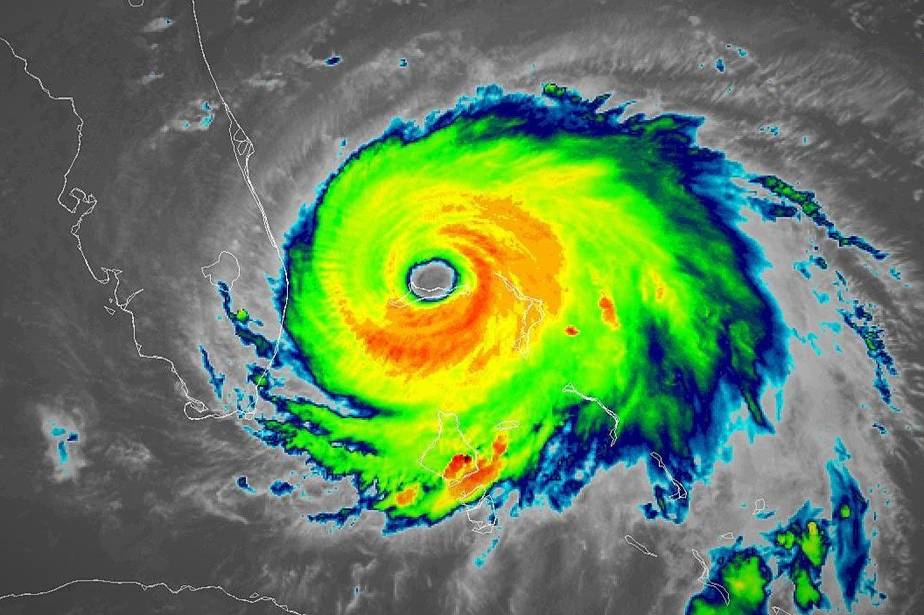
Dorian’s devastation portends climate disaster

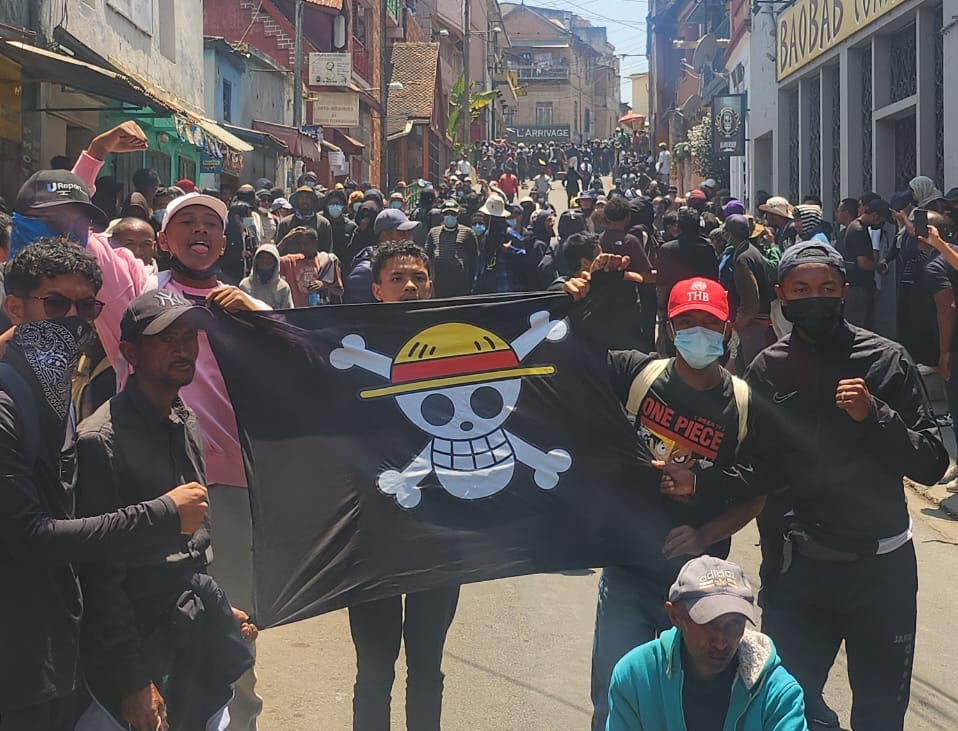
MadagascarYouth-led protests demanding better education and healthcare in Morocco escalated into violent clashes with security forces. The protests were organized online by a loose network calling itself "GenZ 212," after Morocco's country code. In the southern cities of Tiznit, Inzegane and Ait Amira, as well as the eastern city of Oujda and Temara near the capital Rabat, hundreds of protesters hurled stones at security forces attempting to disperse the gatherings. At least two protesters were killed when police opened fire in Lqliaa, near the coastal city of Agadir. But there was far worse violence in Madagascar, where President Andry Rajoelina announced the dissolution of the government in response to youth protests over power and water shortages. The UN criticized Malagasy authorities' response to the demonstrations, reporting at least 22 people killed and hundreds injured. The Madagascar demonstrations were also organized under the banner of "Gen Z." (Photo via Mika R/Twitter. Madagascar protesters use appropriated image from One Piece manga series.)

Planet Watch
Africa fires

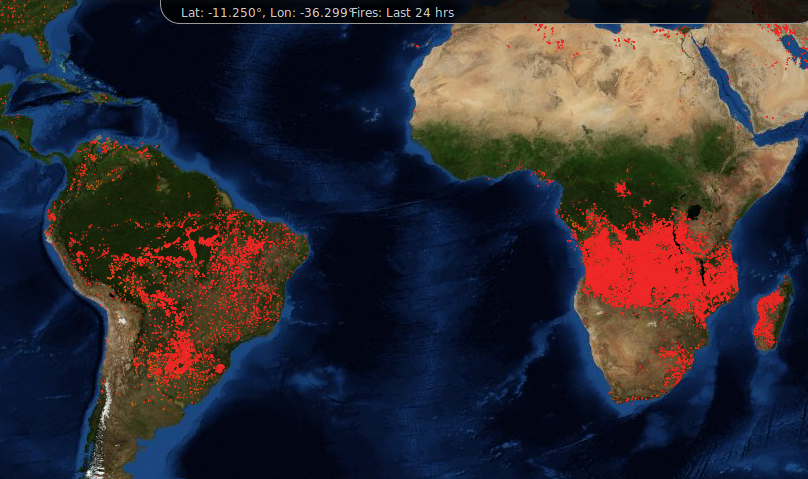
Central African forests burning faster than Amazon

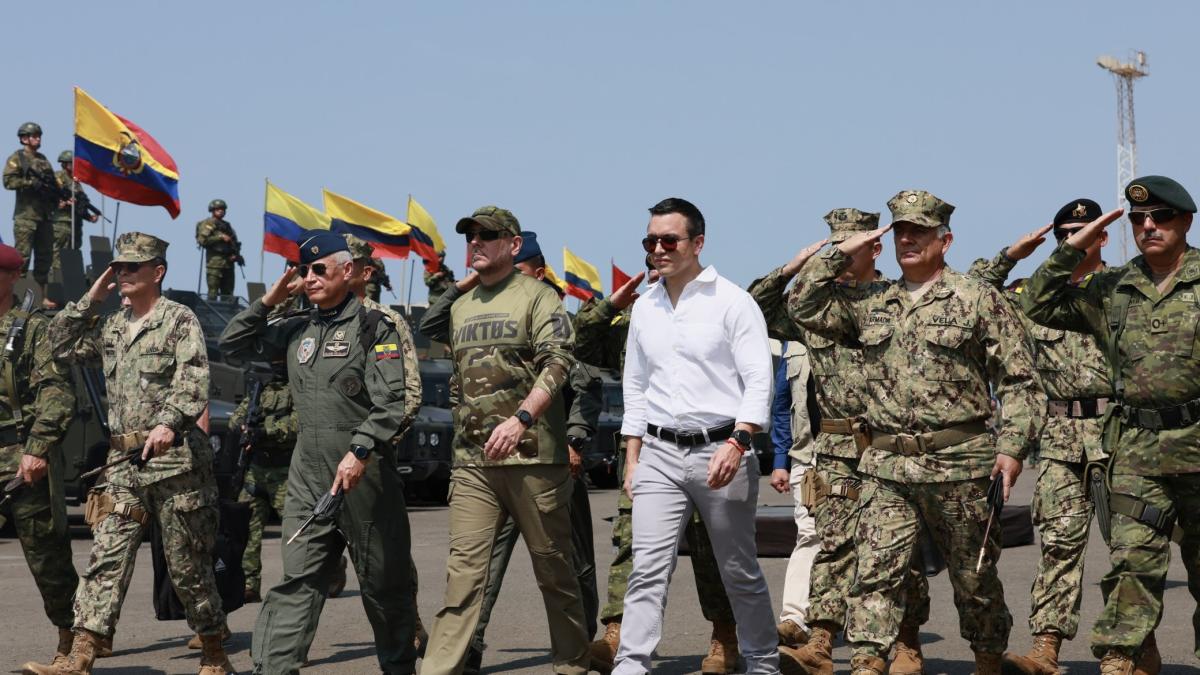
EcuadorAt least 17 people were killed in an armed attack on a bar in El Empalme, a small town north of Ecuador's port city of Guayaquil—days before US Homeland Security Secretary Kristi Neom visited the country and signed a deal to fight organized crime and illegal migration. The deal includes training for Ecuadoran security forces in the US and collaboration on border security. Once one of South America’s safest countries, Ecuador has registered a vertiginous uptick in violent crime in the past few years. In response, President Daniel Noboa has adopted a series of hardline security policies that have raised concern over human rights abuses. The policies range from the repeated declaration of states of emergency, the construction of El Salvador-style prisons, and a "strategic alliance" with private US military contractor Erik Prince. Noboa has also replicated some of US President Donald Trump's deportation tactics, returning more than 600 Colombian prisoners to their country in late July with no official notice. (Photo: Presidencia Ecuador via Peoples Dispatch)

Planet Watch
Chad

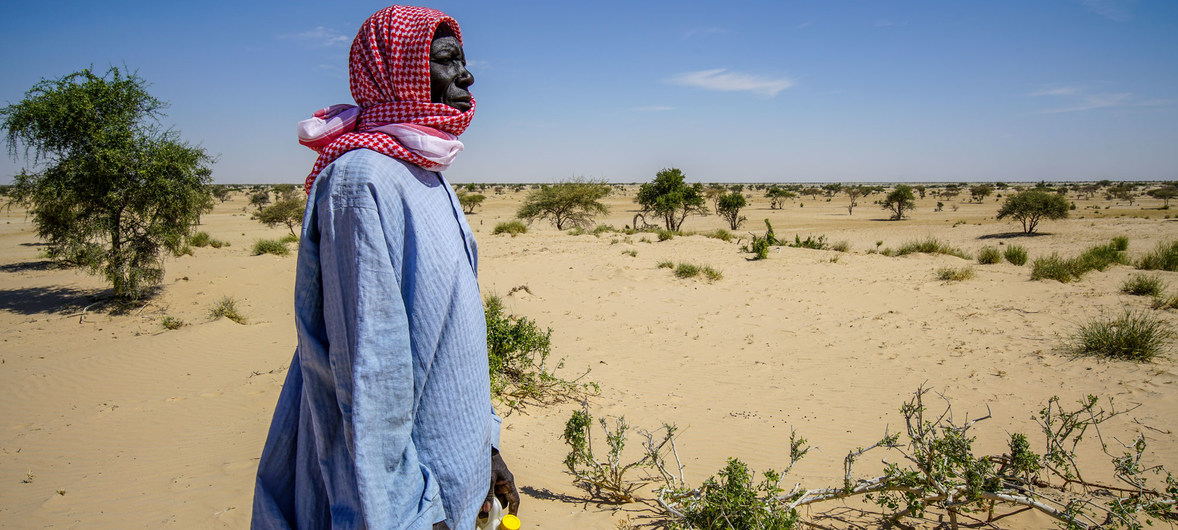
UN report on climate change calls for urgent action

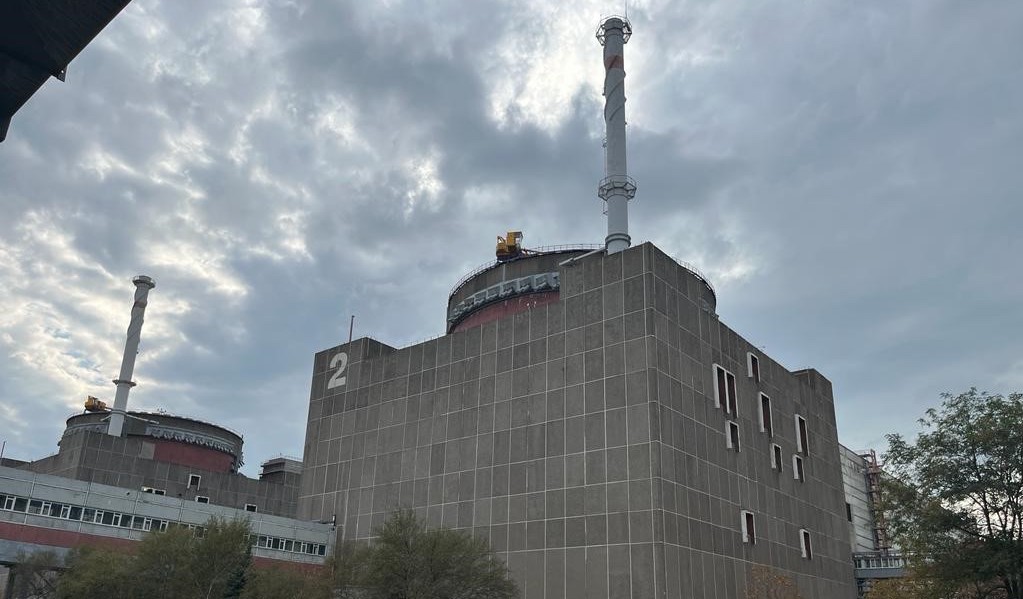
ZaporizhzhiaUN Secretary-General António Guterres strongly condemned Russia's largest yet wave of drone and missile attacks in Ukraine, especially noting strikes that disrupted the power supply to the Zaporizhzhia Nuclear Power Plant (ZNPP), endangering nuclear safety. Rafael Grossi, director of the International Atomic Energy Agency (IAEA), also warned of the persisting "extremely fragile" situation at Europe's largest nuclear facility. Russia's latest air-strike against the ZNPP marked the ninth time power was broken off to the plant since the war began in February 2022. Although external power has been restored, Grossi cautioned that the situation remains unsafe. (Photo: Wikipedia)

Planet Watch

UN report: ‘unprecedented’ biodiversity collapse

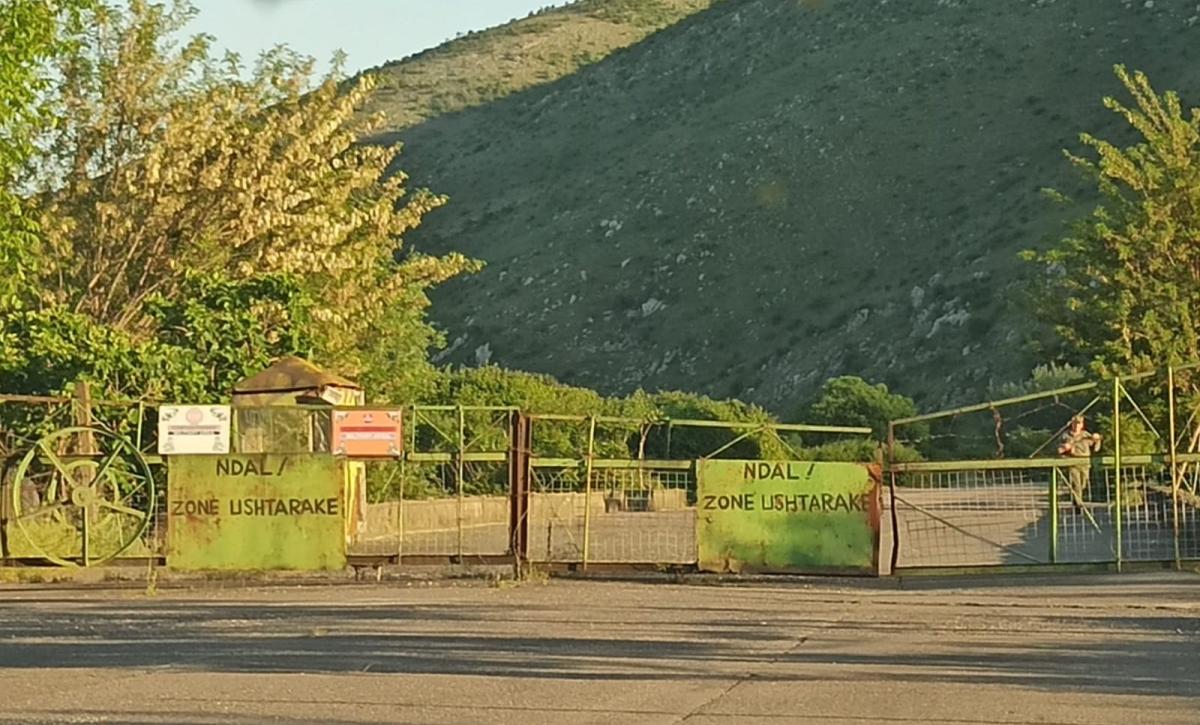
GjadërItaly's right-wing government, led by Prime Minister Giorgia Meloni, issued a decree aimed at bypassing judicial obstacles to a controversial deal with Albania to hold and process the claims of asylum-seekers intercepted at sea by Italian forces. The move came days after a special immigration court in Rome ruled that the first group of 12 migrants sent to the repurposed military camp at Gjader, Albania, must be returned to Italy. The court found that the migrants' countries of origin—Egypt and Bangladesh—are "unsafe," making their offshore detention illegal. Meloni's decree asserts the executive alone has the power to make such determinations, setting the stage for a showdown between her government and the judiciary. (Photo: Melting Pot Europa)

Planet Watch

Podcast: paradoxes of anarchism and nationalism

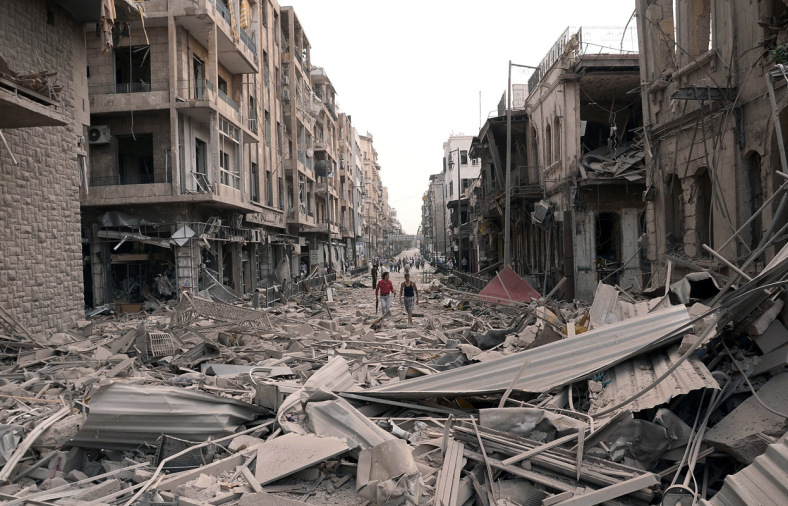
AleppoIn Episode 86 of the CounterVortex podcast, Bill Weinberg returns to the book The Responsibility to Protect in Libya and Syria: Mass Atrocities, Human Protection, and International Law by Syrian American legal scholar Yasmine Nahlawi, exploring applicability of its analysis to the current disaster in Afghanistan. This discussion is taken up at the request of Eric Laursen, author of The Duty to Stand Aside: Nineteen Eighty-Four and the Wartime Quarrel of George Orwell and Alex Comfort. Laursen is the first to take up the CounterVortex special offer, by which new Patreon subscribers get to choose a topic for exploration on the podcast. When do we have a responsibility to protect, and when do we have a duty to stand aside, and how can these imperatives be reconciled? Listen on SoundCloud or via Patreon. (Photo: Destruction of Aleppo, via 7ee6an)

Planet Watch

Podcast: from Crimea to Venezuela

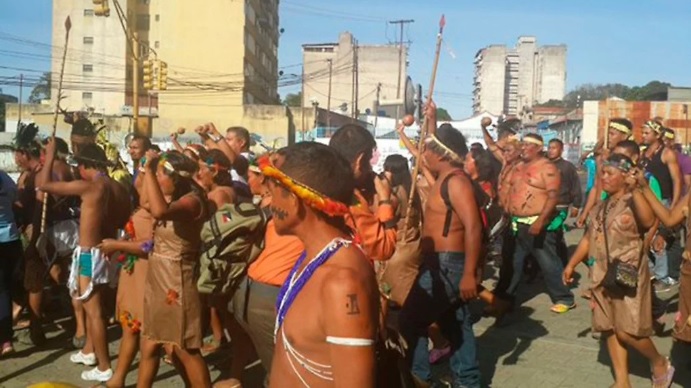
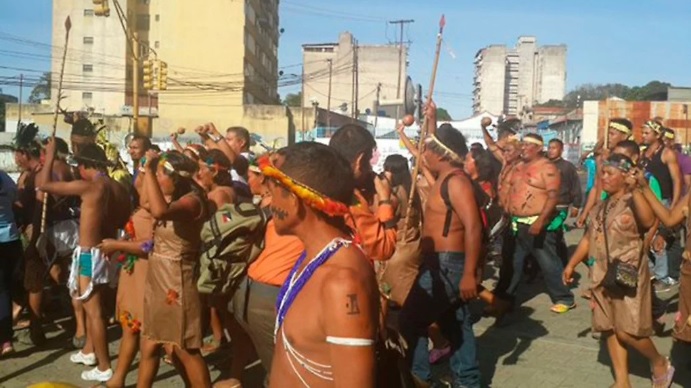
PemonIn Episode 26 of the CounterVortex podcast, Bill Weinberg notes contradictions and complexities in two world crises depicted in polarized terms by left, right and center alike. The indigenous Tatar people of Crimea, their autonomy and rights abrogated by the illegal Russian occupation, have been drawn into an alliance with Ukraine's ultra-nationalist Right Sector based on their mutual opposition to Putin's annexation of the peninsula. Ukrainian anarchists are meanwhile facing repression for their opposition to Right Sector. Putin, who is cracking down on Russian anarchists who oppose his own ultra-nationalist imperial agenda, has just sent a detachment of Cossack mercenaries to Venezuela to serve as a Praetorian Guard for the embattled Nicolás Maduro. In addition to being opposed by the right-wing pretender Juan Guaidó, Maduro faces a challenge from an independent left that rejects his undemocratic rule as well as US imperial designs on Venezuela. Indigenous peoples such as the Pemón of the Orinoco Basin are also mounting resistance to extractive designs on their territory—regardless of who holds power in Caracas. Can anarchists and the independent left in Ukraine, Russia and Venezuela unite with indigenous peoples such as the Tatars and Pemón to defend freedom and autonomy, and repudiate reactionaries and imperialists on all sides? Listen on SoundCloud, and support our podcast via Patreon. (Photo: EcoPolitica Venezuela)

Planet Watch
cannabis

Podcast: the dialectics of cannabis liberation

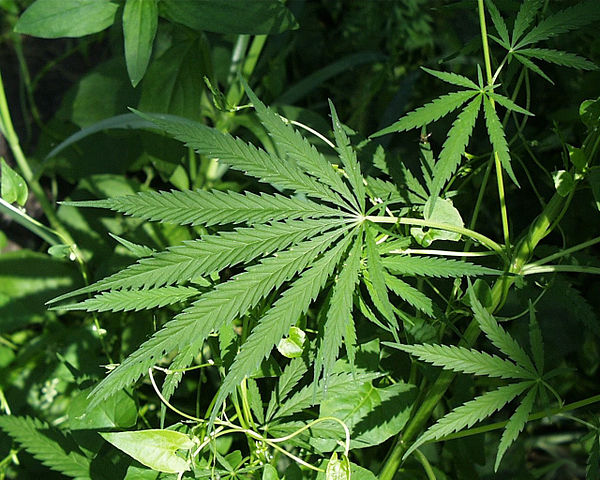
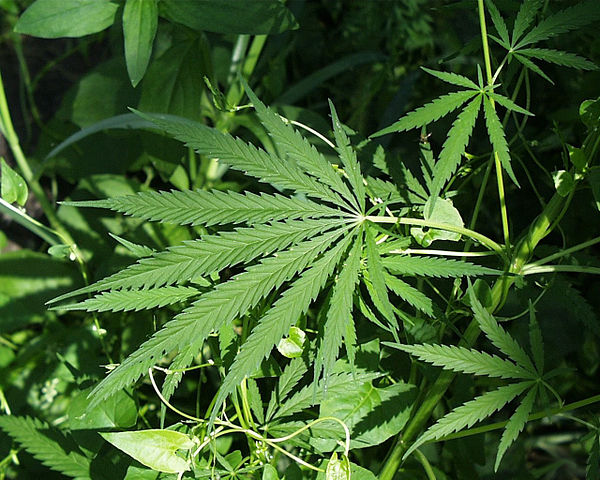
cannabisIn Episode 24 of the CounterVortex podcast, Bill Weinberg notes the historic strides toward liberation of the cannabis plant in 2018, from the four corners of the Earth. Yet under capitalism, every advance also opens new contradictions. With the rise of "corporate cannabis," traditional small growers in places like California's Emerald Triangle stand to be pushed off the market as Central Valley agribusiness gets in on the act. Burdensome regulations and heavy taxation have kept some growers on the black market—and big police raids in the Emerald Triangle have continued even after "legalization." High taxes on cannabis have also actually closed the legal space for California's "compassionate care" providers—those who make free or discounted medical marijuana available to the ailing. There are concerns about the corporate privatization of ancient cannabis landraces long grown by small cultivators around the world. Meanwhile, even as overall cannabis arrests have dropped under more tolerant laws and enforcement policies in many states and localities, the racial disparity in those arrests that continue (e.g. for public use) is unabated. In a positive development, California has passed a "cannabis equity" law to address such concerns. But even the federal Farm Bill that just legalized industrial hemp and cannabinoids derived from it irrationally keeps cannabinoids derived from "marijuana" (high-THC strains) illegal. Weinberg calls for challenging the "marijuana" stigma, recognizing that cannabis liberation is an urgent question of human rights and racial justice, and adopting a stance of permanent struggle in fighting for it. Listen on SoundCloud, and support our podcast via Patreon. (Photo via Wikimedia Commons)

Planet Watch

Podcast: Libertarian Socialism—not an oxymoron

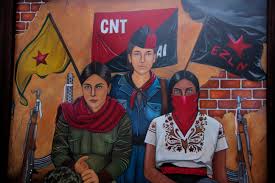
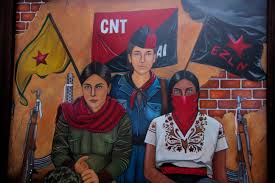
libertarian socialismIn Episode 20 of the CounterVortex podcast, Bill Weinberg discusses the forgotten legacy of libertarian socialism—considered by many today a contradiction in terms. While the word “socialism” is suddenly viewed as legitimate in American political discourse again for the first time in generations, the word “libertarian” continues to be associated with the free-market right—despite its origins on the anarchist left. Weinberg discusses his own involvement in New York’s Libertarian Book Club—founded by anarchist exiles from Europe in the 1940s, to keep alive their ideals and pass the torch to a new generation. Libertarian socialists seek inspiration in such historical episodes as the Zapatistas in Mexico (1910-19), Makhnovists in Ukraine (1917-21), Spanish anarchists in Catalonia (1936-7), and Zapatistas in Mexico again (1994-date)—peasants and workers who took back the land and the factories, building socialism from below, without commissars or politburos. Other movements inspired by this vision on the world stage today include anarchist-influenced elements of Syria’s civil resistance, and the autonomous zone of northern Syria’s Rojava Kurds. Far from being an irrelevant anachronism, a libertarian socialist vision is neccessary for human survival. Listen on SoundCloud, and support our podcast via Patreon. (Image: Dissent! Sans Frontières)

Planet Watch

Canada’s high court deals blow to treaty rights

Chief Archie WaquanThe Supreme Court of Canada ruled that the federal government does not have a responsibility to consult with First Nations before introducing legislation, even in cases when it would impact their lands and livelihood. The 7-2 ruling ends a challenge by the Mikisew Cree First Nation of Alberta to a 2013 reform of Canada's environmental laws by the administration of then-prime minister Stephen Harper. The reform altered the Canadian Environmental Assessment Act, the Fisheries Act, the Species at Risk Act, and the Navigable Waters Protection Act, reducing the number of projects that require environmental assessment studies and narrowing the scope of those assessments. The Mikisew Cree contended that the reform violated constitutionally-protected treaty rights of Canada's indigenous First Nations. (Photo of Mikisew Cree Chief Archie Waquan via CBC)

Planet Watch

Climate change report draws UN call for action

carbonUN Special Rapporteur on human rights and the environment David Boyd issued an urgent call for accelerated action to combat climate change. The statement comes after the Intergovernmental Panel on Climate Change (IPCC) released a report on the impacts of global warming of 2°C—the increase permitted under the Paris Accord. Boyd said that climate change is "one of the greatest threats to human rights" and will have devastating effects on the "rights to life, health, food, housing, and water, as well as the right to a healthy environment." In order to meet human rights obligations, Boyd called on counties to exceed their Paris Agreement obligations. If the temperature increase is allowed to increase to 2.0°C, it would result in "human rights violations upon millions of people." (Photo via Jurist)

Planet Watch

Will world war be October surprise?

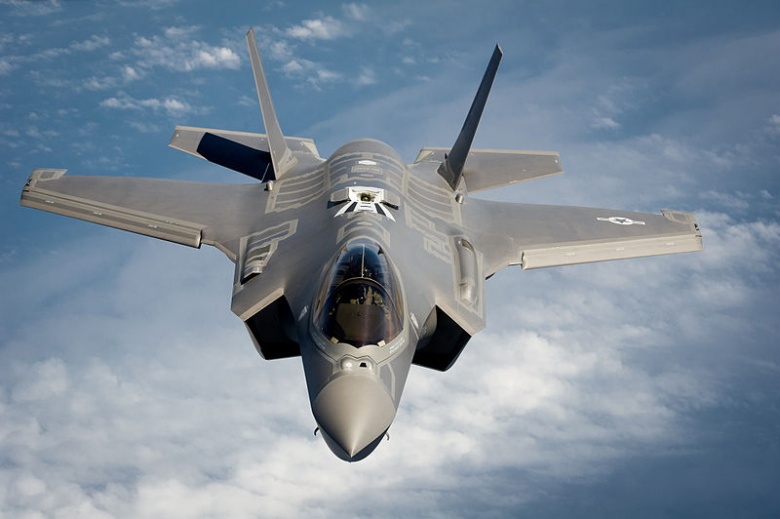
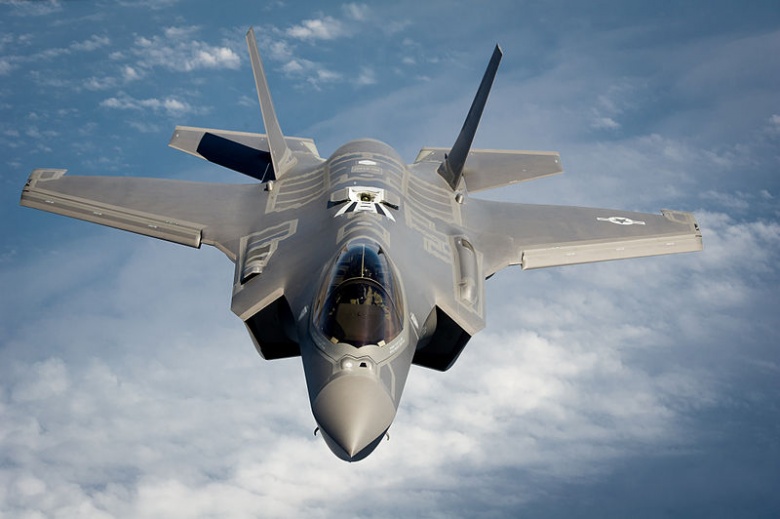
warplaneWill an "October surprise" in the prelude to the mid-term elections in the US be the outbreak of world war—that is, direct superpower conflict? Things are escalating fast on the frontlines with both of the United States' major imperial rivals. The US Navy's Pacific Fleet is preparing to carry out a "global show of force" as a warning to China, after a near-skirmish between a US warship and a Chinese destroyer in the disputed South China Sea. Meanwhile, NATO is planning to conduct its largest military exercises since the end of the Cold War, Trident Juncture 2018, along Norway's border wth Russia. This comes as Washington and Moscow are odds over missile deployments, accusing each other of violating the 1987 Intermediate-range Nuclear Forces Treaty. (Image: Lockheed Martin)