The Andes
Pataz

Peru: emergency measures against illegal mining

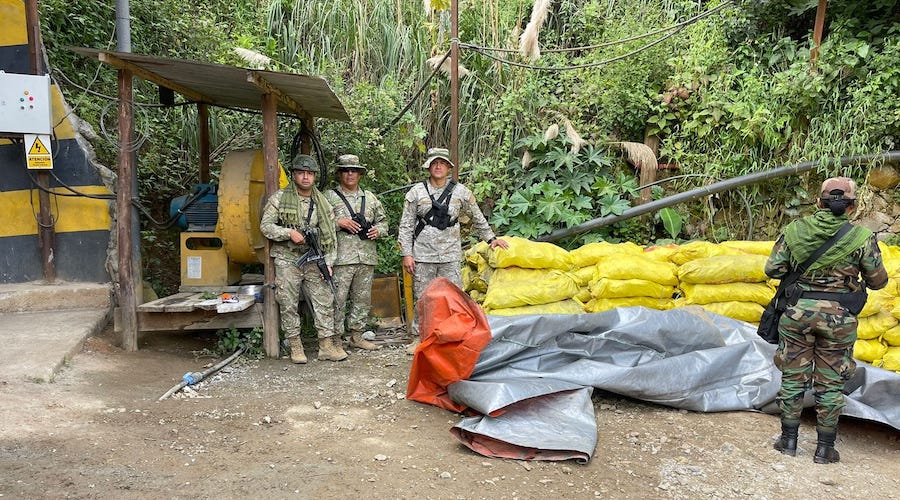
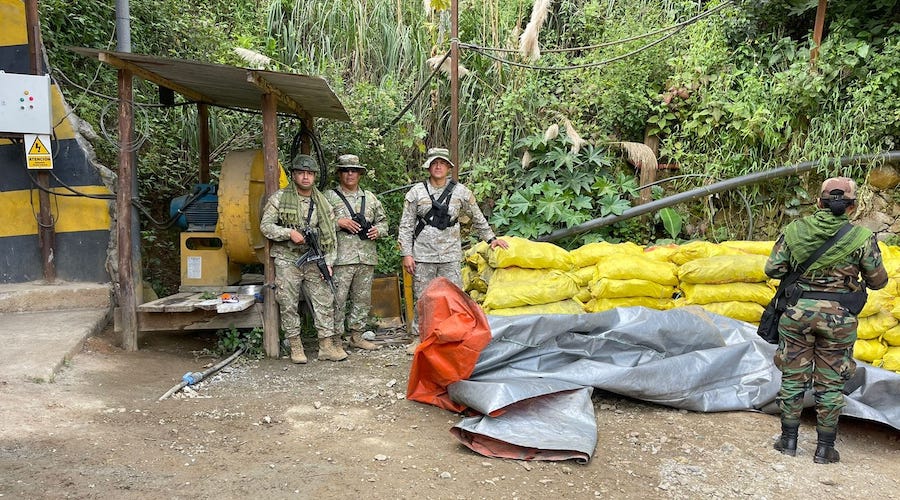
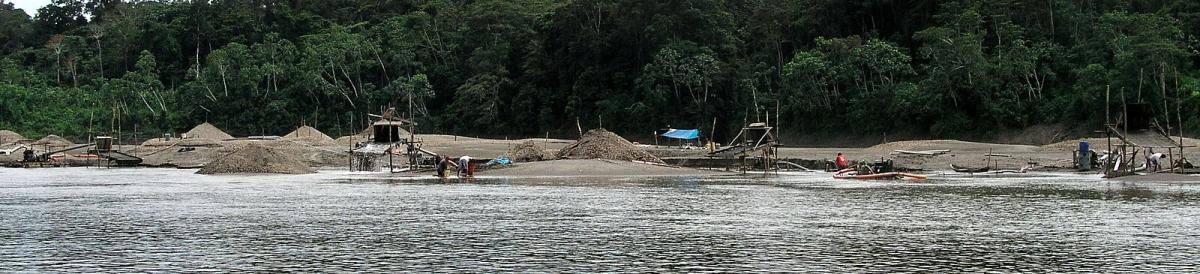
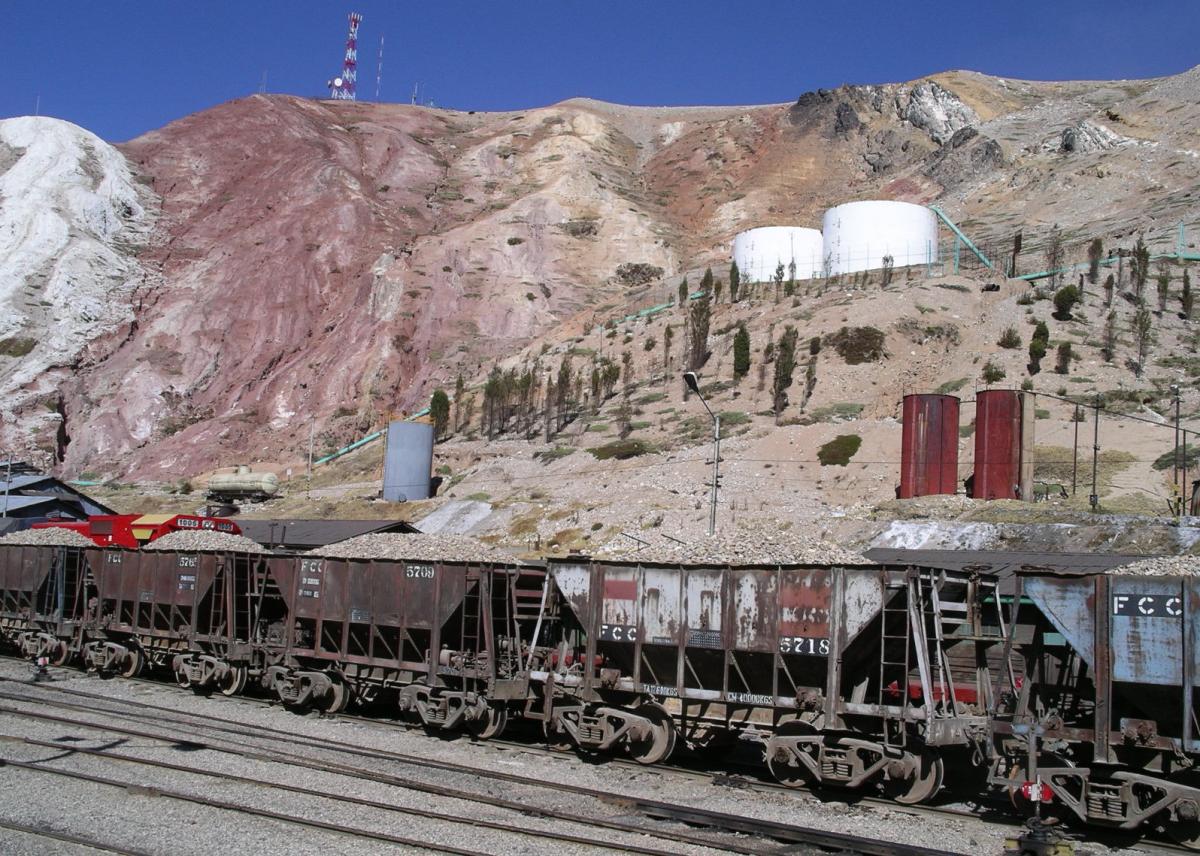
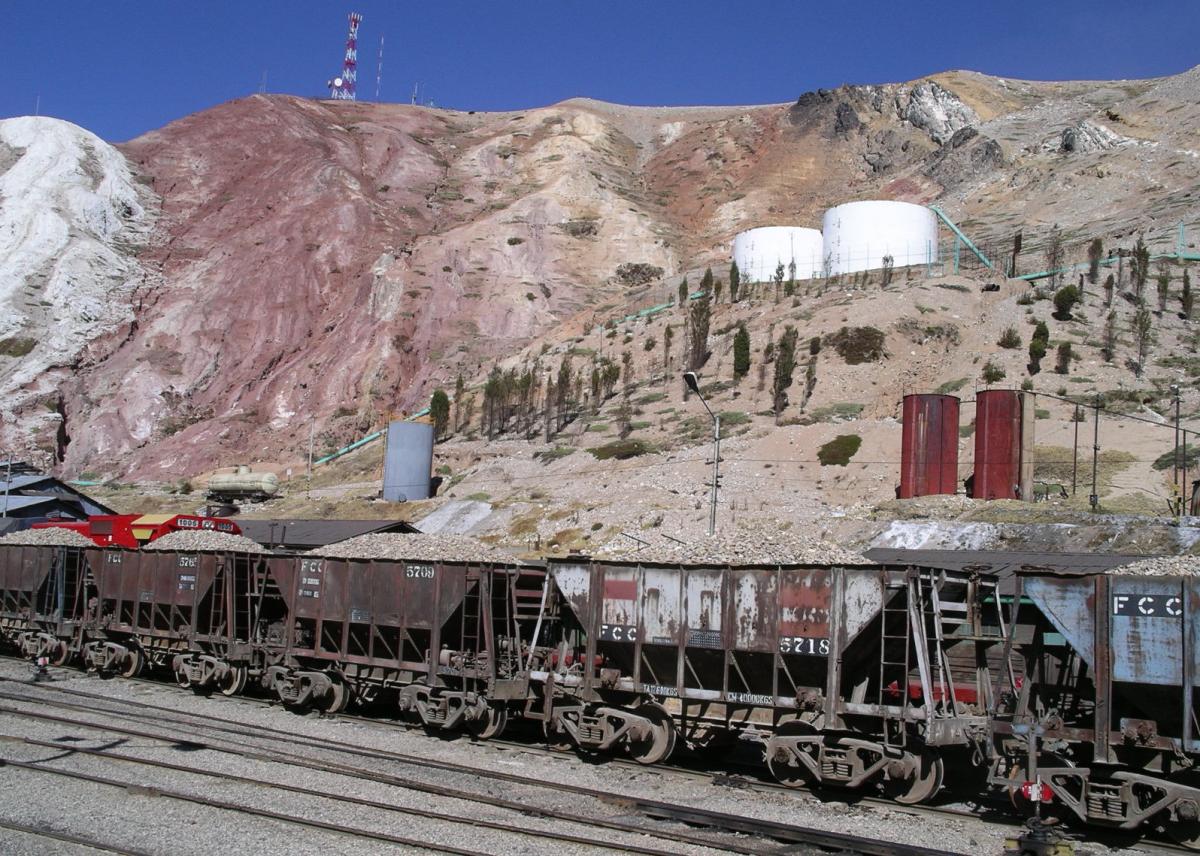
The bodies of 13 security guards at a major Peruvian gold mine were found a week after the men were abducted from the site. Poderosa, the Peruvian company that owns and operates the mine in the northern province of Pataz, La Libertad region, confirmed the deaths after a police search-and-rescue unit recovered their bodies. Poderosa said the guards “were cruelly murdered by criminals allied with illegal mining.” In response, President Dina Boluarte has instated a curfew in Pataz province, and announced that the armed forces will take full control of the area around the mining concession. A new military base will be also established in the area. Boluarte additionally said that she will ask Congress for extraordinary powers to crack down on criminal networks, and have their activities defined as “terrorism.” (Photo: Comando Unificado Pataz via Mining.com)

The Andes
Chancay

Peru: local dissent to China’s ‘megaport’ scheme

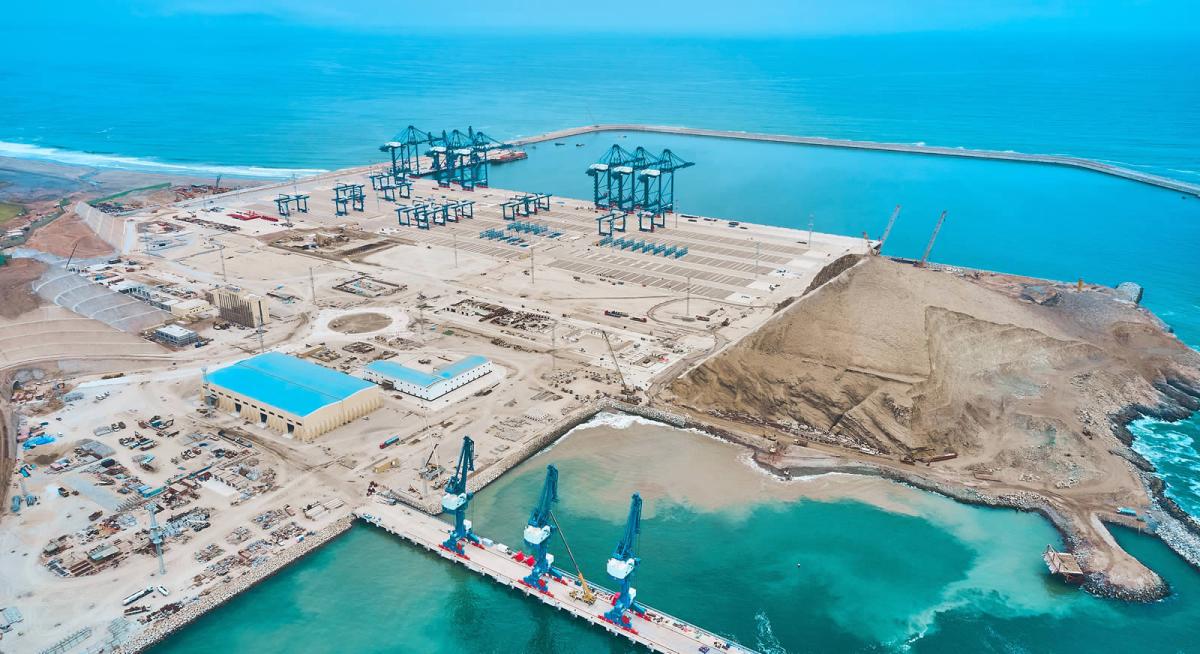
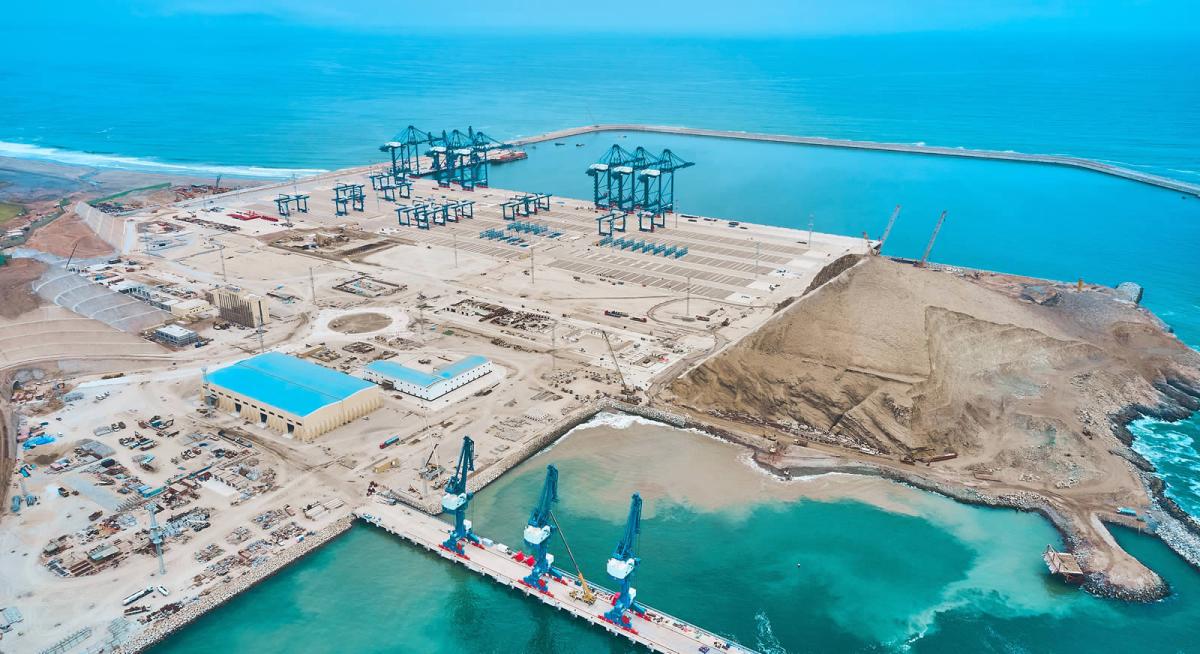
China and Peru are set to sign an updated free-trade agreement at the Asia-Pacific Economic Cooperation (APEC) summit, which opens this week in Lima. President Xi Jinping also inaugurated a Chinese-financed “megaport” in Chancay, a fishing town some 60 kilometers up the coast from Lima. The $1.3 billion project is to be overseen and majority-owned by the Chinese shipping giant COSCO, with an overland link to Brazil foreseen, providing an exit port for resources from throughout the continent. But the official boosterism is being met with a skeptical response by impoverished local villagers, who say the project is cutting them off from fishing waters and bringing them no economic benefit. Dredging for the port has already destroyed fish breeding grounds, locals say. (Photo: CADAL)

The Amazon
Amazon

Amazon wildfires release record greenhouse emissions

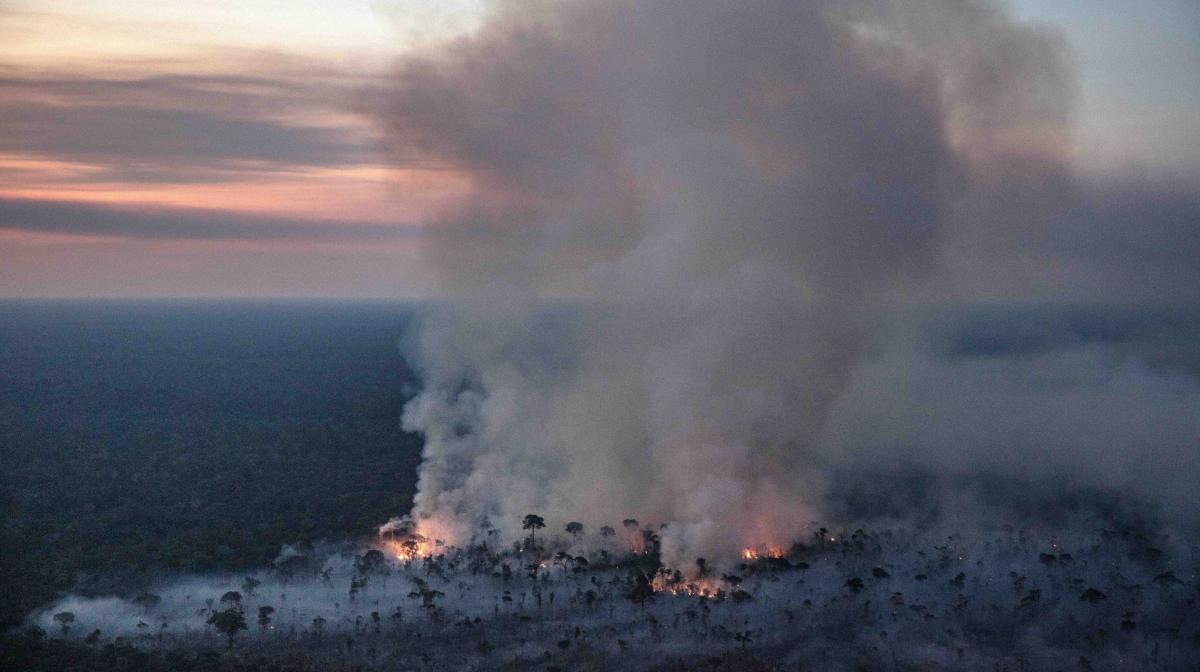
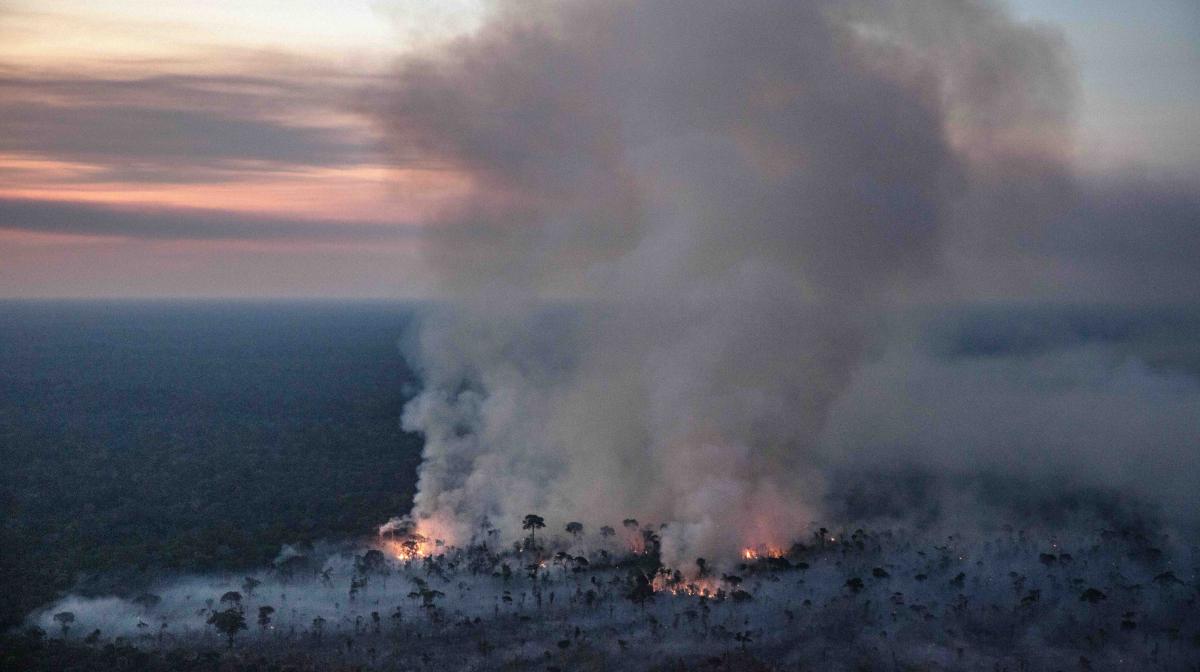
The Amazon rainforest has seen a record-setting wildfire season this year, fueled by an historic drought and scorching temperatures. In Brazil, the cumulative total estimated carbon emissions from the fires so far in 2024 has reached 183 megatons, according to Europe’s Copernicus atmospheric monitoring service—equivalent to the total annual emissions of the Netherlands. The unprecedented fires come even as overall deforestation (defined as the permanent conversion of forest for another use, such as logging, mining or farming) has dropped in Brazil since President Luiz Inácio “Lula” da Silva took office in January 2023. Fires now account for a much higher proportion of forest loss. (Photo: Marizilda Cruppe/Greenpeace via Mongabay)

The Amazon
Mashco Piro

Peru: ‘uncontacted’ tribe attacks loggers

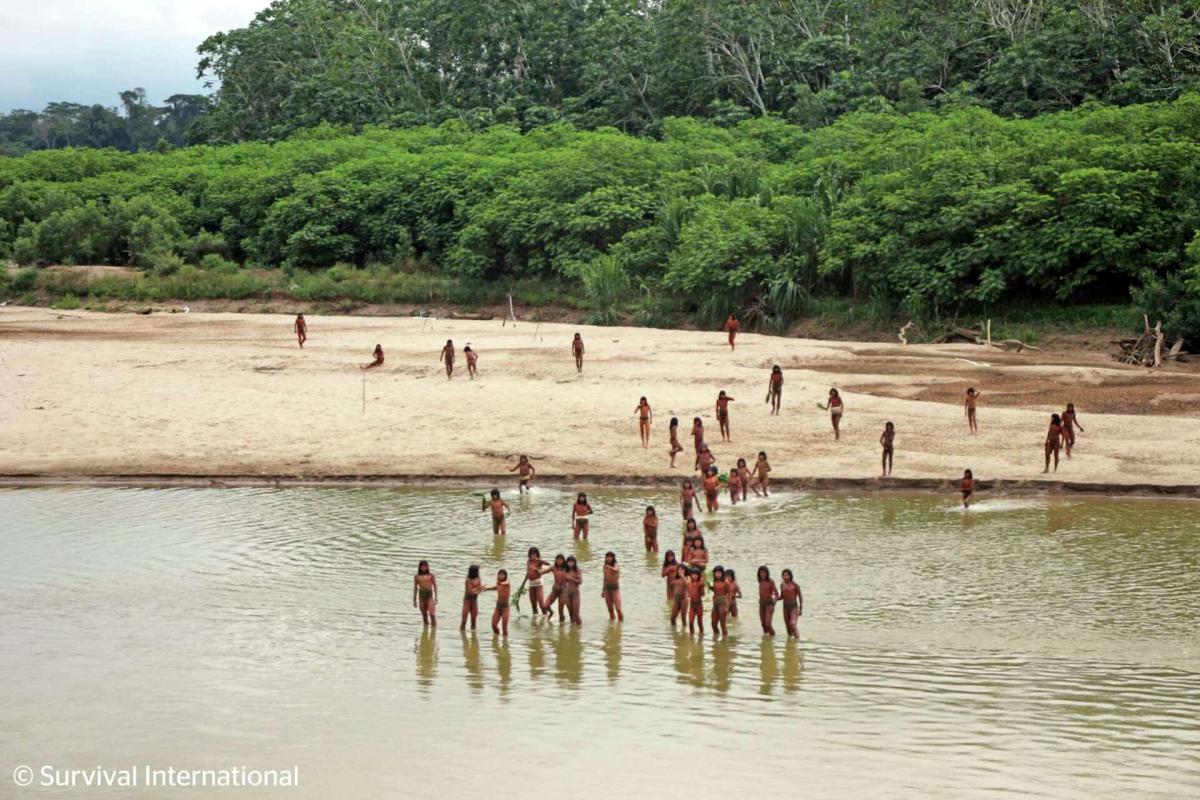
Peru’s reclusive Mashco Piro people used bows and arrows to attack loggers encroaching on their territory in the Amazon, according to a regional indigenous organization. FENAMAD, representing 39 indigenous communities in Cuzco and Madre de Dios regions, said that it believes illegal logging was taking place on Mashco Piro territory and that one logger was injured in the attack. Days before the incident occurred, photos emerged of some 50 members of the isolated tribe apparently searching for food on a river beach—which advocacy group Survival International said is evidence that logging concessions are “dangerously close” to its territory. (Photo: Survival International)

Planet Watch
climate

2023 hottest year on record —by ‘alarming’ margin

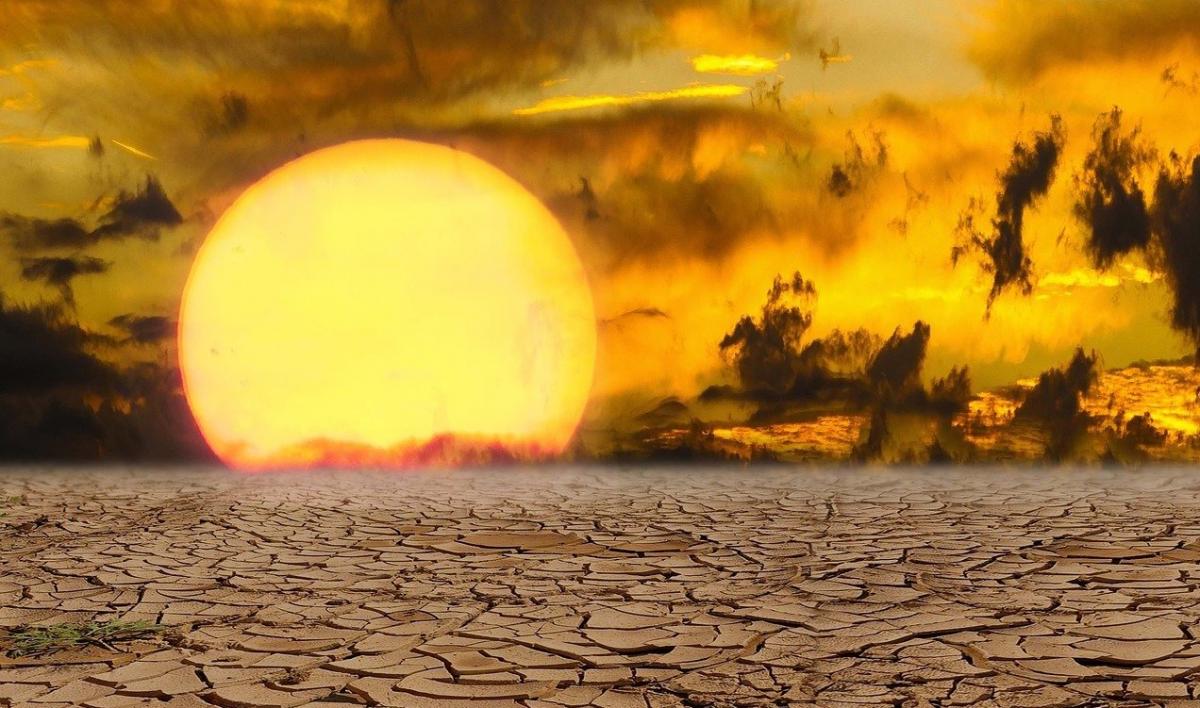
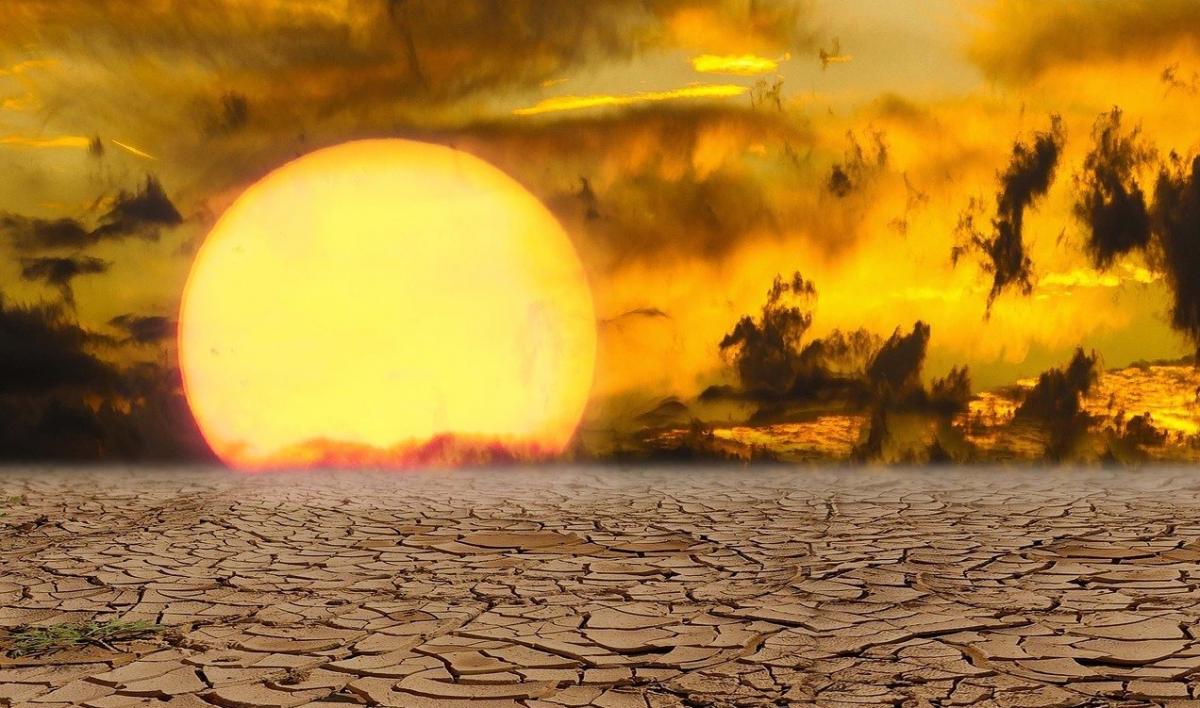
The year 2023 is officially the warmest on record—overtaking 2016, the previous warmest year, by an alarming margin. According to new data from the European Union’s Copernicus Climate Change Service, Earth was 1.48 degrees Celsius hotter last year compared with pre-industrial levels—dangerously close to the 1.5-degree threshold set by the Paris climate deal. 2023 also marked the first year in which each day was over one degree warmer than the pre-industrial average. Temperatures over 2023 likely exceeded those of any year over the past 100,000 years. This was partially due to the year’s El Niño climate phenomenon, but those impacts only began in June—and every subsequent month last year was the warmest on record for that particular month. September represented the largest climatological departure since record-keeping began over 170 years ago. (Image: blende12/Pixabay)

The Andes
Luis Flores Solís

Peru protests: one year later

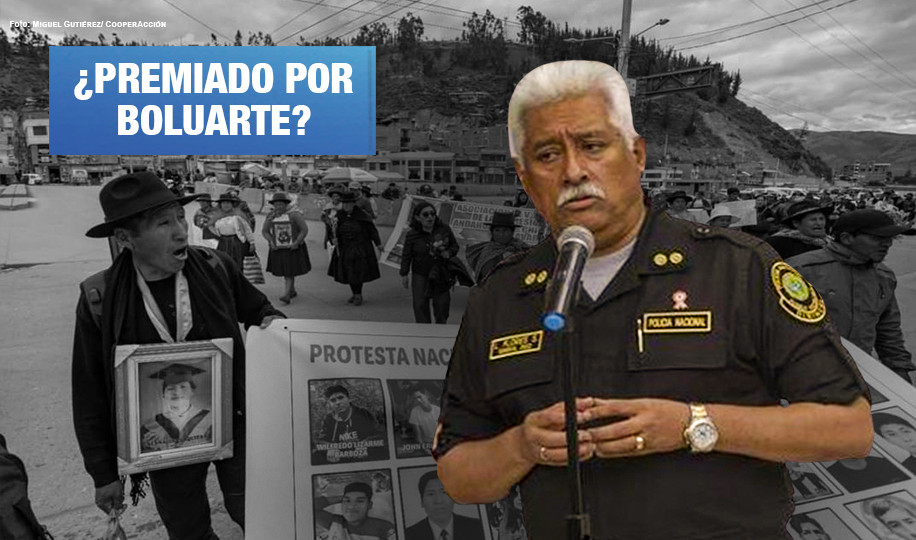
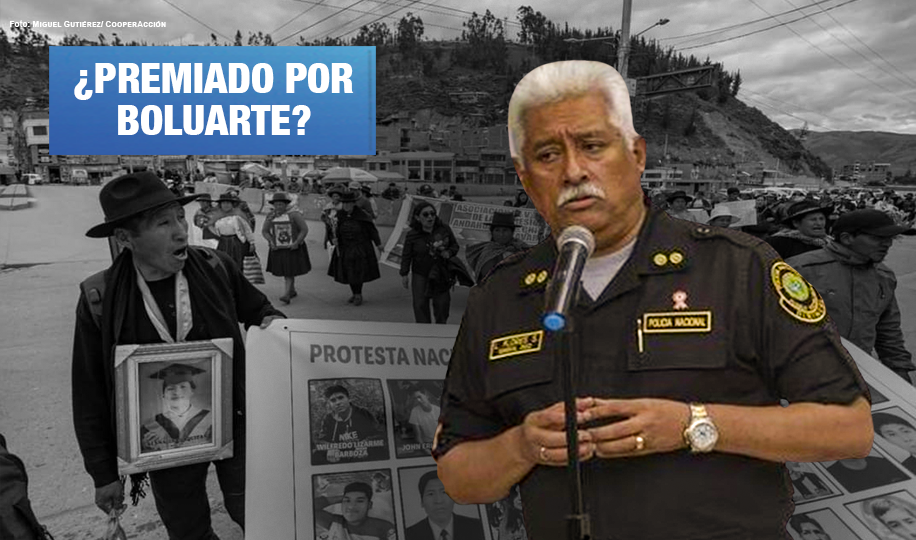
A year after the height of a protest wave that swept Peru, demanding the resignation of President Dina Boluarte, we finally see an initial step toward justice for the some 50 slain by security forces in the repression unleashed by her regime. Judicial Power, Peru’s justice department, ordered the “preventative detention” of an officer of the National Police, as he is investigated in the slaying of a Cuzco youth last January.  On the other hand, there is outrage that Luis Flores Solís, a National Police general and a former agent of the elite Special Intelligence Group, has been named as the new chief of the Counter-Terrorist Directorate (DIRCOTE)—despite the fact that he is under internal investigation by the police force in the killing of protesters in Andahuaylas. Meanwhile, Pedro Castillo, the president whose removal from power and replacement by Boluarte in December 2022 sparked the protest wave, remains imprisoned on pre-trial detention orders. But ex-dictator Alberto Fujimori, who was serving a 25-year term for corruption and human rights abuses, was released last month on order of the Constitutional Tribunal, Peru’s highest court. (Photo: Wayka)

The Amazon
Secoya

Ecuador: court orders return of Siekopai homeland

In what is being hailed as an historic decision, an appeals court in Ecuador ordered the return of a 42,360-hectare expanse of the Amazon rainforest to the Siekopai indigenous people, generations after they were driven from the territory by the military. The Provincial Court of Sucumbios ruled that the Siekopai retain indigenous title to their ancestral homeland, known as Pë’këya, which lies along the border with Peru in remote country. The lands were seized by Ecuador’s army during the war with Peru in 1941, and remained a military-controlled zone until being incorporated into Cuyabeno Wildlife Reserve in 1979. Ecuador’s Ministry of Environment has been given 45 days to deliver a property title to the Siekopai Nation, and make public apologies for the usurpation of their homeland. (Photo: Amazon Frontlines)

The Amazon
Amazon Fires

Amazon rainforest loss approaches new height

Within just five years, the Amazon rainforest could lose half the total forest cover that it lost in the first 20 years of this century, a recent study by the Amazon Network of Georeferenced Socio-Environmental Information (RAISG) has revealed. Deforestation rates are accelerating in nearly all of the nine Amazonian countries, but especially in Brazil, Bolivia, Peru and Colombia—mostly due to road development, agricultural expansion and mining. (Photo via Mongabay)

The Andes
toma de lima

Peru: opposition protests US troop deployment

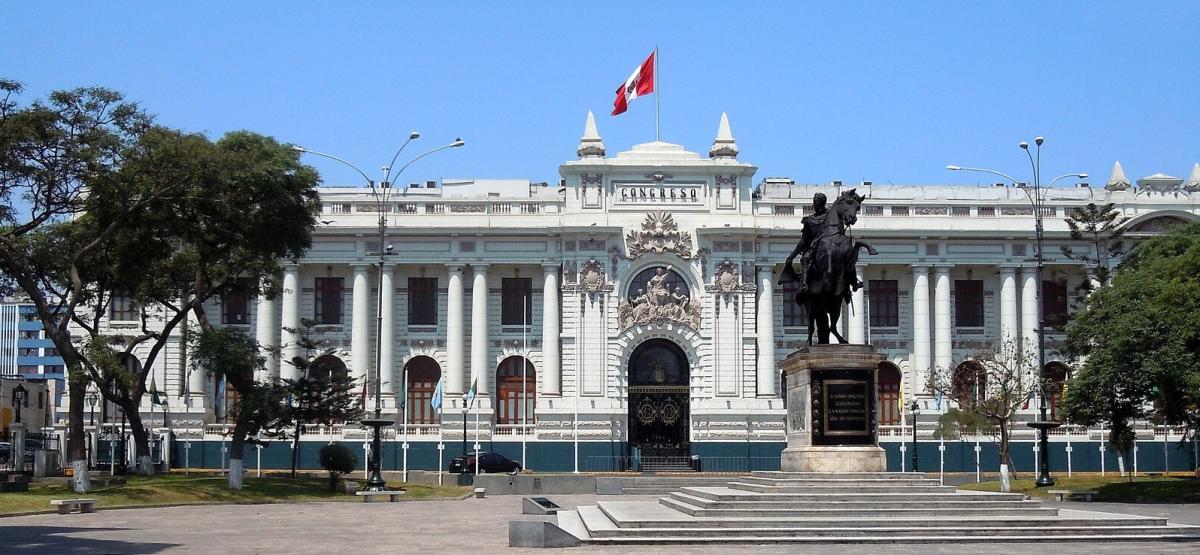
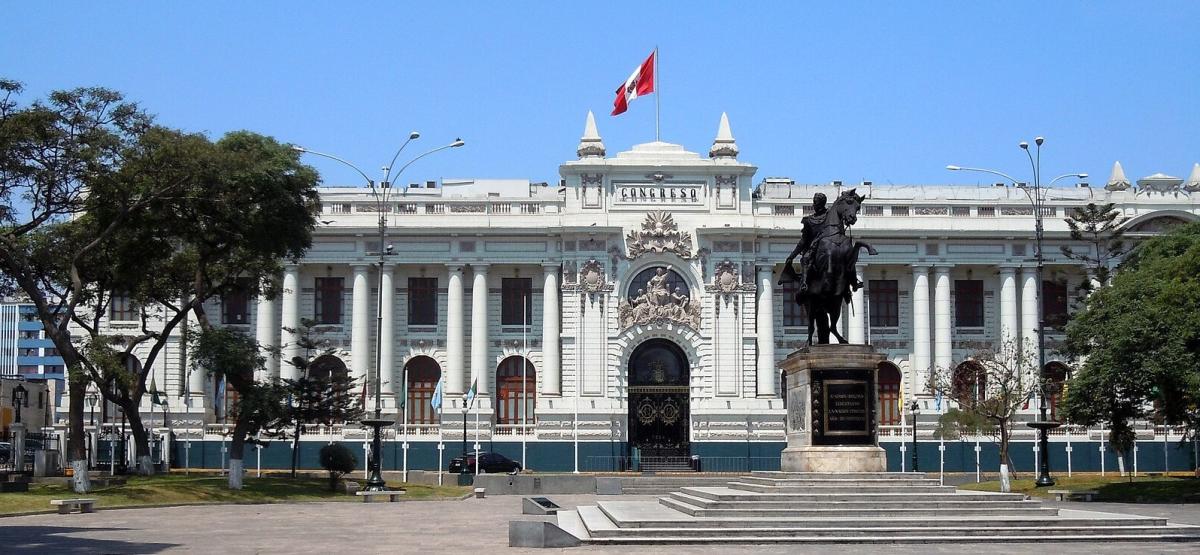
Peru’s Congress voted to approve Legislative Resolution 4766, authorizing US troops to be stationed on the national territory from June 1 to Dec. 31. Lima lawmaker Alfredo Azurín, president of the Commission on National Defense, Internal Order & Anti-Drug Struggle, said the soldiers will carry out training missions and joint exercises with Peru’s armed forces and National Police. The vote was harshly condemned by former foreign minister Héctor Béjar, who said the estimated 700 US troops will be disposed to support operations by the security forces against Peru’s social movements, now preparing a new mobilization: “It is obvious that the presence of these soldiers is a deterrent, part of a policy of intimidation of the Peruvian people, who have announced new protests for next July.” (Photo: IndymediaArgentina)

The Andes
Lima

Peru: ‘egregious abuses’ by security forces

Peru’s military and police likely carried out extrajudicial or arbitrary killings and committed other “egregious abuses” against demonstrators as well as bystanders during protests that swept the country from late last year through February, Human Rights Watch says in a new report. While some protesters were responsible for acts of violence, security forces responded with “grossly disproportionate” force, including with assault weapons. Forty-nine protesters and bystanders, including eight children, were documented as killed in the unrest. The report emphasizes “the entrenched political and social crisis that is eroding the rule of law and human rights” in the Andean country. The administration of President Dina Boluarte “seems to have looked the other way for weeks as security forces killed protesters and bystanders,” HRW said. (Photo: Renato Pajuelo via Indymedia Argentina)

The Andes
toma de lima

Peru: first death in ‘Taking of Lima’

The first death was reported in the national protest mobilization on Peru’s capital, dubbed the “Taking of Lima.” Victor Santisteban Yacsavilca, 55, was struck in the head with a tear-gas cannister, bringing the death toll since the national uprising began last month to 58. That same day, Peru’s Congress voted down a proposal by embattled President Dina Boluarte to bring forward elections to December 2023 from April 2026. Earlier, the National Police raided San Marcos University, where Peruvians from across the country who came to Lima for the demonstrations were staying. Troops smashed through the campus gates with an armored vehicle, fired tear-gas, and detained more than 200 people for interrogation under emergency measures. Protesters continue to demand immediate new elections, and the calling of a constituent assembly to draft a new constitution. (Photo via Facebook)

The Andes
toma de lima

Podcast: Peru at the precipice

In Episode 159 of the CounterVortex podcast, Bill Weinberg takes stock of the inspiring and terrifying situation in Peru—which is only escalating, with no resolution in sight. Since left-populist president Pedro Castillo was ousted in a “soft coup” last month, a mass movement has rapidly mobilized to demand that new president Dina Boluarte step down, that Congress be dissolved, and a “constituent assembly” be called to draft a new constitution with the participation of popular organizations. Despite repression approaching genocidal levels, thousands of protesters from across Peru converged on the capital for a “Taking of Lima”—which only brought street-fighting to the center of national power, when the gathering was charged by the riot police. It is a case of “bad facts” for the popular movement that the crisis was sparked by Castillo’s attempt to seize autocratic power in an auto-golpe in response to relentless efforts to remove him by the reactionary fujimorista bloc in Congress. But this does not alter the basic right and wrong of the struggle in Peru, which is fundamentally that of campesinos, indigenous peoples and common folk fighting for their elementary rights and very survival, against the corrupt political class fighting to preserve its privileged position and ill-gotten gains. Listen on SoundCloud or via Patreon. (Photo: IndymediaArgentina)