Southern Cone
BsAs

Econo-protests sweep Argentina

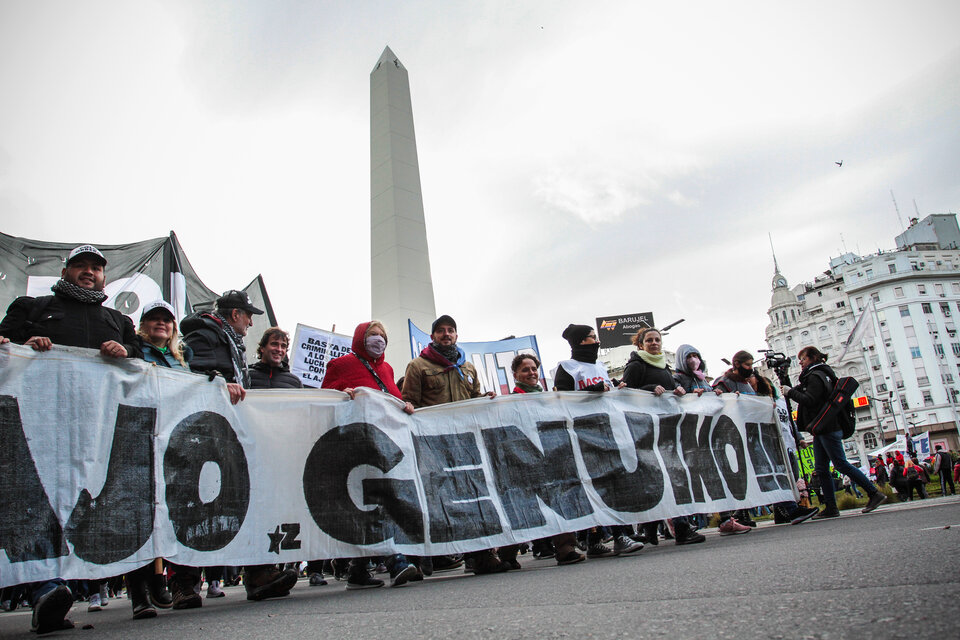
Argentina has seen weeks of mass protests in response to a rapidly deepening economic crisis. Prices for basic goods are skyrocketing, leaving many struggling to make ends meet. The protest wave began on Argentina’s independence day, July 9, when thousands marched on the presidential palace. Dubbed the “Argentinazo,” the mobilization was held in Buenos Aires and cities across the country. Last week, center-left President Alberto Fernández named his second new economy minister in less than a month, as his own coalition has fractured over how to handle the burdensome national debt. The country avoided defaulting on an IMF loan in March, postponing scheduled payments in exchange for pledges of belt-tightening measures. These include a slash in energy subsidies that have helped keep utility bills low—imposing further hardship on the poor amid the spiralling inflation. (Photo: Pagína12)
South Asia
colombo

Fascist pseudo-anti-fascism in Sri Lanka

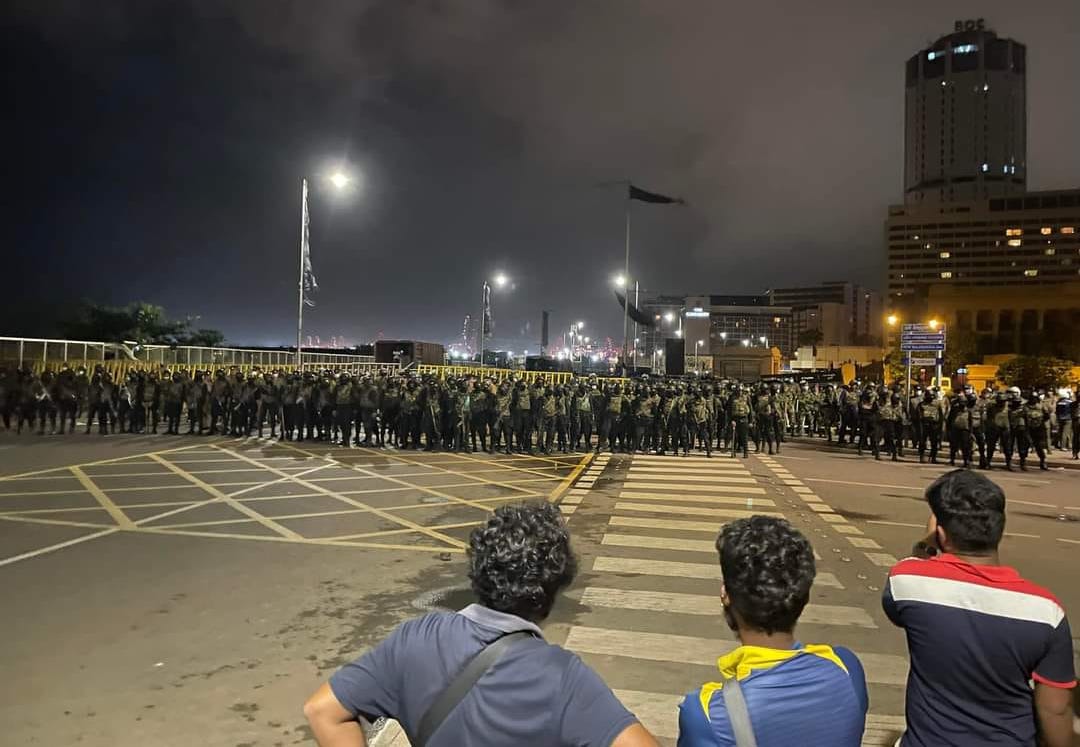
Sri Lanka’s newly appointed acting president Ranil Wickremesinghe unleashed police and army troops against remnant protesters at an encampment site in the capital, Colombo. More than 50 were injured in the raid and several arrested. Military personnel also reportedly detained a group of protesters for several hours and severely beat them before they were released. Just hours earlier, protest leaders had agreed to disband the encampment the following day, in response to a court order. The site had been occupied by protesters since March, when an uprising began in response to near-total economic collapse in the country. Wickremesinghe, implicated in past atrocities during a counterinsurgency campaign against leftist rebels, has repeatedly derided the protesters as “fascists.” (Photo via Twitter)

Planet Watch
#ariseghana

Ghana to Peru: more ripples from Ukraine storm

Governments around the world are scrambling to shore up economies hard hit by rising oil and wheat prices as a resut of the Ukraine war. Ghana has opened talks with the International Monetary Fund (IMF) for emergency relief after angry protesters flooded the streets of the capital Accra, clashing with police. Protests were called under the slogan “Arise Ghana” to pressure President Nana Akufo-Ad to address a dramatic spike in the cost of food and fuel. Meanwhile, the Central Reserve Bank of Peru is to raise its key interest rate in a bid to quell inflation, after freight shipping was briefly paralyzed across the country. The truckers’ union, the National Council of Terrestrial Transport, announced an “indefinite” strike, although it was suspended following a pledge by the government of President Pedro Castillo to bring soaring fuel prices under control. (Image via Twitter)

Iran
#iranprotests

Iran: protest, repression as food prices soar

Angry protests have swept through several provinces of Iran amid an economic crisis exacerbated by subsidy cuts that have seen the price of basic goods soar as much as 300%. According to reports on social media, at least six people have been killed as security forces have been deployed across the country to quell unrest. The protests have turned political in many areas, with crowds calling for an end to the Islamic Republic. The government has cut off the internet to a number of areas that have witnessed protests, including traditionally restive Khuzestan province. (Image: Hajar Morad via Twitter)

Planet Watch
motin

Sri Lanka to Lima: ripples from Ukraine storm

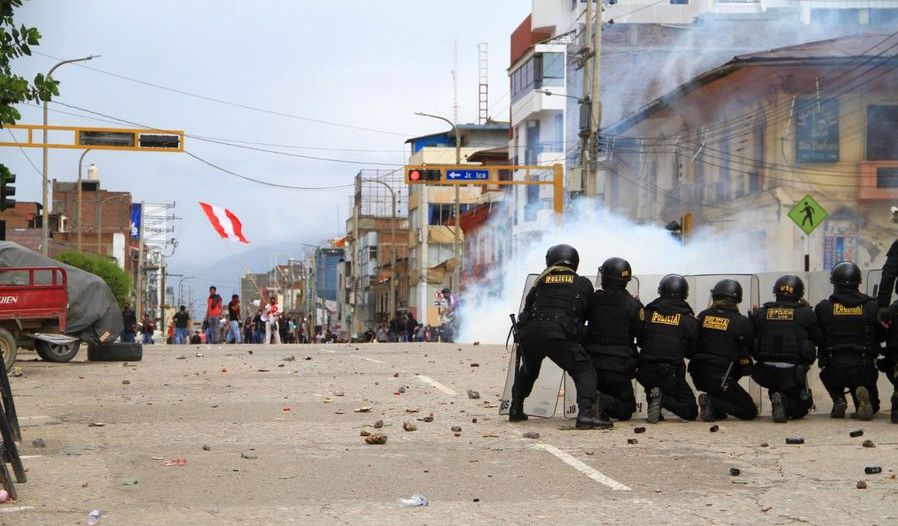
Sri Lanka’s President Gotabaya Rajapaksa declared a nationwide state of emergency as angry protests over fuel shortages and power cuts erupted in the capital Colombo. When police repression failed to quell the protests, Rajapaksa sought to appease demands for his resignation with a purge of his cabinet. Peru’s President Pedro Castillo meanwhile imposed a curfew in Lima and its port of Callao in response to an eruption of protests over dramatic fuel price hikes. As street clashes broke out in the cities, farmers outraged at a jump in fertilizer costs blocked highways at several points around the country—including Ica, where a toll-booth was set on fire. The world has seen an oil price surge to $100 a barrel in the wake of Russia’s invasion of Ukraine. (Photo: Twitter via La Tercera)

Africa
mali-hunger-displacement

Mali: crisis deepens as foreign forces withdraw

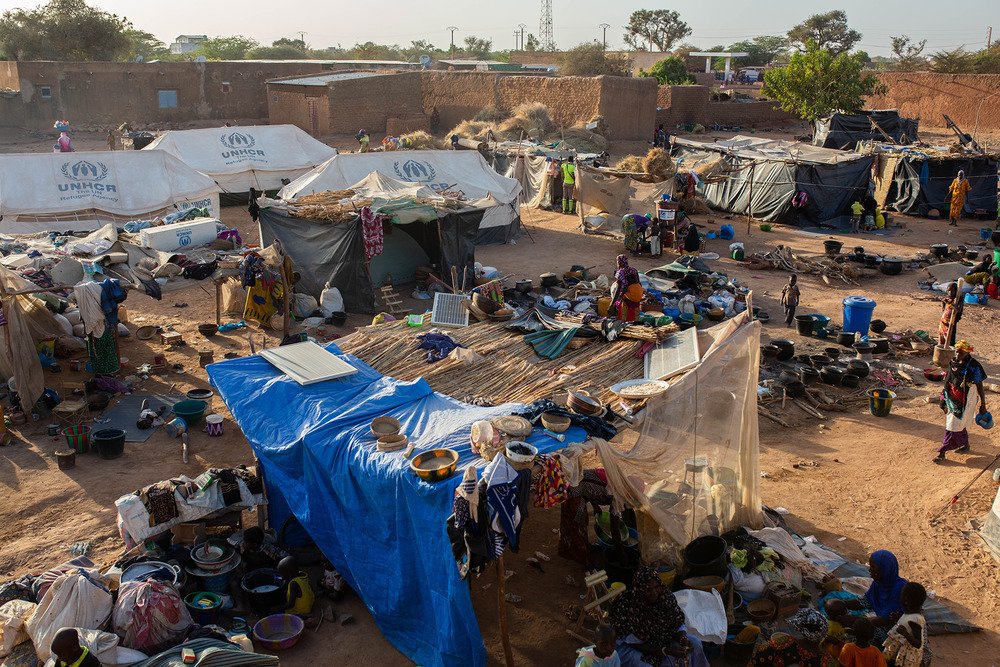
France and allied European countries are withdrawing their military forces from Mali after diplomatic relations broke down with the ruling junta that came to power in last year’s coup d’etat. The junta has meanwhile reportedly welcomed in hundreds of mercenaries from the Russian Wagner Group. The diplomatic crisis has overshadowed a worsening humanitarian emergency that has seen severe hunger hit the highest level since 2013, when the seizure of large parts of the country by jihadist rebels prompted the French intervention. Over 350,000 people have now fled violence linked to jihadist groups aligned to al-Qaeda and the so-called Islamic State—a nearly 70% increase from early 2020. (Photo of Mali displaced persons camp: The New Humanitarian)

The Amazon
Ato Pela Terra

Brazil: bill to open indigenous reserves to mining

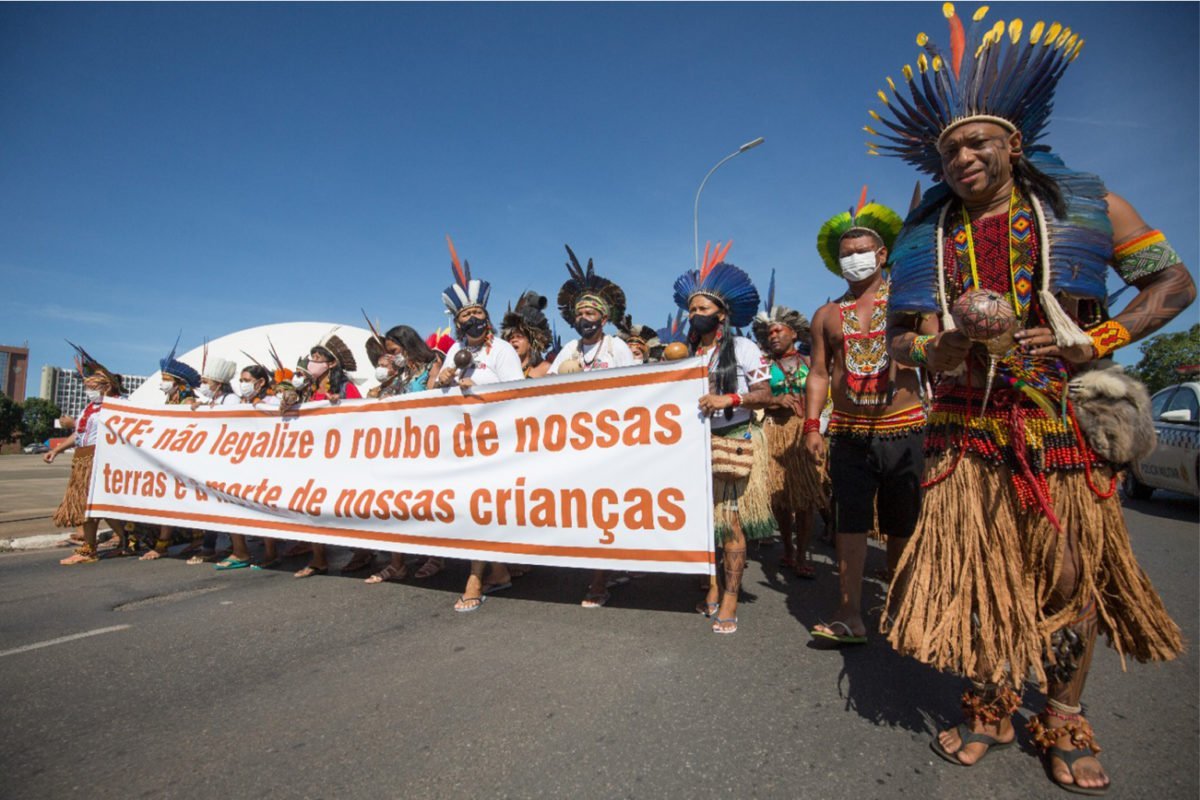
Under the slogan “Ato Pela Terra” (Stand for the Earth), thousands of protesters, including some 150 indigenous leaders from eight ethnic groups, gathered for the biggest environmentalist demonstration ever held in Brazil’s capital, protesting a series of bills dubbed the “death package” by critics. The package being pushed by President Jair Bolsonaro would open indigenous reserves to a wide range of economic activities, including mineral exploitation. This measure, assailed as unconstitutional, is actually opposed by the Brazilian Mining Institute (IBRAM), which issued a statement calling it “inappropriate” and warning that it would give legal cover to informal “garimpo” mining in the Amazon rainforest. But Bolsonaro maintains the measure is mandated by the Ukraine war, which has threatened supplies of strategic minerals, including the key fertilizer ingredient potassium. Brazil, the world’s top soy producer, imports 80% of its fertilizer—20% from Russia, its biggest supplier. (Photo via Twitter)

The Caribbean
Capitolio

Mass protests break out across Cuba

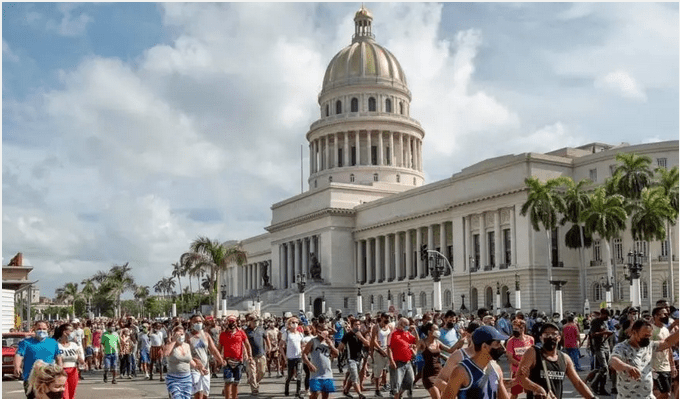
Seemingly spontaneous protests broke out in Cuba, with demonstrations reported across the island—from Pinar del Río in the west to Santiago in the east. In Havana, hundreds gathered along the Malecón seawall, which was the scene of a brief uprising known as the Maleconazoin August 1994, amid the economic agony of the “Special Period.” The demonstrators later marched on the iconic Capitolio building. Slogans included “Freedom,” “Down with the dictatorship,” “We are not afraid,” “Homeland and life” (a reference to the official slogan “Homeland or death“), and “Díaz-Canel singao [jerk, asshole],” a reference to President Miguel Díaz-Canel. (Photo: Marcos Evora via Havana Times)

Planet Watch
poverty

COVID-19 could deepen global poverty: UNDP

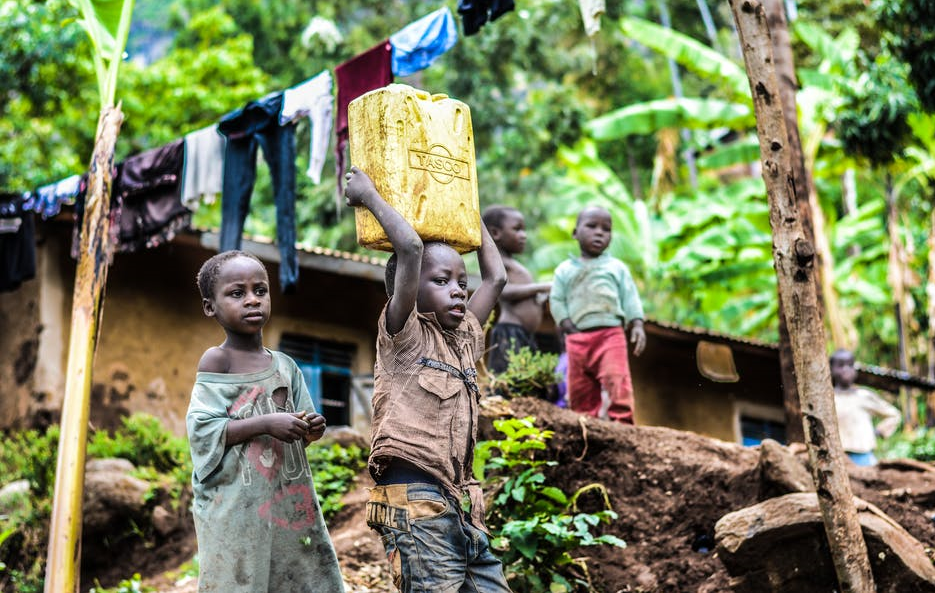
Severe long-term effects of the COVID-19 pandemic could push an additional 207 million people into extreme poverty, bringing the total to over 1 billion by 2030, according to a study by the United Nations Development Programme (UNDP). The “Baseline COVID” scenario, based on current mortality rates and the most recent growth projections by the International Monetary Fund (IMF), would result in 44 million more people living in extreme poverty by 2030 compared to the development trajectory the world was on before the pandemic. Under a “High Damage” scenario, where the recovery is protracted, COVID-19 is likely to push an additional 207 million people into extreme poverty by 2030, compared to that baseline. (Photo of youth in Uganda: Dazzle Jam via Photos for Class)

Syria
syria refugees

Syria: controlled elections amid deepening crisis

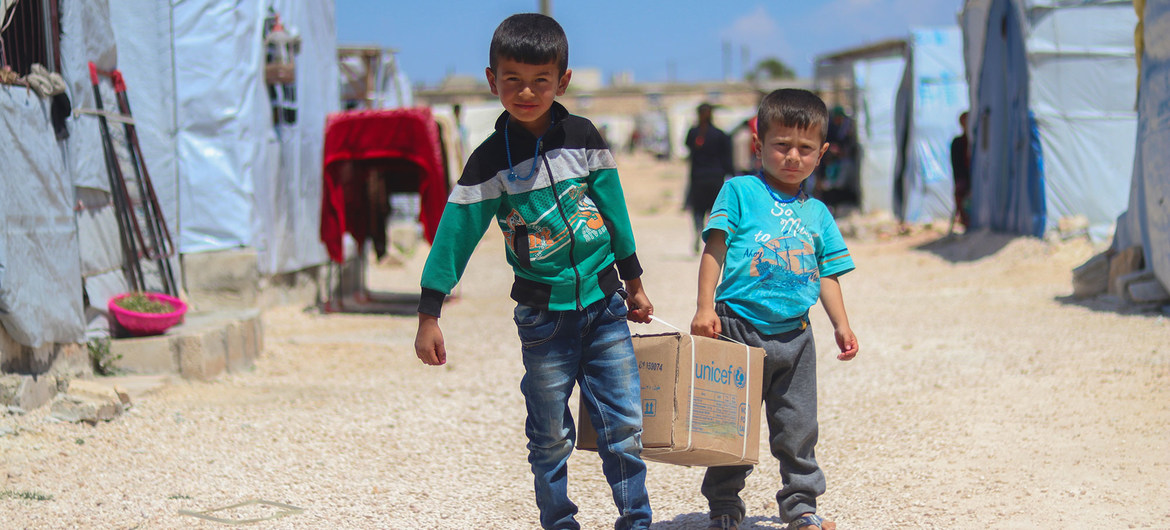
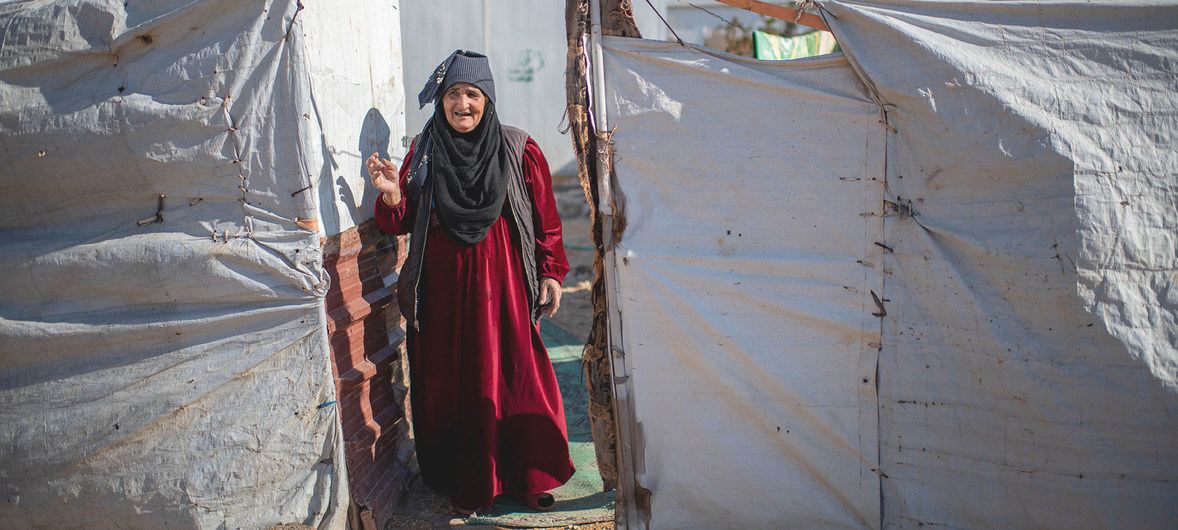
To nobody’s surprise, Syrian dictator Bashar Assad’s bloc won a majority of seats in the country’s parliamentary election, dismissed as a farce by the exiled opposition. As in the presidential elections that confirmed Assad’s hold on the presidency in 1994, millions displaced by the war were not able to vote. The elections were held amid a deepening economic crisis, with the UN noting a 200% food price hike in under a year and warning of widespread hunger. Russia and China meanwhile continue to use their veto on the Security Council to block aid deliveries to opposition-held areas. (Photo: UNICEF via UN News)

Planet Watch
Idlib displaced

UN: world refugees break record —again

An unprecedented one percent of the world’s population has been forced to flee their homes due to war, conflict and persecution to seek safety either somewhere within their country or across borders, according to the latest annual report by the UN Refugee Agency. At the end of 2019, there were 79.5 million people around the world who had been forcibly displaced, up from 70.8 million the year before. The rise was in part due to new displacements in places such as the Democratic Republic of the Congo, the Sahel region of Africa, Yemen and Syria. It also reflected the inclusion for the first time of 3.6 million Venezuelans who have been displaced outside their country but who have not sought asylum. (Photo: UNHCR)

Syria
suwayda

Anti-Assad protests re-emerge in Syria

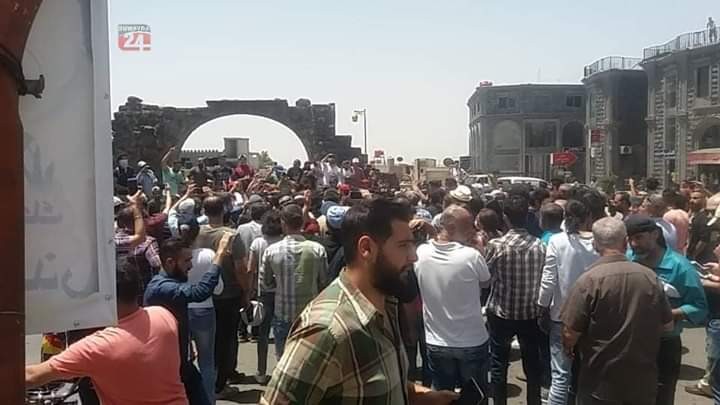
Amid spiraling inflation and fast-rising prices for food and other basic goods, protests are again emerging in regime-controlled areas of Syria—some reviving slogans of the 2011 revolution. One angry protest was held in the western city of Suweida. Crowds moved through the city’s central streets, eventually gathering in front of the governorate building, where they chanted, “The people want to topple the regime!” “Revolution, freedom, social justice!” and “Down with Bashar al-Assad!” The protest was particularly significant, as the Druze-majority province of Suweida has remained loyal to Damascus throughout the nine years of the Syrian uprising. (Photo: Suwayda-24 via Syria Call)