

Iran
Iran Protests

Podcast: neither Jewish State nor Islamic Republic II

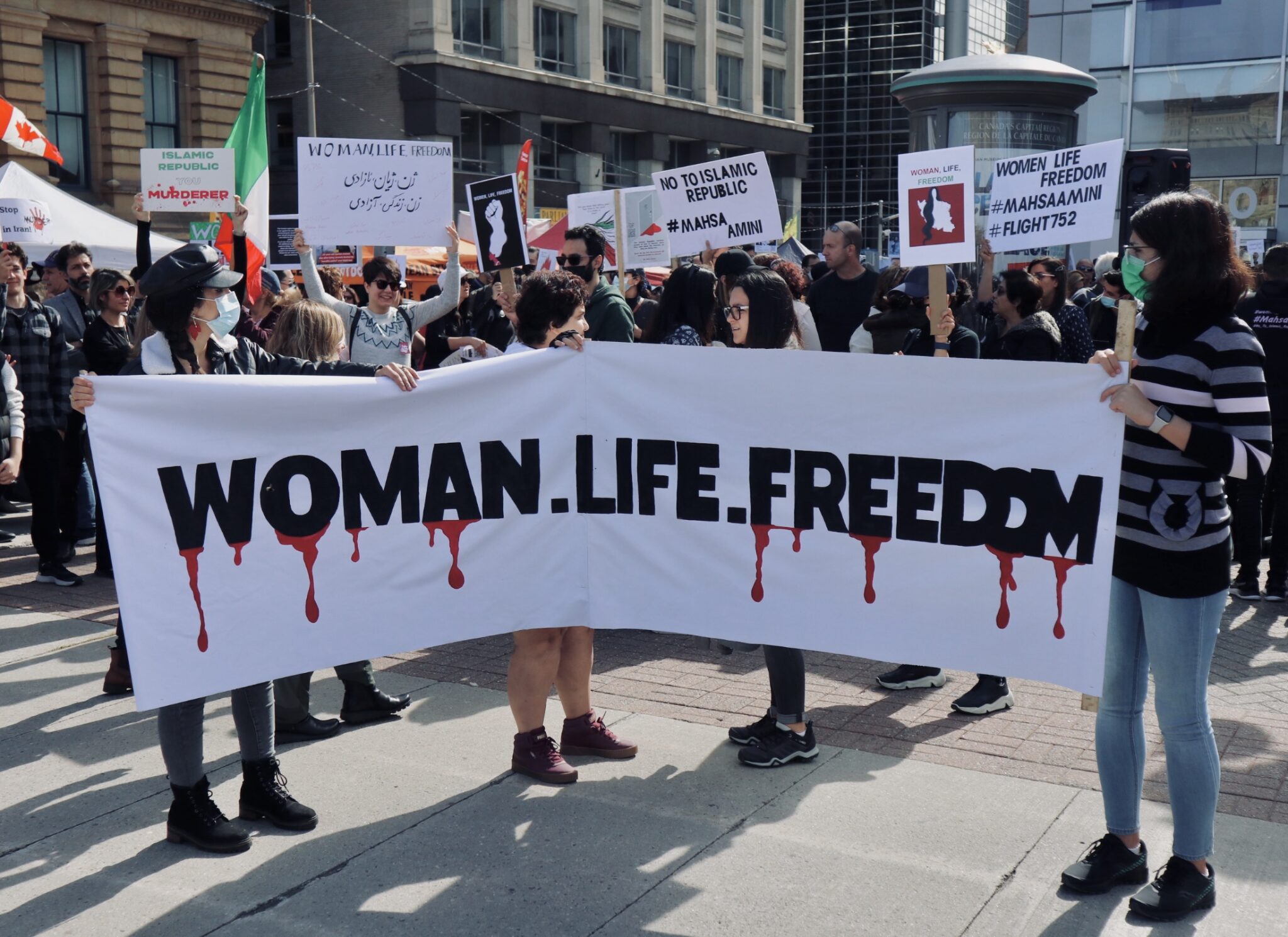
With Israel’s criminal air-strikes on Iran’s nuclear sites releasing radioactive contamination, Bibi Netanyahu cynically invokes the “Woman, Life, Freedom” protest movement that shook Iran for months from September 2022. Of course nothing is less conducive to pro-democracy civil resistance in Iran than to have this cause associated with the foreign power that is bombing the country’s territory—and is itself oppressing the Palestinians with biblical justifications. In Episode 282 of the CounterVortex podcast, Bill Weinberg again advocates a neither/nor position that rejects the militaristic and reactionary regimes of both Zionism and political Islam, and looks to a secular order in the Middle East. (Photo: Ottawa protest in support of Iranian uprising, via Wikimedia Commons)
Iran
Iran

UN urges restraint as Israel strikes Iran nuclear sites

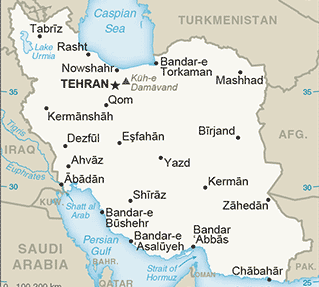
UN Secretary-General António Guterres urged both Iran and Israel to exercise “maximum restraint” amid a sudden escalation between the two states following Israeli attacks on Iran’s nuclear installations. Condemning the Israeli strikes, the statement from the secretary-general’s office expressed concerns about a wider conflagration throughout the Middle East, warning that “a descent into deeper conflict” would be “a situation that the region can hardly afford.” (Map: PCL)

Europe
Spiderweb

Operation Spiderweb: Russia responds with nuclear threats —of course

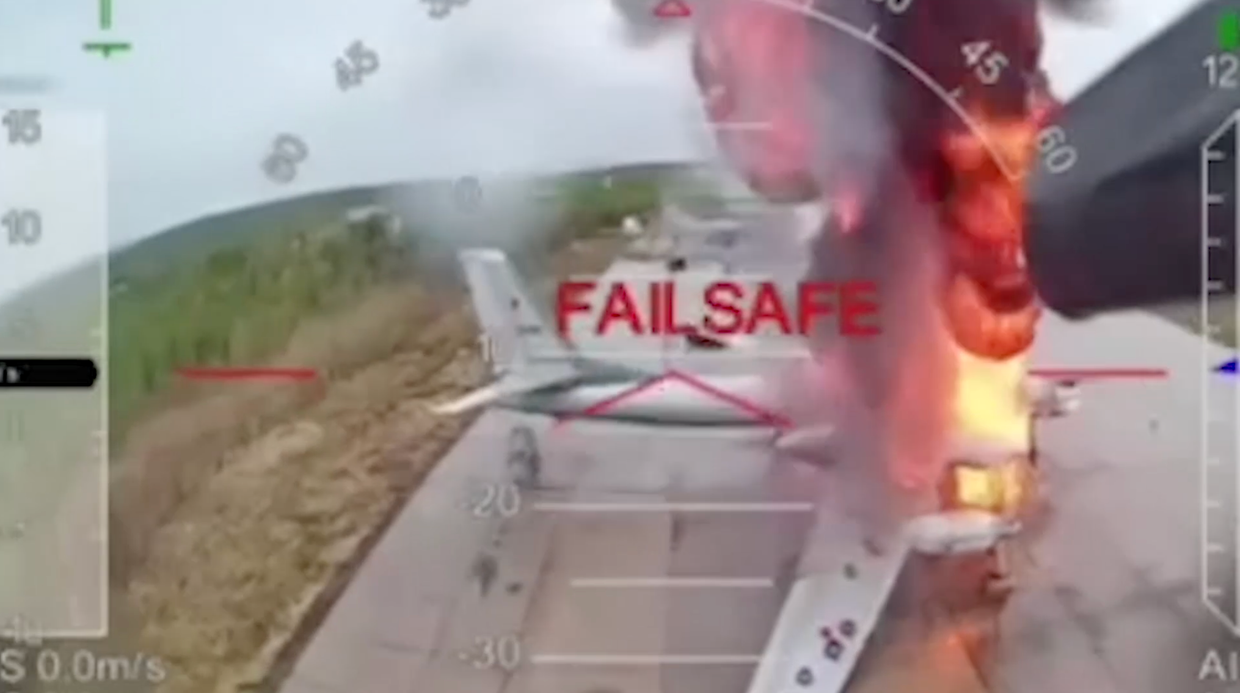
In a  covert operation dubbed “Spiderweb,” the Security Service of Ukraine (SBU) destroyed or damaged 41 Russian warplanes at four air-bases across the Russian Federation—Belaya (Irkutsk oblast, Siberia), Olenya (Murmansk oblast, in the Arctic), Dyagilevo (Ryazan oblast, near Moscow) and Ivanovo (in the eponymous oblast, also near Moscow). Kyiv claims it has disabled 34% of Russia’s strategic bomber fleet in the operation, carried out with over 100 drones launched from trucks hidden across Russian territory. While the Kremlin’s top officials, including President Vladimir Putin, have not commented on the Ukrainian operation at all, Russian pro-war propagandists are calling it “Russia’s Pearl Harbor,” and demanding vengeance. Prominent state TV personality Vladimir Solovyov said on his program that the Ukrainian operation is “grounds for a nuclear attack,” and called for retaliatory strikes on the Ukrainian president’s office in Kyiv and airfields in NATO members Poland and Romania allegedly used by Ukrainian aircraft. (Image via Kyiv Independent)

Europe
Ukraine

Trump prepares grab for Ukraine’s lithium

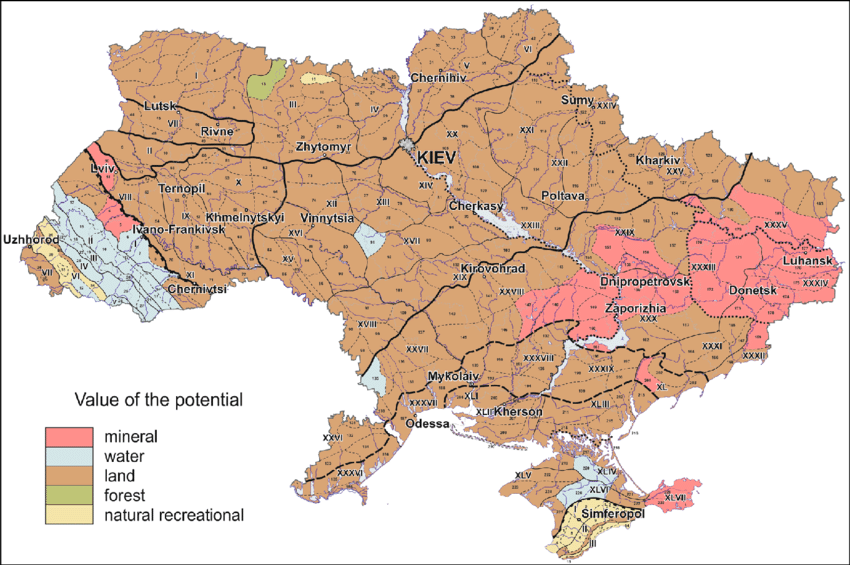
As Trump and Hegseth explicitly broach the surrender of Ukrainian territory to Russia, a poorly positioned Zelensky is acceding to demands that he turn a large portion of his country’s strategic mineral wealth over to the US in compensation for military aid. Especially at issue are Ukraine’s significant reserves of lithium—critical to de facto “co-president” Elon Musk’s e-vehicle interests. In announcing a new lithium refinery in Texas, Musk called the mineral “the new oil.” The premium on Ukraine’s strategic minerals is elevated by China’s perceived design to establish control over the planet’s rare earth elements. However, as Zelensky is quick to emphasize, nearly 20% of Ukraine’s mineral resources are in areas under Russian occupation. (Map: ResearchGate)

Europe
ATACMS

Russia: ‘nuclear war by Christmas’

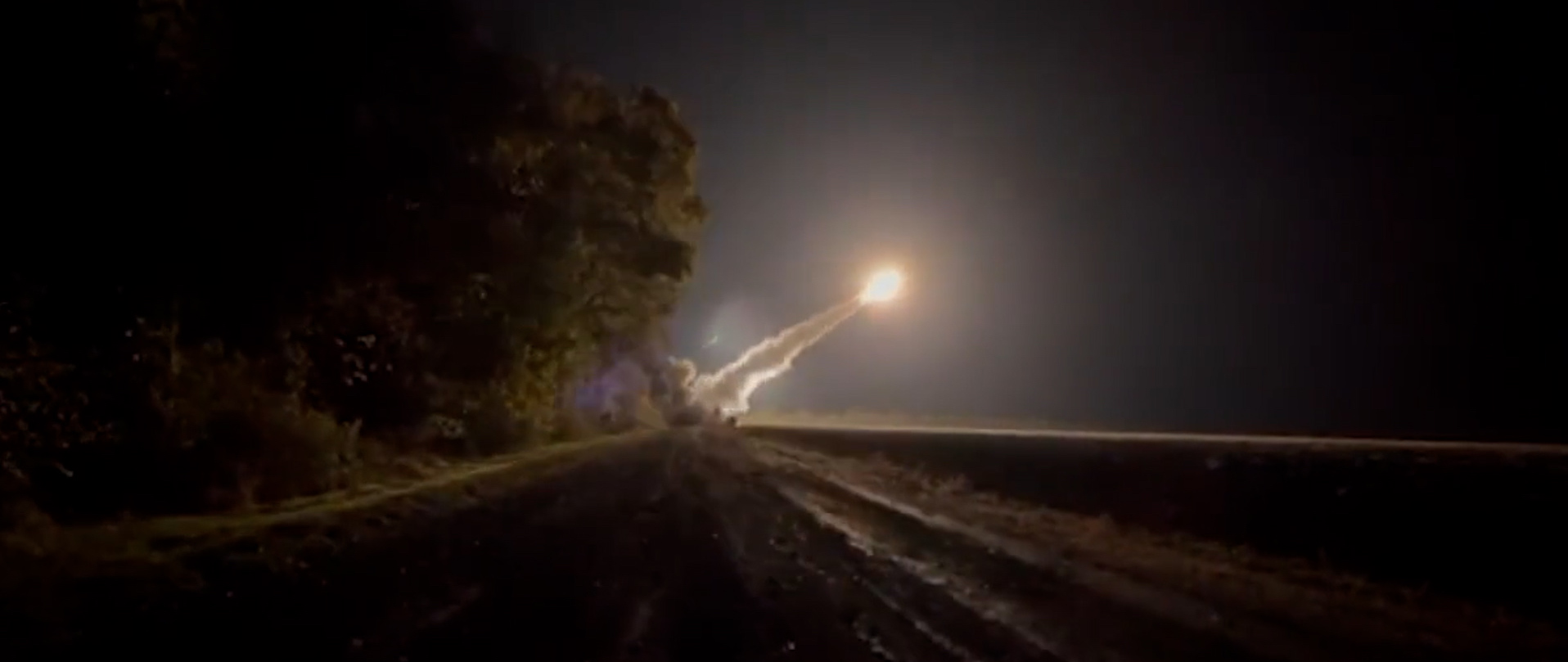
President Joe Biden has authorized Ukraine to use US-supplied Army Tactical Missile Systems (ATACMS) for strikes deep inside Russia. In interviews with both the UK’s Times Radio and the BBC news program The World At One, former Putin advisor and semi-official mouthpiece Sergei Markov responded to the move by warning of an imminent Russian nuclear strike—not just on Ukraine but on the United States and Britain. “In the worst scenario, the nuclear war happens before Christmas of this year,” he told the BBC. “Probably you will not be able to say ‘Merry Christmas’ because you will stay in the hole trying to hide away [your] family from the nuclear catastrophe. It can develop very, very quickly.” (Photo of ATACMS being launched: Ukraine Ministry of Defense via Forces News)

Greater Middle East
Iran protests

Podcast: neither Jewish State nor Islamic Republic

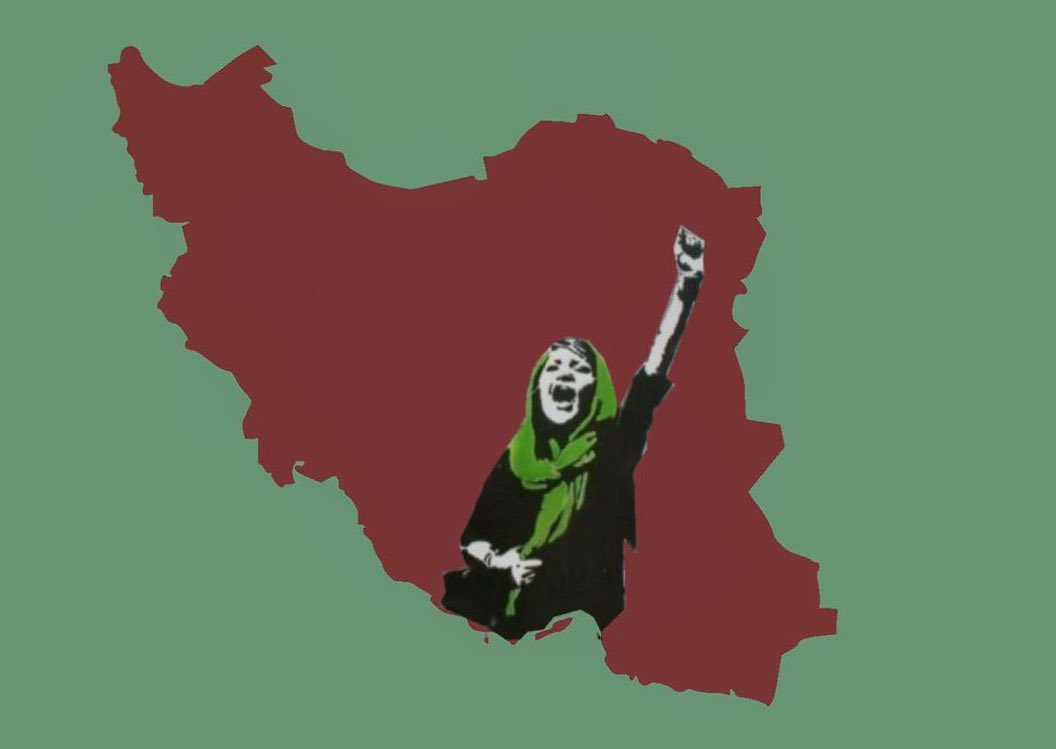
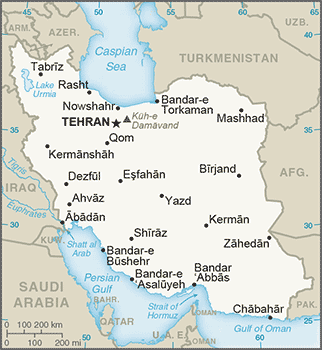
Israel’s long-awaited strikes on Iran targeted military and industrial installations in Tehran, Khuzestan and Ilam, with air-strikes also reported in the Syrian cities of Damascus and Homs. It is now Iran’s turn to retaliate in the escalatory tit-for-tat game, as the brink of regional and even world war looms ever closer. In Episode 249 of the CounterVortex podcast, Bill Weinberg advocates a neither/nor position that rejects the militaristic and reactionary regimes of both Zionism and political Islam, and looks to a secular order in the Middle East. Listen on SoundCloud or via Patreon. (Image: @iranprotest2019)

Planet Watch
anthropocene

Ranting against the apocalypse II

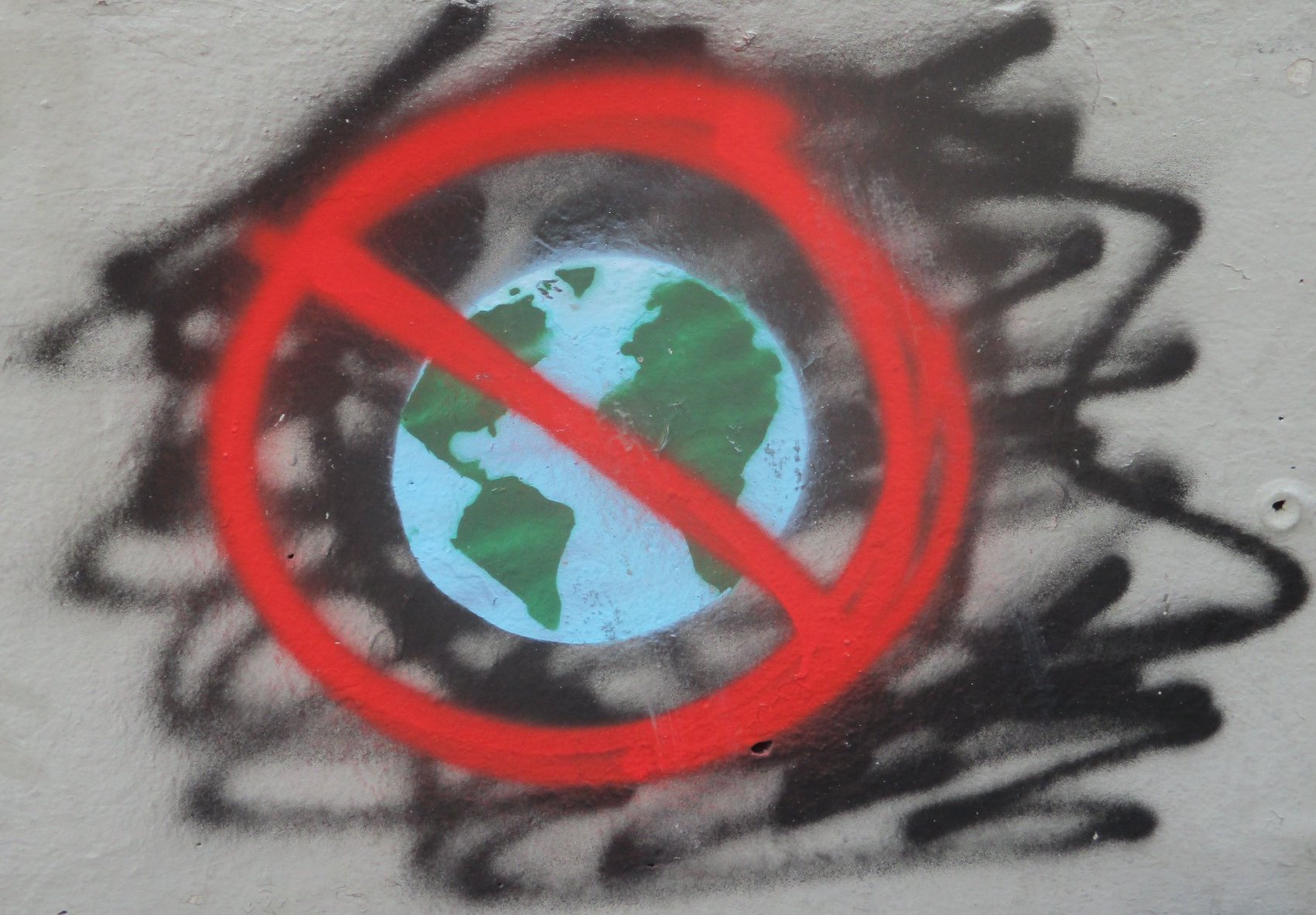
With Lebanon under bombardment and the world awaiting Israel’s response to the Iranian missile attacks on its territory, fears mount that Iran’s nuclear facilities could be targeted—which, in addition to being an environmental disaster in its own right, could represent the crossing of a moral threshold toward the use of nuclear weapons. So two theaters of the world conflict—the Middle East and Ukraine—now constitute a looming nuclear threat. Meanwhile, the other horsemen of the apocalypse continue their relentless advance—climate change, cyber-based disinformation and the ultimate replacement of humanity by artificial intelligence. In Episode 246 of the CounterVortex podcast, Bill Weinberg looks for glimmers of hope in emerging signs of human resistance—such as the East Coast dockworkers’ strike, which is demanding a ban on all automation at the ports. Listen on SoundCloud or via Patreon. (Photo: CounterVortex)

East Asia
Guangdong

Nuclear power and the struggle in Guangdong

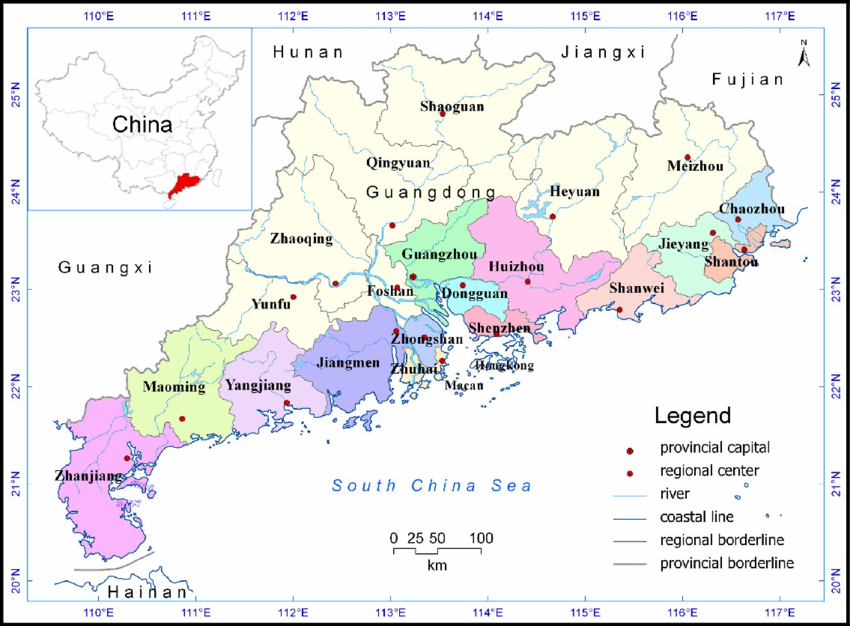
In Episode 240 of the CounterVortex podcast, Bill Weinberg discusses China’s hubristic plans for massive expansion of its nuclear power sector—and notes that some of the new plants are slated for the southern province of Guangdong, which in recent years has seen repeated outbursts of protest over land-grabs and industrial pollution as well as wildcat labor actions (and was, in fact, the site of a nuclear accident in 2021). China’s expropriated peasant class has been left behind by the breakneck industrialization of the past decades, and may prove a source of resistance to the new thrust of nuclear development that would further accelerate it—despite the current crackdown on dissent. Listen on SoundCloud or via Patreon. (Map via ResearchGate)

East Asia
China

US shifts nuclear posture to confront China

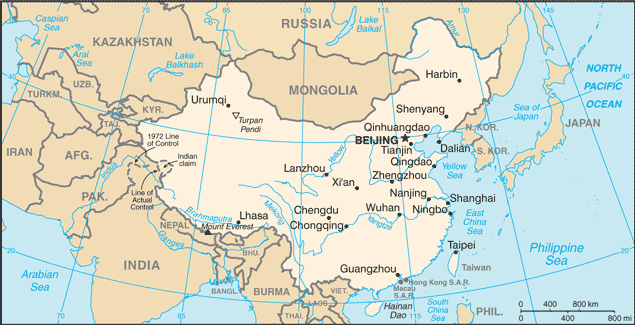
President Biden approved in March a highly classified nuclear posture document for the first time reorienting US deterrent strategy to focus on China’s rapid expansion in its nuclear arsenal. The shift comes as the Pentagon believes China’s stockpiles will rival the size and diversity of those of the United States and Russia over the next decade. The new “Nuclear Employment Guidance” is highly classified, but a copy was just obtained by the New York Times. Beijing reacted angrily to the report. “The US is peddling the China nuclear threat narrative, finding excuses to seek strategic advantage,” a Chinese Foreign Ministry representative said. (Map: PCL)

Europe
Belarus

Belarus broaches nuclear strike

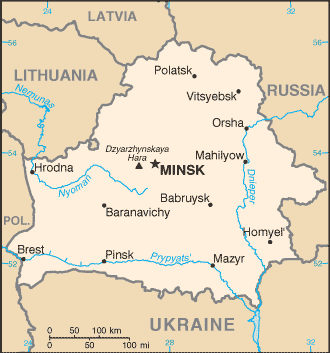
Belarusian President Alexander Lukashenko charges that Kyiv has stationed more than 120,000 soldiers along Ukraine’s border with Belarus, and says that he is deploying military formations along his own country’s entire border with Ukraine in response. In an interview with Rossiya TV, Lukashenko accused Ukraine of attempting to provoke a nuclear strike from Russia, which has warheads deployed in Belarus. “The worry is that escalation on Ukraine’s part is an attempt to force Russia to take asymmetric actions,” Lukasheno said. “Let’s consider the usage of nuclear weapons. I am confident that Ukraine would be pleased if Russia or we utilized tactical nuclear weapons there. That would bring them joy.” (Map: PCL)

Europe
Urengoy-Pomary-Uzhgorod pipeline

Pipeline goad of Ukraine’s Kursk incursion?

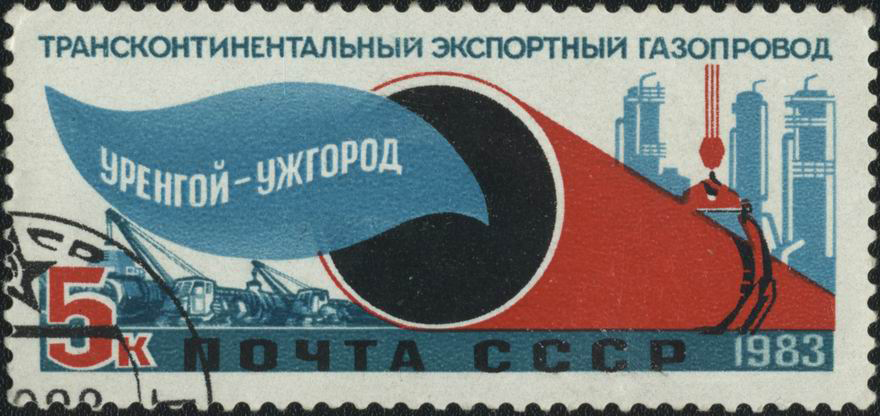
One day into their unprecedented cross-border incursion into Russia’s Kursk oblast, Ukrainian forces captured the Sudzha gas metering station—a key node of the last remaining Russian pipeline still sending gas to Europe through Ukraine. The Urengoy-Pomary-Uzhgorod pipeline, built by the Soviets in the 1980s, sends natural gas from Siberian fields through Ukraine to Slovakia, the Czech Repubic, Hungary and Austria. Despite the capture of the Sudzha station, Gazprom hasn’t halted the flow of gas through the station—nor has Ukraine shut the pipeline over the past two and a half years of war, apparently due to pressure from Europe. EU sanctions have only gradually started to affect Russia’s massive hydrocarbons sector. (Image: Soviet postage stamp celebrating the Urengoy-Uzhgorod pipeline. Via Wikipedia)