

Nord Stream pipeline sabotage: rush to judgment
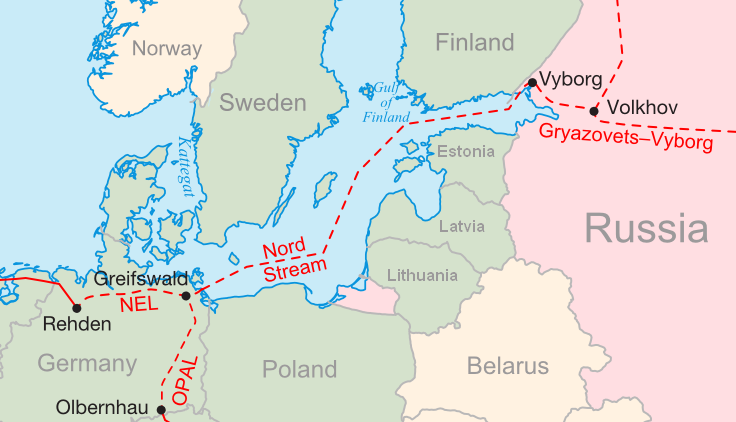
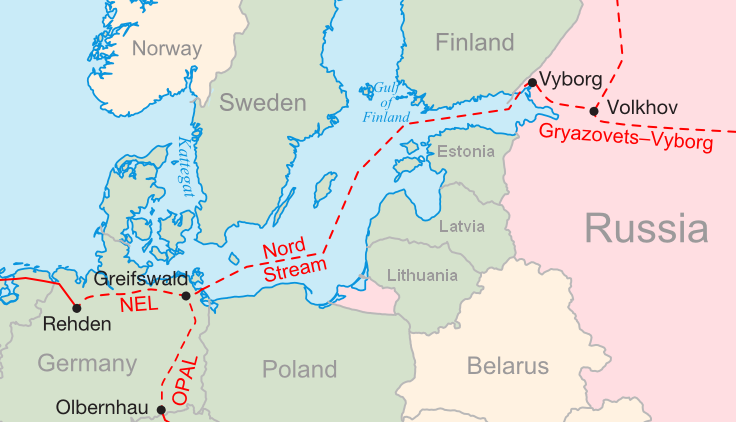
Nord StreamUkraine is denying involvement in September's attack on the Nord Stream pipelines following a New York Times report citing anonymous US officials to the effect that an unnamed "pro-Ukrainian group" was to blame. Russia's online partisans are meanwhile hyping a piece by Seymour Hersh, similarly citing anonymous officials to the effect that the attack was a US covert operation. Rarely has there been a more blatant case of the cyber-commentariat deciding what to believe on the basis of political convenience. (Map: Wikipedia)
Syria

Podcast: climate change and the global struggle II

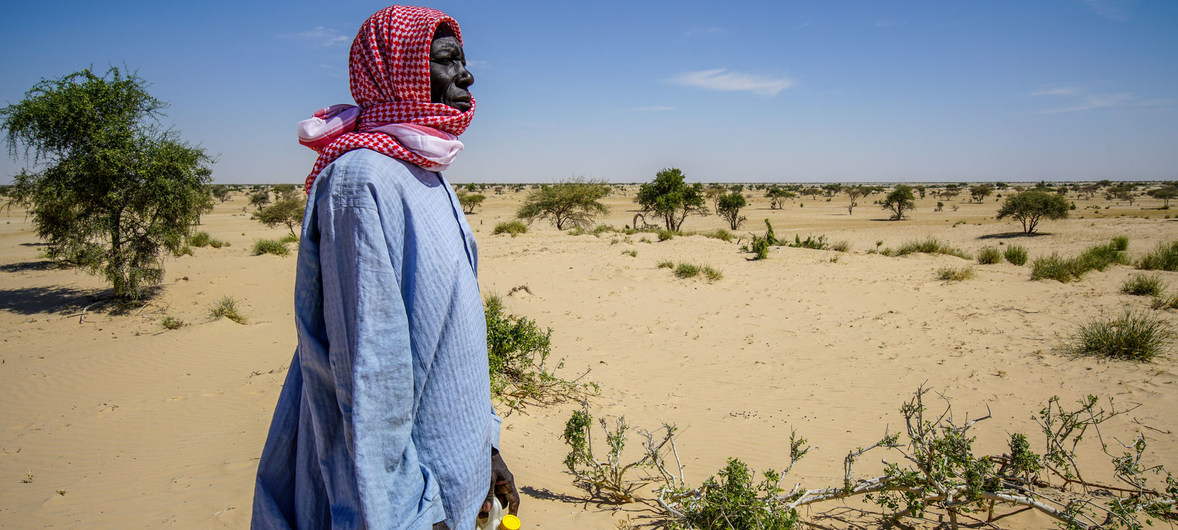
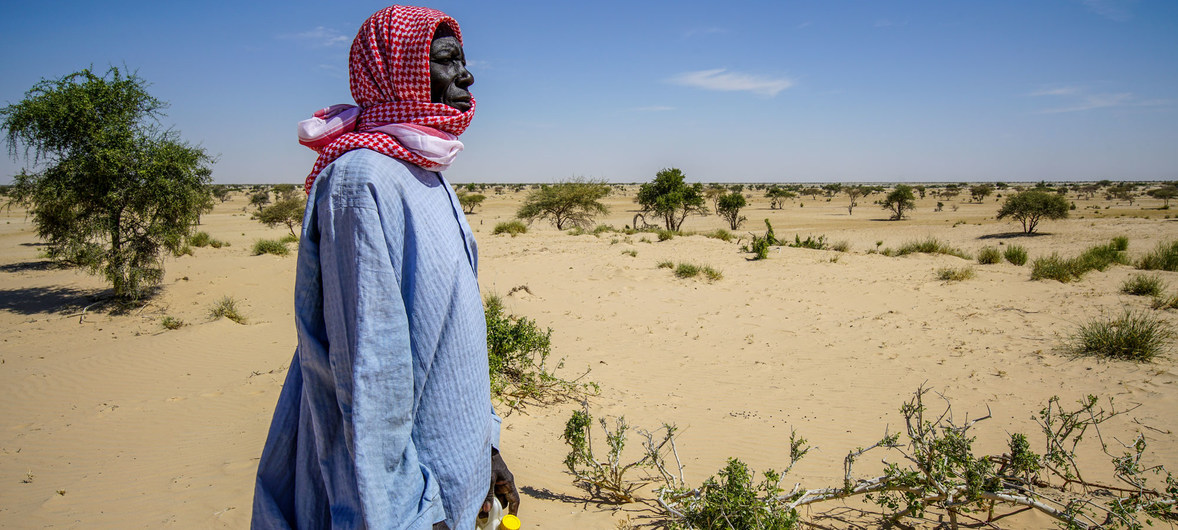
desertificationIn Episode 147 of the CounterVortex podcast, Bill Weinberg notes the recent statement from the UN Environment Program that "only a root-and-branch transformation of our economies and societies can save us from accelerating climate disaster." Studies from similarly prestigious global bodies have raised the prospect of imminent human extinction. An International Energy Agency report released last year warned that new fossil fuel exploration needed to halt by 2022 in order to keep warming within the limits set by the 2015 Paris Agreement. Adoptation of new technologies and emissions standards does mean that CO2 emissions from energy generation (at least) are likely to peak by 2025. But the IEA finds that this would still lead to global temperatures rising by 2.5 C above pre-industrial levels by century's end—exceeding the Paris Agreement limits, with catastrophic climate impacts. And the catastrophic impacts, already felt in places like Chad and Cameroon, win but scarce media coverage. Climate-related conflict has already escalated to genocide in Darfur. Climate protests in Europe—at oil terminals and car shows (as well as, less appropriately, museums)—do win some attention. But the ongoing resistance to oil mega-projects in places like Uganda and Tanzania are comparatively invisible to the outside world. The dire warnings from the UN and IEA raise the imperative for a globalized resistance with an explicitly anti-capitalist politics. Listen on SoundCloud or via Patreon. (Photo of Tantaverom region of Chad via UNDP)

Planet Watch
Chad

Podcast: climate change and the global struggle II

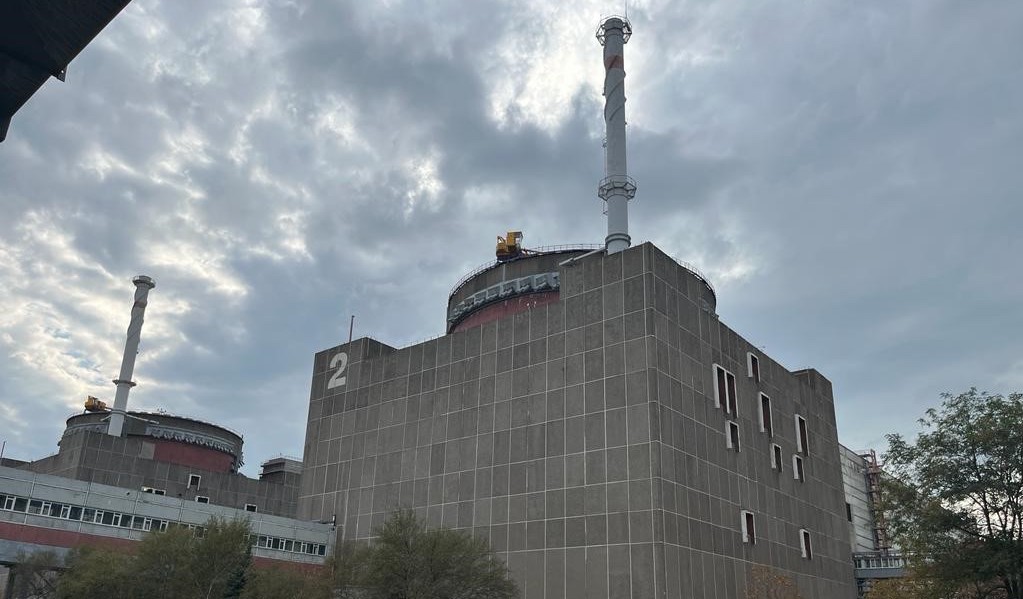
ZaporizhzhiaUN Secretary-General António Guterres strongly condemned Russia's largest yet wave of drone and missile attacks in Ukraine, especially noting strikes that disrupted the power supply to the Zaporizhzhia Nuclear Power Plant (ZNPP), endangering nuclear safety. Rafael Grossi, director of the International Atomic Energy Agency (IAEA), also warned of the persisting "extremely fragile" situation at Europe's largest nuclear facility. Russia's latest air-strike against the ZNPP marked the ninth time power was broken off to the plant since the war began in February 2022. Although external power has been restored, Grossi cautioned that the situation remains unsafe. (Photo: Wikipedia)

Russia ‘weaponizing’ gas supplies to Europe

Nord StreamRussian energy giant Gazprom cut off the flow of natural gas to Germany and other European markets via the Nord Stream pipeline, calling it a three-day shut-down for maintenance. But Western governments charge that Russia is "weaponizing" gas supplies amid the Ukraine war. Days earlier, Germany's government broached allowing the blocked Nord Stream 2 pipeline to begin pumping Russian gas. Wolfgang Kubicki, vice president of the Bundestag, said the move is necessary so "people do not have to freeze in winter and that our industry does not suffer serious damage." His comment prompted a harsh response from Kyiv, where Foreign Minister Dmytro Kuleba said that "addiction to Russian gas kills." (Map: Wikipedia)

Wagner Group named in massacres on Sudan-CAR borderlands

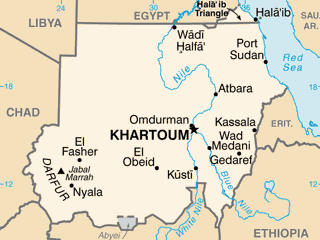
SudanRussian mercenaries are accused of carrying out a series of deadly attacks on artisanal miners in the lawless border zone between Sudan and the Central African Republic, in an apparent effort to establish dominance over outlaw gold mining operations with allied paramilitary factions. Dozens are said to have been killed in attacks on mining camps this year, allegedly involving mercenaries working for the Kremlin-linked Wagner Group. Witnesses interviewed by The Guardian described "massacres" and looting by Wagner gunmen. The "Troika" diplomatic group that helps oversee the Sudan peace process released a report in March charging that the Wagner Group is engaged in illegal gold mining in collaboration with the Rapid Support Forces (RSF), a paramilitary group backed by the Sudanese regime. Sudan's Ministry of Foreign Affairs responded with a statement denying the presence of the Wagner Group in the country. (Map: Perry-Castañeda Library Map Collection)

Ukraine war windfall for US fracking industry

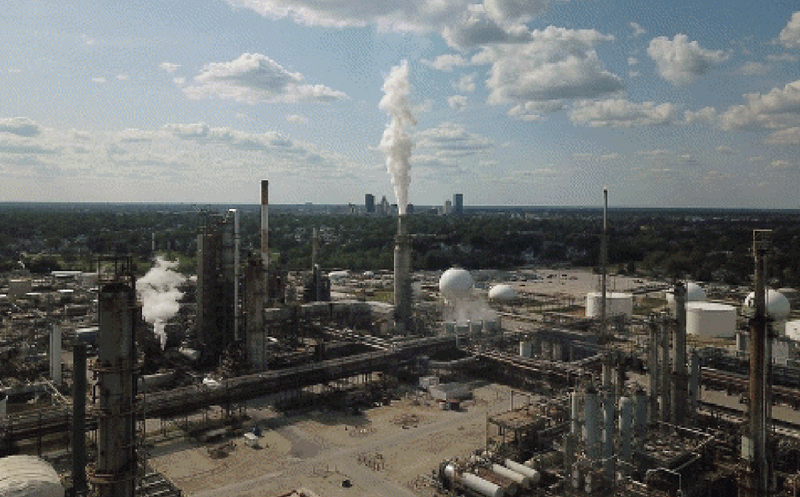
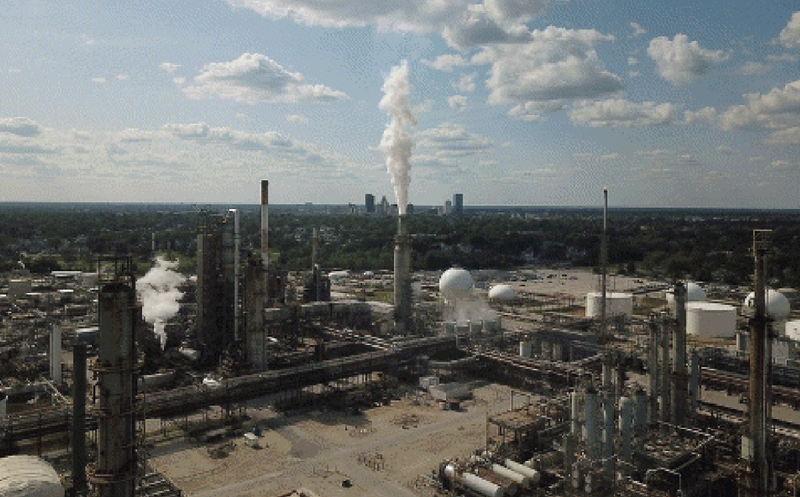
refineryUS President Joe Biden and European Commission president Ursula von der Leyen announced a joint Task Force to reduce Europe's dependence on Russian hydrocarbons and "strengthen European energy security as President Putin wages his war of choice against Ukraine." The press release states: "The United States will work with international partners and strive to ensure additional LNG volumes for the EU market of at least 15 bcm [billion cubic meters] in 2022, with expected increases going forward." This means liquified natural gas from the US fracking industry. Environmental group Global Witness reacted with alarm to the announcement, stating: "If Europe truly wants to get off Russian gas the only real option it has is phasing out gas altogether." (Image: FracTracker)

Syria

End impunity for chemical weapons use in Syria

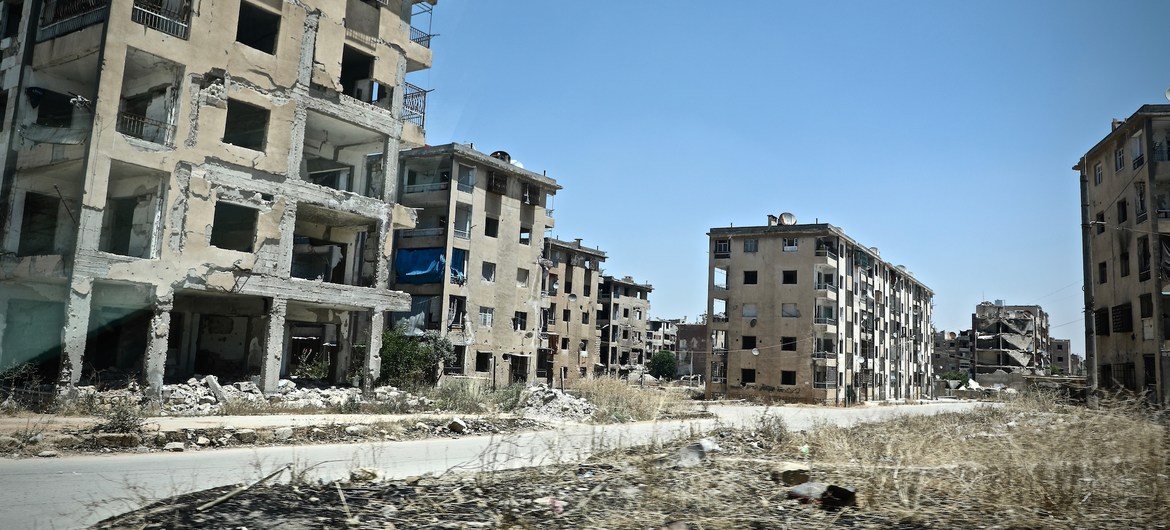
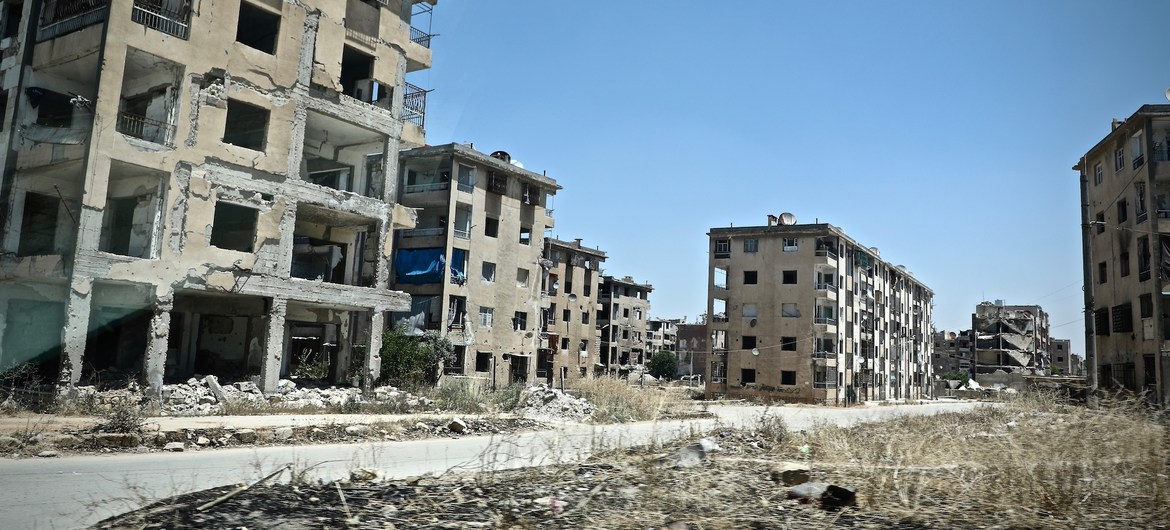
AleppoThe United Nations' top disarmament official stressed the urgent need to identify those who have used chemical weapons in Syria, and hold them accountable for their deeds. "Without such an action, we are allowing the use of chemical weapons to take place with impunity," Izumi Nakamitsu, UN High Representative for Disarmament Affairs, told the Security Council in a virtual briefing. Nakamitsu was briefing Council members on implementation of Resolution 2118, in which unanimous agreement was reached in 2013 to condemn "in the strongest terms" any use of chemical weapons in Syria. Yet the country has seen continued chemical attacks since then. In a new report, the Organization for the Prohibition of Chemical Weapons (OPCW) summarized 19 "outstanding issues" that remain, six-and-a-half years after the Bashar Assad regime claimed that it had handed over all chemical agents and destroyed all facilities. The OPCW expressed concern that at least one chemical weapons production facility in the country remains operational. (Photo of ruins of Aleppo, where chemical weapons were used in 2017: OCHA/Halldorsson via UN News)

ICC convicts former Uganda rebel commander

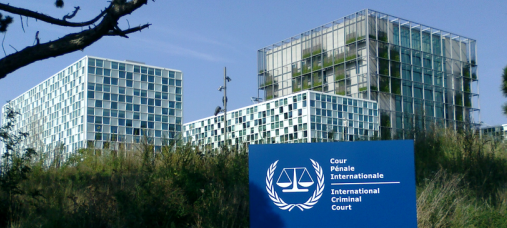
ICCThe International Criminal Court (ICC) handed down convictions in the case of Dominic Ongwen, a former brigade commander of the Ugandan rebel group Lord's Resistance Army (LRA), on 70 counts of war crimes and crimes against humanity committed from July 2002 to December 2005. In a 1,077-page judgment, the ICC found Ongwen guilty of ordering attacks against civilians, including murder, attempted murder, torture, enslavement, outrages upon personal dignity, pillaging, destruction of property, and persecution. These were committed successively on four camps for Internally Displaced Persons (IDPs) set up by the government in northern Uganda, where the LRA was active for four decades. (Photo: OSeveno/WikiMedia)