Watching the Shadows
computer smash

AI, nuclear power and the end of the Earth

Tech companies now acknowledge that they are failing to meet their carbon emission reduction goals because of the mega-computing necessary for artificial intelligence—as if AI were something good and inevitable rather than ultra-dystopian. Meanwhile, the nuclear industry exploits carbon concerns to lubricate its comeback—with even countries like Kenya now planning reactors, amid oppressive and iniquitous social conditions. Even apart from the risk of devastating accidents, the normal functioning of nuclear power constitutes an ongoing disaster due to the dilemmas of waste disposal and the despoliation of indigenous lands by uranium mining. Climate disaster versus nuclear disaster is a false choice posed by omnicidal techno-capitalism. The only way to salvage a dignified human future lies in the abolition of fossil fuels, nuclear power and artificial intelligence alike. So argues Bill Weinberg in Episode 234 of the CounterVortex podcast. (Image: Earth First! Newswire)

Africa
west africa

Uranium at issue in Great Game for West Africa

The ruling junta in Niger revoked the operating license of French nuclear fuel producer Orano at one of the world’s largest uranium mines. Russian companies have meanwhile indicated interest in picking up the lease for the giant Imouraren mine. However, exports are stalled by closure of the border with Benin, the vital sea corridor for landlocked Niger, as tensions mount between the two countries. The uranium dispute comes as French and US troops have been forced to withdraw from Niger, and Russian forces have moved in. The Pentagon’s AFRICOM commander Gen. Michael Langley has acknowledged that the US is seeking to establish new bases in neighboring West African countries, including Benin. (Map: World Sites Atlas)

Africa
Wagner

Russia creates new Africa Corps

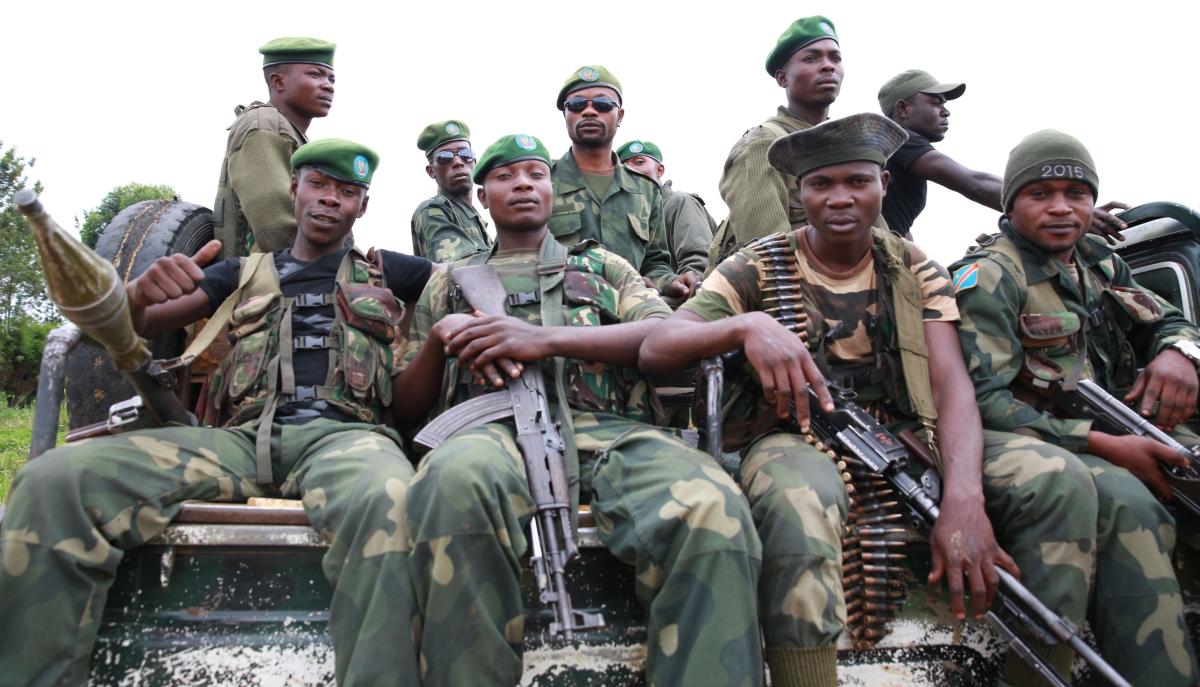
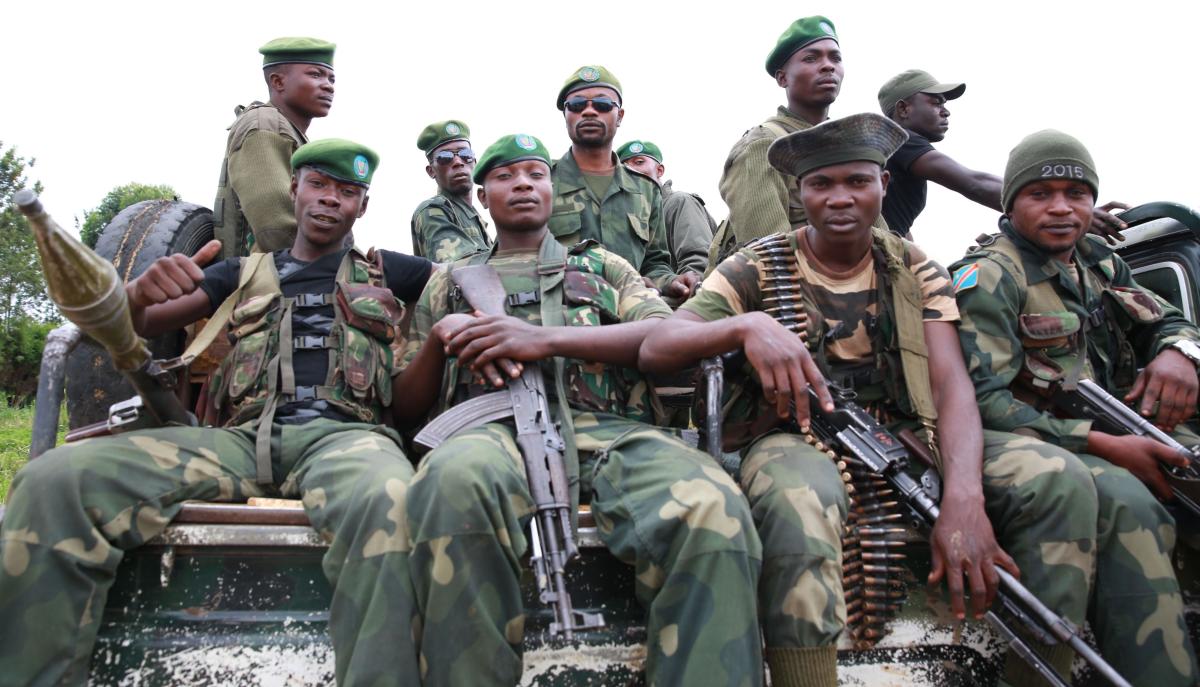
Following the death of Wagner Group leader Yevgeny Prigozhin, the Russian ministries of defense and foreign affairs quickly moved to reassure African client states that business as usual would continue—meaning that Moscow’s unofficial boots on the ground would keep operating in these countries. Now reports indicate a transformation, with Wagner’s estimated force of 5,000 troops—deployed from the Sahel to Libya to Sudan—to be brought under Defense Ministry command as a new Africa Corps. (Photo: Russian mercenaries in the Central African Republic. Credit: Corbeau News Centrafrique via Wikipedia)

Afghanistan
afghanistan

China moves toward recognition of Taliban regime

Chinese President Xi Jinping officially accepted the credentials of the envoy to Beijing from Taliban-ruled Afghanistan—a clear step toward recognition of the regime. A month before that, Wang Yi, the Chinese foreign minister, visited Kabul to meet with Taliban foreign minister Amir Khan Muttaqi—the highest-level meeting between China and the Taliban regime since its return to power in 2021. China has already struck hydrocarbon deals with the Taliban, and has been eyeing Afghanistan’s lithium, copper and rare-earth metal mines. This is in line with Beijing’s perceived design to establish control over the planet’s rare earth minerals. (Map: Perry-Castañeda Library)

Africa
wagner group

‘Blood gold,’ diamonds behind Russian war effort

Gold-mining operations in Africa under the control of the paramilitary Wagner Group are funneling money to the Kremlin for the Russian war effort in Ukraine, according to a new report by watchdog organizations. “The Blood Gold Report,” prepared by the Consumer Choice Center and Democracy 21, finds that Wagner has laundered some $2.5 billion in proceeds from its African operations since Russia’s full-scale invasion of Ukraine in 2022, helping Moscow to ride out international sanctions. In the Central African Republic, Wagner is said to have exclusive operational control over the country’s largest gold mine at Ndassima in return for its services in propping up the regime. The European Union meanwhile announced  sanctions on Russia’s state-owned diamond giant Alrosa and its CEO, citing their “long-standing partnership with the Russian Armed Forces.” (Photo of CAR army troops wearing the Wagner Group insignia via Corbeau News Centrafrique)

Central America
Panama

Protests prompt Panama mining moratorium

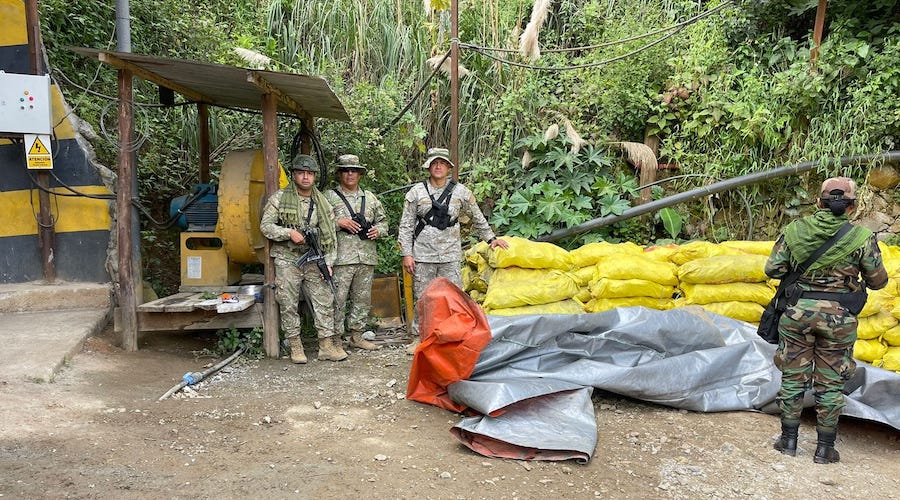
Panama’s President Laurentino Cortizo announced that he will hold a referendum to determine the fate of a contentious mega-mining contract, after several days of the country’s largest protests in decades. Cortizo also said he would instate a moratorium on any new mining projects in response to the protests, a move signed into law on Panama’s independence day. The protests, driven by environmental concerns, were sparked by the National Assembly’s earlier vote to award an extended concession to Canadian company First Quantum, allowing it to operate the largest open-pit copper mine on the Central American isthmus for another 20 years. The Cobre Panamá mine, in Colón province, has faced strong opposition from local residents since it opened in 2019, but extension of the contract brought thousands of angry demonstrators to the streets of Panama City. The protests reached the doors of the capital’s Marriott Hotel, where regional environment ministers were meeting for the Latin America & the Caribbean Climate Week summit. (Photo via Twitter)

Planet Watch
uranium

Podcast: Niger, Siberia and the global uranium wars

The Tuaregs of Niger and Buryat of Siberia, like the Navajo of the US Southwest, have had their territories usurped and destroyed by uranium mining for the nuclear-industrial complex, and it makes little difference from their perspective whether the extractivist bosses were French, Russian or American. While the Great Powers wage a neo-colonial game for control of this strategic resource, the indigenous peoples on the ground pay with their lands and lives—and are fighting back for autonomy or outright independence, and ecological and cultural survival. Bill Weinberg breaks it down in Episode 192 of the CounterVortex podcast. (Photo: Russian uranium mine in Buryatia, via Moscow Times)

Southeast Asia
Dhamma Sakyamuni

Malaysia rainforest at issue in fight over historic monastery

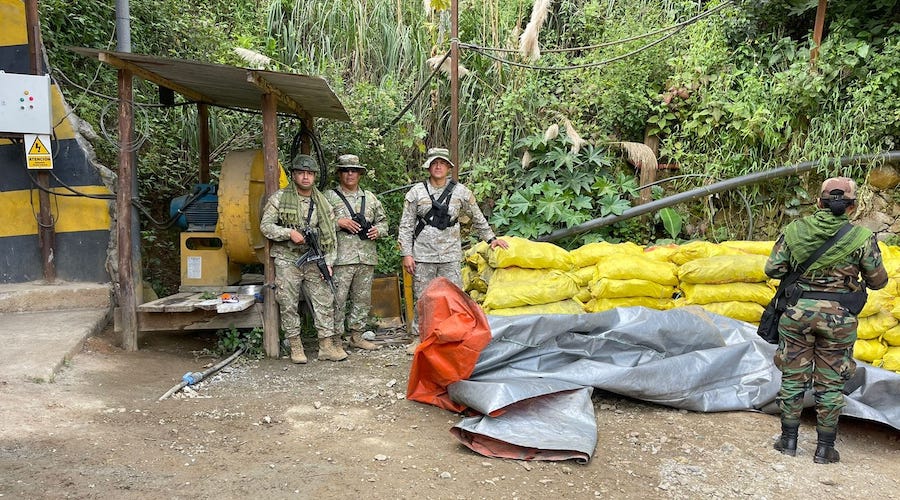
A Buddhist monastery carved out of a cave complex in the rainforest of Malaysia stands to be evicted after losing a legal appeal in its case against a cement manufacturer. The Court of Appeal ruled for Associated Pan Malaysia Cement in the case brought by the century-old Dhamma Sakyamuni Caves Monastery, finding that the company has the right to evict “squatters” from the tract at issue in a limestone massif known as Gunung Kanthan—despite the fact that it lies within the Kinta Valley National Geopark. The forested massif is home to several endangered species of both flora and fauna, and most of it has already been cleared for quarries. After the appeals court ruling, the Perak state government formed a special committee to mediate in the conflict. The Dhamma Sakyamuni monks pledge they will resist eviction. (Photo via Free Malaysia Today)

Africa
Gabon

Gabon coup: another blow to Françafrique

A group of soldiers in Gabon seized control of the country and canceled the results of its presidential election—just after incumbent President Ali Bongo, heir to a corrupt dynasty closely aligned with France, was declared the winner amid claims of electoral fraud. In scenes reminiscent of those in Niger after the recent coup there, crowds have poured into the streets of Gabon’s capital Libreville, expressing their support for the new junta—and animosity for both the ousted Bongo dynasty and France. The coup appears to mean a further reduction for the French influence sphere in Africa, known as Françafrique. Over the past three years, coups have ousted French-aligned regimes in Mali, Burkina Faso and Guinea as well as Niger. Russia appears eager to step into the erstwhile role of France in providing military assistance to these countries. The day after the Gabon putsch, a Russian delegation met with Burkina Faso’s interim regime to discuss stepped-up security cooperation. (Map: PCL)

The Amazon
yasuni

Win for rainforest in Ecuador elections

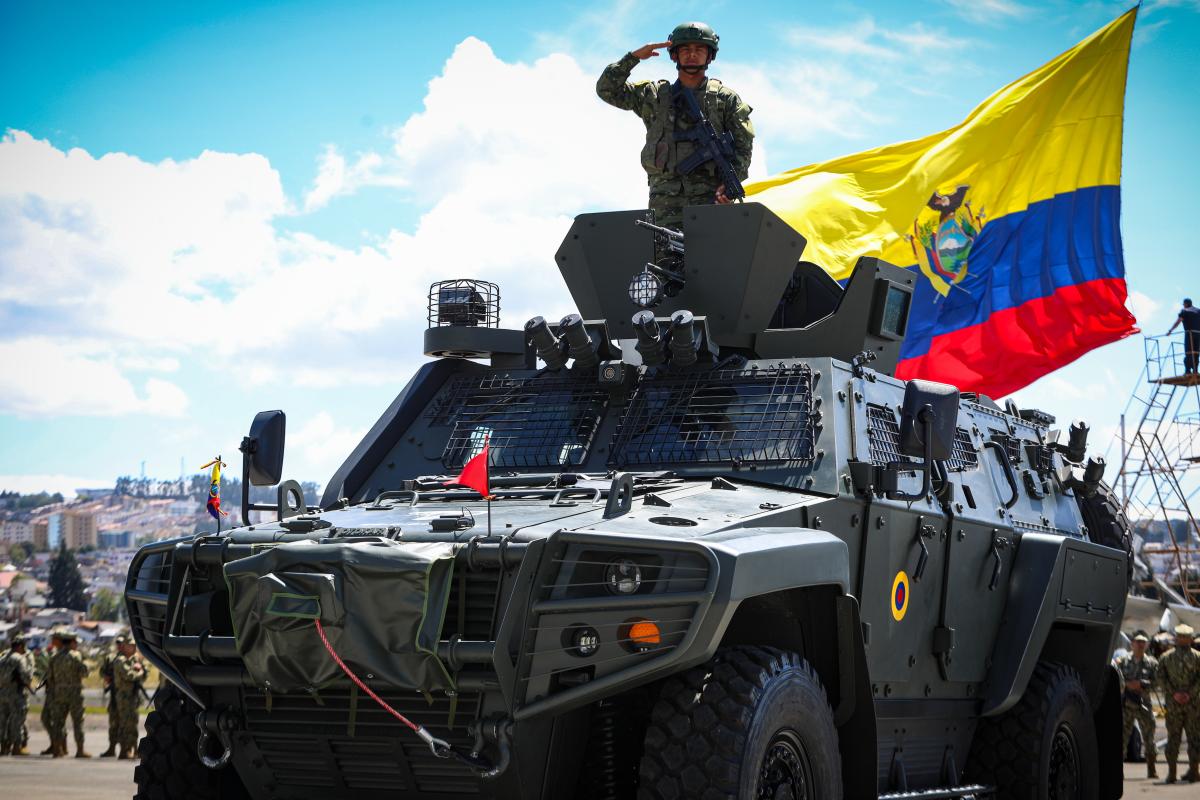
Winning 60% support in Ecuador’s election is a ballot measure to permanently bar oil drilling from Yasuní National Park, a world biodiversity hotspot in the Amazon rainforest. Parastatal PetroEcuador must now halt extraction at Bloc 43, which lies near the heart of the reserve. Likewise approved by a wide margin was a referendum on halting copper, gold and silver mining activity in the Chocó Andino de Pichincha, a biosphere reserve outside of Quito. (Image: Wikimedia Commons)

Africa
Niger

Podcast: flashpoint Niger

In Episode 186 of the CounterVortex podcast, Bill Weinberg examines the coup d’etat in Niger, which now threatens to plunge West Africa into regional war—with potential for escalation involving the Great Powers. Lines are drawn, with the Western-backed ECOWAS demanding the junta cede power, and Russian-backed Mali and Burkina Faso backing the junta up. Pro-junta demonstrators in Niger’s capital, Niamey, wave the Russian flag—probably to express displeasure at US and French neo-colonialism. The Wagner Group, which already has troops in Mali and Burkina Faso, has expressed its support for the junta, and offered fighters to help stabilize the regime. Elements of the tankie pseudo-left in the West are similarly rallying around the junta. Amid this, leaders of the Tuareg resistance in Niger have returned to arms to resist the new regime, and the country’s mine workers union is also demanding a return to democratic rule. Listen on SoundCloud or via Patreon. (Map: PCL)

The Amazon
Amazon Fires

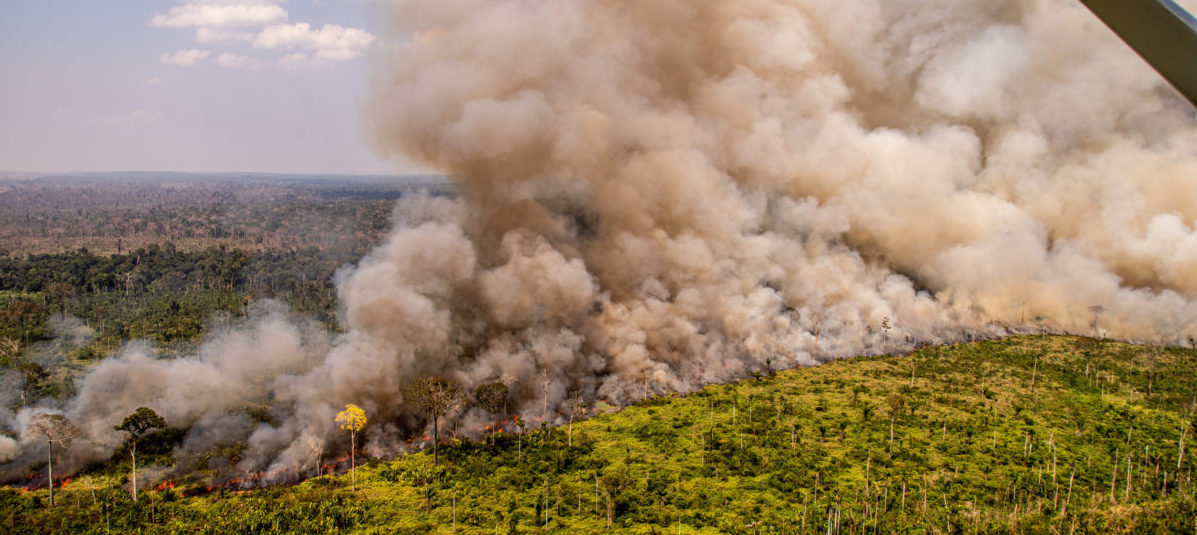
Amazon rainforest loss approaches new height

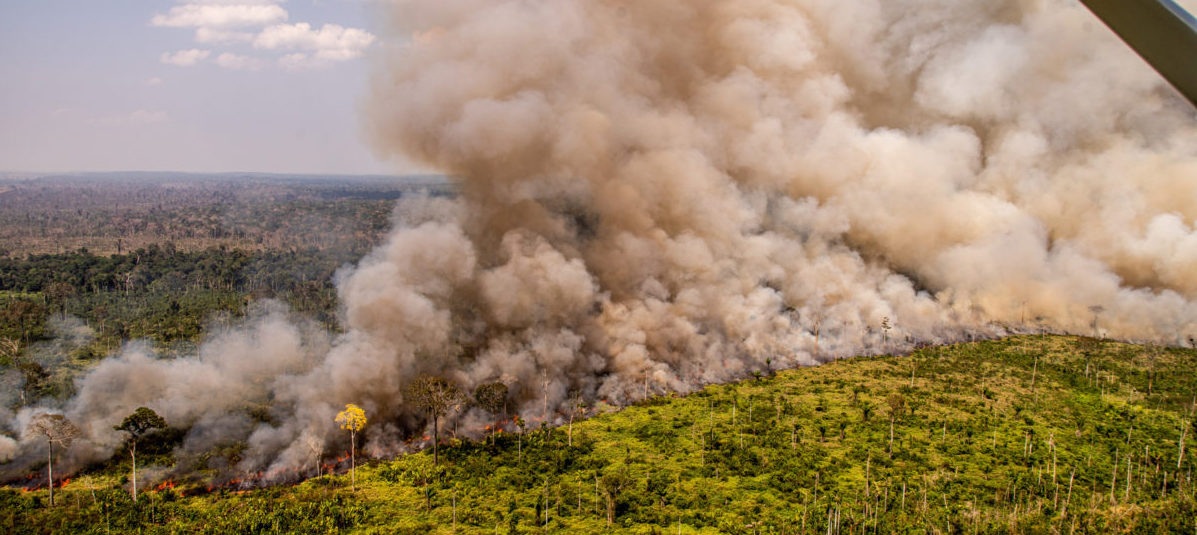
Within just five years, the Amazon rainforest could lose half the total forest cover that it lost in the first 20 years of this century, a recent study by the Amazon Network of Georeferenced Socio-Environmental Information (RAISG) has revealed. Deforestation rates are accelerating in nearly all of the nine Amazonian countries, but especially in Brazil, Bolivia, Peru and Colombia—mostly due to road development, agricultural expansion and mining. (Photo via Mongabay)