

Africa

Land defender slain in Democratic Republic of Congo

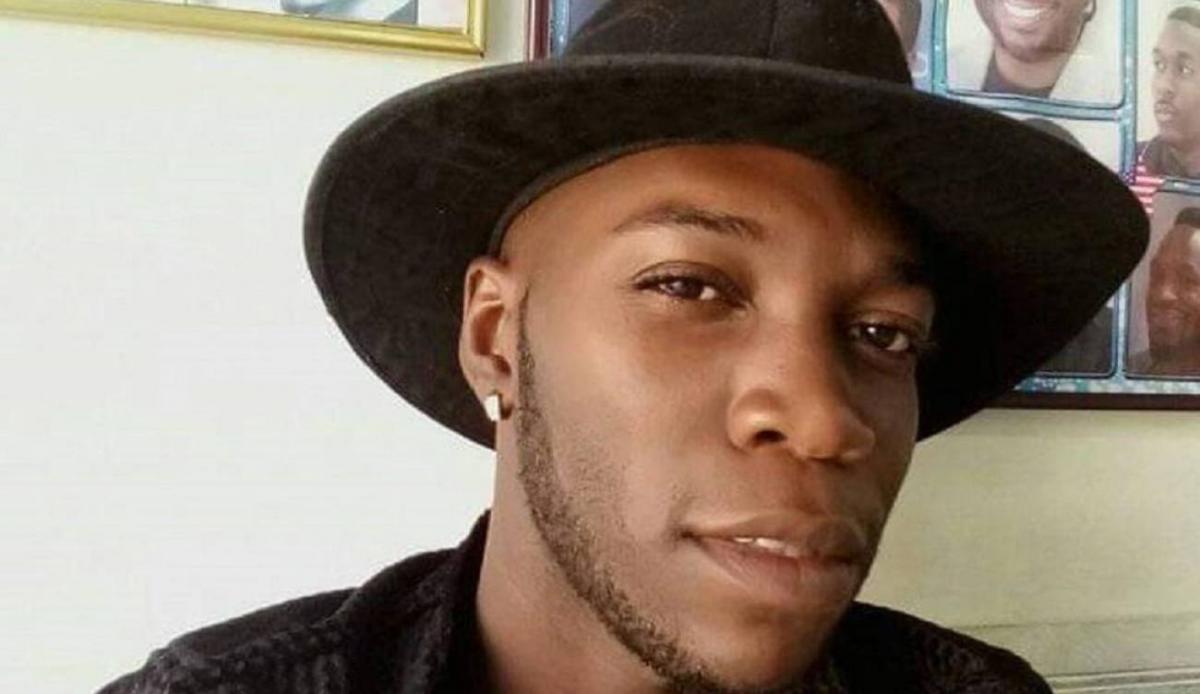
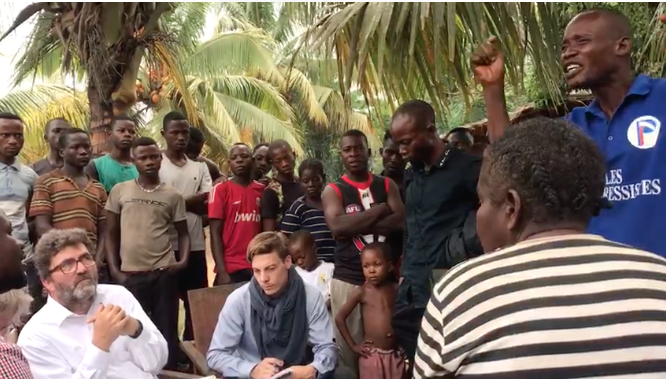
A Congolese environmental and human rights activist was killed by a security guard of the Canadian palm-oil company Feronia Inc, near the company’s Boteka plantation in Eqauteur province, Democratic Republic of the Congo (DRC). The killing follows months of intimidation directed at local communities that have filed a grievance against the company for its occupation of their lands. Joël Imbangola Lunea operated a motor-boat to transport people and goods between local villages. He was also a community leader and member of the NGO Information & Support Network of the DRC (RIAO-RDC), and was involved in mediating land disputes. He was killed when his boat, filled with passengers and luggage, was approached by a security guard who accused him of transporting stolen palm oil from the plantation. He was beaten and finally strangled to death, his body thrown into the Moboyo River. (Photo of Lunea at mediation session via RIAO-RDC)
East Asia
Ji Sizun

China: justice sought in death of ‘barefoot lawyer’

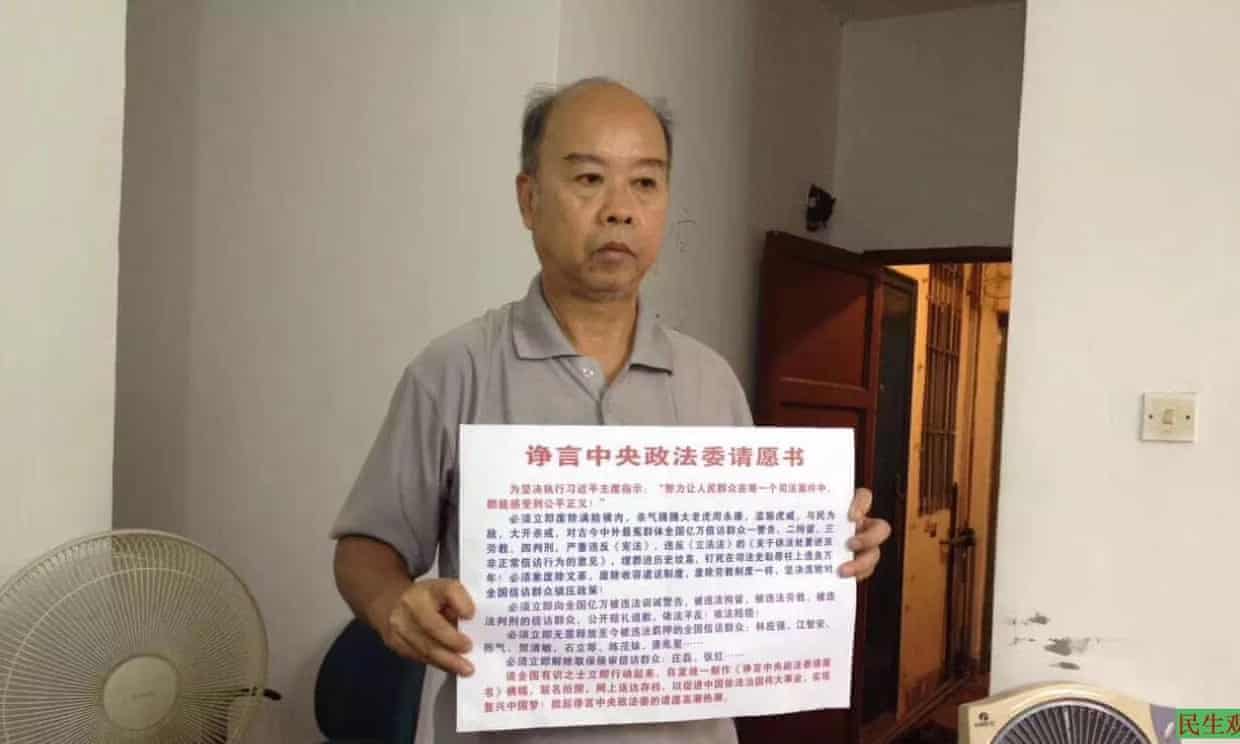
International rights groups are demanding accountability from China in the death of Ji Sizun, the most recent victim of the ongoing crackdown on dissident lawyers in the People’s Republic. Two months after being released from prison, Ji, 69, died from unknown illnesses, guarded by state security in a hospital in his native Fujian province. He had reportedly been ill-treated in detention, and was released in a comatose state. One of China’s most prominent “barefoot lawyers,” or self-taught legal advocates, Ji spent most of the past 10 years in prison. “Chinese authorities need to investigate Ji Sizun’s hospitalization and death and hold accountable anyone responsible for wrongdoing,” said Yaqiu Wang, China researcher with Human Rights Watch. “For human rights defenders in China, prison sentences are increasingly turning into death sentences.” (Photo: Chinese Human Rights Defenders)

The Amazon

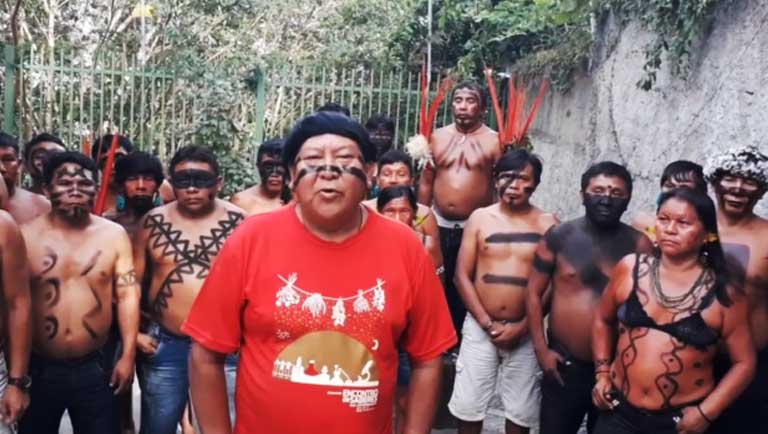
Brazil: Yanomami lands overrun by illegal miners

Thousands of illegal gold-miners (garimpeiros) have invaded Yanomami Park, one of Brazil’s largest indigenous reserves, covering 96,650 square kilometers of rainforest in the states of Roraima and Amazonas, near the border with Venezuela. An incursion of this scale has not occurred for a generation, bringing back memories among Yanomami elders of the terrible period in the late 1980s, when some 40,000 garimpeiros moved onto their lands and about a fifth of the indigenous population died in just seven years due to violence, malaria, malnutrition, mercury poisoning and other causes. (Photo via Mongabay)

East Asia

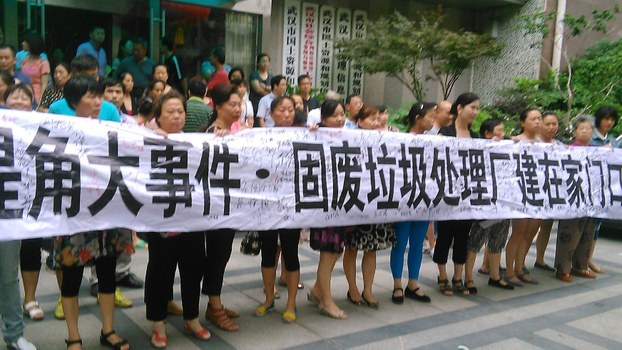
Protest shakes Hong Kong… and Wuhan: solidarity?

Days before protesters stormed and occupied the Hong Kong legislative chamber, some 10,000 marched in the central Chinese city of Wuhan to oppose construction of a waste incinerator. The Wuhan protesters chanted “Give us back our clean environment”—before being set upon by the riot police, leading to many arrests. Solidarity with pro-democratic forces on the mainland is what holds out hope for restraining Beijing’s dictatorial agenda for Hong Kong. Yet some Hong Kong protesters instead look to former colonial power Britain for protection—or promote a hardcore “localist” stance that seeks independence rather than a democratic China. (Photo  of Wuhan protest via RFA)

Southeast Asia

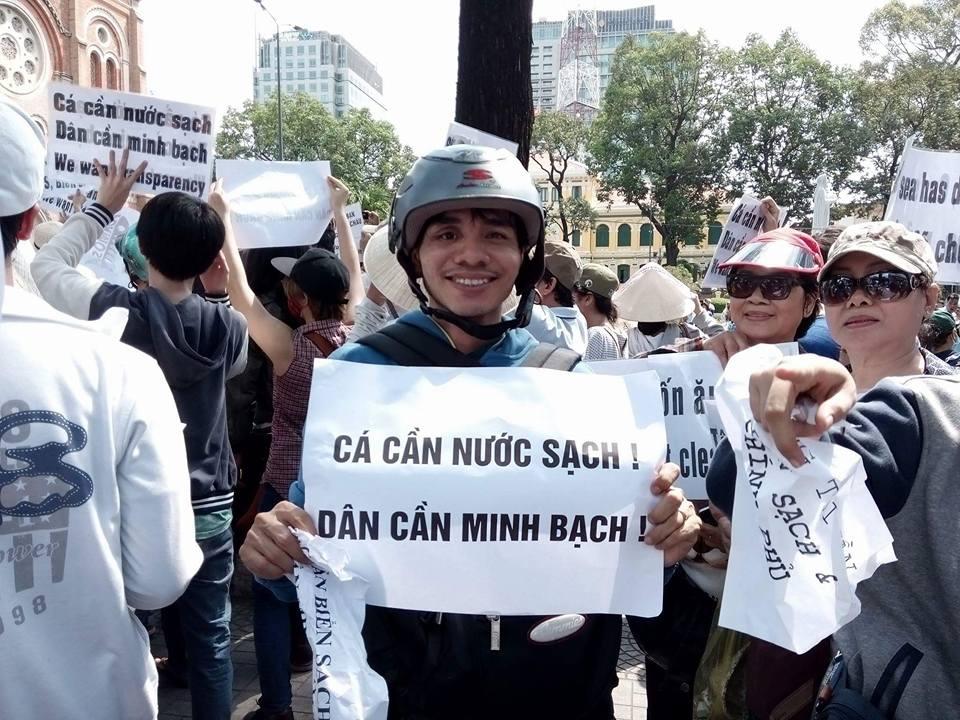
Vietnam: ‘free trade’ advances; free speech retreats

The European Council announced that it has approved the European Union-Vietnam Free Trade Agreement (EVFTA), hailed as the most ambitious trade pact between the EU and a developing country. Under EVFTA, upwards of 99% of tariffs on goods from both sides will be lifted. The deal was approved two weeks after a Vietnamese environmental activist was sentenced to six years in prison for “anti-state” Facebook posts. Nguyen Ngoc Anh, a shrimp farming engineer, is accused of writing posts that urged people to take part in peaceful protests over corporate pollution. The posts especially noted the Formosa Plastics disaster in 2016, in which a Taiwanese-owned steel plant dumped toxic waste into the ocean off the coast of central Vietnam, killing millions of fish. (Photo of Nguyen Ngoc Anh via Human Rights Watch. Sign reads: “Fish Need Clean Water, People Need Transparency.”)

The Amazon

Brazil high court ruling sparks indigenous protest

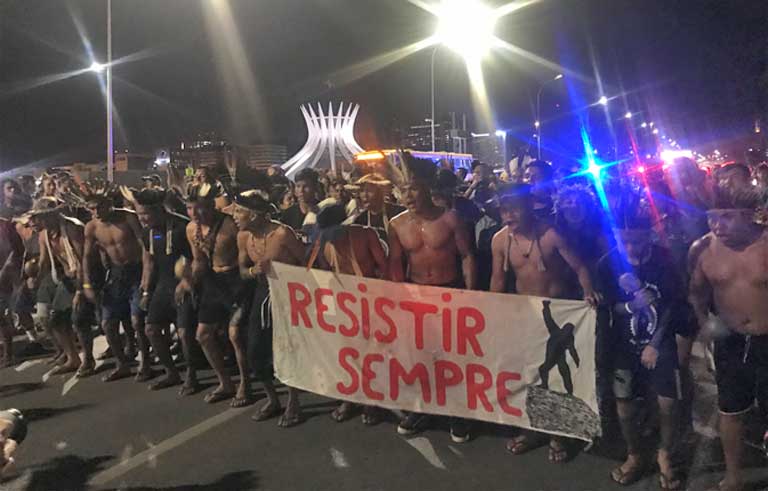
At their annual protest encampment in Brasilia, some 4,500 indigenous people from across Brazil marching on the Supreme Court building to oppose a recent ruling that could negatively impact demarcation of indigenous territory. The case concerned Provisional Measure 870, signed by President Jair Bolsonaro on his first day in office, shifting responsibility for indigenous reserve demarcations from FUNAI, Brazil’s indigenous agency, to the Agriculture Ministry. MP 870 was challenged as unconstitutional, but Supreme Court Justice Roberto Barroso rejected that challenge—although he did agree that if the Agriculture Ministry failed to carry through with demarcation in future, further legal action could go forward at that time. During the three-day encampment, indigenous groups also protested Bolsonaro’s plan to open indigenous reserves to mining and agribusiness. The Free Land Encampment has been held in Brasilia every year since 2017. (Photo: Mongabay)

The Amazon

Violence escalates in Brazilian Amazon

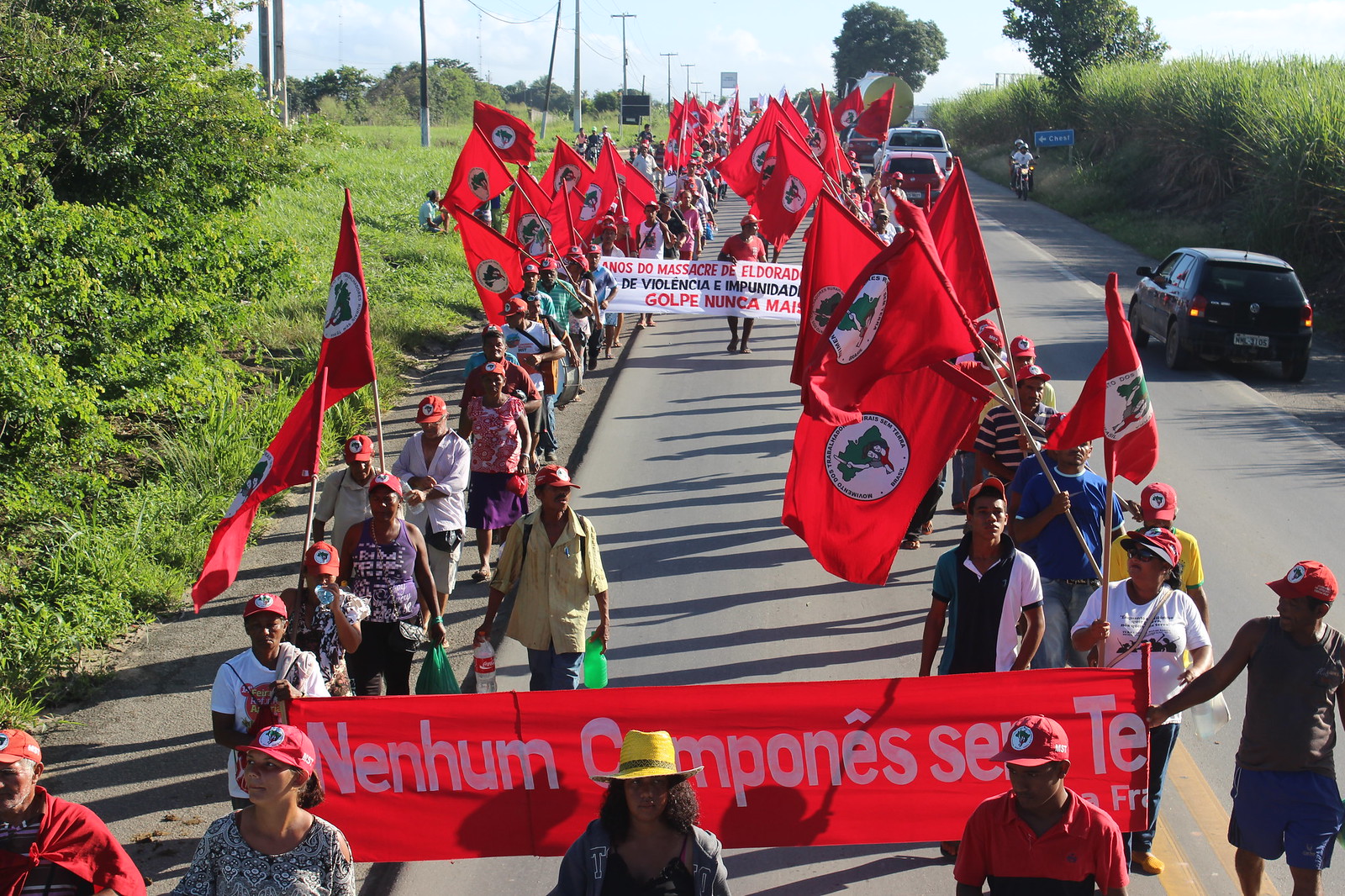
In the last two weeks, Brazilian Amazonia has seen an alarming increase in targeted killings, with three massacres and at least nine deaths. The Catholic Church’s Pastoral Land Commission defines a massacre as the killing of three or more people. The most recent killings took place when military police attacked a landless peasants’ camp near the hamlet of Vila de Mocotó in Pará state. Days earlier, four were killed when hooded gunmen evicted a squatter camp at Seringal São Domingos, near the intersection of the borders of Acre, Amazonas and Rondônia states. Days before that, Dilma Ferreira Silva, a social leader with the Movement of People Affected by Dams (MAB), her husband, and a friend, were killed by hooded motorcyclists in Baião municipality, Pará state.  (Photo via Earth Island Journal)

The Andes

Máxima Acuña case against Newmont Mining remanded

The US Court of Appeals for the Third Circuit in Philadelphia revived the case by Máxima Acuña Atalaya de Chaupe and her family against the US-based Newmont Mining Company. The family of subsistence farmers from Peru's Cajamarca region sued Newmont in the United States for abuse at the hands of the company's security forces. A lower court had dismissed the case, saying it should be heard in Peru. The Appeals Court reversed that decision, citing Newmont's corruption of local courts there. The suit, Acuna-Atalaya v. Newmont Mining Corp, seeks to stop a pattern of harassment and physical abuse that the Chaupe family say they have suffered at the hands of Newmont personnel, which the family believes is aimed at usurpation of their plot of land at Tragadero Grande. (Photo: EarthRights International)

Mexico

Indigenous eco-activist slain in Morelos, Mexico

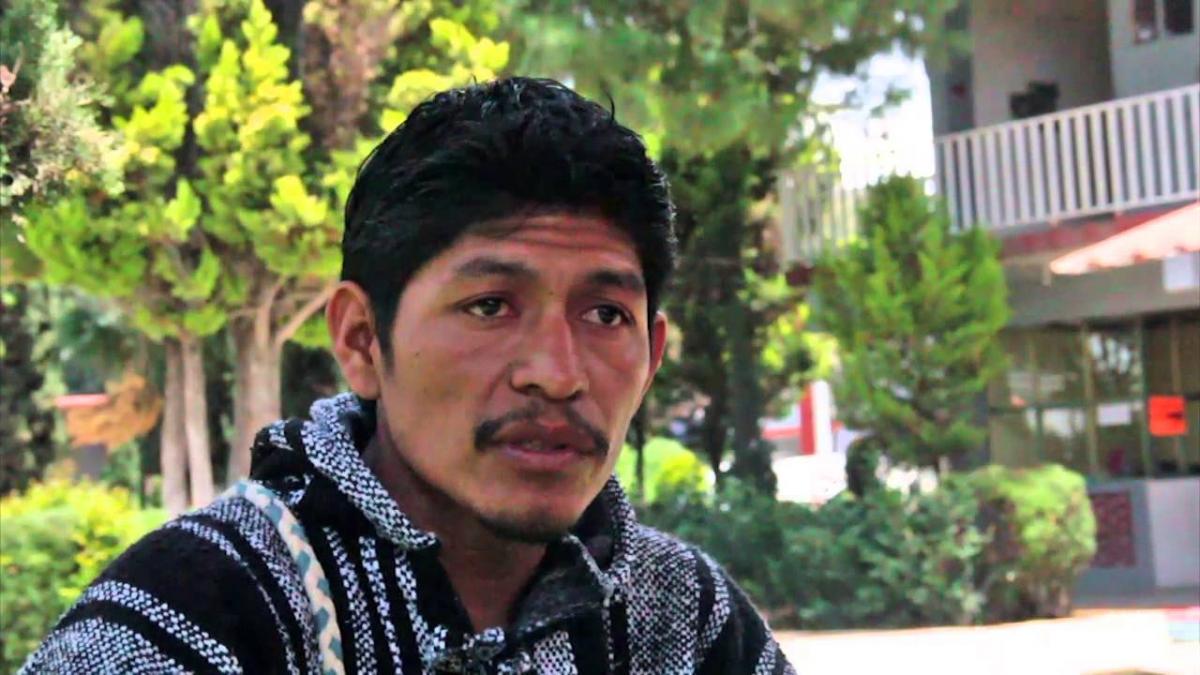
An indigenous environmental activist was killed in Mexico's south-central state of Morelos, three days ahead of a planned referendum on an energy development project that he opposed. Samir Flores Soberanes was a leader of the local Peoples in Defense of Land and Water Front and community radio station Amilzinko. He was slain by unknown gunmen in an attack at his home in the village of Amilcingo, Temoac municipality. He was a longtime figure in local opposition to the planned Huexca power plant and associated natural-gas pipeline, pushed by the government under the Morelos Integral Project. (Photo: Somos el Medio)

The Andes
paramilitaries

Colombia sliding deeper into internal war

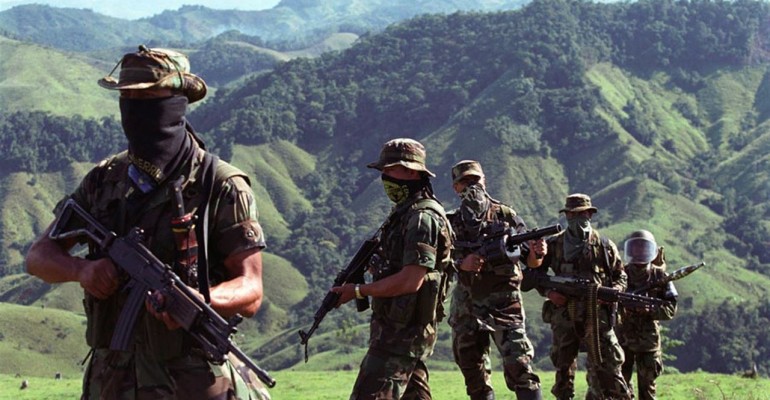
Under pressure to address the ongoing wave of targeted assassinations in Colombia, President Iván Duque for the first time spoke before the National Commission to Guarantee Security, formed by the previous government to address continuing violence in the country—which has only worsened since he took office last year. Duque said 4,000 people are now under the government's protection program for threatened citizens. But his office implied that the narco trade is entirely behind the growing violence. Interior Minister Nancy Patricia Gutiérrez told the meeting: "This great problem is derived from the 200,000 hectares of illicit crops that we have in Colombia." However, it is clear that the narco economy is but part of a greater nexus of forces that fuel the relentless terror—all related to protecting rural land empires and intimidating the peasantry. (Photo via Contagio Radio)

The Andes

Colombia: UN concern over political assassinations

Gilberto Valencia, a young Afro-Colombian cultural worker, became 2019's first casualty of political violence in Colombia, when a gunman opened fire on a New Years party he was attending in his village in Cauca region. As the death toll from around the country mounted over the following weeks, the UN Mission to Colombia  warned President Iván Duque that he must address "the issue of the assassinations of social leaders and human rights defenders." Colombia's official rights watchdog, the Defensoría del Pueblo, acknowledges that there was an assassination on average every two days in the country last year—a total of 172, and a rise of more than 35% over 2017.  (Photo via Caracol Radio)