

Syria

Israel to expand illegal settlement of Golan Heights
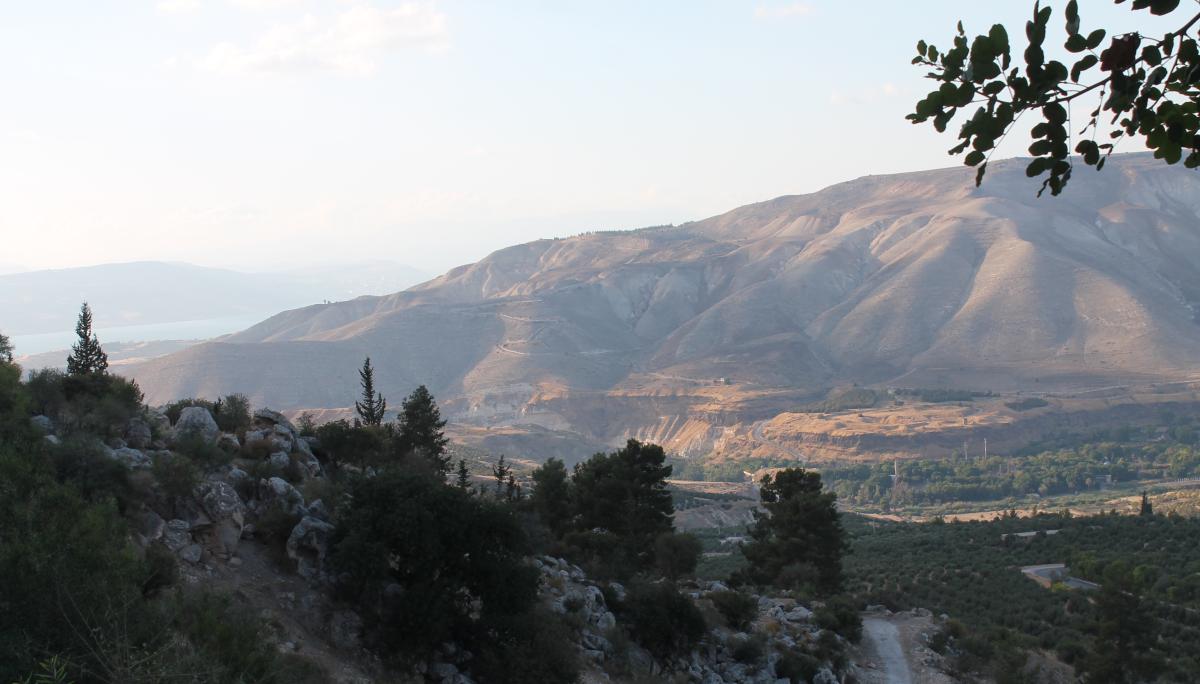
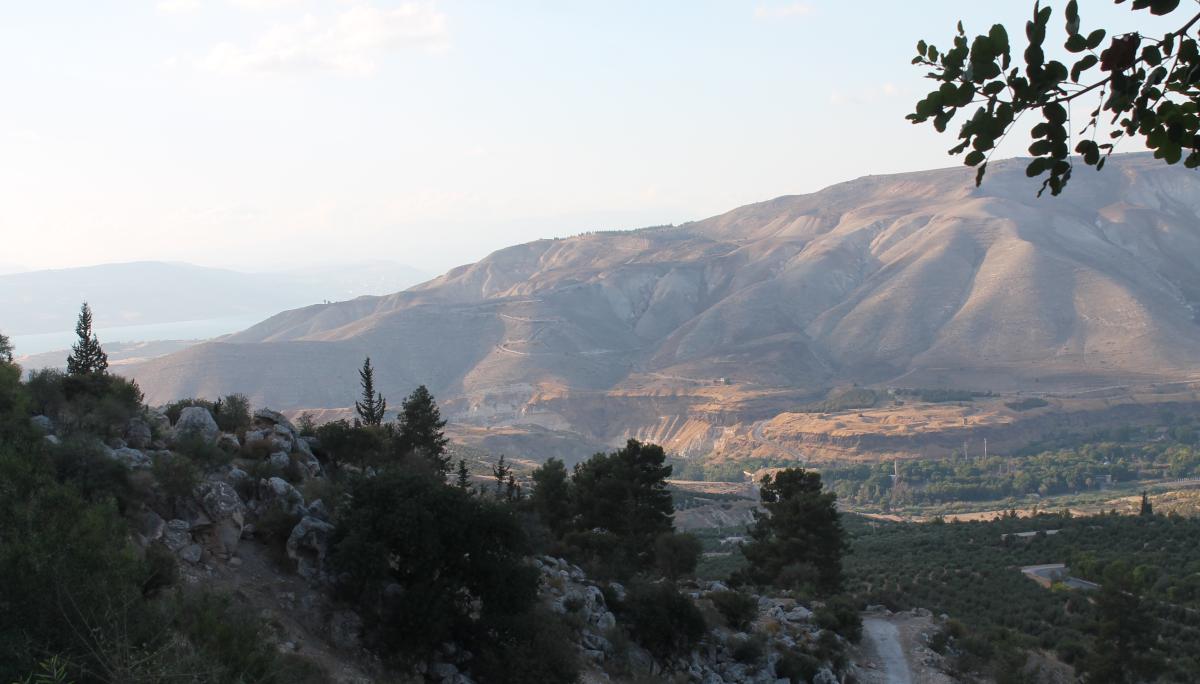
GolanHuman Rights Watch protested the Israeli government's plan for increased settler transfers into the occupied Syrian Golan Heights, calling the decision a "clear statement of intent to commit war crimes." The $334 million plan, announced by the Finance Ministry, seeks to make the small town of Katzrin the Golan's "first city," by bringing in 3,000 new Israeli settler families. Funds are allocated for infrastructure, housing, public services, and academic facilities. Article 49 of the Fourth Geneva Convention prohibits the transfer by an occupying power of any of its own civilian population into territory it occupies. Article 8 of the Rome Statute, which established the International Criminal Court (ICC), defines such transfers as war crimes. Occupied by Israel in 1967, the Golan Heights has since been declared unilaterally annexed. (Photo: Freedom's Falcon via Wikimedia Commons)
Israel ‘weaponizing thirst’ in Gaza

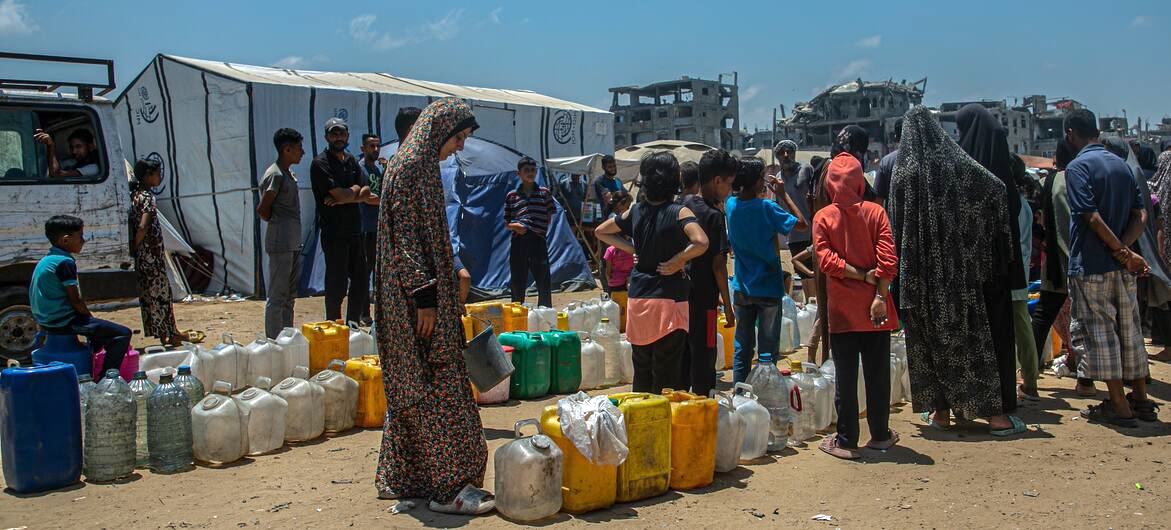
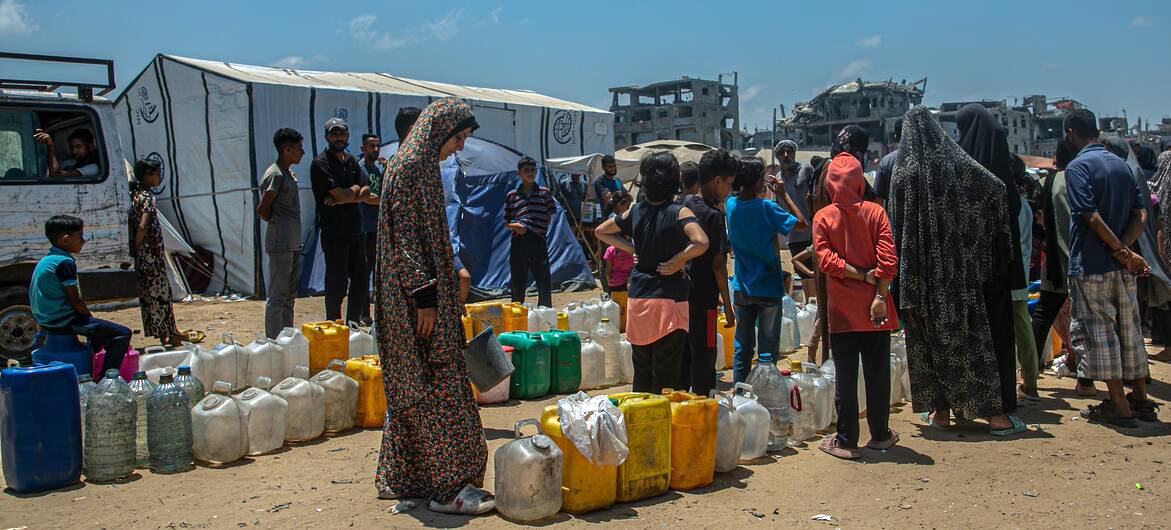
GazaTwo Palestinian water delivery truck drivers were killed by Israeli fire in the Gaza Strip, prompting aid groups to halt activities in the area. The UN Children's Fund (UNICEF) warned that the attack threatens vital humanitarian operations supplying clean water to hundreds of thousands of people. UN experts have said that Israel uses "thirst as a weapon to kill Palestinians." The experts noted that since October 2023, Israel's military operations have repeatedly targeted water facilities, wells, pipelines, desalination units, and sewage systems. (Photo: Mohammed Nateel/UNICEF via UN News)

Reversal for hard right in Hungary; Peru in the balance

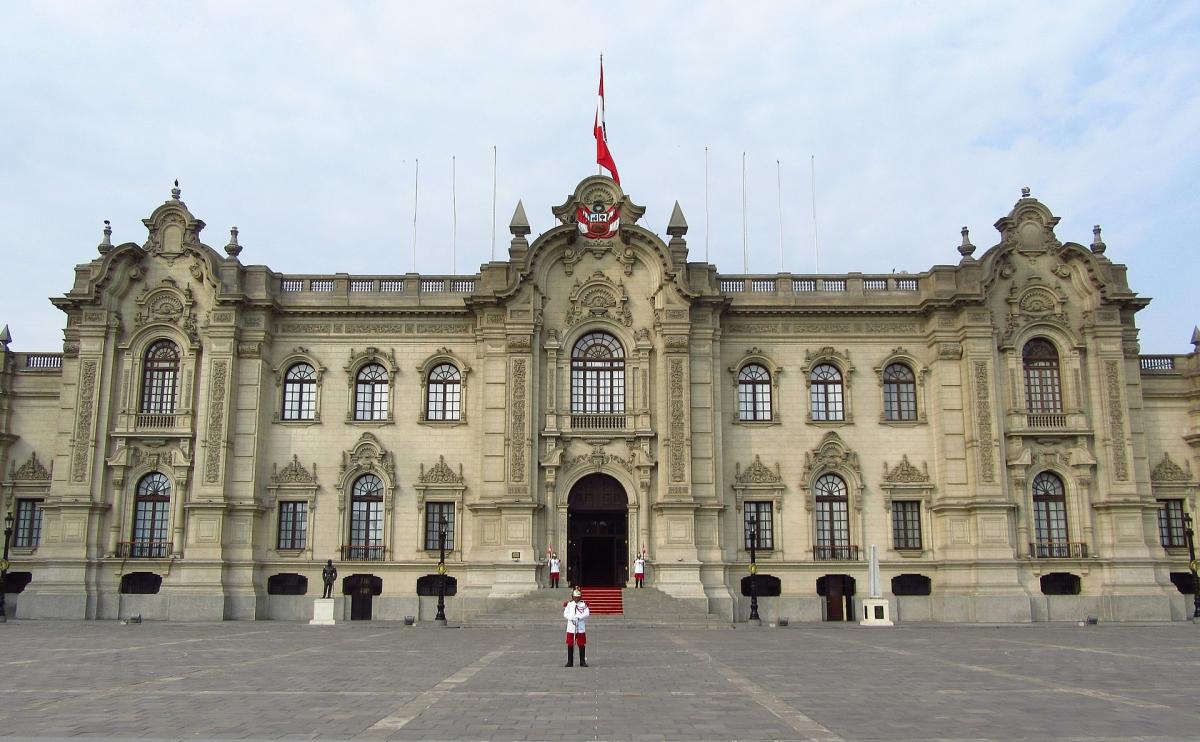
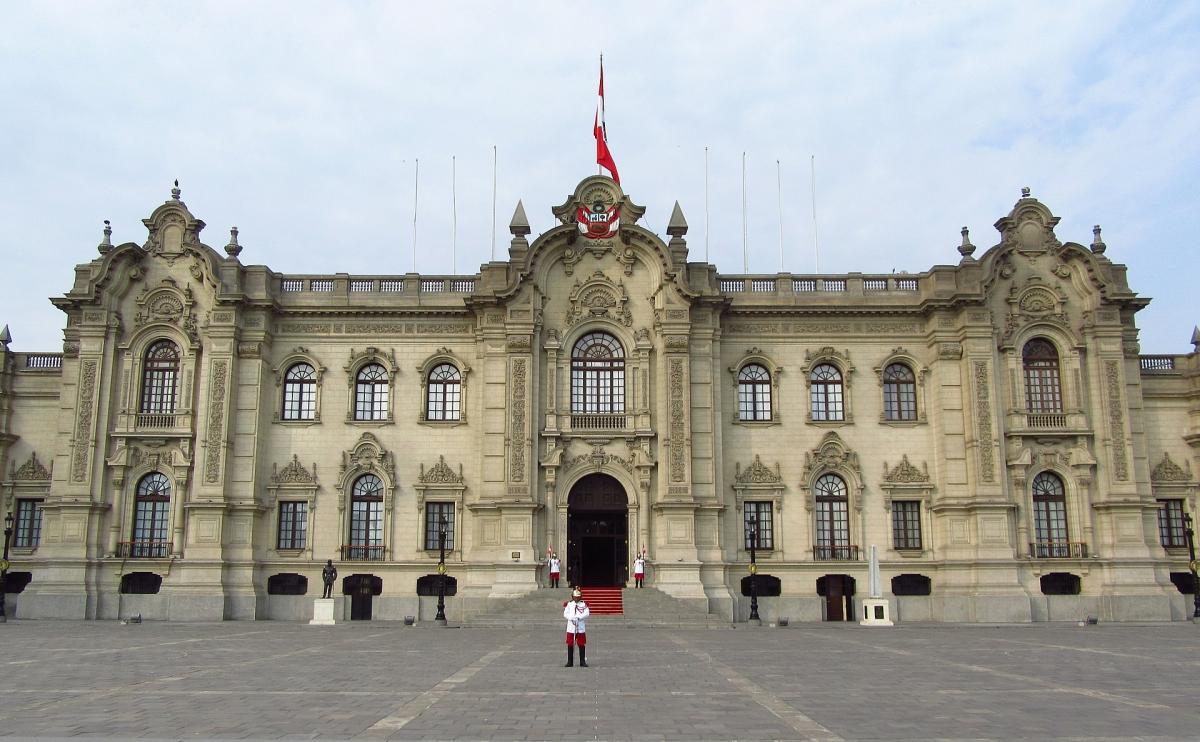
PresidenciaThe defeat of Hungary's quasi-dictator Viktor Orbán in the recent elections has heartened progressive forces around the world—despite the fact that the victorious Péter Magyar is a creature of the center-right. A more stark contest is emerging in Peru, where the right-wing authoritarian presidential candidate Keiko Fujimori faces a run-off with a contender from the populist left, Roberto Sánchez, who has broad support from the traditionally excluded campesinos of the country's Andean interior. (Photo: Wikipedia)

Zapatistas: ‘nation-state under attack’

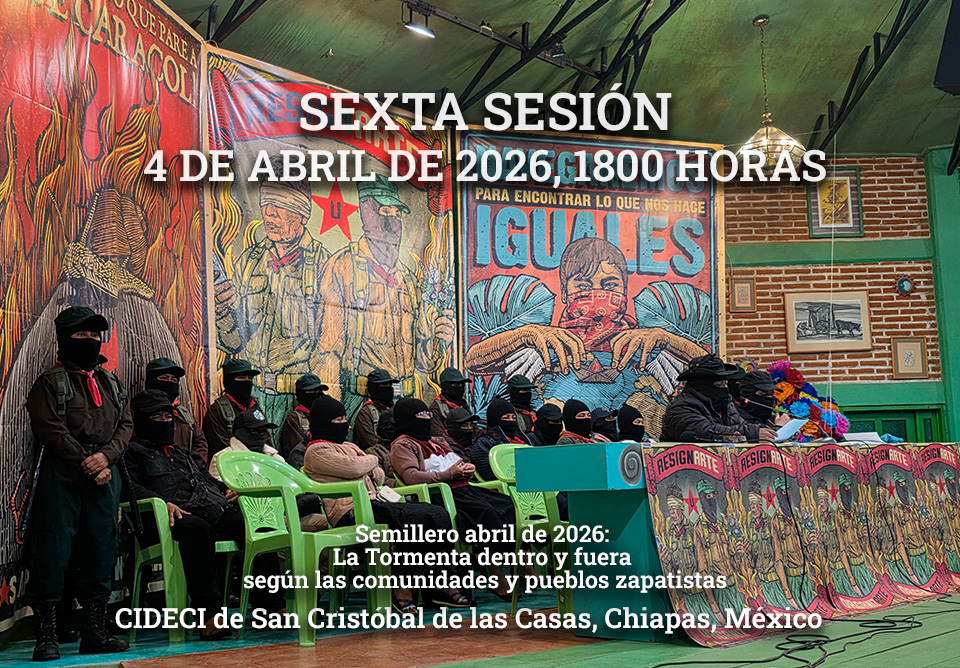
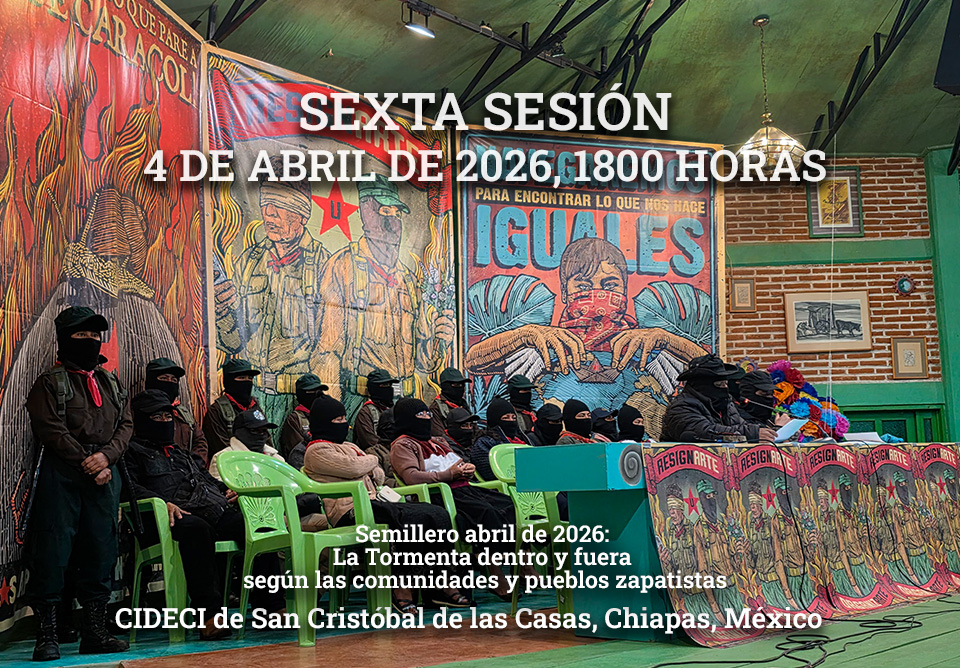
EZLNMexico's Zapatista rebels—who have observed a long ceasefire but still have a zone of control in the back-country of Chiapas state—held an international gathering in the highland city of San Cristóbal de Las Casas. Featured speaker was a ski-masked "Captain Marcos," presumably the same charismatic spokesman once known as "Subcommander Marcos." He delivered an exegesis entitled "A Peephole into the Storm in the World: Nation-States Under Attack" (Una mirilla a la Tormenta en el Mundo: Los Estados-Nación bajo ataque). Marcos portrayed a supra-national imperialism under Donald Trump, in which "the nation-state has no decision-making power." Marcos decried the "kidnapping" of Nicolás Maduro from Venezuela, and the US oil blockade on Cuba, noting that Mexico has been effectively barred from shipping oil to the Caribbean island nation. He also asserted that in the US-Israeli war against Iran, the big oil companies are the ones who benefit, as the price of oil rises. "That's what needs to be discussed: who is profiting from these wars?" (Image: Enlace Zapatista)

Podcast: Trump to The Hague!

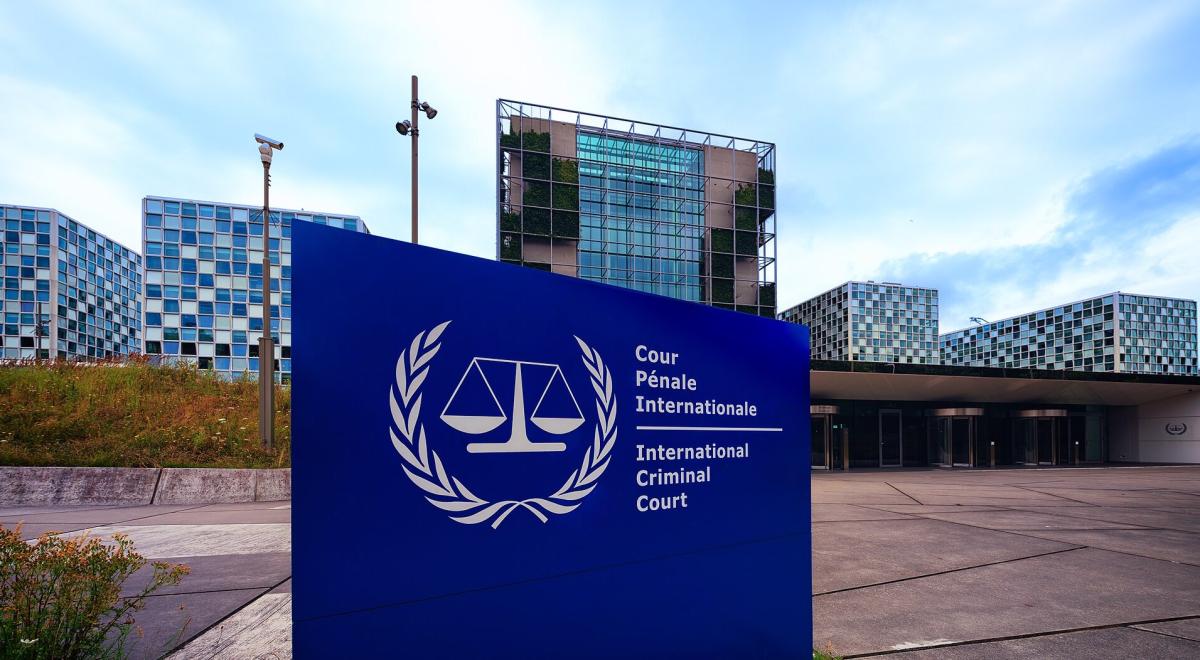
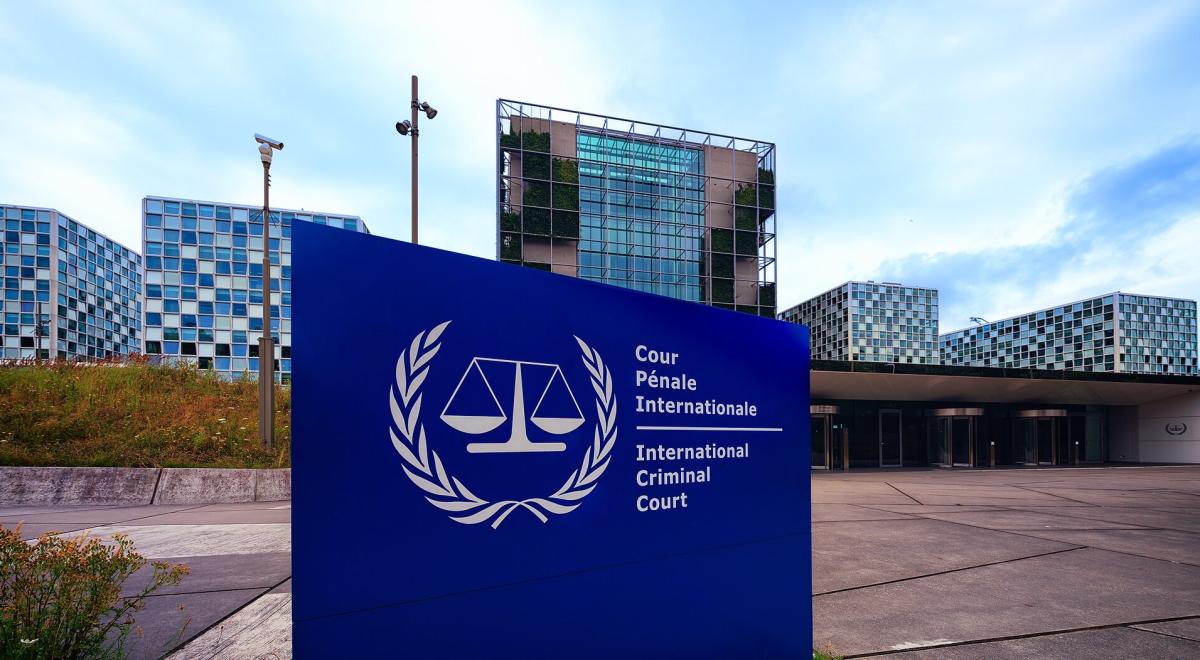
ICCThe exterminationist rhetoric that has accompanied Trump's massive bombardment of civilian infrastructure in Iran has been condemned by Amnesty International as possible incitement to genocide—a crime under international law. Can Trump join Benjamin Netanyahu and Vladimir Putin as the next world leader to face charges before the International Criminal Court? Yes, if Iran follows Palestine and Ukraine in granting jurisdiction to the ICC for crimes committed on its territory. This is legally valid, despite intransigence from the United States, Israel and Russia alike. The next three convictions by the ICC could be the first of figures from outside the African continent—undermining accusations of a double standard that have hindered the Court's effectiveness. In Episode 322 of the CounterVortex podcast, Bill Weinberg makes the case—politically and practically—for sending Trump to a prison cell at The Hague. (Photo: Tony Webster via Wikimedia Commons)
Uncertain ceasefire in Iran

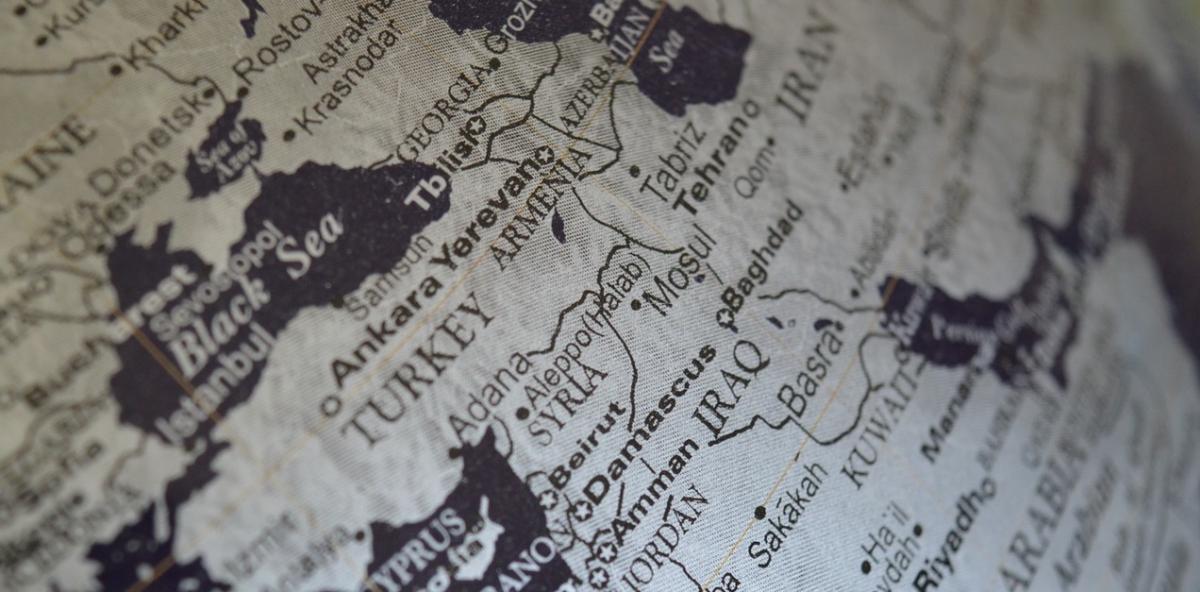
SyriaAfter five weeks of war, the US and Iran agreed to a two-week ceasefire brokered by Pakistan. Its basic details, however, and to what extent it will be implemented, are surrounded by uncertainty. A main sticking point is the question of whether Lebanon was included in the deal. Iranian and Pakistani officials are insisting it was, but the US and Israel say that it wasn't. Meanwhile, Israel has continued to carry out devastating attacks on Beirut and other parts of Lebanon. (Image: Pixabay)

Israeli air-strike destroys Tehran synagogue

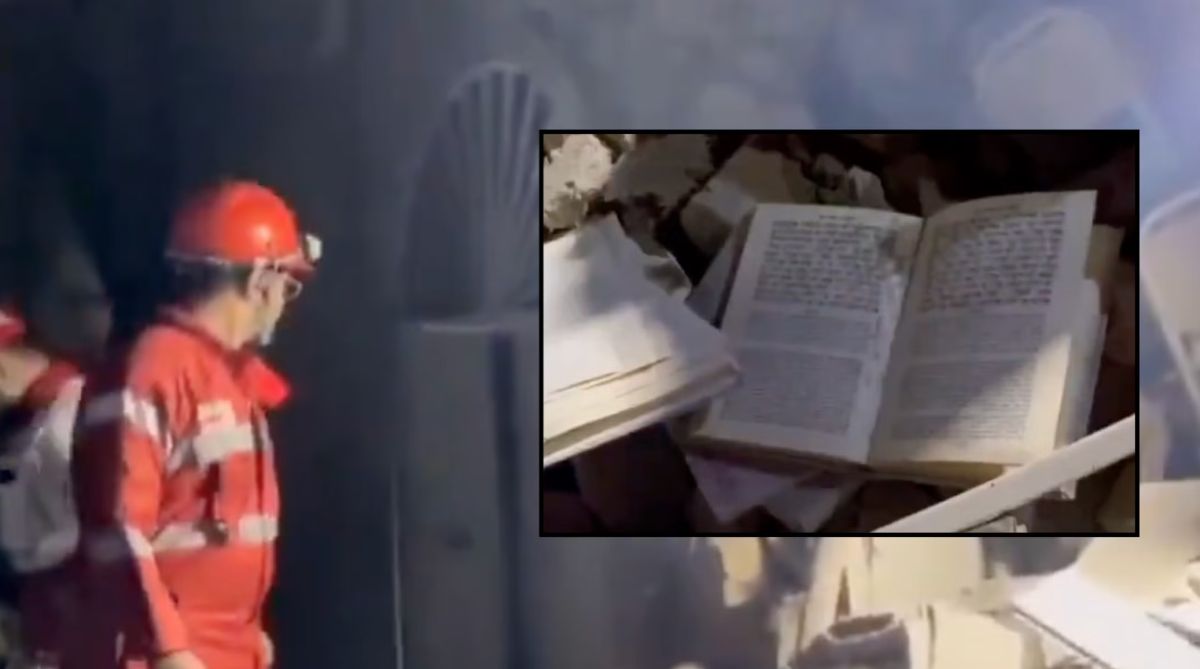
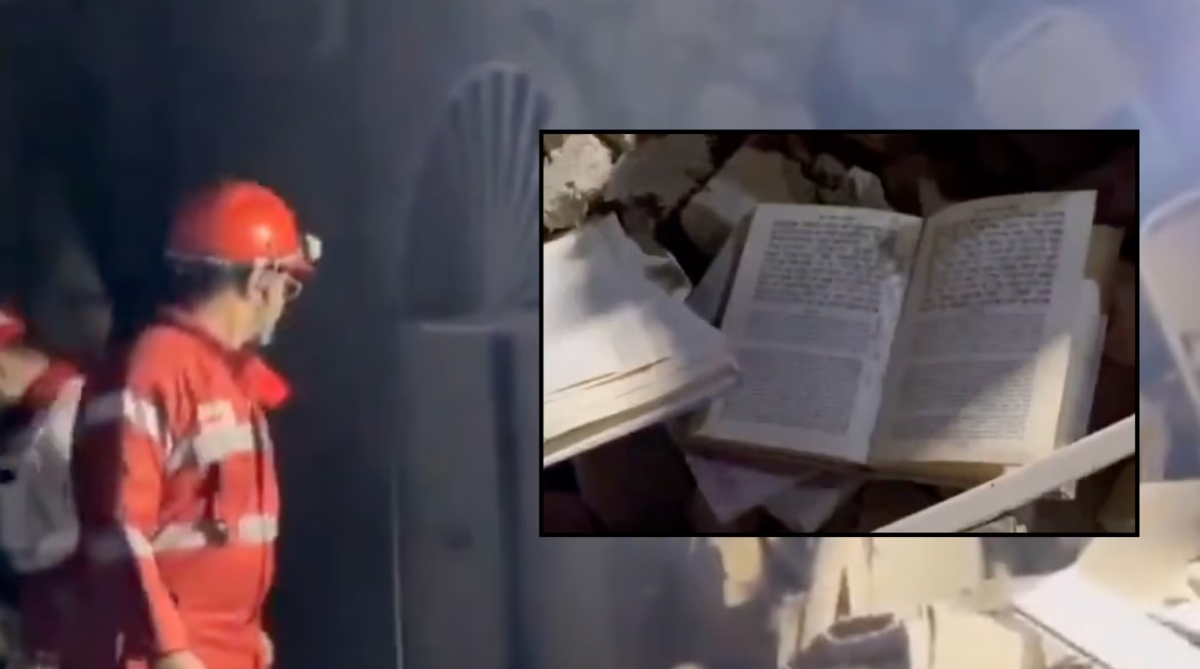
synagogueAn apparent Israeli air-strike on the Iranian capital Tehran "completely destroyed" one of the city's synagogues, according to local media. Footage appeared to show rescue workers searching through the rubble of the ruined Rafi-Nia synagogue, with Hebrew liturgical texts strewn on the ground. The strike came during the Jewish holiday of Passover. There was no immediate report of casualties. A statement from the local Jewish community said: "We, the Jews of Iran, condemn the brutal attacks carried out by the American-Zionist enemy against our dear homeland and the Rafi-Nia synagogue." The the Israel Defense Forces (IDF) said that the IDF "regrets the collateral damage to the synagogue and emphasizes that the strike was targeted at a senior military target within the regime's armed forces, not at any place of worship." (Screenshot via JTA)

Escalating repression across Middle East

SyriaUN Human Rights Chief Volker Türk warned that repression of freedom of expression across the Middle East has deepened significantly since the US-Israeli attacks on Iran commenced at the end of February. In Iran, approximately 2,345 people have been arrested on charges related to national security. Many of these, as well as more arbitrarily arrested during the January protests, are being held in harsh conditions and incommunicado detention. The state has also cut internet access to prevent external sharing of information. Three protestors were publicly hanged in March after being convicted of "waging war against God" based on "confessions" obtained under torture. Many more are at imminent risk of execution. But hundreds of arbitrary arrests for online anti-war dissent have also taken place in the Gulf states that Iran has been targeting with missile strikes, with Türk warning of a "sharp securitization of civic space across the region." (Image: Pixabay)

Discriminatory Israel death penalty bill denounced

PalestineThe International Centre of Justice for Palestinians joined with other Palestinian and Israeli human rights groups to denounce Israel's new death penalty bill, saying it represents "an extreme escalation in Israel's genocidal policies against Palestinians." The bill, which imposes a mandatory death penalty on West Bank Palestinians for vaguely defined "terrorism" offenses, was passed by the Knesset above international protests. (Photo: RJA1988 via Jurist)

UN report sees ‘ethnic cleansing’ on West Bank

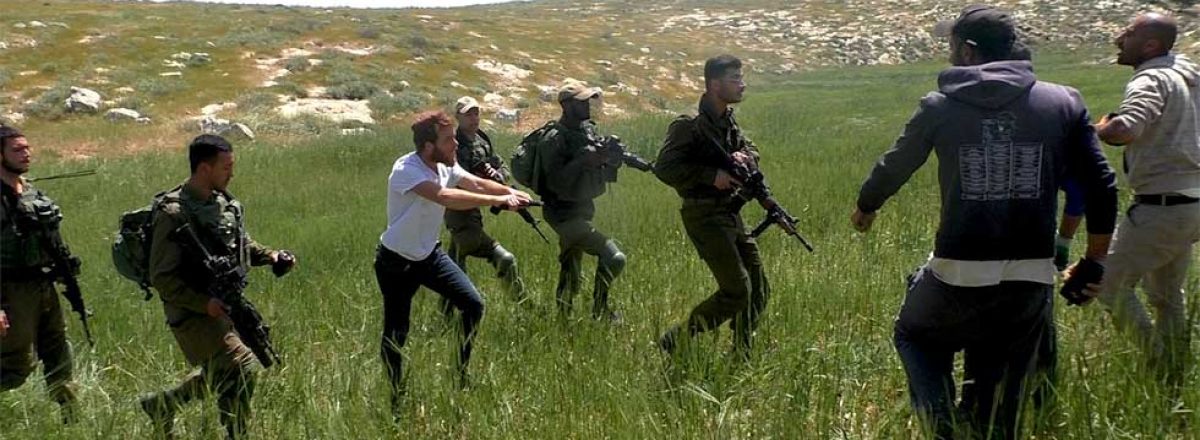
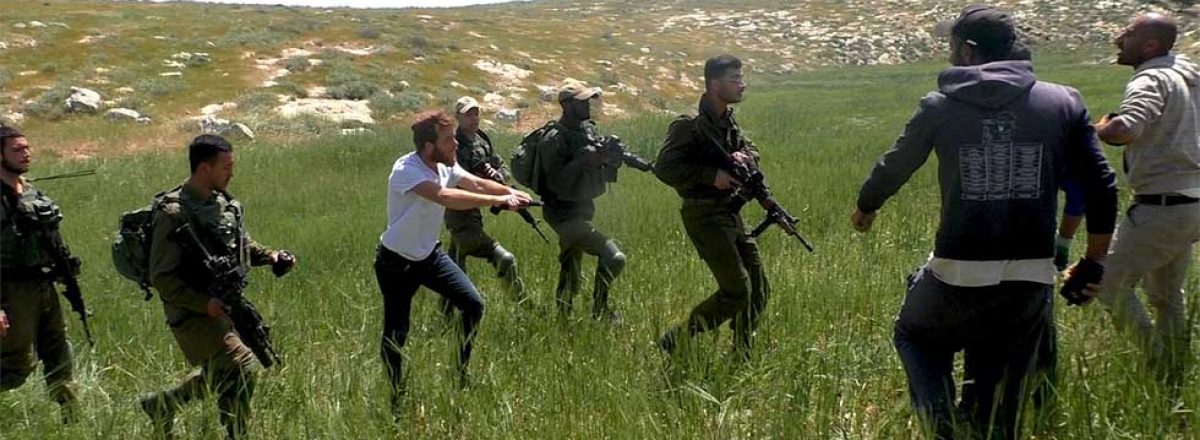
West BankA report from the United Nations High Commissioner for Human Rights warned that over one year—from Nov. 1, 2024 to Oct. 31, 2025—Israel's government accelerated unlawful settlement expansion and "annexation" of large parts of the occupied West Bank, including East Jerusalem. This has led to the forced displacement of over 36,000 Palestinians, amid increasing violence by both Israeli security forces and settlers. The report stated: "The displacement in the occupied West Bank…at the hands of the Israeli military appears to indicate a concerted Israeli policy of mass forcible transfer throughout the occupied territory, aimed at permanent displacement, raising concerns of ethnic cleansing." (Photo: B'Tselem)

WFP: mass food insecurity if Mideast conflict continues

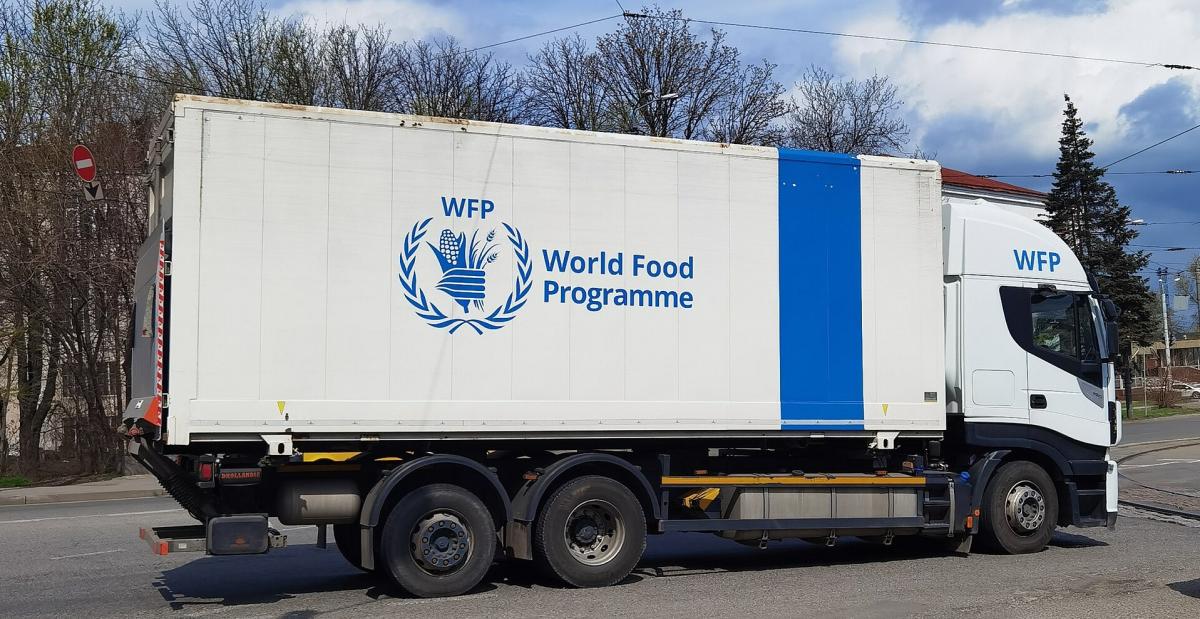
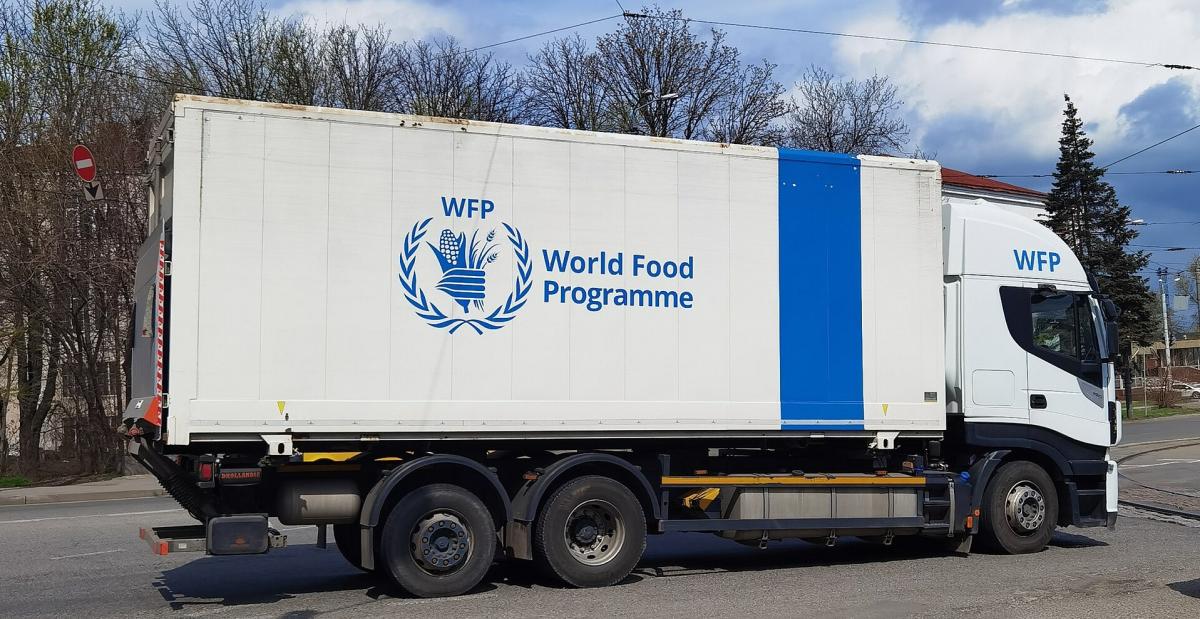
WFPThe World Food Programme (WFP) warned that the escalating hostilities in the Middle East could lead to record levels of food insecurity, and the largest disruption in the global economy and humanitarian efforts since the COVID-19 pandemic. Due to the heavy reliance of food and aid distribution on energy, the skyrocketing price of oil has placed heightened strain on already vulnerable aid supply lines. WFP chief operating officer Carl Skau said: "If this conflict continues, it will send shockwaves across the globe, and families who already cannot afford their next meal will be hit the hardest." Skau urged the international community to mount an adequately funded humanitarian response. Sudan and Somalia were named as particularly vulnerable. (Photo: Alex Blokha via Wikimedia Commons)
UN sees potential Israeli ‘war crimes’ in Lebanon

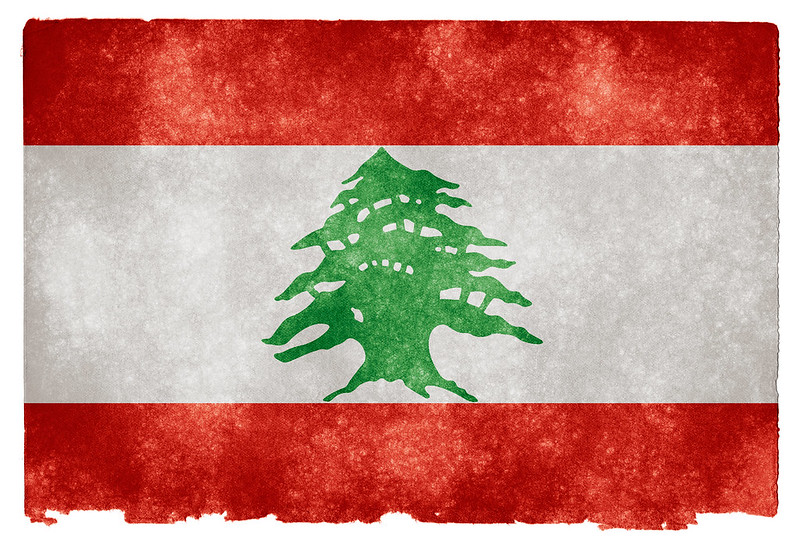
LebanonThe UN Human Rights Office stated that Israeli strikes on homes and civilian infrastructure in Lebanon may constitute war crimes. The statement came as Israel intensifies its military campaign on the territory of its northern neighbor amid the broader conflict spreading across the Middle East. Thameen Al-Kheetan, spokesperson for the UN High Commissioner for Human Rights, said that Israeli strikes in Lebanon have killed hundreds, including children, and destroyed homes and healthcare facilities, while Hezbollah rockets have injured civilians in Israel. Mass displacement has forced families into overcrowded areas, with access to healthcare, food and education severely disrupted. (Image via Flickr)