Greater Middle East

Russian Cossacks fight in Syria?
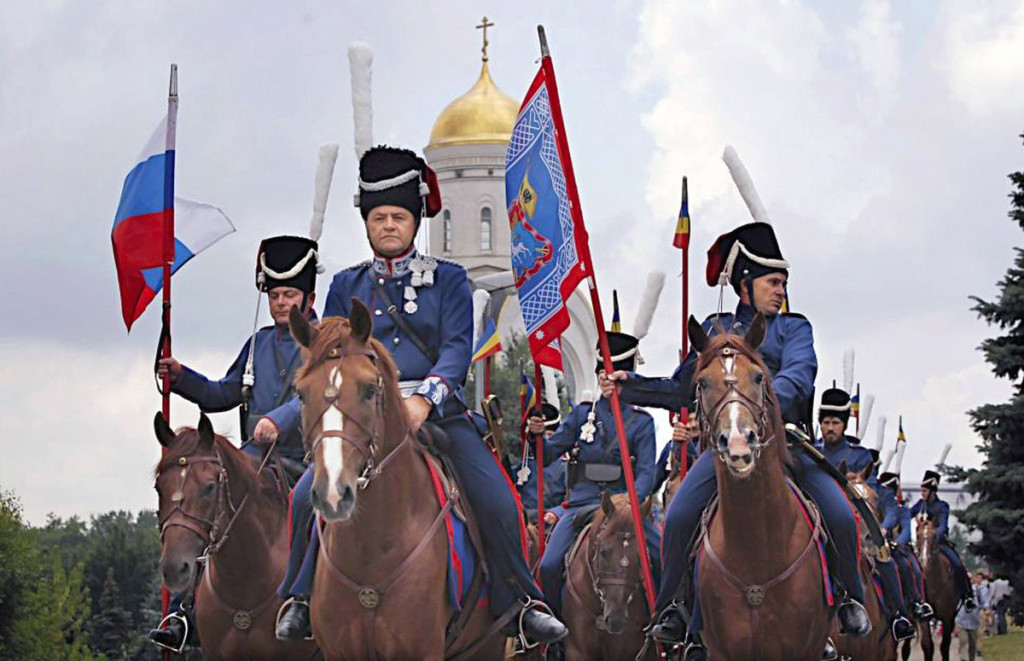
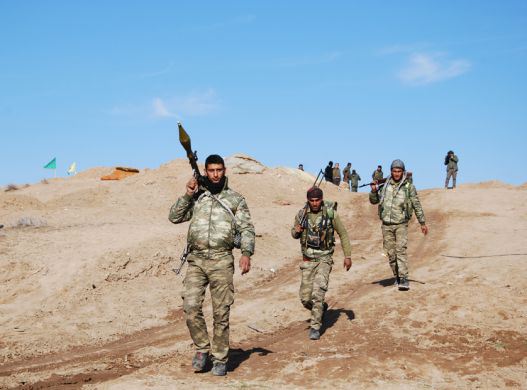
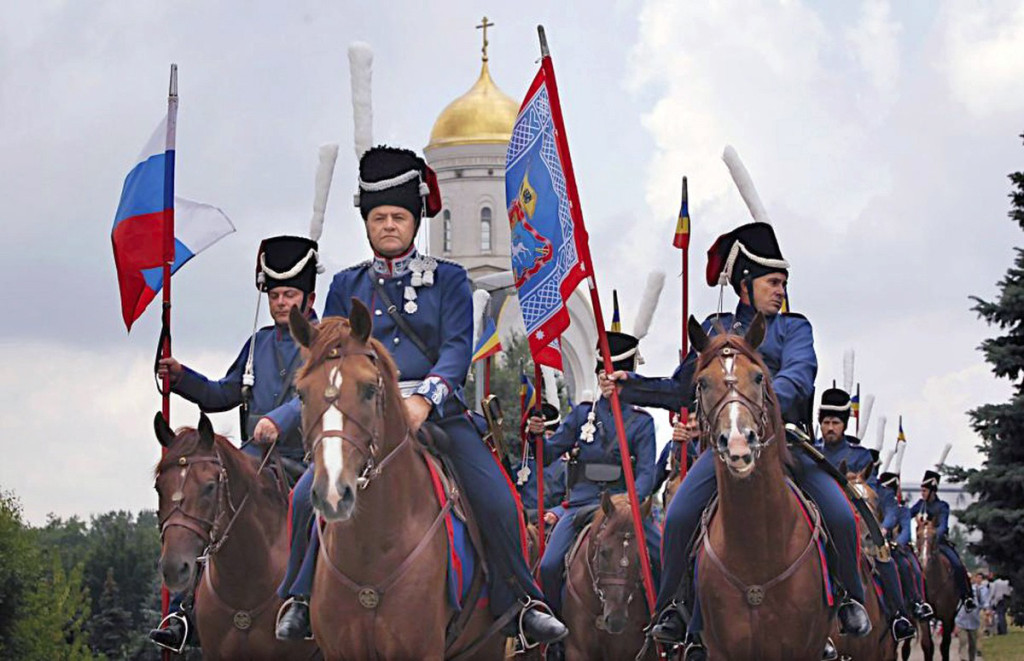
CossacksMystery continues to surround the US air-strikes on Syria's Deir ez-Zor governorate, which Damascus called a "brutal massacre" of pro-regime troops. While the Kremlin denies that its troops were involved in the incident, survivors are said to be receiving medical treatment at Defense Ministry hospitals in Moscow and St. Petersburg. And the Kaliningrad-based Baltic Cossack paramilitary group issued a statement claiming its members were among those who "died for the Fatherland, the Cossacks and the Orthodox faith" in Deir ez-Zor. One of the slain was named by the group as a veteran of the war in Ukraine. (Image: Voices from Russia)

Greater Middle East

Afrin and Idlib offensives signal Syrian endgame?

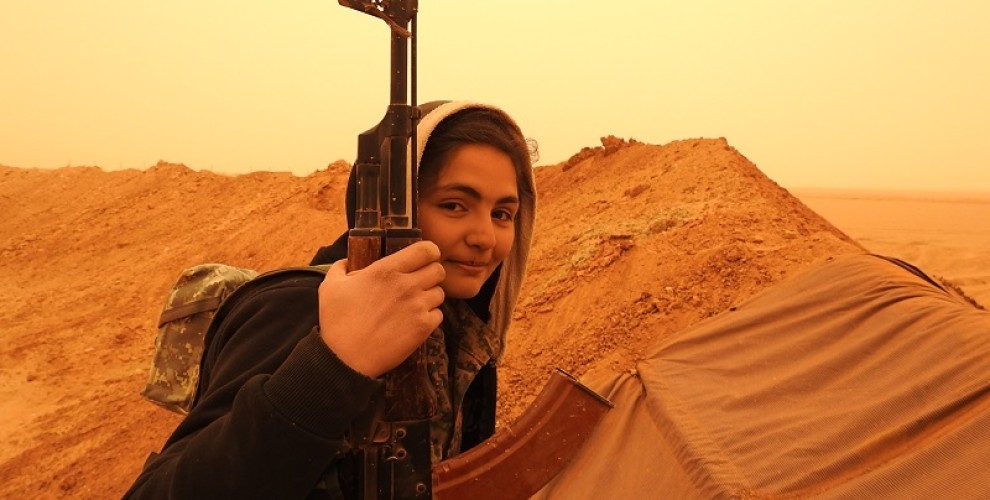
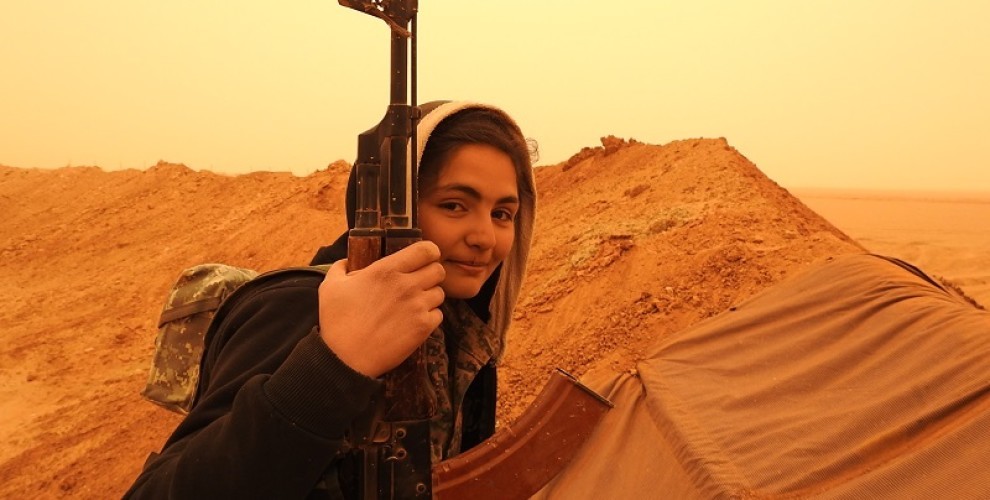
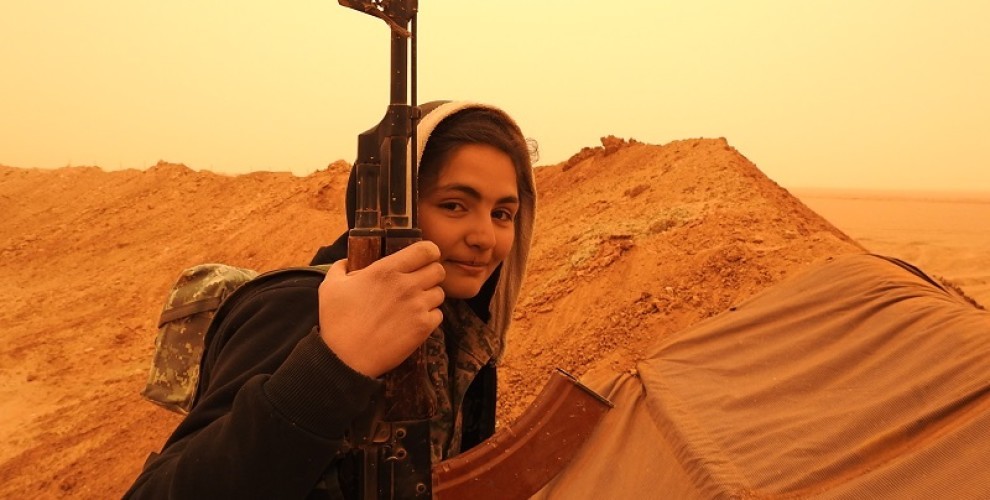
AfrinAs Turkey and its Syrian rebel allies continue their advance on Kurdish-held Afrin, Russia and its Syrian regime allies continue their advance on rebel-held Iblib. Both offensives are taking a horrific toll in civilian casualties, but the parallels don't end there. Even as they ostensibly oppose each other, both Turkey and Assad are accused of conniving with ISIS forces to weaken the defenders of the respective enclaves. And the twin aggressions in Afrin and Idlib come amid a sudden and rapid internationalization of the Syrian war. (Photo: Kurdish militia figher at Afrin, via ANF)

Greater Middle East

Podcast: Solidarity with Afrin and Idlib

YPJAs Turkey invades Syrian territory to attack the Kurdish-controlled enclave of Afrin, the Assad regime and its Russian sponsors are bombarding the rebel-held province of Idlib. Civilian populations in each are facing military attack. And the Rojava Kurds as well as the autonomous municipalities of Idlib are animated by an ethic of popular council-based democracy. But while Noam Chomsly and David Graeber issued a statement in support of Afrin, they—like most of the Western left—are silent about the aggression against Idlib. The destructive meddling of the Great Powers could unleash an Arab-Kurdish ethnic war in Syria—a potentially disastrous sequel to the war against ISIS. It is urgent to rebuild Arab-Kurdish solidarity against the Assad regime, the jihadists and the intervening imperialist powers—and for a democratic and secular future for Syria. Bill Weinberg explores this question on Episode Two of the CounterVortex podcast. You can listen on SoundCloud and support it on Patreon. (Photo: Kurdish militia figher at Afrin, via ANF)

Greater Middle East

Statement in solidarity with Afrin and Idlib

YPJThe Alliance of Middle Eastern Socialists issues a statement opposing both the Turkish military attack on Afrin and the Russian bombardment of Idlib and Eastern Ghouta. There is now a consensus among all the international and regional powers on the necessity to liquidate the revolutionary popular movements initiated in Syria in March 2011. In the face of this counter-revolutionary consensus, what is desperately needed is solidarity between all revolutionaries—Arabs and Kurds alike—who are against both the Assad regime and all the intervening imperialist powers, and who support a democratic and secular future for Syria. (Photo: Kurdish militia figher at Afrin, via ANF)

Greater Middle East

Turkey attacks Afrin, Great Powers capitulate

YPJTurkish forces, backed by allied factions of the Free Syrian Army, are pursuing their offensive on the Kurdish-held enclave of Afrin, and have captured a number of villages—despite stiff resistance from the Kurdish YPG militia. Turkish air-strikes are making the critical difference, and are taking the predictable toll in civilian casualties. In Ankara, President Recep Tayyip Erdogan said he would not "step back" in the assault, and claimed to have the support of the Great Powers—including both Russia, which supposedly had troops backing the YPG in Afrin, and the US, which has been backing the YPG against ISIS as part of the Pentagon-directed Syrian Democratic Forces. (Photo: Kurdish militia figher at Afrin, via ANF)

Greater Middle East

Will US betray Rojava Kurds —or NATO ally Turkey?

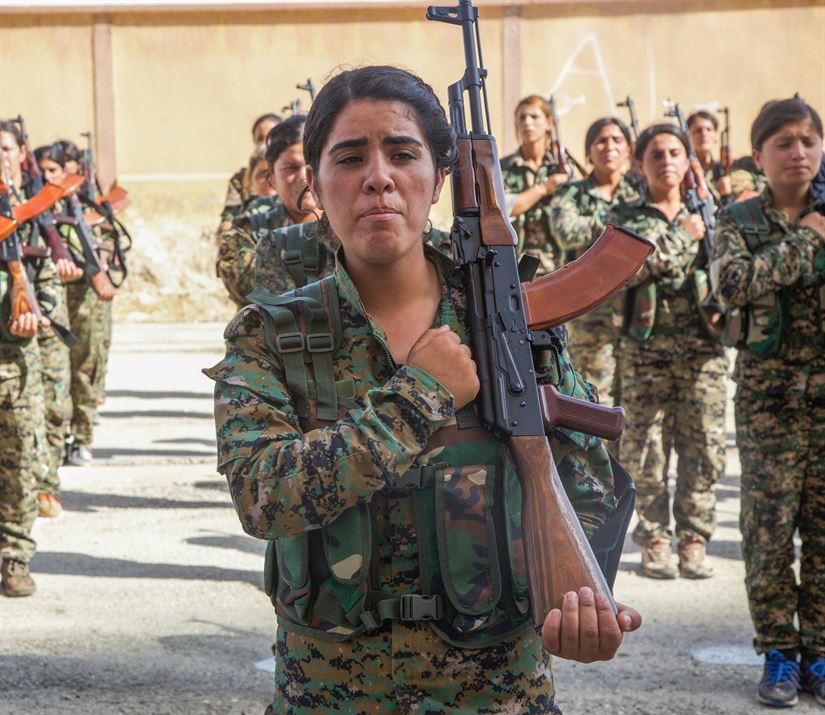
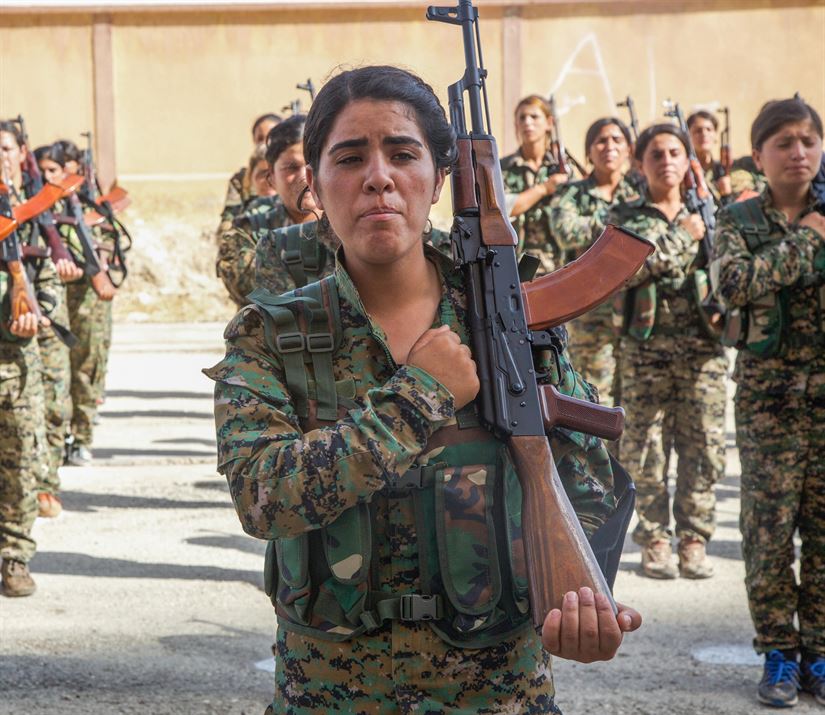
SDFThe Kurdish question in northern Syria has really put US imperialism in a bind—its most effective anti-ISIS allies on the ground are the Kurdish-led Syrian Democratic Forces (SDF), regarded as "terrorists" by longtime NATO ally Turkey. Now, just weeks after the White House announced it would be demanding back the weapons it has supplied to the SDF to fight ISIS, comes the news that the Pentagon intends to train SDF fighters as a special force to control the northern border zone. Ankara reacted angrily, threatening to attack SDF-held territory. If it comes to open war between Turkey and the SDF, the US will have to stop equivocating and throw its lot in with either one or the other. (Photo: SDF fighters via CentCom)

Greater Middle East

Assad bashes Rojava Kurds as ‘traitors’

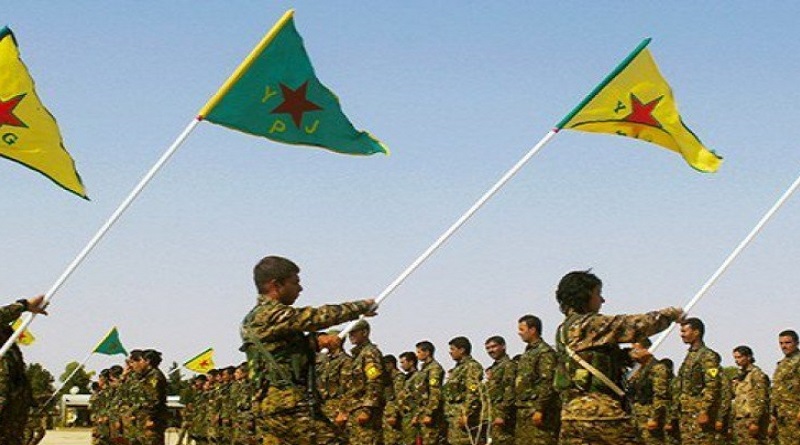
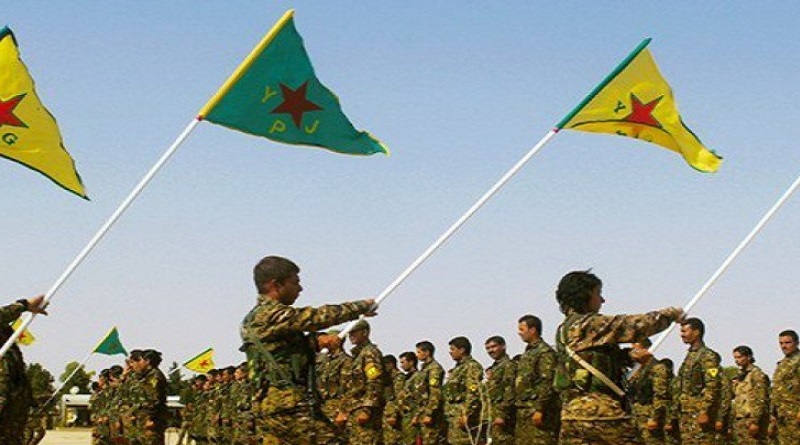
YPGThe Rojava Kurds, repeatedly accused of collaborating with Bashar Assad, have now been dissed by the dictator as "traitors" for accepting aid from the United States. But the White House says this aid is coming to an end now that ISIS is largely defeated in northern Syria. And the rebel opposition, including the Free Syrian Army, remain intransigent in refusing to recognize Kurdish autonomy—seeming to share in the Arab nationalist assumptions of the dictatorship they oppose. Having outlived their usefulness in the fight against ISIS, the Kurds could find themselves once again isolated and without allies. (Photo: Redspark)

Greater Middle East

China prepares to deploy elite forces to Syria

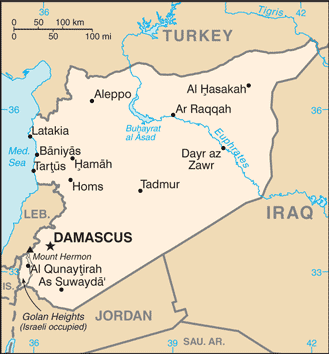
SyriaChina is preparing to deploy elite troops to Syria in support of dictator Bashar al-Assad's forces, fearing the presence of Islamist militants in its far western territory of Xinjiang, according to media reports in the region. China's Defense Ministry intends to send two units known as the "Night Tigers" and the "Tigers of Siberia" from the People's Liberation Army Special Operations Forces to aid the Assad regime. Damascus claims up to 5,000 ethnic Uighurs from Xinjiang are fighting in Syria.

Greater Middle East

Yemen: rights group accuses UAE of war crimes

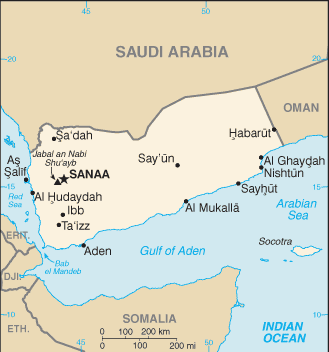
YemenThe Arab Organisation for Human Rights in the UK (AOHR-UK) called for the International Criminal Court to investigate allegations of war crimes in Yemen by the United Arab Emirates (UAE), especially concerning the recruiting of foreign nationals to serve in an army of mercenaries. AOHR-UK alleges that the mercenaries began work under contract to the UAE in March 2015 and have conducted military operations in Yemen, in addition to supervising secret prisons in which Yemeni citizens have been subjected to torture.

Greater Middle East

US to demand arms back from Rojava Kurds

SDFThe Trump administration plans to ask Syrian Kurdish fighters to return weapons "loaned" for the fight against ISIS, an official told Al-Monitor. This was revealed the same day the White House made its first comment on claims by the Turkish foreign minister that US support for the Kurdish-led Syrian Democratic Forces would be coming to an end. White House mouthpiece Sarah Huckabee Sanders said "the plan…is to…wind down support for certain groups."

Greater Middle East

Egypt: Sufis targeted in Sinai mosque massacre

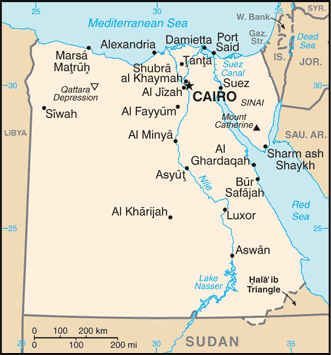
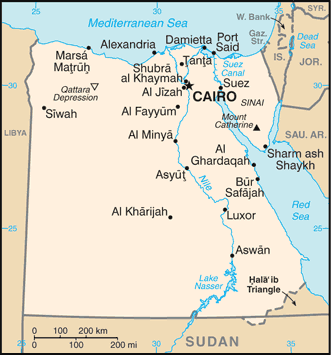
EgyptAt least 235 were killed and over 100 wounded in a suicide attack as people gathered for Friday prayers at a mosque in Egypt's North Sinai. Women and children are among the dead. The mosque is said to be run by adherents of a local Sufi order, and includes a zawiya—a lodge used by order members for prayer and chanting. Although no group has yet claimed responsibility for the massacre, followers of Sufi Islam have faced numerous attacks by ISIS cells operating in the Sinai Peninsula.

Greater Middle East

Turkish officials ban LGTBI group events

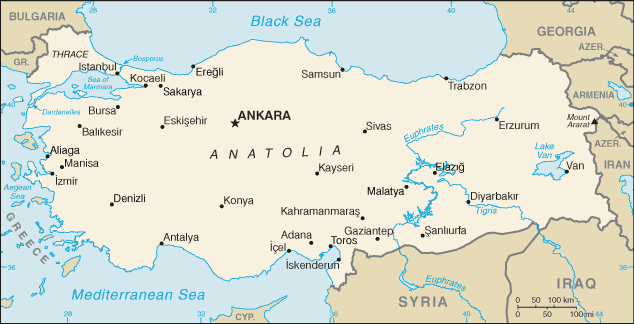
TurkeyTurkish officials banned all events by lesbian, gay, bisexual, transgender and intersex (LGBTI) groups in Ankara, the country's capital, asserting that the measure was necessary to ensure public security. Events such as cinema, theater, panels, interviews, exhibitions are banned until further notice, in deference to "social sensitivities."