

Greater Middle East

Trump’s Syria withdrawal: bad news for Kurds
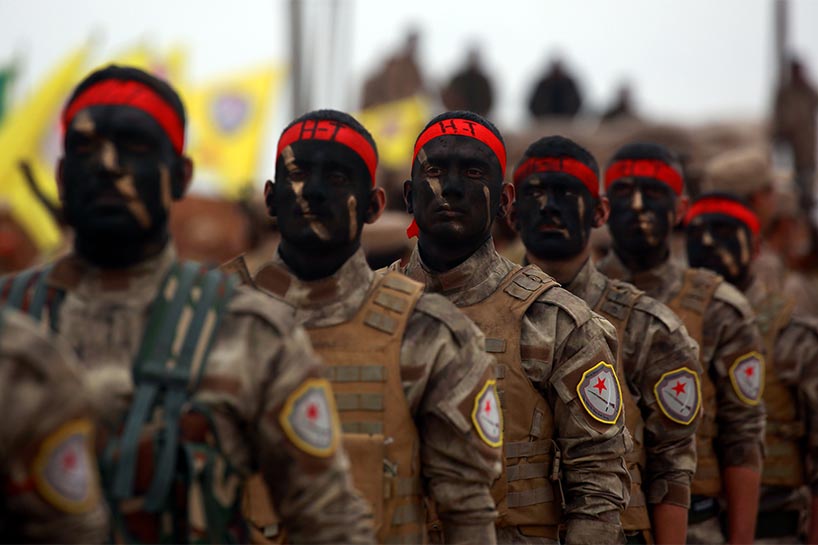
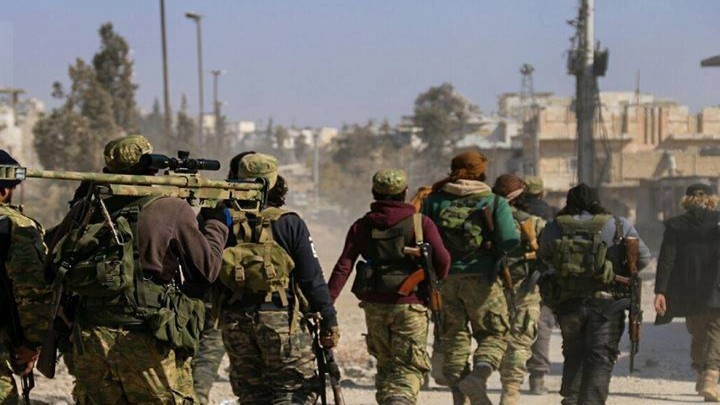
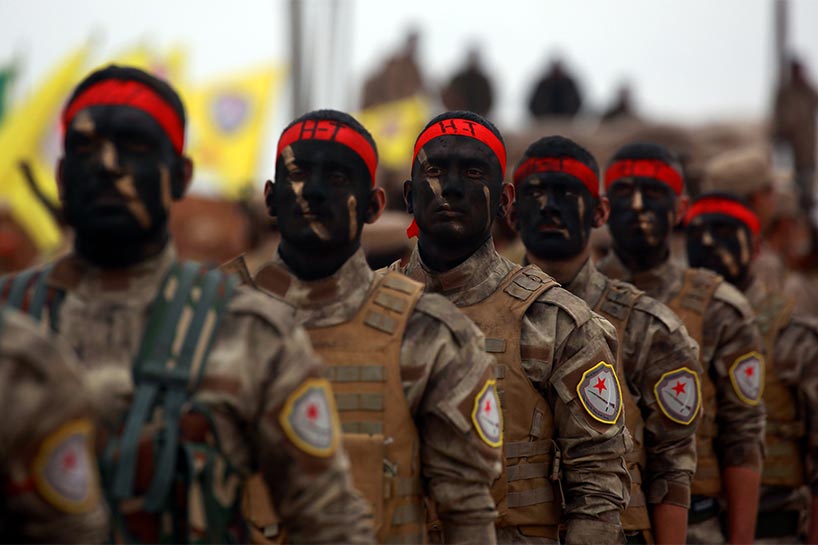
SDFPresident Trump has ordered a rapid withdrawal of all 2,000 United States ground troops from Syria within 30 days. Hardly coincidentally, this comes just as the Kurdish-led Syrian Democratic Forces (SDF), the Pentagon's main partner on the ground, are on the brink of capturing the last town in Syria still under ISIS—Hajin, on the banks of the Euphrates River. Also not coincidentally, Turkish President Recep Tayyip Erdogan just days earlier warned of an imminent offensive against the People's Protection Units (YPG), the Kurdish militia that makes up the core of the SDF. Erdogan said that Turkey will launch an operation against the YPG "in a few days," adding that it is "time to realize our decision to wipe out terror groups east of the Euphrates." The Euphrates River has until now served as a border between Turkey's "buffer zone"in northern Syria and areas still under Kurdish control. Turkey is now preparing to cross it—with evident US connivance. (Image of SDF fighters via Rudaw)
Greater Middle East

Twins of genocide schmooze in Damascus

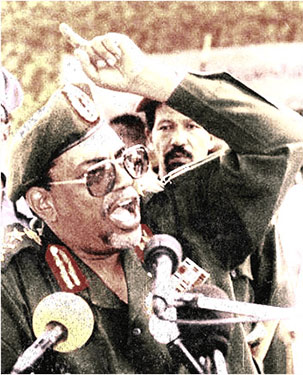
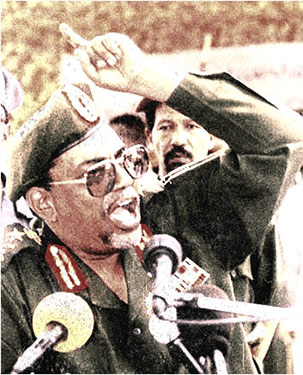
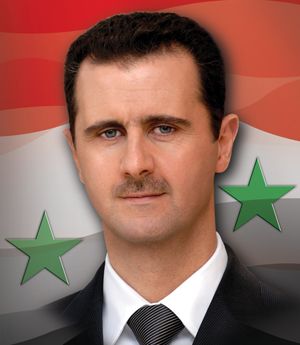
Bashar AssadOmar BashirSeeking to legitimize his regime now that he's reconquered most of Syria (with massive Russian military help), Bashar Assad has just welcomed the first Arab League leader to Damascus since the war began in 2011—none other than President Omar Bashir of Sudan, who is wanted by the International Criminal Court for crimes against humanity and genocide in Darfur. The Assad regime's official news agency SANA said the two dictators discussed the "situations and crises faced by many Arab countries," stressing the need to build "new principles for inter-Arab relations based on the respect of the sovereignty of countries and non-interference in internal affairs." The Assad regime is itself now credibly accused of genocide, with a mass extermination of detainees amply documented, not to mention serial use of chemical weapons and massive bombardment of civilian populations. Assad and his generals may yet face war crimes charges before the ICC. (Photos: Pinterest, BashirWatch)

Greater Middle East
Jamal Khashoggi

UN: Saudi Arabia torturing imprisoned activists

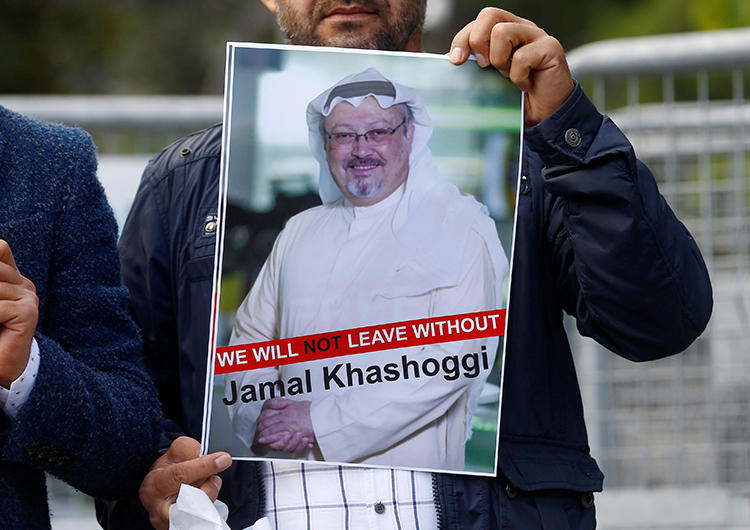
Jamal KhashoggiThe UN Committee Against Torture issued a letter that calls on Saudi Arabia to release over a dozen imprisoned activists and cites credible claims of improper treatment, sexual assault and torture. The UN group charged with overseeing compliance with the Convention Against Torture claims that seven activists have been held without charge since May 2018 and subjected to inhumane treatment. The monitoring group also called for another six peaceful activists to be released, including Raif Badawi, a blogger who has been publicly lashed and is currently serving a 10-year term for expressing dissenting opinions. The letter also requests additional information on investigations Saudi Arabia has undertaken into the killing of journalist Jamal Khashoggi to ensure they are impartial and address allegations that high-level officials were involved. (Photo: Committee to Protect Journalists)

Greater Middle East

More than half million killed in Syria since 2011

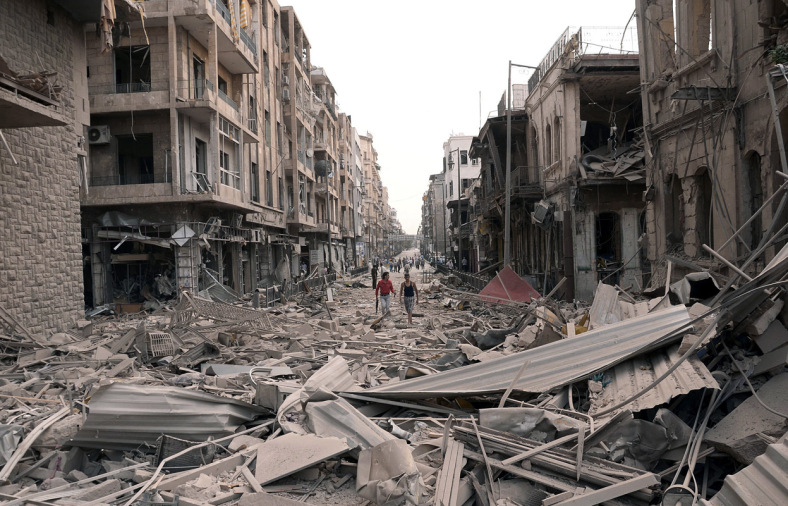
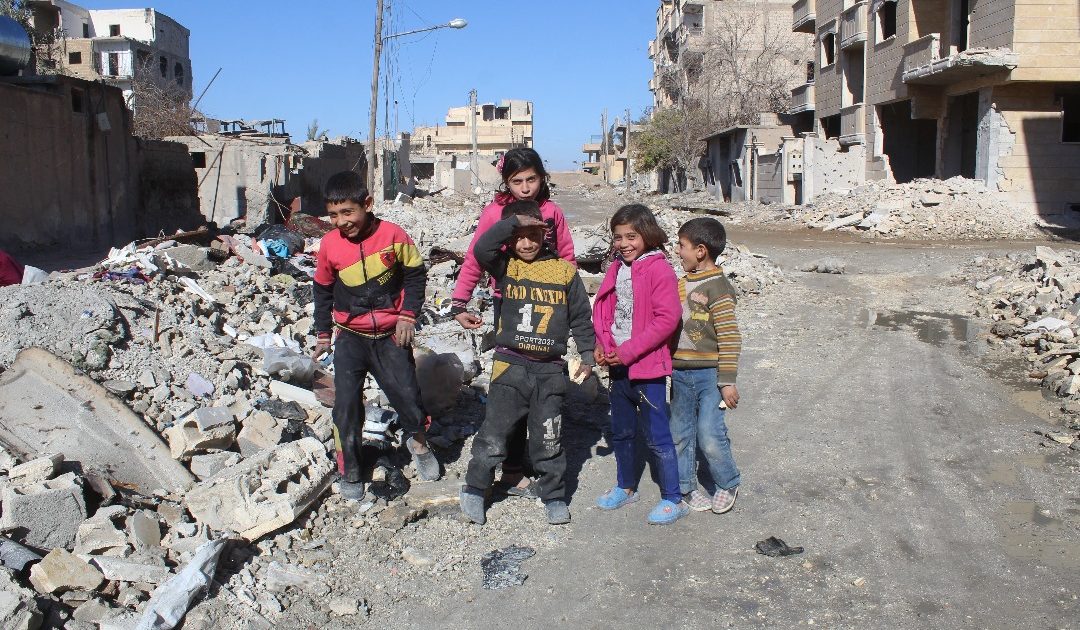
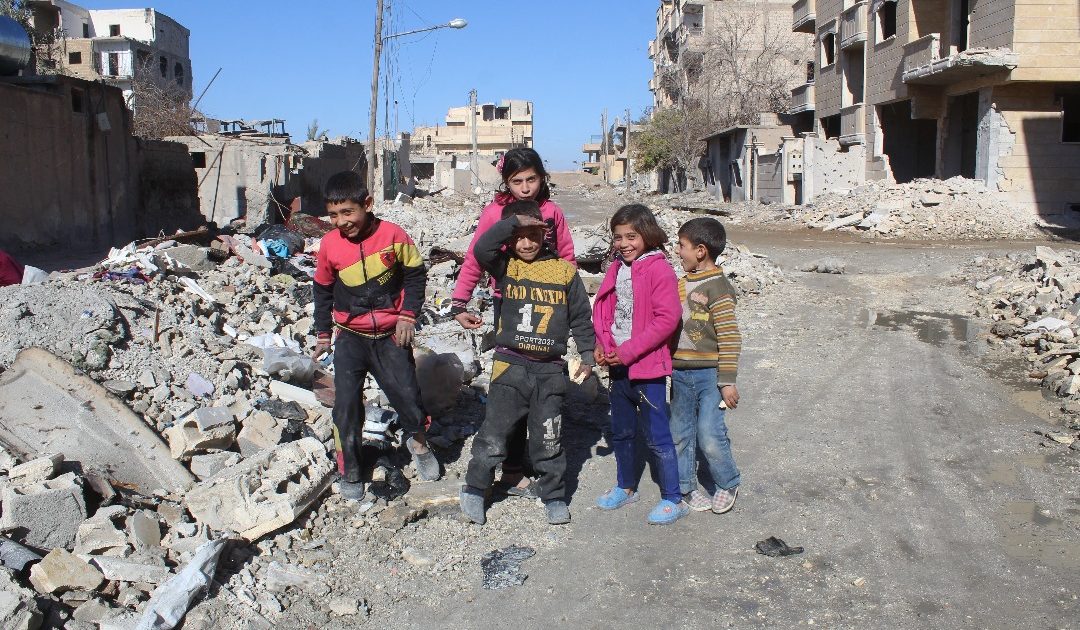
AleppoThe Syrian Observatory for Human Rights issued a statistical report on the number of Syrian war victims on the occasion of World Human Rights Day. The statistics show that 560,000 people have been killed since March 2011, including civilians, soldiers, rebel fighters, and "martyrs" who died under torture in the regime prisons. The Observatory found: "Over 93 months…Syrians have been crushed between the jaws of death, with each day declaring a decrease in their numbers…" The Observatory documented the deaths of 104,000 Syrians in the regime's prisons, likely under torture in most cases, with 83% executed in these prisons between May 2013 and October 2015. In this period, 30,000 were killed in Saydnaya prison alone, according to the Observatory. The remainder of the total were killed in fighting, with civilians constituting a large plurality at 111,330. The rest were from various armed factions. (Photo of Aleppo following regime bombardment: 7ee6an)

Greater Middle East

Syria: UN urges information on disappeared

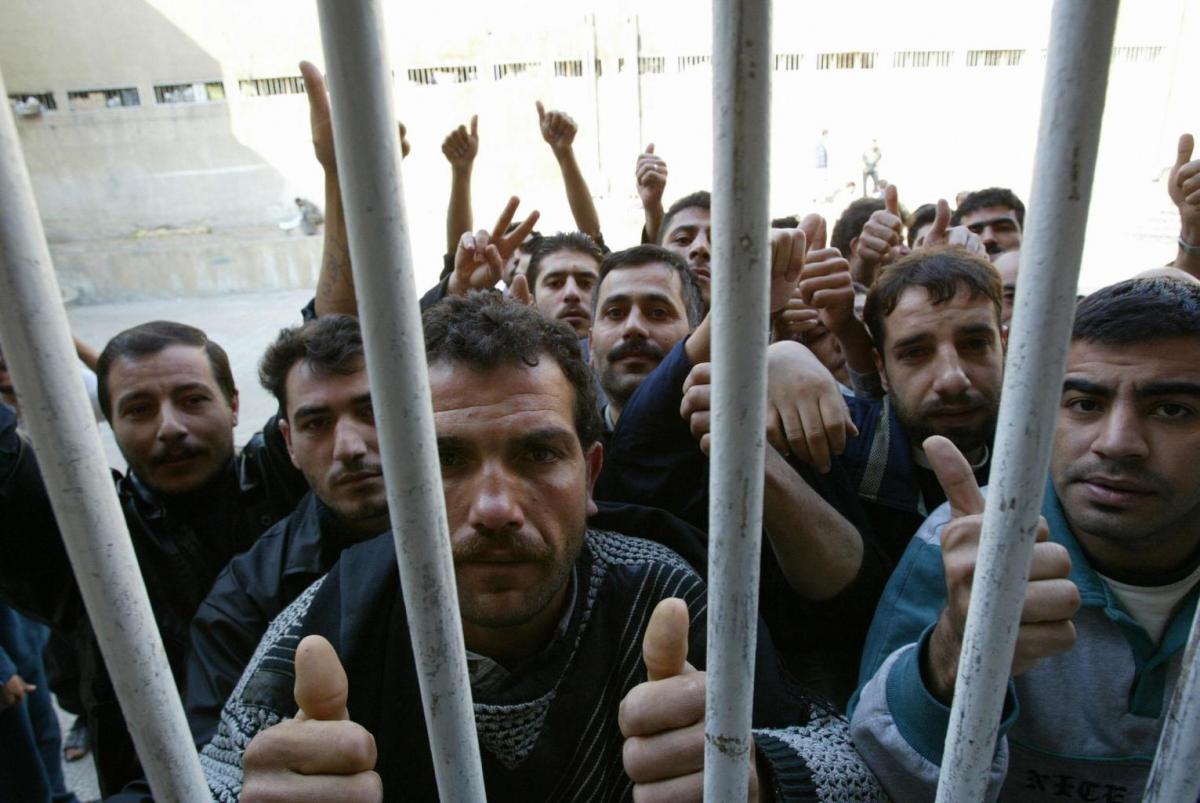
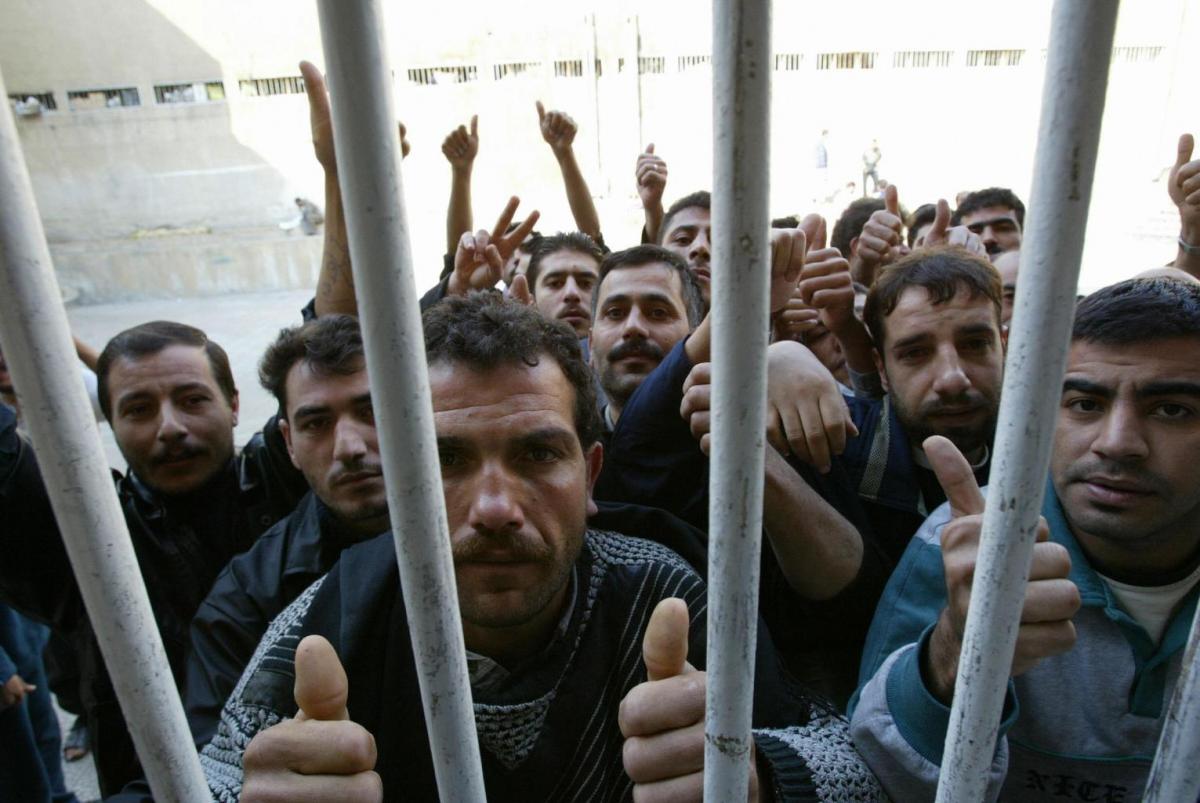
Syria prisonersThe UN Independent International Commission of Inquiry on the Syrian Arab Republic stressed the need for greater information and accountability to be provided to the families of missing persons and detainees. The report charges that the Syrian regime is still carrying out mass public arrests and detentions, many leading to torture and eventual death, while families are induced to pay bribes to learn the whereabouts of their loved ones. Many families did not learn of their relatives' whereabouts at all until May, when information was provided in bulk by the Interior Ministry. The Commission notes that even after this information was disclosed it was obfuscated, with causes of death being listed as "heart attack" or "stroke"—while many individuals died on the same day. The Commission infers that mass executions may have occurred in some of these facilities, many of them on military bases. (Photo of hunger strikers at Syrian prison via Foreign Policy. Credit: Louai Beshara/AFP/Getty Images)

Greater Middle East

Arrest warrants issued for top Damascus officials

Syria prisonersFrench prosecutors issued international arrest warrants for three prominent Syrian officials charged with collusion in crimes against humanity, in what human rights lawyers are calling a major victory in the pursuit of those believed responsible for mass torture, abuse and summary executions in the regime's detention facilities. The warrants name three leading security officials—including Ali Mamlouk, a former intelligence chief and senior adviser to President Bashar al-Assad, as well as head of the Air Force Intelligence security branch, Jamil Hassan. A third, Abdel Salam Mahmoud—an Air Force Intelligence officer who reportedly runs a detention facility at al-Mezzeh military base near Damascus—was also named. Hassan and Mamlouk are the most senior Syrian officials to receive an international arrest warrant throughout the course of the conflict. (Photo of hunger strikers at Syrian prison via Foreign Policy. Credit: Louai Beshara/AFP/Getty Images)

Greater Middle East

SDF halt anti-ISIS drive after Turkish bombardment

SDFThe US-backed, Kurdish-led Syrian Democratic Forces (SDF) announced that they have temporarily halted their campaign against ISIS after they were bombarded for the second time in four days by Turkish forces. With Turkish President Recep Tayyip Erdoğan promising to "wipe out" the Kurdish YPG militia, calling them "terrorists," his forces in northern Syria attacked YPG positions east of the Euphrates River. The YPG, or People's Protection Units, constitute the central pillar of the US-backed SDF, which Washington continues to support with some 2,000 embedded troops. At least 10 YPG fighters were reported killed in the Turkish shelling of territory in the Kurdish autonomous canton of Kobani. The SDF said in a statement: "Turkish attacks in the north and ISIS attacks in the south against our troops had forced us to stop our current operation temporarily against ISIS in its last pocket… We call upon the international community to condemn the Turkish provocations." The statement claimed that YPG fighters responded to the shelling with artillery and machine-gun fire, destroying a Turkish military vehicle and border post. (Image of SDF fighters via Rudaw)
Greater Middle East

Saudi authorities admit: Khashoggi was killed

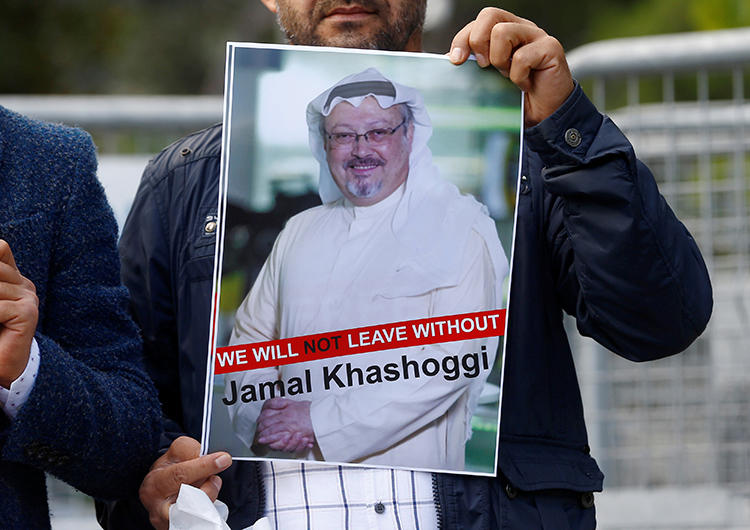
Jamal KhashoggiSaudi Arabia's attorney general confirmed that prominent journalist and Washington Post columnist Jamal Khashoggi died in the country's Istanbul consulate. A statement said that Khashoggi was killed after a fight inside the consulate, and that 18 Saudis are detained pending an investigation. Turkish officials believe Saudi agents killed and dismembered Khashoggi. His body has not been found. "Now the same government that lied to the world, claiming for weeks that it had no knowledge of Khashoggi's fate, expects us to believe he died in a fight," said the Committee to Protect Journalists. "This ridiculous assertion is further evidence of a cover-up. We need an international investigation and relentless pressure on Saudi Arabia from the Trump administration, if we ever hope to get to the truth." (Photo: CPJ)

Greater Middle East

Amnesty protests US ‘denial’ over Raqqa casualties

RaqqaThe US-led Coalition's ongoing failure to admit to, let alone adequately investigate, the shocking scale of civilian deaths and destruction it caused in Raqqa is a "slap in the face" for survivors trying to rebuild their lives and their city, said Amnesty International a year after the offensive to oust ISIS. In October 2017, following a fierce four-month battle, the Syrian Democratic Forces (SDF)—the Coalition's Kurdish-led partners on the ground—announced victory over ISIS, which had used civilians as human shields and committed other war crimes in besieged Raqqa. Winning the battle came at a terrible price—almost 80% of the city was destroyed and many hundreds of civilians lay dead, the majority killed by Coalition bombardment. In a September 2018 letter to Amnesty, the Pentagon made clear it accepts no liability for civilian casualties. The Coalition does not plan to compensate survivors and relatives of those killed in Raqqa, and refuses to provide further information about the circumstances behind strikes that killed and maimed civilians. (Photo: SDF)

Greater Middle East

Syria: Idlib ‘buffer zone’ takes effect

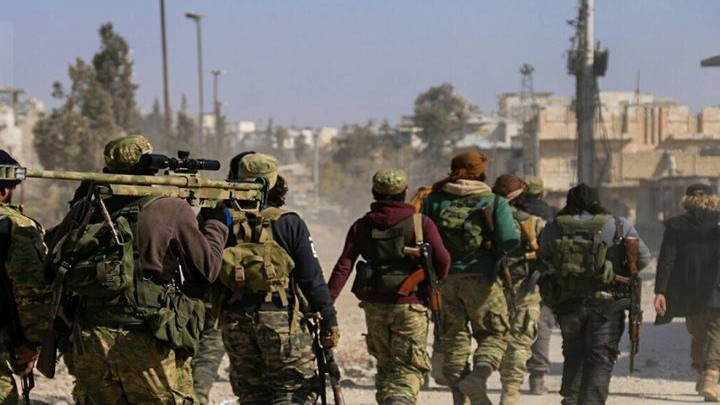
IdlibThe "buffer zone" through Syria's northern Idlib province, negotiated by Russia and Turkey to forestall an Assad regime offensive on the opposition-held portion of the province, officially takes effect this week. Rebels began withdrawing heavy weapons from the zone at the start of the month, but said that fighters are remaining. Fighters from designated "radical terrorist groups"—primarily Hayat Tahrir al-Sham (HTS)—are supposed to withdraw entirely from the zone. HTS initially said it would comply on a "de facto" basis, but the zone is being implemented despite the fact that a deadline has been missed for withdrawal of all its fighters. Bashar Assad insisted that the so-called "demilitarized zone" is temporary. Addressing the central committee of his Baath Party, Assad reiterated his pledge to retake "every inch" of Syrian territory: "This province and other Syrian territory remaining under the control of terrorists will return to the Syrian state." (Photo: EA Worldview)

Greater Middle East

Saudi regime pressured over missing journalist

Jamal KhashoggiThe Committee to Protect Journalists has called on Saudi Arabia to immediately account for the whereabouts of prominent Saudi journalist Jamal Khashoggi, who has not been seen since entering the Saudi consulate in Istanbul earlier this week. Multiple news outlets report that Turkish authorities, who have been investigating his disappearance, believe that Khashoggi is dead and was killed inside the consulate. "CPJ is alarmed by media reports that Jamal Khashoggi may have been killed inside the Saudi Arabian consulate in Istanbul," said CPJ Deputy executive director Robert Mahoney. "The Saudi authorities must immediately give a full and credible accounting of what happened to Khashoggi inside its diplomatic mission. The country has stepped up its repression of critical journalists in the past year at home. We hope this has not now spread abroad." (Photo via CPJ)

Greater Middle East

Human rights lawyer ‘disappeared’ in Egypt

arrestHuman Rights Watch called on the Egyptian government to immediately identify the whereabouts of and free Ezzat Ghoneim, a prominent human rights lawyer who has been missing for approximately three weeks. Ghoneim was arrested in March along with a blogger, three journalists and a student on charges of spreading false news and "supporting a terrorist group." A month ago, a judge ordered Ghoneim's release conditioned on his reporting to a police station every two weeks. However, according to his wife, police refused to release him, citing the need for further "instructions from the National Security Agency." When his wife again reported to the police station where he was being held a few days after this, she was told that he had already been released. She claims that neither she nor any of their friends have seen him since his supposed release. HRW is now asserting that Ghoneim has been forcibly disappeared. The actual activity that resulted in charges against Ghoneim and his co-defendants was documenting police brutality at protest demonstrations. (Photo via Jurist)