

Greater Middle East

Turkey: vigil for disappeared resumes after five years
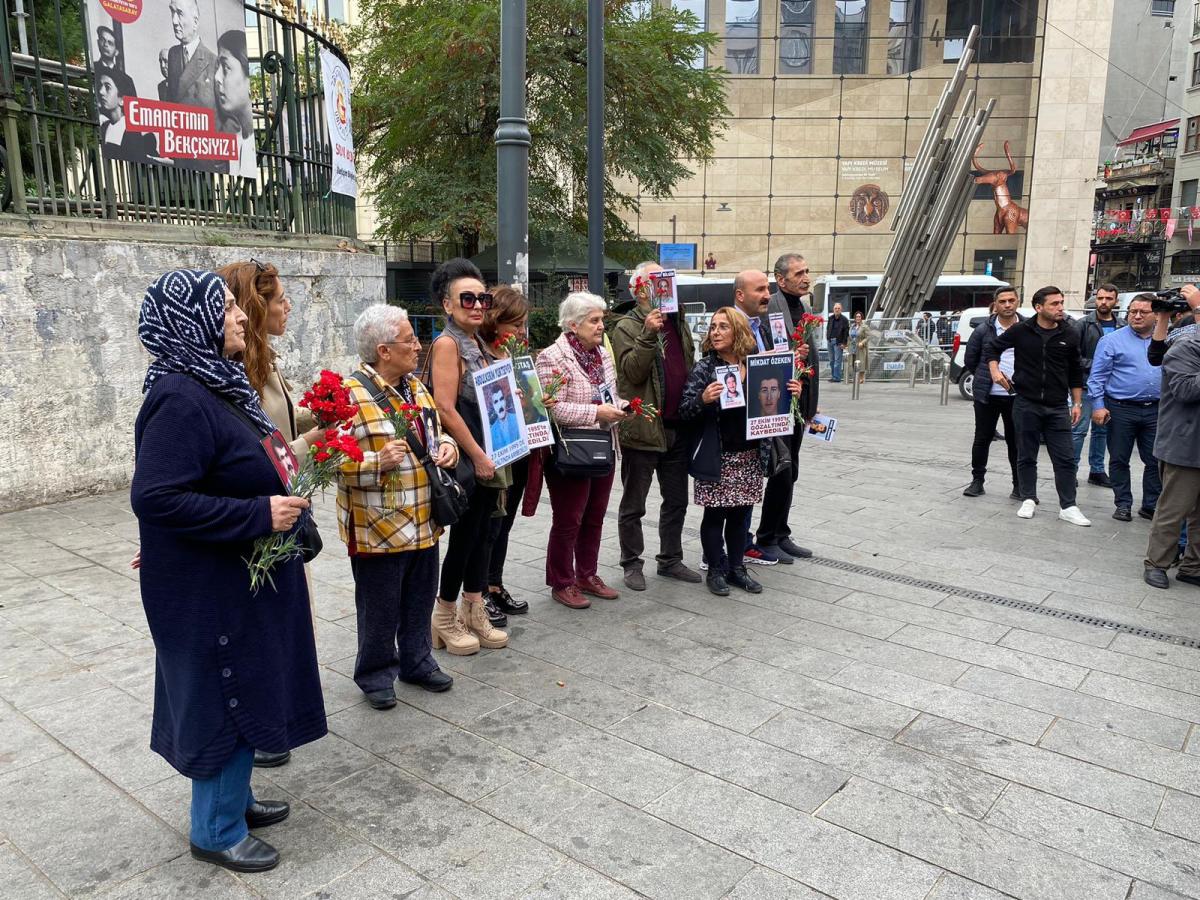
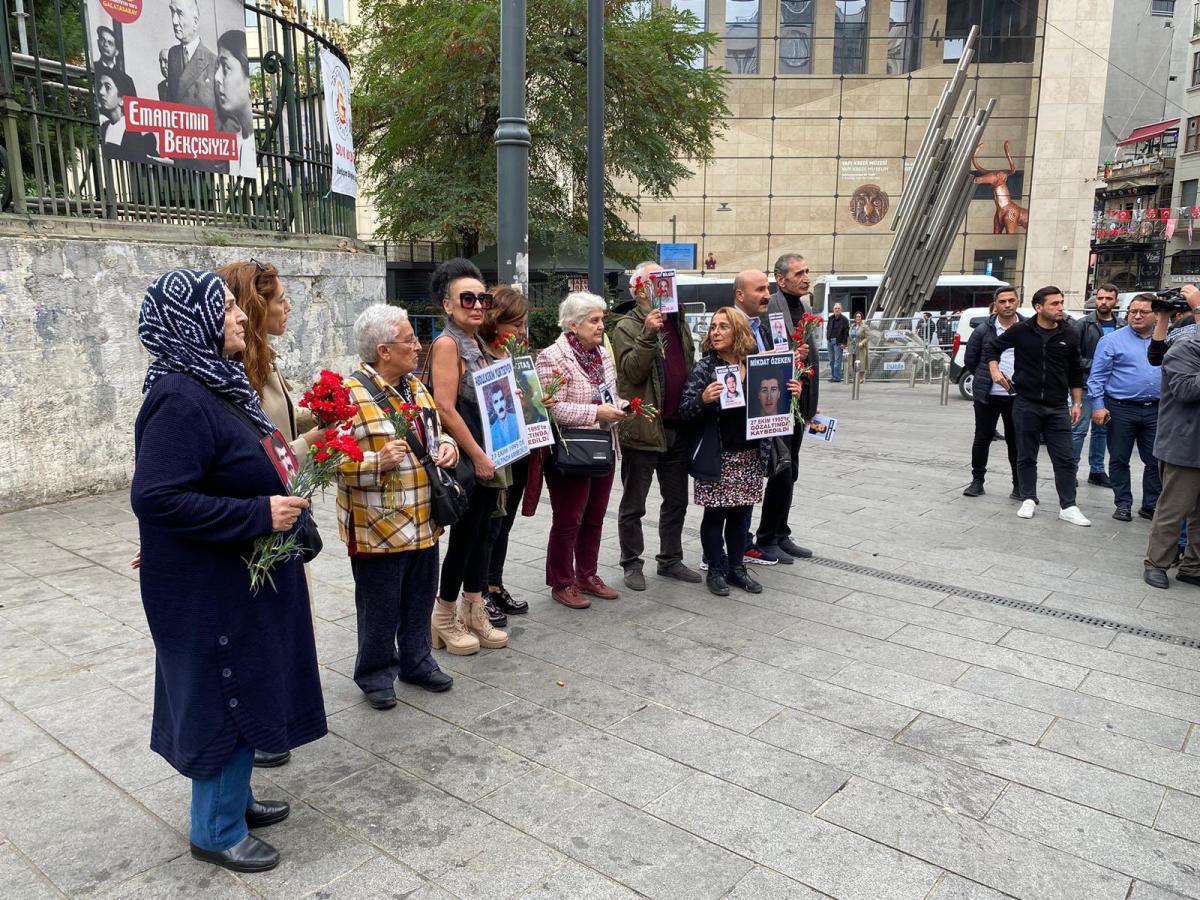
IstanbulA group of Turkish mothers whose sons and daughters were forcibly disappeared in the 1980s and '90s held a public vigil in Istanbul without police interference. This marked the first time the "Saturday Mothers" group has been allowed to proceed with such an event since police dispersed their last gathering in August 2018. The group's vigils had persisted for nearly three decades. The vigil was resumed after Turkey's Constitutional Court ruled that suppression of the event violated participants' rights. (Photo via Twitter)
Greater Middle East

New flare-up of fighting in northern Syria

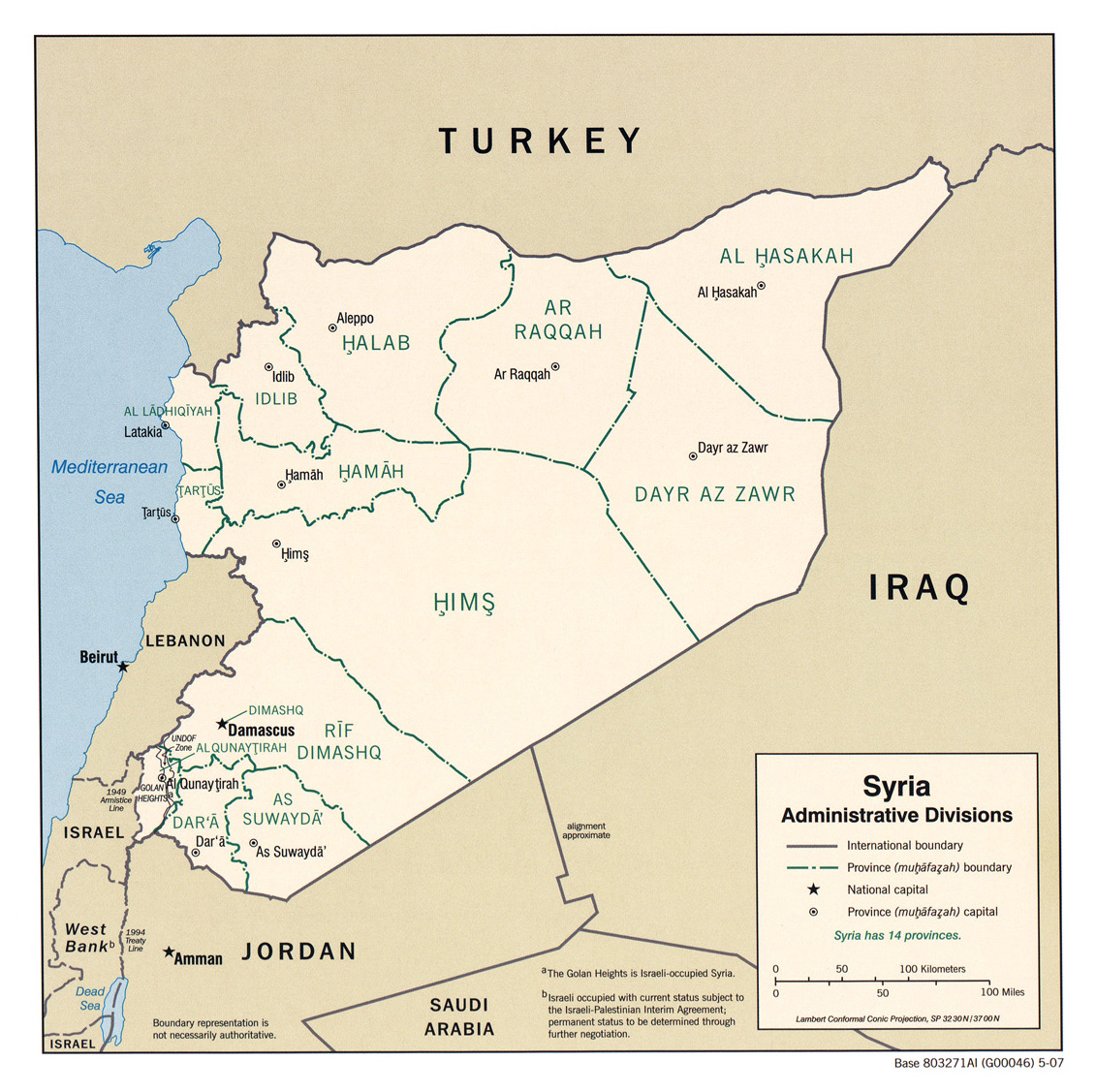
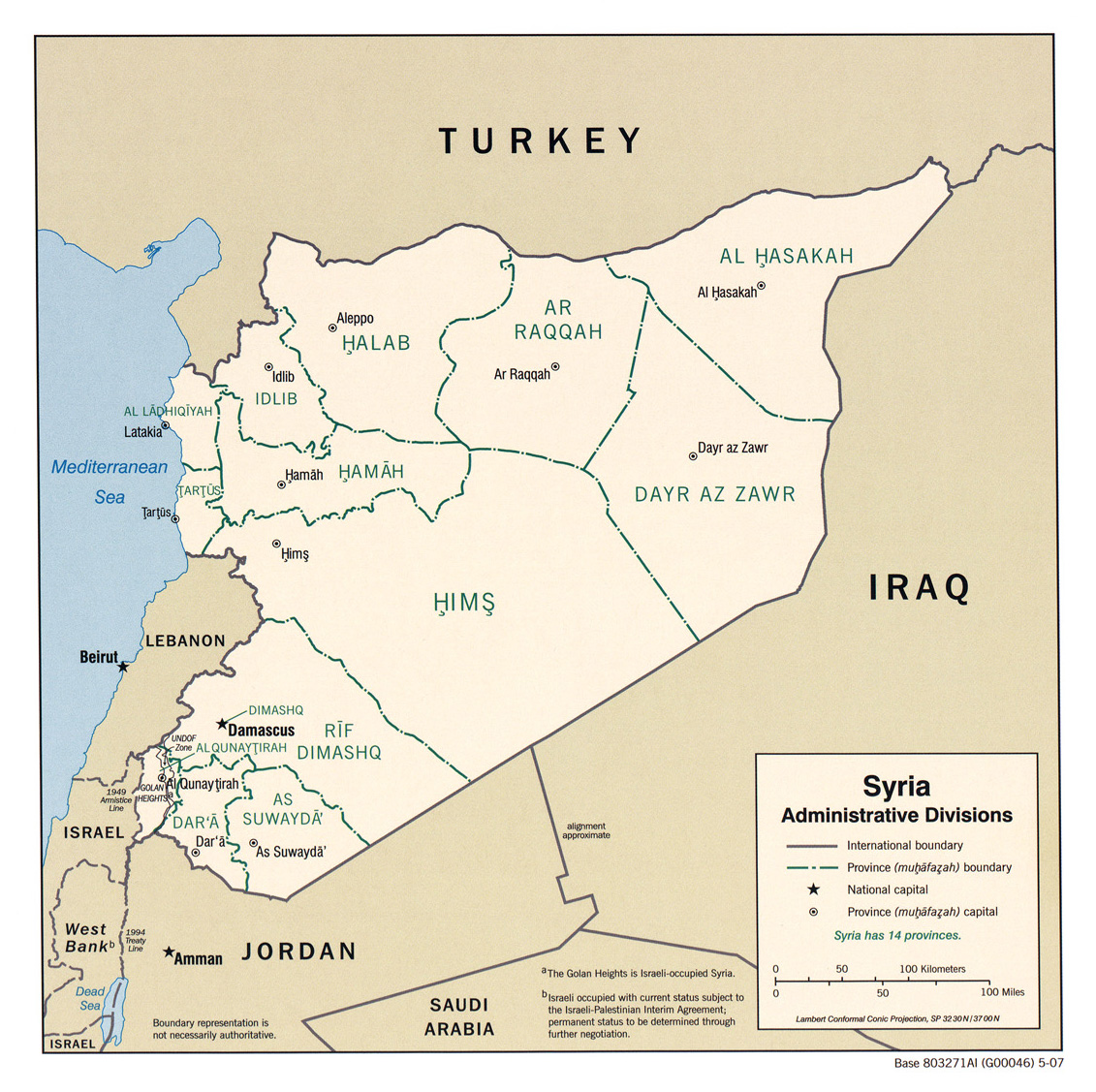
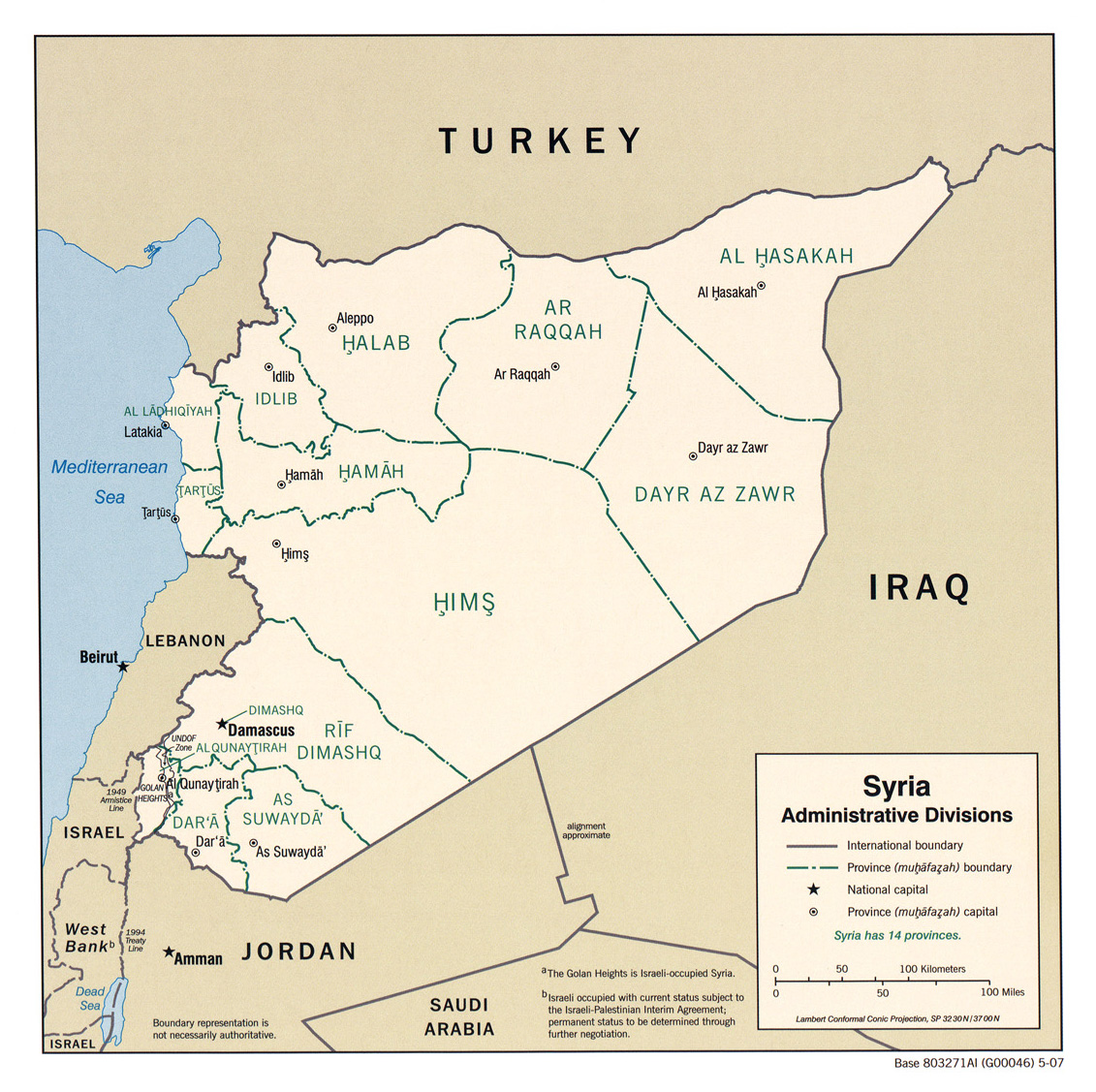
SyriaWhile the media's eyes are elsewhere, a serious escalation of violence in rebel-held northwest Syria has forced more than 70,000 people to flee their homes. Shelling and air-strikes by the regime and its allies have killed dozens of civilians and hit hospitals, as well as displacement camps and mosques. Aid groups are particularly worried about this new wave of flight given the onset of winter and the fact that over half of the region's more than four million residents have already been displaced at least once. Médecins Sans Frontières says that around 19 hospitals in the region are only able to provide emergency care, and even that is difficult. A statement from Siham Hajaj, MSF's head of mission for northwest Syria, called for "urgent action" to improve trauma and surgical capabilities in Idlib. (Map: PCL) 

Greater Middle East

Houthis repress North Yemen nationalist rallies

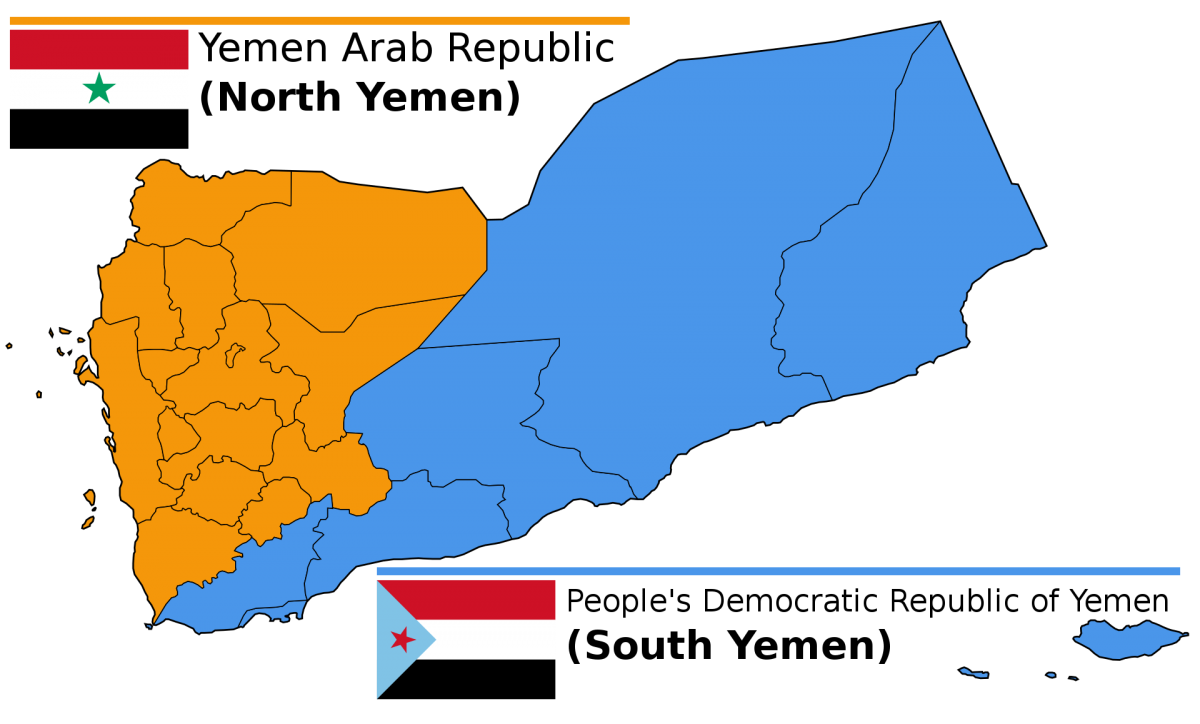
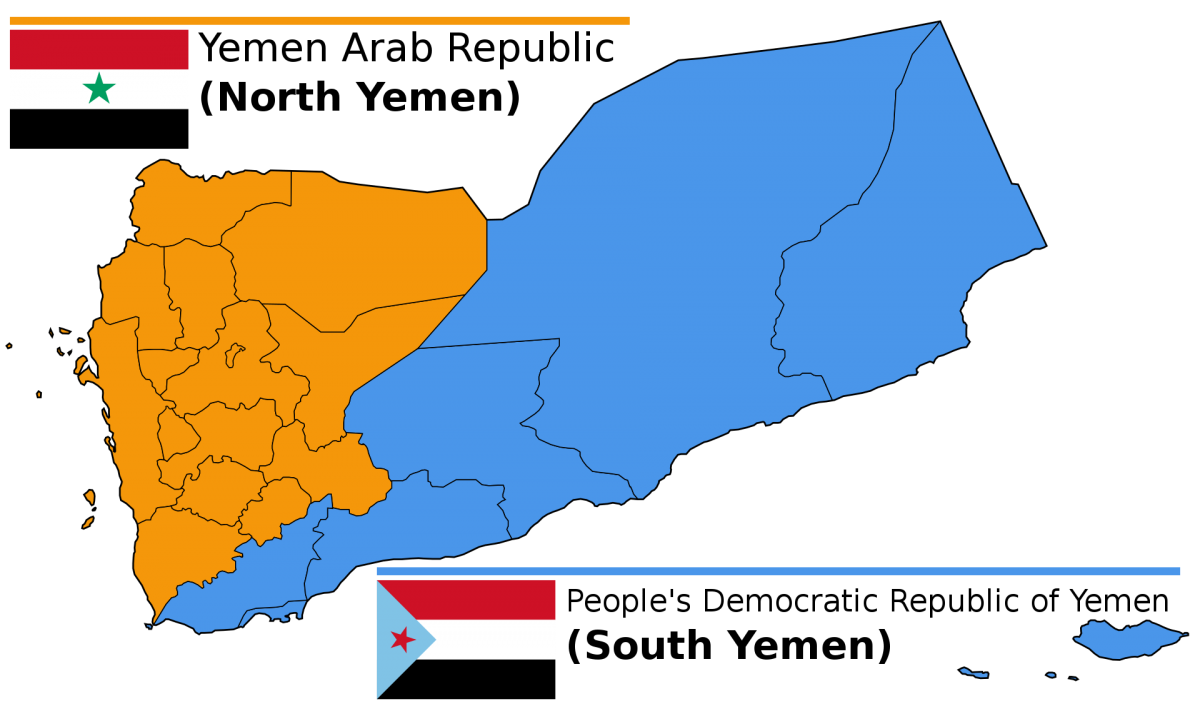
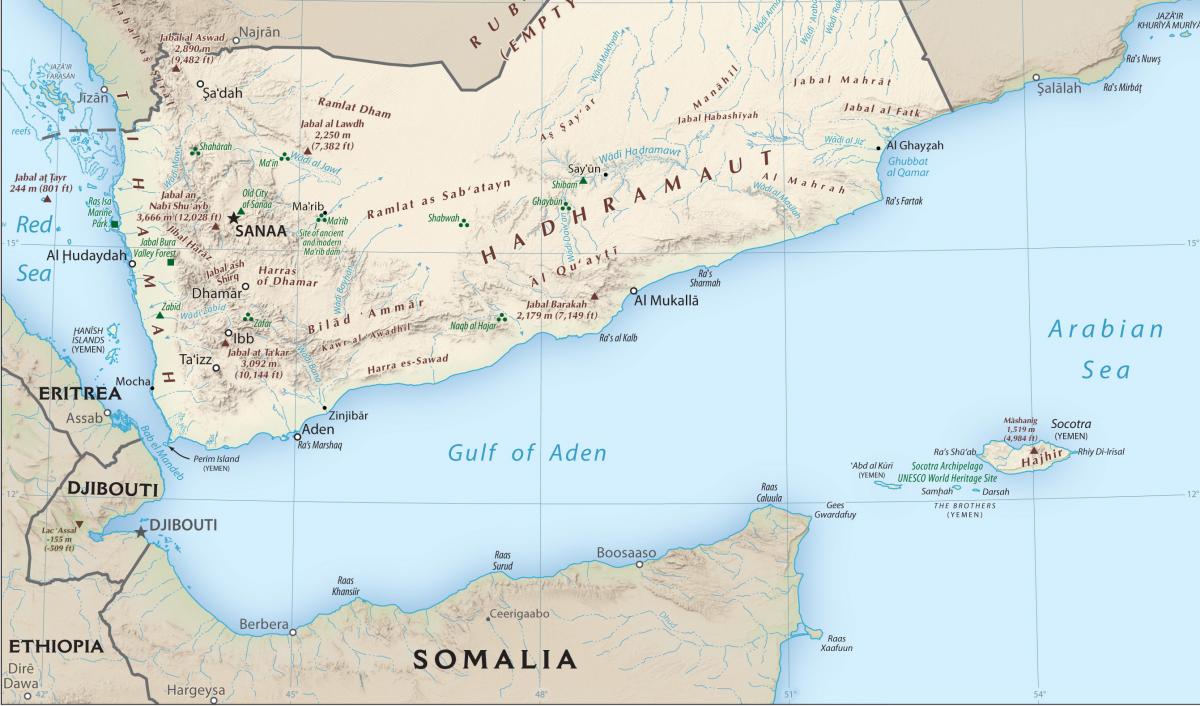
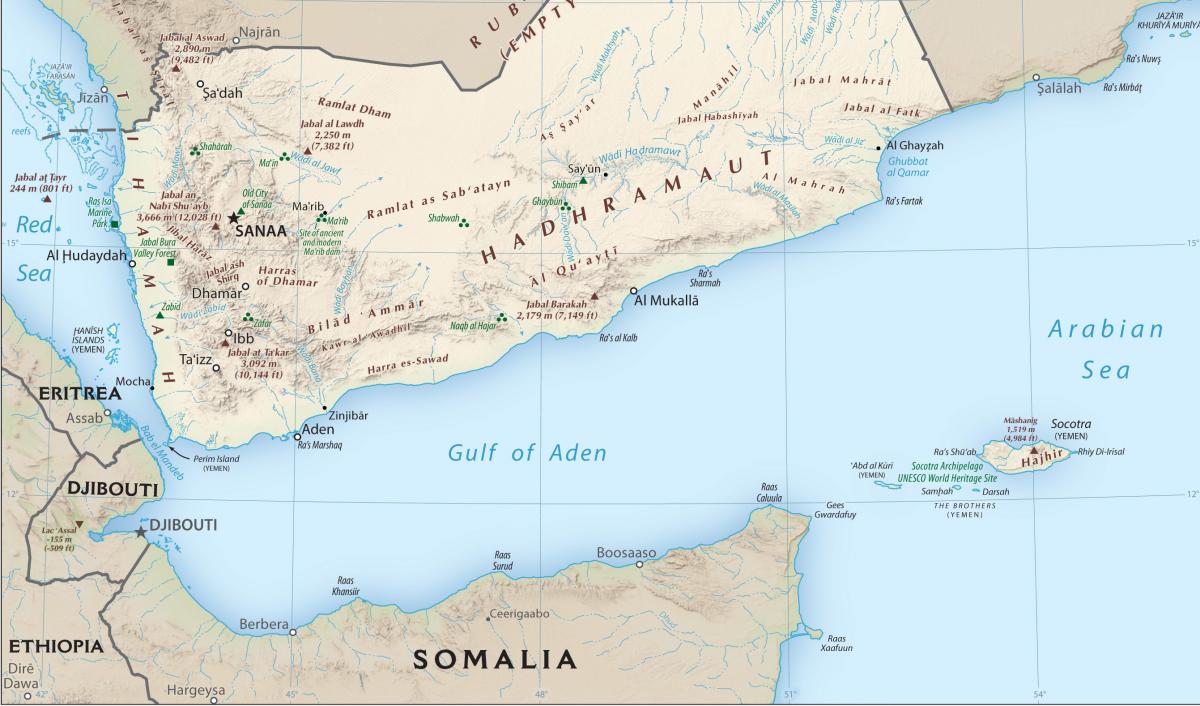
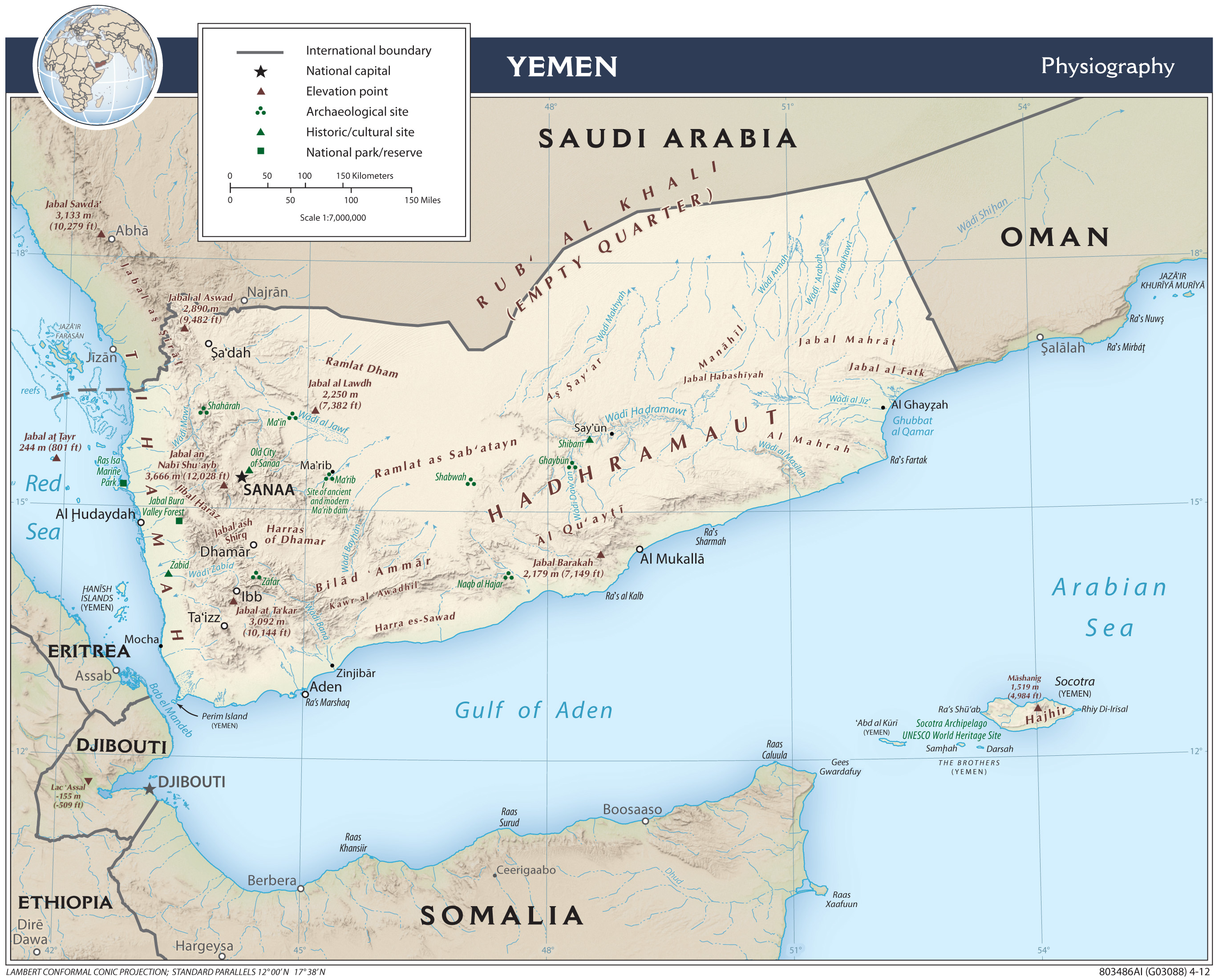
YemenHouthi de facto authorities carried out a wave of arrests, rounding up scores of largely peaceful demonstrators who gathered to commemorate the 61st anniversary of North Yemen's 26th of September Revolution, reports Amnesty International. The organization is calling on Houthi authorities to "immediately and unconditionally release all demonstrators held solely for peacefully exercising their right to freedom of assembly." On the date marking establishment of the Yemen Arab Republic in 1962, people took to the streets in cities across North Yemen, including Sana'a, Ibb, and Houdeidah, carrying flags of the republic that was formally disbanded with Yemen's unification in 1990. (Map via Wikipedia)

Greater Middle East

‘Repressive petro-state’ UAE to host climate summit

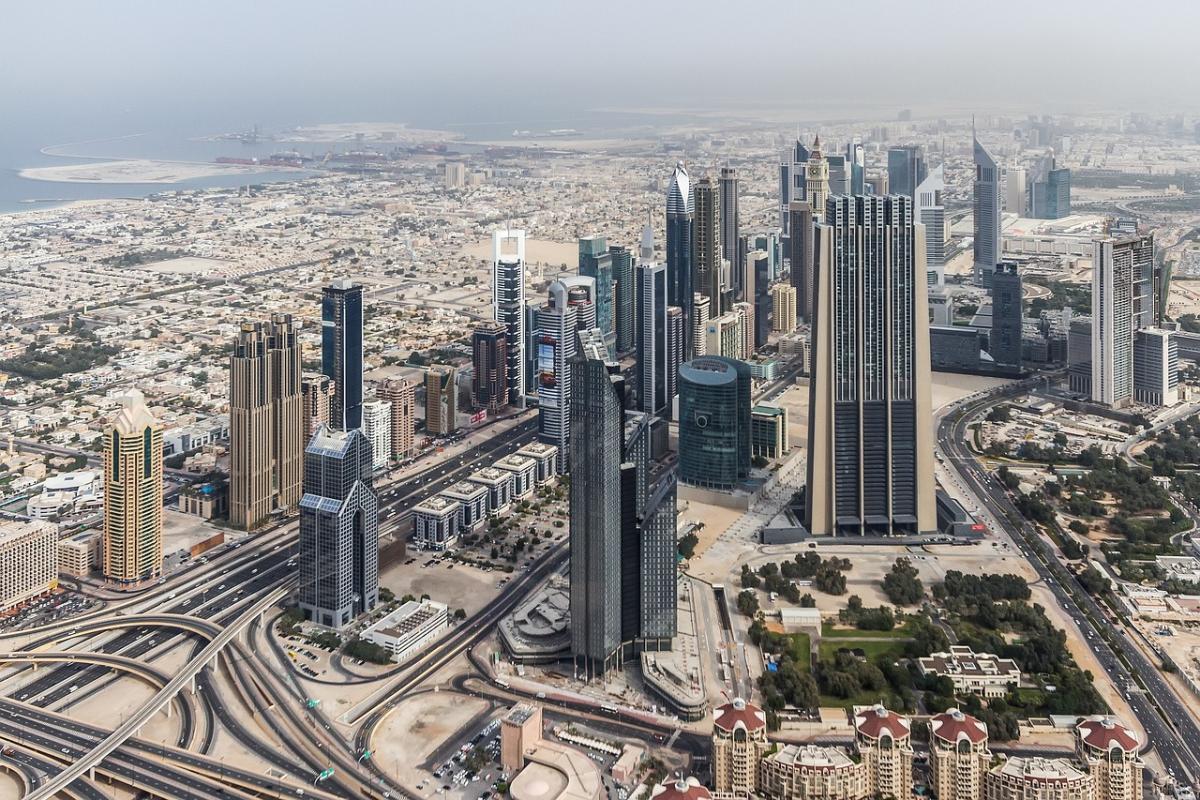
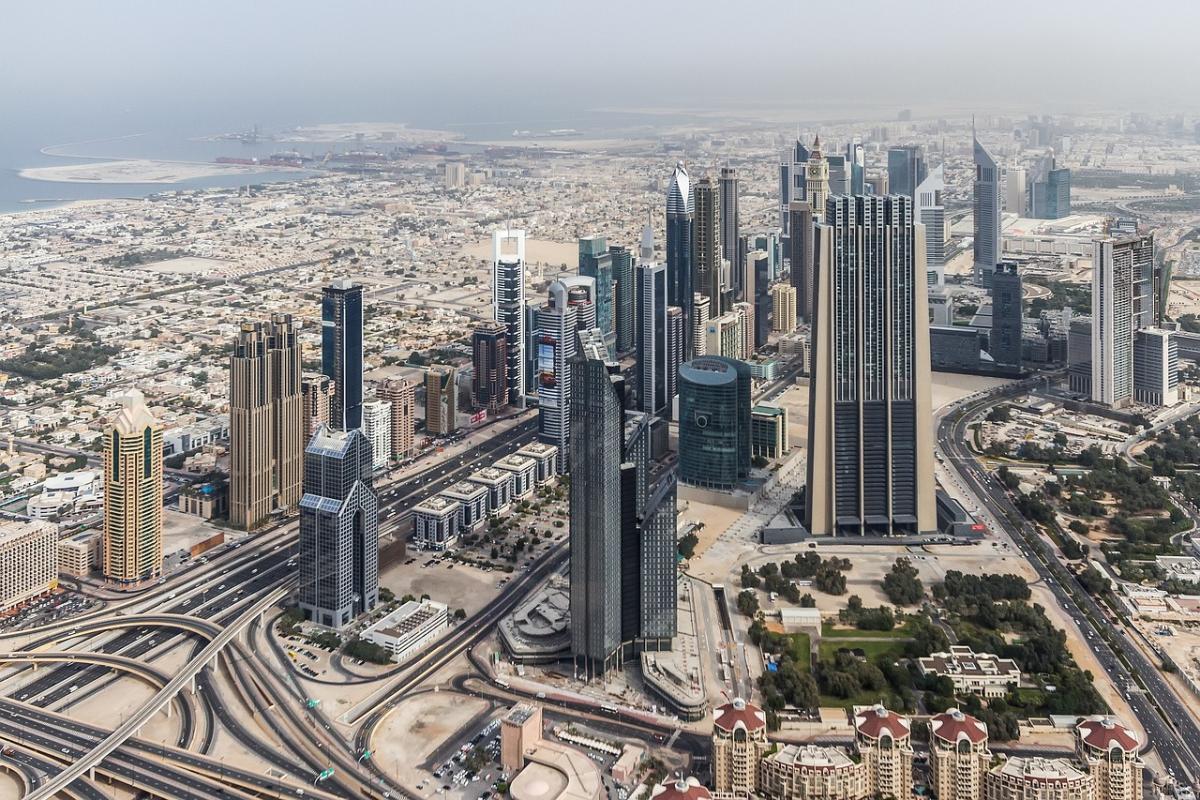
UAEAmnesty International joined with over 200 civil society organizations to call upon participating governments of the 28th Conference of the Parties (COP28) to address the human rights record and climate policies of the United Arab Emirates. The COP, the annual summit of governments from around the world to discuss climate policy, is to be held in the UAE in December—convened by Sultan al-Jaber, CEO of the Abu Dhabi National Oil Company (ADNOC). The open letter states: "We support the concerns expressed by climate justice movements that allowing COP28 to be held by the rulers of a repressive petrostate, and overseen by an oil executive, represents a blatant conflict of interest, and threatens the legitimacy of the whole process." (WildPixar via Jurist)

Greater Middle East

Syria: revolution reborn

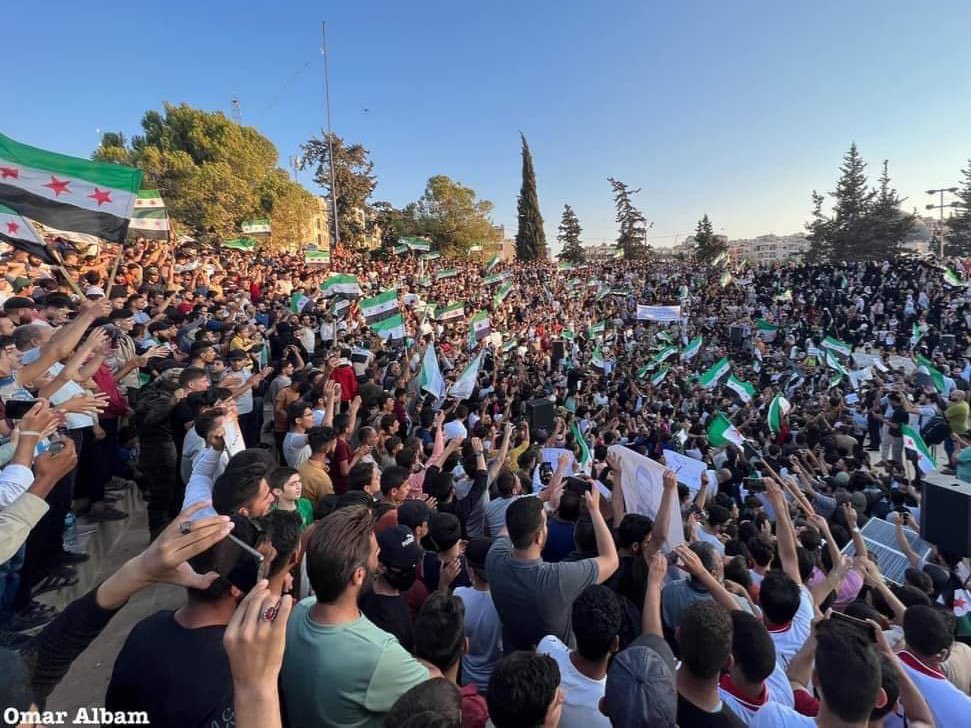
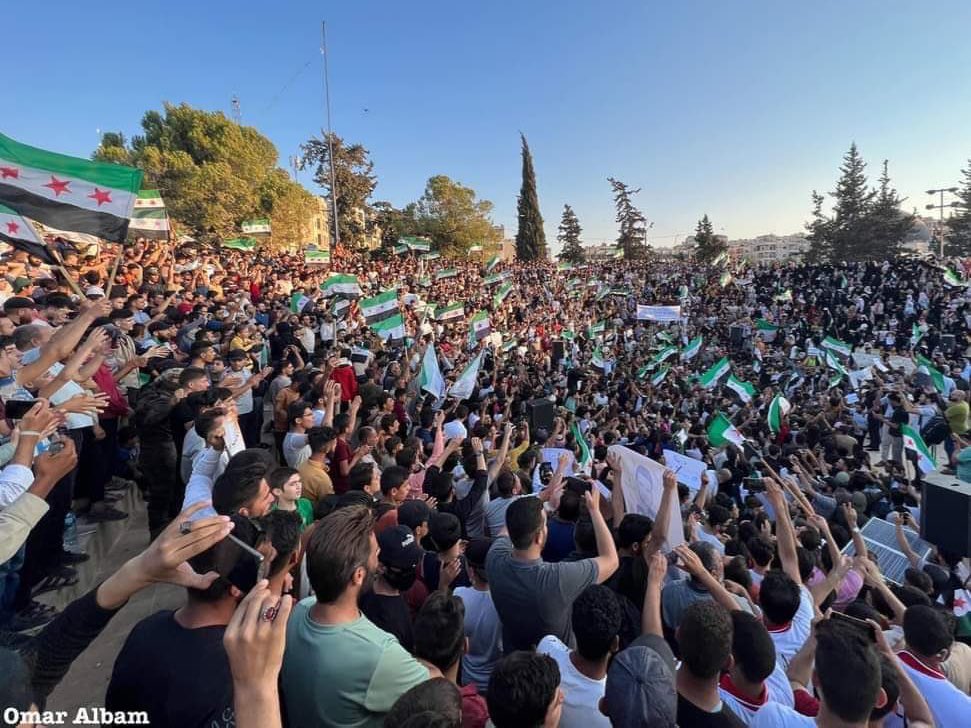
IdlibThe Free Syria flag again flew high in villages, towns and cities across the country, as thousands filled the streets, reviving the chants of the revolution. Protests first erupted in the regime-held south of the country, especially the Druze-majority city of Suwayda. They were triggered by a recent increase in fuel prices as the regime has yet again cut subsidies. But the protests soon escalated to renewed calls for the downfall of the Bashar Assad dictatorship, and spread to other regime-held cities—including Aleppo, the country's largest, which was savagely bombarded by regime and Russian warplanes in 2015-6. Demonstrations in support of the new uprising were also mobilized in the opposition-held northern pocket of the country. (Photo of Idlib demonstration by Omar Albam, via Leila's blog)

Greater Middle East

Saudi border guards massacre Ethiopian refugees

YemenSaudi Arabian border guards have killed hundreds of Ethiopian migrants and asylum-seekers attempting to cross the border from Yemen, according to a report from Human Rights Watch. The report documented incidents between March 2022 and June 2023, based on interviews with migrants, satellite imagery, and social media posts. According to the report, Saudi border guards used explosive weapons such as mortars against migrants and shot them at close range with live ammunition. Border guards reportedly fired on people even when they complied with orders. HRW called the recent pattern of killings a change from "an apparent practice of occasional shootings" to "widespread and systematic killings." (Map via PCL)

Greater Middle East

Egypt: iconic activist’s decade-long detention ends

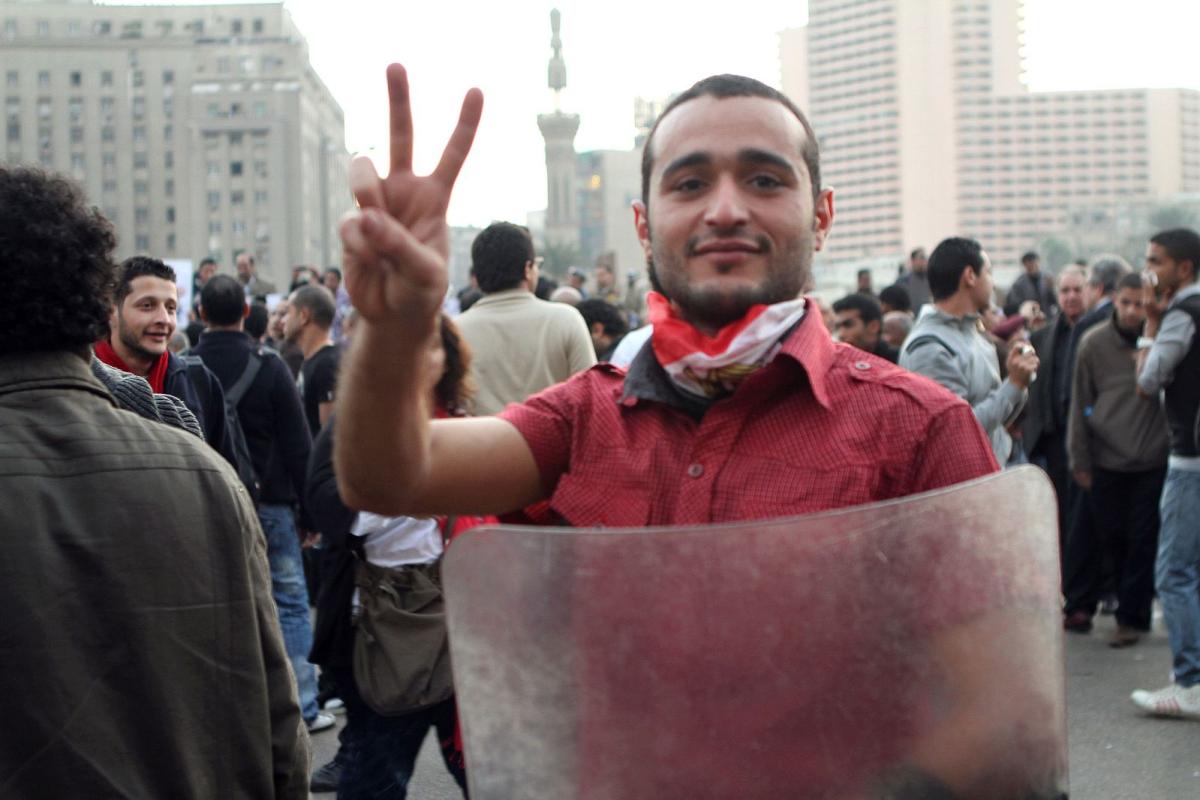
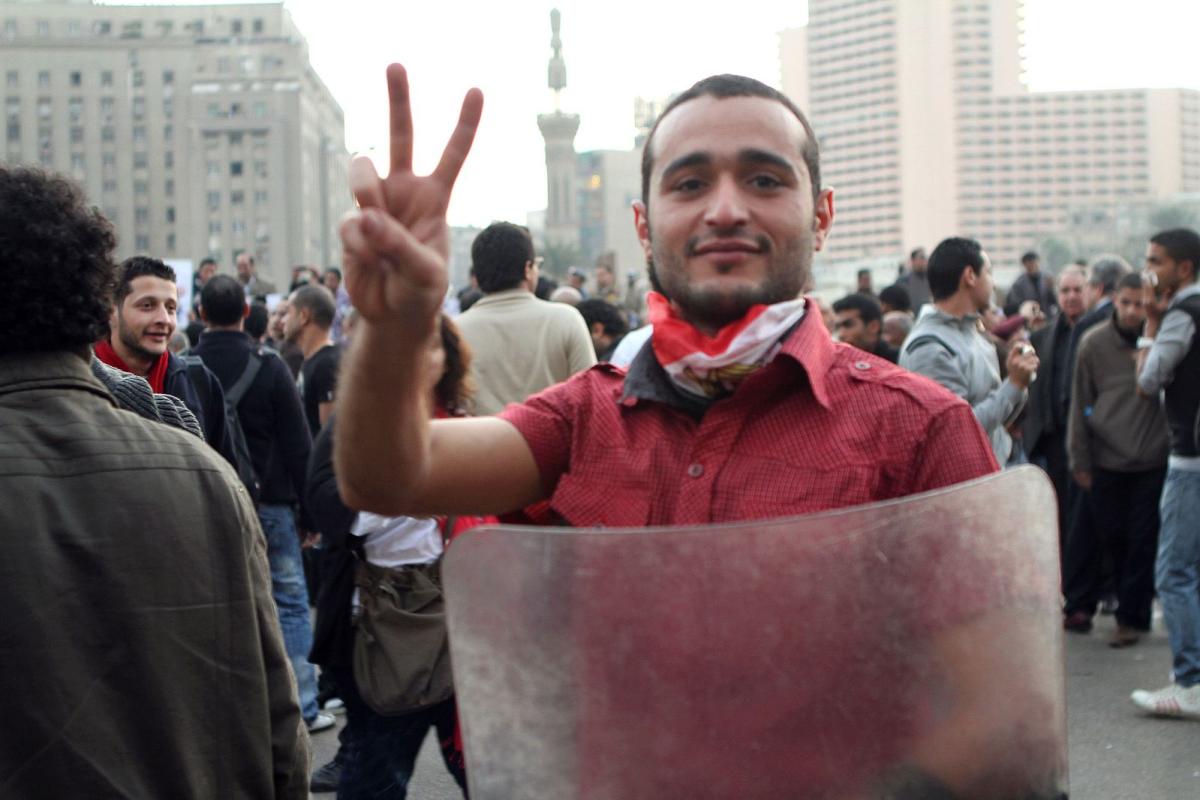
DoumaAn attorney representing imprisoned Egyptian political activist Ahmed Douma took to social media Aug. 20 to announce the activist's release, thanks to a presidential pardon. Douma had endured a decade of incarceration within Egyptian penitentiaries, and had five more years of his sentence to serve. President Abdel Fattah el-Sisi apparently responded to repeated calls for his release by human rights organizations. A leading figure in the January 25 Revolution of 2011, Douma was convicted of violating a ban on protests in December 2013, following Sisi's military coup. (Photo: Wikimedia Commons)

Greater Middle East

Turkey intransigent on Syria occupation zone

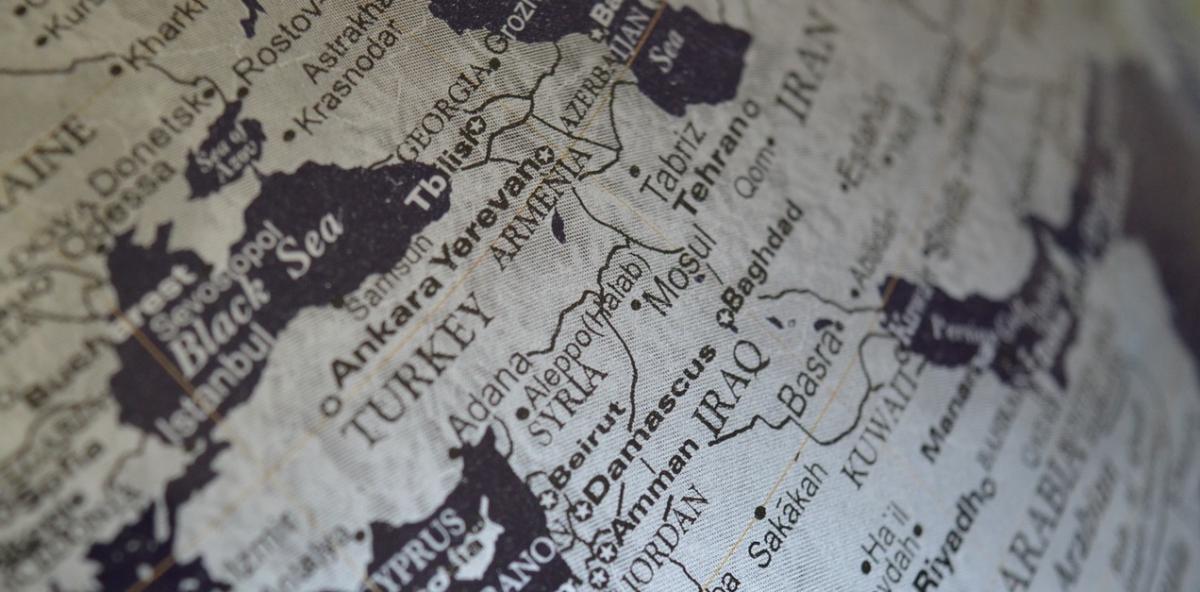
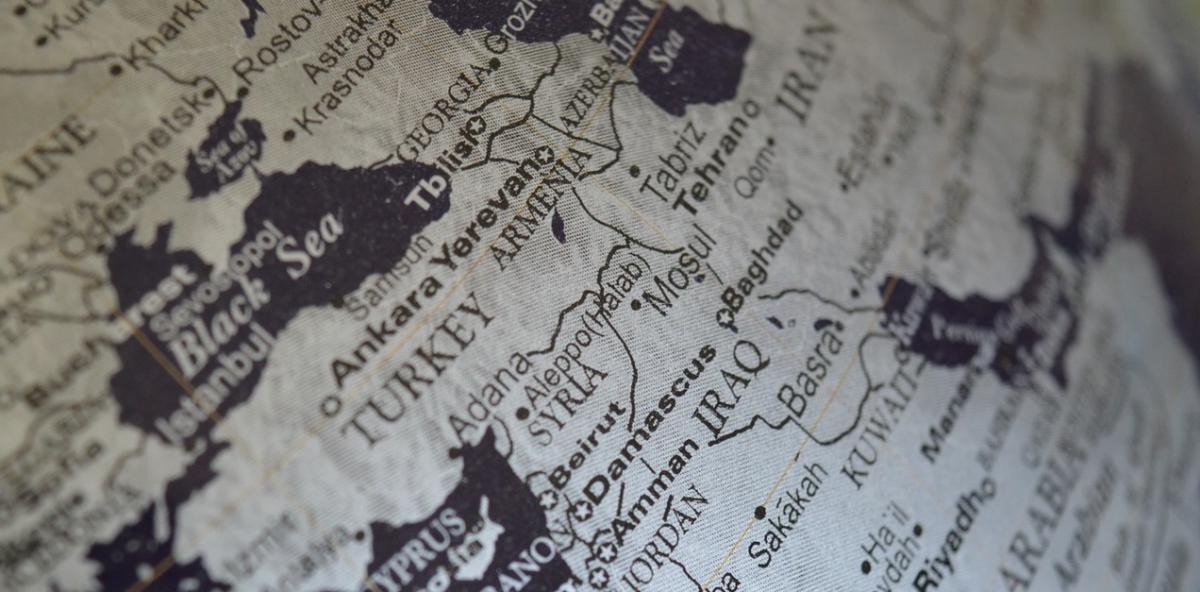
SyriaIn his drive for "normalization" of his regime, Syran dictator Bashar Assad has been welcoming meetings with regional leaders in recent months. However, in comments to a reporter, he set a withdrawal of Turkish troops from northern Syria as a precondition for any meeting with Turkey's President Recep Tayyip Erdogan. "Erdogan's objective in meeting me is to legitimize the Turkish occupation in Syria," Assad said. Turkey's Defense Minister Yasar Guler responded by saying: "It is unthinkable for us to withdraw without ensuring the security of our borders and our people." Ankara continues to demand the establishment of a 30-kilometer deep "buffer zone" cleared of any Kurdish armed groups. (Image: Pixabay)

Greater Middle East

Yemen: civil society groups call for just peace

YemenMore than 40 Yemeni civil society organizations released a declaration on laying out a vision for how to achieve justice and reconciliation post-conflict. They highlight the importance of addressing past human rights violations to prevent future violence and call for accountability and reparations through a gender-equal and victim-centered process. The war, which started in 2014, has led to one of the world's most acute crises, with more than 20 million people requiring humanitarian assistance and 80% of the population facing hunger. (Map via PCL)

Greater Middle East

UN: halt indefinite detention at Syria camps

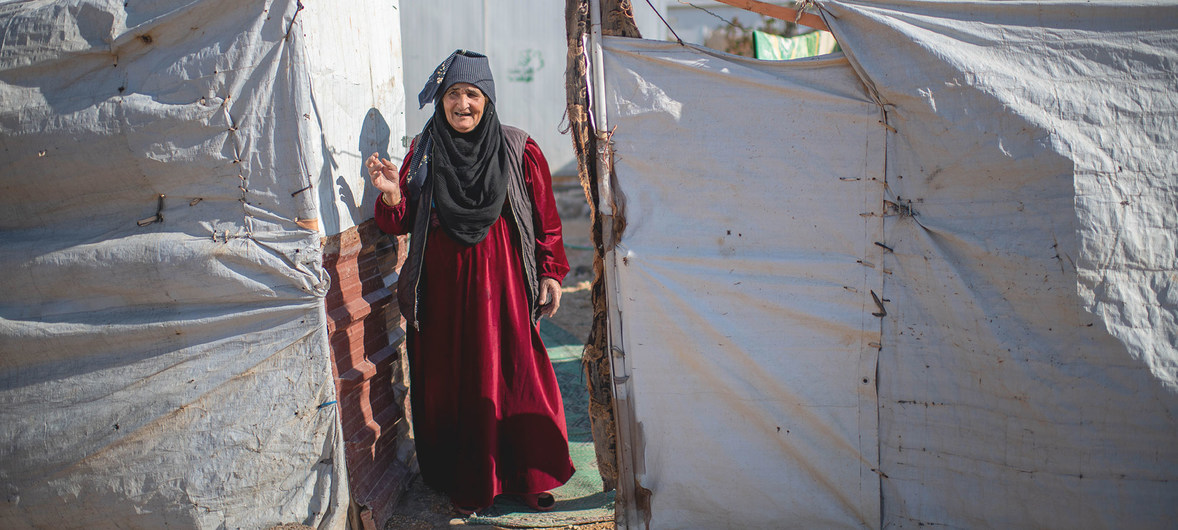
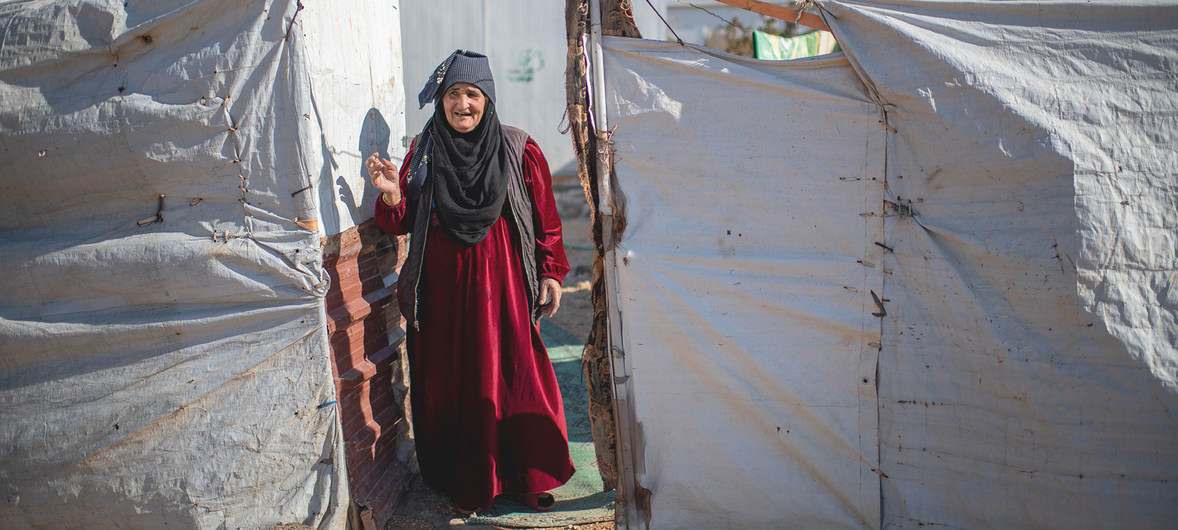
HolUN Special Rapporteur for human rights Fionnuala Ní Aoláin released a statement urging the cessation of "indefinite mass detention without legal process," particularly of children, in northeastern Syria detention centers. Around 52,000 people are held in the camps at al-Hol and al-Roj in Syria's northeast. Around 60% are children, of whom 80% are under 12. Most children are there due to their parents' supposed links to ISIS. Many are separated from their parents, with Ní Aoláin asserting that boys are often forcibly separated from their mothers upon reaching adolescence. Both camps are under the control of the Syrian Democratic Forces (SDF), a primarily Kurdish organization which has fought ISIS since 2014. (Photo: Abdul Aziz Qitaz/UNOCHA)

Greater Middle East

Syria: grim reality behind Assad’s new aid offer

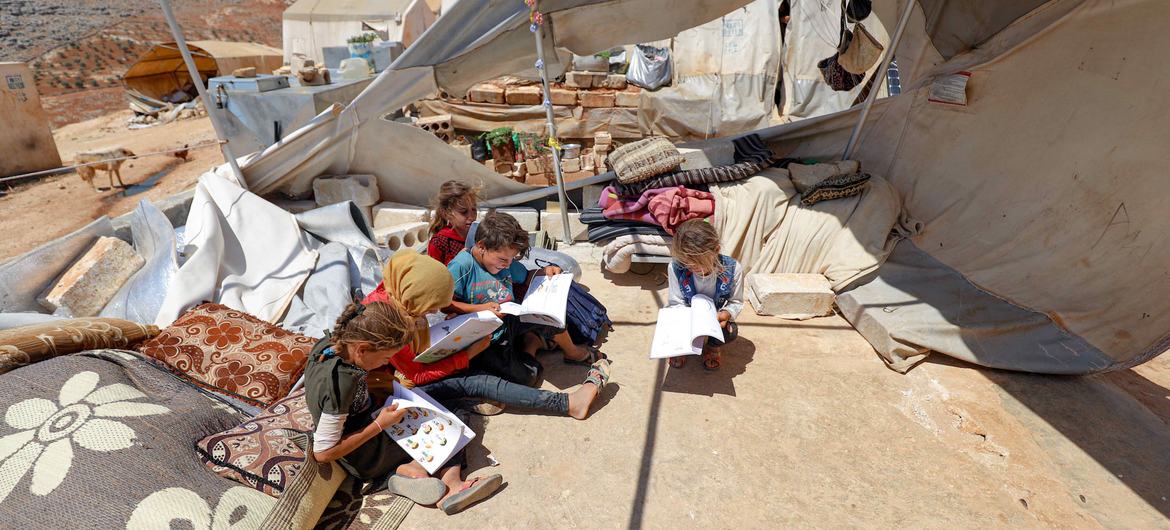
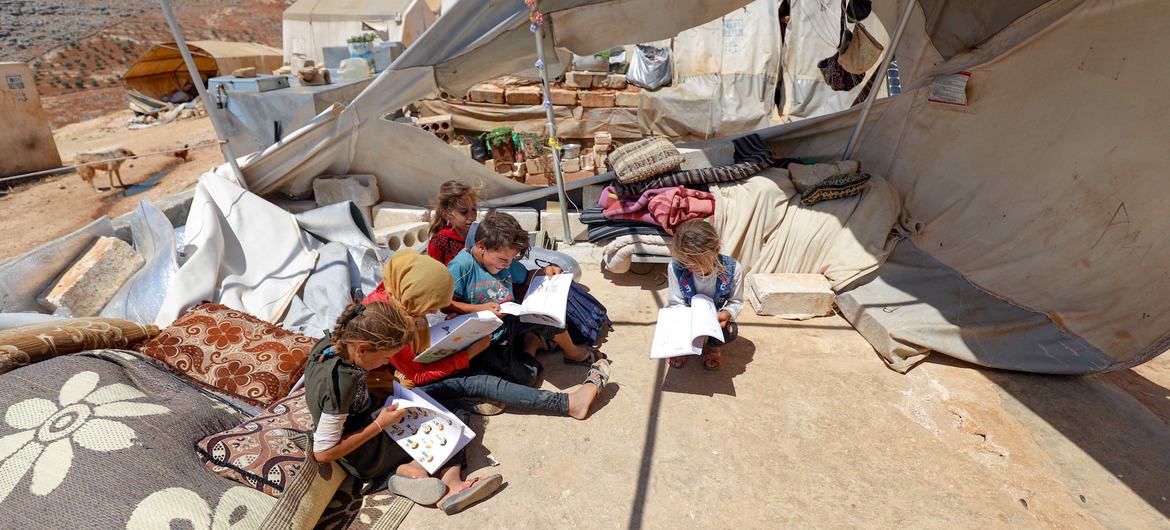
Idlib displacedThe Security Council has failed to renew the resolution allowing the UN to deliver aid across the border from Turkey to rebel-held northwest Syria, throwing into question the future of a relief effort that is crucial for millions of people. The day after the resolution expired, Russia vetoed a new resolution that would have allowed access through one border crossing into the region, Bab al-Hawa, for nine months. Two days after that, The Assad regime said it will allow UN aid into the northwest via Bab al-Hawa for six months—if it is done "in full cooperation and coordination with the government." But this is unlikely to be welcomed by many Syrian and international aid groups, given that the current system was set up back in 2014 largely because of the Assad regime's obstruction of aid. (Photo: UNHCR)

Greater Middle East

Kurds betrayed in Sweden NATO deal

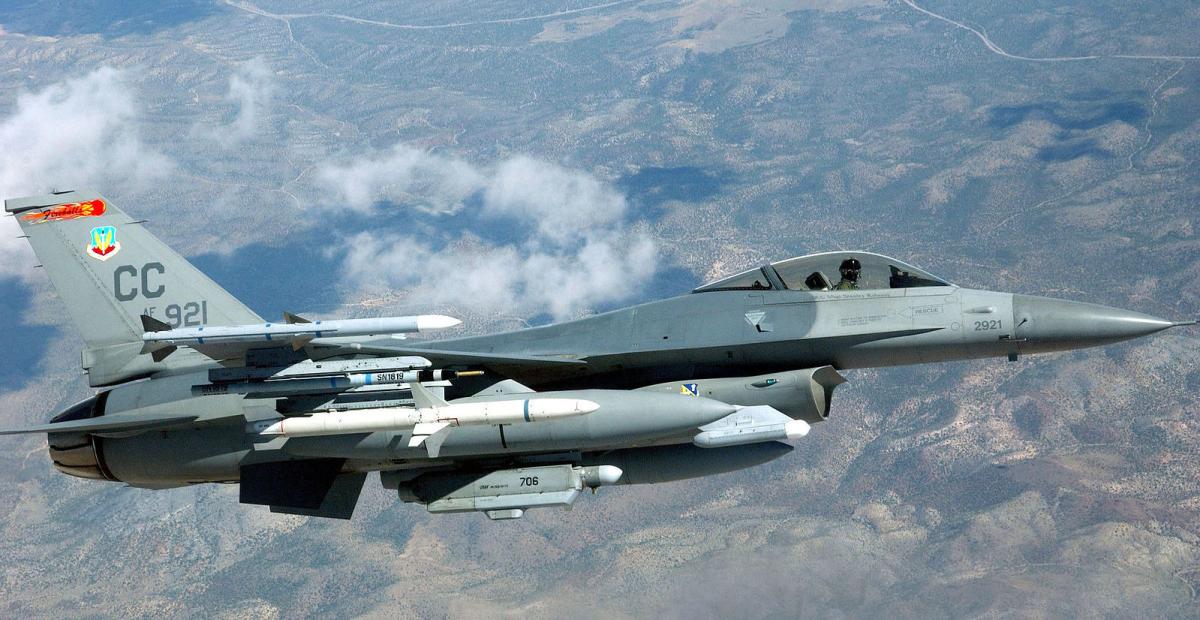
F-16Turkish President Recep Tayyip Erdogan has dropped his opposition to Sweden's entry into NATO, it was announced ahead of the alliance summit in Vilnius. In an apparent quid pro quo, the Biden administration is dropping its objections to Turkey purchasing F-16 fighter jets from the US. Sweden has also offered concessions to Erdogan. In blocking Sweden's NATO bid, Turkey had accused Stockholm of harboring Kurdish "terrorists"—meaning supporters of the Kurdistan Workers' Party (PKK), which Ankara labels a "terrorist" group. Last November, Sweden amended its constitution to strengthen its "anti-terrorism" laws, weakening free-speech protections—clearly in deference to Turkey. The Swedish Supreme Court in June also ruled to allow extradition of the accused PKK figures to Turkey. And the rallies held in Stockholm against the extraditions by Kurdish immigrants and exiles may now be criminalized. (Photo of F-16: USAF via Wikimedia Commons)