

Inner Asia
Xinjiang

Podcast: state capitalism and the Uyghur genocide

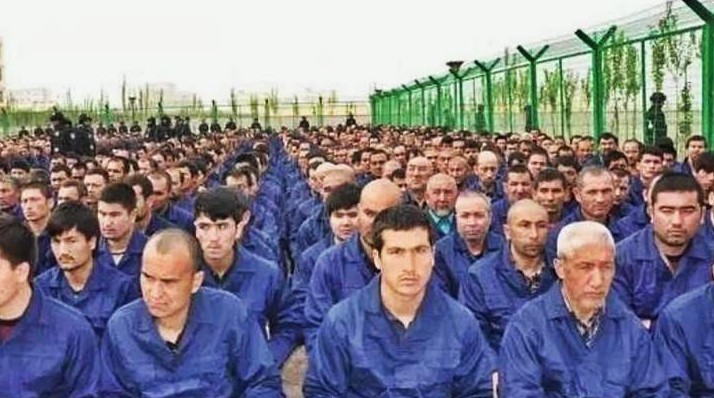
In Episode 149 of the CounterVortex podcast, Bill Weinberg notes that the UN Human Rights Office determination that China may be guilty of “crimes against humanity” in its mass detention of Uyghurs in Xinjiang province is dismissed by the tankie-left ANSWER Coalition as “propagandistic.” Meanwhile, it falls to Radio Free Asia, media arm of the US State Department, to aggressively cover the very real conditions of forced labor faced by the Uyghurs and other Turkic peoples of Xinjiang—and how Western corporations benefit from it. While the Western pseudo-left betrays the Uyghurs, US imperialism exploits their suffering for propaganda against a rising China in the Great Game for the Asia-Pacific region. Figures such as Australia’s Kevin Rudd incorrectly portray a “Return of Red China,” blaming the PRC’s increasingly totalitarian direction on a supposed neo-Marxism. Fortunately, the new anthology Xinjiang Year Zero offers a corrective perspective, placing the industrial-detention complex and techno-security state in the context of global capitalism and settler colonialism. Listen on SoundCloud or via Patreon. (Photo: Xinjiang Judicial Administration via The Diplomat)
Europe
Stratofortress

Massive military drills from North Sea to Caucasus

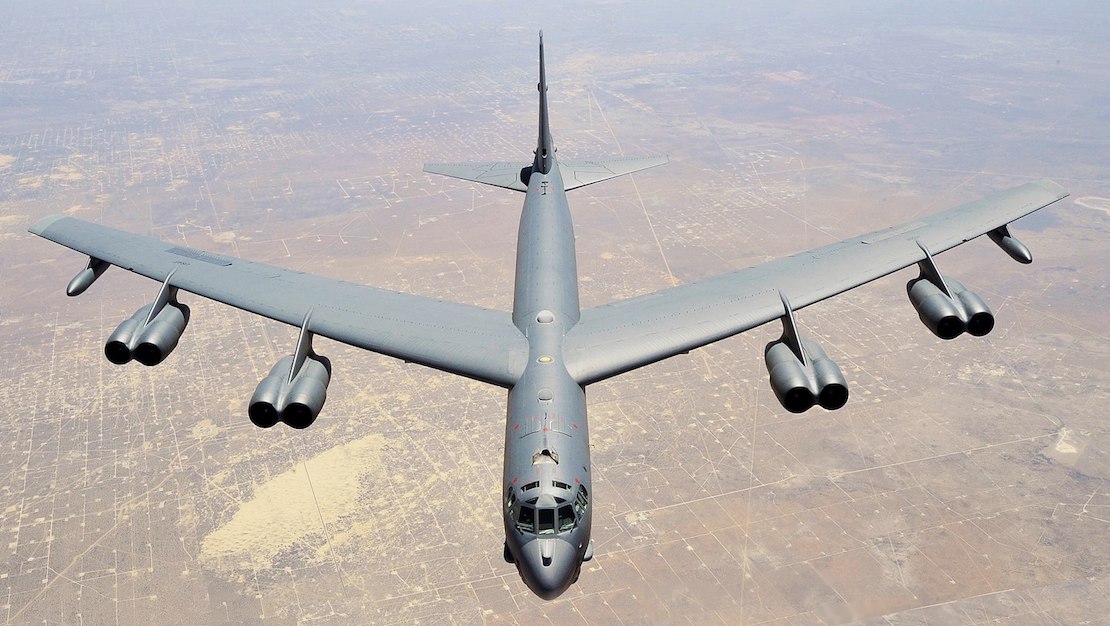
NATO opened an annual exercise to test nuclear deterrence capabilities in Europe, with the participation of 14 of the 30 member countries. The drill, this year dubbed “Steadfast Noon,” will run two weeks and involve 60 aircraft, mostly over the North Sea. Russia’s own nuclear deterrence drills, known as GROM, are expected to begin later this month—which means they will overlap with the NATO exercise. Iran’s Islamic Revolutionary Guards Corps meanwhile launched a large-scale military drill along the borders of Armenia and Azerbaijan. The exercise has seen construction of a temporary pontoon bridge, allowing passage of tanks and armored vehicles, over portions of the Araz River that separates Iran from the Caucasus republics. Last month, Tehran warned that it would not tolerate any seizure of territory from Armenia by Azerbaijan after border clashes broke out between its two northern neighbors. (Photo of B-52 Stratofortress via Wikimedia Commons)

Europe
Smyrna

Erdogan invokes burning of Smyrna

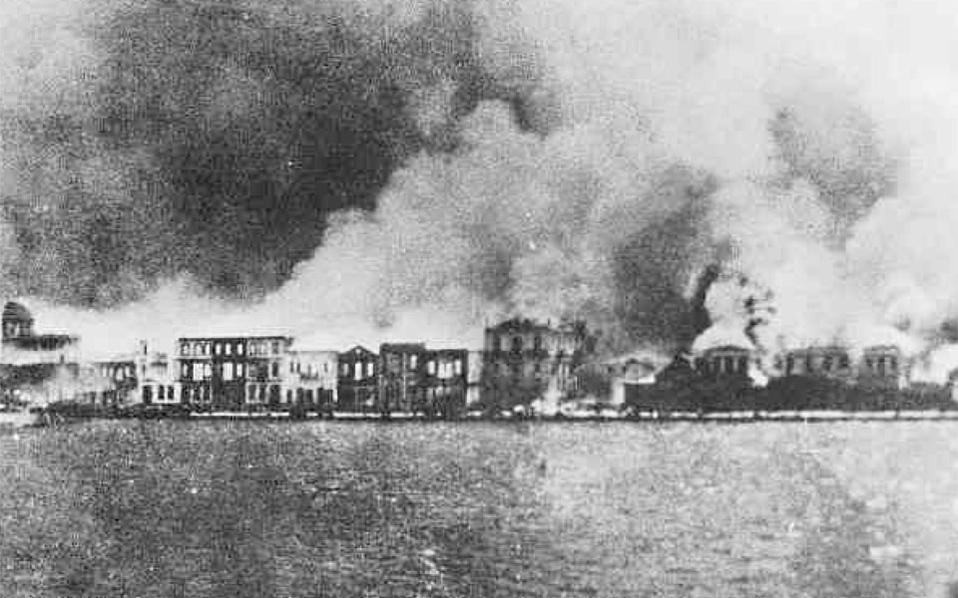
Amid rising tensions between NATO allies Turkey and Greece, Turkish President Recep Tayyip Erdogan explicitly invoked the burning of Smyrna at the end of the Greco-Turkish War. “We have only one word to tell Greece: Do not forget Izmir,” Erdogan warned, using the Turkish name for the coastal city that was the scene of atrocities targeting the substantial Greek populace after it was taken by Turkish forces in September 1922. “We may come suddenly one night,” Erdogan added. The current dispute stems from a treaty signed the year after the attack on Smyrna/Izmir, which gave offshore islands to Greece on condition that they remain unarmed. Ankara charges that Greece is militarizing the islands, in violation of the 1923 Treaty of Lausanne. (Photo via HALC)

Syria
Masayaf

Russia conniving in Israeli strikes on Syria?

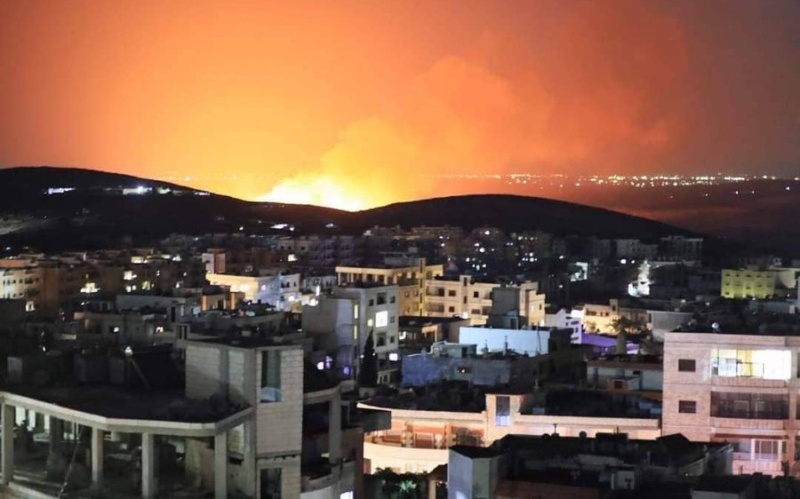
Satellite images show significant damage from an Israeli air-strike on the Assad regime’s main center for conventional and chemical weapons development. Nine buildings of the Scientific Studies & Research Center (SSRC) were destroyed or damaged, and a military captain was reportedly killed. The attack came as Russia removed the S-300 air defense system that it had positioned near the complex. The site, near Masyaf in northwest Syria, is also reportedly a base for Iranian forces and Iran-supported militias. (Photo via EA Worldview)

Greater Middle East
Iran

US strikes Iran-backed militias in eastern Syria

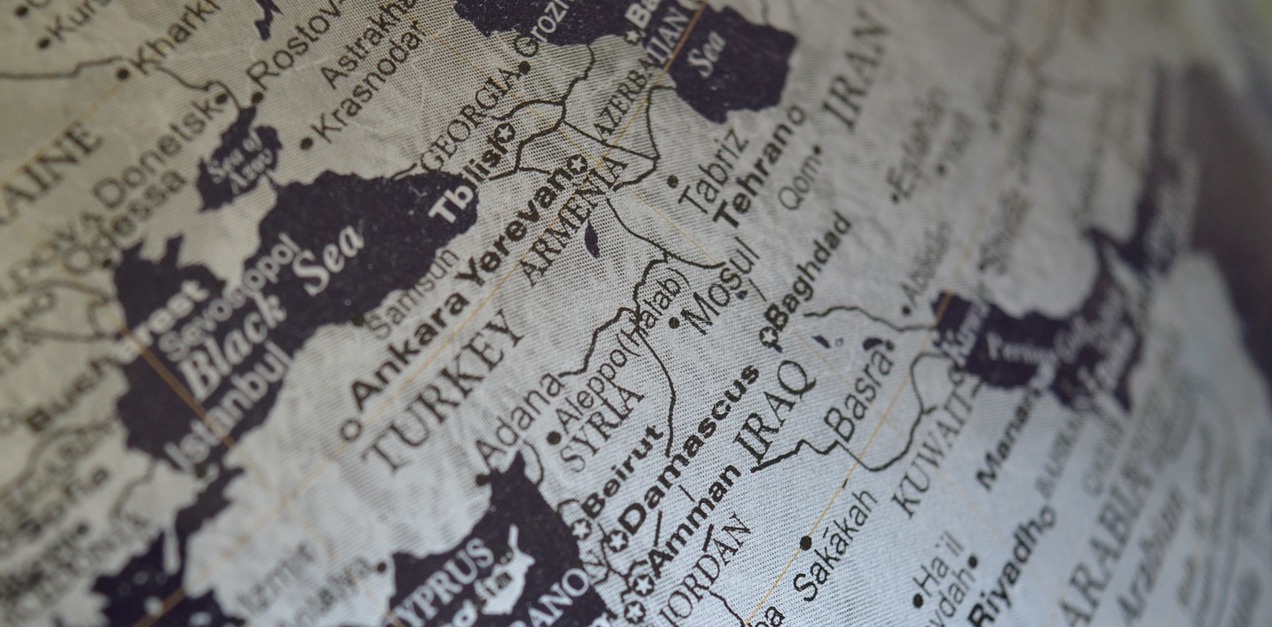
The US carried out a new round of air-strikes against Iran-backed militias in Deir ez-Zor province of eastern Syria. The militias had been firing rockets on US positions, including the base at al-Tanf, which came under fire last week. The US strikes apparently targeted the Ayash Camp of the Fatimiyoun group of Afghan fighters. According to local reports, at least six Syrians and foreigners were killed. The situation escalated the following day, as two other US bases, Conoco and Green Village, came under rocket fire. The US struck back with attack helicopters, killing “two or three suspected Iran-backed militants conducting one of the attacks” and destroying vehicles, according to Pentagon Central Command. (Image: Pixabay)

Syria
#Wewillnotreconcile

Syria: protests against Turkish ‘reconciliation’ call

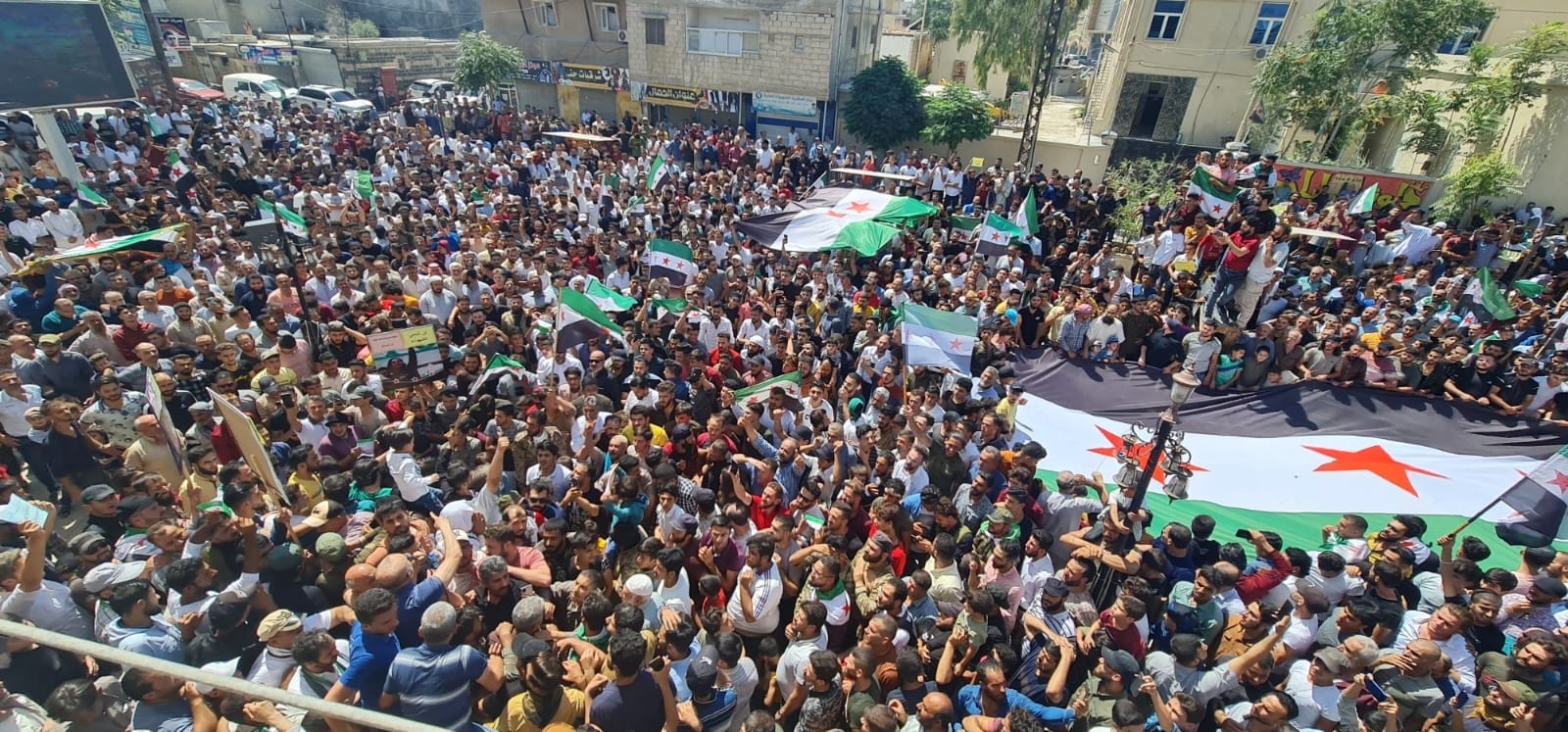
Thousands of local residents held protests across the Turkish occupation zone in northern Syria to oppose calls by Ankara for “reconciliation” with the Bashar Assad dictatorship. Foreign Minister Mevlut Cavusoglu, speaking to diplomats in Ankara the day before, said, “We have to somehow get the opposition and the regime to reconcile in Syria. Otherwise, there will be no lasting peace, we always say this.” Angry protests, under the slogan “We will not reconcile,” were held in the towns of al-Bab, Afrin and Jarablus. In the town of Azaz, a Turkish flag was burned by protesters. (Photo via Syria Direct)

Syria
syria

Assad regime pulls out of Syria constitution talks

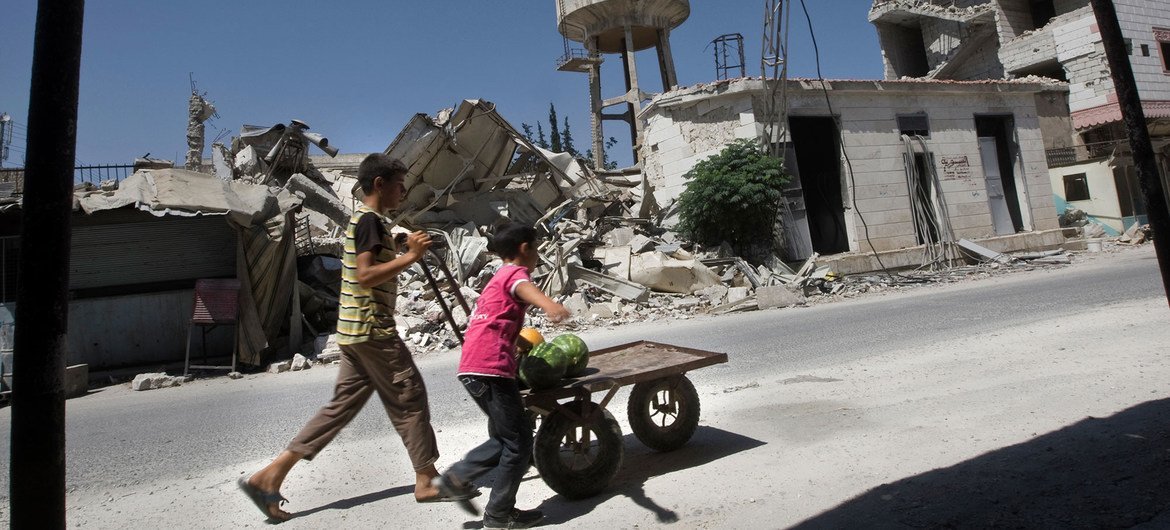
The Assad regime pulled out of UN-brokered talks on Syria’s constitution, with the ninth round scheduled to open in Geneva. The regime used the pretext that Switzerland is no longer neutral because it supported European Union sanctions against Russia over Vladimir Putin’s invasion of Ukraine. A UN spokesperson responded: “We reaffirm the neutrality of Switzerland as a venue…. Discussions on Syria need to be kept…separate and apart from discussions on other topics.” Simultaneously, Syria broke diplomatic ties with Ukraine, in response to Kyiv breaking ties with Damascus over the Assad regime’s recognition of the “independence and sovereignty” of the Russia-backed breakaway enclaves of Luhansk and Donetsk. (Photo: Giovanni Diffidenti/UNICEF via UN News)

North America
russian alaska

Russia: irredentist claims on Alaska

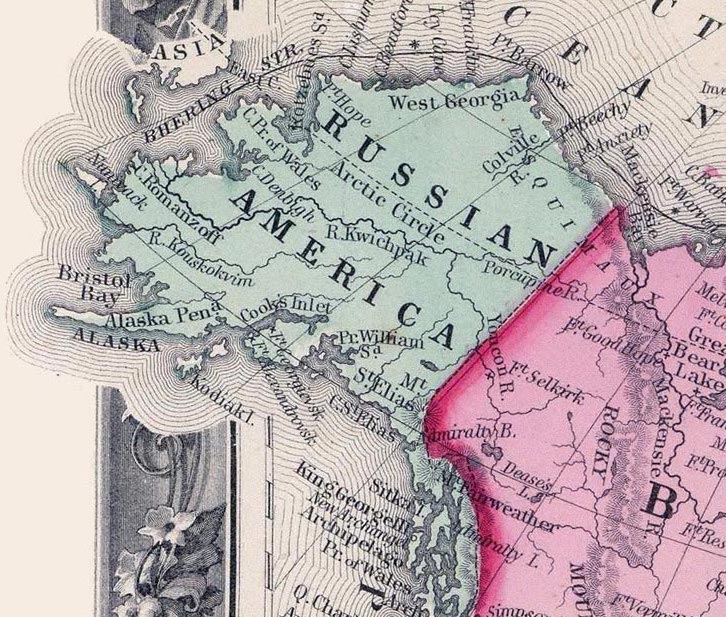
The speaker of Russia’s lower house of parliament threatened to “claim back” Alaska if the United States freezes or seizes Russian assets in retaliation for its invasion of Ukraine. “Let America always remember: there’s a piece of territory, Alaska,” Vyacheslav Volodin said at the last session of the State Duma before summer break. “When they try to manage our resources abroad, let them think before they act that we, too, have something to take back,” Volodin said. He noted that deputy speaker Pyotr Tolstoy had recently proposed holding a referendum in Alaska on joining Russia. The day after Volodin’s comments, billboards proclaiming “Alaska Is Ours!” appeared in the Siberian city of Krasnoyarsk, apparently placed by a local “patriot.” (Map via Wikipedia)

Europe
Ukraine

Podcast: Ukraine between East and West II

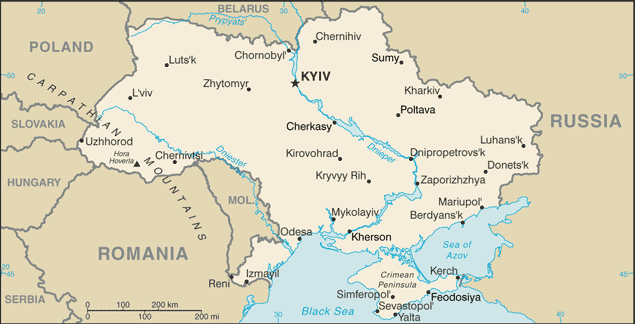
In Episode 129 of the CounterVortex podcast, Bill Weinberg discusses the book Ukraine & the Empire of Capital: From Marketisation to Armed Conflict by Yuliya Yurchenko of the Ukrainian left-opposition group Sotsialniy Rukh (Social Movement). In the book, written in 2018, Yurchenko takes a rigorous neither/nor position between Russia and the West, tracing the roots of the current crisis to the rise of regional oligarchs and a “criminal-political nexus” in the post-communist transition a generation ago. The West, in its rush to effect a crash capitalist conversion in the East, was deeply complicit in this. But these regional fiefdoms would be exploited by Vladimir Putin to effect a division of Ukraine as East-West rivalry re-emerged. This January, as Putin amassed forces on Ukraine’s borders, Sotsialniy Rukh issued a statement appealing for “anti-war solidarity.” In interviews since the invasion was launched, Yurchenko has been unequivocal in supporting Ukraine’s “popular resistance.” Similar statements from socialists and anarchists in Ukraine, Belarus and elsewhere in Eastern Europe have called, first and foremost, for the defeat of Putin’s neo-imperial project. Listen on SoundCloud or via Patreon. (Map via Perry-Castañeda Library Map Collection)

The Andes
paramilitaries

Podcast: the forgotten war in Colombia

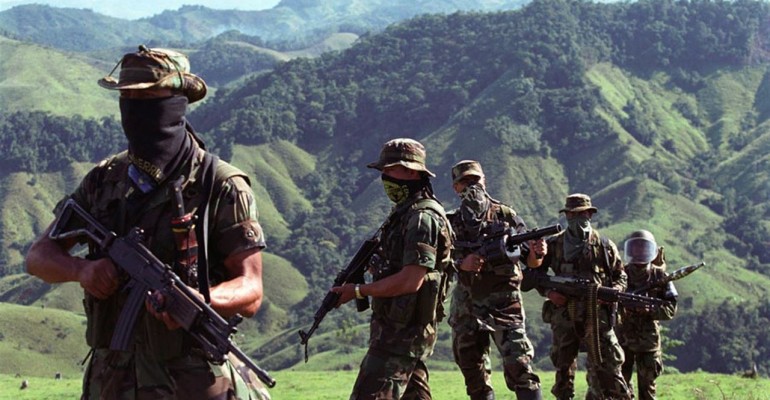
In Episode 128 of the CounterVortex podcast, Bill Weinberg provides an in-depth analysis of the under-reported multi-sided armed conflict and deepening human rights crisis in Colombia on the eve of an historic run-off election that poses two “outsider” candidates for the presidency: Gustavo Petro, an ex-guerilla and Colombia’s first leftist presidential contender, versus Rodolfo Hernández, a far-right construction magnate whose pugnacious swagger inevitably invites comparison to Donald Trump. This turning point comes as Colombia has entered a new “partnership” with NATO, in response to Venezuela’s deepening ties with Russia. Yet Colombia’s armed forces continue to collaborate with the paramilitary groups that terrorize campesino and indigenous communities. If elected, Petro will face the challenge of breaking the state-paramilitary nexus, and charting a course independent of the Great Powers. Listen on SoundCloud or via Patreon. (Photo: Contagio Radio)

Iraq
Rojava

Podcast: Rojava and Ezidikhan in the Great Game

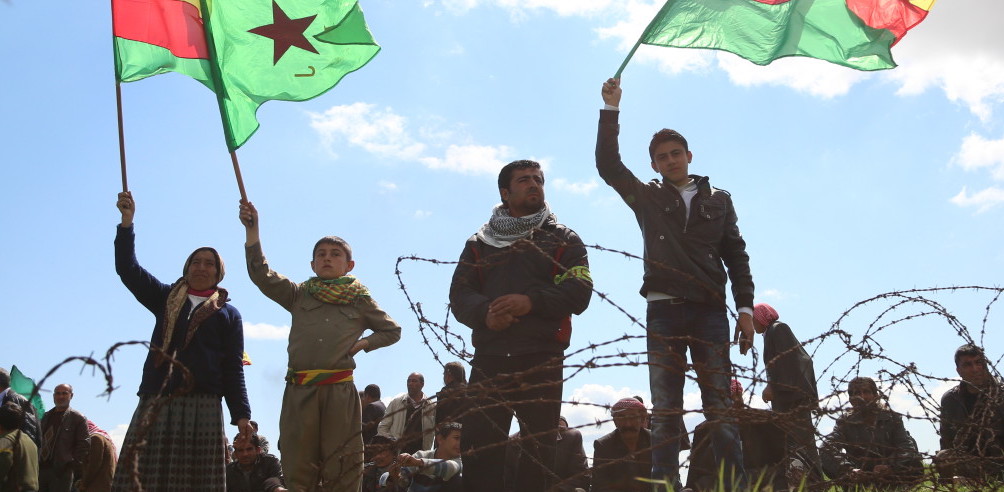
In Episode 127 of the CounterVortex podcast, Bill Weinberg notes that the Kurdish-controlled Syrian city of Kobani, which became a global icon of resistance to ISIS in 2014, is now under threat of Turkish aggression. The Syrian Kurds were betrayed in 2019, when their autonomous zone of Rojava was greatly reduced by Turkey’s first thrust into their territory. Erdogan is now threatening to extinguish it altogether, and incorporate all of Rojava into his “security zone.” There is growing speculation that the US could “green light” this aggression in exchange for Turkey dropping its objections to Sweden and Finland joining NATO. Meanwhile, the Yazidis of northern Iraq, who were subjected to genocide at the hands of ISIS in 2014, now face extermination of their hard-won autonomous zone of Ezidikhan at the hands of Baghdad’s military—acting under pressure from Turkey. Great Power meddling in Syrian and Iraqi Kurdistan alike is pitting the peoples of the region against each other, portending a disastrous Arab-Kurdish ethnic war. How can activists in the West help break this trajectory? Listen on SoundCloud or via Patreon. (Photo: Rojava Solidarity NYC)

The Andes
Partnership of the Americas 2009

Colombia joins ‘new partnership’ with NATO

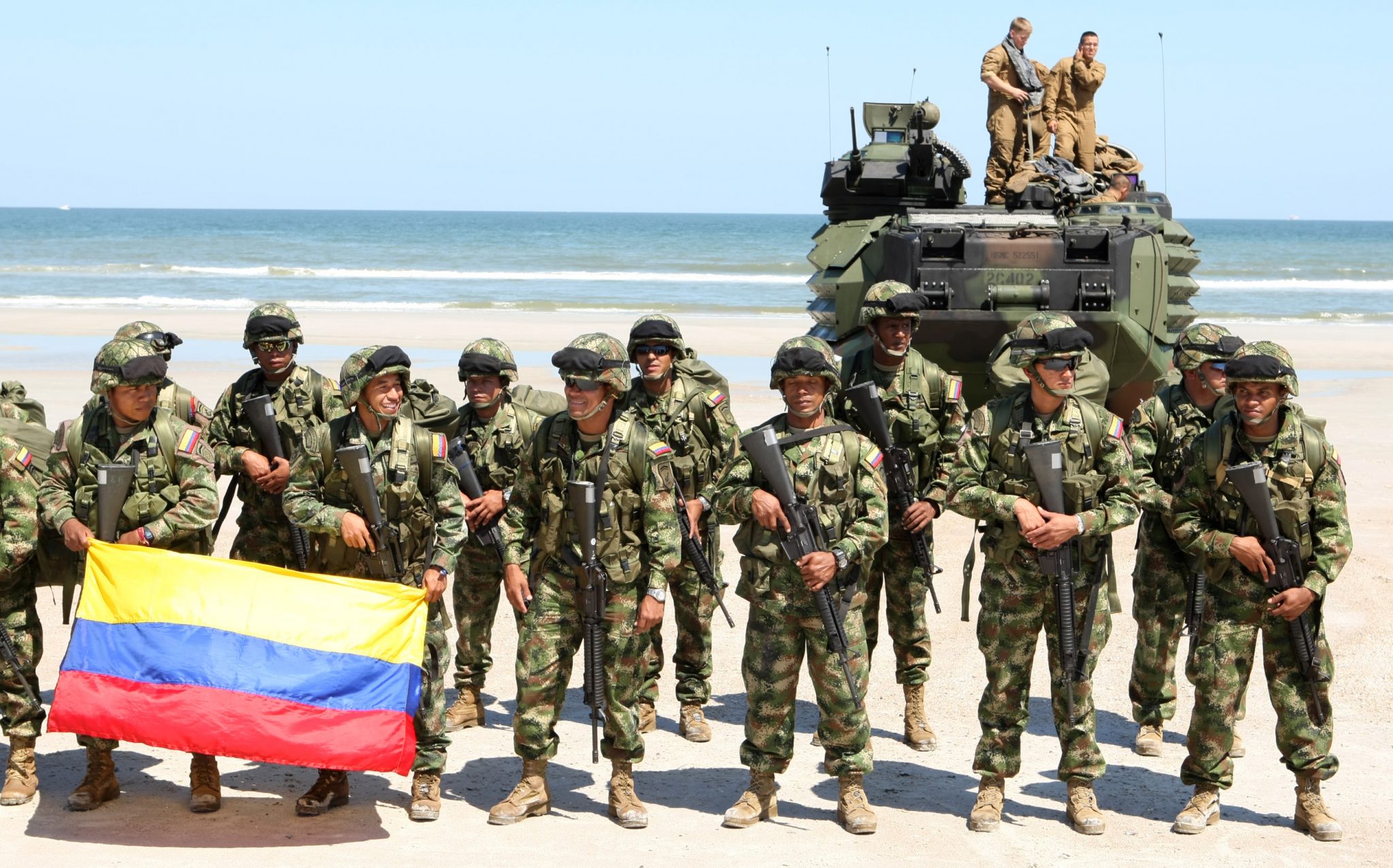
President Joe Biden issued an executive order designating Colombia a Major Non-NATO Ally (MNNA) of the United States. The designation facilitates further weapons transfers from the US to Colombia, and increased military cooperation between the two countries. Colombia is the third MNNA in Latin America, after Brazil and Argentina. Weeks earlier, a delegation of NATO staff visited Colombia to discuss the South American country’s participation in the alliance’s Defense Education Enhancement Program (DEEP). Colombia became NATO’s newest “global partner” in 2018, but this relationship was reinforced last December, when it became a member of the NATO Individually Tailored Partnership Program (ITPP). (Photo: Wikimedia Commons)