South Asia
Aksai Chin

Podcast: Himalayan fault lines in BRICS

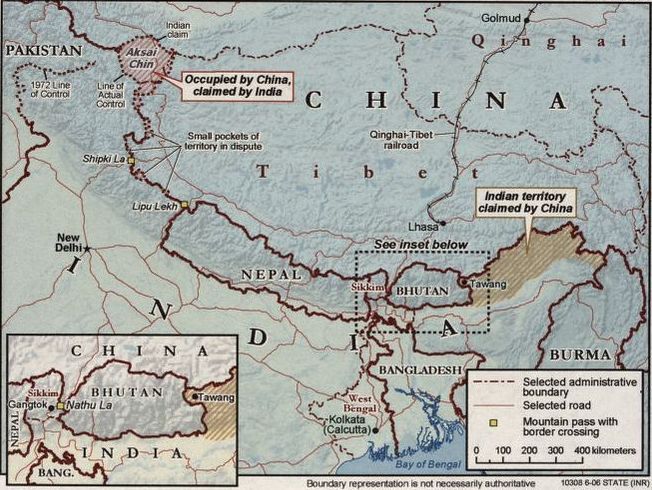
In Episode 189 of the CounterVortex podcast, Bill Weinberg notes that despite all the tankie pseudo-left enthusiasm for the BRICS summit in South Africa, the notion of a unified bloc against Western hegemony is illusory. The Johannesburg confab was immediately followed by a diplomatic spat between China and India, sparked by Beijing’s release of an official map of the territory of the People’s Republic—showing two Himalayan enclaves claimed by India as Chinese territory: Aksai Chin and Arunachal Pradesh, which have both been the scene of border skirmishes in recent years. The map also shows an island in the Amur River, by mutual agreement half controlled by Russia, as entirely Chinese. Moscow, depending on China’s acquiescence in the Ukraine war, has lodged no protest over this. But the border disputes between nuclear-armed India and China have the potential to escalate to the unthinkable. Listen on SoundCloud or via Patreon. (Map: CIA via Wikipedia)
Syria
Afrin

Turkey intransigent on Syria occupation zone

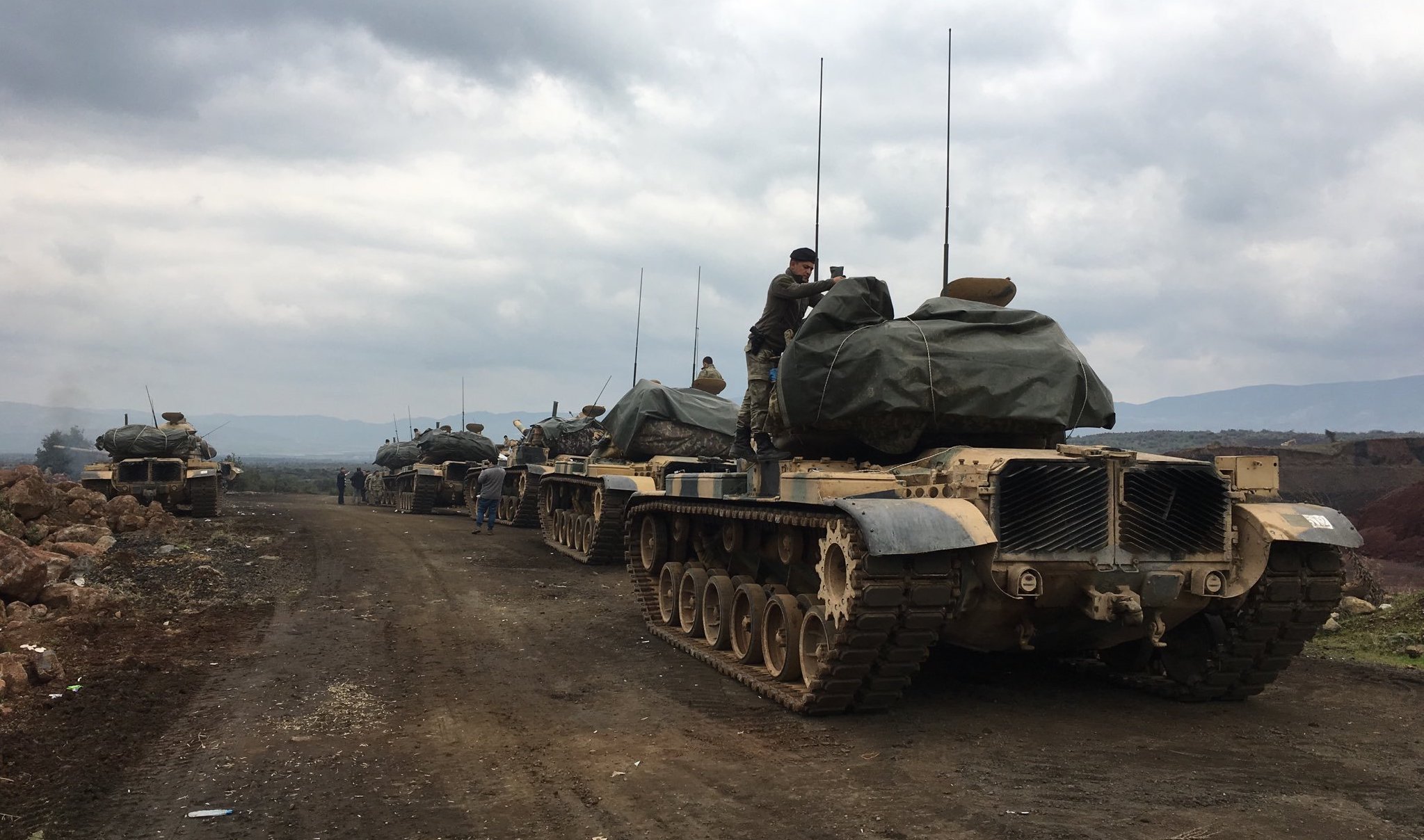
In his drive for “normalization” of his regime, Syran dictator Bashar Assad has been welcoming meetings with regional leaders in recent months. However, in comments to a reporter, he set a withdrawal of Turkish troops from northern Syria as a precondition for any meeting with Turkey’s President Recep Tayyip Erdogan. “Erdogan’s objective in meeting me is to legitimize the Turkish occupation in Syria,” Assad said. Turkey’s Defense Minister Yasar Guler responded by saying: “It is unthinkable for us to withdraw without ensuring the security of our borders and our people.” Ankara continues to demand the establishment of a 30-kilometer deep “buffer zone” cleared of any Kurdish armed groups. (Photo: Mark Lowen via Wikimedia)

Africa
ethiopia

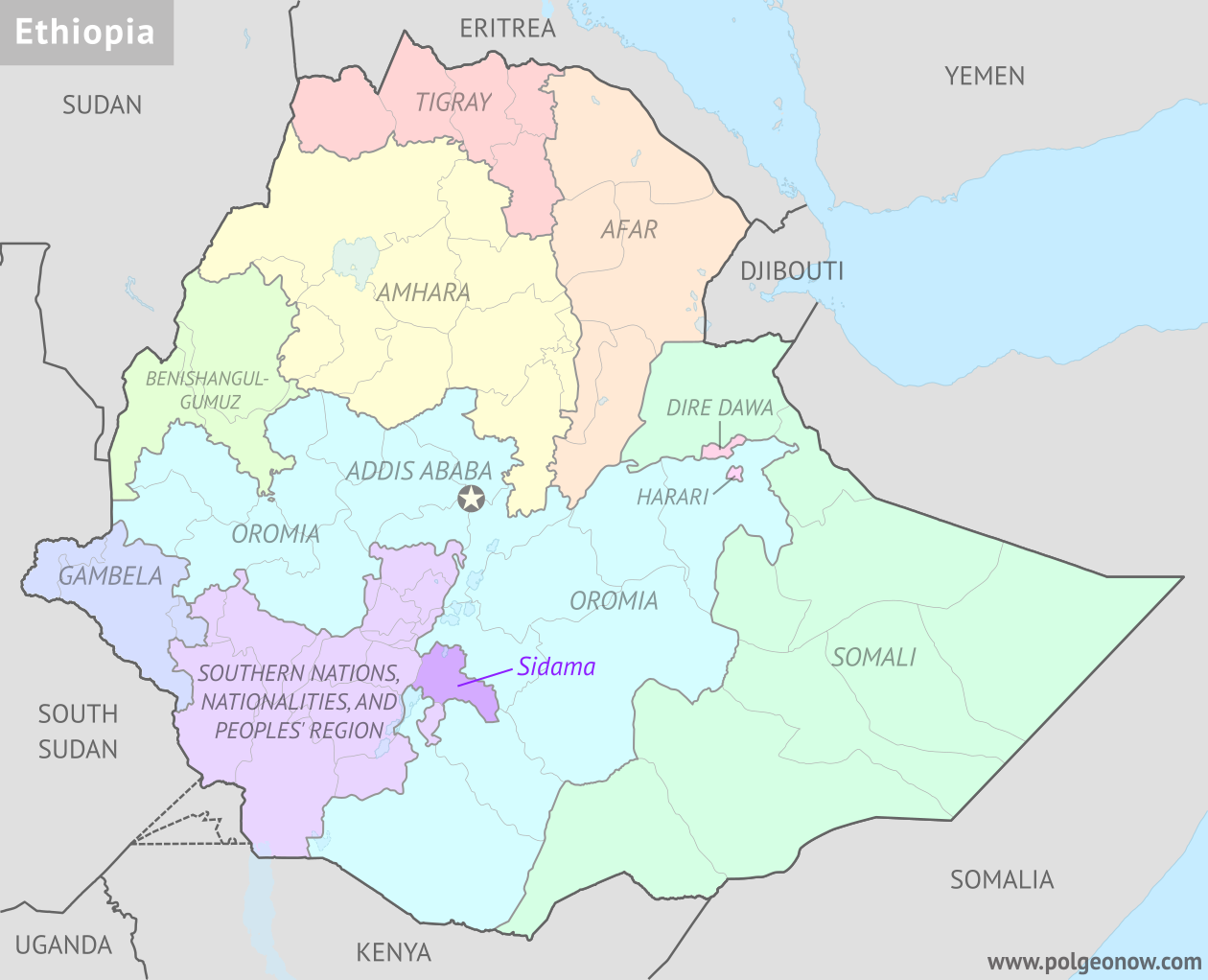
Ethiopia: Eritrean forces still in Tigray?

Eritrea lodged a diplomatic protest with the United Kingdom after the British ambassador to Ethiopia publicly called “for Eritrean forces to withdraw completely back to their own borders.” Eritrean forces intervened in support of Ethiopia’s federal government during the two-year war in northern Tigray region, but supposedly withdrew after last year’s ceasefire. Asmara’s diplomatic statement decried “unwarranted remarks” by the ambassador, without explicitly stating that it no longer has forces in Tigray. A day earlier, the UK Minister of State for Development & Africa issued a finding that “Eritrean forces remaining in Tigray present an obstacle to the overall objective of peace and stability within the region.” The controversy comes 10 months after a formal ceasefire in Tigray that has led to a reduction of violence in the region, although rights abuses and a humanitarian crisis persist, exacerbated by a devastating drought. (Map: Political Geography Now)

Africa
Niger

Podcast: flashpoint Niger

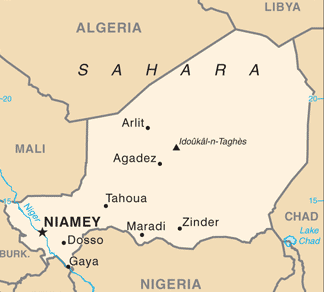
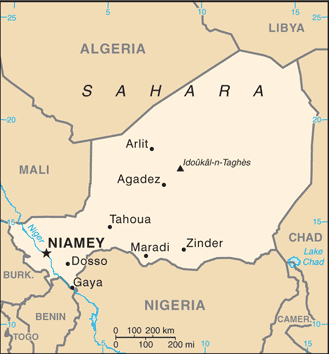
In Episode 186 of the CounterVortex podcast, Bill Weinberg examines the coup d’etat in Niger, which now threatens to plunge West Africa into regional war—with potential for escalation involving the Great Powers. Lines are drawn, with the Western-backed ECOWAS demanding the junta cede power, and Russian-backed Mali and Burkina Faso backing the junta up. Pro-junta demonstrators in Niger’s capital, Niamey, wave the Russian flag—probably to express displeasure at US and French neo-colonialism. The Wagner Group, which already has troops in Mali and Burkina Faso, has expressed its support for the junta, and offered fighters to help stabilize the regime. Elements of the tankie pseudo-left in the West are similarly rallying around the junta. Amid this, leaders of the Tuareg resistance in Niger have returned to arms to resist the new regime, and the country’s mine workers union is also demanding a return to democratic rule. Listen on SoundCloud or via Patreon. (Map: PCL)

North Africa
SADR

Abraham Accords’ betrayal of Sahrawi consolidated

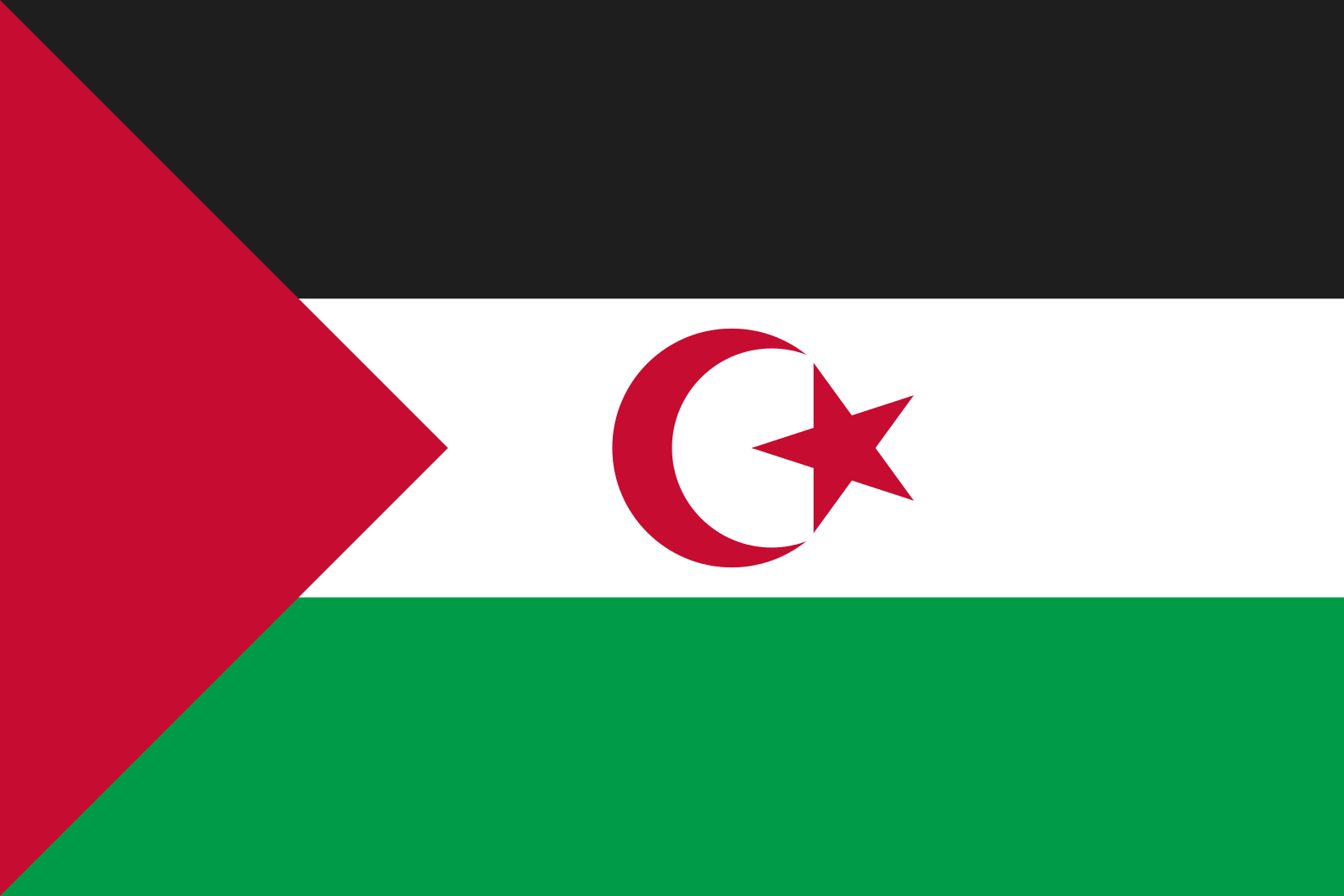
Israel announced that it has formally recognized Moroccan sovereignty over the disputed territory of Western Sahara. The US in 2021 became the first nation to recognize Morocco’s claim to the territory—an open quid pro quo for Moroccan recognition of Israel as a part of the so-called Abraham Accords. Israeli recognition of Morocco’s claim was promised at that time. However, much of the territory is controlled by the Polisario Front, independence movement of the Sahrawi Arab people. Some 45 countries around the world recognize Polisario’s declared Sahrawi Arab Democratic Republic (SADR); the US and Israel are alone in recognizing Rabat’s rule over the territory. (Image: Wikimedia Commons)

Syria
Idlib displaced

Syria: grim reality behind Assad’s new aid offer

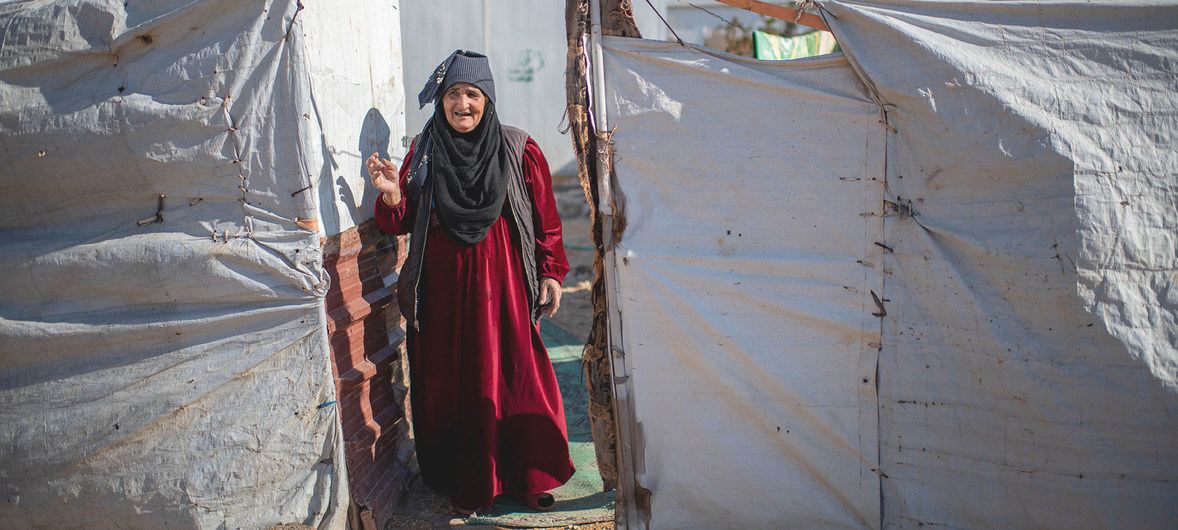
The Security Council has failed to renew the resolution allowing the UN to deliver aid across the border from Turkey to rebel-held northwest Syria, throwing into question the future of a relief effort that is crucial for millions of people. The day after the resolution expired, Russia vetoed a new resolution that would have allowed access through one border crossing into the region, Bab al-Hawa, for nine months. Two days after that, The Assad regime said it will allow UN aid into the northwest via Bab al-Hawa for six months—if it is done “in full cooperation and coordination with the government.” But this is unlikely to be welcomed by many Syrian and international aid groups, given that the current system was set up back in 2014 largely because of the Assad regime’s obstruction of aid. (Photo: UNHCR)

Europe
F-16

Kurds betrayed in Sweden NATO deal

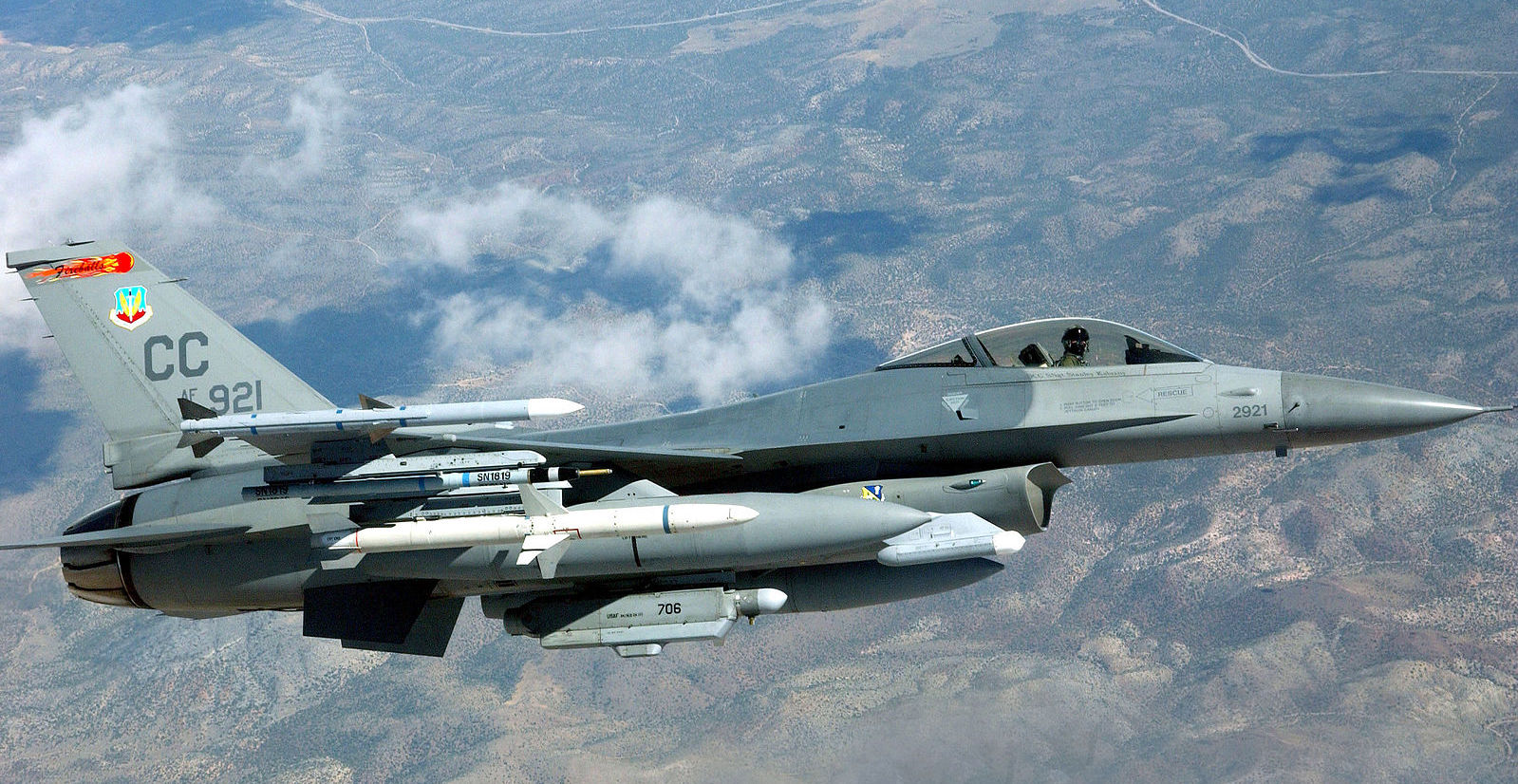
Turkish President Recep Tayyip Erdogan has dropped his opposition to Sweden’s entry into NATO, it was announced ahead of the alliance summit in Vilnius. In an apparent quid pro quo, the Biden administration is dropping its objections to Turkey purchasing F-16 fighter jets from the US. Sweden has also offered concessions to Erdogan. In blocking Sweden’s NATO bid, Turkey had accused Stockholm of harboring Kurdish “terrorists”—meaning supporters of the Kurdistan Workers’ Party (PKK), which Ankara labels a “terrorist” group. Last November, Sweden amended its constitution to strengthen its “anti-terrorism” laws, weakening free-speech protections—clearly in deference to Turkey. The Swedish Supreme Court in June also ruled to allow extradition of the accused PKK figures to Turkey. And the rallies held in Stockholm against the extraditions by Kurdish immigrants and exiles may now be criminalized. (Photo of F-16: USAF via Wikimedia Commons)

Southeast Asia
South China Sea

Podcast: geopolitics of the Barbie affair

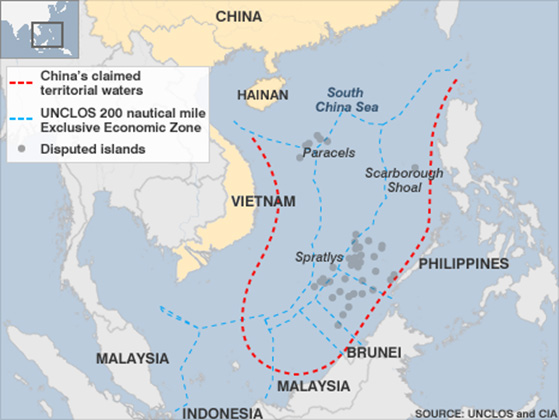
In Episode 181 of the CounterVortex podcast, Bill Weinberg discusses the strange reality that the Barbie move has been banned in Vietnam over a brief image of a world map appearing to show the “nine-dash line” demarcating China’s unilaterally claimed territory in the South China Sea. While US-China brinkmanship over Taiwan wins headlines, Beijing’s maritime dispute with Hanoi holds unsettling potential for escalation. In a surreal paradox (for those who remember their history) Vietnam has actually been tilting to the US in the new cold war with China. It has also been increasingly resorting to internal police-state measures to protect the interests of foreign capital in the country. All of this constitutes a rebuke both to the neoliberals, who cling to the discredited dogma that “free markets” inevitably lead to peace and democracy, and to the tankies, who rally around both the regimes in Beijing and Hanoi, in defiance of political reality. Listen on SoundCloud or via Patreon. (Map via IDSA)

Syria
Jisr al-Shughur

Russia, Israel both still bombing Syria

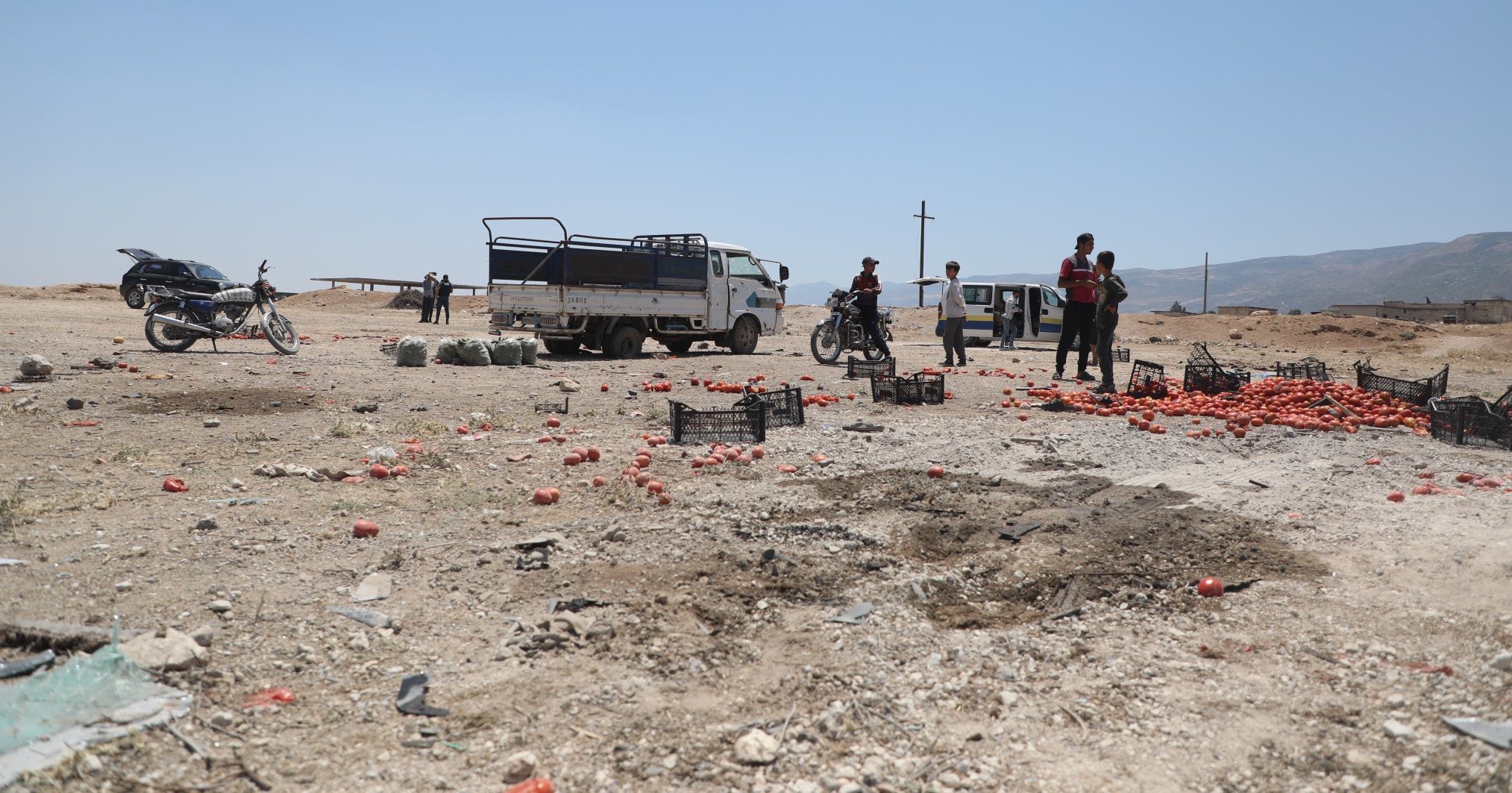
At least 13 people, nine of them civilians, were killed in Russian air-strikes within the so-called “de-escalation zone” in northern Syria’s Idlib province, with some of the strikes hitting a crowded vegetable market. The area targeted in the raid, already suffering a severe displacement crisis, is controlled by the Tahrir al-Sham (HTS) Islamist faction. Meanwhile, sporadic Israeli air-strikes on regime-held Syrian territory also continue—with apparent tacit approval from Russia, as long as they target the Iranian military presence in the country. (Photo: @SyriaCivilDef)

Europe
Belgorod

Podcast: ‘Bad facts’ and the Belgorod incursion

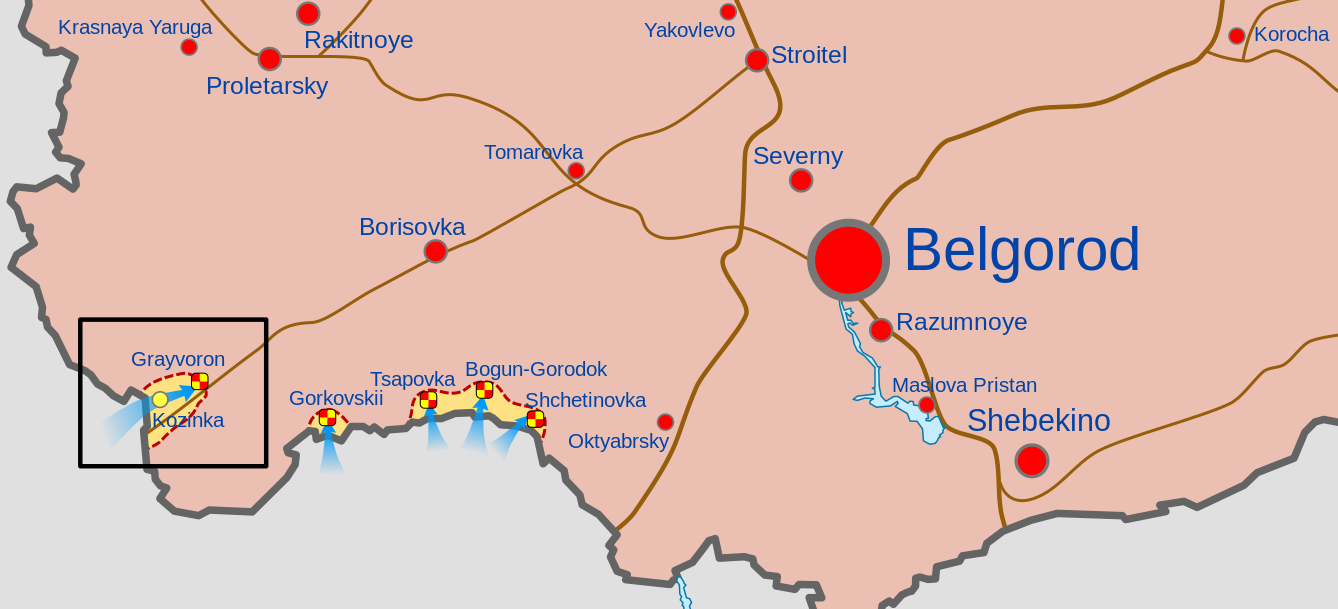
As Russian propaganda portrays Ukraine as a “Nazi state,” exemplifying fascist pseudo-anti-fascism, actual far-right links among forces backed by Kyiv constitute “bad facts” for the Ukrainian cause. In Episode 175 of the CounterVortex podcast, Bill Weinberg examines the self-declared Freedom of Russia Legion and other forces involved in the armed incursion into Belgorod oblast. The incursion force seems to have constituted a strange liberal-fascist alliance, joining fighters seeking a democratic revolution and those seeking an even more totalitarian state. Meanwhile, anti-fascist forces, including Russian anarchist defectors, are also fighting for Ukraine. And an armed resistance has emerged in Belarus—with no indication that its politics are anything other than pro-democratic. Is there hope for a new Russian revolution? Listen on SoundCloud or via Patreon. (Map via Wikimedia Commons)

Europe
Freedom of Russia Legion

What is the Freedom of Russia Legion?

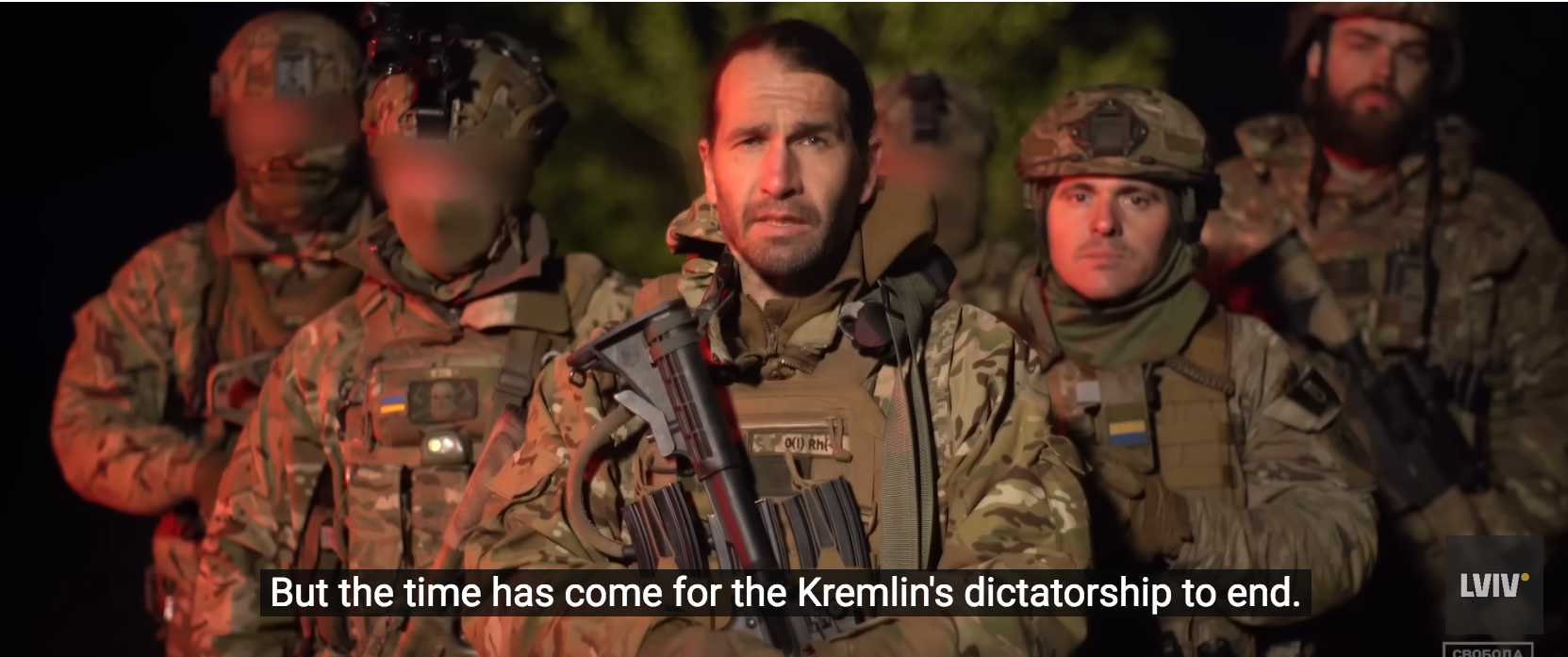
Fighters in armored vehicles crossed into Russia from Ukrainian territory and seized a town in Belgorod oblast. They were only driven out after Russian forces responded with fighter planes and artillery. Two groups claimed responsibility for the raid, both said to be made up of Russians who are fighting for Ukraine. One is the self-proclaimed Freedom of Russia Legion, which released a video message to coincide with the attack, calling on Russians to take up arms “to put an end to the Kremlin’s dictatorship.” The other is the Russian Volunteer Corps (RDK), characterized as far-right nationalists—although this does raise the question of why they are fighting for Ukraine. (Image: LvivMedia via YouTube)

Europe
Red Square

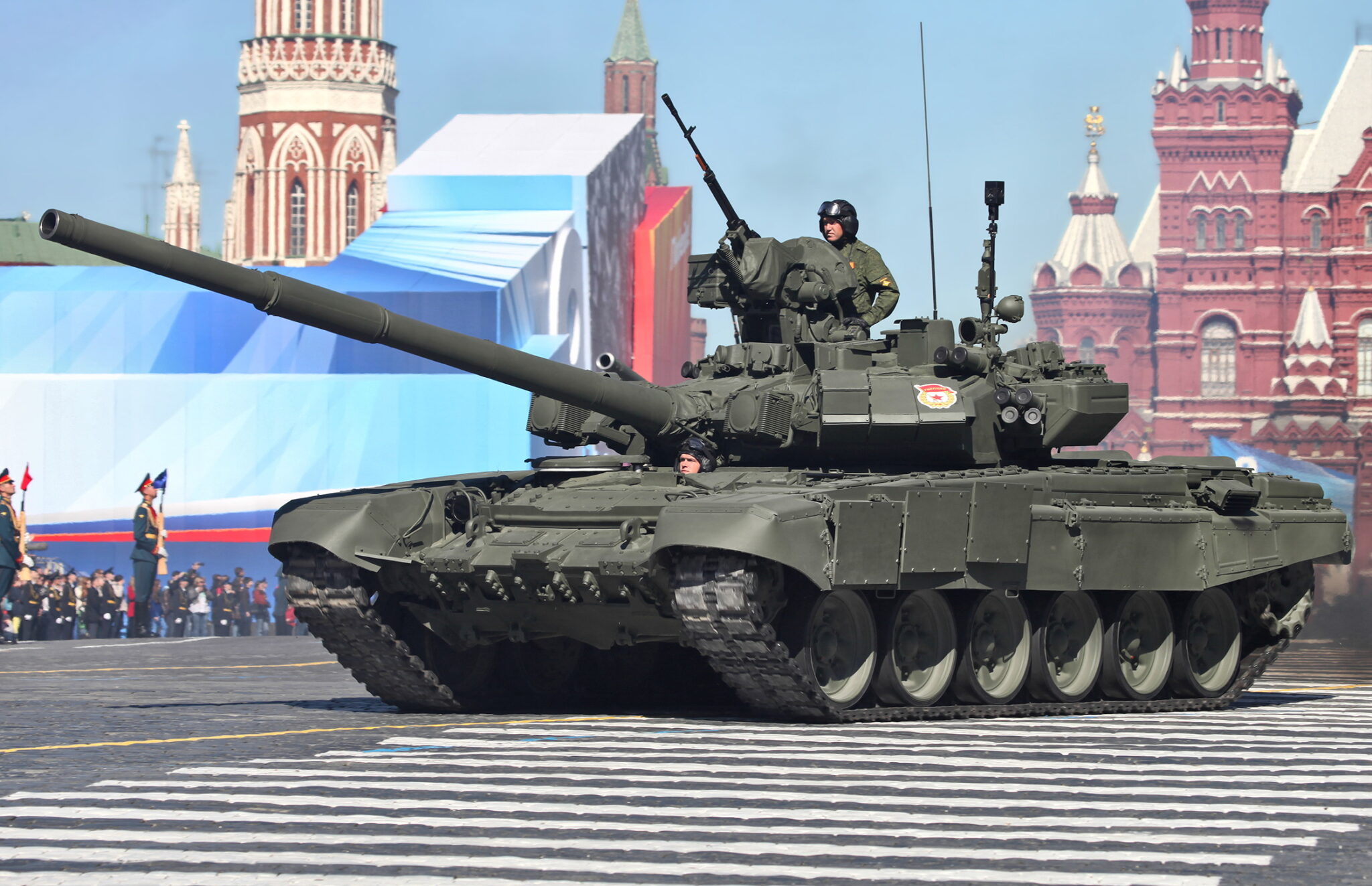
Russia withdraws from Conventional Forces Treaty

In a declaration signed by President Vladimir Putin, Russia announced its withdrawal from the Treaty on Conventional Armed Forces in Europe, the 1990 pact hailed as the “cornerstone of European security.” The treaty limits the contracting parties, including most European powers and the United States, to no more than 20,000 tanks, 20,000 artillery units, 30,000 armored vehicles, 6,800 warplanes and 2,000 attack helicopters. This marks a further development in Russia’s divergence from international norms since launching its war in Ukraine. This February, exactly a year since the start of the invasion, Moscow announced its withdrawal from the New Strategic Arms Reduction Treaty (New START), the last remaining nuclear arms pact between Russia and the US. (Image: Vitaly Kuzmin via CBRNPro.net)