Africa
Sahel

Mounting massacres across Africa’s Sahel nations

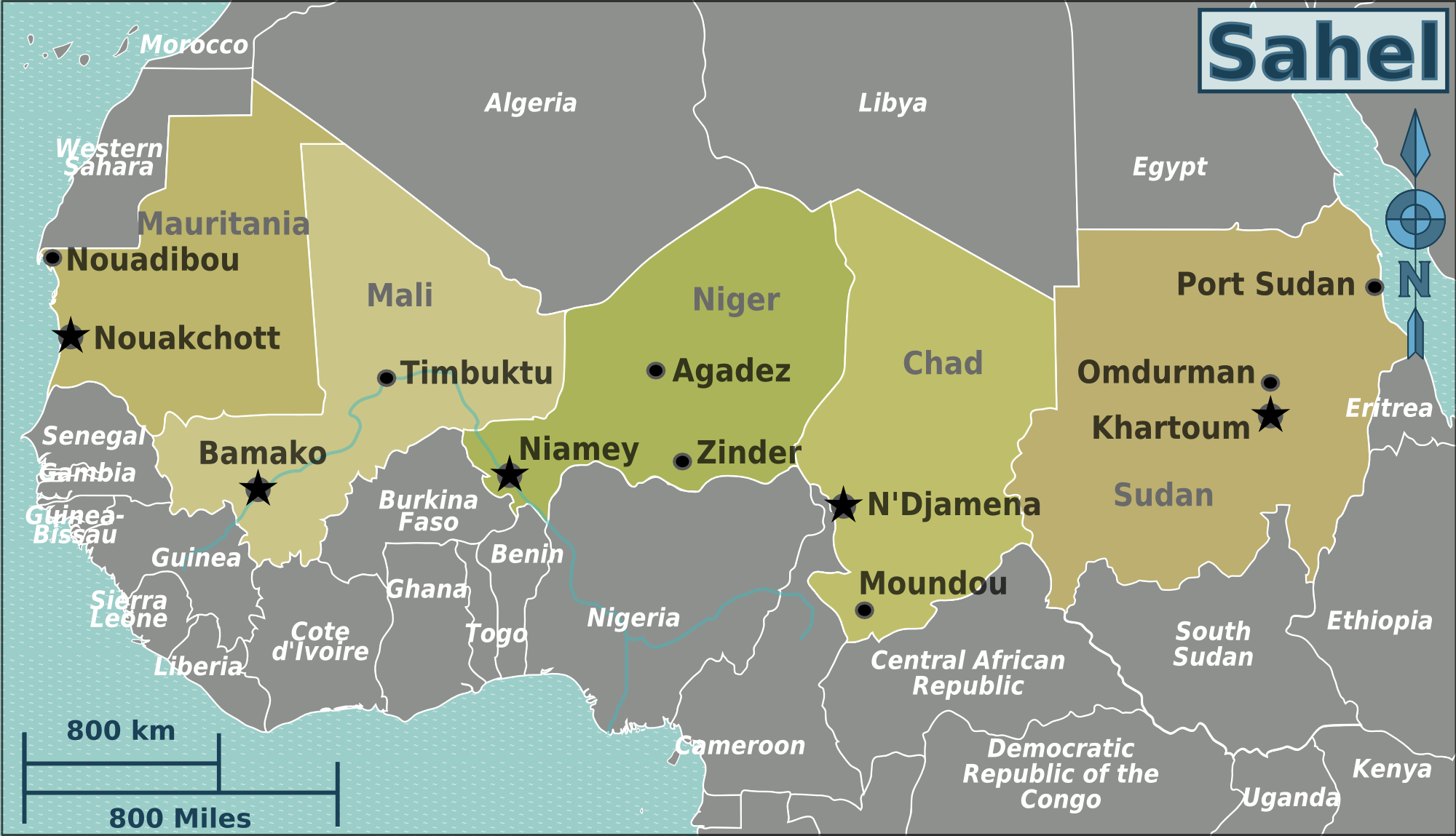
The tri-border region where the Sahel countries of Niger, Mali and Burkina Faso come together is the scene of fast-mounting massacres by presumed Islamist militants. Attacks on civilians and security forces alike have left hundreds dead this month. In Niger, peasants were gunned down while working their fields in Banibangou village—an attack attributed to a local ISIS franchise. In Mali, ongoing deadly attacks have caused a massive population exodus in several regions of the country, including Menaka, Mopti, Gao, Timbuktu and Sikasso. “Violence is spreading so rapidly across Mali that it threatens the very survival of the state,” said UN human rights expert Alioune Tine after a visit to the country. (Map: Wikivoyage)

Afghanistan
kabul protest

Afghanistan: Taliban unleash first terror

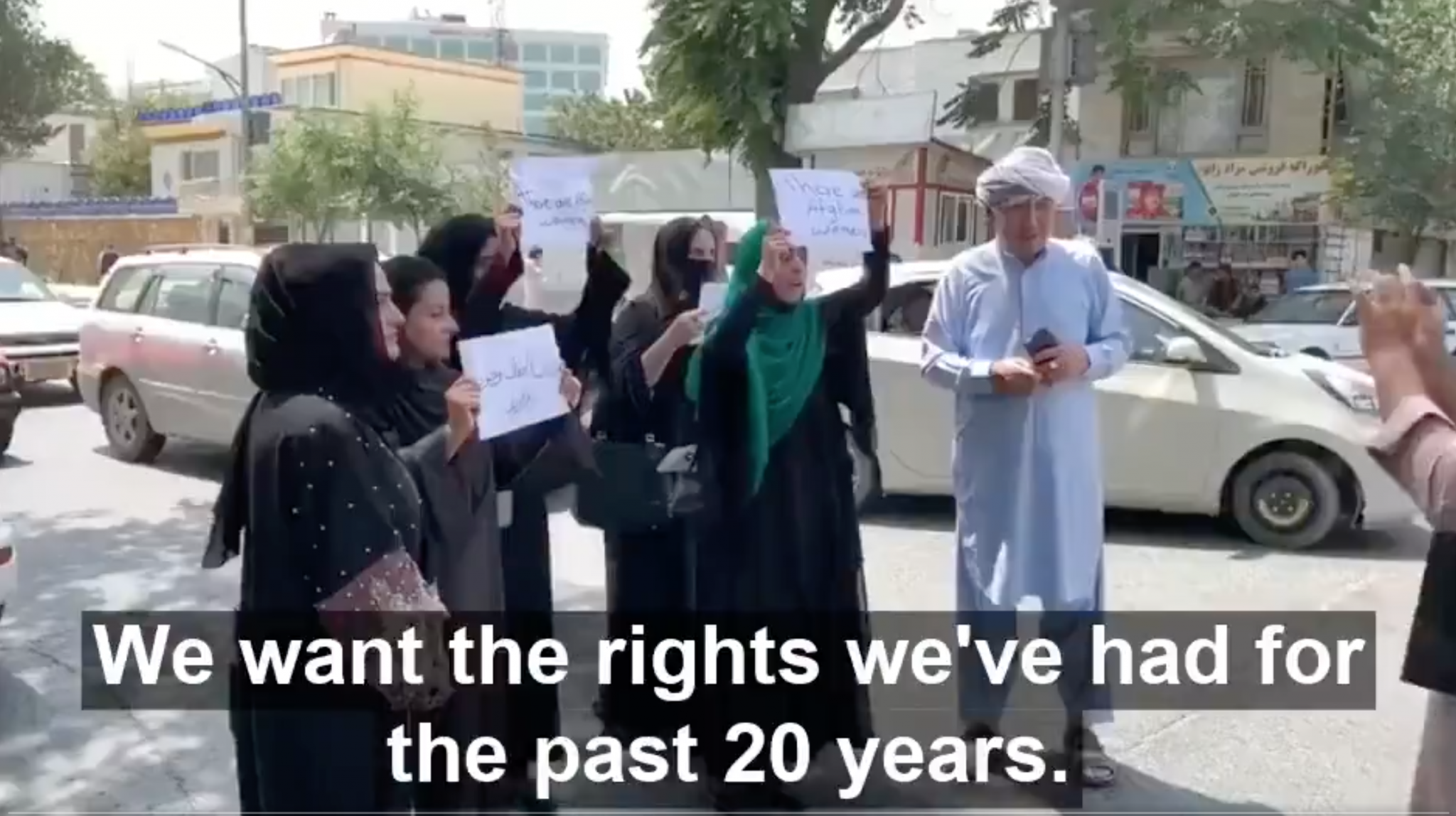
As the Taliban, now in full control of Kabul, pledge an “inclusive” Afghan government in prepared press statements, deadly repression against anti-Taliban protesters is reported from the eastern city of Jalalabad. The day before Afghanistan’s independence day, protesters took to the streets of Jalalabad waving the black, red and green national flag—and tearing down the white and black Tawhid flag of the Taliban. Witnesses said Taliban fighters fired on protesters indiscriminately, and at least three were killed. On the day that Afghanistan won full independence from Britain in 1919, a similar protest was held in Khost, where social media videos again show Taliban fighters firing on demonstrators. No casualties were reported, but the city has been placed under a 24-hour curfew. A small demonstration by women demanding that their rights be respected was held  outside a police precinct in Kabul. “We want the rights we’ve had for the past 20 years,” signs read.  (Photo via Twitter)

Africa
Nigeria

Sectarian massacre in Nigeria’s Plateau state

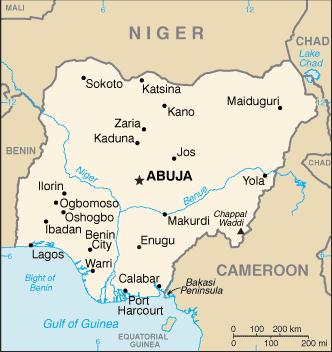
Nigerian authorities imposed a curfew in Jos, capital of north-central Plateau state, after at least 20 Muslim travelers passing through the city were massacred by a presumed Christian militia. The Muslims, mostly of the Fulani ethnicity, were in a convoy of vehicles, returning to their homes in Ondo and Ekiti states from a celebration in neighboring Bauchi state marking the start of Muharram, the Islamic new year. In Jos, the convoy was caught in a traffic jam, and the vehicles set upon by militiamen, the occupants slain with machetes, daggers and other weapons. The assailants were apparently Christians of the Irigwe ethnicity. Northern and central Nigeria have for years seen growing violence between Muslim semi-nomadic herders and Christian farmers over control of land and water. (Map: Perry-Castañeda Library)

Afghanistan
afghanistan

Afghanistan: Taliban seize provincial capitals

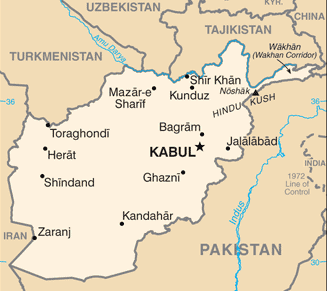
Taliban forces have dramatically stepped up their rapid advance across Afghanistan, seizing 11 capitals of the country’s 34 provinces. Herat and Ghazni, a strategic gateway to the national capital Kabul, were the most recent to fall. The northern city of Mazar-e-Sharif is besieged, and India’s military is mobilizing an airlift to evacuate the country’s nationals there. Kandahar, in the Taliban’s southern heartland, is also the scene of heavy fighting, as is Lashkar Gah, capital of adjoining province of that name. Reports of rights violations that “could amount to war crimes and crimes against humanity” have emerged from areas under Taliban control. More than 359,000 Afghans have been displaced this year, bringing the total displaced in the country to over 5 million. (Map: Perry-Castañeda Library)

Afghanistan
afghanistan

Podcast: Afghanistan and the politics of withdrawal

In Episode 82 of the CounterVortex podcast, Bill Weinberg calls out the Orwellian pronouncements from media and politicians that Biden is “ending the war” in Afghanistan—as the war is actually escalating. This is the same imperial narcissism we heard with the much-hyped US “withdrawal” from Afghanistan in 2014, and the US “withdrawal” from Iraq in 2011. In both cases, the war went on—and actually got worse, with the emergence of ISIS and the genocide of the Yazidis. Weinberg recalls with grim vindication that he similarly called out the glib optimism about a  withdrawal from Iraq in CounterVortex commentaries during the occupation. Meanwhile, Hazara women—who face the threat of genocide if the Taliban re-take power—are arming to resist the Taliban advance. The critical task now is to loan what solidarity and visibility we can to such efforts—not to engage in hubristic crowing about the “end of the war.” Listen on SoundCloud or via Patreon. (Map: Perry-Castañeda Library)

Europe
srebrenica

Podcast: against Bosnia revisionism

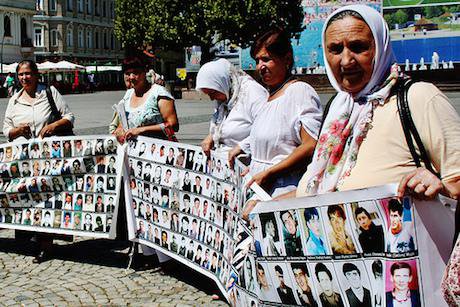
In Episode 79 of the CounterVortex podcast, Bill Weinberg marks the 26th anniversary of the Srebrenica massacre in Bosnia, and reads selections from Surviving the Peace: The Struggle for Postwar Recovery in Bosnia-Herzegovina by Peter Lippman. In his final chapter, “Atrocity Revisionism,” Lippman deftly deconstructs the rank genocide denial we have seen from paradoxical icons of the “left” such as Noam Chomsky and Edward Herman. Presaging the similar denialism now seen concerning Syria, these “left” pundits created an impression among their gullible admirers that there was no genocide at Srebrenica—despite the fact that the remains of over 7,000 of the presumed 8,000 victims of the massacre have now been exhumed from mass graves and identified by the International Commission on Missing Persons (ICMP). Listen on SoundCloud or via Patreon. (Photo of Srebrenica surviviors with images of the slain and missing: The Advocacy Project via OpenDemocracy)

Syria
syria chemical attack

Podcast: chemwar and pseudo-left disinformation

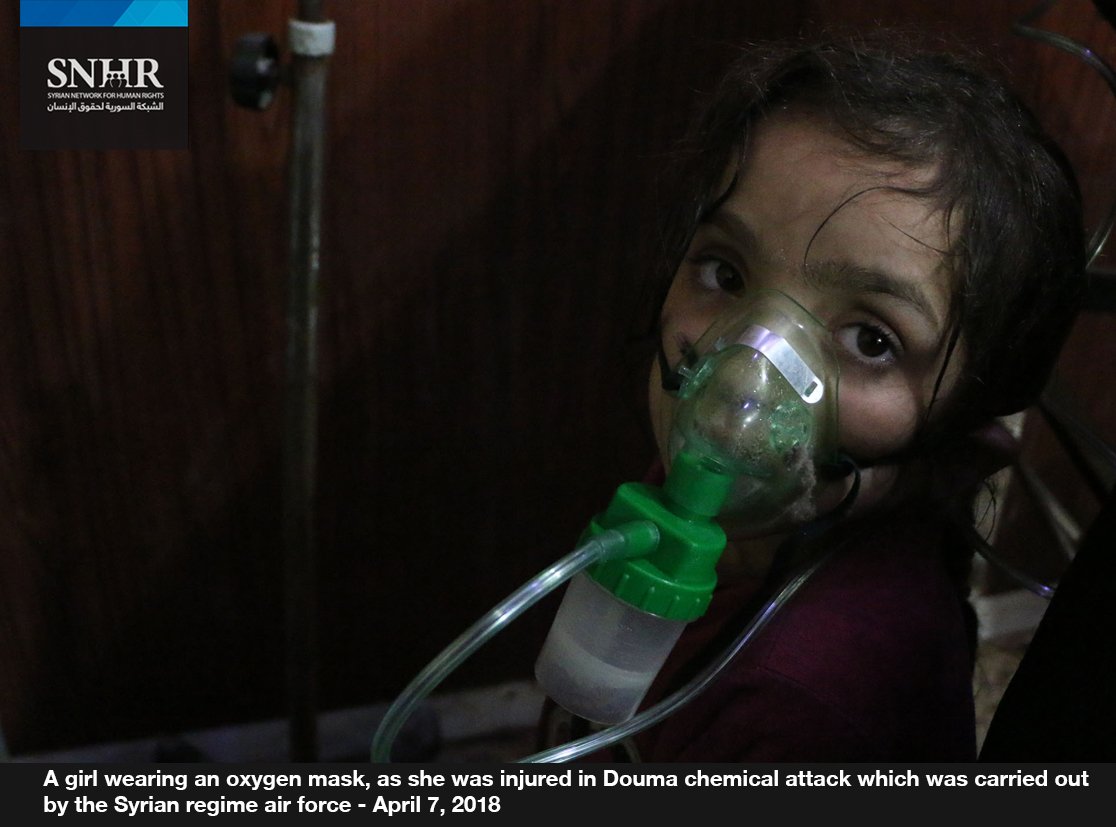
In Episode 77 of the CounterVortex podcast, Bill Weinberg applauds The Young Turks for challenging the increasingly hegemonic pro-Assad consensus on the American “left,” with incisive programming on the 2018 Douma chemical attack and this year’s sham elections that confirmed the dictator’s rule. For calling out the relentless disinformation, they are of course coming under withering attack from Aaron Maté, Jimmy Dore, Katie Halper, Roger Waters and other stateside exponents of the Kremlin propaganda machine. Disgracefully, similar exponents, e.g., Ben Norton, are now predictably lining up behind the Burmese junta. Forthright repudiation of this toxic tendency is long overdue. But does the TYT critique go far enough? Listen on SoundCloud or via Patreon. (Photo: SNHR)

The Andes
false positives

Colombia: ex-prez apologizes for ‘false positives’

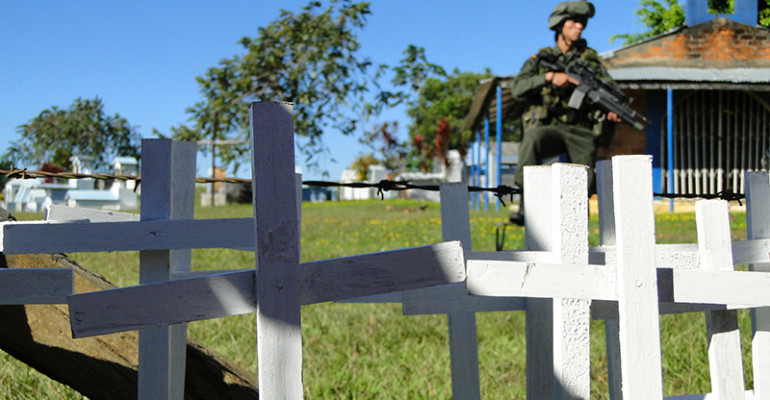
Colombia’s ex-president Juan Manuel Santos, who won a Nobel Peace Prize for bringing an end to the country’s long internal war, publicly apologized for his role in the practice of “false positives“—extrajudicial executions by the armed forces, in which the victims were reported as guerillas slain in combat. The apology came in testimony before Colombia’s Truth Commission, created under the peace process that Santos himself initiated. Santos admitted that most of the “false positives” took place when he served as defense minister under the hardline president Álvaro Uribe, and that he initially turned a blind eye to the practice. (Photo: Contagio Radio)

Europe
Srebrenica

Bosnia genocide conviction: Russia cries foul

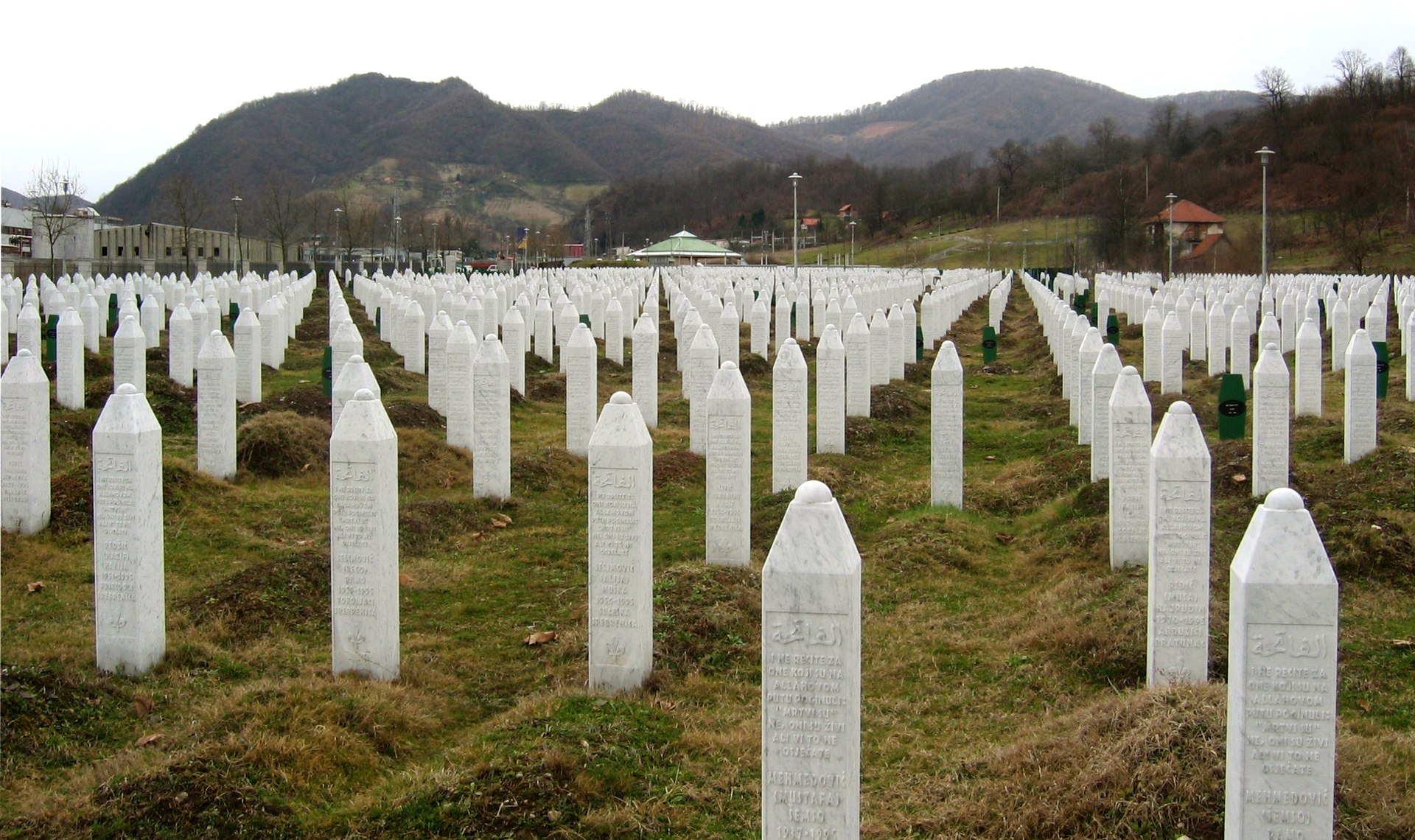
Former Bosnian Serb commander Ratko Mladic lost his appeal of a 2017 conviction for genocide, war crimes and crimes against humanity. The Appeals Chamber of the International Residual Mechanism for Criminal Tribunals (IRMCT) upheld the life sentence for his role in the killing of some 8,000 Bosnian Muslims at Srebrenica in 1995. The Chamber also upheld his convictions for persecution of Bosnian Muslims and Croats, and terrorizing the population of Sarajevo with a campaign of shelling and sniping during the siege of the city. The Chamber also reaffirmed his acquittal on charges of carrying out genocide in five other Bosnian municipalities in 1992—a disappointment for surviving residents. However, Russia’s Foreign Ministry protested the upholding of the convictions, accusing the The Hague court of “hypocrisy.” (Photo of Srebrenica Genocide Memorial via Wikipedia)

Watching the Shadows
Roger Waters

Roger Waters: just another brick in the wall

In Episode 74 of the CounterVortex podcast, Bill Weinberg rises to the odious duty of deflating an idol of his youth—former Pink Floyd frontman and creative genius Roger Waters. While he grandstands against the bombardment of Gaza, Waters spreads propaganda that seeks to deny and whitewash the equal and even greater crimes of Syria’s genocidal dictator Bashar Assad. Pink Floyd’s 1979 album The Wall satirized rock stars who flirted with fascism, but Waters has now perversely turned into just what he was satirizing back then. Listen on SoundCloud or via Patreon. (Image via Wikipedia)

The Amazon
Madre de Dios

Podcast: indigenous survival and the crisis in Peru

In Episode 73 of the CounterVortex podcast, Bill Weinberg interviews Thomas Moore, anthropologist, advocate for indigenous cultural survival, and author of the newly released book, Madre de Dios: Refugio de Pueblos Originarios. The remote rainforest region of Madre de Dios in Peru’s southern Amazon is a last refuge for isolated indigenous peoples, but is now massively threatened by mining, timber and other resource interests that operate in a semi-legal gray zone in a nexus with criminal networks. Peru has made some progress in complying with international norms on protection of isolated peoples, but these advances stand to be dramatically reversed if far-right candidate Keiko Fujimori comes to power in the pending run-off election. Listen on SoundCloud or via Patreon. (Image: Amarakaeri)

The Andes
antikeiko

Peru: mass mobilization against neo-fujimorismo

Under the slogans “Fujimori nunca más” and “Keiko No Va,” many thousands of Peruvians filled the streets of Lima and cities across the country to repudiate the presidential candidacy of Keiko Fujimori, contender of the far-right Fuerza Popular party and daughter of imprisoned ex-dictator Alberto Fujimori. The lead contingent in the rally that filled downtown Lima’s Plaza San Martín was composed of survivors of the reign of terror during the 1992-2000 Fujimori dictatorship. Large mobilizations were also held in Arequipa, Cuzco, Huancayo, Ayacucho, Huánuco, Tacna, and other cities. Two weeks ahead of a run-off vote, despite far greater campaign and media resources, Fujimori is trailing her rival Pedro Castillo of Perú Libre, a left-populist former teacher and union leader from a rural area of northern Cajamarca region—far from the center of power in Lima. (Photo via Twitter)