Greater Middle East
syria

UN rights office decries escalating repression across Middle East

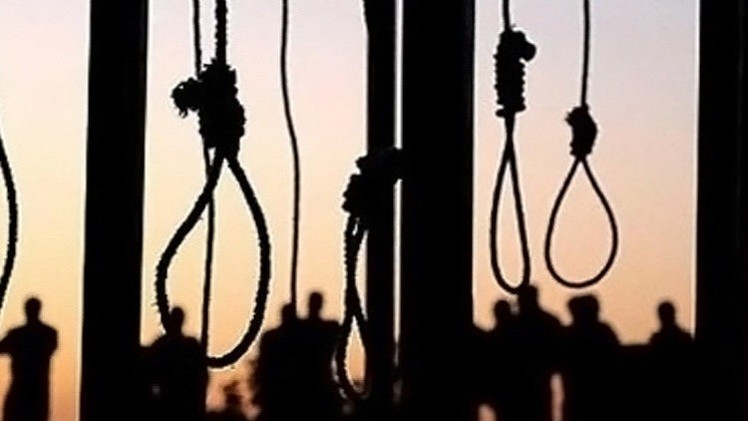
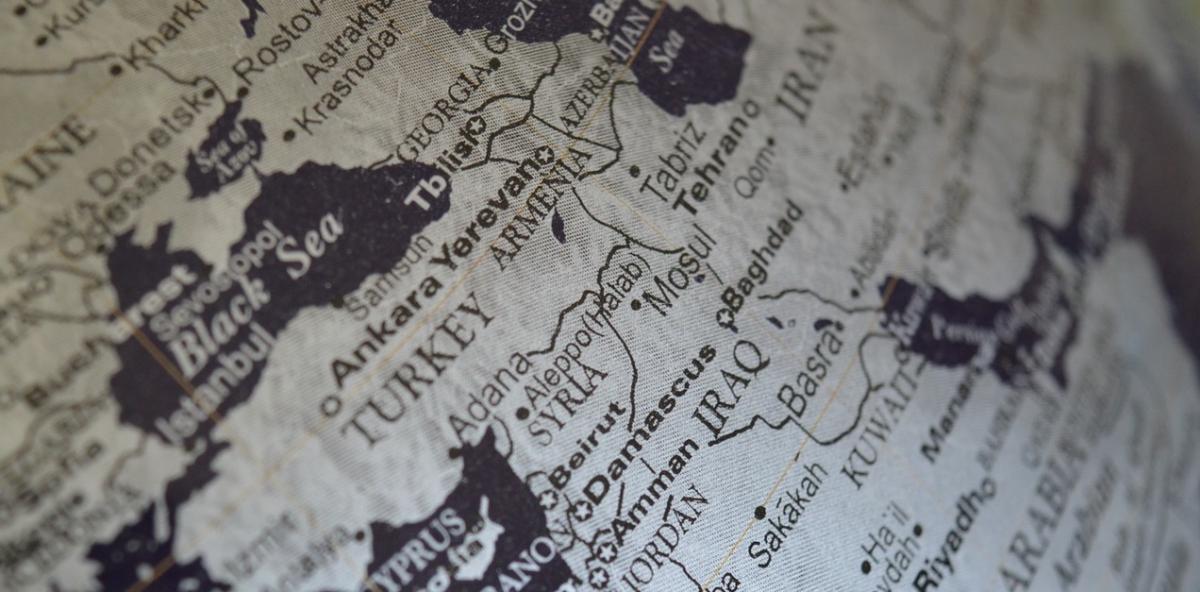
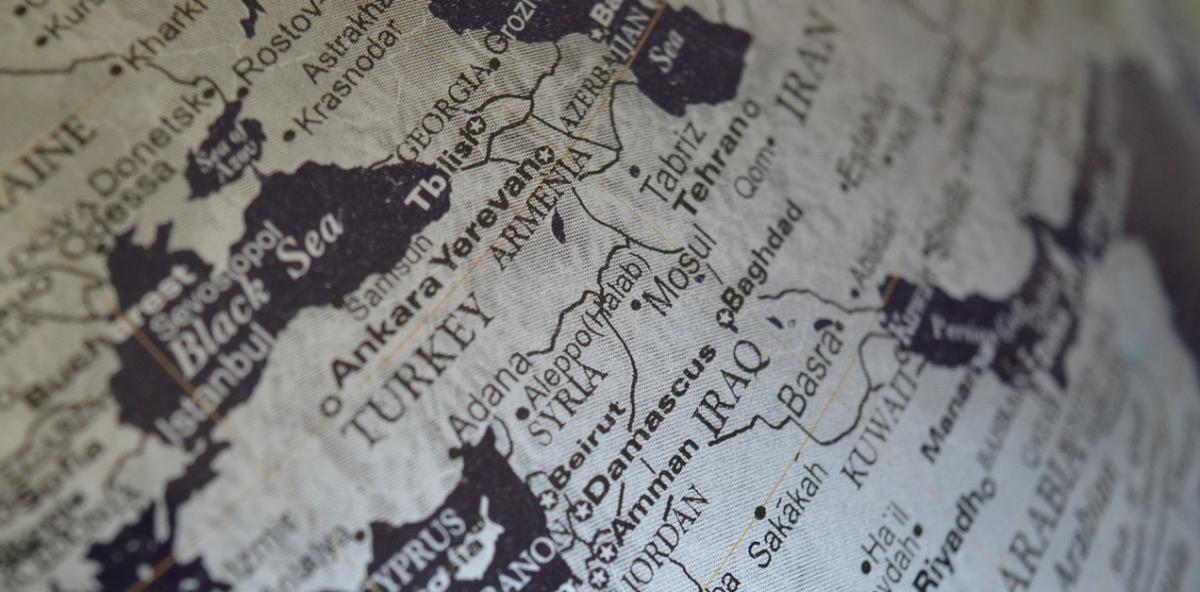
UN Human Rights Chief Volker TĂĽrk warned that repression of freedom of expression across the Middle East has deepened significantly since the US-Israeli attacks on Iran commenced at the end of February. In Iran, approximately 2,345 people have been arrested on charges related to national security. Many of these, as well as more arbitrarily arrested during the January protests, are being held in harsh conditions and incommunicado detention. The state has also cut internet access to prevent external sharing of information. Three protestors were publicly hanged in March after being convicted of “waging war against God” based on “confessions” obtained under torture. Many more are at imminent risk of execution. But hundreds of arbitrary arrests for online anti-war dissent have also taken place in the Gulf states that Iran has been targeting with missile strikes, with TĂĽrk warning of a “sharp securitization of civic space across the region.” (Image: Pixabay)

Palestine
Jerusalem

Discriminatory Israel death penalty bill denounced

The International Centre of Justice for Palestinians joined with other Palestinian and Israeli human rights groups to denounce Israel’s new death penalty bill, saying it represents “an extreme escalation in Israel’s genocidal policies against Palestinians.” The bill, which imposes a mandatory death penalty on West Bank Palestinians for vaguely defined “terrorism” offenses, was passed by the Knesset above international protests. (Photo: RJA1988 via Jurist)

North Africa
kabylie

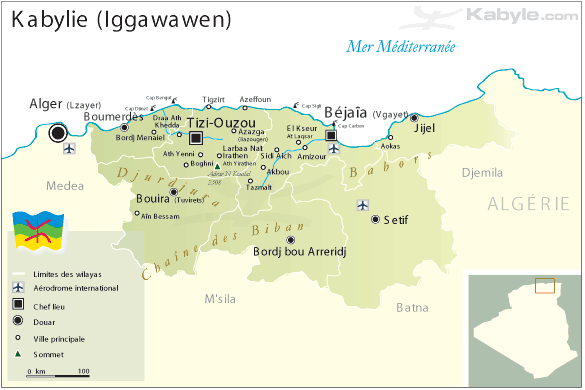
Algeria: retrial opens for Kabylia activists facing execution

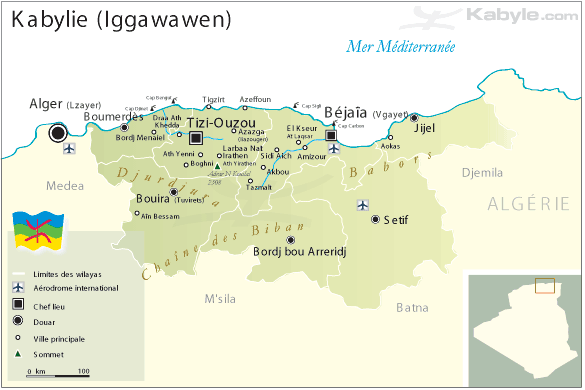
Amnesty International pressed for Algerian authorities to ensure that the retrial of 94 people in the violent events of August 2021 in the Kabylie region complies with international human rights safeguards, emphasizing opposition to use of the death penalty and warning against any form of torture. The defendants are charged in the lynching of a man wrongly accused of starting devastating wildfires that ravaged Algeria in 2021. However, Amnesty found that the convictions against several of the accused appear to have been politically motivated, as they were affiliated with the Movement for the Self-determination of Kabylie (MAK), designated as a terrorist organization by authorities. The retrial was ordered by the Supreme Court, which found the convictions had been tainted by irregularities, including evidence coerced through torture. At least 38 defendants may face death sentences. (Map: Kabyle.com)

Planet Watch
executions

UN condemns ‘alarming’ global increase in executions

The UN Human Rights Office raised concern over a “sharp hike” in the number of executions globally in 2025. UN High Commissioner for Human Rights Volker TĂĽrk said his office “monitored an alarming increase in the use of the capital punishment in 2025, especially for offences not meeting the ‘most serious crimes’ threshold required under international law, the continued execution of people convicted of crimes committed as children, as well as persistent secrecy around executions.” The increase primarily came from executions for drug-related offenses in a small number of retentionist states. These are countries that continue to retain capital punishment, as opposed to the growing number of abolitionist states. which do not employ the death penalty. (Photo: ICHRI)

Iran
#iranprotests

Iran: mass repression under internet blackout

As angry protests spread across Iran, the government has shut down internet and telecommunications access across the country. Under the cloak of internet darkness, there is reason to believe a general massacre of demonstrators is underway, with reports emerging of hospitals overwhelmed with casualties. Some estimates have placed the death toll at nearly 600. The Iranian government has only intensified its rhetoric. Chief Justice Gholam-Hossein Mohseni-Ejei promised no leniency for protesters, whom he characterized as “enemies of the Islamic Republic of Iran.” (Image: Hajar Morad via Twitter)

Palestine
Jerusalem

UN rights chief urges Israel to drop death penalty bill

UN High Commissioner for Human Rights Volker TĂĽrk urged the Israeli government to abandon proposed legislation that would mandate death sentences exclusively for Palestinians in specific cases—for crimes committed both in Israel and the Occupied Palestinian Territory. TĂĽrk stated that the legislation is “inconsistent with Israel’s obligations'” under the International Covenant on Civil & Political Rights. He also raised concerns over the “introduction of mandatory death sentences, which leave no discretion to the courts, and violate the right to life.” The rights chief asserted that Israel has frequently violated the fair trial protections enshrined in the Fourth Geneva Convention for Palestinians in the West Bank or Gaza, adding that this “amounts to a war crime.” (Photo: RJA1988 via Jurist)

Iran
Zahra Tabari

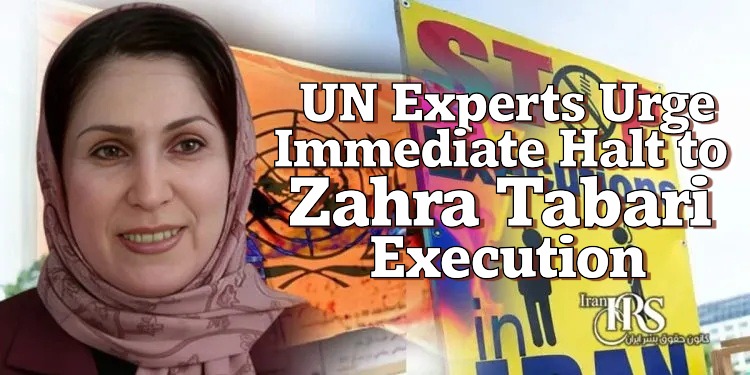
Iran: halt execution of women’s rights activist

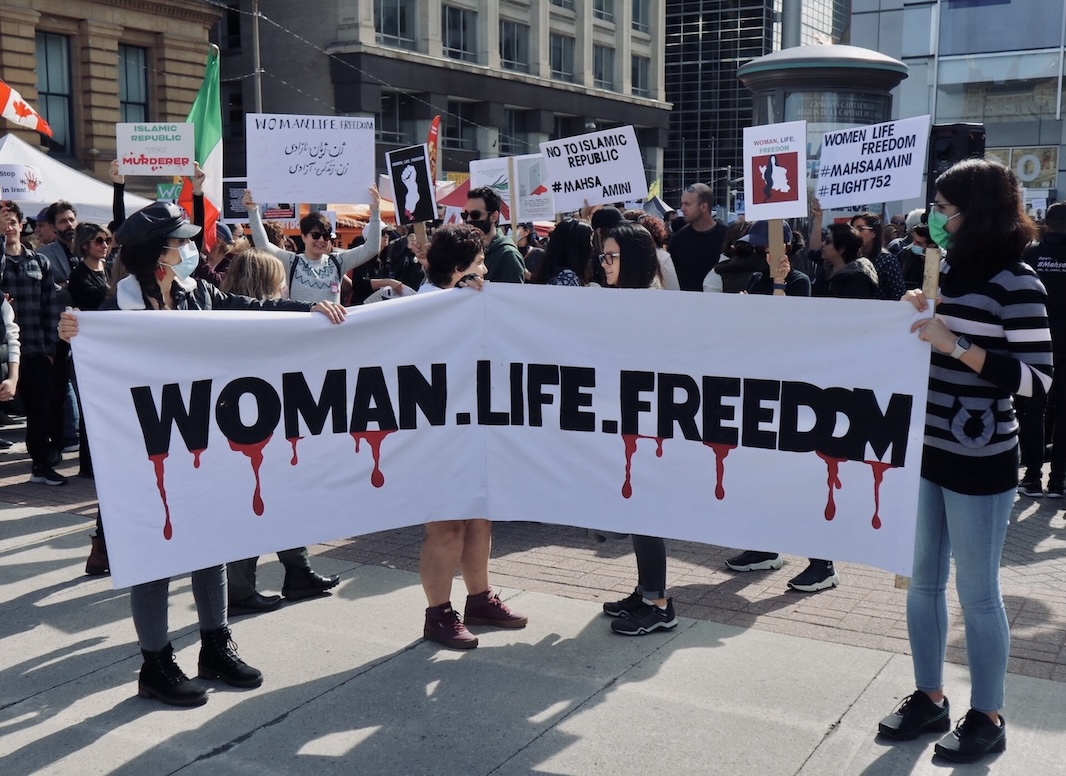
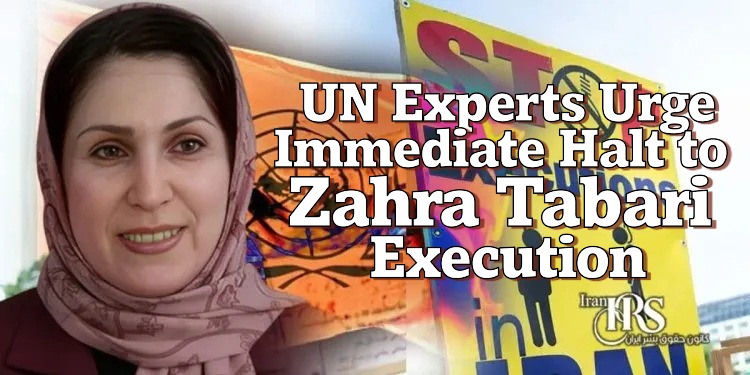
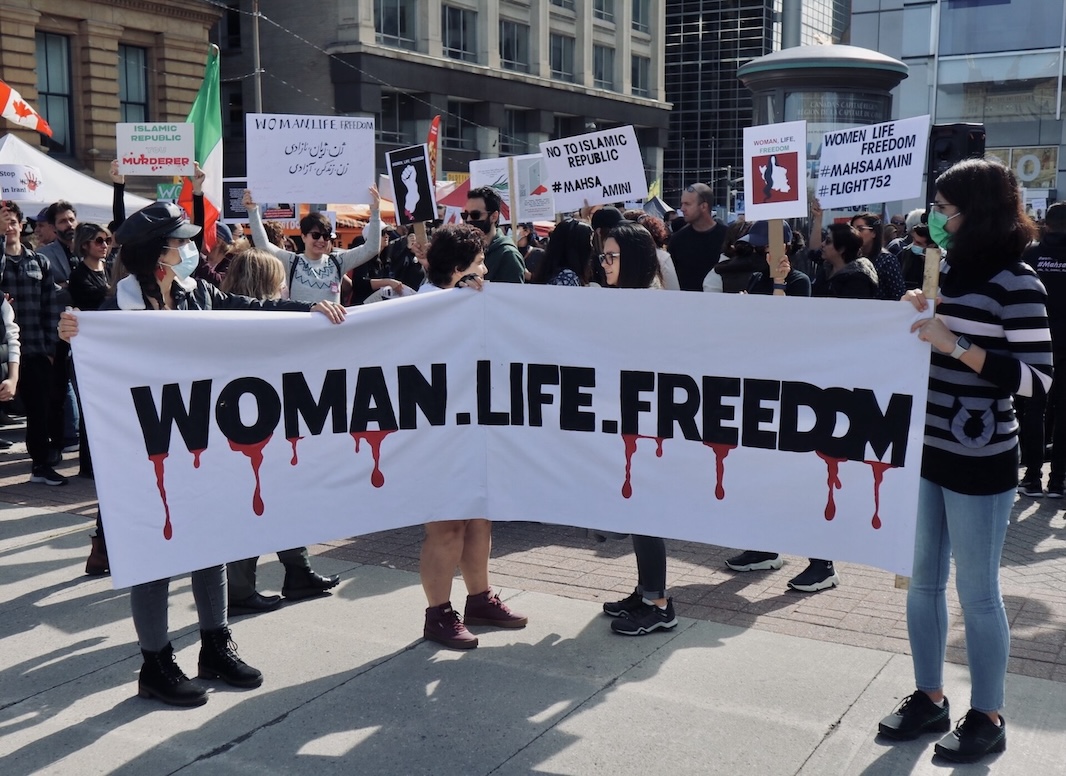
United Nations experts urged Iran to immediately halt the execution of Zahra Shahbaz Tabari, a 67-year-old electrical engineer detained at Lakan Prison in Rasht. In their statement, the experts detailed severe procedural violations, including arrest without a warrant, prolonged solitary confinement, a trial lasting less than ten minutes via video conference, and denial of access to a chosen lawyer. The experts emphasized that the International Covenant on Civil and Political Rights (ICCPR), which Iran ratified in 1975, restricts the death penalty to the “most serious crimes,” involving intentional killing. Experts noted that Tabari’s case—involving the possession of a banner with a protest slogan and an unpublished audio message—did not meet this threshold. The banner bore the words “Woman, Resistance, Freedom” —a popular slogan from the 2022 protests in Iran. (Photo: Iran Human Rights Society)

Greater Middle East
Yemen

Yemen: Houthi authorities round up opposition

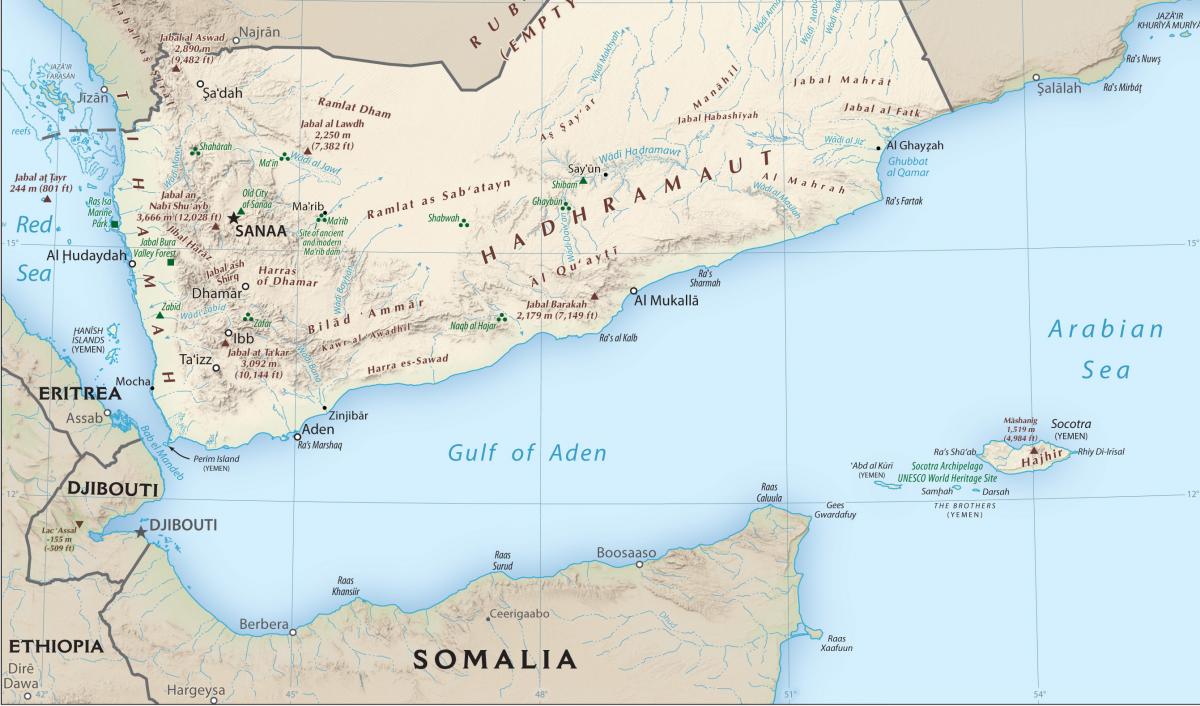
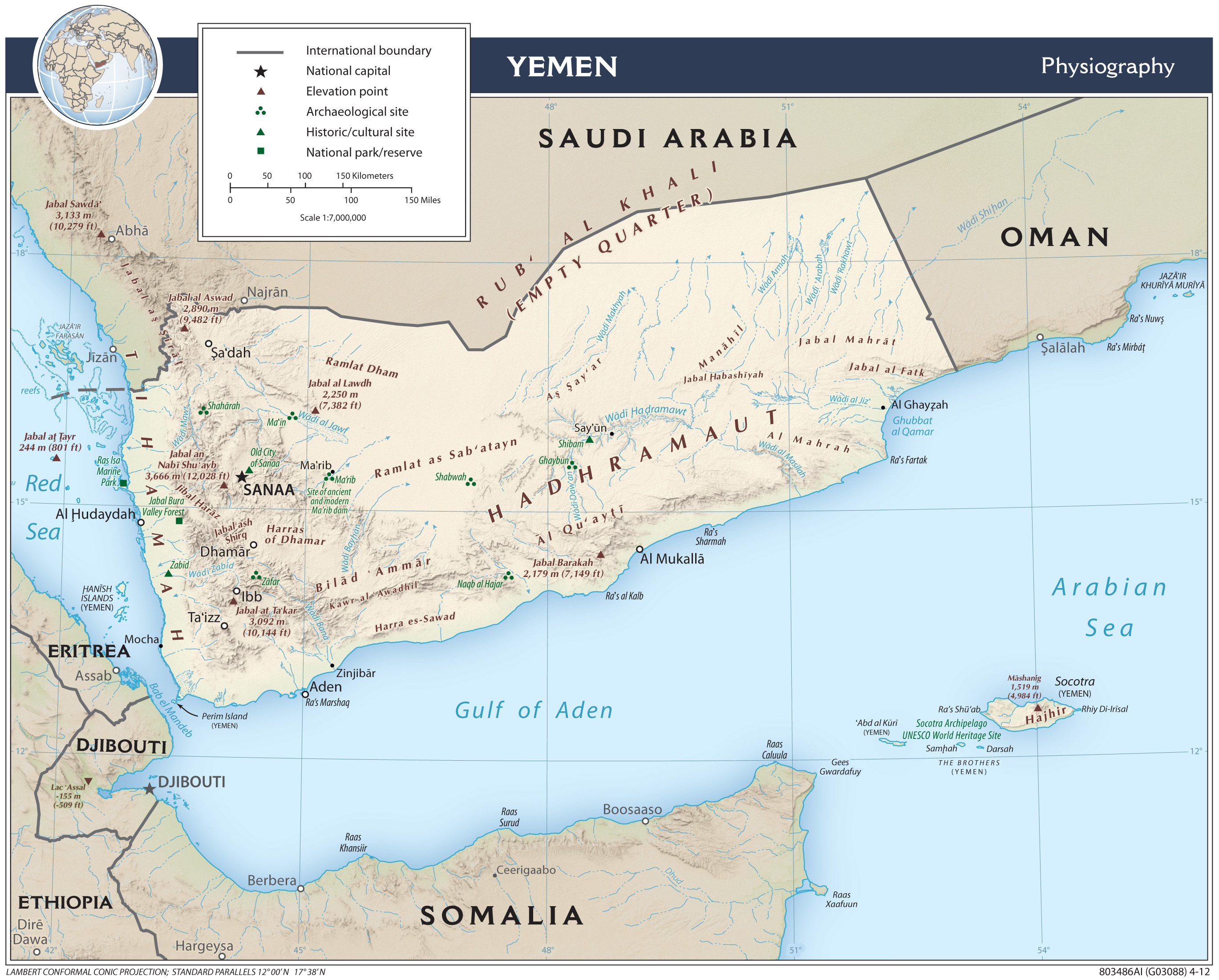
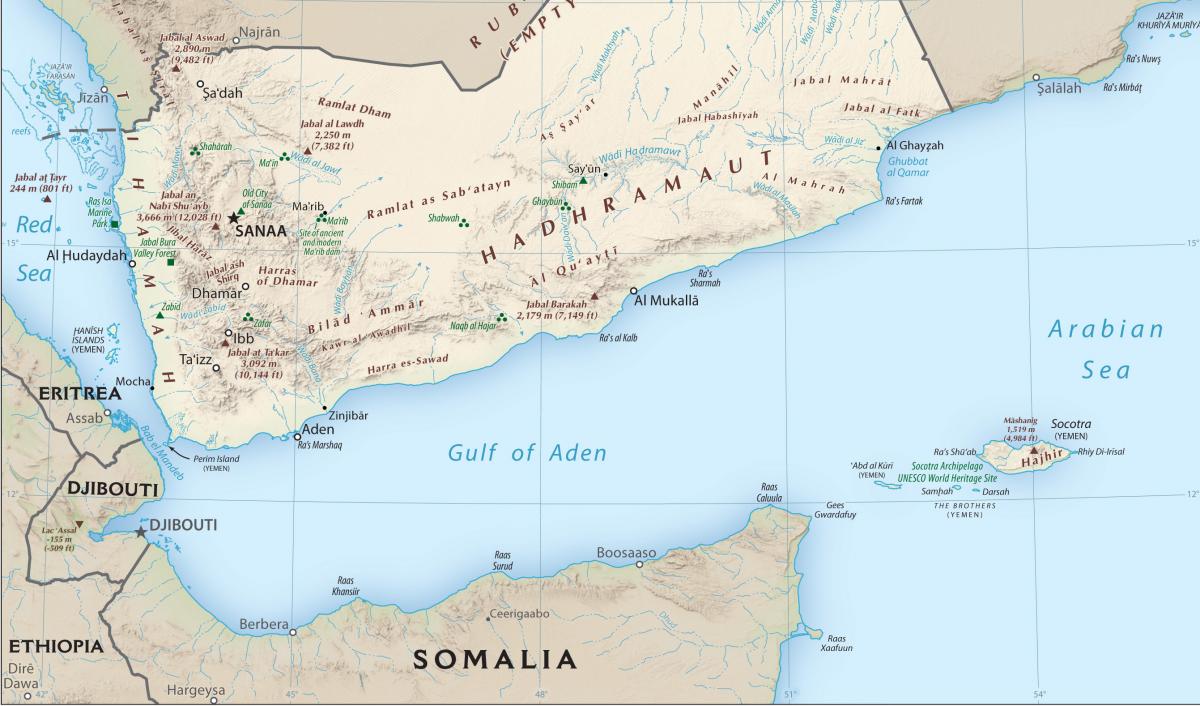
Houthi authorities in Yemen have detained dozens of political opponents since July, Human Rights Watch (HRW) reported. The rights group said that at least 70 people associated with the opposition party Yemeni Congregation for Reform, or Islah, were detained in Dhamar governorate. HRW noted that 21 of these individuals have been subject to an “unfair trial” on “dubious accusations of espionage,” with 17 sentenced to death by firing squad, and two sentenced to 10 years imprisonment. HRW emphasized that it is illegal under Yemeni law to make arrests without a warrant, and that detention without a legal basis or prompt charges and criminal proceedings violates both domestic and international law. (Map via PCL)

Greater Middle East
MBS

Trump dismisses Saudi human rights concerns

President Donald Trump praised Saudi Crown Prince Mohammed bin Salman as “incredible in terms of human rights” during an Oval Office meeting, preemptively deflecting questions about the kingdom’s extensive record of abuses as the crown prince pledged $1 trillion in US investments. The comments came despite weeks of pressure from human rights advocates urging Trump to confront the crown prince over Saudi Arabia’s recent grave abuses, an incomplete list of which is said to include record numbers of executions, torture of dissidents, systematic repression of women, and the killing of hundreds of Ethiopian migrants at the Yemen border. Human Rights Watch pointed out that Trump’s meeting with bin Salman came just five months after Saudi authorities executed journalist Turki al-Jasser, who had been arrested for social media posts critical of the regime in 2018 and charged with “high treason.” Executions in Saudi Arabia are carried out by beheading with a sword. (Photo of Mohammed bin Salman’s 2017 White House visit via Wikimedia Commons)
North Africa
Tunis

Tunisia: activist gets death sentence for Facebook post

Human Rights Watch (HRW) released a statement condemning the Tunisian justice system for sentencing a man to death for Facebook posts dissenting from government actions. Saber Ben Chouchane was sentenced for posting pictures of himself at recent protests, and statements calling for citizens to take to the streets to demand the release of political prisoners on the upcoming anniversary of the Tunisian revolution of January 2011. HRW called for the Tunisian government to “stop detaining and prosecuting people solely for exercising their right of expression.” (Image: Grunge Love)

Iran
executions

UN monitors warn of dramatic surge in executions in Iran

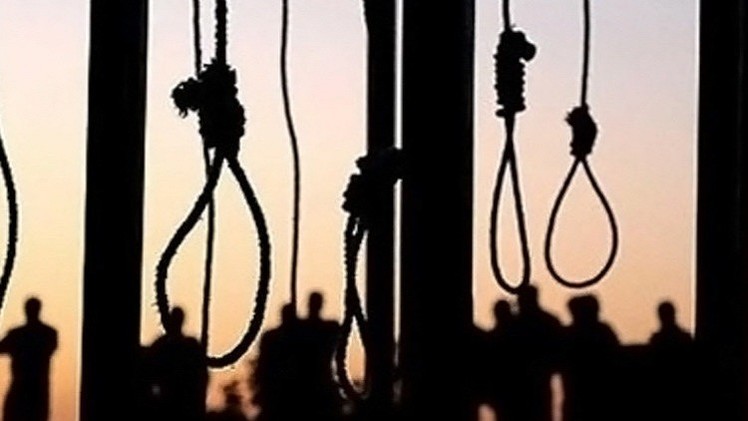
The Special Procedures of the UN Human Rights Council reported that over 1,000 people have been executed in Iran in 2025, warning that this represents a dramatic escalation that violates international human rights law. The UN experts wrote: “With an average of more than nine hangings per day in recent weeks, Iran appears to be conducting executions at an industrial scale that defies all accepted standards of human rights protection.” A 2017 Amendment to Iran’s Anti-Narcotics Law abolished the death penalty for low-level drug offenses, and introduced a mechanism to limit capital punishment by commuting many death sentences to life imprisonment. Despite this, executions for drug-related offenses have steadily risen since 2020 and surged in 2024, which saw 503 drug-related executions—more than 50% of all executions in Iran that year. (Photo: ICHRI)

Iran
Iran

Iran: post-conflict crackdown on civil opposition

Amnesty International and Human Rights Watch (HRW) condemned the ongoing crackdown on civil opposition by the Iranian authorities following the conflict with Israel. Since the outbreak of hostilities in June, Iranian authorities have arrested over 20,000 people on such dubious charges as espionage for Israel, which may carry the death penalty. Minority ethnic and religious groups have been particularly targeted, with Kurdish, Baha’i, Christian and Jewish minorities under threat. Amnesty and HRW urged criminal accountability for unlawful arrests and executions. (Image: Grunge Love via Flickr)