Iran

Iran: mass execution of Ahwazi Arabs

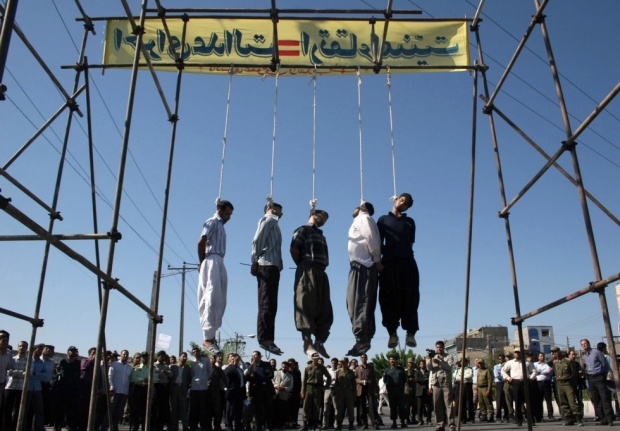
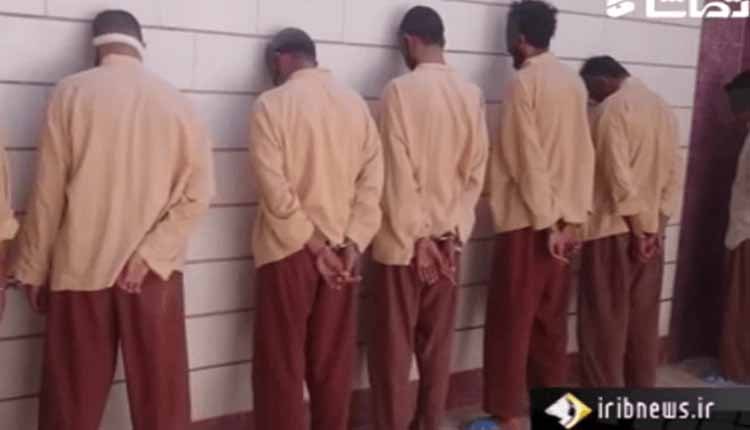
The Iranian regime has reportedly hanged 22 Ahwazi Arabs in a 72-hour period, after arresting over 1,000 in mass sweeps across Khuzestan province. The executed are said to include a 58-year-old man, who was hanged along with his son aged 30. According to human rights activists in the region, the victims' families were summoned to local regime Intelligence Ministry headquarters to be informed of their loved ones' execution, and were warned against holding any funereal rites or ceremonies. The bodies had apparently been buried in unmarked graves. The victims were accused of "acting against national security," but the executions seemingly took place after summary trials with no legal representation, behind closed doors at Ahwaz Central Prison. At least 500 arrested in the sweeps remain detained, and there are fears that more summary executions could be imminent. (Photo: Iran Human Rights Monitor)
Iran

Iran: environmentalists languish in jail

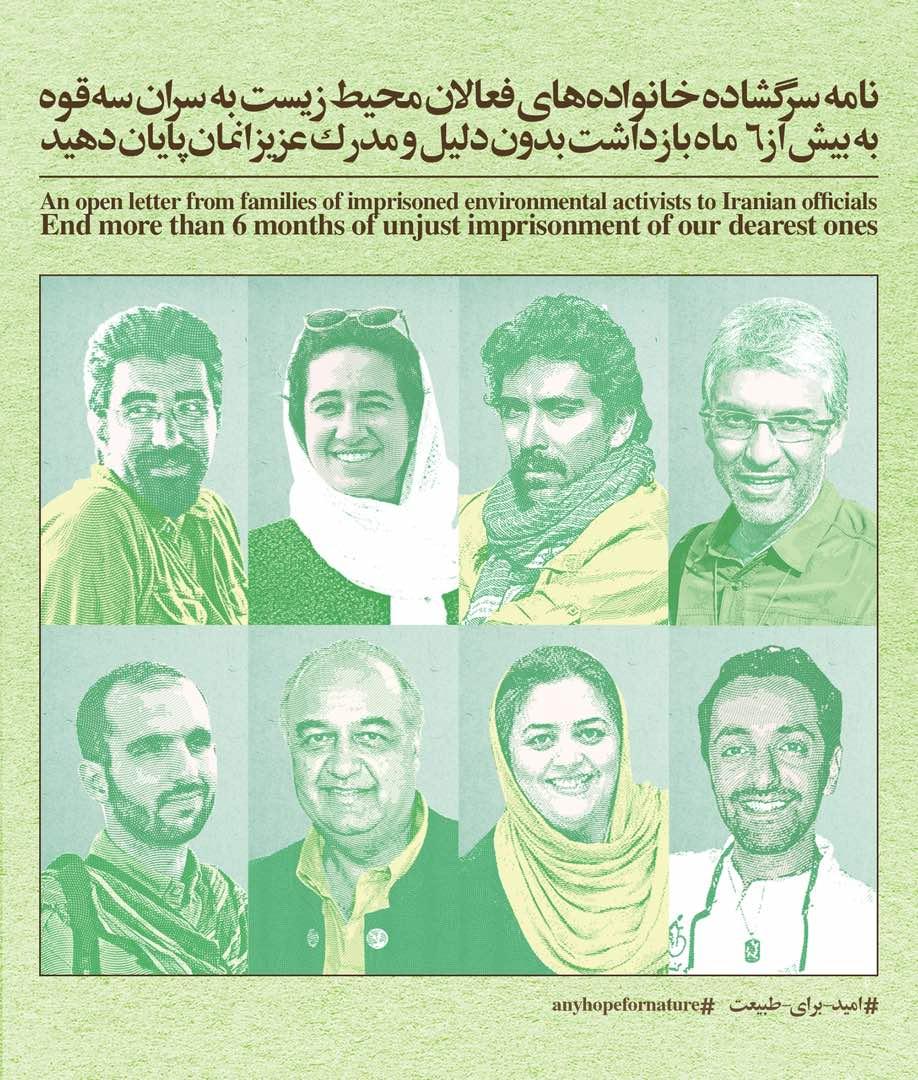
Eight environmental activists arbitrarily detained in Iran in January and February remain in detention eight months later without clear charges, Human Rights Watch said. The organization called upon Iranian authorities to either immediately release them or charge them with recognizable crimes and produce evidence to justify their continued detention. The detained are all members of the Persian Wildlife Heritage Foundation. The public prosecutor for Tehran told reporters after the arrests that the detained are accused of using environmental projects as a cover to collect classified strategic information. It is unclear what classified information they could potentially collect, as their organization says it only works to conserve and protect Iran's flora and fauna, including the Asiatic cheetah, an endangered species in Iran. Other sources indicated they have been accused of "sowing corruption on earth," a serious charge that carries the risk of execution. (Image via HRW)

Iran

Iran: general strike shuts down Kurdish region

Iran's northern Kurdish region was effectively shut down by a civic strike, with most businesses and markets closed. The strike was called to protest the executions of six Kurdish militants and air-strikes on the headquarters of Iranian-Kurdish opposition parties across the border in Iraq. The missile strikes on the headquarters of the Kurdistan Democratic Party of Iran (KDPI) and Democratic Party of Iranian Kurdistan (PDKI) in Erbil left at least 15 dead and several wounded. The air-strikes were claimed by the Islamic Revolutionary Guards Corps in a statement that called the parties "terrorist" groups. The civic strike was called by the Coordination Center of Rojhelat, an umbrella group of Iranian Kurdish opposition parties. "The criminal regime of the Islamic Republic added a new black page of its history of crimes and barbarism against the Kurdish nation," read the statement by the Coordination Center. Rojhelat (East) is the Kurdish word for Iranian Kurdistan. (Photo via PDKI)

Greater Middle East

Woman activist faces execution in Saudi Arabia

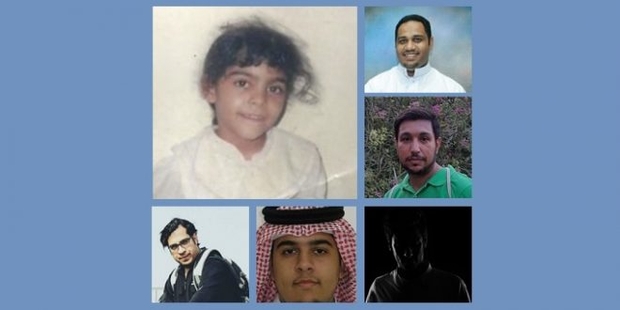
Saudi rights advocates are warning of the possible imminent beheading of detained activist Israa al-Ghomgham, who has been provisionally sentenced to death by a Riyadh court. At a hearing before the Specialized Criminal Court in the capital, the Public Prosecutor recommended the death penalty for six defendants, including Ghomgham and her husband, Moussa al-Hashem, who have been held for nearly three years on charges related to anti-government protests in the Shi'ite-majority eastern region of Qatif. The charges include "participating in protests," "incitement to protest," "chanting slogans hostile to the regime," "attempting to inflame public opinion," "filming protests and publishing on social media," and "providing moral support to rioters." The prosecutor called for their execution based on the Islamic law principle of ta'zir, in which the judge has discretion over the definition of what constitutes a crime. A judge is expected to either confirm or reverse the death penalty recommendation at Ghomgham's next hearing in October. (Photo of Israa al-Ghomgham as a child, with her co-defendants, via Middle East Eye)

Iran

Iran: Sufi bus driver executed after ‘unfair trial’

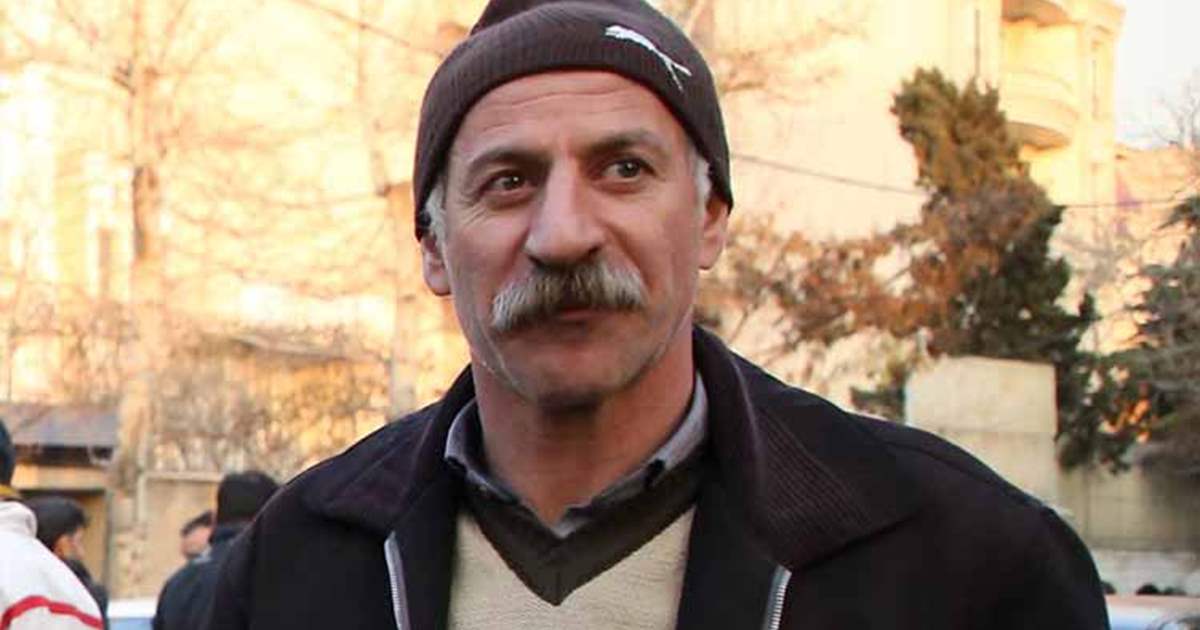
Amnesty International issued a statement protesting the execution of Mohammad Salas, a 51-year-old man from Iran’s largest Sufi order, the Gonabadi Dervishes, saying it "was carried out despite serious unfair trial concerns." Salas was arrested outside a police station where thousands of Gonabadi followers had gathered to protest persecution of the dervish community. He was convicted of killing two police officers during the protest—on the basis of a "confession" coerced through torture and threats, and despite the fact that he had already been detained when the killings took place. Witnesses in his defense were barred from testifying. Gonabadi dervishes consider themselves to be Shi'ite Muslims, but are rejected as heretical by Iran's orthodox establishment. (Photo: Amnesty International

Iran

Iran relents in draconian drug war —after protest

Some rare good news is reported from Iran, where a reform of the country's drug laws may save the lives of thousands now on death row. Some 5,000 people are currently awaiting execution for drug offenses in the Islamic Republic, and all of them could now have their sentences reviewed. News accounts of the reform did not note that it is the fruit of protests within Iran, as well as pressure from international human rights groups. It won little coverage in the West, but following a wave of executions, some 1,800 prisoners at Qezel Hessar Prison outside Tehran went on hunger strike. Some courageous prisoners' families organized to support them, calling for reduced sentences for drug crimes—even holding vigils outside the Parliament building. (Image: Middle East Eye)

Greater Middle East

Abused women forcibly deported to Saudi Arabia

Two sisters abused by their family in Saudi Arabia were deported by Turkey—despite their asylum bid and fears they will be tortured or even executed by Saudi authorities.

East Asia

Global execution stats: good news, bad news

The latest Amnesty International report on global use of the death penalty shows a decline last year—but China's massive statistics are kept secret and therefore not factored in.

Iran

Iran: outrage over mass execution

International outrage over the mounting wave of executions in Iran reached another milestone when 12 drug convicts were hanged at Karaj Central Prison outside Tehran.

Iran

Global executions surge —yet again

Amnesty International's annual report on the death penalty again notes an alarming surge in the number of executions worldwide—now reaching the highest total since 1989.

Iran
minga

minga

Eight environmental activists arbitrarily detained in Iran in January and February remain in detention eight months later without clear charges, Human Rights Watch said. The organization called upon Iranian authorities to either immediately release them or charge them with recognizable crimes and produce evidence to justify their continued detention. The detained are all members of the Persian Wildlife Heritage Foundation. The public prosecutor for Tehran told reporters after the arrests that the detained are accused of using environmental projects as a cover to collect classified strategic information. It is unclear what classified information they could potentially collect, as their organization says it only works to conserve and protect Iran's flora and fauna, including the Asiatic cheetah, an endangered species in Iran. Other sources indicated they have been accused of "sowing corruption on earth," a serious charge that carries the risk of execution. (Image via HRW)