Planet Watch
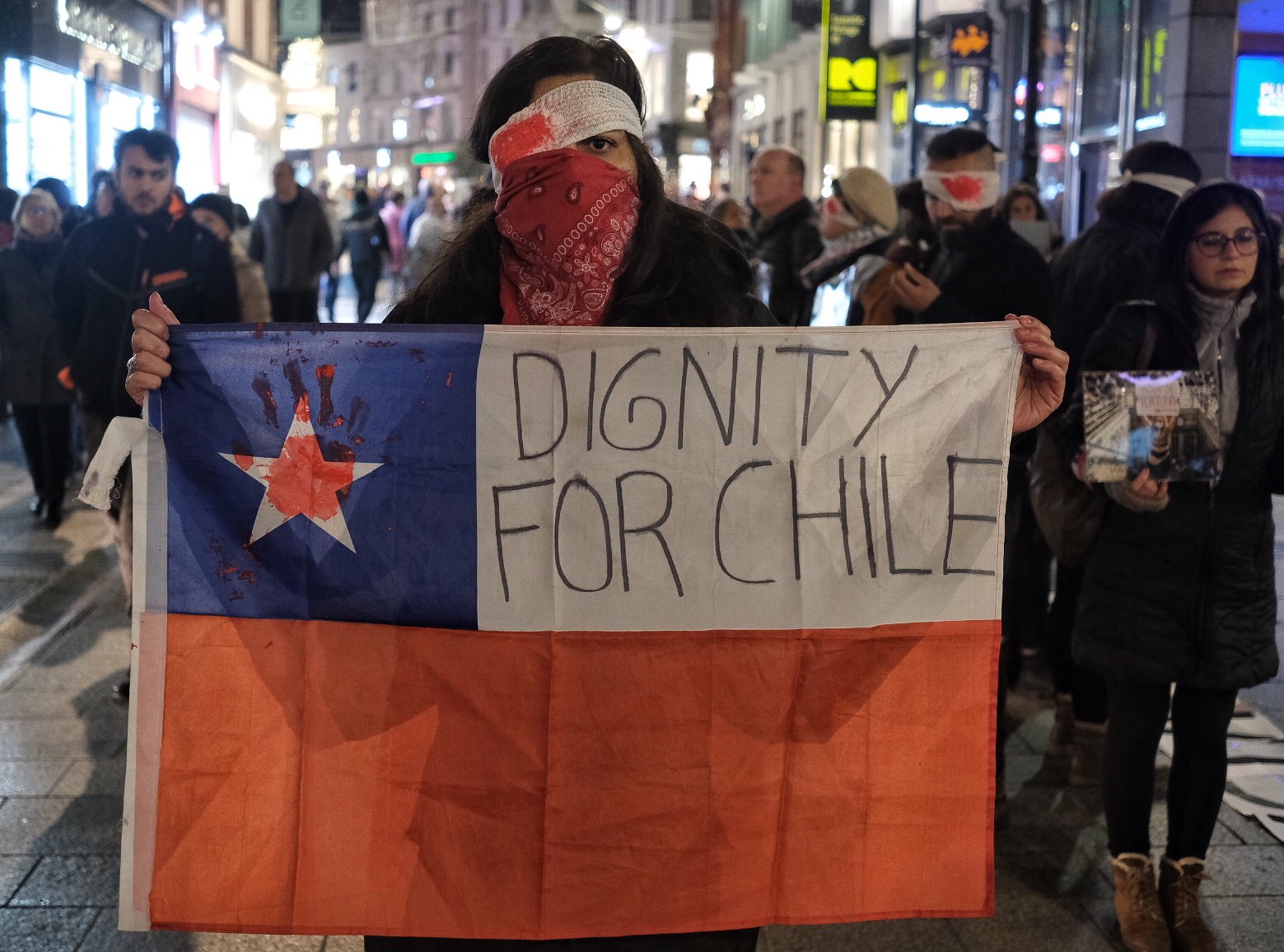
Chile protester

Podcast: world revolution in 2020?
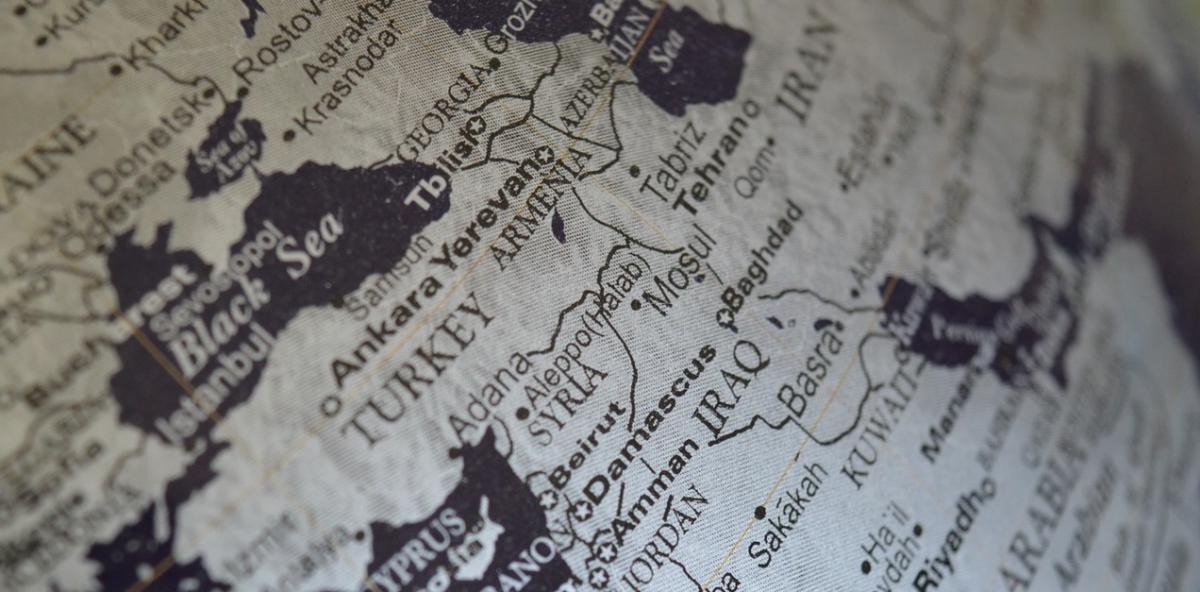
SyriaUN Human Rights Chief Volker Türk warned that repression of freedom of expression across the Middle East has deepened significantly since the US-Israeli attacks on Iran commenced at the end of February. In Iran, approximately 2,345 people have been arrested on charges related to national security. Many of these, as well as more arbitrarily arrested during the January protests, are being held in harsh conditions and incommunicado detention. The state has also cut internet access to prevent external sharing of information. Three protestors were publicly hanged in March after being convicted of "waging war against God" based on "confessions" obtained under torture. Many more are at imminent risk of execution. But hundreds of arbitrary arrests for online anti-war dissent have also taken place in the Gulf states that Iran has been targeting with missile strikes, with Türk warning of a "sharp securitization of civic space across the region." (Image: Pixabay)
Africa
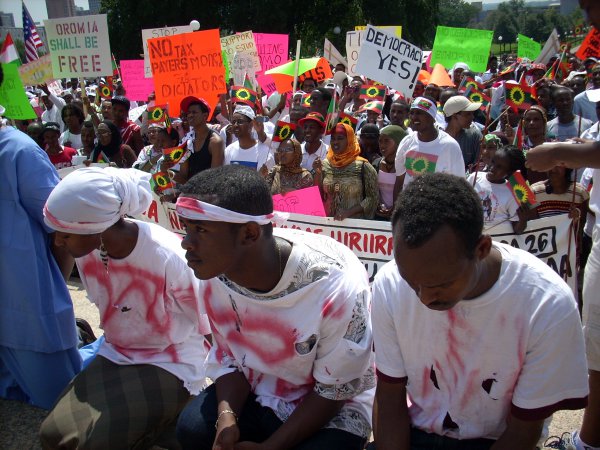
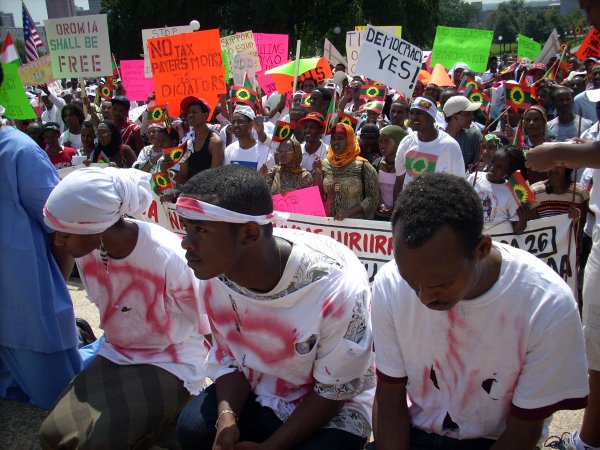
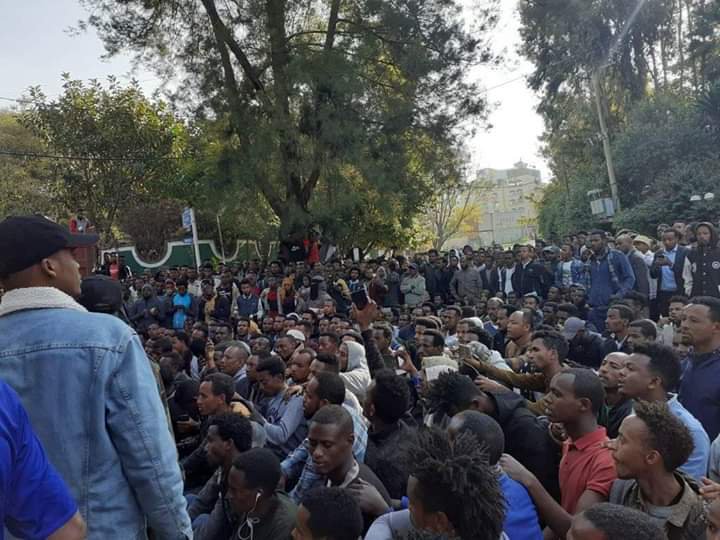
Oromo protest

Protests, ethnic violence rock Ethiopia’s Oromia

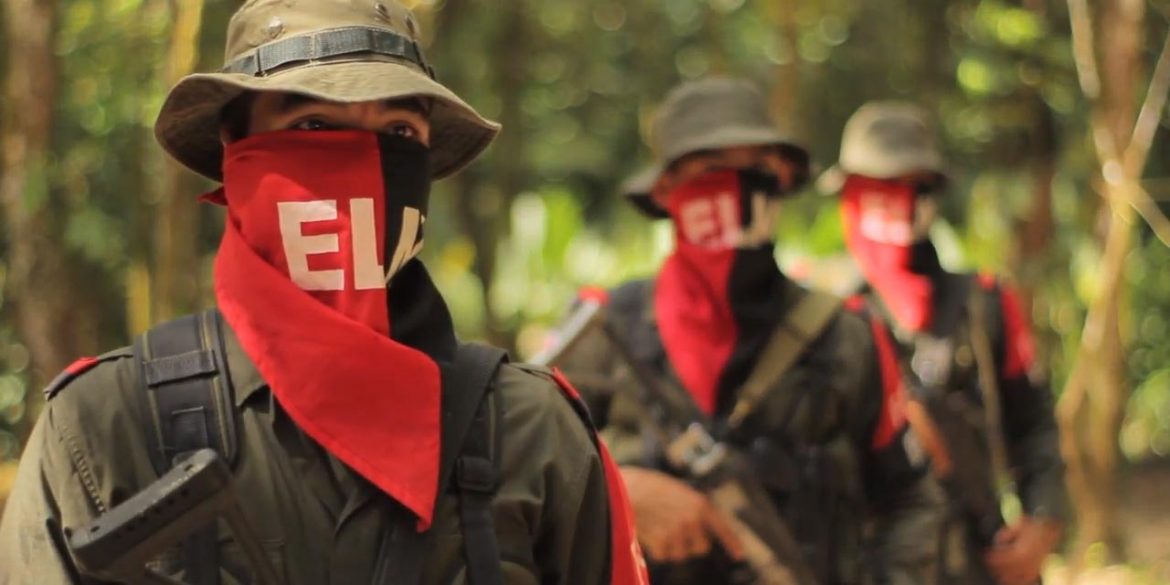
ELNColombian President Gustavo Petro said he would accept a proposal from the country's largest remaining rebel group to allow an independent commission to investigate its alleged links to drug trafficking. Antonio García, leader of the National Liberation Army (ELN), released a video stating that although the group collects taxes from cocaine producers in its territory, it does not itself operate drug trafficking networks or cocaine production facilities. (Photo: Colombia Reports)

Africa

Darfur at issue in Sudan transition talks

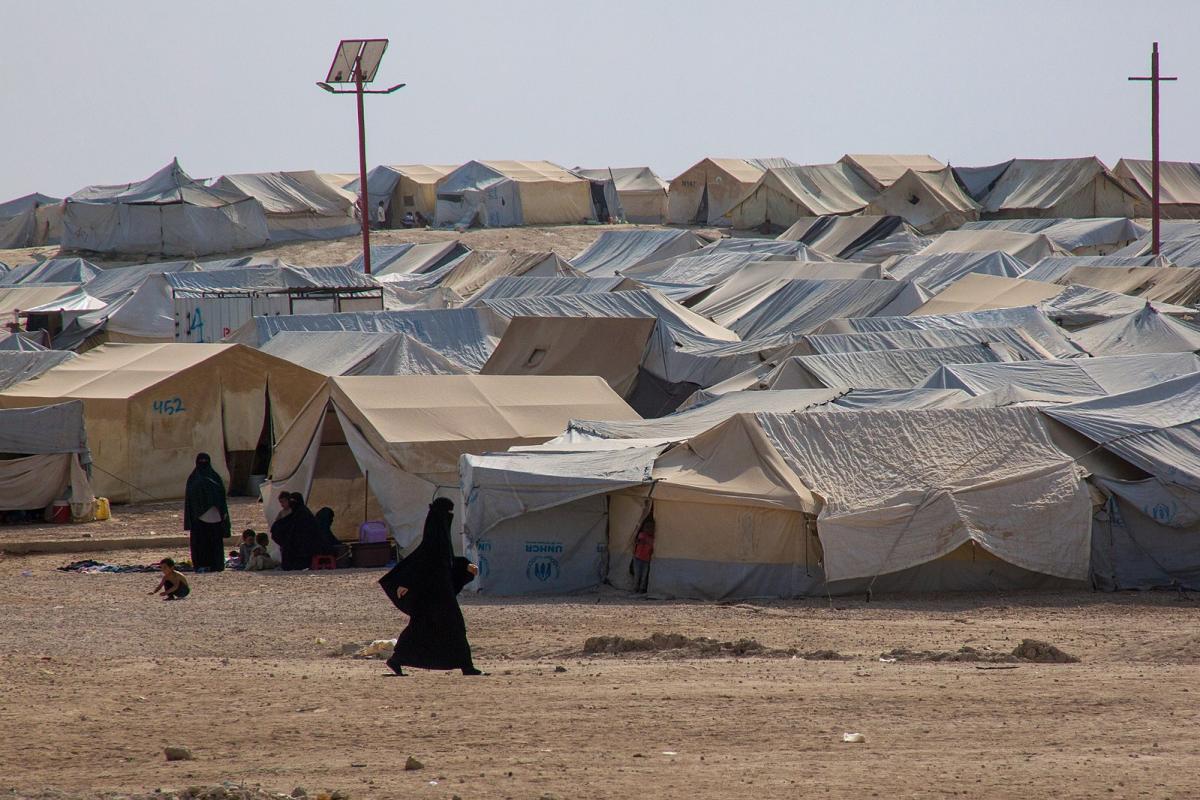
al-HolUN experts called for an end to the arbitrary, indefinite detention of tens of thousands of people in camps in northeast Syria. The detained individuals are accused by the local Syrian Democratic Forces (SDF) of adherence to the extremist group ISIS, with over 52,000 currently held without any due process, 60% of whom are believed to be children. The Kurdish-led SDF has agreed to integrate into the new government's national army, but the fate of those in their custody remains uncertain. The SDF's often incommunicado detentions have only added to the overall number of detentions and enforced disappearances throughout Syria during the period of Bashar Assad's rule, with estimates of over 112,000 individuals reported missing. (Image: Y. Boechat/VOA via Wikimedia Commons)

Africa

Ethiopia: sweeps in wake of regional coup attempt

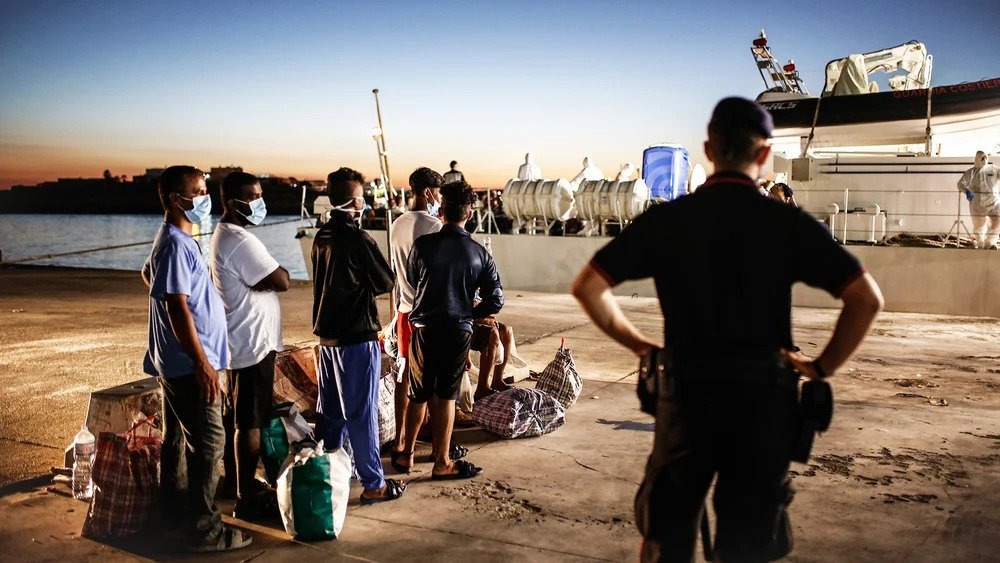
LampedusaHuman Rights Watch criticized the proposed European Union "Returns Regulation" for undocumented migrants as "cruel and unrealistic" for allowing longer detention and harsher treatment. The European Commission seeks to establish standardized procedures so that returns of migrants can be more efficient while still respecting fundamental human rights. However, the proposed regulations broaden the criteria for mandatory forced return of undocumented migrants. HRW argues that this could allow the prolonged detention of vulnerable individuals, including unaccompanied children, if origin countries refuse to cooperate. HRW also raised concerns that the third-country "return hubs," which would serve to transfer migrants, fail to guarantee safe and sustainable shelter. (Photo: Sara Creta/TNH)

Africa

Ethiopia in peace pact wth Oromo Liberation Front

OLFFollowing peace talks hosted by Eritrea, the government of Ethiopia announced a peace deal with the Oromo Liberation Front rebels. The deal guarantees rebel leaders the right to participate in Ethiopia's political process in exchange for laying down arms. The OLF has long been backed by Eritrea, and the pact comes one month after a formal end was declared to the two-decade state of war between Ethiopia and Eritrea, with Ethiopia ceding its claim to the contested border town of Badme. This points to a softening of positions under Ethiopia's new prime minister, Abiy Ahmed. The Badme deal was also said to have been quietly brokered by the United Arab Emirates, which has emerged as politically isolated Eritrea's most significant foreign patron, part of an apparent design to encircle Yemen. (Photo: Yassin Juma) 

Africa

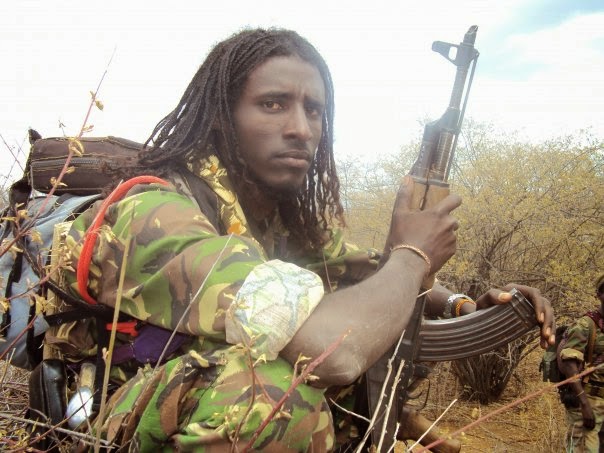
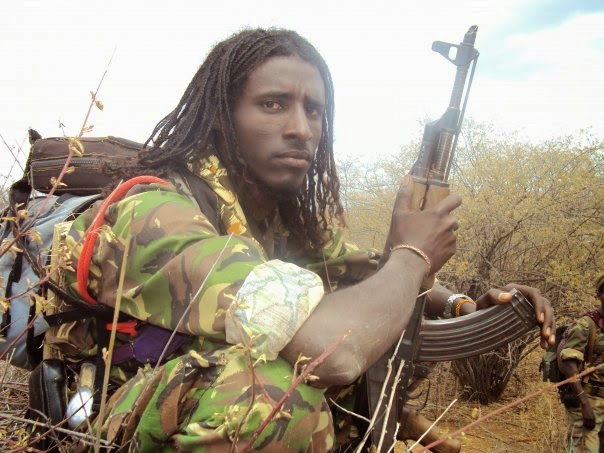
Ethiopia: massacre sparks Oromo resistance

OromoOromo activists in Ethiopia launched a "fuel blockade," occupying roadways to halt shipment of oil through the country. The action was called following a massacre at the village of Moyale, near the Kenyan border. Troops gunned down nine unarmed residents, apparently mistaking them for militants of the Oromo Liberation Front (OLF). Nearly 5,000 have fled across the border to Kenya—some having directly run from gunfire. Ethiopia last year imposed a state of emergency in response to mounting Oromo protests. Roadblocks are reported from several points around the country, so far without violence. (Photo via UNPO)

Africa

Social progress in ‘unrecognized’ Somaliland

SomalilandThe unrecognized but de facto independent republic of Somaliland made rare headlines when its parliament voted to instate criminal penalties for rape—actually a groundbreaking move in the region. The "official" government of Somalia still has no law against rape. And while Somaliland just elected a new president by popular vote, Somalila's president was chosen by parliament. Regular elections are impossible in Somalia due to the fact that the government has no effective control of its own territory—despite military support of an Ethiopia-led "peacekeeping" force.

Africa

Horn of Africa water wars leave Somalia dry

Ethiopia has completely halted the flow of water into Somalia by closing the gates on irrigation dams along the Shabelle River—leaving dry a key agricultural region.