The Andes
Ecuador protester

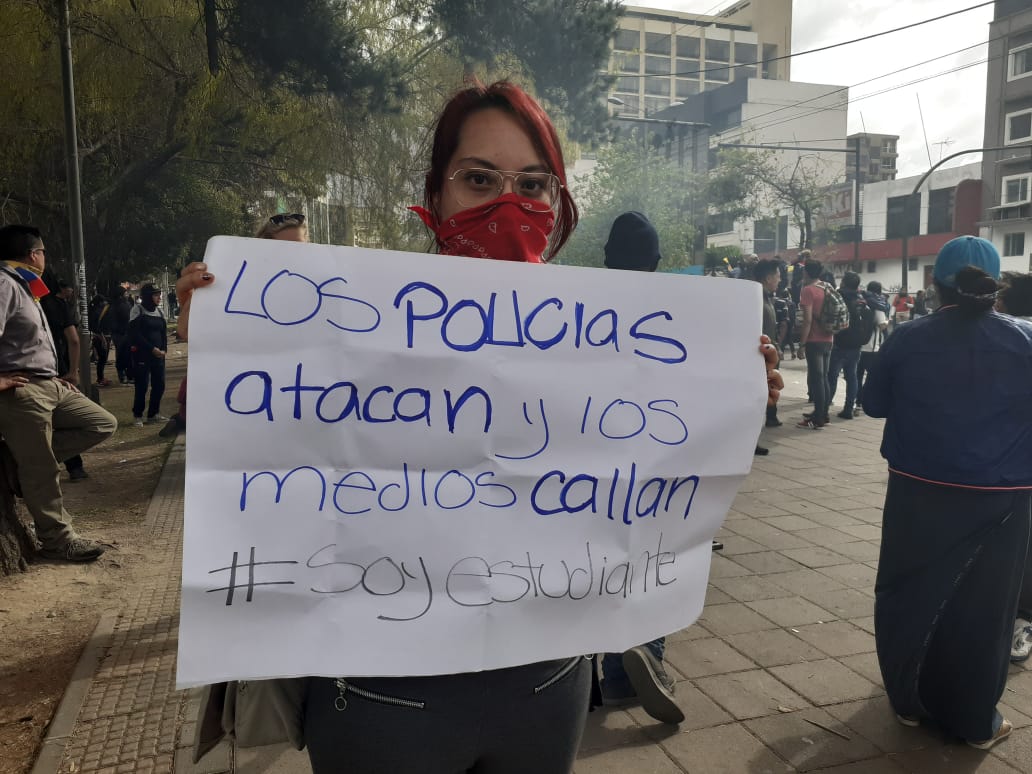
State of emergency as protests erupt in Ecuador
NSSDonald Trump’s new National Security Strategy instates a "Trump Corollary" to the Monroe Doctrine. Like the Roosevelt Corollary of 1904, which was used to justify the "gunboat diplomacy" of that era, this new corollary openly calls for dividing the world into spheres of influence—with the Western Hemisphere assigned to the US. Russia is obviously pleased as punch over this, as it implicitly gives Moscow a free hand in Ukraine—and Putin will likely consider this an acceptable pay-off for his betrayal of Venezuela. However, China is less likely to surrender its massive investments and mega-projects in Latin America in exchange for a free hand to take over Taiwan. The document's text on Europe is even more sinister, revealing a white supremacist agenda that looks not to Washington's traditional allies to counter Russia, but to the continent's Russian-backed far-right movements to counter Washington's traditional allies. In Episode 308 of the CounterVortex podcast, Bill Weinberg exposes the NSS as a further step toward consolidation of a Fascist World Order. (Image: White House)
The Amazon

Bolsonaro to The Hague?

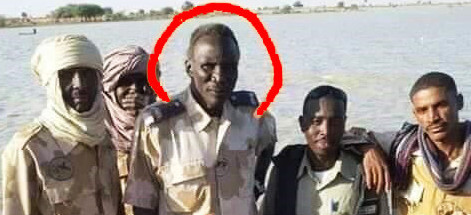
KushaybThe International Criminal Court (ICC)  convicted Ali Kushayb, a former Sudanese militia chief, on 27 counts of war crimes and crimes against humanity for his role in massacres and atrocities in Darfur region in 2003 and 2004. Guilty verdicts included for the war crimes of torture, murder and rape, as well as multiple crimes against humanity, including forcible population transfers. The ICC Trial Chamber found that Kushayb, as a senior commander in the Janjaweed militia, led a campaign of atrocities during the Darfur conflict, with witnesses describing razed villages, mass executions, and gang rapes used as a weapon of war. Sentencing will take place at a later date, with a maximum penalty of life imprisonment. (Photo via Radio Dabanga)

The Amazon

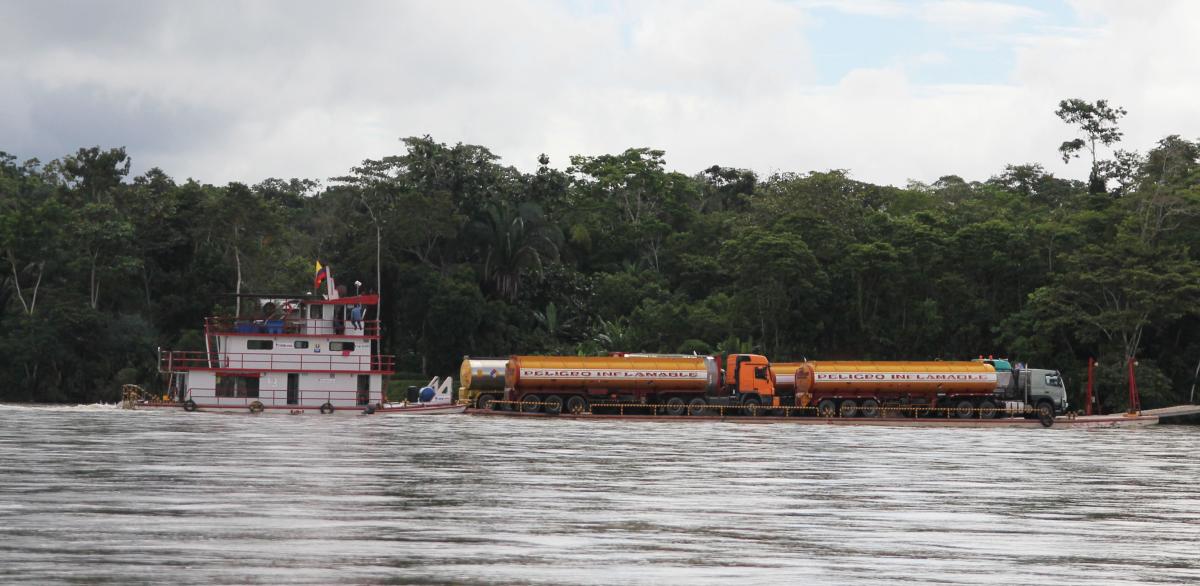
Ecuador: oil lease threatens ‘uncontacted’ peoples

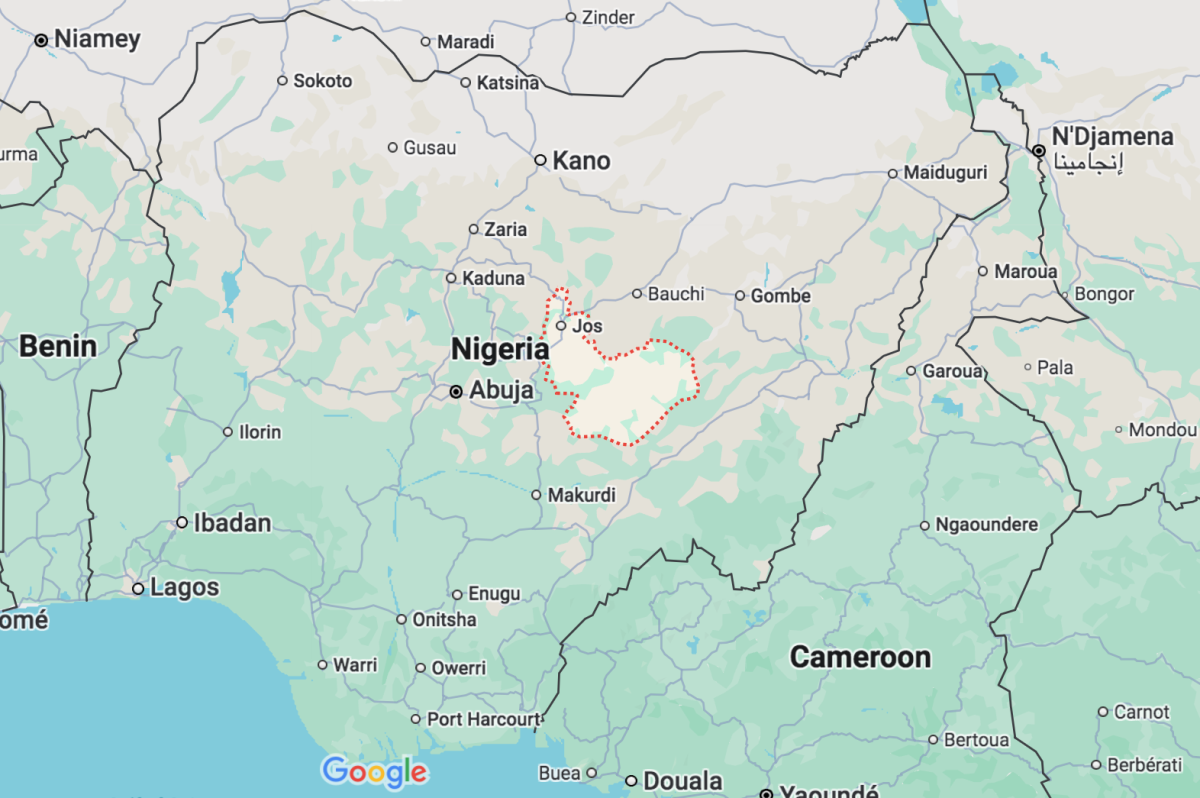
PlateauCommunal violence in Nigeria's troubled north-central state of Plateau has killed more than 100 people in just under two weeks. Plateau has a history of tensions between Muslim pastoralists and mostly Christian farmers over access to land. The state governor described the latest killings as "coordinated acts of terror" and has blamed armed Fulani herders for the violence. In what seems like an abdication of responsibility for security by the police—a trend across much of Nigeria—he said every community "must defend itself." (Map: Google)

The Amazon

Ecuador court win for indigenous territorial rights

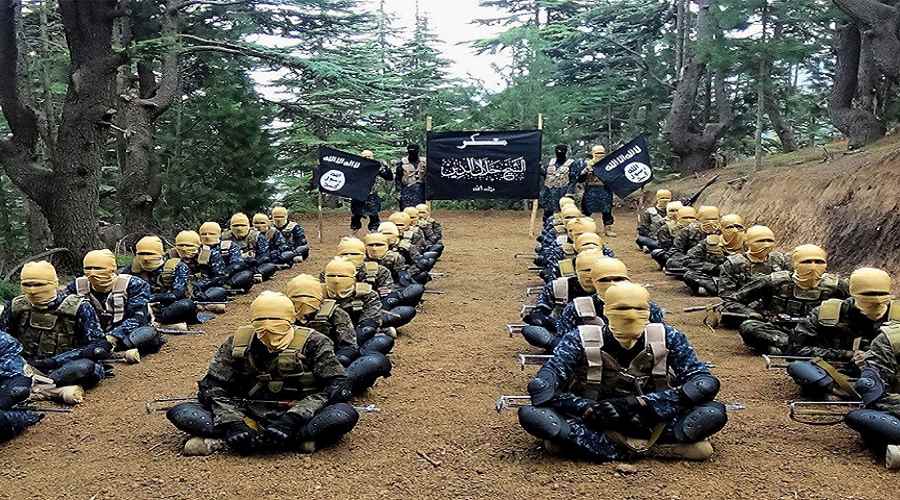
ISISKAt least 12 US service members were killed in a combined bomb attack and armed assault at a gate to the Kabul airport, where throngs fleeing the Taliban were desperately crowding. Up to 60 Afghan civilians were also killed, including children. US Central Command chief Gen. Frank McKenzie told a press briefing at the Pentagon that the US is coordinating with the Taliban in the effort to maintain "security" in Kabul, saying: "They've been useful to work with." It was also revealed that days earlier CIA director William J. Burns met face-to-face in Kabul with the top Taliban leader Abdul Ghani Baradar. The "secret" meeting was reported in the Washington Post. (Photo via Future Center)

Watching the Shadows
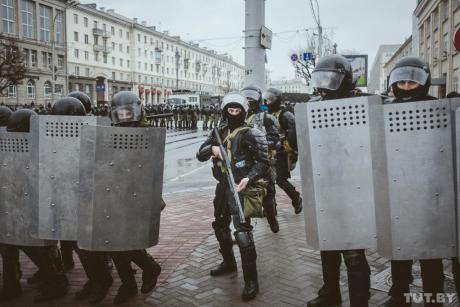
belarus cops

Podcast: Julian Assange, agent of fascism

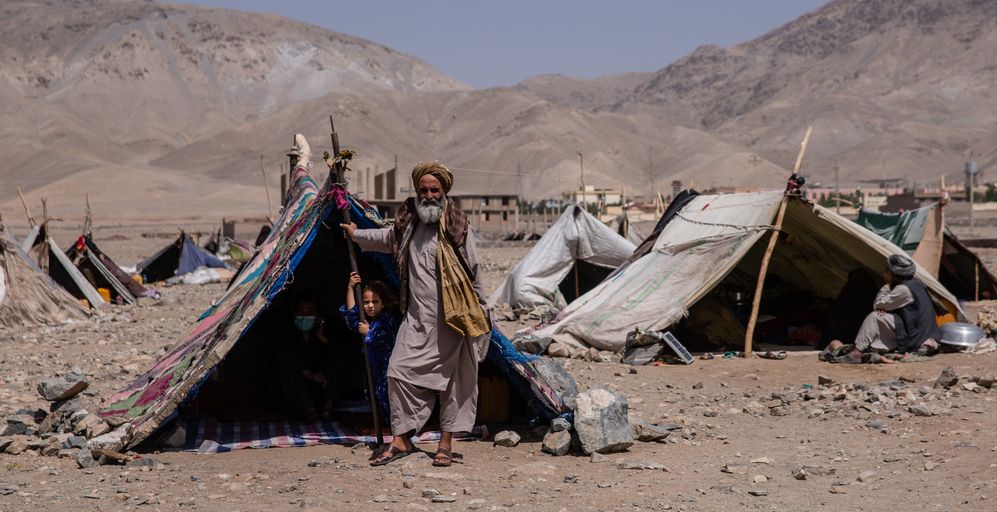
AfghanistanThe Office of the UN High Commissioner for Refugees (UNHCR) warned of an "imminent humanitarian crisis" in Afghanistan as mounting conflict gives rise to suffering and displacement. An estimated 270,000 have been newly displaced since January, bringing the total uprooted population to over 3.5 million. The number of civilian casualties has risen 29% during the first quarter of this year compared to 2020. The UNHCR stressed its underfunded financial appeal for Afghanistan, which now stands at 43% of the total $337 million required. The agency urged the international community to support Afghanistan "in a spirit of solidarity and burden-sharing." (Photo of displaced persons camp in Herat: Stefanie Glinski/TNH)

The Amazon

Ecuador: indigenous dissident blasts bogus populism

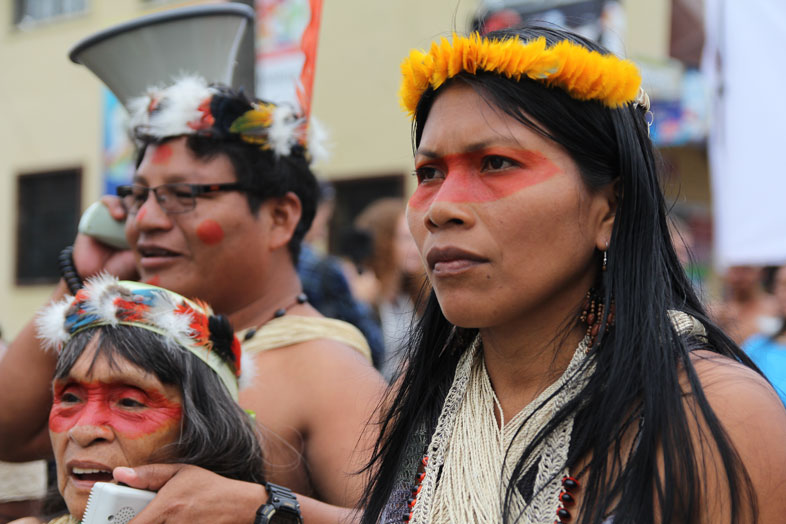
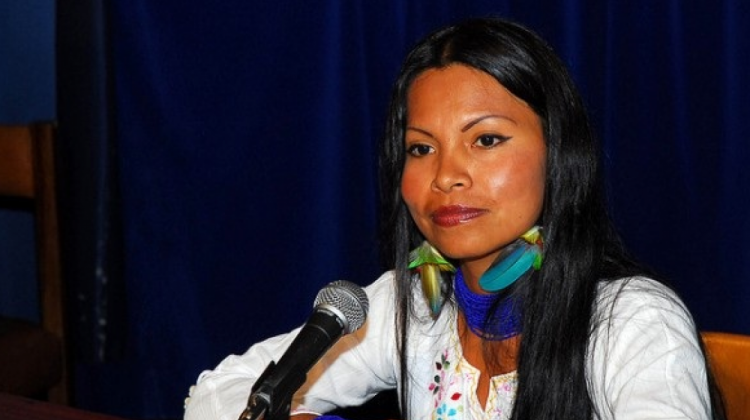
Mónica ChujiSpeaking at the fifth International Andino-Amazonian Forum for Rural Development in Cobija, Bolivia, a member of the delegation from Ecuador accused the Quito government of masking the despoliation of indigenous territories in populist phrases. Mónica Chuji, a community leader from the Ecuadoran rainforest, accused former president Rafael Correa of invoking the indigenous concept of Sumaj Causay or Vivir Bien (Good Living) in his new constitution only to "folklore-ize it [folklorizaron] so it ends up being a cliché without content." She said there is a "divorce between the discourse and the reality" as the Ecuadoran Amazon is opened to "mega-corporations that destroy our territories with the protection of successive governments." She also charged the government with persecution of indigenous leaders who protest or resist. (Photo: Agencia de Noticias Fides)

The Amazon

Ecuador top court: Chevron must pay for pollution

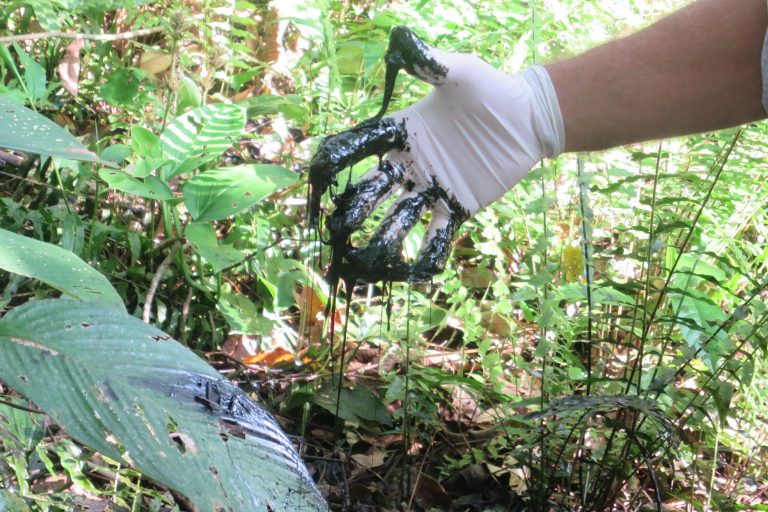
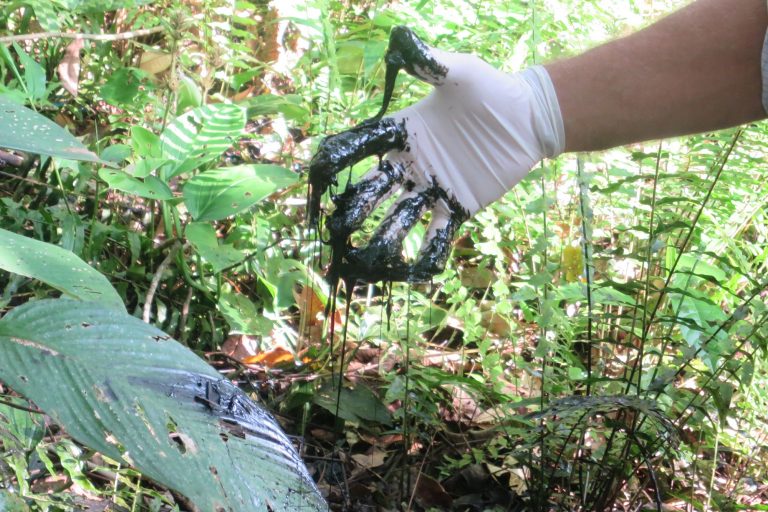
Ecuador oil spillThe Constitutional Court of Ecuador issued a long-awaited ruling in favor of those affected by the transnational oil company Chevron, which operated through its subsidiary Texaco in Ecuador between 1964 and 1990. Chevron will now have to pay $9.5 billion for the repair and remediation of social and environmental damage that, according to audits and expert reports, were a result of oil company operations in the Amazonian provinces of Sucumbíos and Orellana. The court found that Chevron deliberately dumped billions of gallons of toxic oil waste on indigenous lands in the Amazon rainforest. (Photo via Mongabay)

The Amazon

Ecuador: judicial abuse of ecological opposition

Ecuador protestHuman Rights Watch released a report charging that Ecuador's former president Rafael Correa abused the criminal justice system to target indigenous leaders and environmentalists who protested mining and oil exploitation in the Amazon. The report details use of criminal prosecution to silence ecological opposition, and the closure of one environmental organization by presidential order. The report credits new President Lenin Moreno with making positive change, opening a dialogue with environmentalists and indigenous leaders. But abusive prosecutions initiated by his predecessor remain in motion. (Photo: HRW)

Planet Watch

Podcast: Anti-austerity and the utopian moment

CounterVortexProtests against austerity and the lords of capital are erupting simultaneously in Iran, Tunisia, Sudan, Morocco, China, Peru, Honduras, Argentina and Ecuador, recalling the international protest wave of 2011. Such moments open windows of utopian possibility, but those windows inevitably seem to close as protest movements are manipulated by Great Power intrigues or derailed into ethnic or sectarian scapegoating. What can we do to keep the revolutionary flame alive, build solidarity across borders, and resist the exploitation and diversion of protest movements? Bill Weinberg explores this question on Episode One of the long-awaited CounterVortex podcast. You can listen on SoundCloud.

The Andes

Ecuador: indigenous march yields key victories

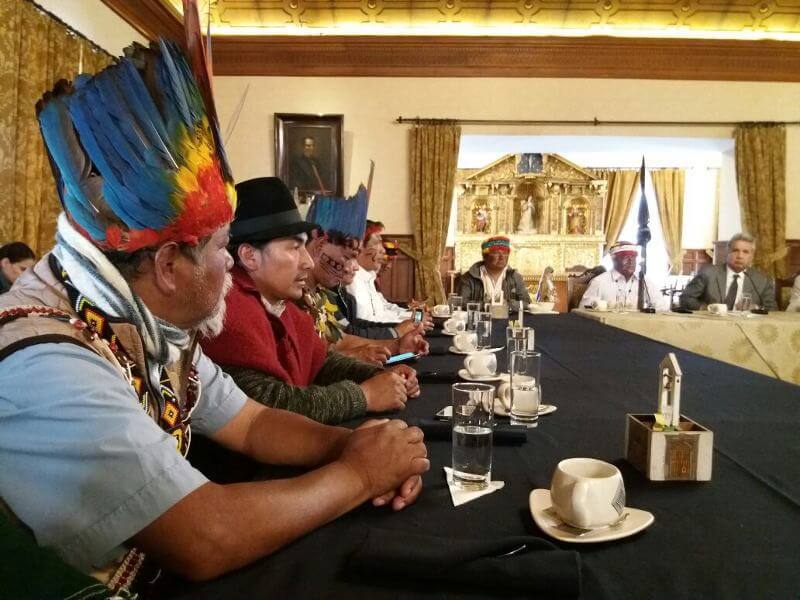
CONAIEAfter marching from the eastern rainforest to Quito, thousands of indigenous Ecuadorans claimed a victory as their leaders met with President Lenin Moreno, who pledged to respect their demands on cultural and territorial rights. Among key victories, the government agreed to suspend new mining concessions in indigenous territories pending a review to assure they are in compliance with constitutional provisions on prior consultation.

The Amazon

Canada First Nations back Ecuador against Chevron

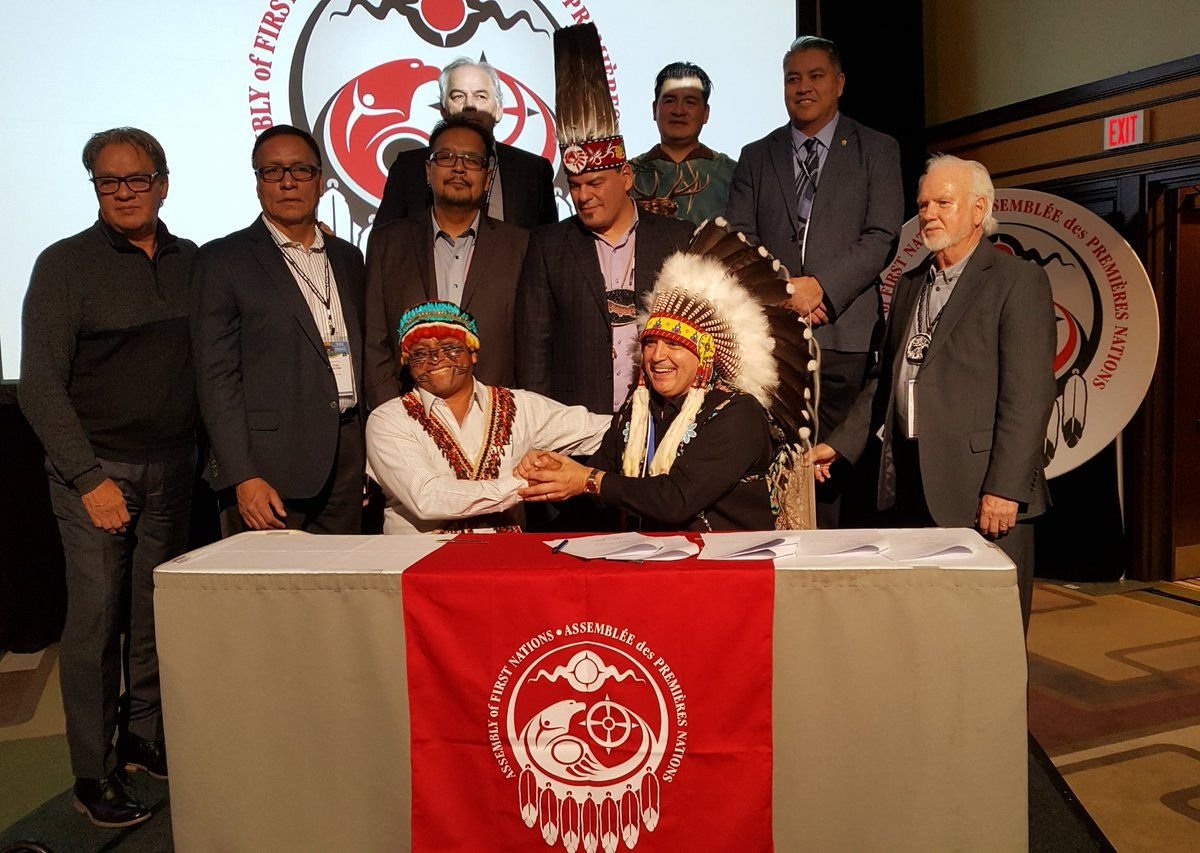
AFNIn a setback to Chevron's effort to evade a $9.5 billion liability owed to rainforest communities, Canada's Assembly of First Nations (AFN) and Ecuadoran indigenous leaders signed a protocol to hold the corporation accountable for dumping billions of gallons of toxic oil waste and for ongoing violations of indigenous rights. The agreement was signed by AFN National Chief Perry Bellegarde and Jamie Vargas, president of Ecuador's indigenous federation, CONAIE.

The Andes

Ecuador: protests grip Galápagos

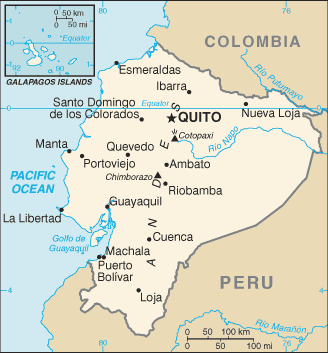
EcuadorThe Galápagos Islands have seen weeks of protest over a newly instated law that gives Ecuador's national government greater control over land use and wages on the popular tourist destination. It also gives the Environment Ministry the power to change the borders of Galápagos National Park. Locals say the law opens the way for foreign investment and private encroachment on the National Park, undermining local businesses and potentially devastating unique wildlife.