

Europe
Urengoy-Pomary-Uzhgorod pipeline

Pipeline goad of Ukraine’s Kursk incursion?
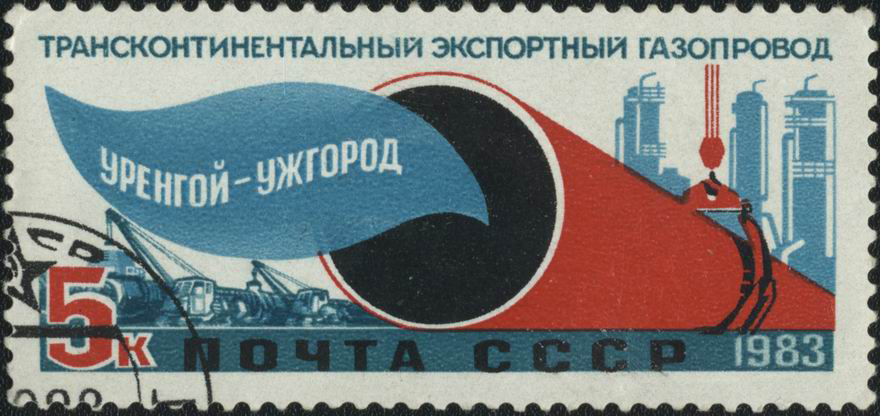
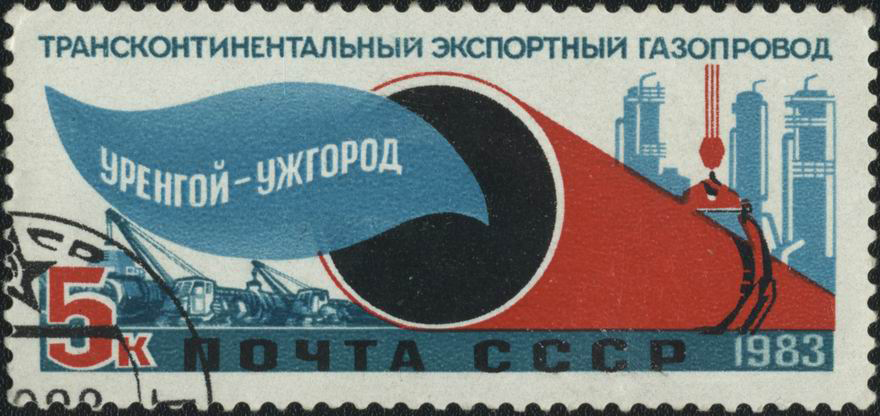
One day into their unprecedented cross-border incursion into Russia’s Kursk oblast, Ukrainian forces captured the Sudzha gas metering station—a key node of the last remaining Russian pipeline still sending gas to Europe through Ukraine. The Urengoy-Pomary-Uzhgorod pipeline, built by the Soviets in the 1980s, sends natural gas from Siberian fields through Ukraine to Slovakia, the Czech Repubic, Hungary and Austria. Despite the capture of the Sudzha station, Gazprom hasn’t halted the flow of gas through the station—nor has Ukraine shut the pipeline over the past two and a half years of war, apparently due to pressure from Europe. EU sanctions have only gradually started to affect Russia’s massive hydrocarbons sector. (Image: Soviet postage stamp celebrating the Urengoy-Uzhgorod pipeline. Via Wikipedia)
Europe
arm ukraine

Propaganda game in fight over Ukraine military aid

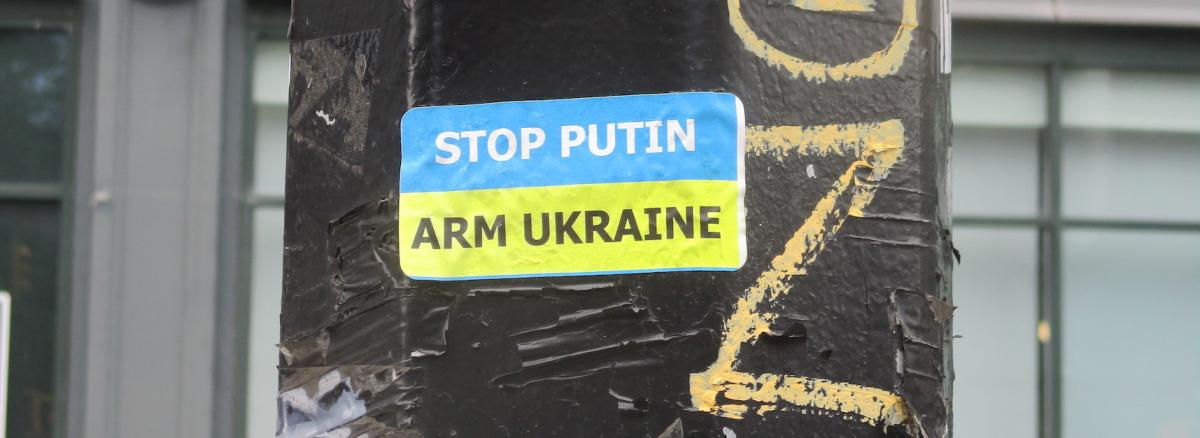
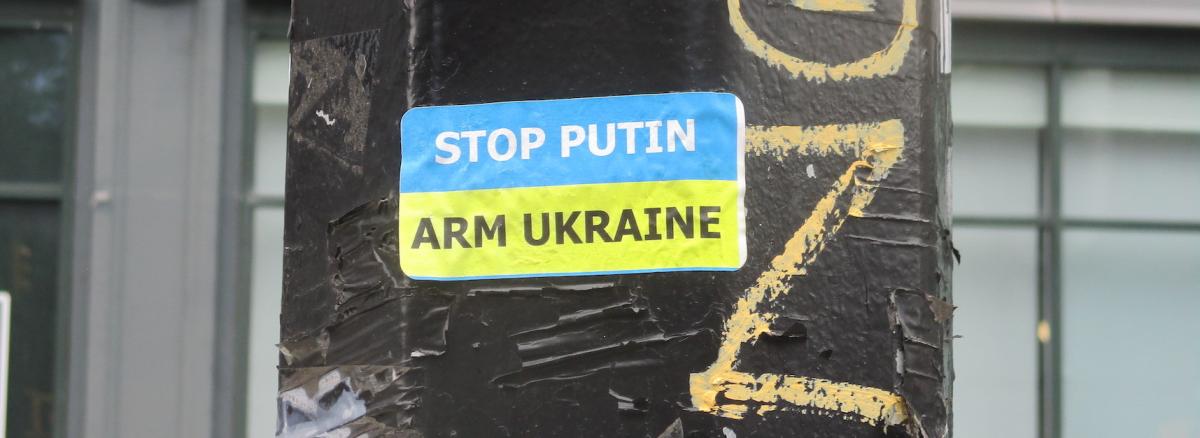
With Republicans holding up new military aid for Ukraine on Capitol Hill, Russia launched one of the most massive aerial assaults of the war, killing 40 in Kyiv, Kharkiv, Odesa, Dnipro and Lviv. Ukraine retaliated the next day with a missile strike on the Russian city of Belgorod, killing at least 22. Russia counter-retaliated with a wave of drone strikes, damaging schools, hospitals and homes across Ukraine, killing at least 24. Russia accused Ukraine of using internationally prohibited cluster munitions in the strike on Belgorod, and called for an emergency meeting of the UN Security Council. Of course, Russia has itself used cluster munitions since the start of the war in February 2022, despite international criticism from bodies including the UN Human Rights Council. (Photo from Little Ukraine, NYC: CounterVortex)

South Asia
Amritpal Singh

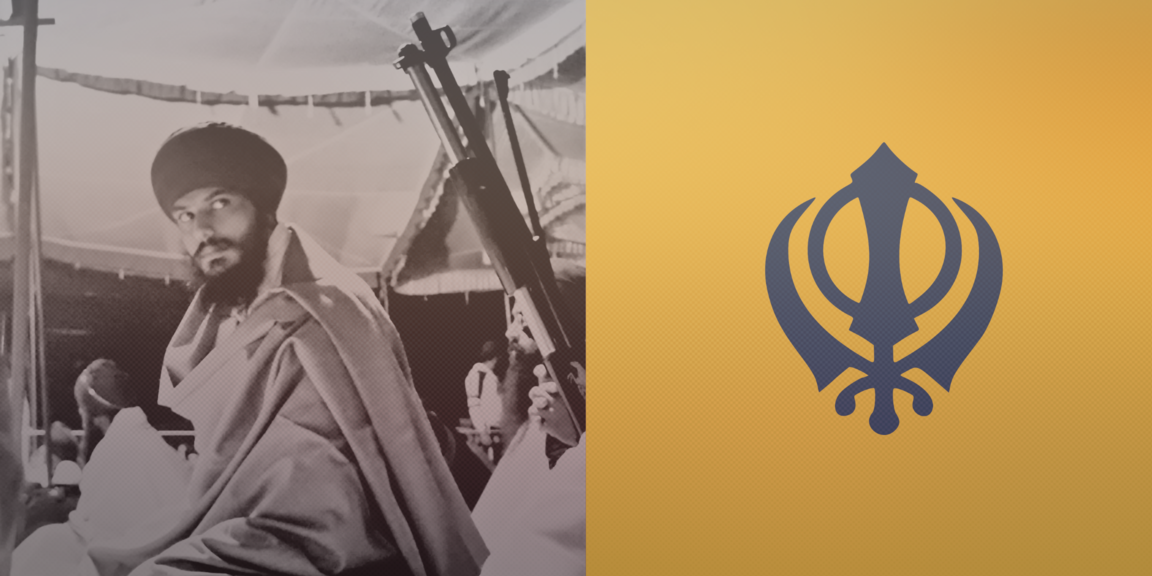
Sikh separatist arrested in India after manhunt

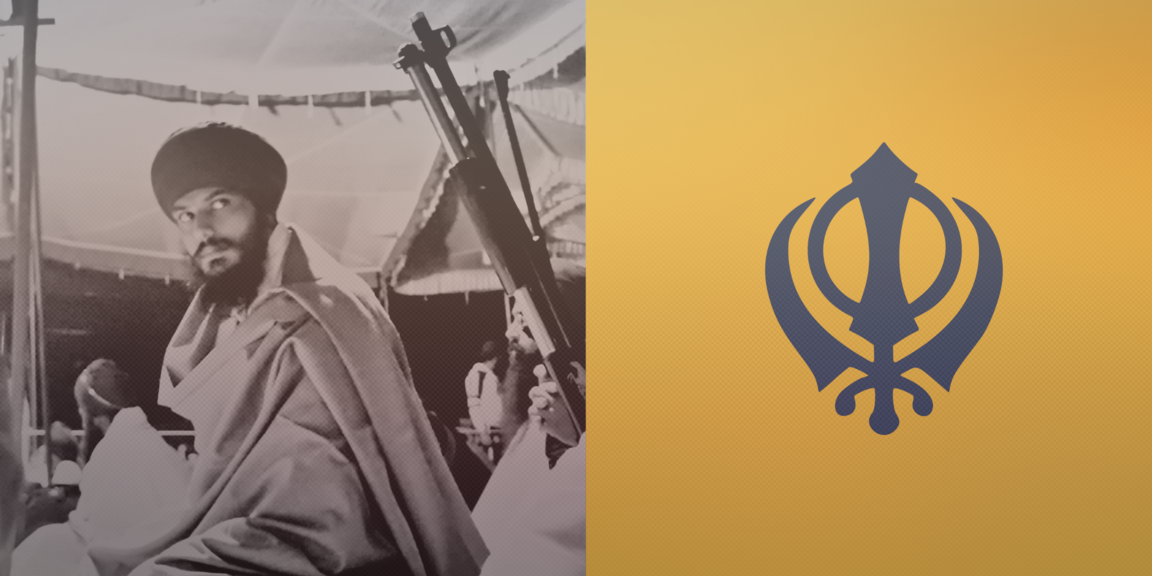
Indian police arrested Sikh separatist leader Amritpal Singh after a month-long manhunt. Singh gained notoriety for supporting the Khalistan movement, which calls for an independent Sikh homeland in the northwest state of Punjab. He was taken into custody in the gurdwara (Sikh temple) of a Punjab village. He is charged with attempted murder, obstructing law enforcement, and disturbing the peace under terms of the harsh National Security Act. The charges concern a February incident in which hundreds of followers of Singh’s organization Waris Punjab De (Heirs of Punjab) stormed a police station in Amritsar with sticks, swords and firearms, demanding the release of a detained member of the group. During the manhunt for Singh, authorities cut off internet access to all Punjab, a state of nearly 30 million. (Images of Amritpal Singh, Khalistan flag: Wikimedia Commons. Collage: Jurist)

Europe
mariupol ruins

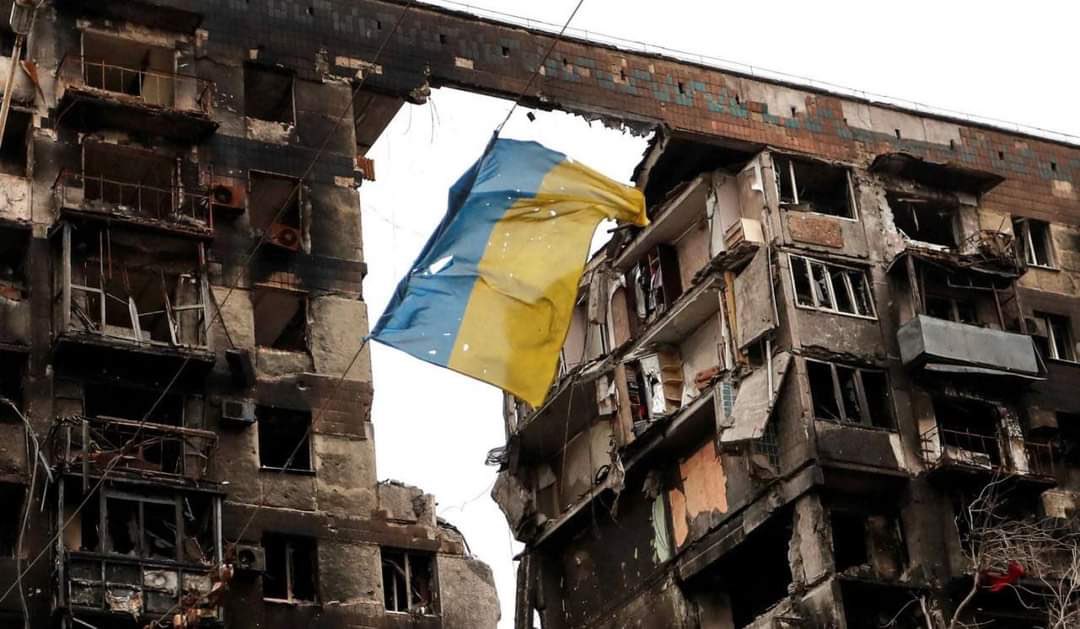
Podcast: Grozny, Aleppo, Mariupol

In Episode 144 of the CounterVortex podcast, Bill Weinberg notes Putin’s annexation of Ukraine’s Donbas region not only came on exactly the same day as the 1938 Munich Agreement, which approved Hitler’s annexation of Czechoslovakia’s Sudetenland—it was also the same day that Putin launched two of his previous criminal military adventures. On Sept. 30, 1999, Russian tanks rolled into Chechnya, marking the start of the Second Chechen War, with massive aerial bombardment of the region’s capital city of Groazny. On Sept. 30, 2015, Russian began air-strikes in Syria, marking the start of a massive military intervention on behalf of the Bashar Assad dictatorship, in which the city of Aleppo would be virtually destroyed by bombardment. And in Putin’s new war of aggression in Ukraine, the Azov seaport of Mariupol has been similarly nearly obliterated. A review of this history reveals Vladimir Putin as a serial city-destroyer, who must be deposed and put on trial for his crimes against humanity. Listen on SoundCloud or via Patreon. (Photo via Twitter)

Europe
Munich

Podcast: Donbas = Sudetenland

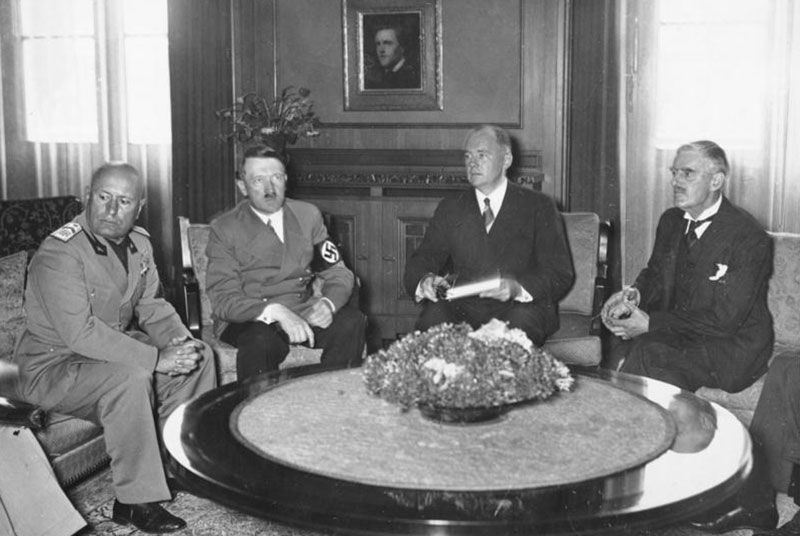
In Episode 143 of the CounterVortex podcast, Bill Weinberg notes the all too telling irony that Putin’s annexation of Ukraine’s Donbas region came on exactly the same day as the 1938 Munich Agreement, which approved Hitler’s annexation of Czechoslovakia’s Sudetenland region. Russian annexation of the Donbas was preceded by that of Crimea, just as the Nazi annexation of Sudetenland was preceded by that of Austria. This is the same pattern of escalation toward world war—only this time Putin’s overt nuclear threats make the stakes even higher. Signs of hope include the anti-draft uprising in Russia and mass exodus of Russian youth, which undermine Putin’s war effort and threaten his very regime. War Resisters International has issued a petition demanding that European states offer asylum to all Russian deserters and conscientious objectors to military service. Alas, much of the Western “left” continues to make excuses for Putin’s criminal aggression. Dissident websites such as CounterVortex and Balkan Witness debunk the Russian war propaganda being recycled by Putin’s internet partisans on the pro-fascist pseudo-left. Listen on SoundCloud or via Patreon. (Photo of Benito Mussolini, Adolf Hitler, interpreter, and Neville Chamberlain meeting in Munich, September 1938: German Federal Archives via Encyclopedia Britannica)

Europe
Nordstream

Russia ‘weaponizes’ gas supplies to Europe

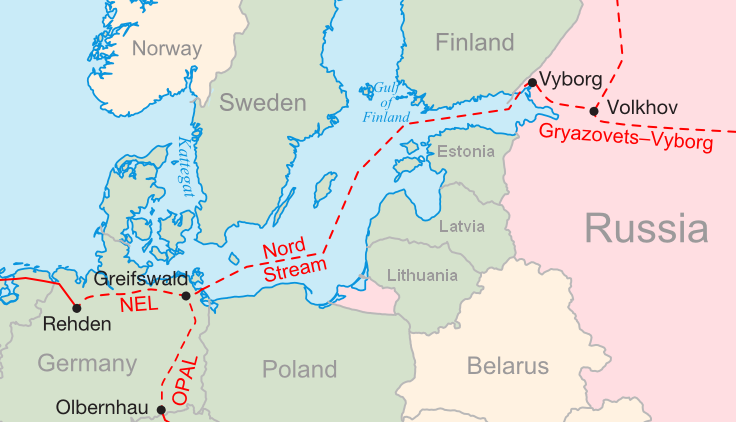
Russian energy giant Gazprom cut off the flow of natural gas to Germany and other European markets via the Nord Stream pipeline, calling it a three-day shut-down for maintenance. But Western governments charge that Russia is “weaponizing” gas supplies amid the Ukraine war. Days earlier, Germany’s government broached allowing the blocked Nord Stream 2 pipeline to begin pumping Russian gas. Wolfgang Kubicki, vice president of the Bundestag, said the move is necessary so “people do not have to freeze in winter and that our industry does not suffer serious damage.” His comment prompted a harsh response from Kyiv, where Foreign Minister Dmytro Kuleba said that “addiction to Russian gas kills.” (Map: Wikipedia)

Planet Watch
Tengiz

Ukraine war portends new oil shock

Long-depressed oil prices are suddenly soaring in response to the Russian invasion of Ukraine, with impacts already being felt globally. Exports from Kazakhstan and the Caspian Basin are virtually paralyzed, as the Black Sea pipeline terminal delivering the crude to Western markets is incurring a prohibitive “war risk insurance premium.” Berlin has suspended the Nord Stream 2 pipeline, which is to carry Russian gas under the Baltic Sea to Germany—and Russia has retaliated by threatening to cut gas supplies to Europe via the Nord Stream 1 line. In his executive order barring Russian oil and gas imports to the US, President Biden issued a warning to the oil companies, urging that the war should not serve as an excuse for price-gouging. But it is actually the oil futures market that plays a determinant role in fixing the international price. There’s a big psychological element involved, which is why every escalation in the Middle East (without fail) jacks up oil prices. A war in Europe will almost certainly mean another oil shock, with grim implications for the world economy and Biden’s political chances. (Photo of Kazakh oil-field via Wikimedia Commons)

Europe
Turów

Polish-Czech agreement on border coal mine

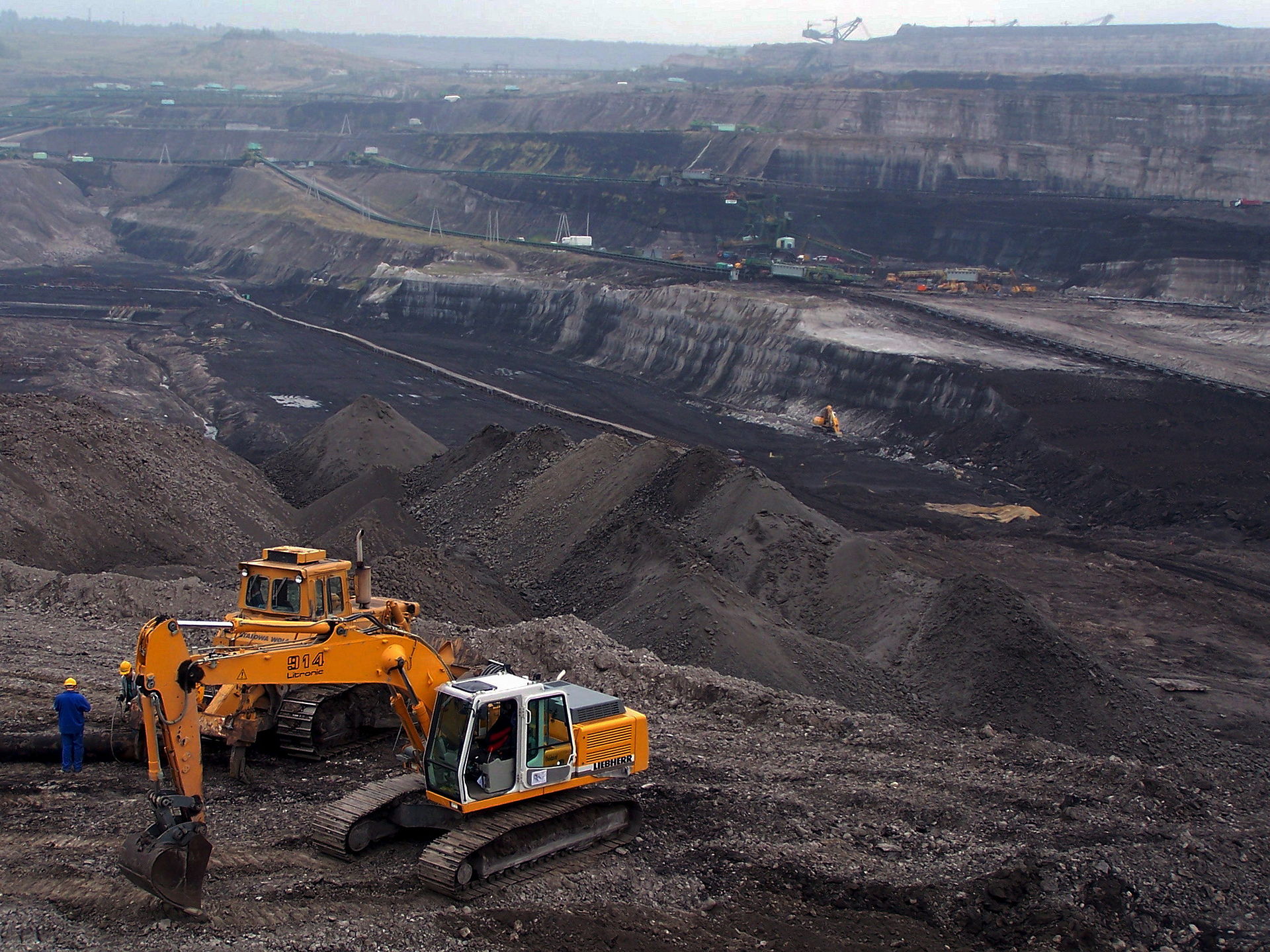
The government of Poland announced that it has agreed to pay compensation in a dispute over the Turów open-pit lignite mine that lies close to the border with the Czech Republic. In return, Prague has withdrawn its complaint at the Court of Justice of the European Union. The dispute concerns the complaints of local farmers on the Czech side of the border that their water sources are going dry due to the mine’s operations. The Turów Brown Coal Mine, owned by Poland’s parastatal power company PGE, must pump water from the pit into the Lusatian Neisse River, draining the local aquifer. The mine has been expanding closer to the border, further enflaming the fears of the Czech farmers. The deal was protested by Greenpeace for failing to provide sufficient guarantees for protection of the watershed. (Photo: Wikipedia)

Planet Watch
Ghana soldiers

Growing police-state measures in face of COVID-19

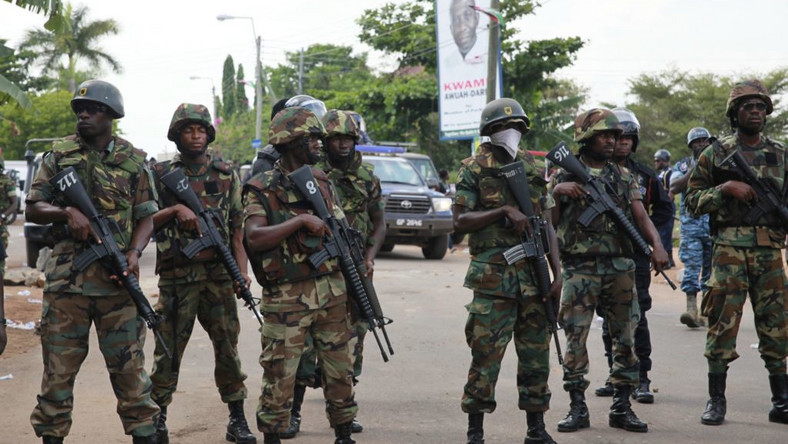
As nations across the globe remain under lockdown, more sweeping powers are being assumed by governments in the name of containing the COVID-19 pandemic. Facing demands for relief from poor barrios running out of resources under his lockdown orders, Philippine President Rodrigo Duterte threatened to shoot protesters in the streets. Police have opened fire on lockdown violators in Nigeria, Ghana and Peru. In Tunisia, remote-controlled wheeled robots have been deployed to accost lockdown violators. States of emergency, including broad powers to restrict movements and control the media, have been declared from the Philippines to Serbia. Amnesty International warns that the restrictive measures could become a “new normal.” (Photo: Pulse, Ghana)