


Tag: control of water
Peru: endgame in Cajamarca struggle?
In a turn-around in the conflict over the proposed Conga gold mine in Cajamarca, Peru, right-wing fujimorista congressman from the region, Joaquín Ramírez Gamarra, has come out publicly for shelving the project in the interests of social peace. “The suspension of the… Read morePeru: endgame in Cajamarca struggle?
Peru: more protests over mining, water
Campesinos in Peru blocked roads to protest the pollution of local waters by a US-owned mining project in Áncash region, and the Pasto Grande II water diversion scheme.
Argentina: gold mine problems spook Barrick investors
Jamie Sokalsky, CEO of the Toronto-based Barrick Gold Corporation, announced on July 26 that major problems were delaying the opening of the company’s controversial Pascua Lama gold and silver mine, located in the Andes on both sides of the border… Read moreArgentina: gold mine problems spook Barrick investors
Argentina: activists continue struggle against ‘mega-mining’
On July 20 soldiers, police and supposed “pro-mining activists” broke up an encampment that environmentalists and area residents had set up at Cerro Negro in the northwestern Argentine province of Catamarca to protest open-pit mining. The environmentalists–who came from Córdoba,… Read moreArgentina: activists continue struggle against ‘mega-mining’
TKTKTKTK
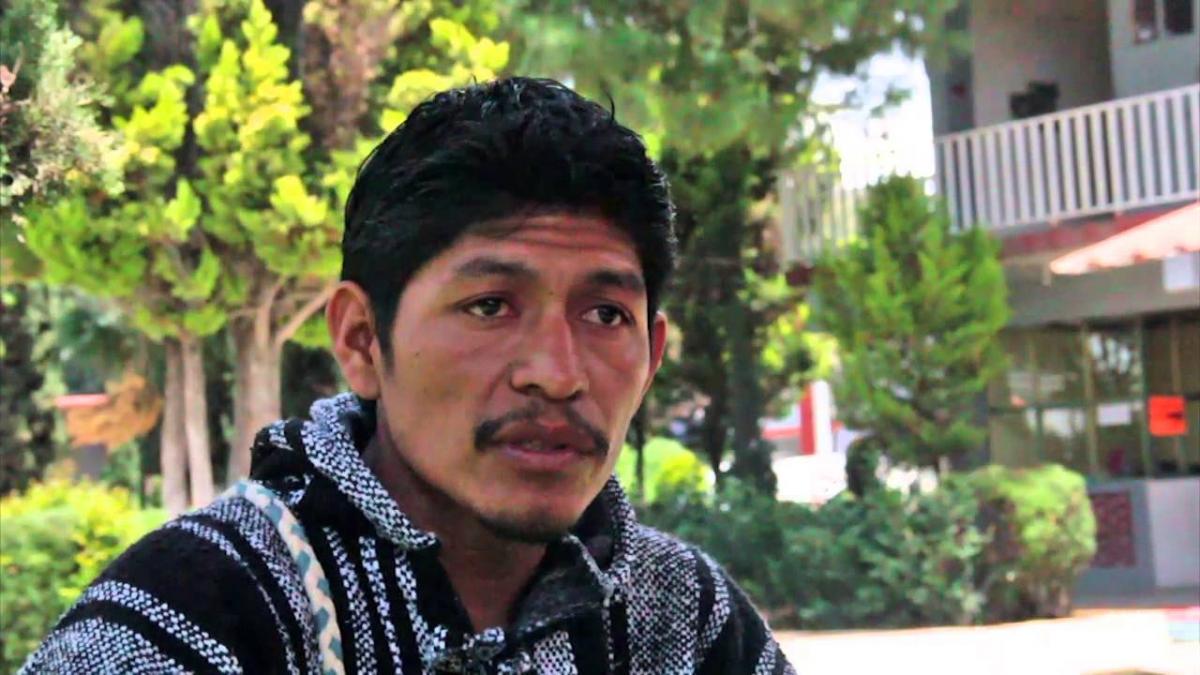 An indigenous environmental activist was killed in Mexico's south-central state of Morelos, three days ahead of a planned referendum on an energy development project that he opposed. Samir Flores Soberanes was a leader of the local Peoples in Defense of Land and Water Front and community radio station Amilzinko. He was slain by unknown gunmen in an attack at his home in the village of Amilcingo, Temoac municipality. He was a longtime figure in local opposition to the planned Huexca power plant and associated natural-gas pipeline, pushed by the government under the Morelos Integral Project. (Photo: Somos el Medio)
mosque121
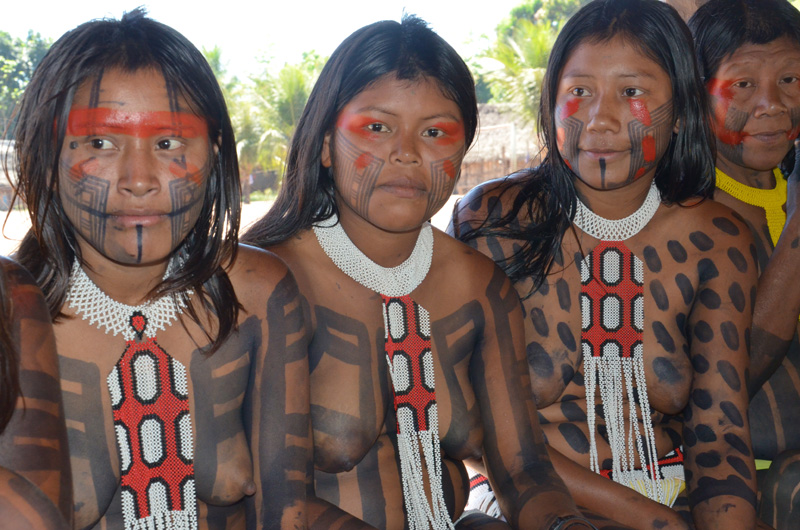 On his first day in office, President Jair Bolsonaro issued a measure taking away responsibility for indigenous land demarcation from the indigenous affairs agency, FUNAI, and handing it over to the Agriculture Ministry. In the same decree, Bolsonaro shifted authority over regularization of quilombos (Afro-Brazilian collective lands) from the agrarian reform institute, INCRA, to the Agriculture Ministry. The measure greatly weakens FUNAI, taking away its most important function. In practice, key areas of indigenous and quilombo policy will now be in the hands of agribusiness advocates—a long-time demand of the Bancada Ruralista (agribusiness lobby) in Congress. Bolsonaro is openly calling for abolition of Brazil's large indigenous reserves, a move with grave implications for the Amazon rainforest and global climate. (Photo: Kayapo women in Brazilian Amazon, via FUNAI)

mosque4
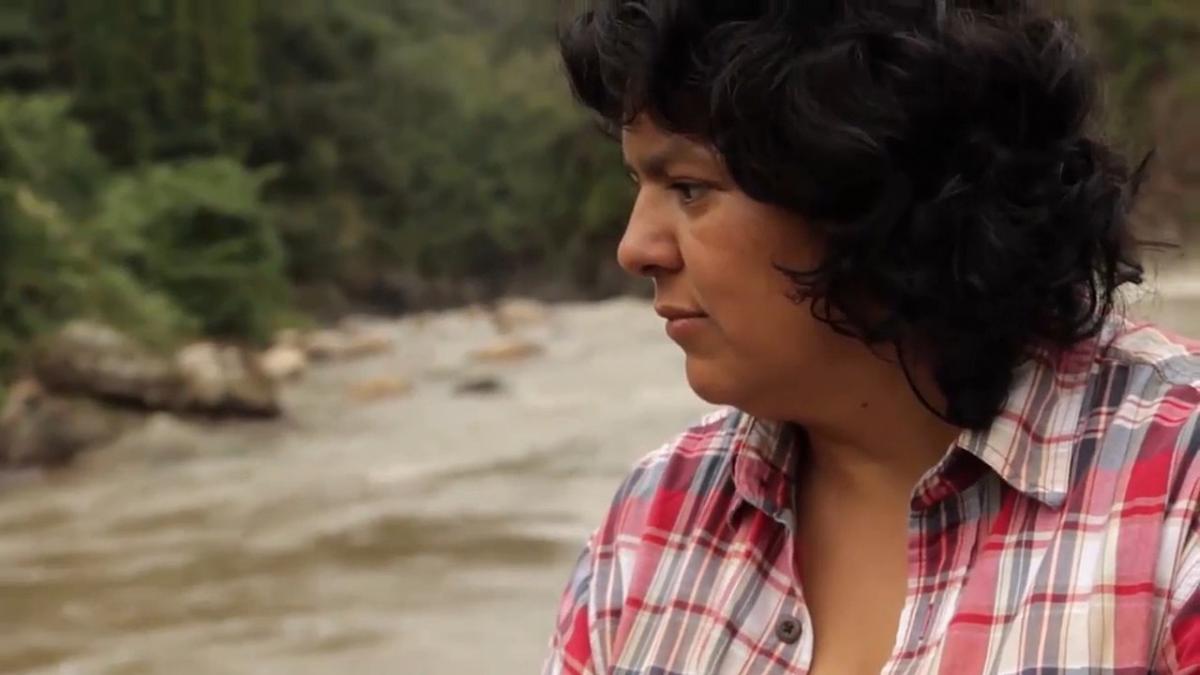 A court in Honduras convicted seven men in the 2016 murder of indigenous rights activist Berta Cáceres. Until her assassination Cáceres had been leading a campaign against the Agua Zarca dam, a joint project by Honduran company Desarrollos Energéticos SA (DESA) and Chinese-owned Sinohydro. The dam was being built on the Rio Gualcarque without prior consultation with the Lenca indigenous community that depends on the river for their food and water. Cáceres, who won the prestigious Goldman Environmental Prize in 2015, had received numerous threats for her activism against the dam before she was killed by gunmen at her home in the town of La Esperanza. Two of those convicted are former DESA managers. (Photo by UN Environment/ONU Brasil via Wikimedia Commons)
HOND
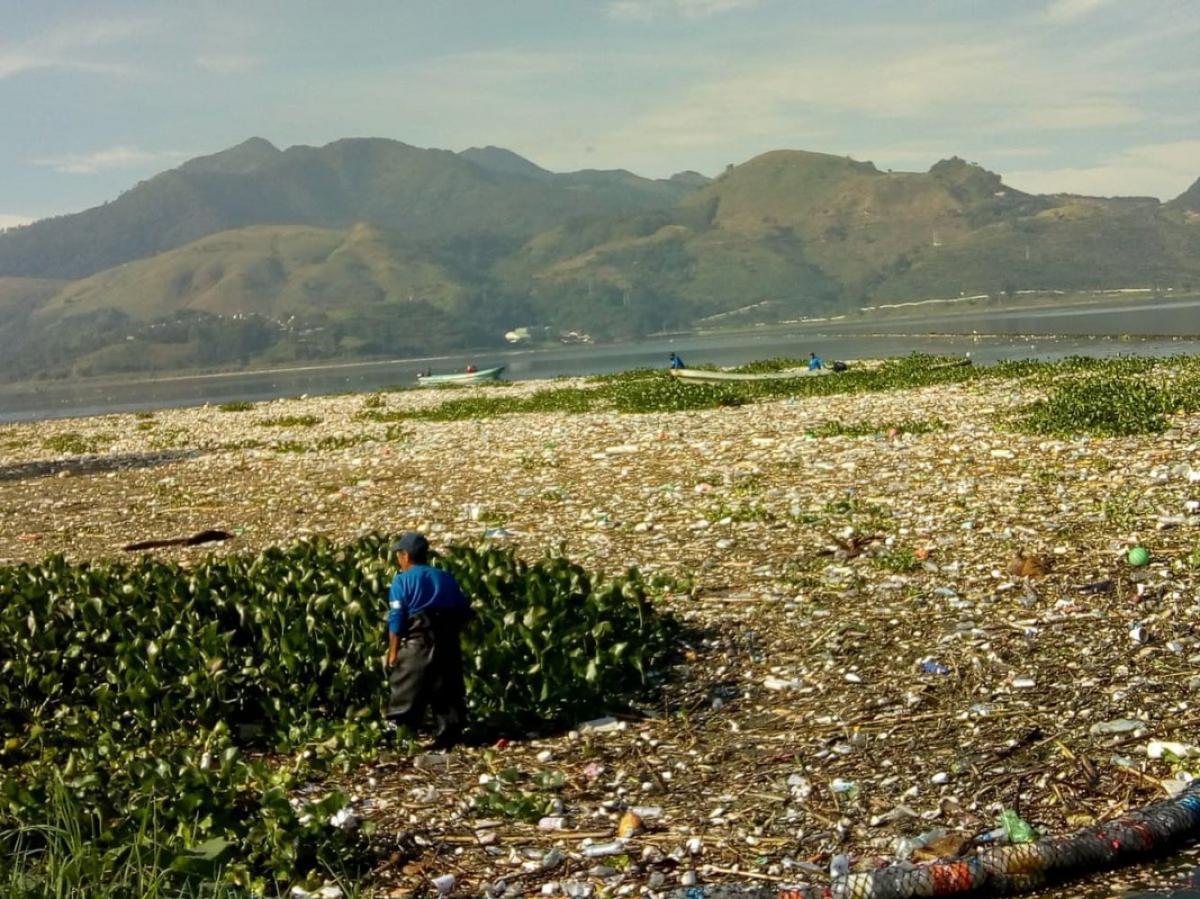 Guatemala’s special anti-corruption Court for High Risk Crimes sentenced former vice president Roxana Baldetti to prison for 15 years and six months for her role in the so-called "Magic Water" scandal. The case concerned the awarding of an $18 million dollar contract to decontaminate Lake Amatitlán, an important water source for peasant communities. The contract went to Israeli firm M. Tarcic Engineering Ltd, which claimed it had a "special formula" that could clean the lake within months. An investigation revealed that the "formula" consisted of water, salt and chlorine. The Authority for the Sustainable Management of Lake Amatitlán (AMSA), establsihed to oversee the clean-up, documented illegal dumping of agricultural and municipal waste into the Río Villalobos, which empties into the lake. The UN-backed International Commission Against Impunity in Guatemala (CICIG) supported Guatemalan prosecutors in the conspiracy case against Baldetti. (Photo via EmisorasUnidas)

neda
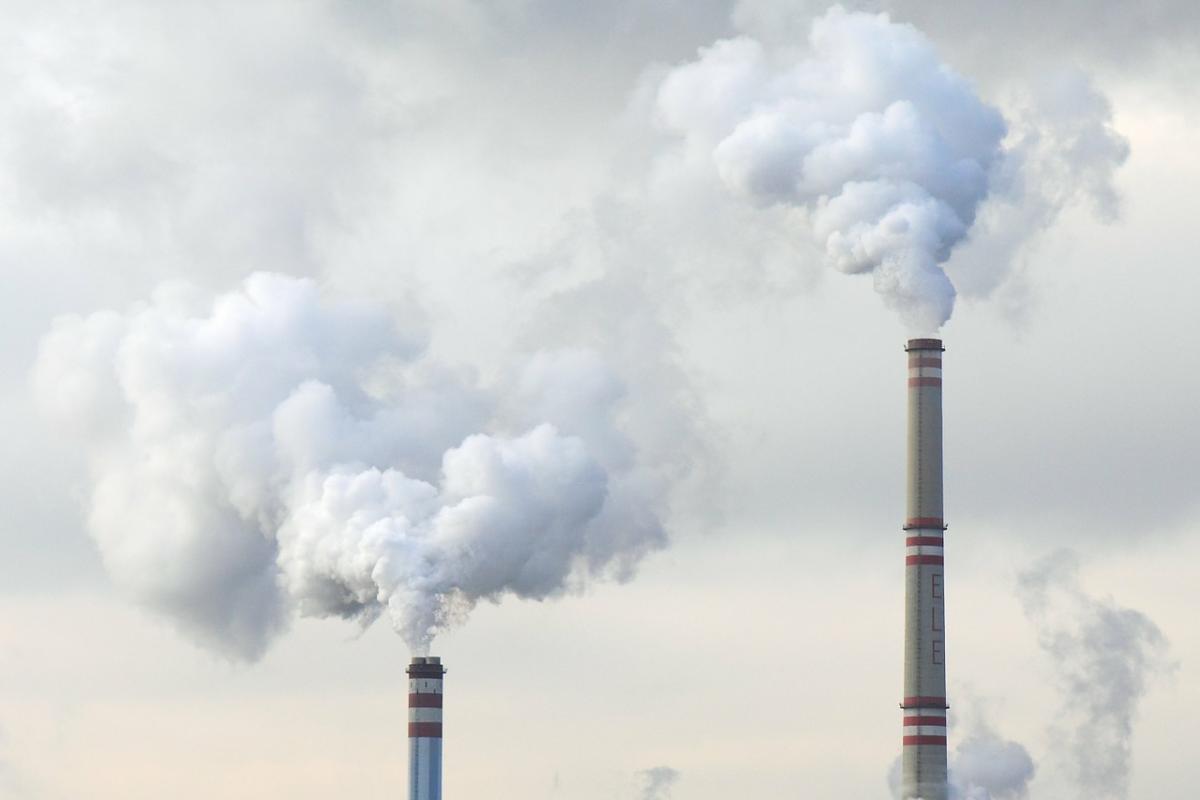 UN Special Rapporteur on human rights and the environment David Boyd issued an urgent call for accelerated action to combat climate change. The statement comes after the Intergovernmental Panel on Climate Change (IPCC) released a report on the impacts of global warming of 2°C—the increase permitted under the Paris Accord. Boyd said that climate change is "one of the greatest threats to human rights" and will have devastating effects on the "rights to life, health, food, housing, and water, as well as the right to a healthy environment." In order to meet human rights obligations, Boyd called on counties to exceed their Paris Agreement obligations. If the temperature increase is allowed to increase to 2.0°C, it would result in "human rights violations upon millions of people." (Photo via Jurist)