
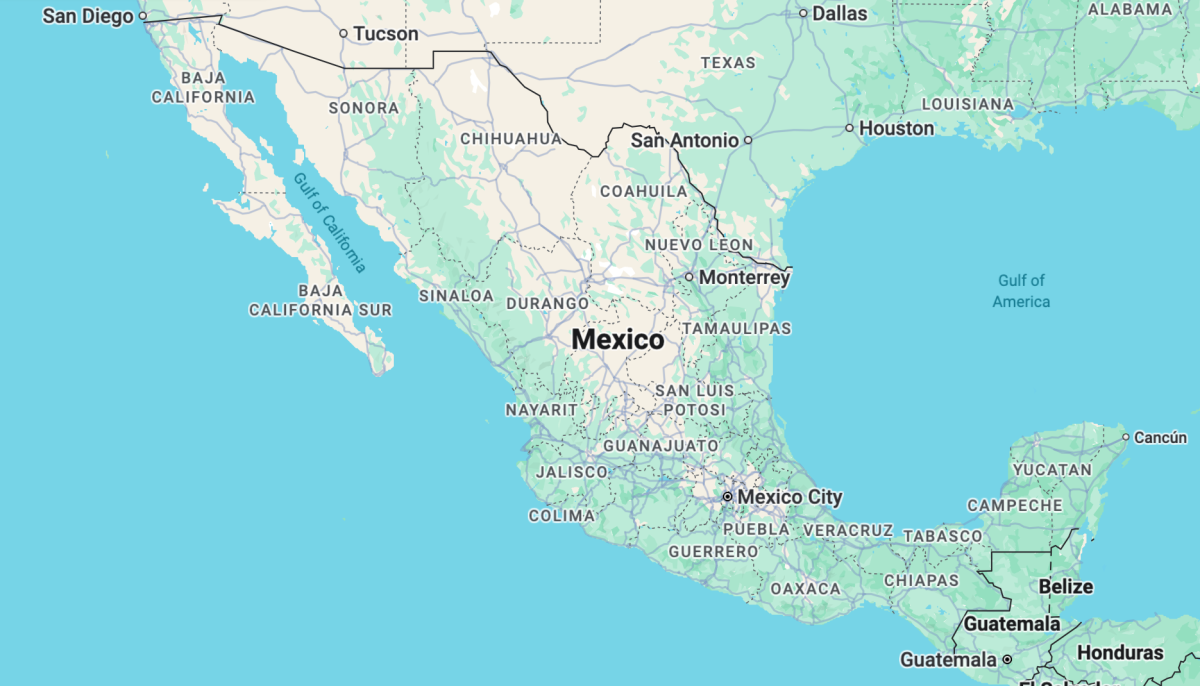
US charges Mexican officials with drug trafficking
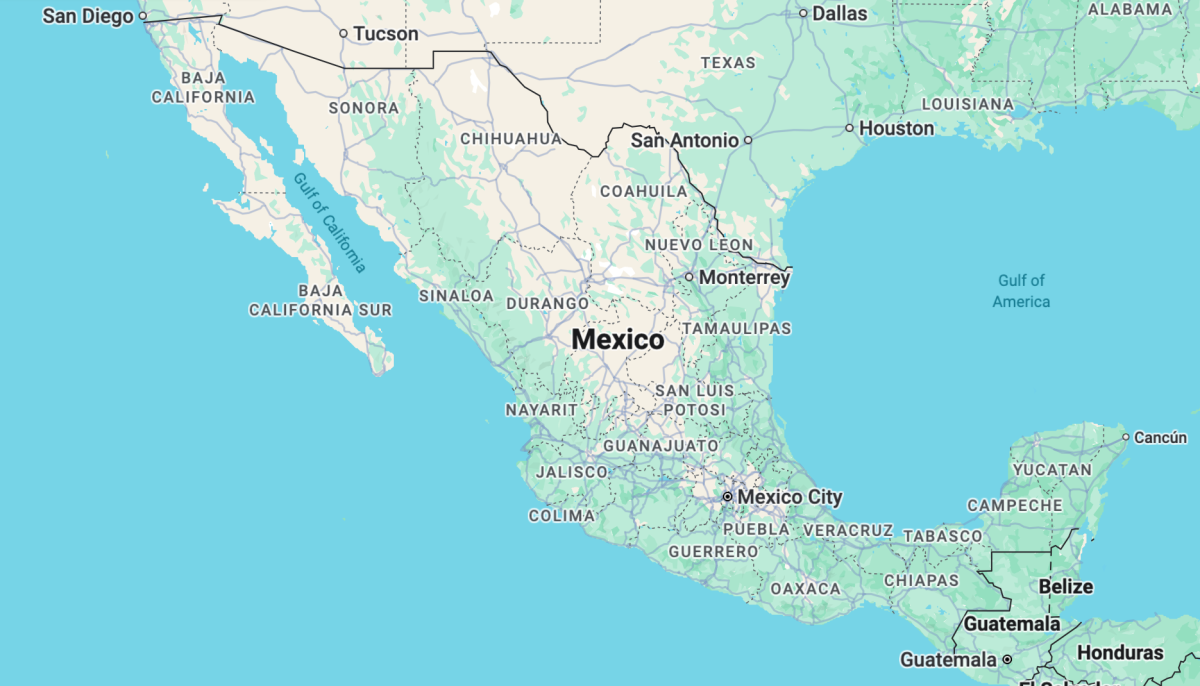
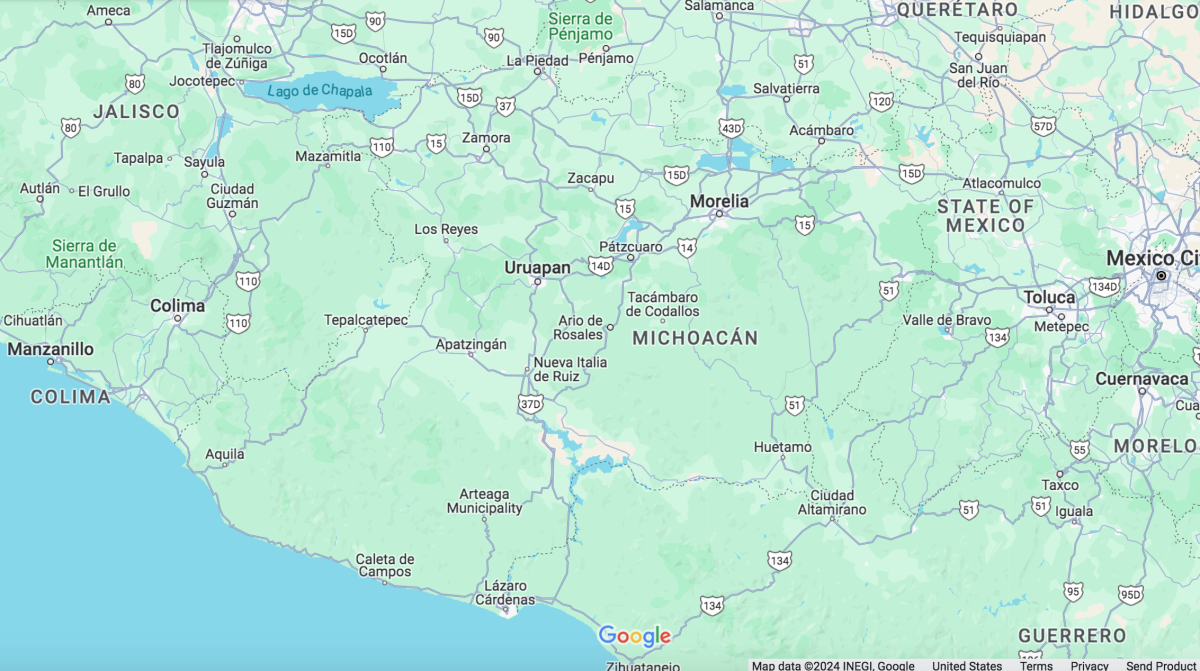
MexicoA grand jury in the US District Court for the Southern District of New York indicted 10 current and former Mexican officials for importing large amounts of drugs into the United States, along with related offenses. The officials include the current governor of Sinaloa state, Rubén Rocha Moya, as well as a Sinaloa deputy attorney general, a former Sinaloa secretary of public security, a former deputy director of the Sinaloa State Police, and a federal senator. The indictment accuses the officials of ties to one faction of the Sinaloa Cartel, "Los Chapitos," run by the sons of Joaquín "El Chapo" Guzmán, who is serving a life prison term in the US. In a seeming reference to the fact that Rocha Moya and others of those indicted are from Mexico's ruling MORENA party, President Claudia Sheinbaum said: "[I]t it is evident that the objective of these charges by the Department of Justice is political… We will not allow any foreign government to…decide the future of the Mexican people." (Map: Google)
Colombia: Petro approves rebel-requested inquiry

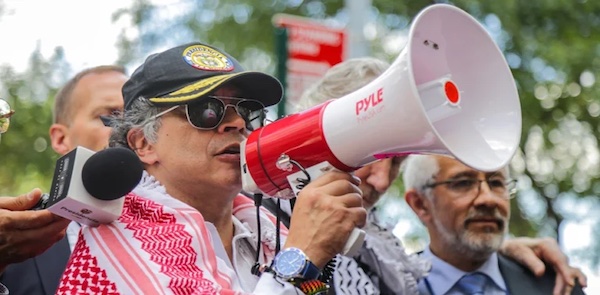
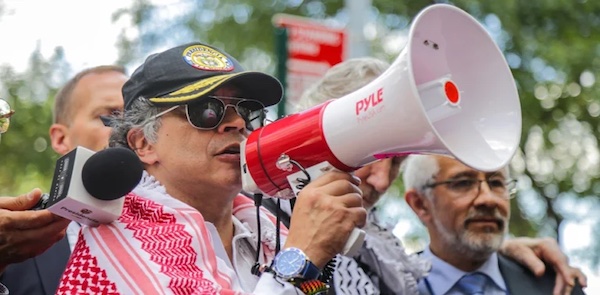
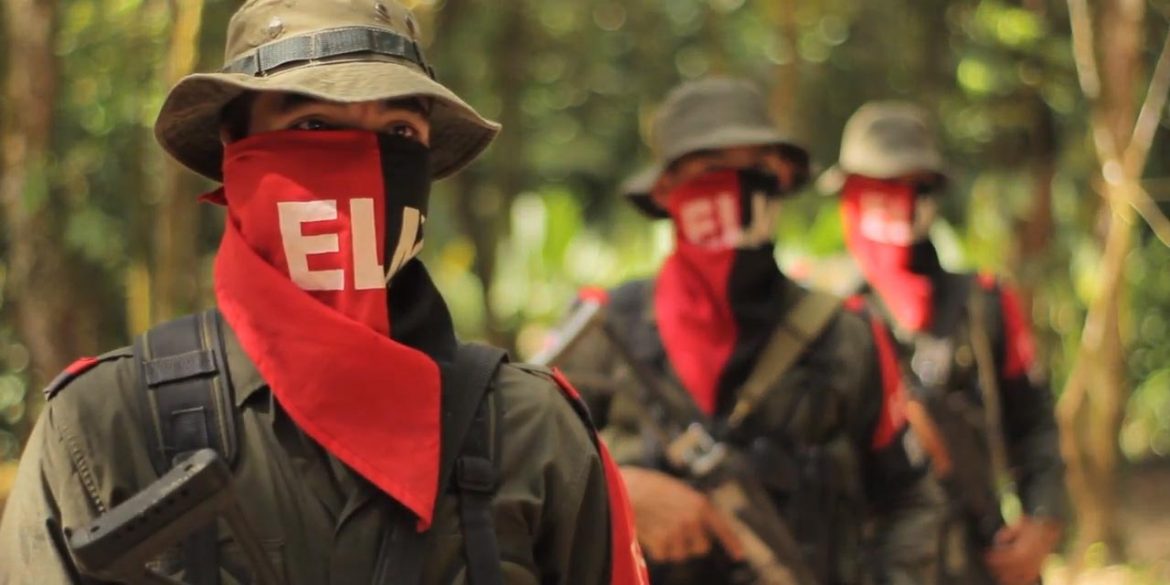
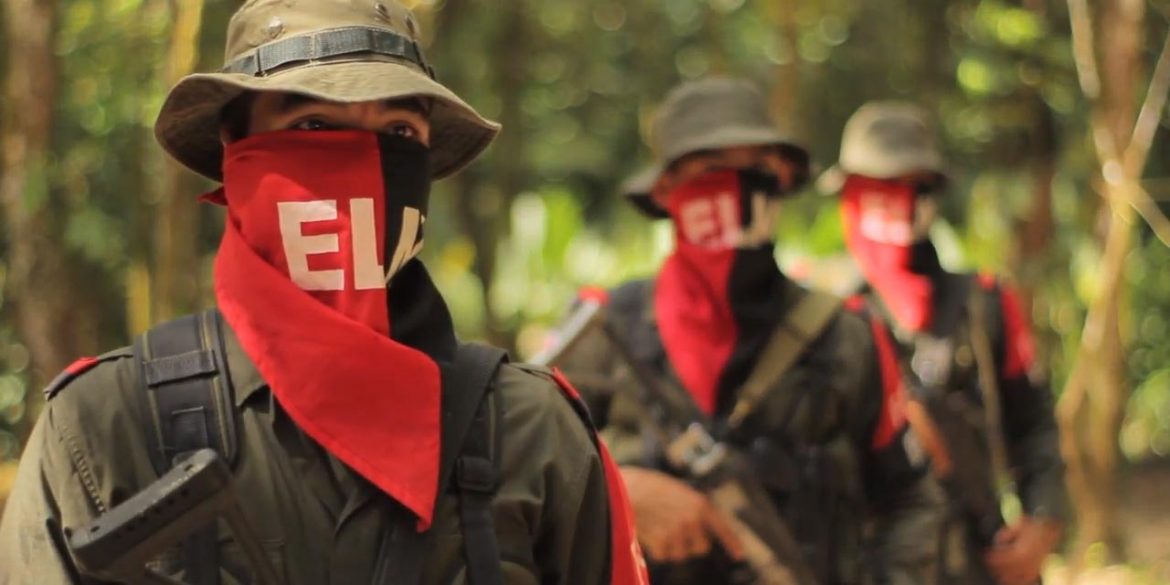
ELNColombian President Gustavo Petro said he would accept a proposal from the country's largest remaining rebel group to allow an independent commission to investigate its alleged links to drug trafficking. Antonio García, leader of the National Liberation Army (ELN), released a video stating that although the group collects taxes from cocaine producers in its territory, it does not itself operate drug trafficking networks or cocaine production facilities. (Photo: Colombia Reports)

Trump announces plan to ‘run’ Venezuela

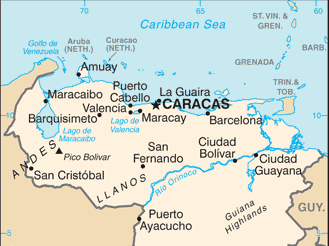
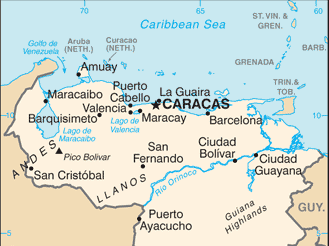
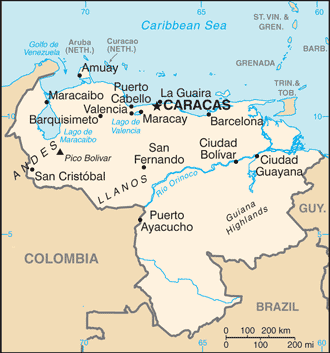
VenezuelaTrump announced that the US would "run" Venezuela, following a strike on the country that led to the capture and transfer to the US of President Nicolás Maduro and his wife, First Lady Cilia Flores. In a press conference at his Mar-a-Lago estate, Trump emphasized the recent decline of Venezuela's oil industry, stating that US oil companies would spend billions to repair the country's infrastructure and bring in foreign exchange. Claiming to be acting in the interest of bringing "peace, liberty and justice for the great people of Venezuela," he added that the US would be prepared to "stage a second and larger attack" if necessary. Maduro's vice president Delcy Rodriguez, now sworn in as interim president, has offered no indication of acquiescence in Trump's plans. (Map: Perry-Castañeda Library)

China condemns US seizure of Venezuela-linked tankers

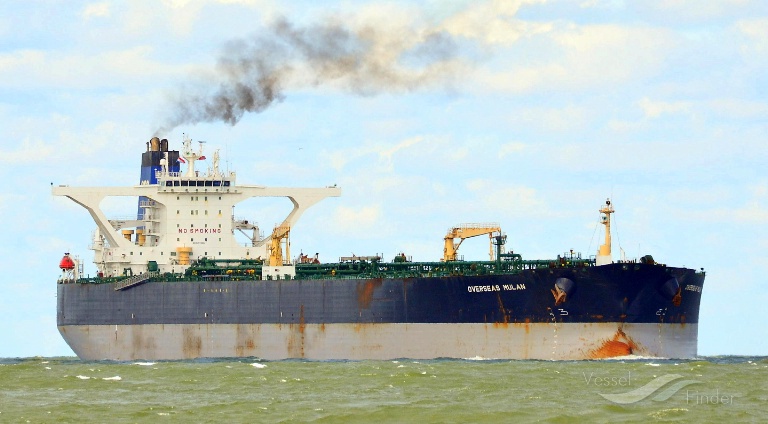
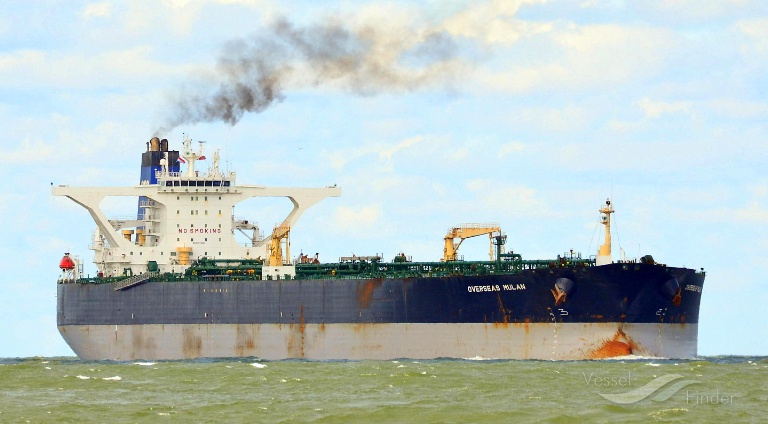
BellaChinese officials condemned the US seizure of oil tankers headed from Venezuelan ports, calling the acts a "serious violation of international law." The protest came days after US troops boarded and seized the Panama-flagged tanker Centuries. According to the White House, while the ship was not on the US Treasury's sanctioned vessel list, it carried state-owned oil as part of Venezuela's "shadow fleet." Reports have indicated that the Centuries was headed for China. Days earlier, the US seized the M/T Skipper, which the Justice Department claimed was "being used in an oil shipping network supporting Hizballah and the Islamic Revolutionary Guard Corps-Qods Force," two US-designated "foreign terrorist organizations." (Photo: VesselFinder)

Post-electoral tension in Honduras

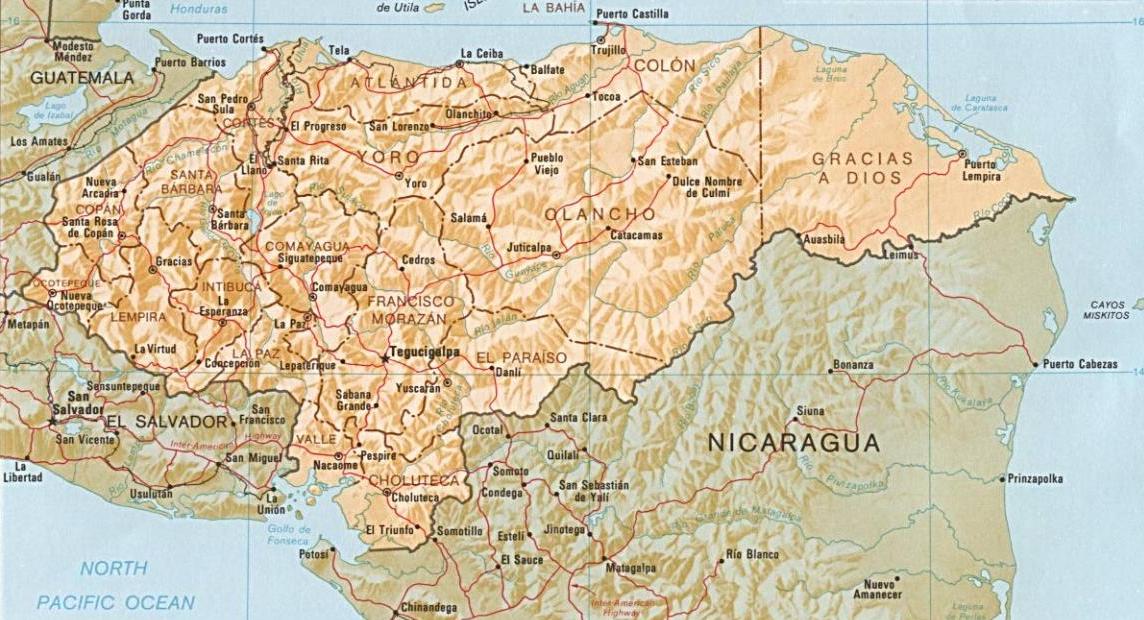
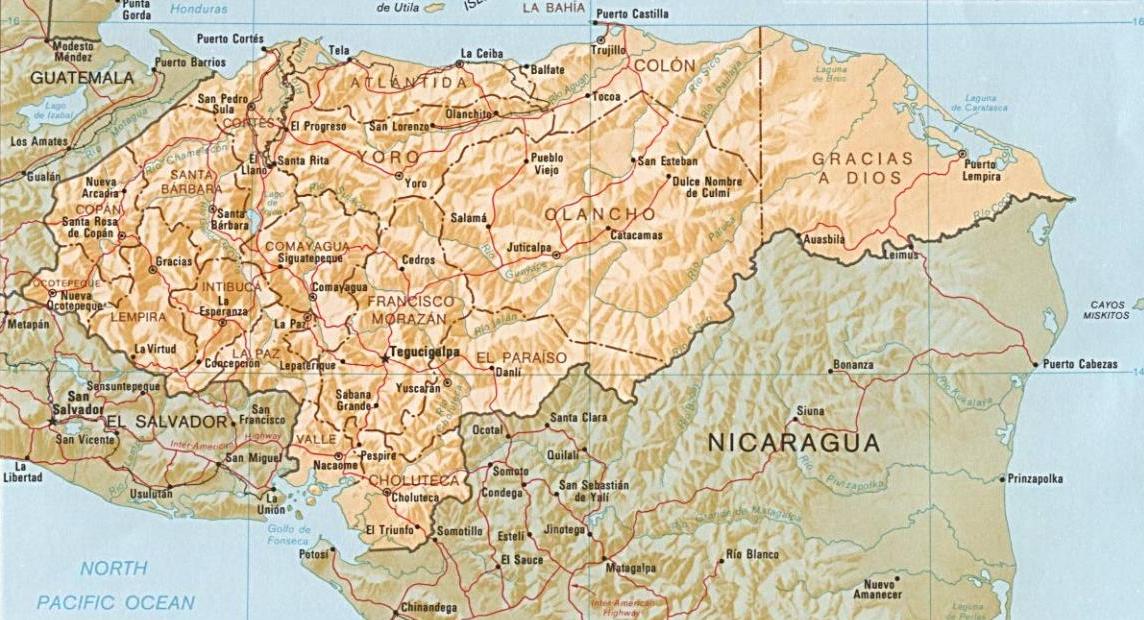
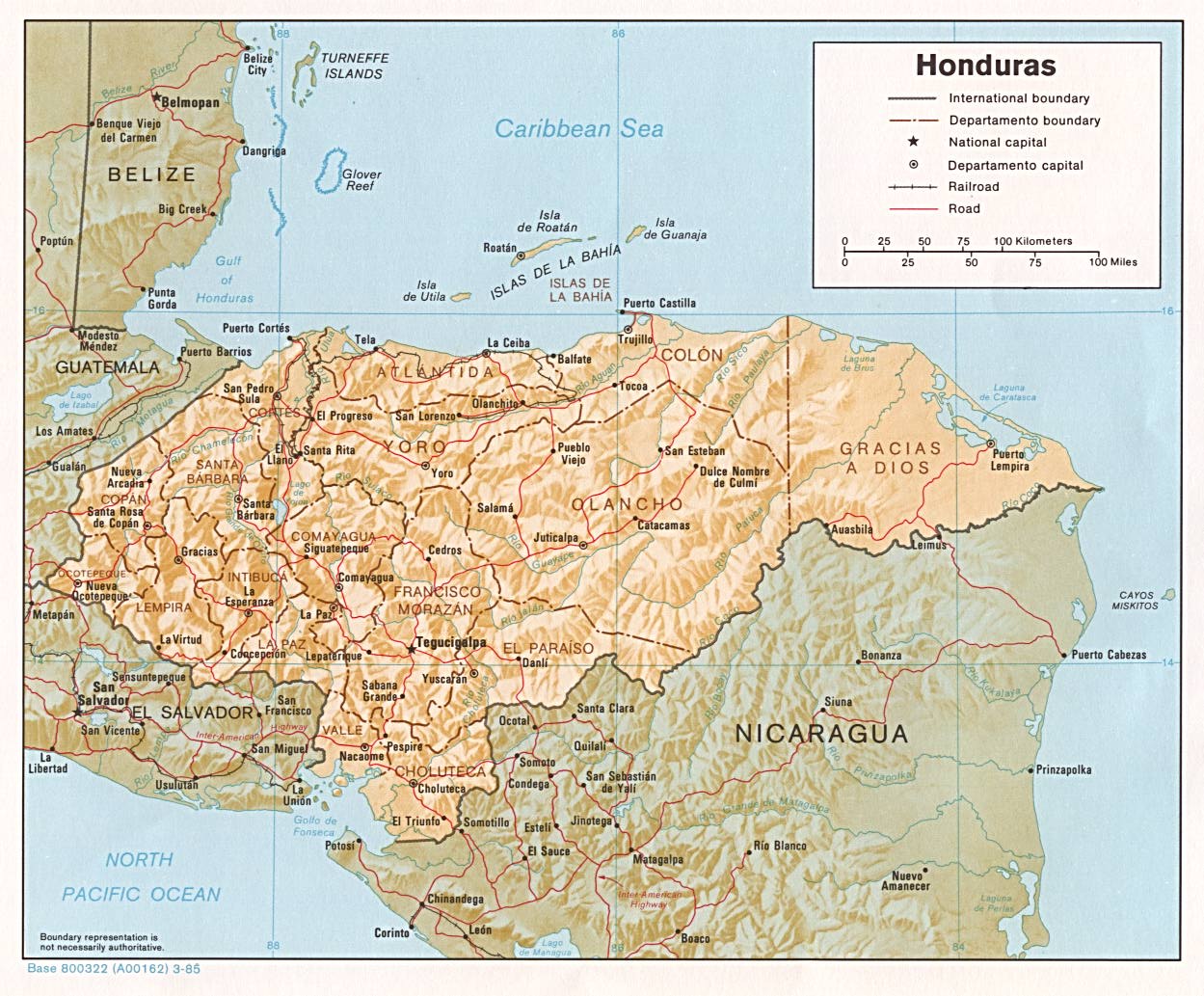
HondurasHonduras is on tenterhooks as the results of its presidential election have not yet been finalized, and Trump has threatened reprisals if his favored candidate fails to win. Since the voting, ex-president Juan Orlando Hernández—convicted in the US last year of drug trafficking and bribery—was pardoned by Trump and released from prison. Adding to the unease is the country's deeply flawed vote-transmission system, which has crashed twice during the count. This has enabled politicians from across the spectrum—as well as Trump—to fuel the tension by raising allegations of fraud. (Map: Perry-Castañeda Library)

Guinea-Bissau: narco-plot behind latest African coup?

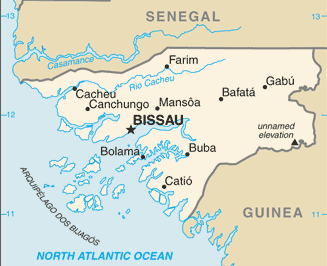
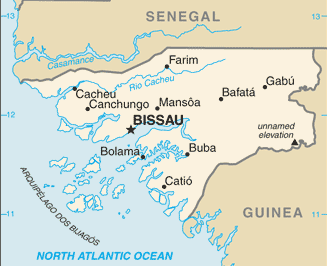
BissauUN Secretary-General António Guterres condemned the military coup in Guinea-Bissau that took place just days after national elections, saying that it gravely violates constitutional order and democratic principles. The African Union similarly condemned the coup, while the West African regional bloc ECOWAS suspended Guinea-Bissau until there is a full restoration of constitutional order. This latest military takeover reflects a pattern of instability in Guinea-Bissau since the country gained independence from Portugal in 1974, and follows a long string of coups or coup attempts. Guinea-Bissau also ranks first among African countries in the cocaine trade, a reality that looms ever larger over national politics. In his inaugural speech, transitional president Maj-Gen. Horta Nta Na Man justified the military takeover as necessary to thwart a plot by "narco-traffickers" to destabilize the country. Government efforts to crack down on the narco trade are believed to have prompted previous coups d'etat in Guinea-Bissau. (Map: PCL)

Ecuador voters reject foreign military bases

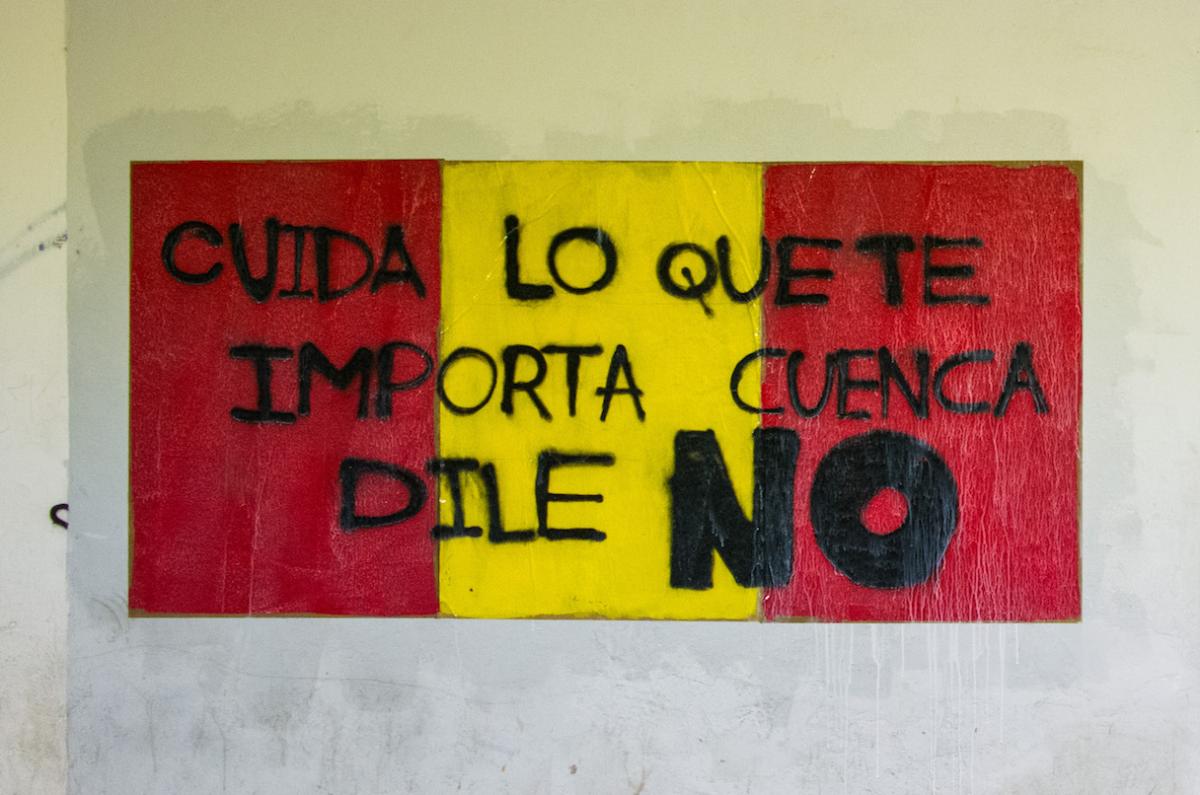
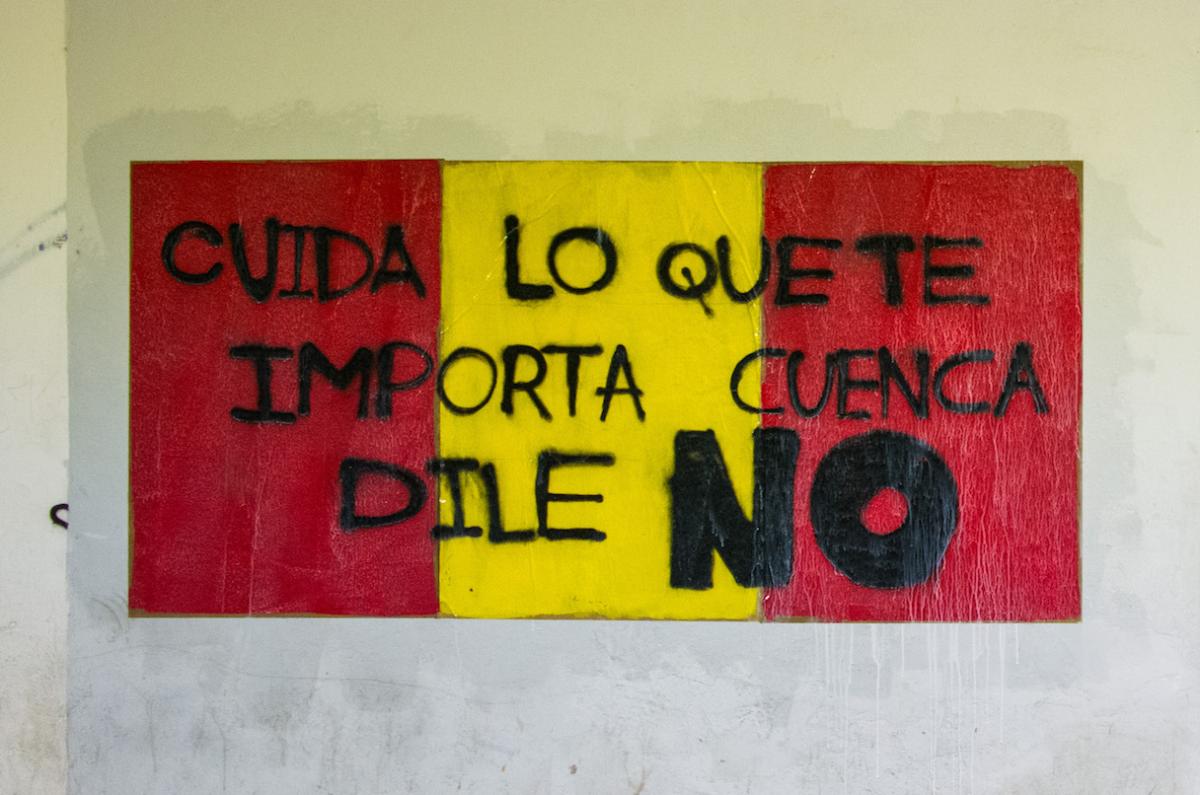
CuencaIn a decisive referendum, Ecuadoran citizens overwhelmingly rejected a constitutional amendment that would have allowed foreign military bases on the country's soil. Early counts show nearly two-thirds of ballots cast opposed the measure. President Daniel Noboa introduced the referendum, arguing that foreign cooperation was essential to combat the ongoing surge in violence related to drug-trafficking. The rejection represents a significant setback for Noboa and his broader security agenda, revealing public scepticism of solutions involving foreign military forces. (Photo: Martín Vasco via Wikimedia Commons)

US imposes sanctions on Colombian president

Gustavo PetroThe US administration announced sanctions against Colombian President Gustavo Petro, his family, and Colombia's Minister of the Interior Armando Benedetti. The US will also reduce financial assistance to Colombia by about $18 million. The Department of State said the move was "due to President Gustavo Petro's disastrous and ineffective counternarcotics policies." The Colombian government has recalled its ambassador to the United States in protest. Simultaneously, the Pentagon announced that it is moving the aircraft carrier USS Gerald R. Ford and its group to the Caribbean Sea, where the US military already has approximately 10,000 personnel pre-positioned. (Photo via MROnline)

US ‘decertifies’ Colombia as drug war partner

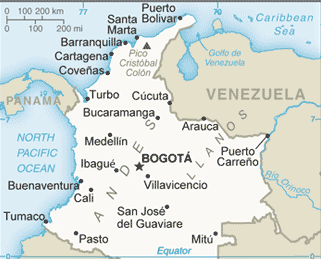
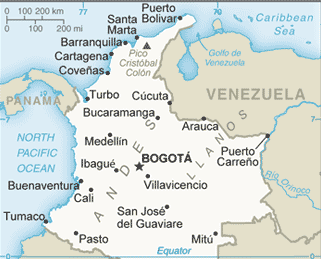
ColombiaThe United States decertified Colombia as a reliable partner in the War on Drugs, citing a rise in coca cultivation and cocaine production. While the White House waived the crushing sanctions that usually come with decertification, the decision underscores the strained relations between the US and Colombia under Trump. The administration was quick to blame Colombian President Gustavo Petro directly, arguing in its submission to Congress that the "failure of Colombia to meet its drug control obligations over the past year rests solely with its political leadership." The administration also decertified Venezuela, Bolivia, Afghanistan and Burma. While these latter countries have been frequently decertified over the years, this marks the first time Colombia has been decertified since 1997. (Map: PCL)

Mexico

‘Blood avocados’ in the news amid Michoacán violence

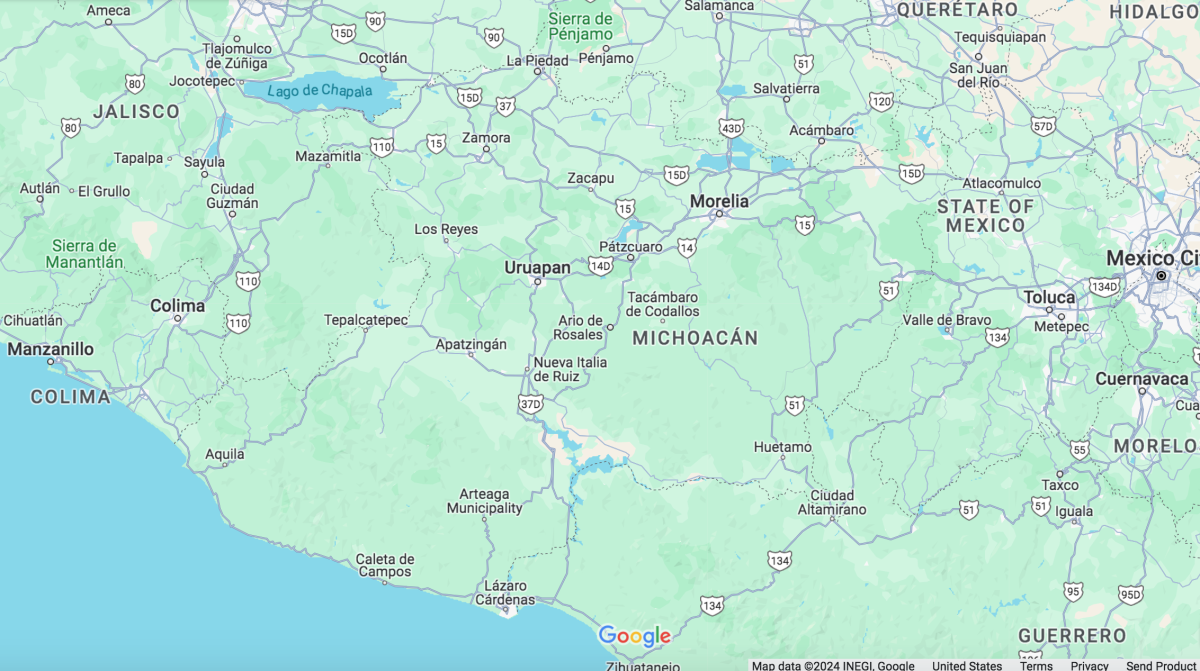
MichoacanThe US Department of Agriculture suspended inspections of avocados in the Mexican state of Michoacán due to security concerns, halting the top source of US imports. The move was taken after two agents of the USDA's Animal & Plant Health Inspection Service (APHIS) were accosted during a protest in the town of Paracho, beaten and briefly detained. Michoacán is Mexico's heartland of avocado production, but the trade has been notoriously co-opted by the local warring drug cartels to launder narco-profits, leading to charges of "blood avocados" in the violence-torn state. (Map: Google)

Southern Cone
Italy

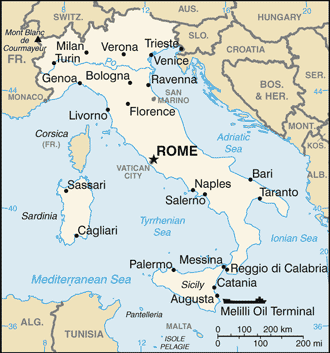
Calabrian connection in Brazil narco busts

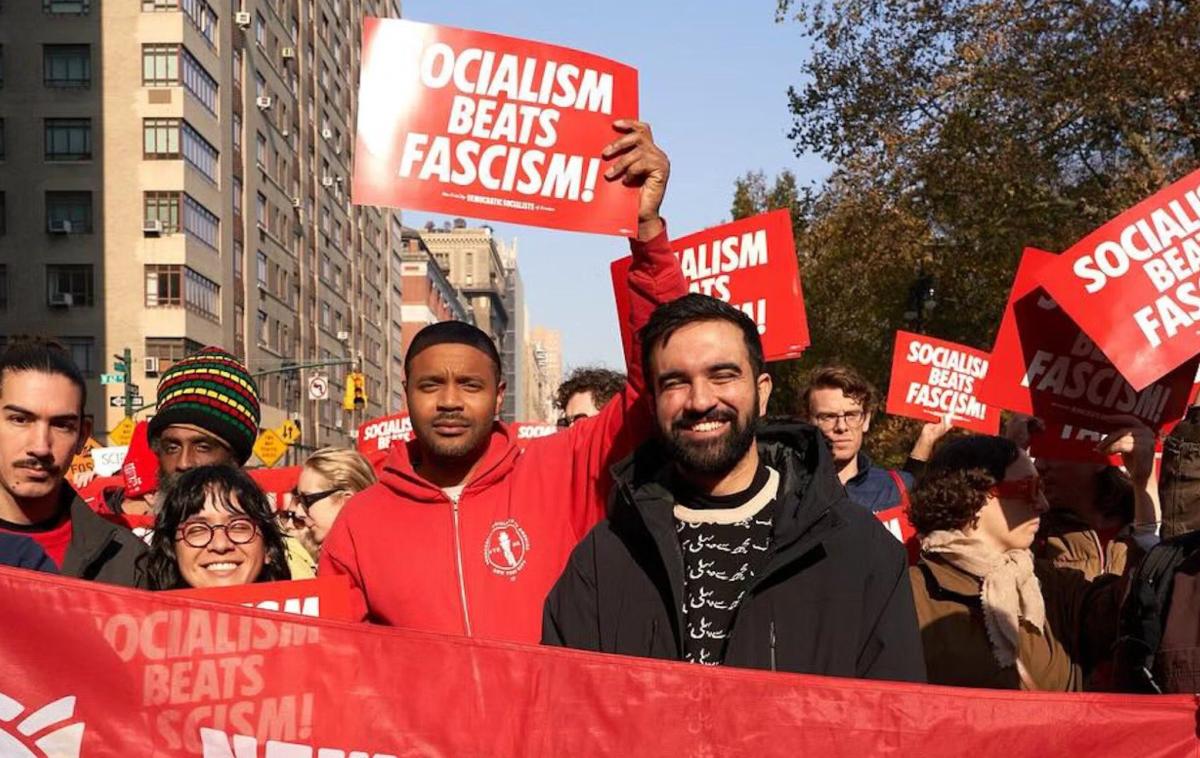
ZohranThe anarchist critique of Zohran Mamdani's election in the New York City mayoral race reminds us that "socialist faces in high places" do not bring fundamental change, and Gotham has seen mayors before elected on populist platforms only to capitulate to the permanent government dominated by the real estate industry once in office. However, the MAGA backlash to Mamdani's rise may help keep him true to his populist program, as it is the working people of New York who will have his back when Trump strikes back against the city—not the real estate barons. This crisis could provide the impetus for the needed rupture between progressive-run localities and a federal apparatus controlled by the illegitimate Trump regime—vindicating Murray Bookchin's theories of radical municipalism. (Photo: DSA)

The Caribbean
Esequibo

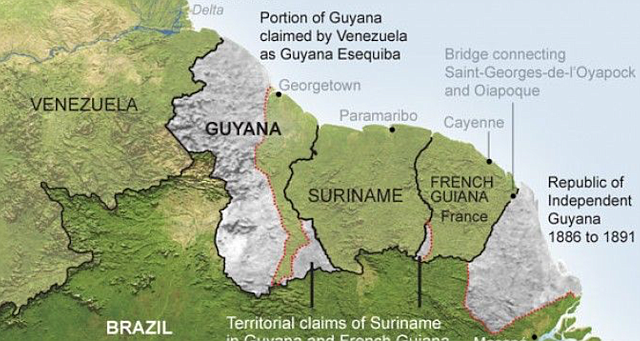
Venezuela revives claim to Guyana territory

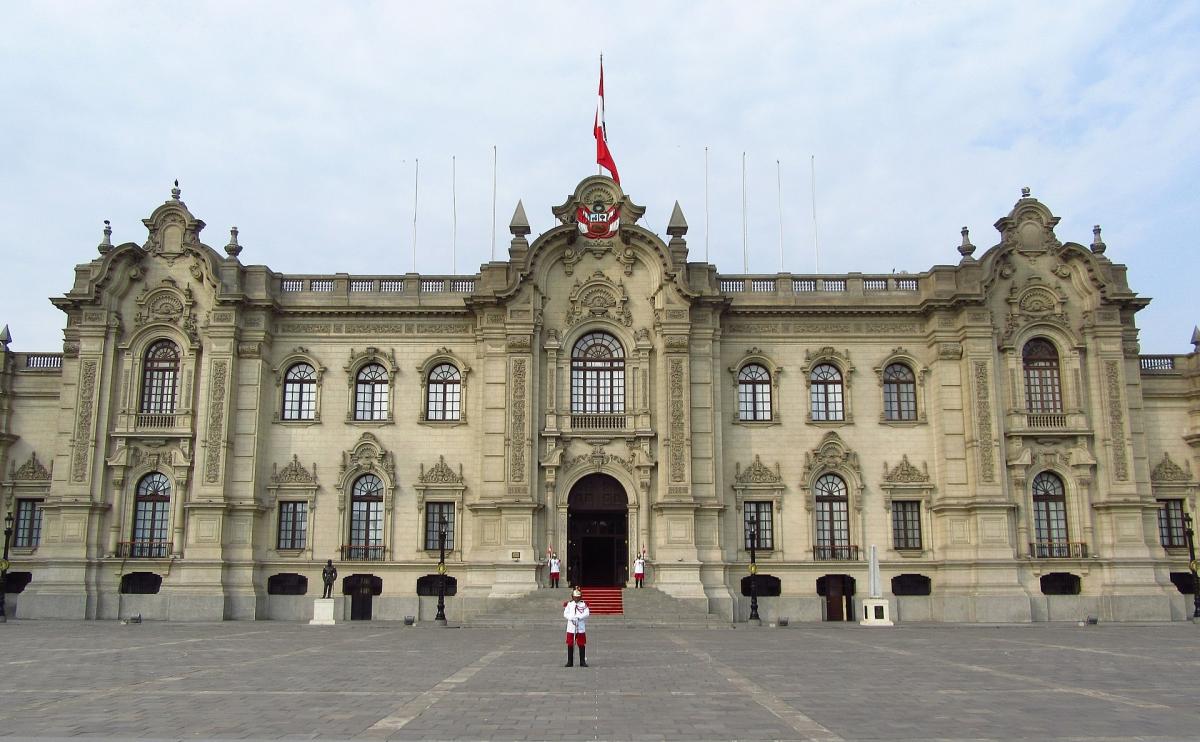
PresidenciaPeru's Congress voted unanimously to remove President Dina Boluarte from office for "moral incapacity," replacing her with congressional leader José Jerí. Once in office, Jerí quickly appointed as head of the Interior Ministry the former commander of the Peruvian National Police (PNP), Vicente Tiburcio Orbezo. Tiburcio has had a long career fighting organized crime and armed insurgents, having been part of the team within the PNP's Special Intelligence Group (GEIN) that carried out the arrest of Shining Path leader Abimael Guzmán in 1992. He subsequently served in campaigns against both the Shining Path and Túpac Amaru Revolutionary Movement (MRTA). He was chosen by Jerí with a mission of addressing the crisis of "citizen security" in Peru. (Photo: Wikipedia)