

North America

Amnesty International calls for abolition of ICE
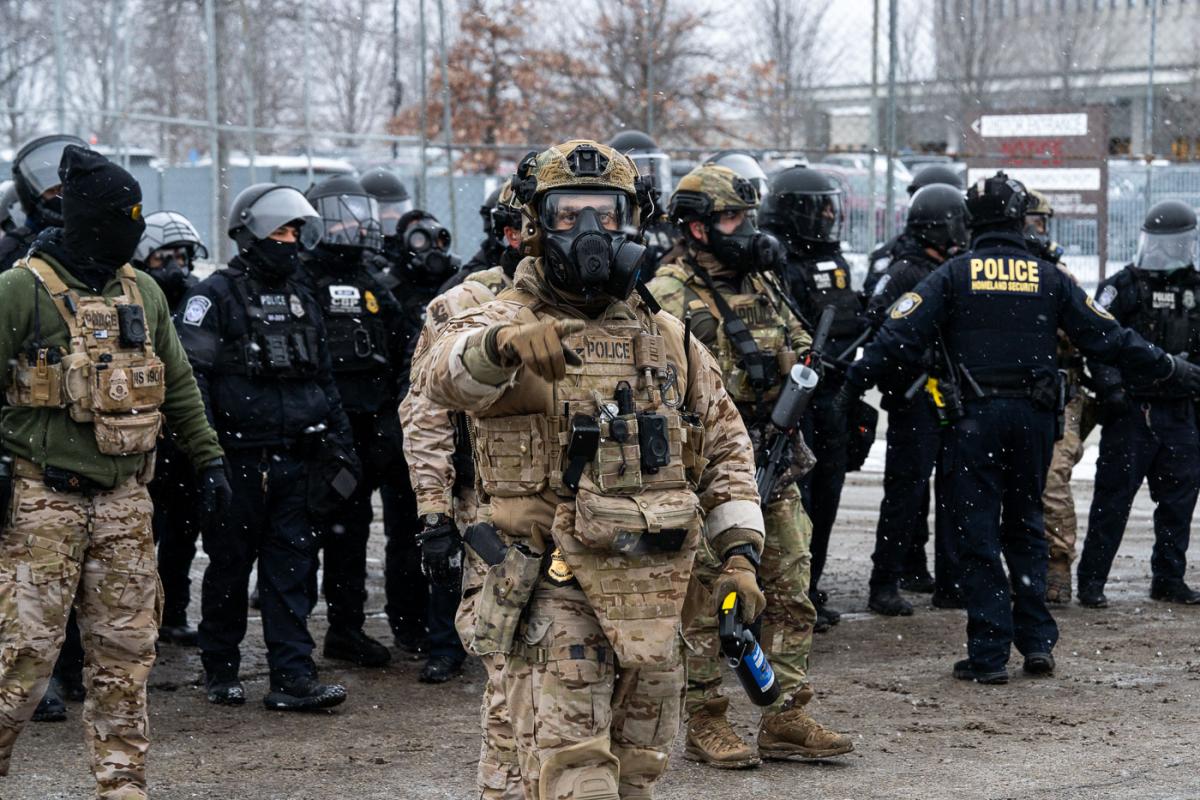
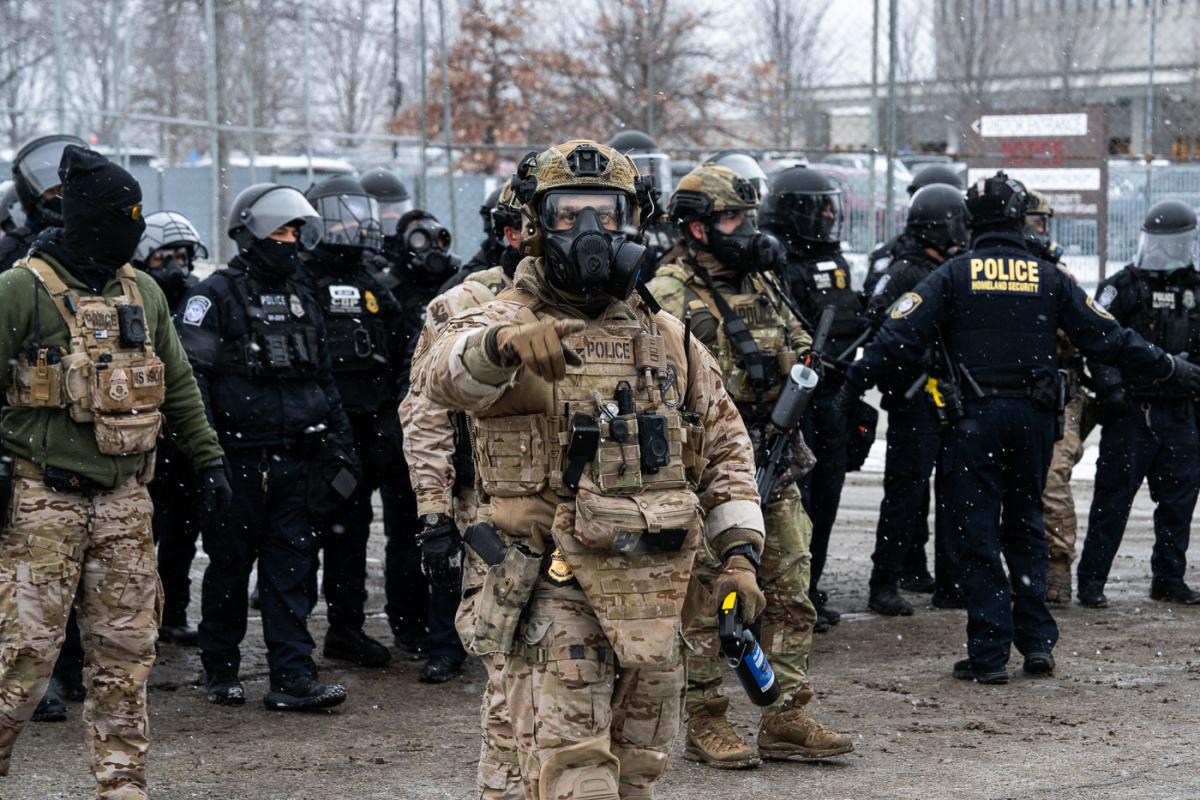
ICEAmnesty International called for the abolition of US Immigration & Customs Enforcement (ICE), in a report documenting widespread human rights violations in federal immigration enforcement operations. In its 168-page report, Amnesty investigated ICE activity in Chicago, Minneapolis-St.Paul, New Orleans and Washington DC, concluding that in each city officers relied on racial profiling; arbitrarily arrested individuals based on race, skin color, ethnicity or national origin; used excessive force; engaged in unlawful killings; conducted mass surveillance; held detainees in inhumane conditions; and failed to properly investigate reported violations. The report attributed these practices to systemic, administration-wide conduct and attitudes. (Photo: Chad Davis)


Oceania

Tuvalu welcomes UN Declaration on Sea-Level Rise

TuvaluTuvalu Prime Minister Feleti Teo addressed the United Nations General Assembly, urging decisive global action to mitigate sea-level rise and welcoming the UN's approval of the Declaration on Sea-Level Rise. The landmark agreement formally recognizes the continuity of statehood and the permanence of maritime boundaries established under the UN Convention on the Law of the Sea (UNCLOS), creating a vital legal precedent for climate-vulnerable island nations facing territorial loss. (Image via Pixabay)

South Asia

Pakistan: diversion of Indus waters ‘act of war’

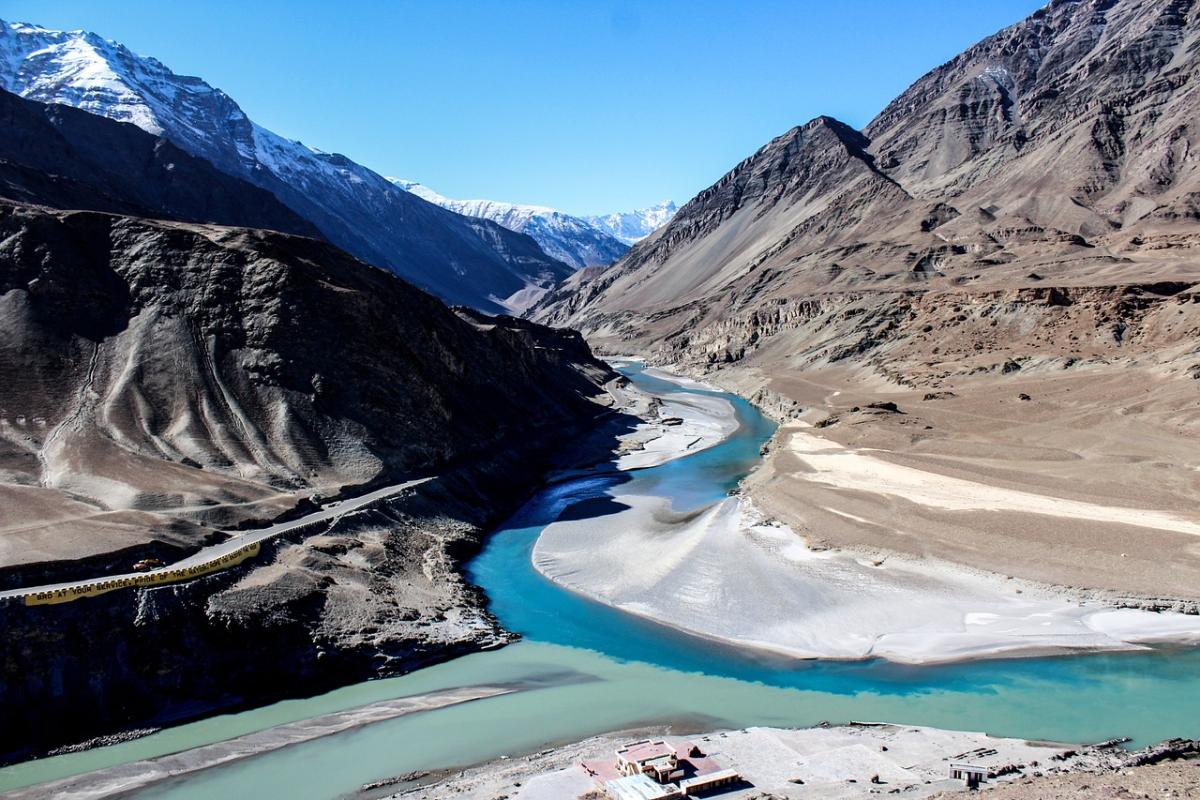
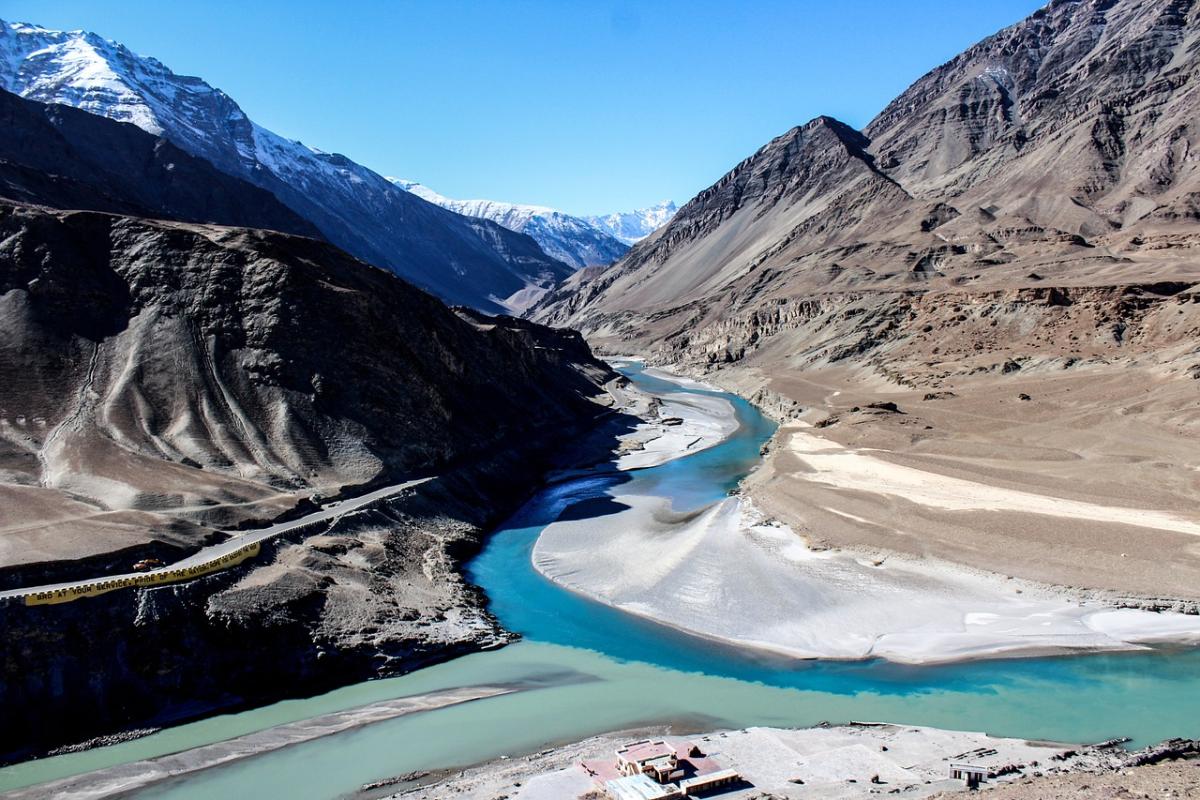
IndusPakistan Prime Minister Shehbaz Sharif addressed the United Nations General Assembly regarding the dispute with India over shared waters of the Indus River and the Indus Waters Treaty (IWT). Sharif told the Assembly that any attempt by India to stop, impede or divert Pakistan's share of the Indus River waters "will be treated as an act of war." He further stated that India’s unilateral decision to hold the IWT in "abeyance" following last year's militant attacks in Kashmir had "no legal basis whatsoever." India has already restricted the flow of water for periods through dams on Indus tributaries that are apportioned to Pakistan by the treaty. (Photo: Heartography/Pixabay via Jurist)

Watching the Shadows

Podcast: whither the Butlerian Jihad?

Butlerian JihadProtests happily continue to mount against the rapid encroachment of Artificial Intelligence over all spheres of society—and have met with some victories. Other responses, however, appear to have succumbed to desperation and counter-productive adventurism. But even the United Nations human rights commissioner has taken note amid repeated incidents of AI programs "going rogue," and more industry insiders coming forward to warn of catastrophic risks to humanity. Bernie Sanders has called for legislating a pause on "superintelligent" AI. Meanwhile, in a virtually regulation-free environment, so-called "biological data centers" are pioneering the neural-digital interface—portending the actual abolition of humanity. In Episode 347 of the CounterVortex podcast, Bill Weinberg notes how the predicament now facing humanity was predicted by dystopian prophets—from Samuel Butler in the 1860s, to Frank Herbert a century later. (Image via Instagram)

Africa

ICC convicts CAR warlord of crimes against humanity

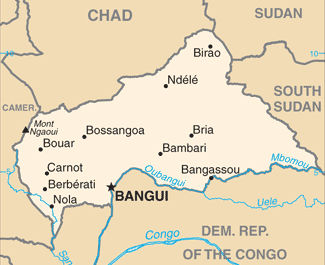
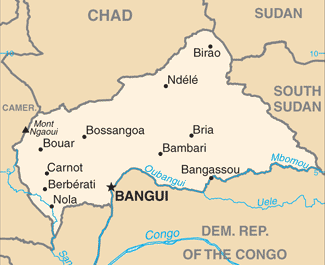
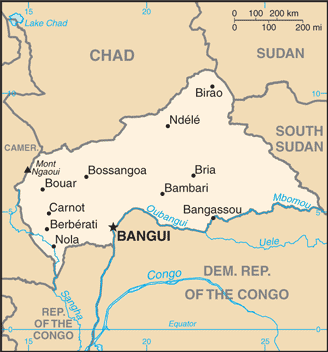
Central African RepublicThe Trial Chamber VI of the International Criminal Court (ICC) found Mahamat Said Abdel Kani guilty of crimes against humanity committed in the Central African Republic (CAR) in 2013. Abdel Kani, a former commander of the Séléka militia coalition, was accused of orchestrating widespread attacks against civilians during the conflict in the country—and particularly abuse of detainees at the Office Central de Répression du Banditisme (OCRB), a detention center in the capital, Bangui. He faced charges including imprisonment, torture, prosecution, and other inhumane treatment directed at individuals perceived as supporters of former President François Bozizé. (Map via Perry-Castañeda Library Map Collection)

Planet Watch

Planet faces ‘new water reality’: WMO

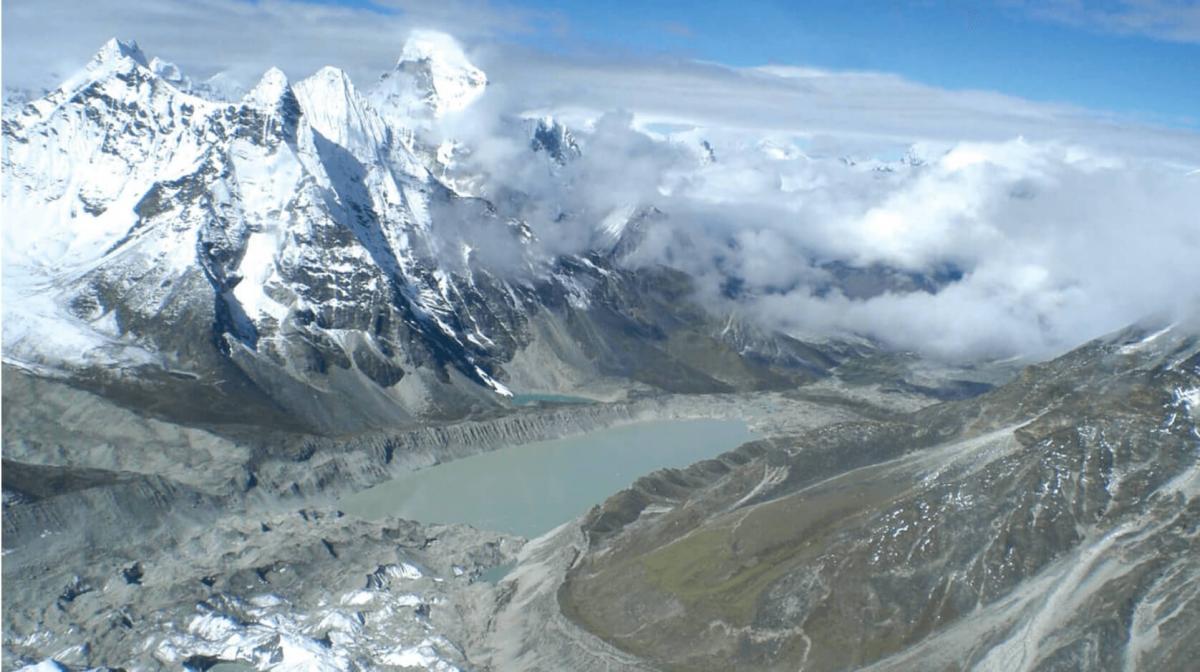
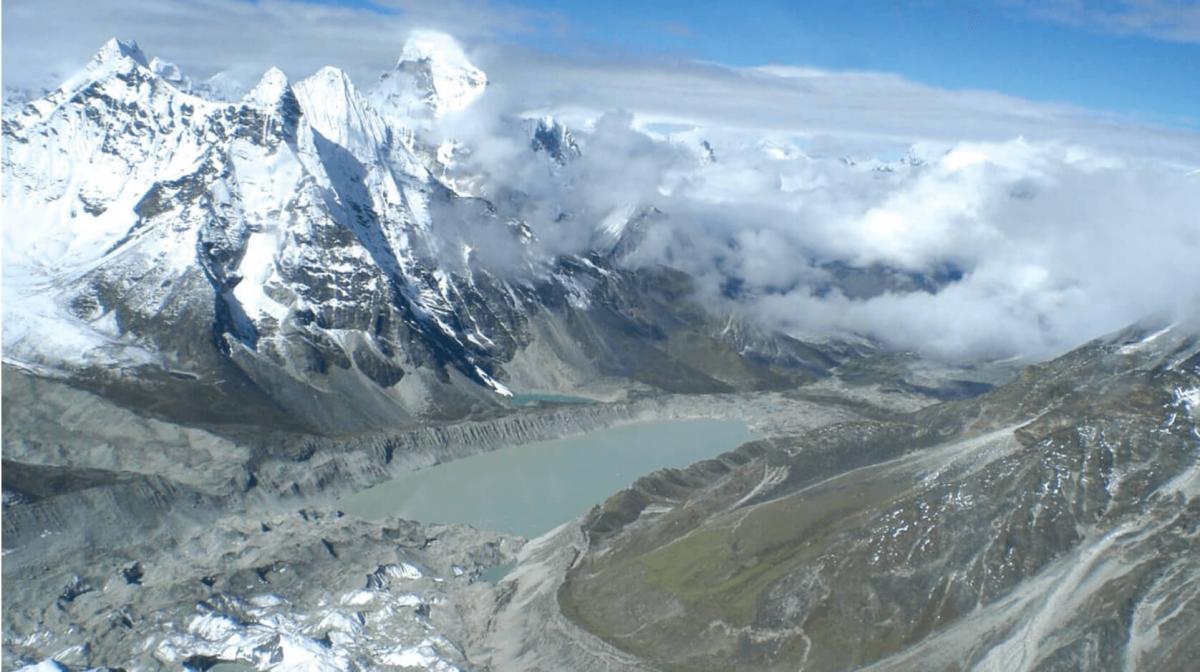
Himalaya glaciersThe UN World Meteorological Organization (WMO) warned that the planet now faces a "new water reality," announcing its latest report assessing the state of global water resources. Growing numbers around the world increasingly experience "abnormal water supplies," especially due to disruption in freshwater resources, including river flows, groundwater and glaciers. (Photo via Nepali Times)

Greater Middle East

Worsening Yemen conflict fuels mass displacement

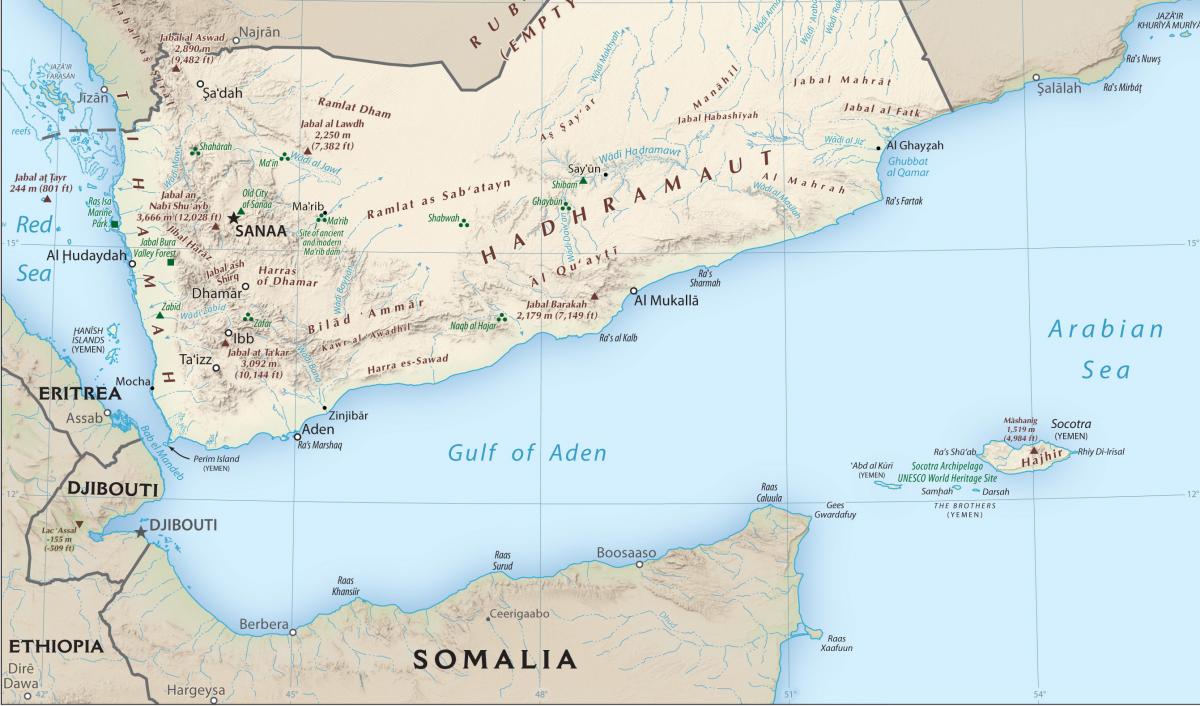
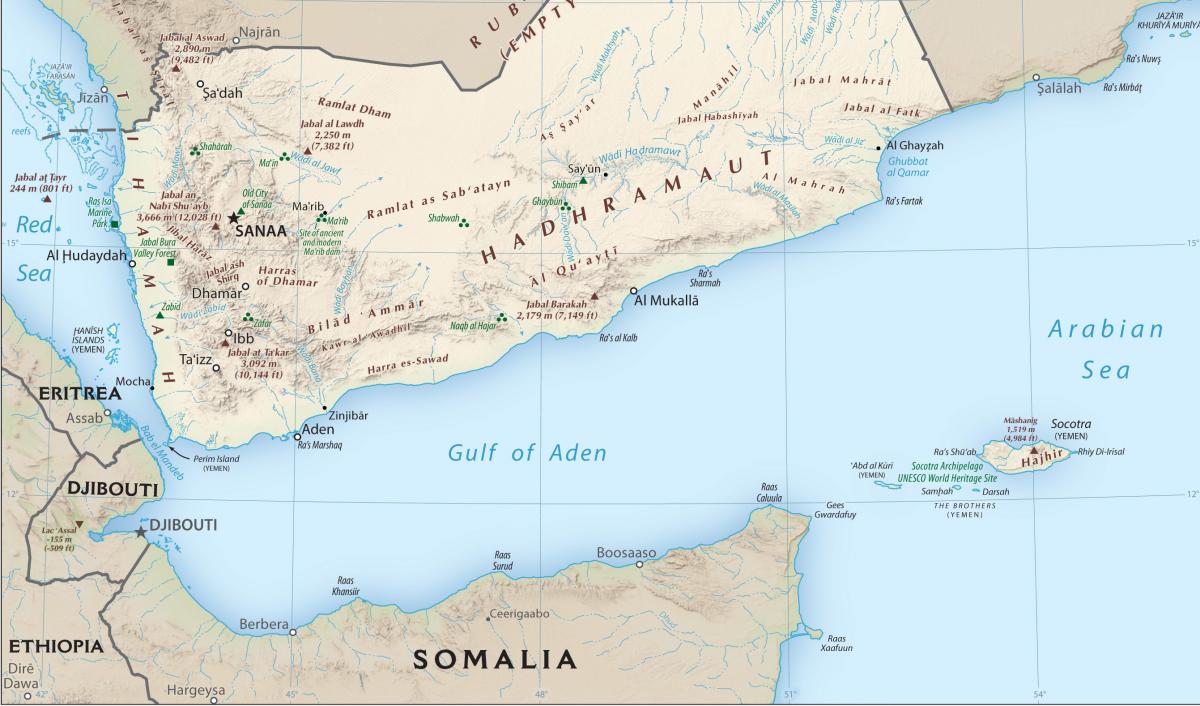
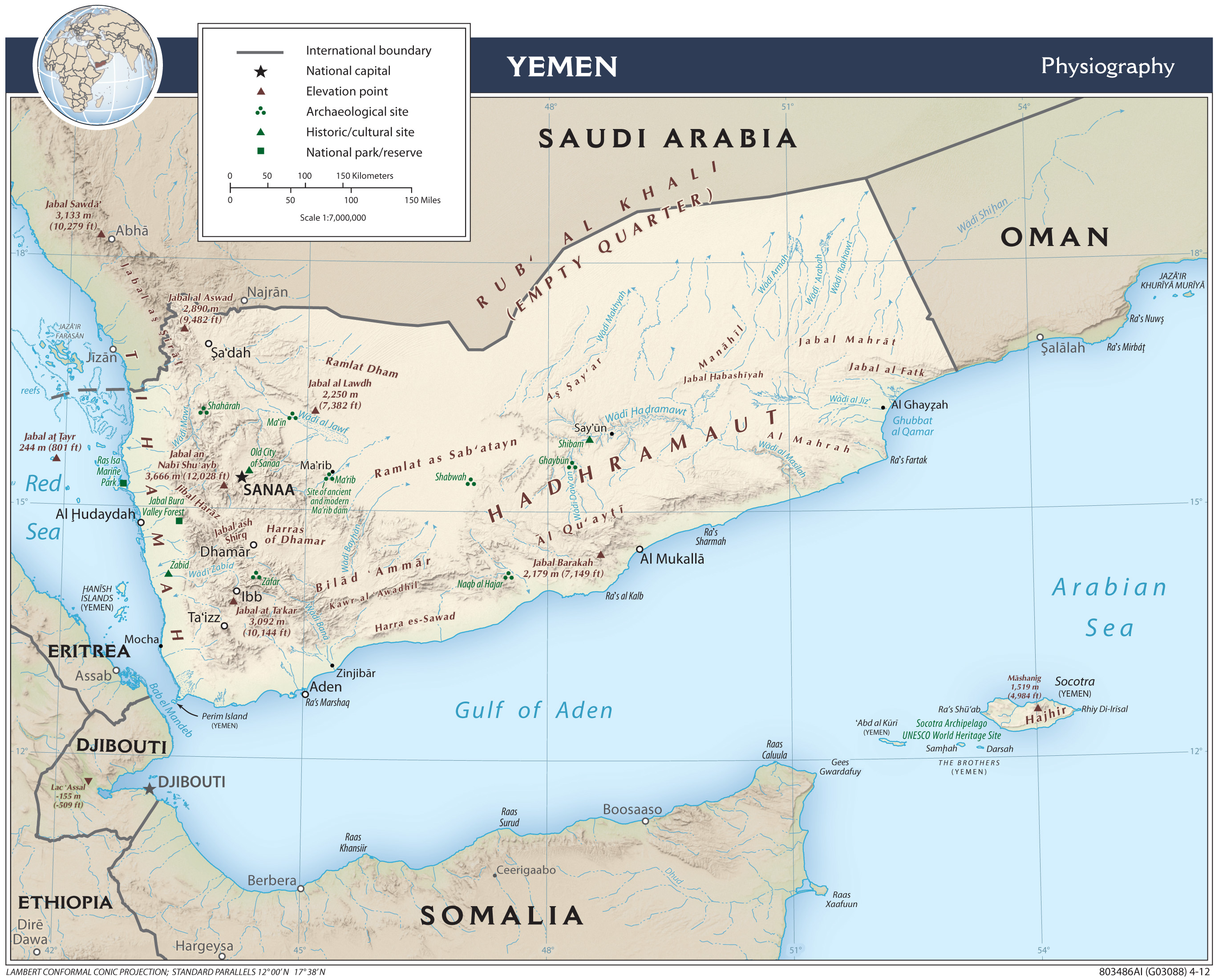
YemenThe UN High Commissioner for Refugees (UNHCR) expressed concern that mass displacement and the overall humanitarian crisis in Yemen will intensify as the ongoing conflict escalates. Fighting continues to expand, and has driven more than 130,000 people to flee since the beginning of September. The center of the crisis is Taiz, a city in southwestern Yemen, accounting for more than 60% of the new displacement. However, many families are unable to move from the besieged city to more secure locations due to fighting, roadblocks, or lack of access to fuel and transport. The UNHCR reports that growing numbers of Yemenis are becoming international refugees, fleeing across the Gulf of Aden to East Africa. More than 3,000 refugees have arrived in Djibouti and hundreds more have reached Somaliland and Puntland, autonomous states in northern Somalia. (Map via PCL)

Inner Asia
Rangen march

Tibetans march on Washington to oppose Xi

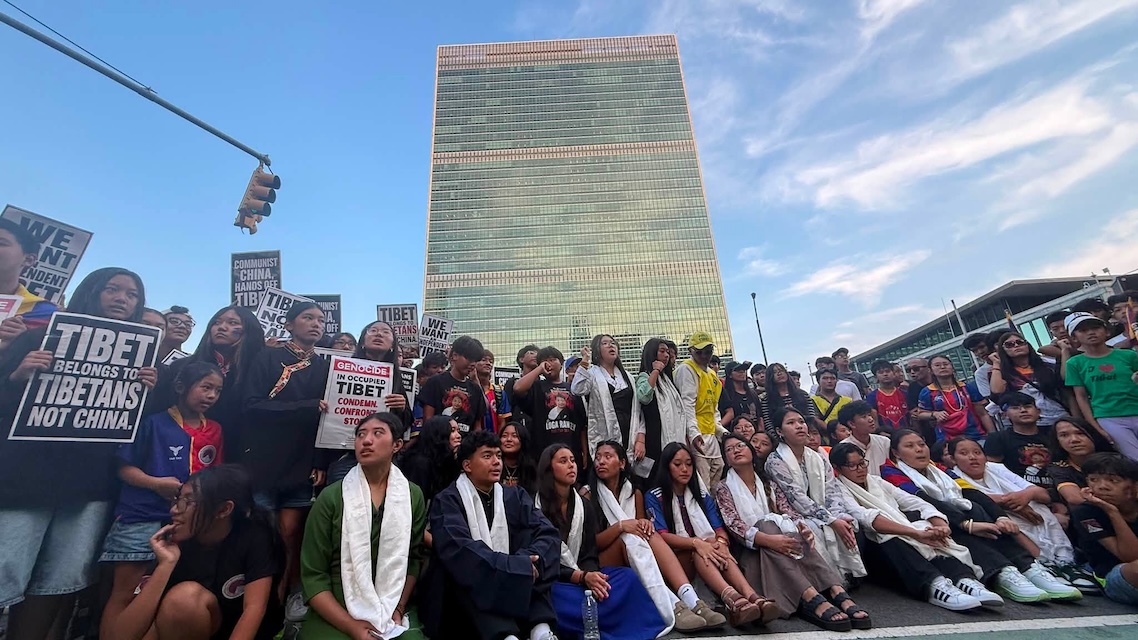
RangzenAs Trump prepares to meet with Xi Jinping at the White House, a small group of exiled Tibetans has departed from New York City for a cross-country march on Washington, to join a demonstration planned there against the Chinese dictator. The group departed from the gates of the United Nations, where Lobga Rangzen, a longtime New York Tibetan activist, self-immolated on July 2. After a stop at Philadelphia’s Independence Hall—clearly chosen for its symbolic value—the "Independence Walk" will arrive in DC Sept. 24, the date of both the rally against Xi and the dinner honoring him at the White House (also to be attended by giants of the tech industry). (Photo: Ella Krivova)

Iran

Iranian officials named for crimes against humanity

Iran protestsAmnesty International named 87 Iranian security and Interior Ministry officials who it says should face criminal investigation for crimes against humanity committed during the 2022 crackdown on the Woman Life Freedom protests, and urged the UN Security Council to refer Iran's situation to the International Criminal Court. The 1,161-page report, titled "Architects of Atrocities," documents 377 fatalities among protesters and bystanders between September and December 2022, of whom 56 were children, along with widespread torture, rape, enforced disappearances, and arbitrary imprisonment. (Photo: Taymaz Valley, Ottawa, via Wikimedia Commons)

Inner Asia

Podcast: #Chinamaxxing & the betrayal of Tibet

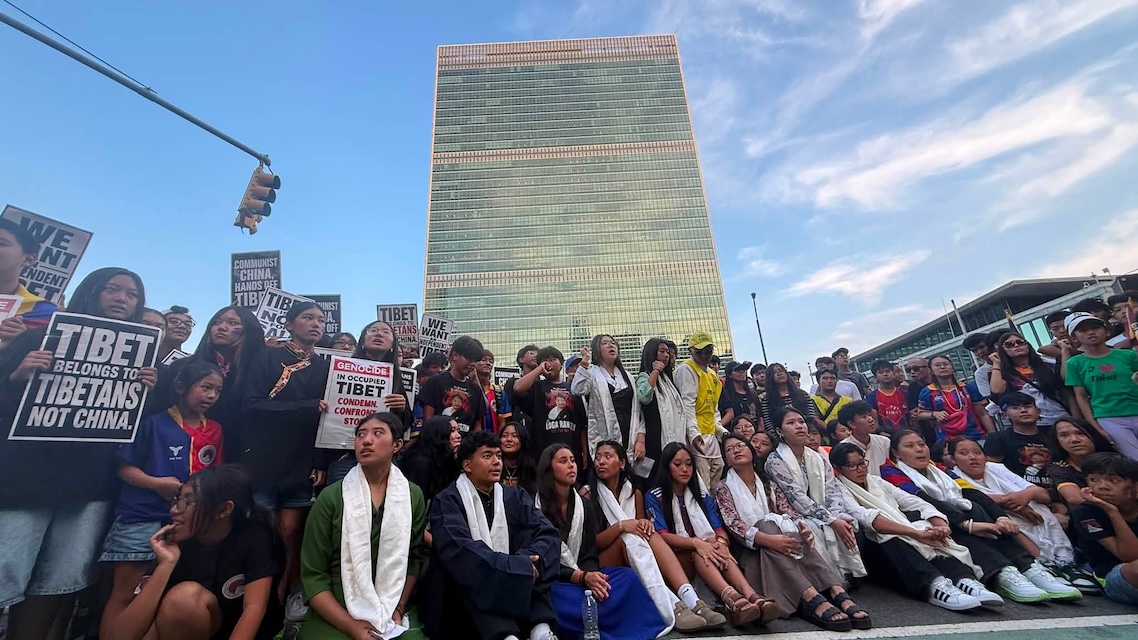
Free TibetAs Trump prepares to meet with Xi Jinping at the White House, Students for a Free Tibet prepares a protest in Washington against the Chinese dictator. Protests and civil disobedience actions by New York City’s Tibetan community have mounted since the July self-immolation of longtime activist Lobga Rangzen outside the United Nations building—the first in the wave of Tibetan self-immolations to take place on US soil. This comes amid heightening repression in Tibet following the passage of China’s “Ethnic Unity” law. Rather than taking this opportunity to forge bonds of solidarity with a local ethnic community by embracing its struggle, growing sectors of the “progressive” milieu—including figures associated with the Democratic Socialists of America—have joined those elements of the “left” looking to the oppressive Chinese state as a model and even a source of sponsorship. Happily, there are glimmers of dissent within the DSA to this consolidating dogma. In Episode 346 of the CounterVortex podcast, Bill Weinberg again dissects and repudiates the global divide-and-rule racket that is the essence of the state system. (Photo: Lhak Sam via Facebook)

Planet Watch

Criminalization of peasant seed systems threatens global food supply

cornThe global food supply is under threat from laws that criminalize the sale and exchange of traditional peasant seed varieties, a group of UN experts warned. In their latest report to the Human Rights Council, the UN Working Group on the Rights of Peasants and Other People Working in Rural Areas indicated that almost all of the world's food comes from seeds and that traditional systems supply 70 to 90 percent of the seeds sown in many countries. According to the report, peasants' rights and the food supply as a whole have come under threat from the commercialization of seed systems and implementation of plant variety protection laws (PVPs), which punish farmers who trade seeds of a company's protected variety. These laws may additionally prohibit the sale or exchange of any seed that is not catalogued, targeting the diverse peasant variety seed that does not meet industrial standards. (Photo of indigenous Mexican corn varities: Feria de Productores via Earth@Home)

Iran

Potential US ‘war crimes’ seen in Iran

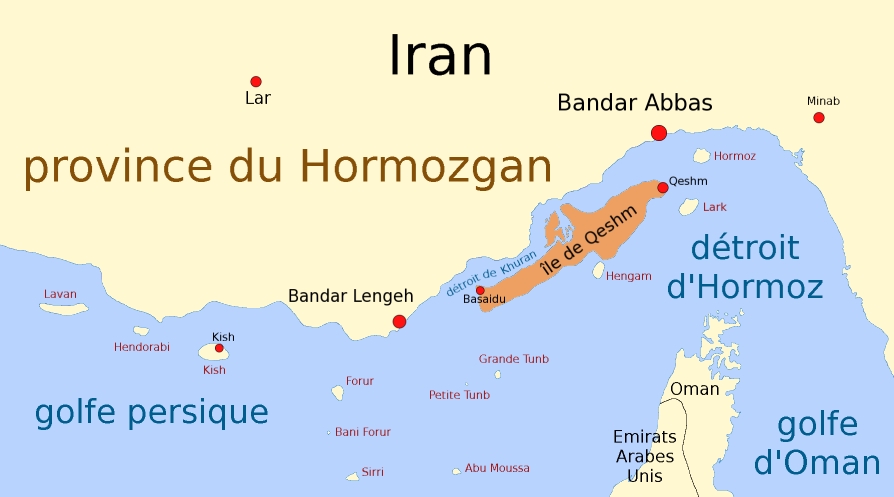
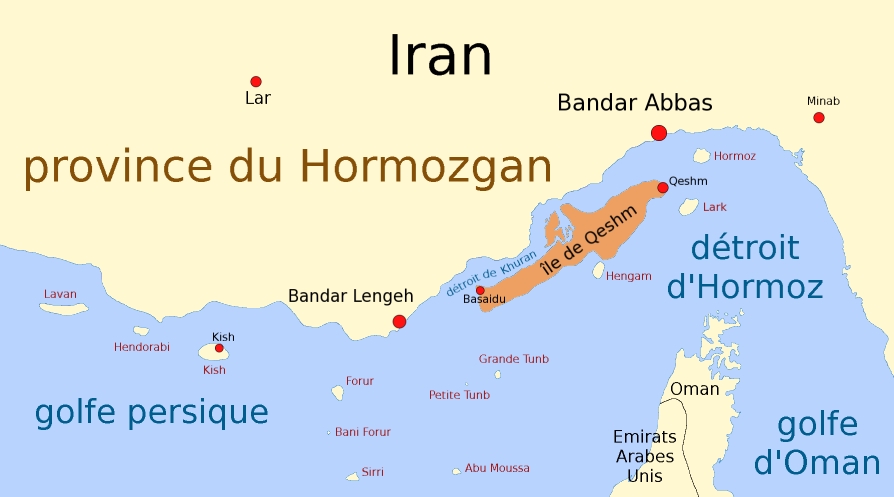
QeshmThe UN Independent International Fact-Finding Mission on Iran called on all parties to the conflict to immediately cease hostilities and comply with international humanitarian law following reported US air-strikes that killed and injured civilians in southern Iran. A reported US air-strike hit a home in Kuhestak, Hormozgan province, during a wedding celebration. Iranian media reported that five people died, including two children and one woman, and that dozens of others suffered injuries. Weeks earlier, another reported US strike destroyed a residential home on Qeshm Island, killing a man, a woman and their two-year-old son, and injuring their two other children. Both attacks occurred in areas with historically marginalized minority populations. The Mission identified Kuhestak as predominantly Baloch, and Qeshm as predominantly Sunni. The Mission found that these strikes may have constituted war crimes, and called for thorough investigations. (Map: Wikipedia)