

Europe

Russia agrees to (shorter) grain deal extension
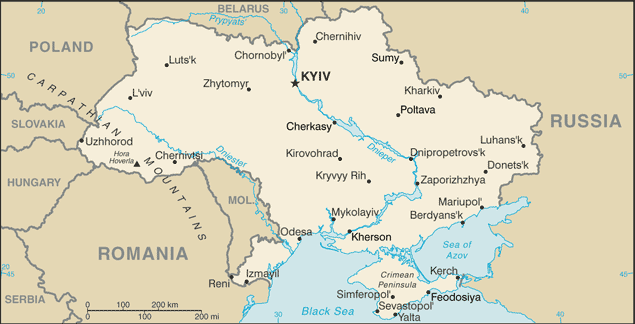
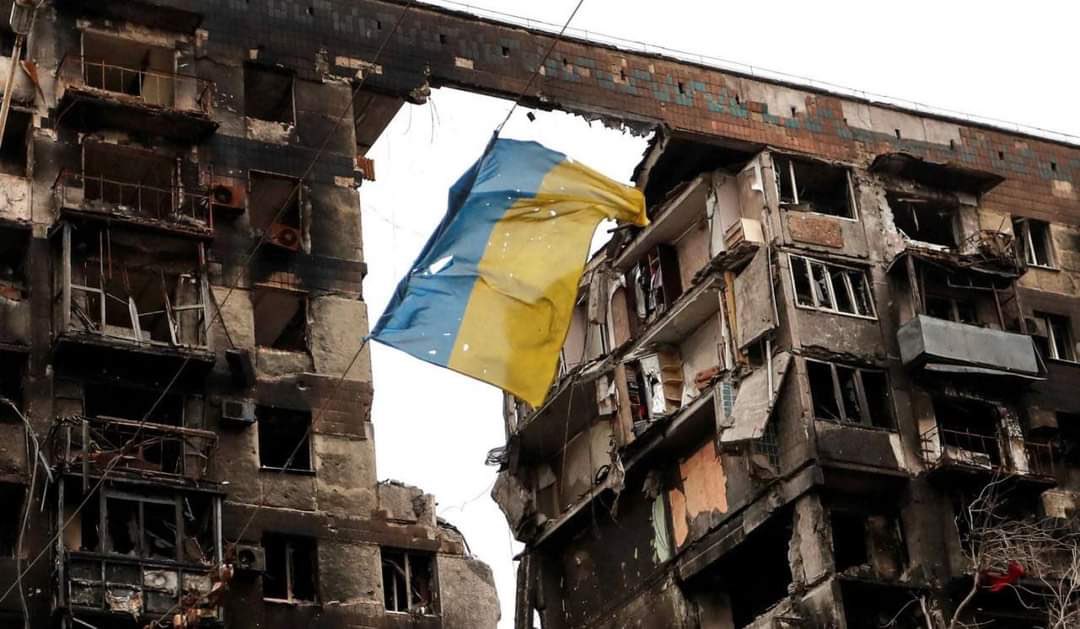
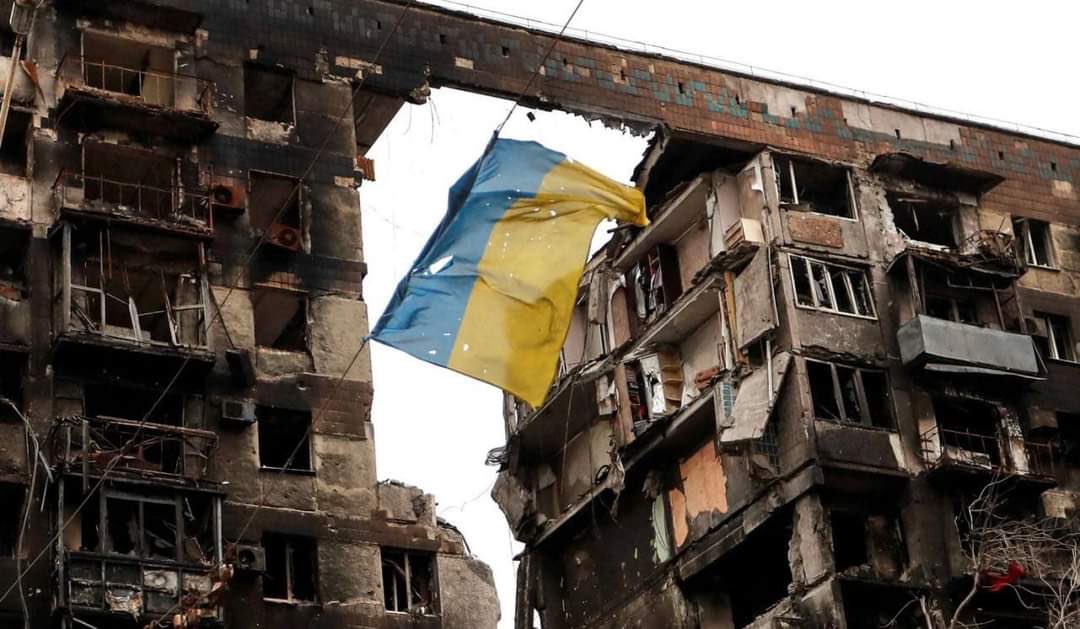
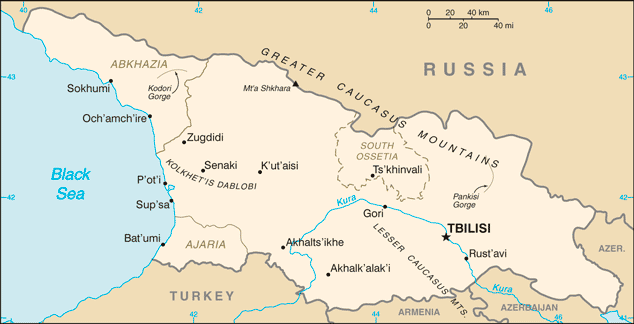
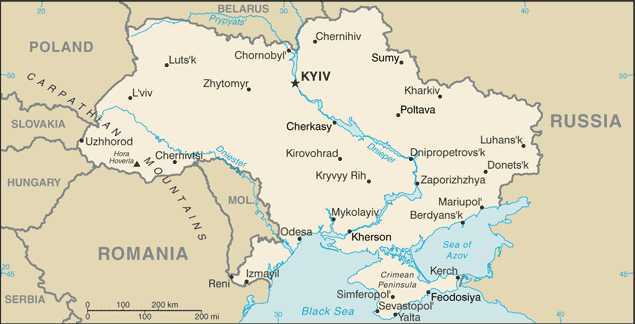
UkraineRussia agreed to extend the Black Sea grain deal with Ukraine, but for only 60 days rather than the 120 days of the original agreement. The UN-brokered deal enables safe shipment of grain from Ukraine's blockaded ports to boost global supply and stabilize prices. The agreement rolled over in November, but Russia now argues that provisions for the easing of restrictions on its own agricultural and fertilizer exports have not been met. So far, 24 million tonnes of grain have been exported under the initiative. But the International Rescue Committee noted that only 10% has gone to countries most in need. It has called on the UN to broker a 12-month deal, pointing out that food price inflation is at 40% in countries most at risk of "humanitarian catastrophe"—double the rate of the rest of the world. (Map: PCL)
Greater Middle East

Will Iran-Saudi deal end Yemen’s war?

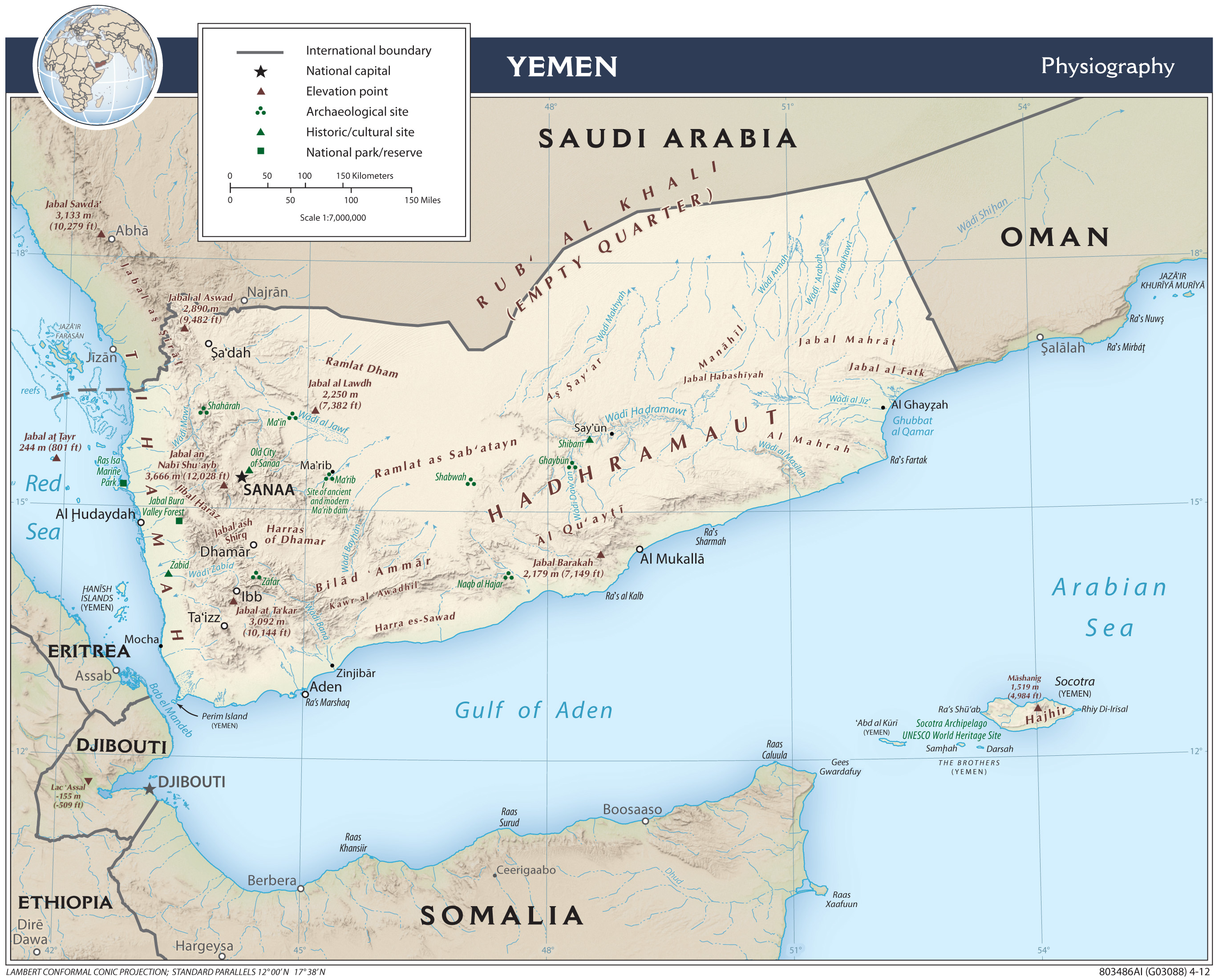
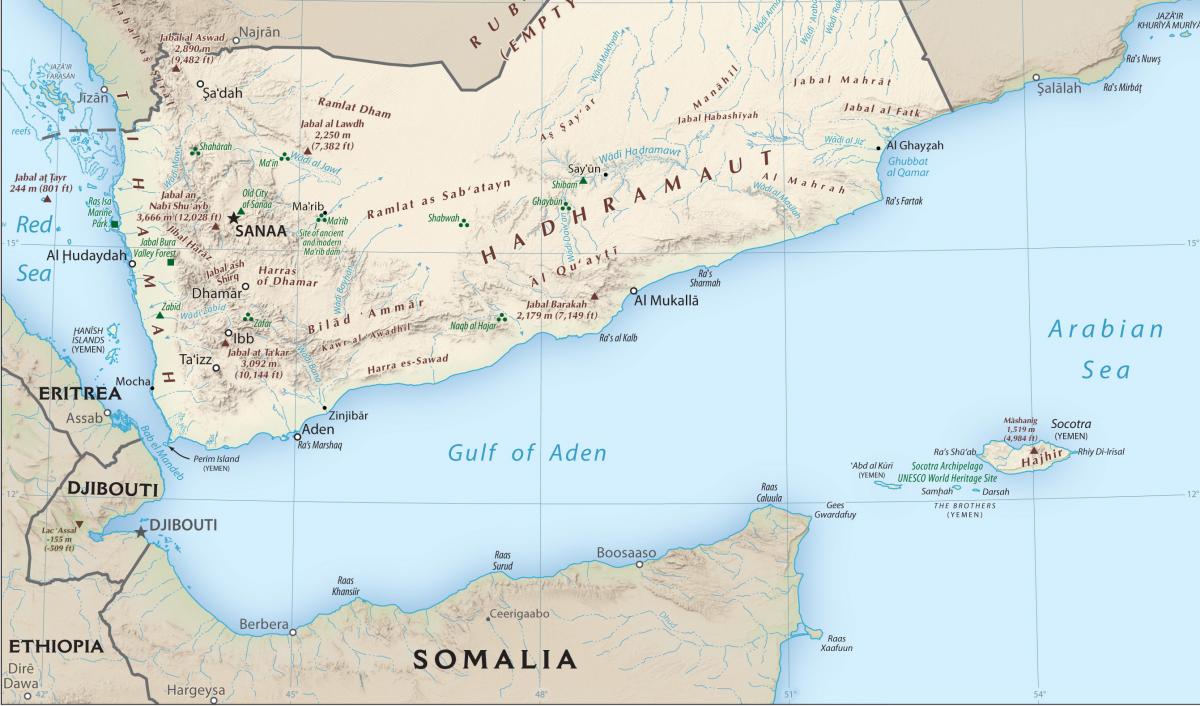
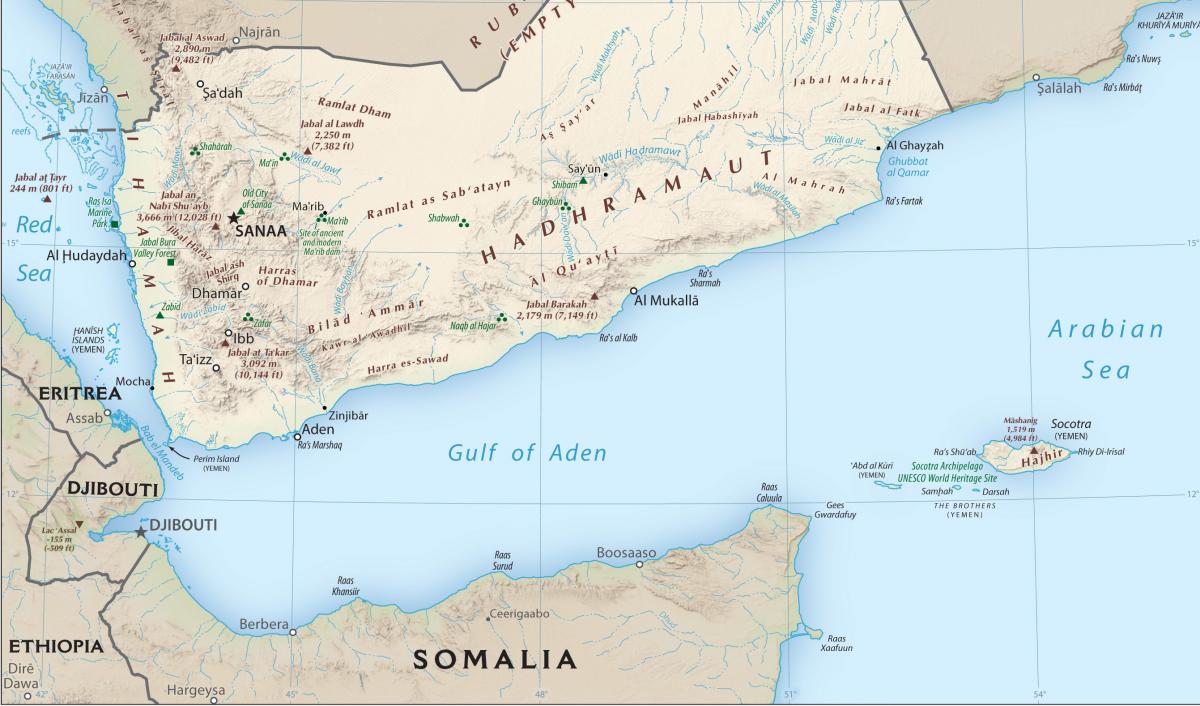
YemenAs part of its China-brokered deal to re-establish diplomatic relations with Saudi Arabia, Iran has reportedly agreed to stop arming Yemen's Houthi rebels. Officially, Tehran denies arming the rebels, who are fighting forces aligned with Yemen's internationally recognized government—including a Saudi- and UAE-led coalition. Many have portrayed the conflict in Yemen as a proxy war between Iran and Saudi Arabia. It's actually far more complicated than that: the violence is rooted in real grievances, and political and military alliances are also at play at a much more local level. Powerful Yemeni actors—all vying for a stake in the country's future—have been left out of official peace talks. (Map via University of Texas)

Greater Middle East

Podcast: Libya and Syria, 12 years later

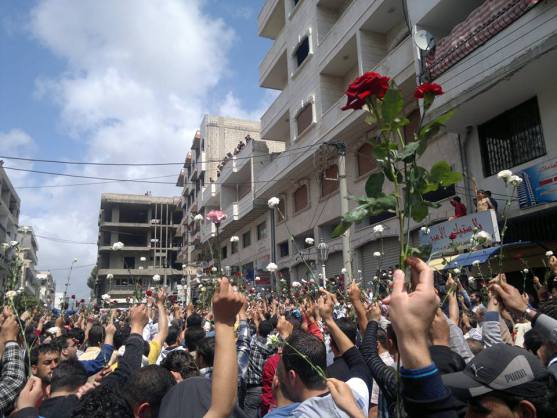
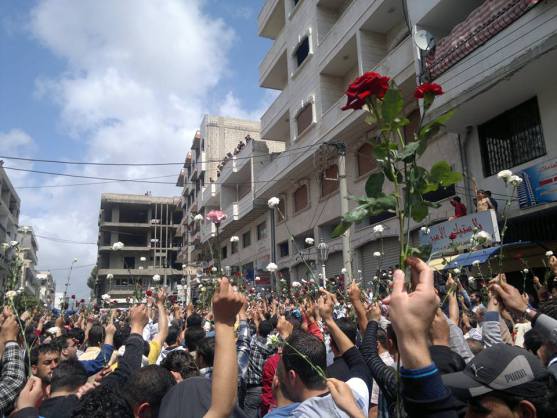
DarayaIn Episode 165 of the CounterVortex podcast, Bill Weinberg notes the simultaneous 12th anniversary of the start of both the NATO intervention in Libya and the Syrian revolution. The NATO intervention was at root a bid to to control the political trajectory of the Arab Revolution, and bring about a Thermidor in which Western-backed technocrats would be ascendant. The Syrian people seized back the initiative with their popular uprising against the Bashar Assad dictatorship. But, following the precedent set in Libya, the Great Powers have intervened, seeking to impose their own order—over the heads of the Syrian people. This time, however, the principal interventionist power has not been the West seeking to coopt the revolution, but Russia seeking to prop up the genocidal ancien régime. Listen on SoundCloud or via Patreon. (Photo: Daraya, 2011 via Leila's Blog)

Europe

ICC issues arrest warrant for Putin

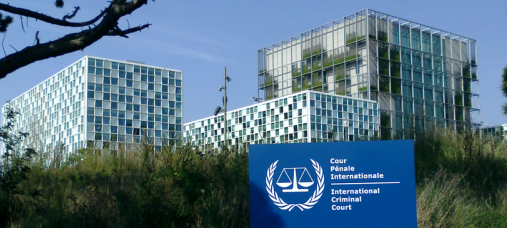
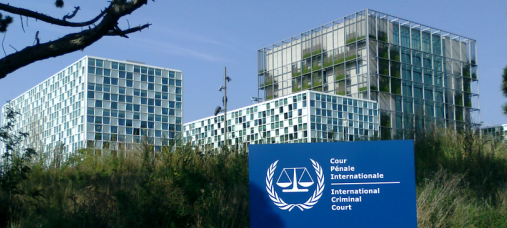
ICCThe International Criminal Court (ICC) is seeking the arrest of Russian President Vladimir Putin in connection with the forced deportation of Ukrainian children. The ICC Pre-Trial Chamber also issued a warrant for Maria Lvova-Belova, the Russian Commissioner for Children's Rights. Both stand accused of the war crimes of unlawful deportation and transfer of children from occupied territories of Ukraine into Russia. While Ukraine is not a party to the Rome Statute, which established the ICC, the country accepted ICC jurisdiction for purposes of "identifying, prosecuting, and judging the perpetrators and accomplices of acts committed in the Territory of Ukraine since 20 February 2014." (Photo: OSeveno/WikiMedia)

North Africa

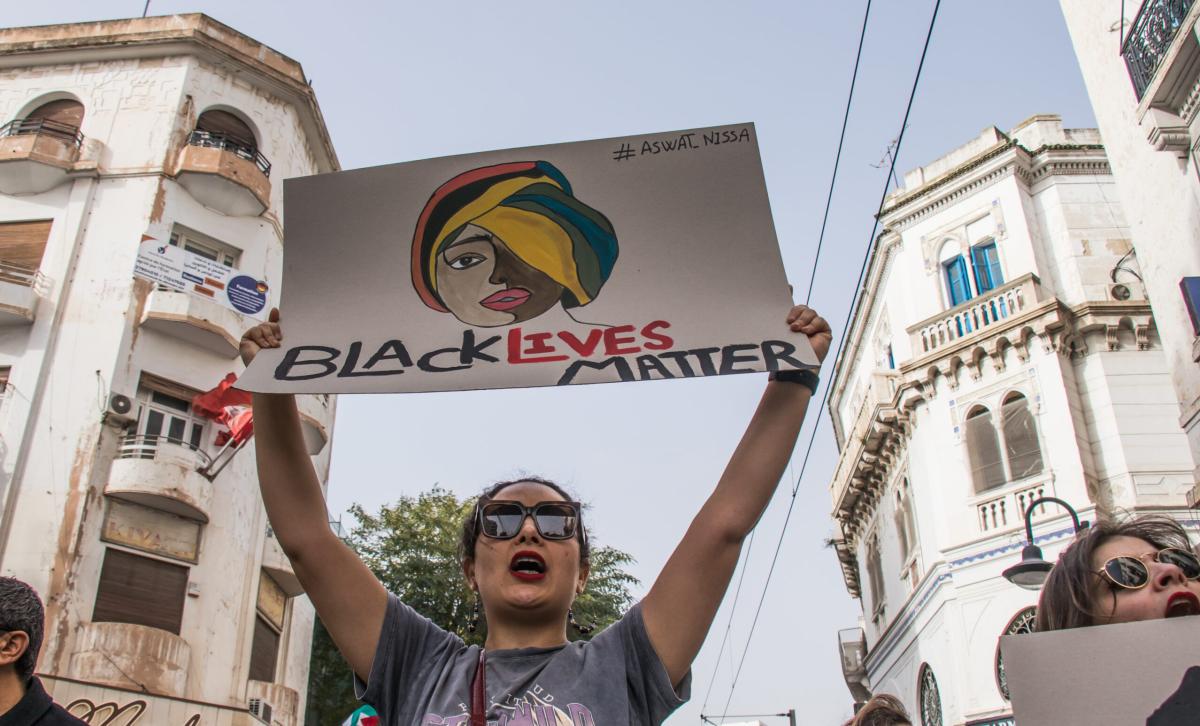
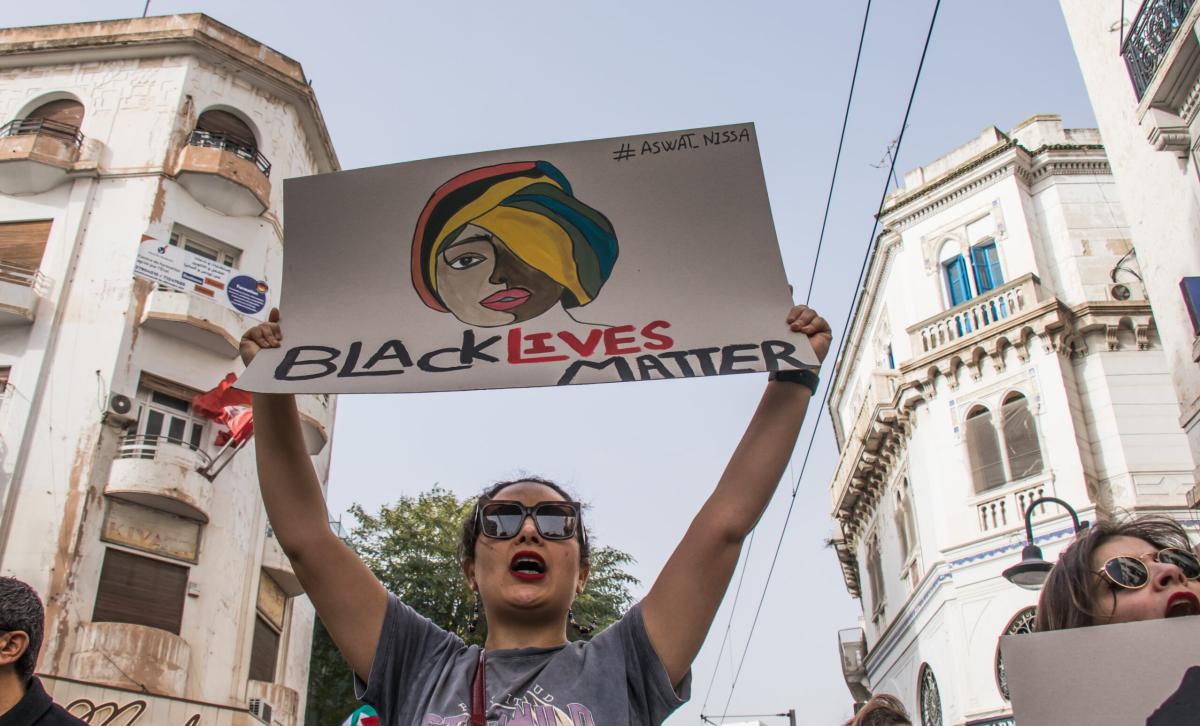
Tunisia: protest xenophobic attacks on Black Africans

TunisAmnesty International called on Tunisia to put an immediate end to racist and xenophobic attacks targeting Black African migrants. The wave of violence began in early February and was exacerbated by a racially-charged speech by President Kais Saied at a National Security Council meeting. President Saied's statements sparked street protests in Tunis, in defiance of an official ban on demonstrations. Activists also opposed a widening crackdown on dissent since Saied seized near-total powers in July 2021. The Tunisian National Salvation Front has vowed continued weekly protests. (Photo: Chahd Lina Belhadj/Meshkal)

Southeast Asia

Burma: continued junta atrocities emerge

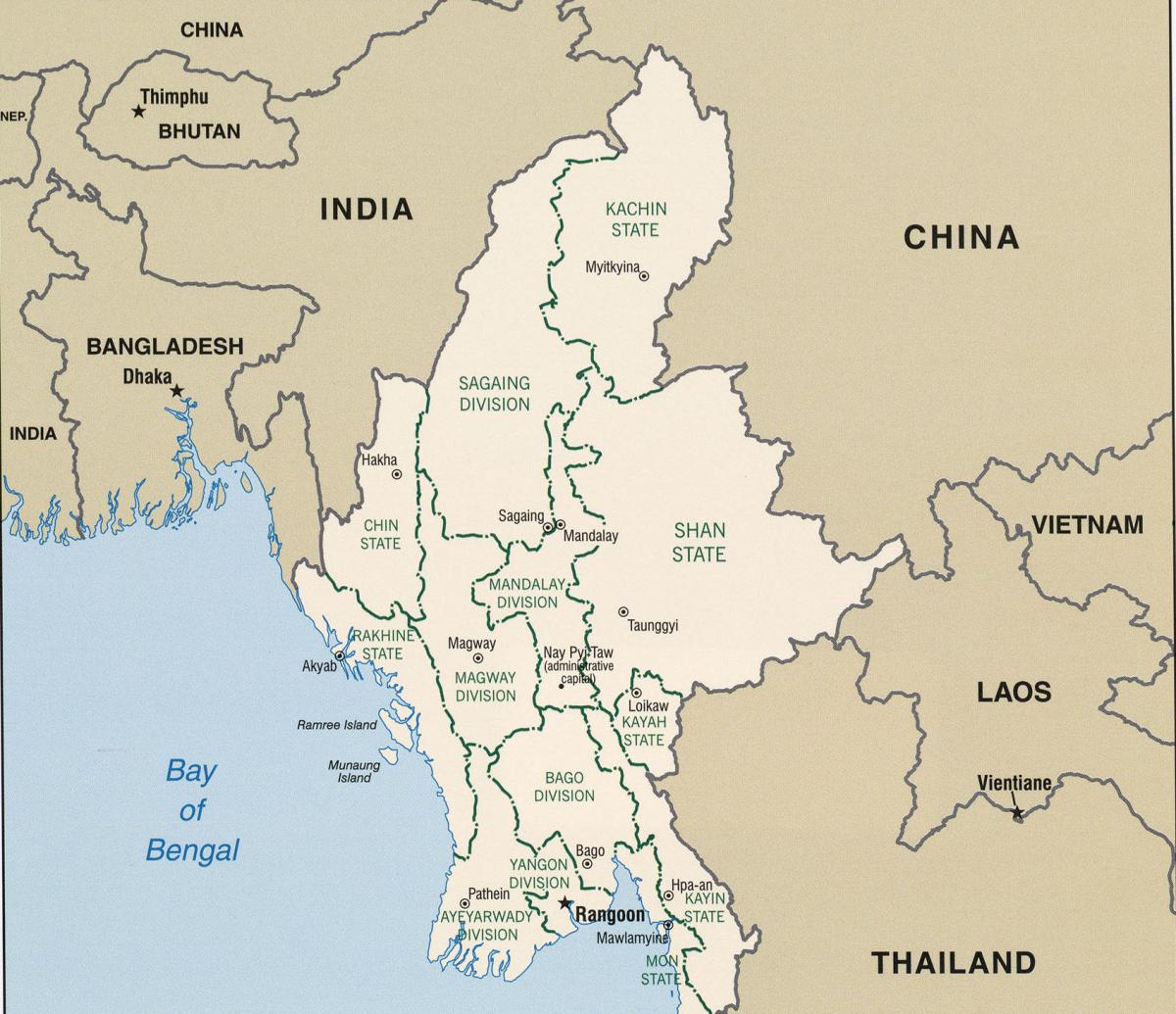
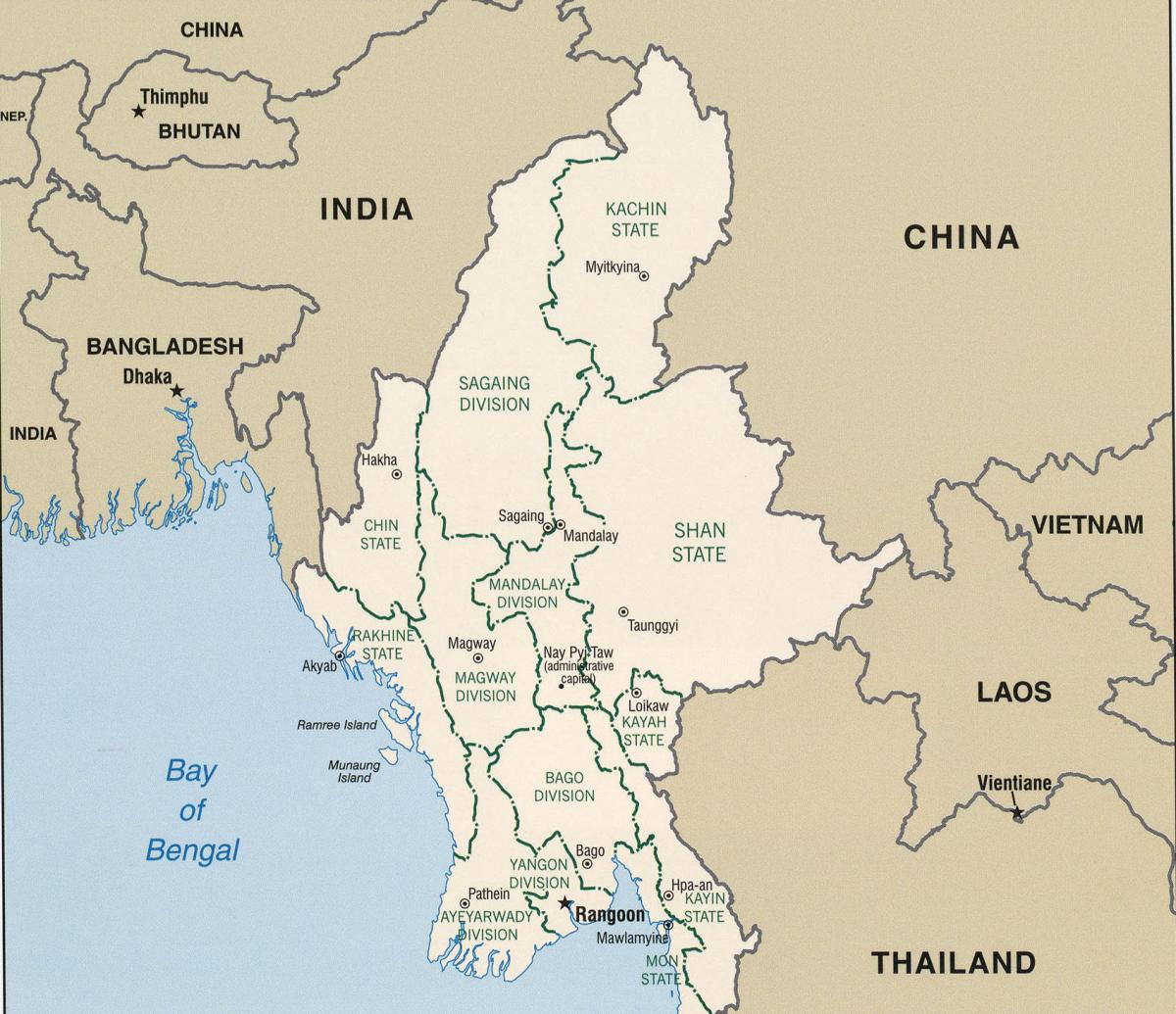
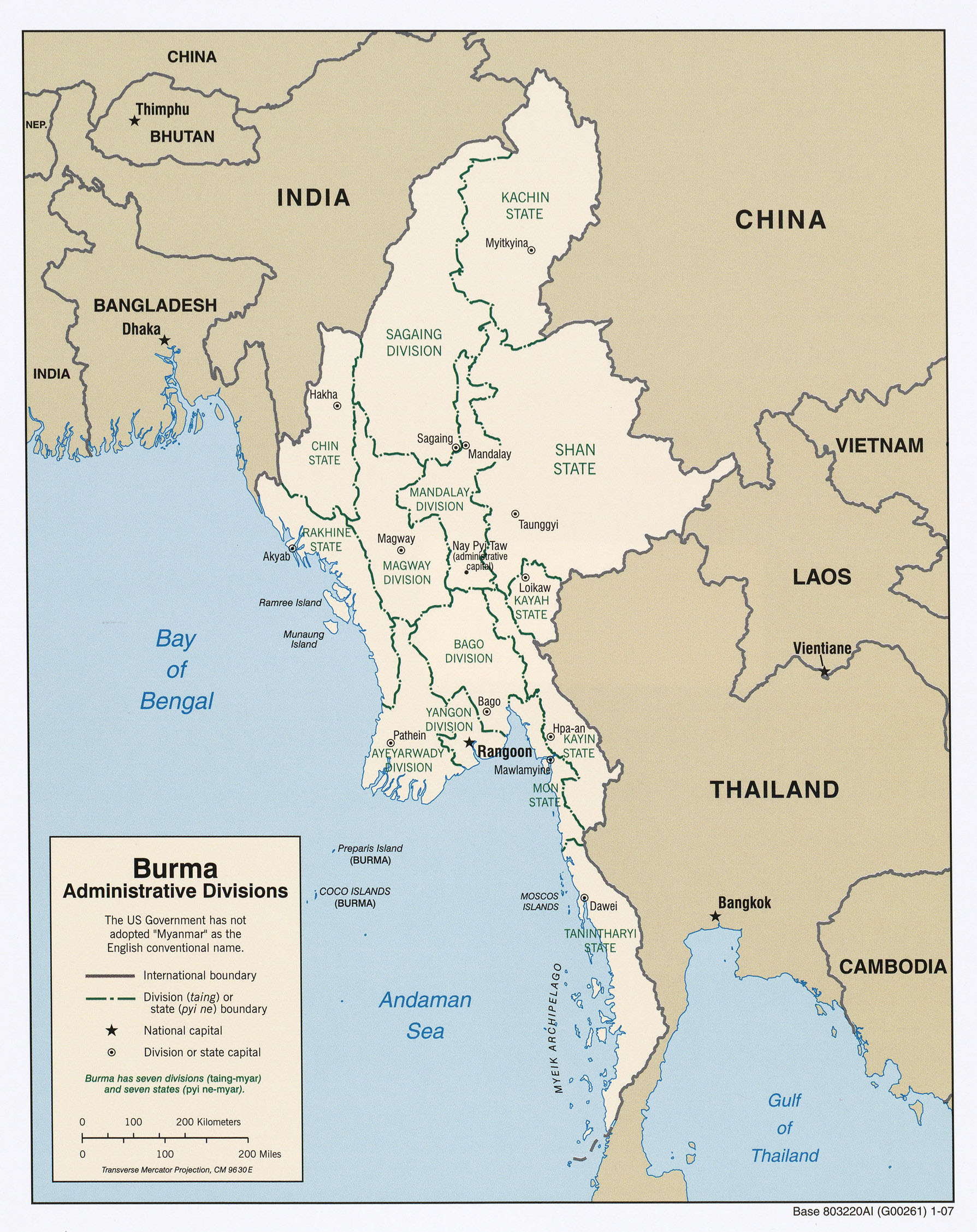
BurmaThe Burmese military tortured and killed at least 17 civilians after beheading and dismembering five captured resistance fighters earlier this month. The incidents took place at two villages in Sagaing region, and were reported by the besieged opposition media. A UN Human Rights Office report finds that some 80% of townships across Burma have experienced armed clashes since the February 2021 coup, with nearly 3,000 people killed by security forces and almost 40,000 homes destroyed. (Map: PCL)
Europe

Russia imposes sanctions on Baltic citizens

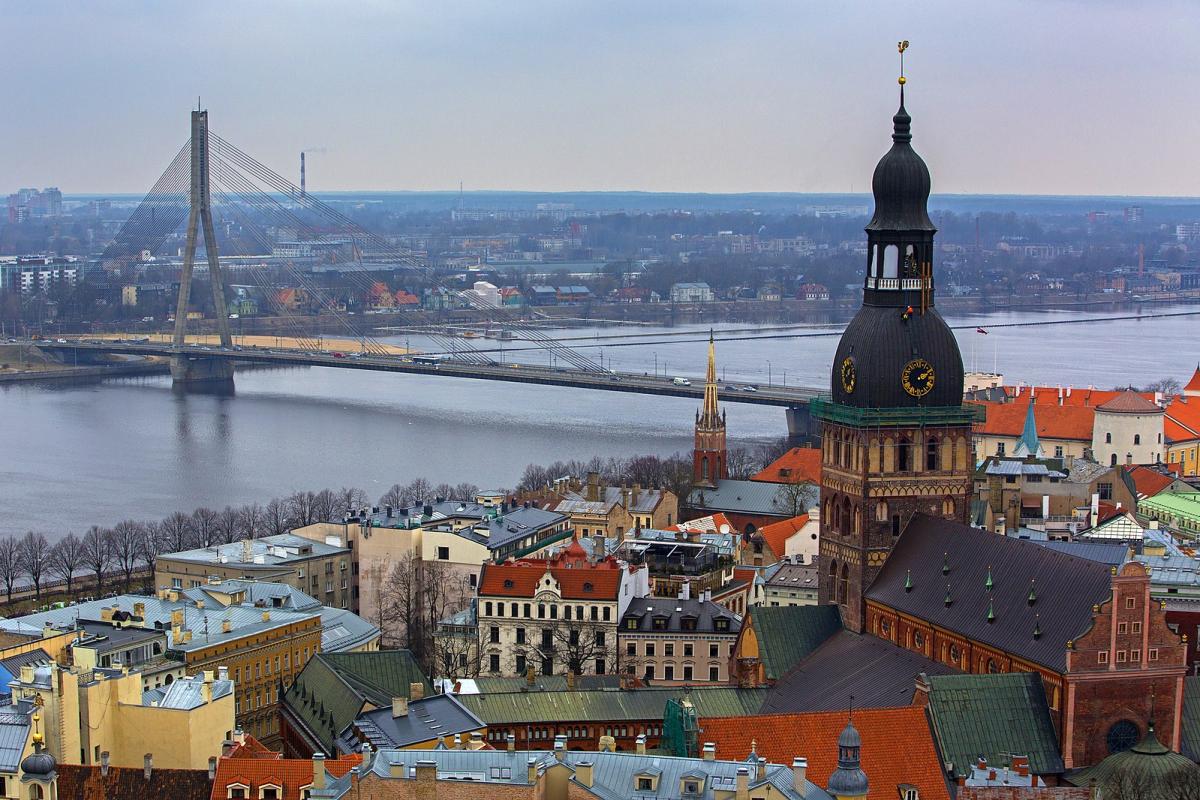
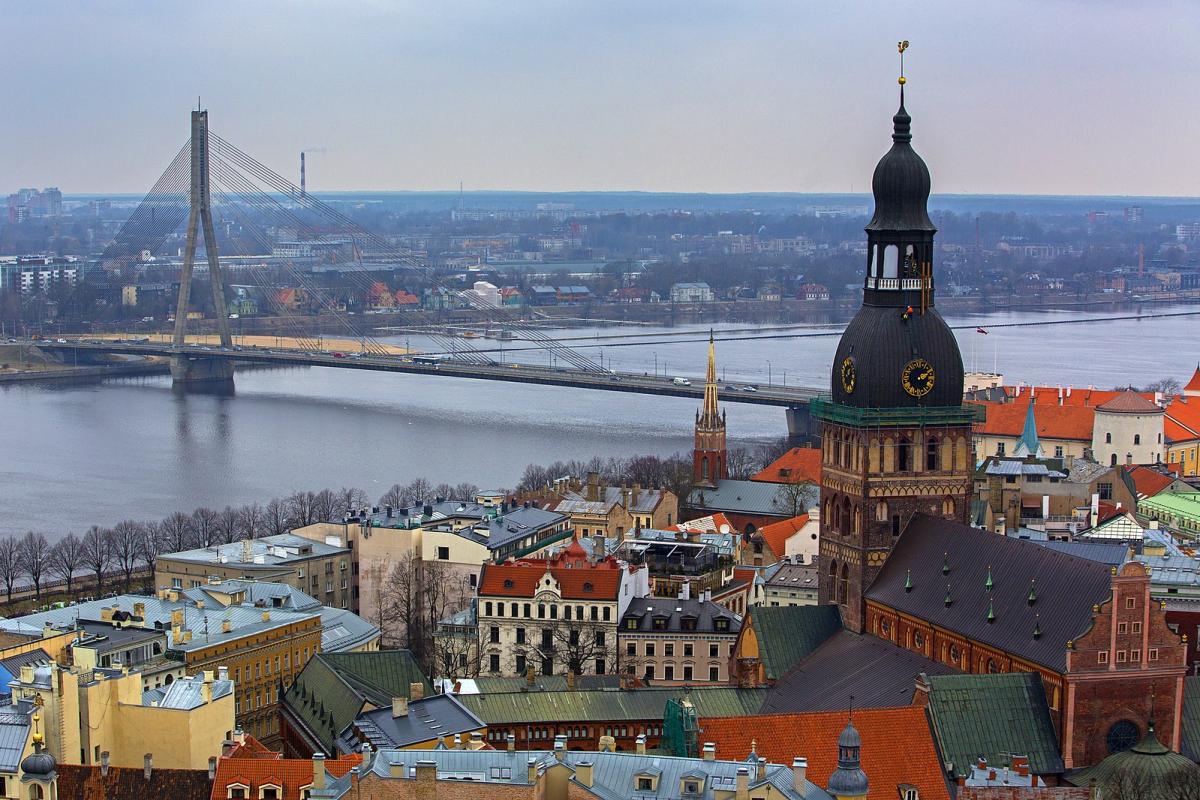
RigaThe Russian Foreign Ministry has issued sanctions against 144 citizens of Lithuania, Latvia and Estonia. Moscow accused the individuals of hostile acts against the Russian state. The alleged acts include lobbying for sanctions, interference with Russia's internal affairs, and inciting "Russophobic" sentiments. The three Baltic states are particularly outspoken in their support of Ukraine, and calls for holding Russia accountable for war crimes and possible "genocide." (Photo of Riga, Latvia, via Wikimedia Commons)

Europe

Ukraine denies plot to kill Transnistria leader

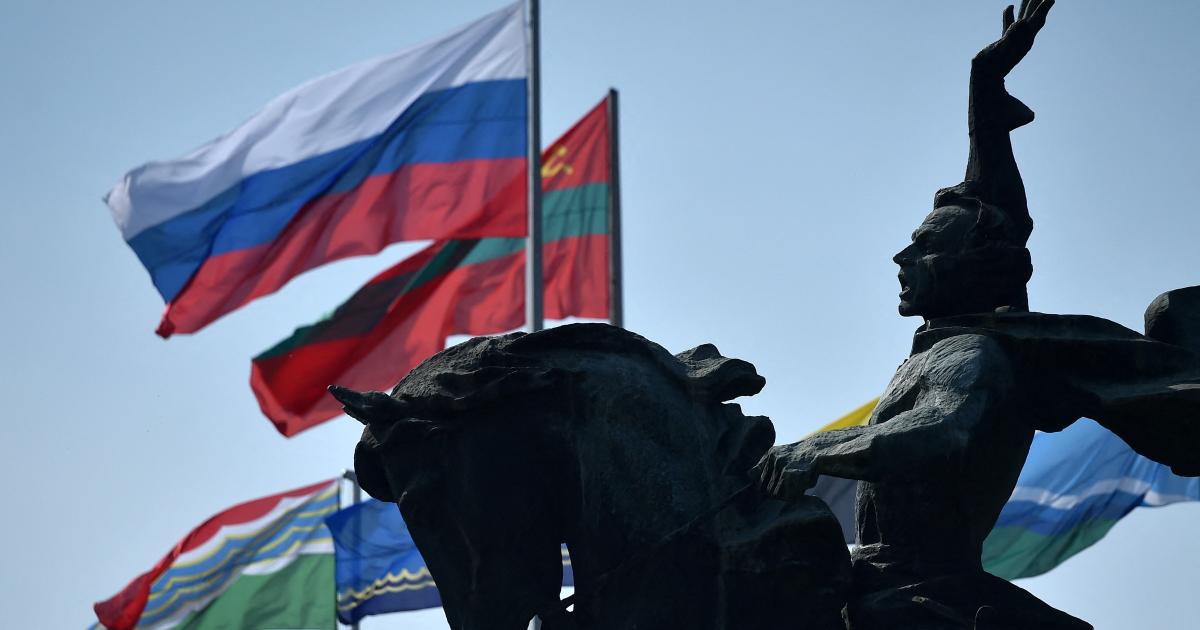
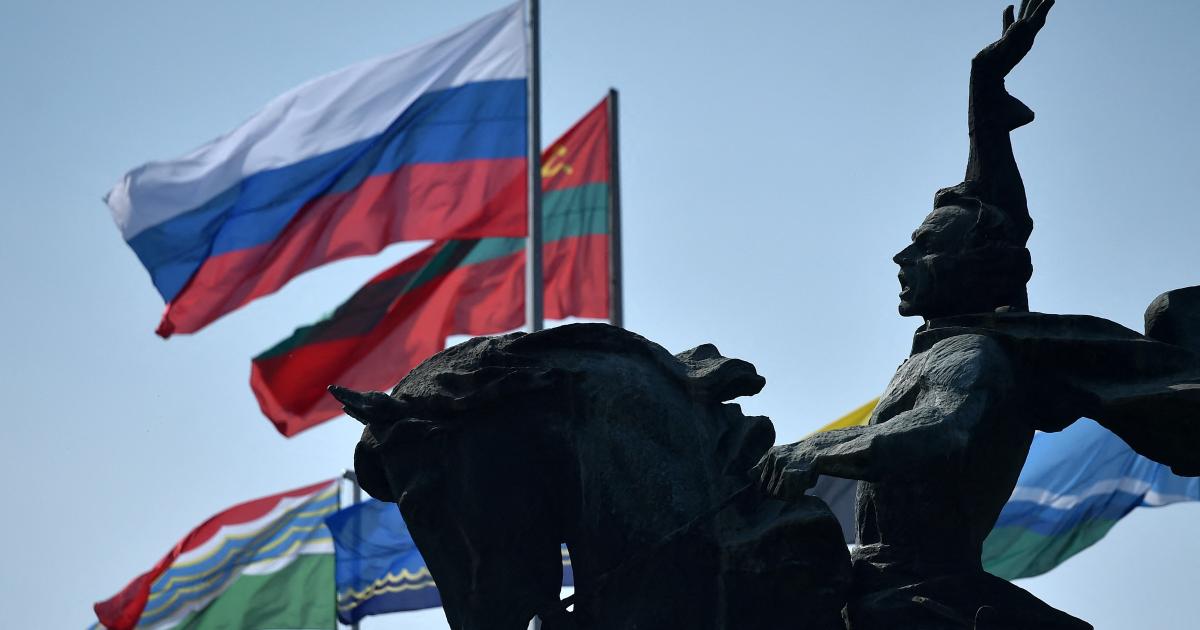
TransnistriaThe Security Service of Ukraine (SBU) denied plotting to assassinate the president of the Russian-backed breakaway de facto state of Transnistria in Moldova. The denial comes after the Transnistrian Ministry of State Security said it thwarted an SBU-orchestrated terrorist attack targeting multiple Transnistrian government officials. The SBU characterized the accusation as an instrument of Russian provocation amid Moscow's ongoing invasion of Ukraine. Transnistria controls around 4,000 square kilometers of internationally-recognized Moldovan territory, but is not recognized by any UN member state. However, Russia has maintained a military presence in the breakaway state, which borders Ukraine, since the 1990 Transnistria War. (Photo via Ukraine Defense Ministry)

Greater Middle East

Podcast: against Assadist earthquake-exploitation

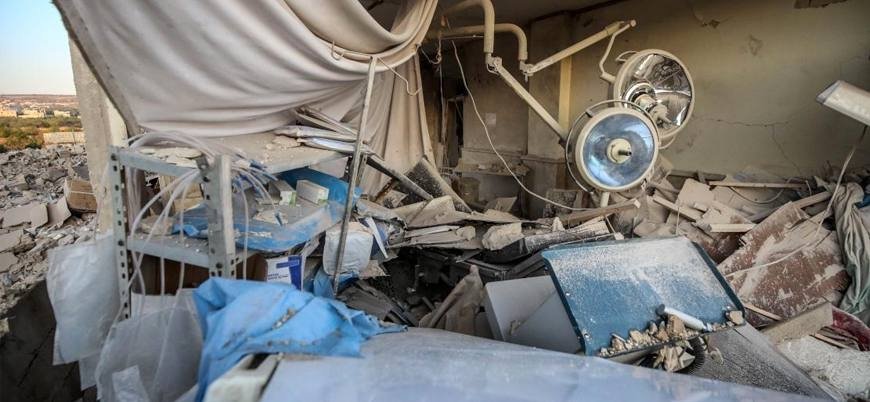
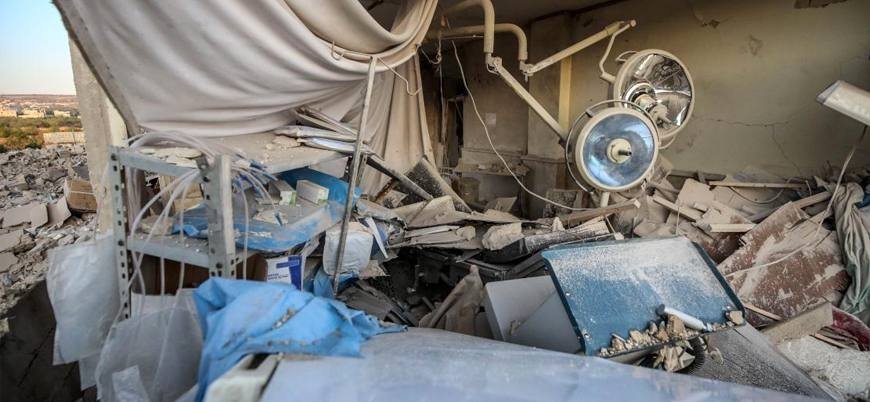
AtarebIn Episode 163 of the CounterVortex podcast, Bill Weinberg deconstructs the propaganda campaign that would exploit the devastating earthquake to get the sanctions lifted on the genocidal Bashar Assad regime in Syria. The earthquake was actually a windfall for the drive to "normalize" the regime. Listen and find out why the superficially plausible arguments of the "no sanctions" line are cynical and intentionally misleading. Listen on SoundCloud or via Patreon. (Photo of bombed hospital in northern Syria via Daily Sabah)

Mexico

Podcast: Magonismo hits the mainstream

Bad MexicansIn Episode 162 of the CounterVortex podcast, Bill Weinberg reviews Bad Mexicans: Race, Empire, and Revolution in the Borderlands by Kelly Lytle Hernández. It is definitely a very hopeful sign that a briskly selling book from a mainstream publisher not only concerns anarchists, but actually treats them with seriousness and presents them as the good guys—even heroes. The eponymous "bad Mexicans" of the sarcastic title are the Magonistas—followers of the notorious Magón brothers, early progenitors of the Mexican Revolution of 1910-1920, who first raised a cry for the overthrow of the decades-long, ultra-oppressive dictatorship of Porfirio Díaz. "Bad Mexicans" was the epithet used by both Mexican and US authorities for this network of subversives who organized on both sides of the border. Listen on SoundCloud or via Patreon.

The Caucasus

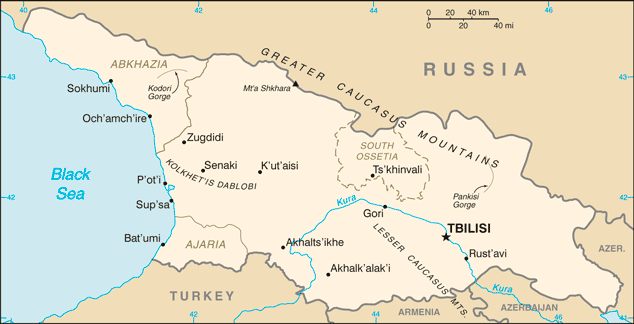
Georgia drops ‘foreign agent’ bill after protests

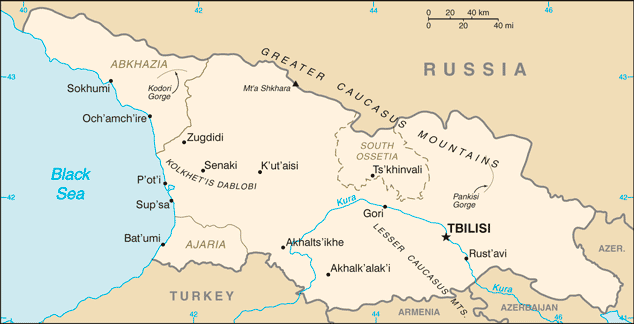
GeorgiaGeorgia's ruling coalition agreed to withdraw a controversial "foreign agent" bill after two days of angry protests in the capital Tbilisi. The bill "On Transparency of Foreign Influence," introduced in Parliament in February, would have required non-governmental organizations and media outlets that receive 20% or more of their annual revenue from a "foreign power" to register as "agents of foreign influence" with the Justice Ministry. (Map: PLC)