The Andes
Medellín terror targets Afro-Colombian family
Forty-five family members of an Afro-Colombian man who was shot in Medellin have been displaced from their homes following threats from illegal armed groups.
Forty-five family members of an Afro-Colombian man who was shot in Medellin have been displaced from their homes following threats from illegal armed groups.
The Washington Post runs an in-depth report exposing CIA oversight of the Colombian government's campaign of targeted assassinations of guerilla leaders.
The campaign of violence against organized labor in Colombia intensified in 2013, with 26 unionists assassinated—a 15% jump over the figure for 2012.
Campesinos across Colombia continue to press demands for return of lands usurped by paramilitaries—despite conitnued death threats and legal persecution.
The Guaraní community of Ñandeva in Brazil's Mato Grosso do Sul state are pledging to resist a court-ordered eviction, and to defend their land to the death.
Local farmers and loggers attacked the Tenharim indigenous reserve in Brazil's Amazonas state, setting several houses afire and leaving families displaced.
Bolivia is mobilizing police to the route of the upcoming Dakar Rally Raid cross-country motor-race following a pledge by Aymara protesters to blockade it with their bodies.

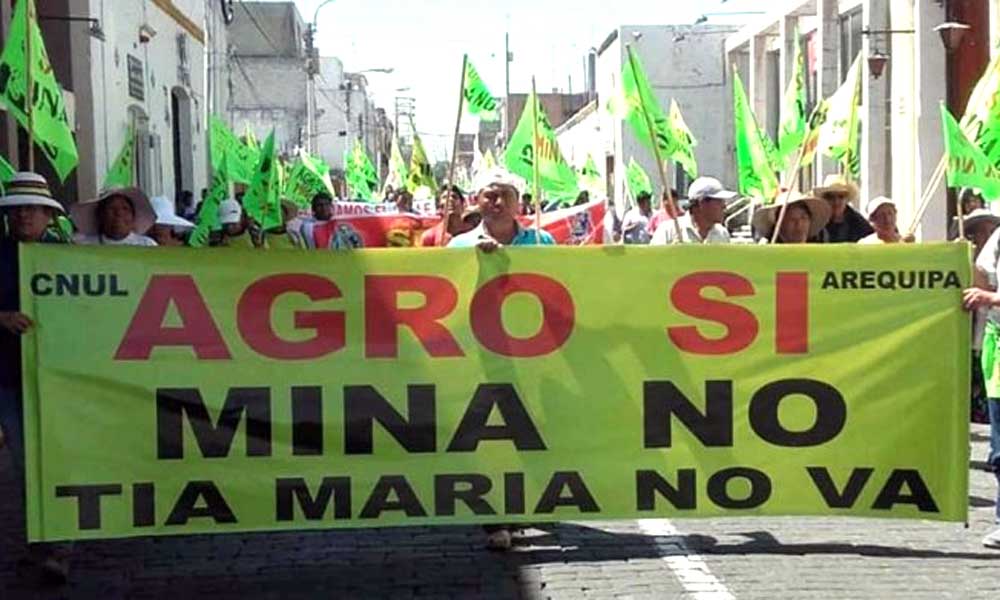 Peru's Ministry of Energy & Mines (MINEM) officially suspended the license of the giant copper mine planned for Tia Maria, in the agricultural Tambo Valley of Arequipa region. The project had been the focus of years of protest mobilizations by local residents, and a new general strike had been declared after MINEM finally issued a construction permit to the project's developer, Southern Copper Corporation, in July. In revoking the permit, MINEM implicitly invoked the protests, saying the "spaces for dialogue had not been generated" before the license was granted. (Photo: Diario Uno)
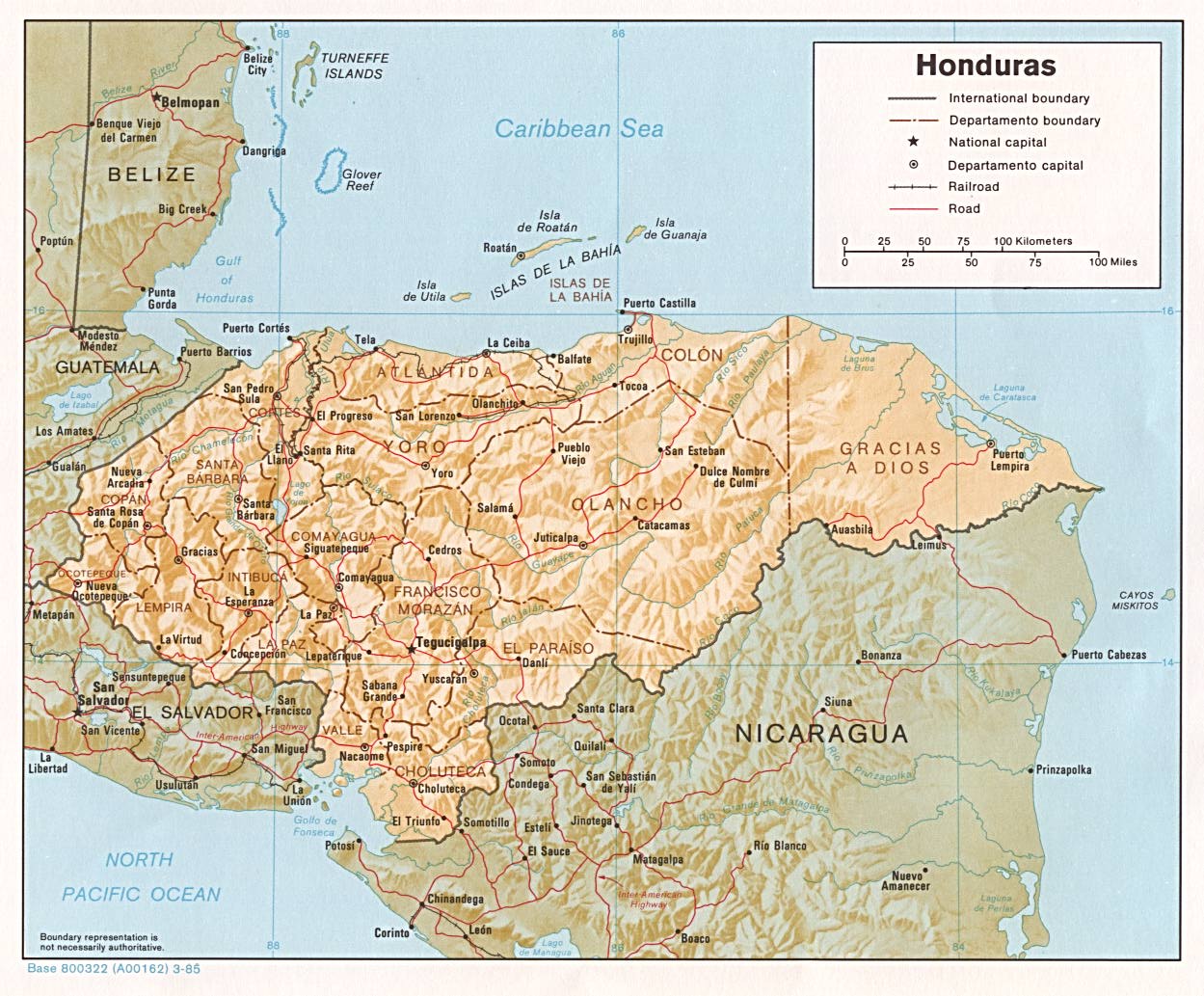
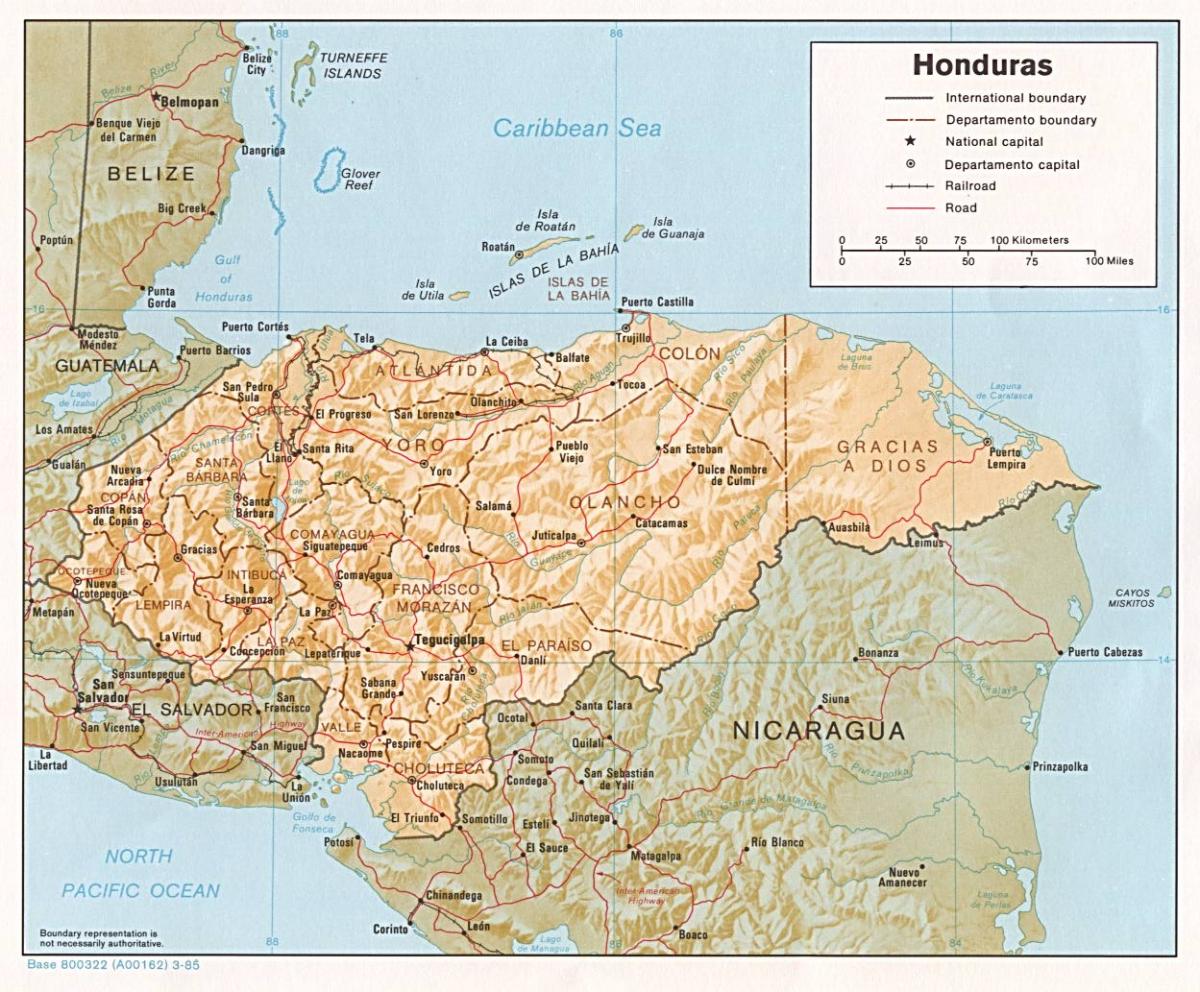 Hondurans elected self-proclaimed "democratic socialist" Xiomara Castro to be the country's first woman president. The wife of Manuel Zelaya, the populist president who was removed in a coup in 2009, Castro pledges to revive his program—and take it much further, instating far-reaching reforms. Castro also announced that she will "open diplomatic and commercial relations with continental China," which was widely taken as meaning a switch of diplomatic recognition. Honduras is currently one of only 14 countries that recognize Taipei rather than Beijing. It is tragic to see the Central American republics, in their struggle to break free of Washington's orbit, acquiesce in Beijing's design to incorporate Taiwan into its own orbit—or, more ambitiously, its national territory. (Map: Perry-Castañeda Library)
Peru announced the capture of a top Sendero commander—and called upon neighboring Bolivia to stop stigmatizing it as a source of "narco-terrorism."
Authorities in Cameroon have beefed up border controls in the Far North region to guard against infiltration by Boko Haram as civilians flee the growing war in Nigeria.

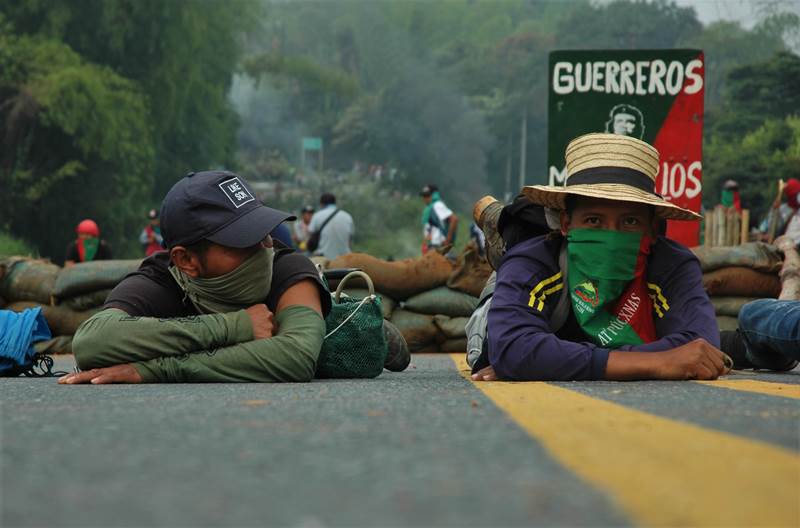 The Colombia office of the UN High Commissioner for Human Rights urged the government to effectively protect the lives and physical and cultural integrity of the Nasa indigenous people amid a wave of assassinations in their territory in the southern department of Cauca. The statement noted attacks on members of the Nasa Indigenous Guard over the past 24 hours, in which two were killed—Gersain Yatacué in the community of Toribio and Enrique Güejia in the community of Tacueyo. These brought to 36 the members of the Nasa people killed so far this year, according to Alberto Brunori, the UN human rights officer for Colombia, who said there is now an "alarming situation" in Cauca. (Photo: Colombia Informa)