Syria
Suwayda

Fighting again erupts in Syria’s Suwayda

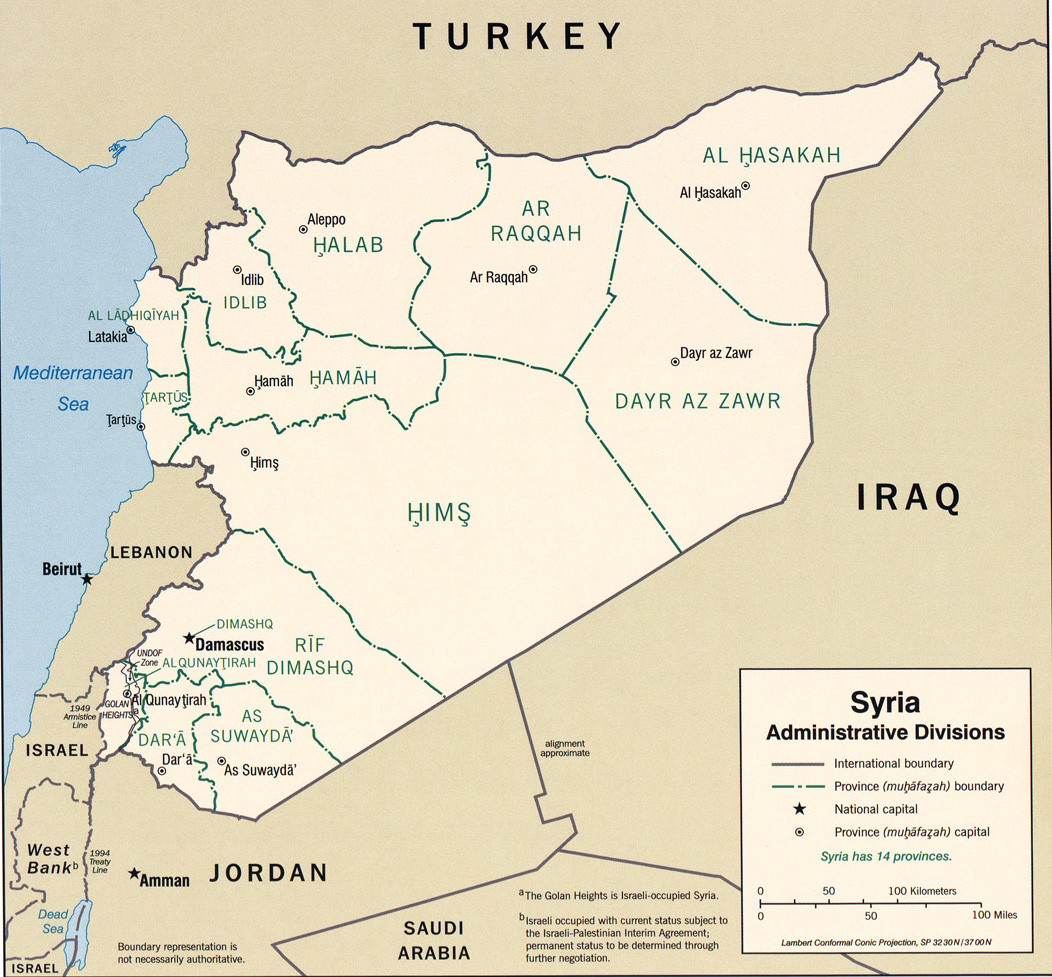
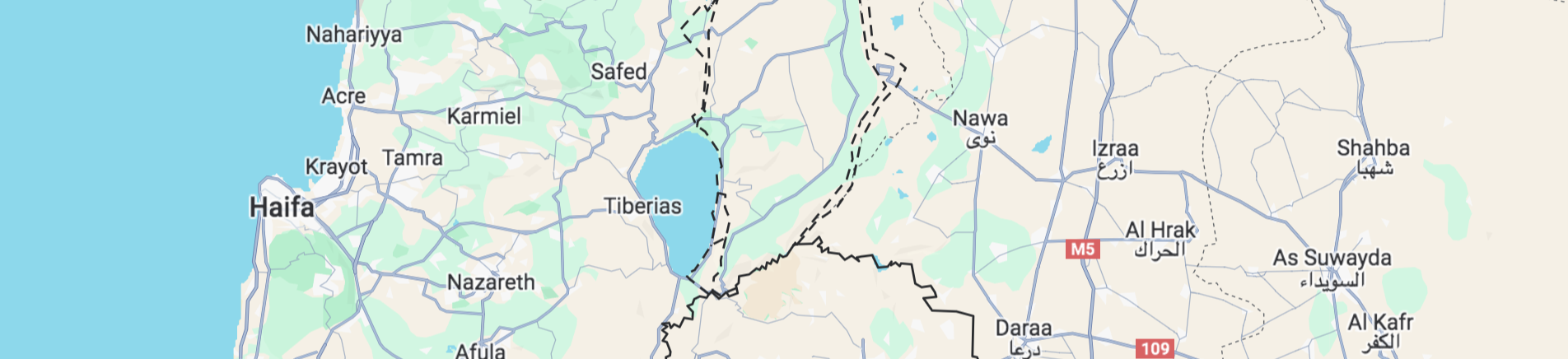
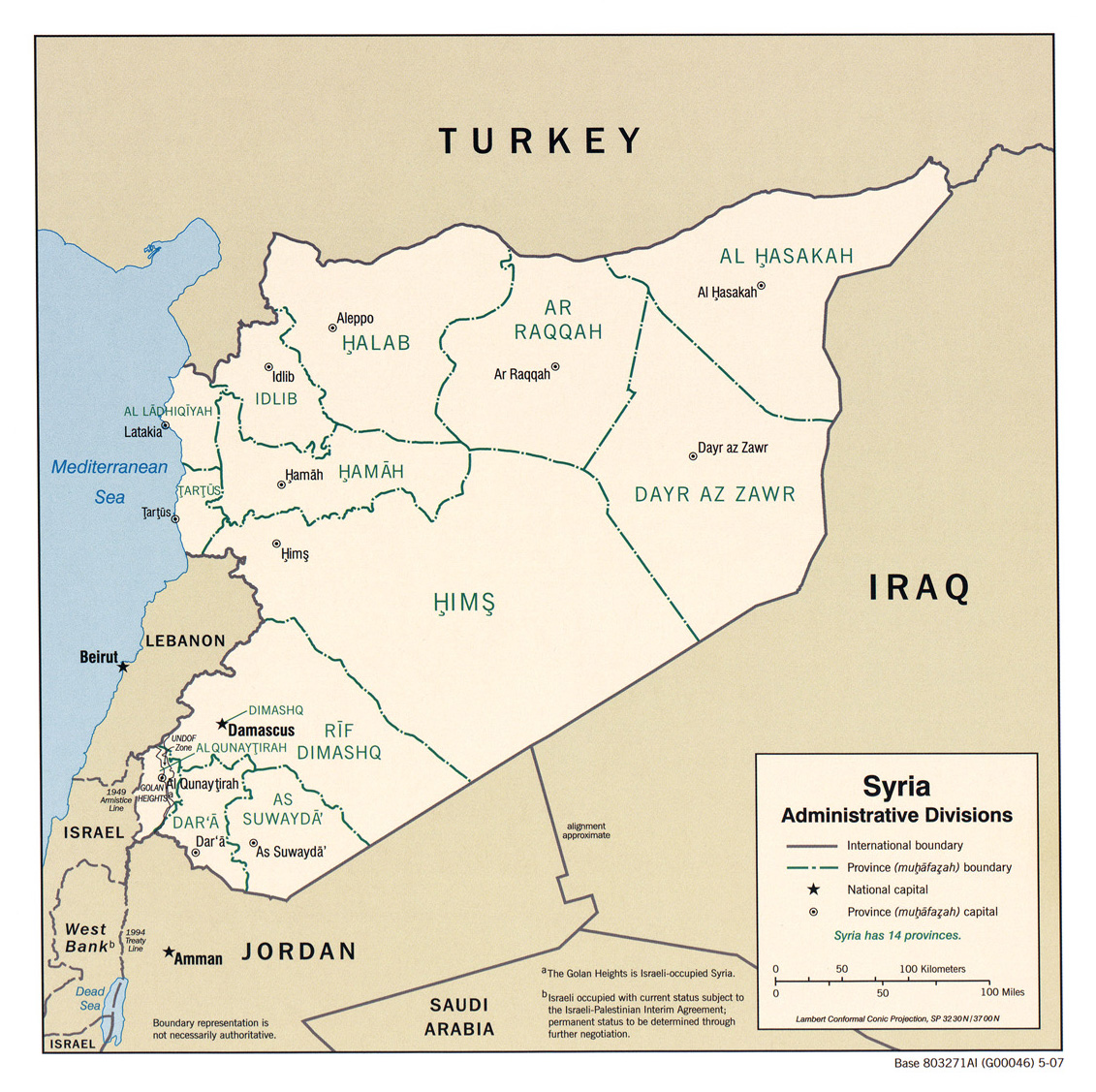
Clashes broke out in Syria’s southern as-Suwayda province between the central government’s Internal Security Forces and Druze armed groups affiliated with the region’s self-declared “National Guard.” Fighters from the Guard’s “501 Knights of Hamza” battalion attempted to advance toward government lines in the governorate’s western countryside under heavy cover fire, including from truck-mounted machine-guns and rocket-launchers. Government forces responded with mortar fire. Since the fall of the Bashar Assad dictatorship in December 2024, Israel has occupied large areas of eastern as-Suwayda, and is believed to have dropped arms to Druze fighters in the region. The province has been effectively divided since fighting broke out last year between Druze militia and central government forces and their local Bedouin allies. (Map: Google)

Greater Middle East
Golan Heights

Israel to expand illegal settlement of Golan Heights

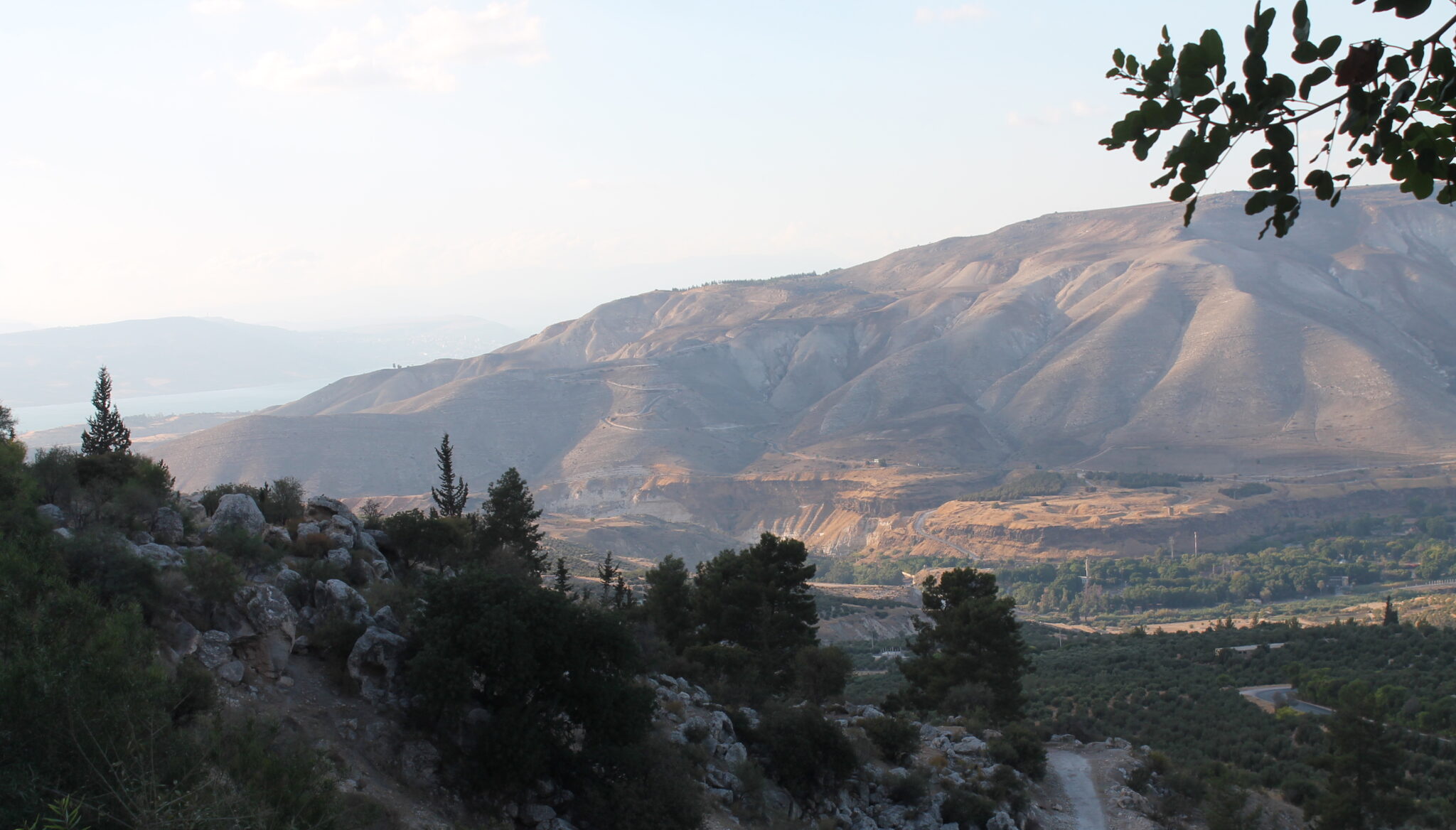
Human Rights Watch protested the Israeli government’s plan for increased settler transfers into the occupied Syrian Golan Heights, calling the decision a “clear statement of intent to commit war crimes.” The $334 million plan, announced by the Finance Ministry, seeks to make the small town of Katzrin the Golan’s “first city,” by bringing in 3,000 new Israeli settler families. Funds are allocated for infrastructure, housing, public services, and academic facilities. Article 49 of the Fourth Geneva Convention prohibits the transfer by an occupying power of any of its own civilian population into territory it occupies. Article 8 of the Rome Statute, which established the International Criminal Court (ICC), defines such transfers as war crimes. Occupied by Israel in 1967, the Golan Heights has since been declared unilaterally annexed. (Photo: Freedom’s Falcon via Wikimedia Commons)

Syria
Tadamon

Syria: arrest in Assad-era massacre

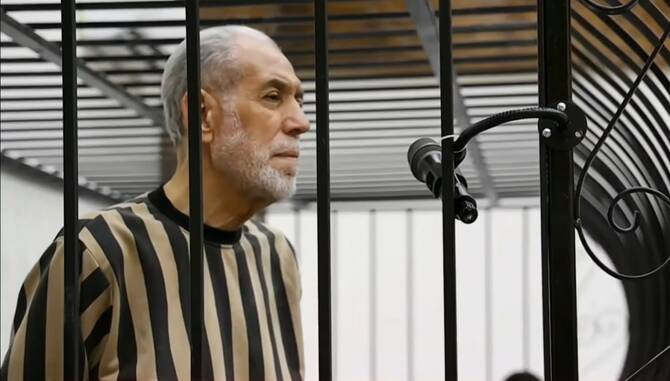
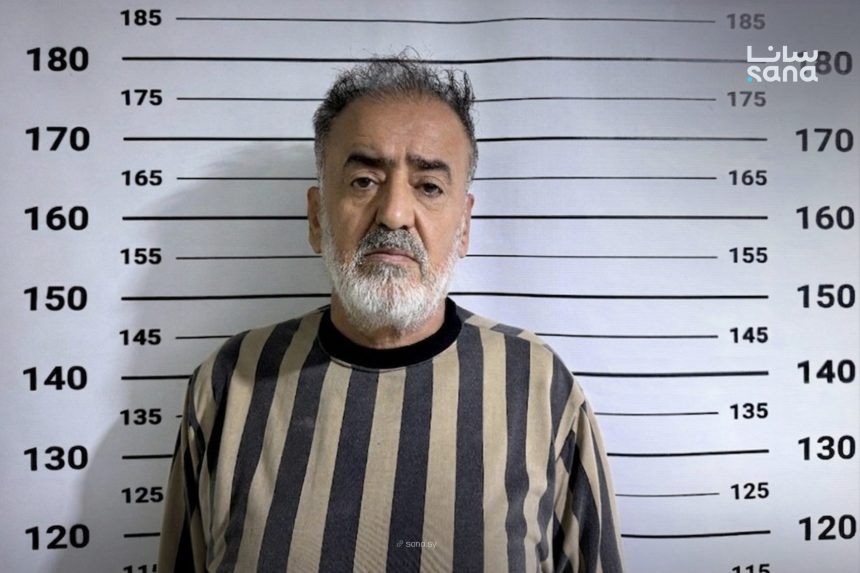
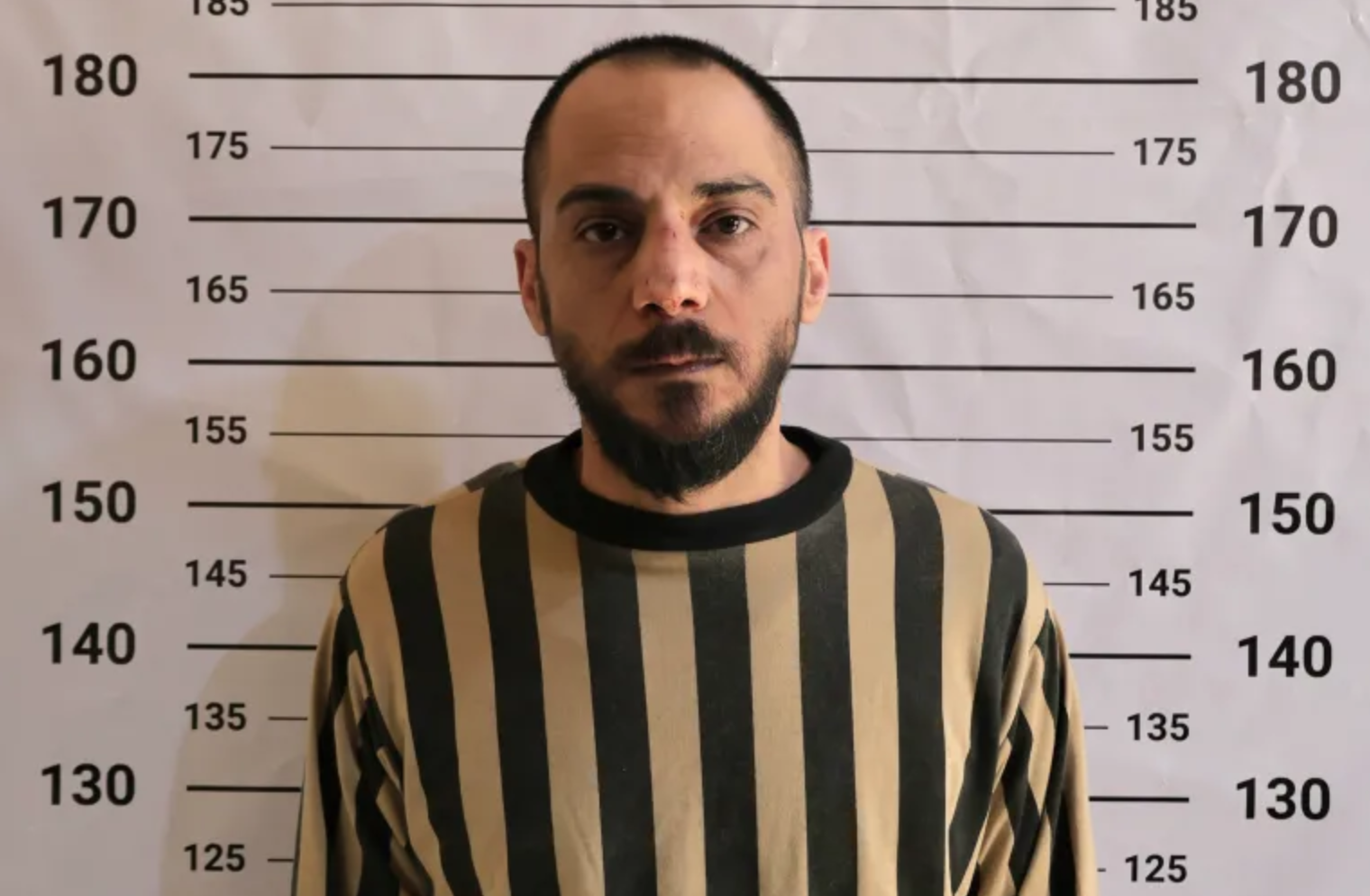
Syria’s Internal Security Forces arrested Amjad Youssef, principal suspect in a massacre of civilians in the Tadamon neighborhood of Damascus in April 2013. Footage emerged in 2022 showing Syrian soldiers leading captives, bound and blindfolded, to a pit before shooting them. The video became one of the most direct pieces of visual evidence of extrajudicial killings by forces of the Bashar Assad dictatorship, which was finally overthrown in December 2024. The leaked footage was released as part of an investigative report prepared by researchers from the Institute for War, Holocaust & Genocide Studies (NIOD) at the University of Amsterdam. Apprehended in a rural area of Hama province following a manhunt, Youssef appeared in the footage, and is believed to have been a member of the notorious Branch 227 of the Assad-era Military Intelligence Directorate. Estimates by the Syrian Network for Human Rights indicate that the death toll in the Tadamon massacre may exceed 450 people. (Photo: SNHR)

Europe
Lampedusa

EU expands migrant detention and deportation rules

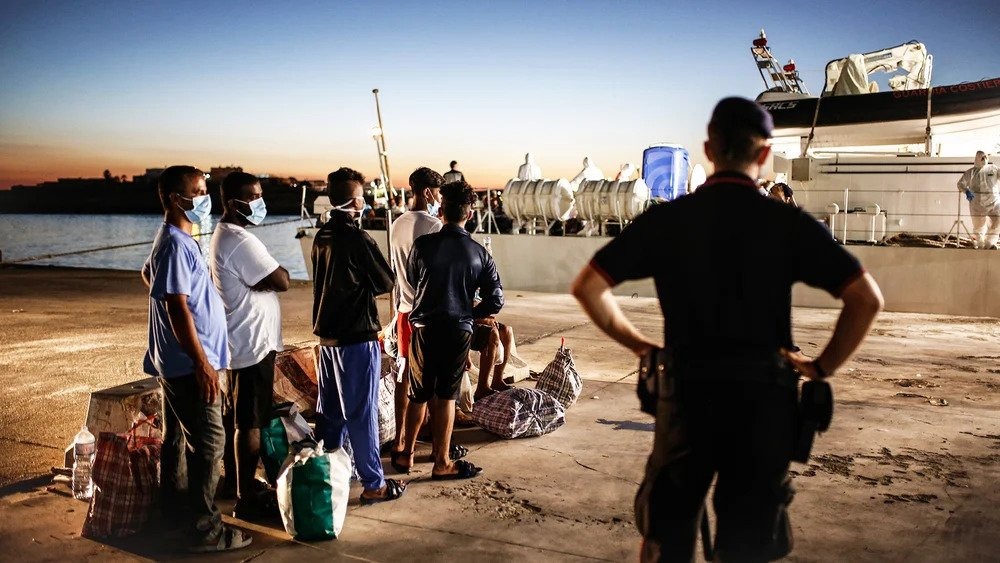
The European Union took a significant step toward adopting a Trump-like approach to migration when the EuroParliament approved a new law expanding the power of security agencies to track, detain and deport migrants. Amnesty International criticized the revised “Return Regulation” as “punitive” and a threat to fundamental rights. The law also allows for people to be deported to countries other than their country of origin—a controversial policy used by the Trump administration. Greece, an EU member, is even working directly with US officials to ramp up deportations. (Photo: Sara Creta/TNH)

Syria
Damascus

UN Commission on Syria: protect civil society

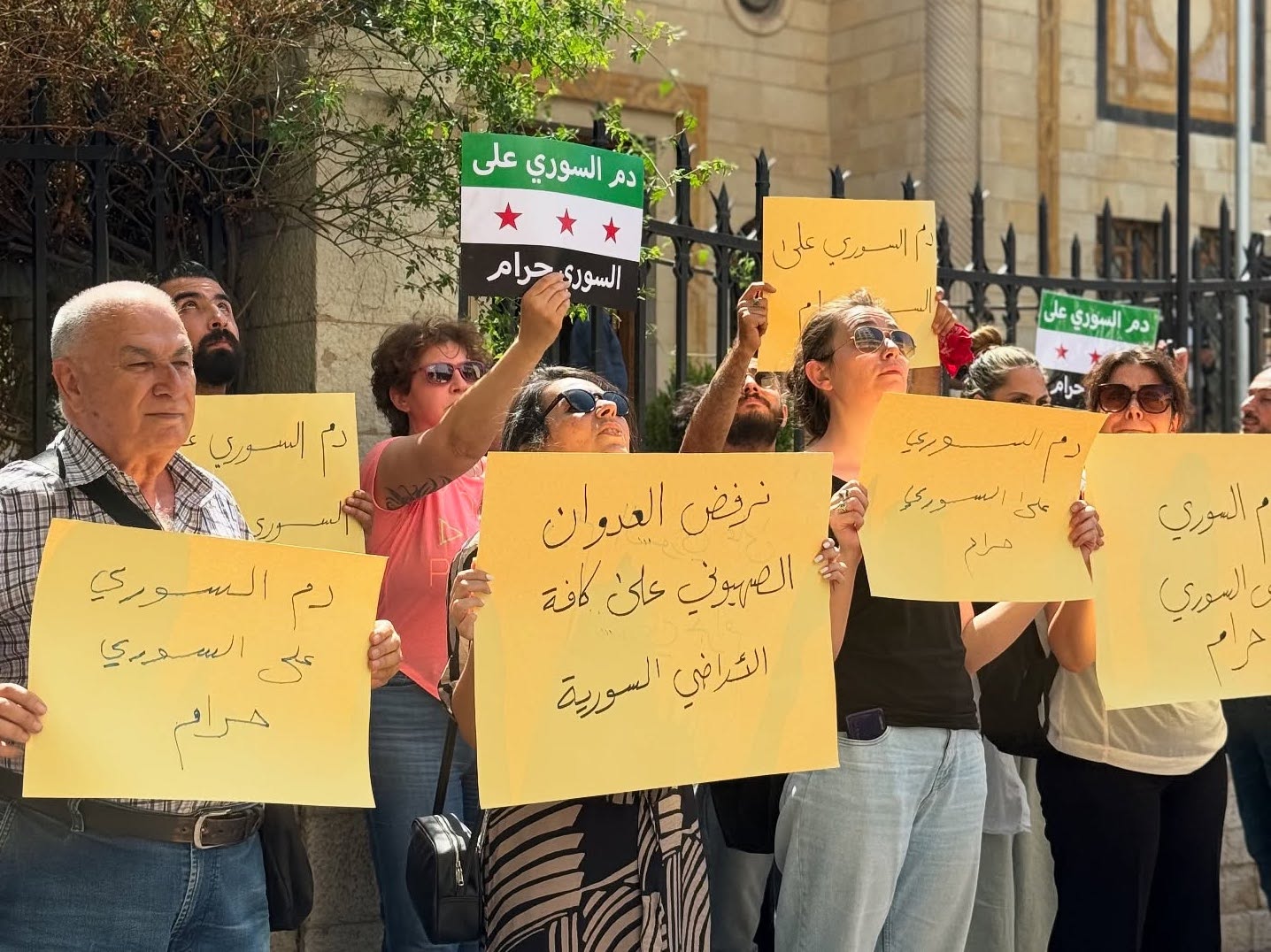
The UN Human Rights Council’s Commission of Inquiry on Syria (COI) announced that it completed an in-country mission to Damascus as it prepares to brief the Council in Geneva. The commissioners said they were encouraged by the growth of Syrian civil society organizations, including groups returning from exile. Still, they noted continued barriers and fears, and urged conditions that would allow civil society to operate “without restriction.” There remain legal questions about whether and to what degree authorities will tolerate independent documentation, advocacy, and victim participation, which are needed elements for credible truth-seeking, reparations design, and institutional vetting. (Image: Damascus protest against Israeli intervention in Syria. Credit: The Syria Campaign via Facebook)

Syria
Syria

UN Security Council briefed on Syria transition

Senior UN officials told the Security Council that Syria’s fragile political transition has gained momentum following a landmark agreement between Damascus and Kurdish authorities in the northeast. Still, they warned that renewed violence in the south, Israeli incursions, and deep humanitarian needs continue to underscore the precarious path to stability. (Map: PCL)

Syria
Rojava solidarity

Podcast: twilight of Rojava?

A last-minute “permanent ceasefire” may mean that northeast Syria is back from the brink of Arab-Kurdish ethnic war. But ceasefires have repeatedly broken down since fighting resumed earlier this year, with Damascus demanding disbandment of the Rojava autonomous zone, and the integration of its institutions—including its military wing, the Syrian Democratic Forces (SDF)—into the central government. While the new pact sets a more “gradual” pace for this integration, the Kurdish aspiration to regional autonomy and the central government’s insistence on centralization may prove a long-term obstacle to peace. In Episode 315 of the CounterVortex podcast, Bill Weinberg weighs the odds for avoiding a conflict that holds the potential for escalation to genocide, with the connivance of the Great Powers that so recently backed the SDF to fight ISIS. (Photo via Facebook)

Syria
SDF

Russia joins US in betraying Syrian Kurds

The Kurdish-held border town of Kobani in northern Syria is under siege again, as it was by ISIS in 2014—but this time by forces of the Syrian central government, which has cut off water and power to the town in the dead of winter, with snow on the ground. Since the start of the year, the Kurdish forces in northeastern Syria have lost almost all of the territory they controlled to a new offensive by the central government. Kobani with Hasakah and Qamishli are the last besieged strongholds of the reduced Rojava autonomous zone. And both the US and Russia, which have backed the Kurdish-led Syrian Democratic Forces (SDF) against ISIS, now appear to be cutting them loose—effectively green-lighting the government offensive against them. US special envoy for Syria Tom Barrack has already warned that US support for the SDF is coming to an end. And in the midst of the offensive, Russia has withdrawn its forces from Qamishli, its principal military outpost in Rojava. This came just as Syrian interim president Ahmed al-Sharaa was on his second trip to Moscow to meet with Vladimir Putin—pointing to a quid-pro-quo in which Russia will be allowed to maintain its two major military bases in Syria, on the Mediterranean coast at Khmeimim and Tartous. (Photo: SOHR)

Syria
al-Sharaa

Syria: can new integration pact avert war on Rojava?

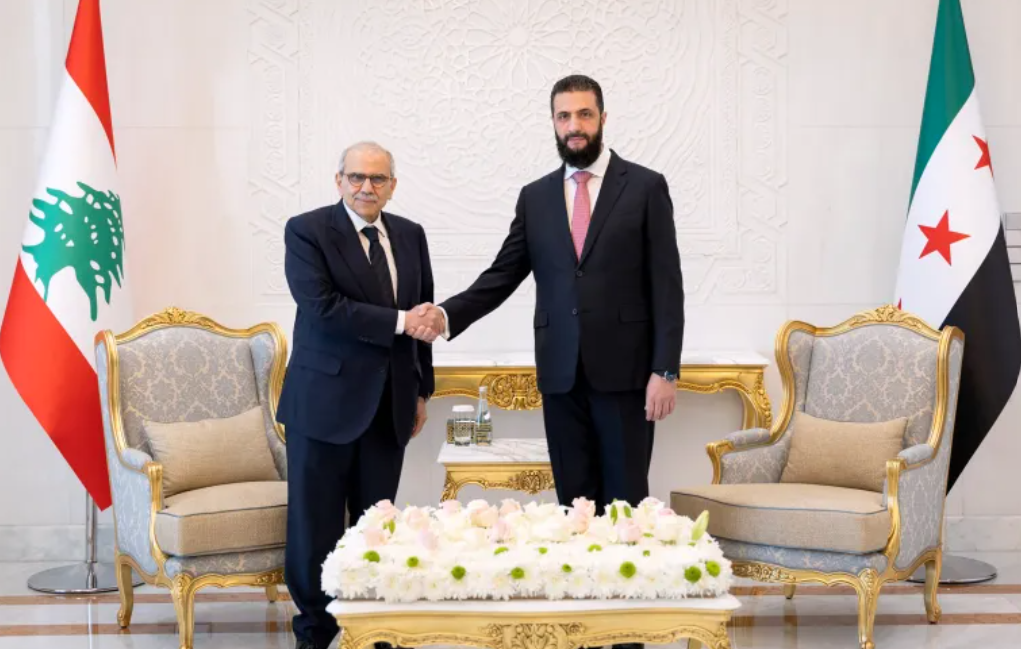
The Syrian interim government and the Kurdish-led Syrian Democratic Forces (SDF) reached an agreement to immediately halt fighting and integrate SDF-held areas into state institutions. The deal follows days of renewed clashes, in which government forces routed SDF strongholds in the city of Aleppo and then pushed east, taking several towns that had been under the control of the Kurdish-led autonomous administration. Just hours before the agreement was reached, autonomous authorities in the Kurdish region, known as Rojava, had announced a “general mobilization” in support of the SDF, citing an “existential war” launched by Damascus against their territory. (Photo: Rudaw)

Syria
Iran

Multiple foreign powers still bombing Syria

The Pentagon said US and allied forces carried out a wave of air-strikes against ISIS targets across Syria, although accounts were unclear as to which other countries were involved or what casualties resulted. The raids came as part of Operation Hawkeye Strike, launched in response to the deadly ISIS attack on US and Syrian forces in Palmyra last month. The past week also saw joint British and French strikes on supposed ISIS targets near Palmyra. And Jordan carried out strikes supposedly targeting drug traffickers in Syrian territory. Turkey’s Defense Ministry meanwhile said it stands ready to help Syria’s interim government in its ongoing “counter-terrorism” operation against Kurdish fighters in Aleppo. (Image: Pixabay)

Syria
Aleppo

Syria: army shells Kurdish enclaves in Aleppo

Civilians fled Kurdish-majority neighborhoods of Aleppo after the Syrian army declared them “closed military zones” and began shelling the areas. Some 300 homes are reported destroyed in the neighborhoods of Sheikh Maqsud and Ashrafiyeh, which have long been under the control of the Kurdish Asayish militia. The Asayish and the interim government’s army blamed each other for initiating the clashes. Thousands have fled through “humanitarian crossings” the army established for residents to evacuate. But the fighting is spreading into the Kurdish heartland. The town of Deir Hafer, east of Aleppo, is also coming under shelling from government forces. The town is held by the Syrian Democratic Forces (SDF), main military wing of the Kurdish-led autonomous administration that controls much of the country’s east. The clashes mark the worst outbreak of fighting since an agreement last March to merge the SDF and autonomous administration into Syria’s new government. The deal has still not been implemented, with both sides at odds over the terms. (Map: Google)

Syria
Homs

UN condemns deadly mosque bombing in Syria

UN Secretary-General António Guterres condemned the deadly mosque bombing in Syria, urging that those responsible be swiftly identified and brought to justice. The explosion tore through the Ali Bin Abi Talib mosque in the city of Homs during Friday prayers, killing at least eight people and injuring around 20, according to Syrian authorities. The mosque serves members of the Alawite minority, which has faced violent reprisals since the fall of the Bashar Assad dictatorship last December. A group calling itself Ansar al-Sunna, said to be a splinter of the Islamic State (ISIS), claimed responsibility for the attack. The group had previously claimed responsibility for the June suicide bombing at Mar Elias church in Damascus that left 25 people dead, raising concerns about a pattern of attacks on religious sites. The bombing in Homs sparked angry protests and street clashes in the Alawite heartland of Latakia and Tartous provinces on Syria’s coast. (Map: Google)