South Asia
adivasis

India: tribal rights activists accused as ‘Naxals’

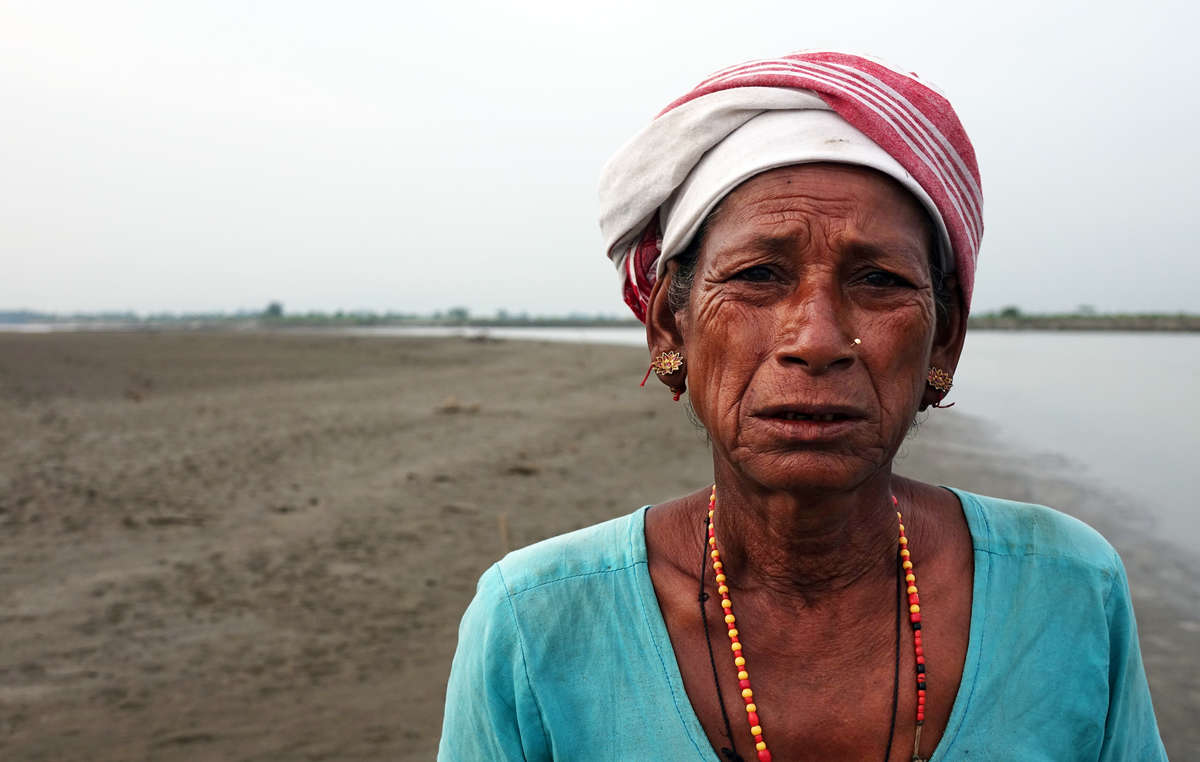
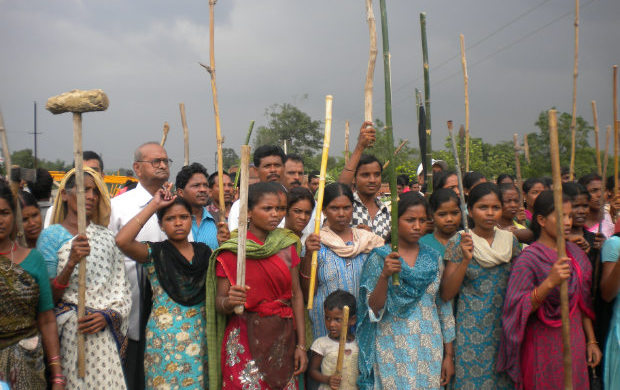
The Bombay High Court issued a notice to India’s National Investigation Agency (NIA), directing it to file a reply to the bail plea of Anand Teltumbde, a Goa-based professor and civil rights activist who faces charges under the draconian Unlawful Activities Prevention Act (UAPA) in relation to the notorious Bhima Koregaon case. In the case, dating to 2018, several advocates for Dalits (“untouchables”) and Adivasis (tribal peoples) are accused of links to the Maoist guerillas known as the Naxalites. Fifteen face lengthy prison terms and are still being denied bail. The case was back in the news in July, when a 16th among the accused, Jesuit priest Father Stan Swamy, 84, died in a hospital in Mumbai after taking ill in jail. His medical bail plea was still pending when he expired. (Photo via Intercontinental Cry)
South Asia
kashmir

Kashmir under internet blackout —again

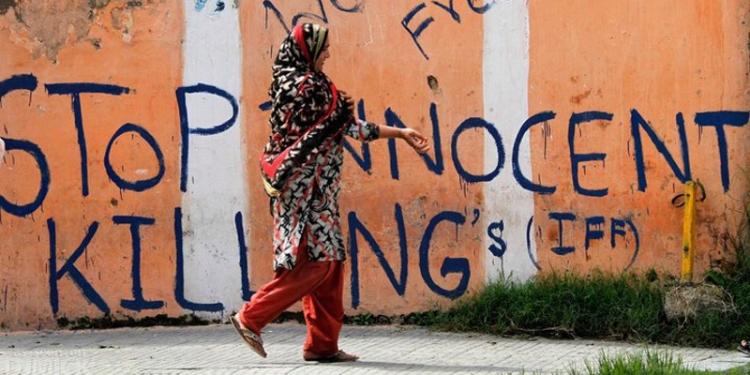
Indian-administered Kashmir was plunged back into internet darkness as India’s central authorities enforced lockdowns and a news blackout following the death of Syed Ali Geelani, a prominent separatist leader. Geelani’s body was immediately seized by authorities, and buried in a quiet funeral held under harsh restrictions. His son, Naseem Geelani, said the family had planned to bury him at the main martyrs’ cemetery in Srinagar, as specified in his will, but was not allowed to do so. Police also charged family members under an anti-terrorism law for wrapping his body in the Pakistani flag and raising anti-India slogans. Kashmir spent months without internet following an August 2019 crackdown. High-speed mobile internet was only restored earlier this year. (Photo: Kashmir Global via Nationalia)

South Asia
hazara

Pakistan: Hazara massacre sparks hunger strike

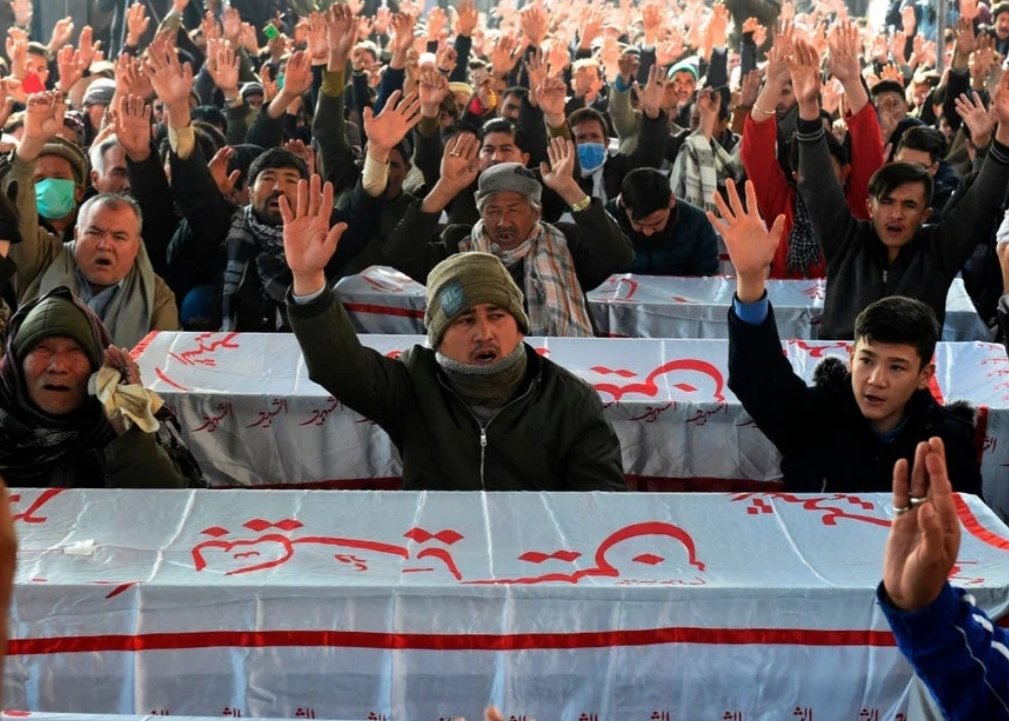
Members of Pakistan’s Hazara people have launched a sit-in and public hunger strike after a massacre targeted the Shi’ite minority at a coal-field in a remote area of Balochistan province. Hundreds have been blocking a major thoroughfare through the provincial capital, Quetta. Interior Minister Sheikh Rashid was sent in to meet with a delegation of the Majlis-e-Wahdatul Muslimeen, the organization leading the sit-in, but his offer of compensation to victims’ families was rebuffed. In the attack, armed men rounded up miners from worker housing at the coal-field. Those determined to be Hazara, 11 in all, were marched into the hills and summarily shot. Many had their throats slit or were otherwise mutilated. The local franchise of the “Islamic State” claimed responsibility for the massacre. Families of the victims are refusing to bury their loved ones, but have brought the bodies to the site of the sit-in, demanding the Balochistan government either arrest the killers or resign. (Photo via Twitter)

South Asia
Chalo Delhi

Farmers march on Delhi amid general strike

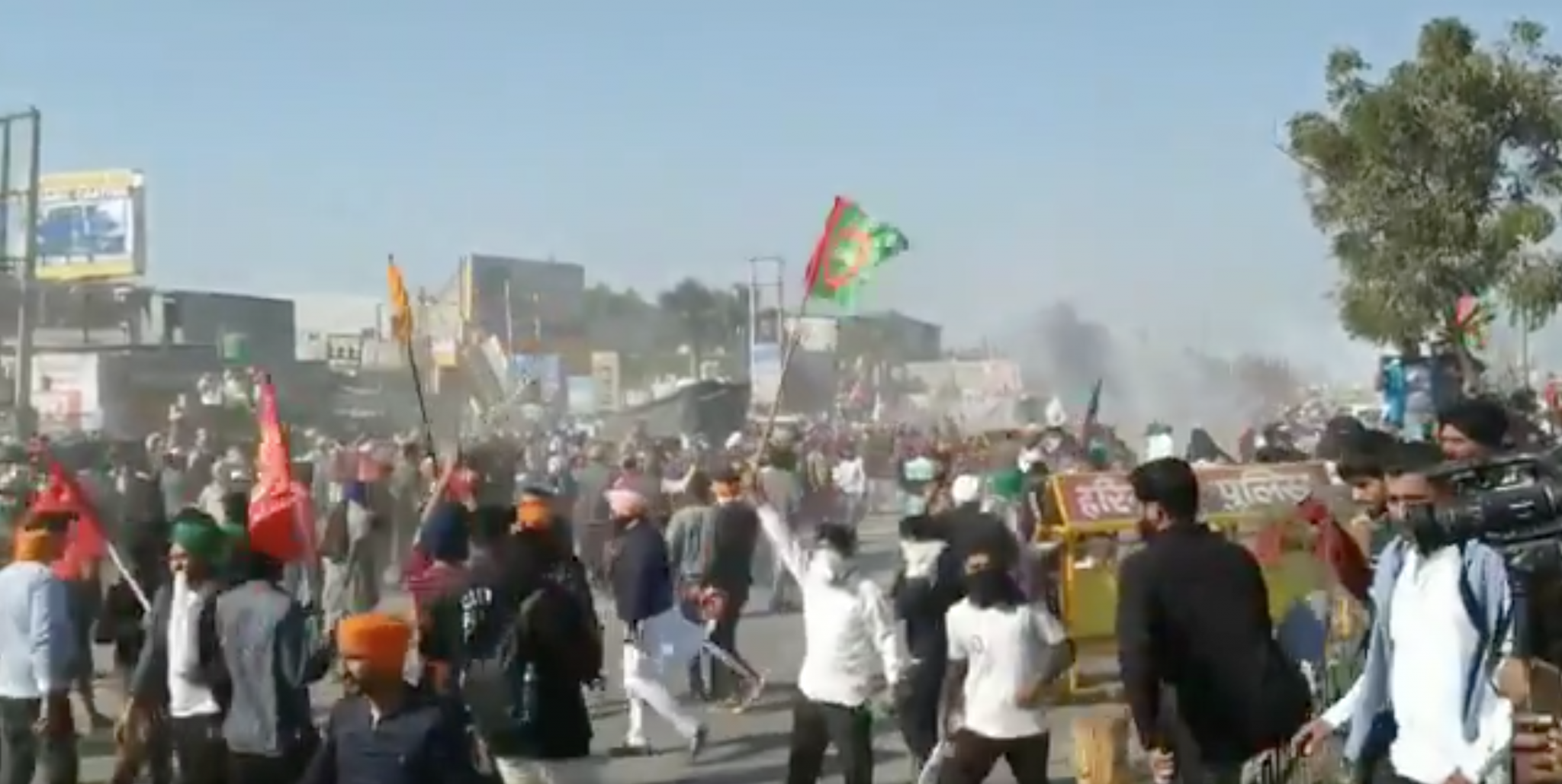
Thousands of farmers from across India’s north marched on Delhi despite efforts by police to block them with road barricades, tear-gas and baton charges. The cross-country march, which converged from Punjab and Haryana states, entered the capital one day after several Indian states were shut down by a general strike in support of the farmers’ demands. This was called by a newly formed Joint Platform of Central Trade Unions bringing together 10 of the country’s major organized labor federations. Leaders claimed 25 crore (250 million) workers participated in the strike. The “Chalo Delhi” (Go to Delhi) mobilization was called to protest a package of agricultural reform laws passed in September that lifts requirements for government purchases of grain at guaranteed prices. (Photo via @FightAnand)

South Asia
Kashmir

Himalayan border conflicts escalate

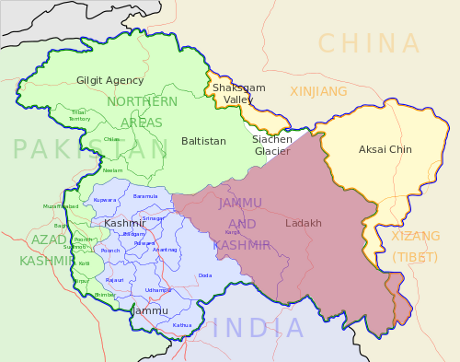
China has mobilized thousands of troops backed up by armored vehicles to a contested area along the border with India in the Himalayas, where troops last month hurled stones at each other across the unmarked boundary known as the Line of Actual Control (LAC). The area in question is in the Galwan River valley between Ladakh, in Indian-administered Kashmir, and Chinese-administered Aksai Chin. Top generals from both sides held talks in Moldo, on the Chinese side, but tensions remain high. India charges that Chinese forces are hindering patrols by its troops along the LAC in Ladakh and Sikkim, and refutes Beijing’s claim that Indian forces have crossed to the Chinese side. (Map via Wikipedia)

South Asia
Amphan

‘Super Cyclone’ Amphan deepens COVID-19 crisis

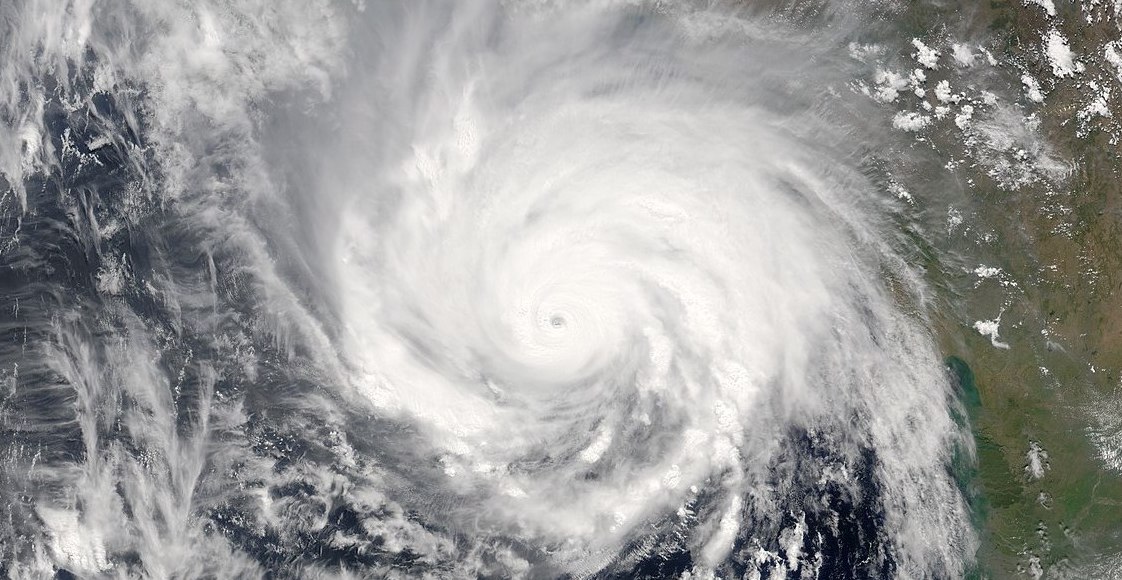
Tropical Cyclone Amphan unexpectedly intensified into a rare “Super Cyclonic Storm”—becoming the northern hemisphere’s strongest tropical cyclone yet in 2020. Amphan left a trail of destruction along coastal areas both in India and Bangladesh, impacting tens of millions of people. At least 77 deaths in India and 25 in Bangladesh have been reported so far. Over three million people in both countries remain displaced from their homes, taking refuge in community shelters—obviously placing them at risk of contracting COVID-19. In India’s West Bengal state, thousands of people evacuated from their homes are crammed inside buildings that were being used as COVID-19 quarantine centers, because there is no other shelter available. (Photo via Wikipedia)

South Asia
Gujarat

India: paramilitaries deployed as clashes escalate

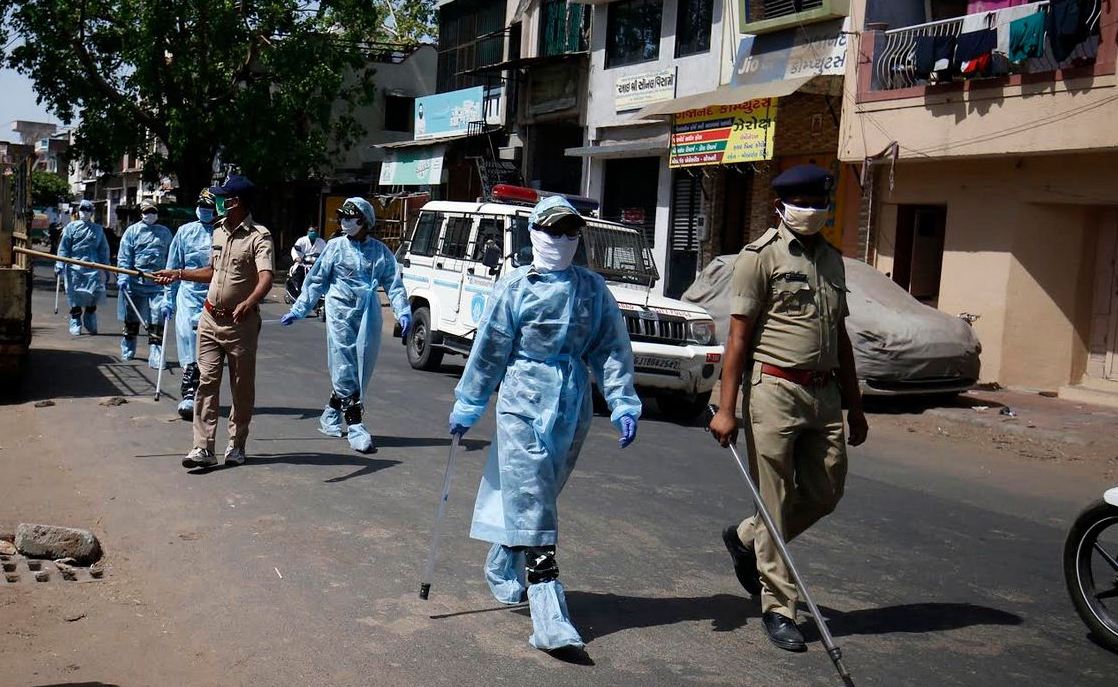
Unemployed migrant workers left stranded by the COVID-19 lockdown have repeatedly clashed with police in India’s industrial hub of Gujarat state, and the situation is fast escalating. Protesters demanding transport back to their homes were again attacked by police at a market on the outskirts of Surat; tear-gas canisters were met with pelted stones. Riots yet again erupted four days later in Ahmedabad, as security forces attacked residents defying stringent lockdown orders. At the request of state authorities, Delhi has dispatched to Gujarat seven companies of 100 troops each from the paramilitary Border Security Force and Central Industrial Security Force. (Photo via Twitter)

South Asia
CAA

Trump complicit in Delhi pogrom

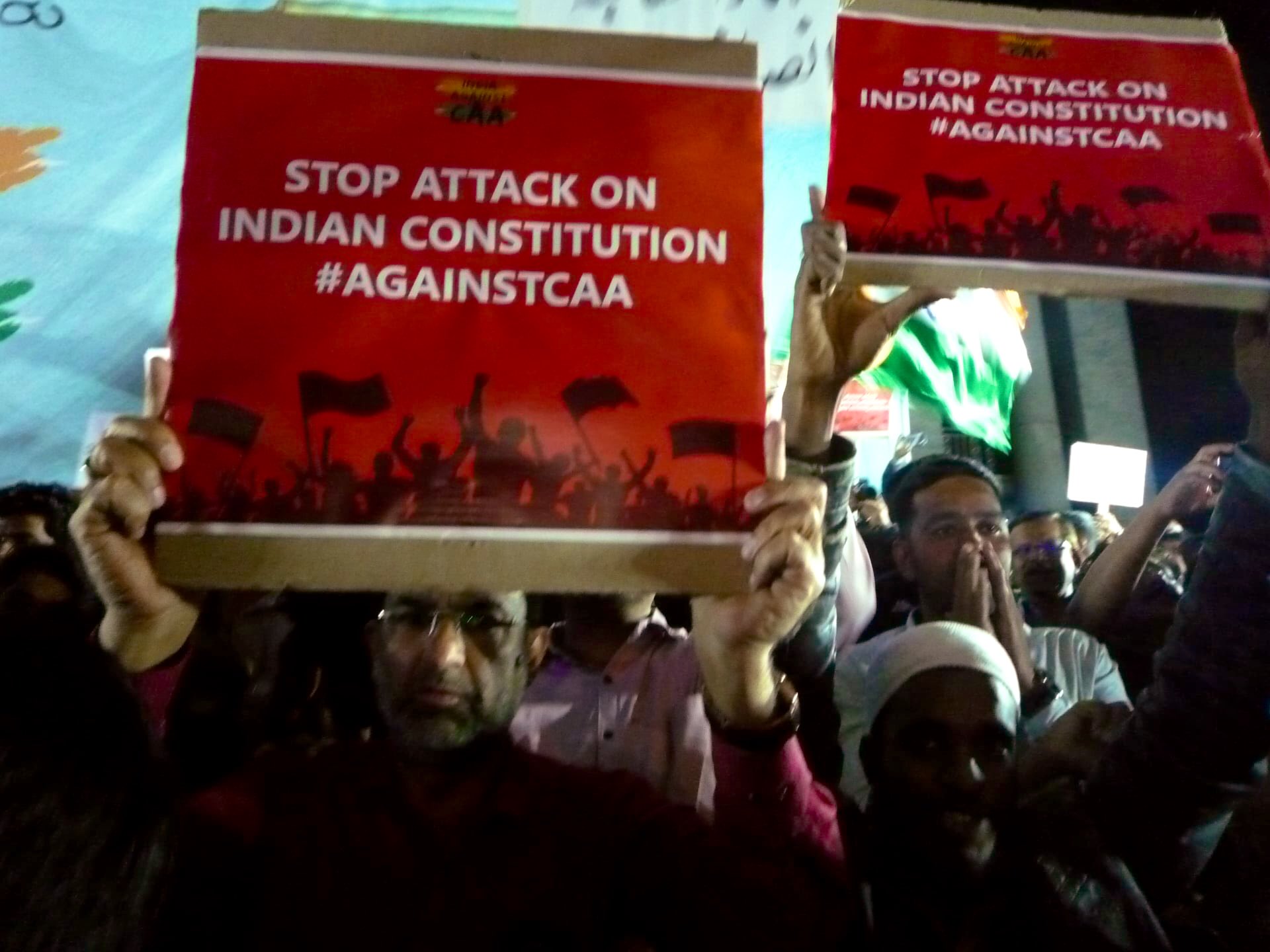
At least 27 are dead in days of communal violence in Delhi that coincided with Donald Trump’s first visit to India as president. The violence began as protests against India’s new citizenship law sparked a reaction by Hindu militants, who began attacking Muslims and torching Muslim-owned shops. Delhi judicial authorities have opened an investigation, and ordered police officials to view video clips of incitement by local leaders of the ruling Hindu-nationalist Bharatiya Janata Party (BJP). The violence, centered in the district of Maujpur, was raging as Trump was meeting with Prime Minister Narendra Modi, praising him at a press conference afterwards as “working very hard on religious freedom.” (Image: Sowmya Reddy)

South Asia
Sri Lanka disappeared

Sri Lanka regime intransigent on war crimes

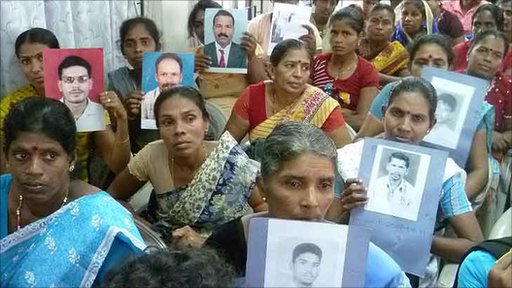
Sri Lanka’s Prime Minister Mahinda Rajapaksa announced that his government will withdraw from co-sponsorship of a 2015 UN Human Rights Council resolution calling for an investigation into war crimes committed on the island during the internal conflict with Tamil rebels. UNHRC Resolution 30/1 was actually a compromise measure, after the Sri Lanka government rejected calls for creation an international tribunal. The move comes weeks after the government acknowledged for the first time that more than 20,000 people who disappeared during the civil war are dead. Security forces and intelligence agencies have meanwhile intensified surveillance and threats against families of victims of enforced disappearance and activists supporting them. (Photo: UK Tamil News)

New York City
hazarika

Podcast: BorderTalk with Tej Hazarika

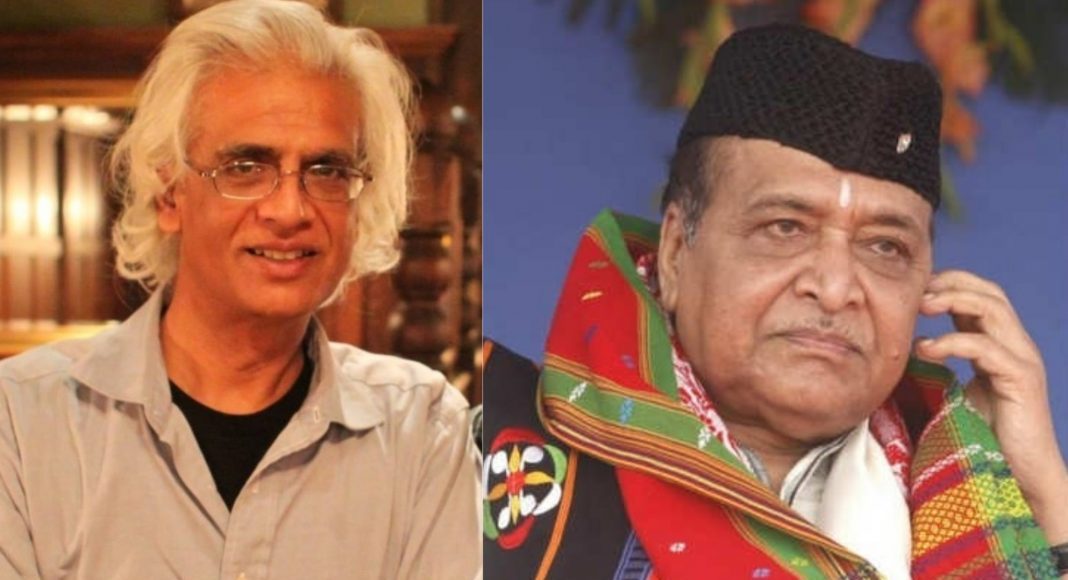
In Episode 47 of the CounterVortex podcast, Bill Weinberg speaks with Punnag Tej Hazarika of the Brooklyn-based small-press imprint Coolgrove and affiliated BorderTalk blog, which explores questions of cultural intersection. Among Coolgrove’s recent titles is Winged Horse: 76 Assamese Songs, a collection of translated lyrics by Tej’s father, Bhupen Hazarika, the “Bard of Brahmaputra,” who campaigned through his music for a dignified place in India for the peoples of Assam and other minority ethnicities. Last year, Tej traveled to New Delhi to receive the Bharat Ratna, India’s highest civilian award, on behalf of his late father. But the honor came with India—and especially Assam and the restive Northeast—on the cusp of exploding into protest over the Citizenship Amendment Act. The politics of the situation, and dilemmas of interculturality from Assam to New York, are discussed in a wide-ranging interview. Listen on SoundCloud, or via Patreon. (Photo via Time 8, Guwahati)

South Asia

Modi and Bolsonaro: twin threat to tribal peoples

India’s Prime Minister Narendra Modi and Brazilian President Jair Messias Bolsonaro met in New Delhi, pledging a “new chapter” in cooperation between their two countries, especially naming counter-terrorism and exploitation of minerals, hydrocarbons and other natural resources. The juxtaposition of security concerns and extractivism is telling, as both leaders prepare to repress opposition to their plans to open the traditional territories of indigenous peoples to industrial interests. (Photo: Survival International)

South Asia
CAA

Protests sweep India over citizenship law

India’s northeastern state of Assam has exploded into protest over the passage of a new national citizenship law. The army has been deployed, a curfew imposed in state capital Guwahati, and internet access cut off. At least five people have been killed as security forces fired on demonstrators. The new law allows religious minorities from Pakistan, Bangladesh and Afghanistan to apply for Indian citizenship. This means it effectively excludes Muslims, and mostly apples to Hindus and Sikhs. Critics of the ruling Hindu-nationalist government say it therefore violates India’s founding secular principles. But while secularists and Muslims are protesting the Citizenship Amendment Act on this basis elsewhere in India, the biggest protests have been in Assam—motivated by fear that the state will be overrun by an influx from Bangladesh, threatening its cultural and linguistic identity. (Image: Sowmya Reddy)