

Europe
Odyssey

Podcast: geopolitics of The Odyssey

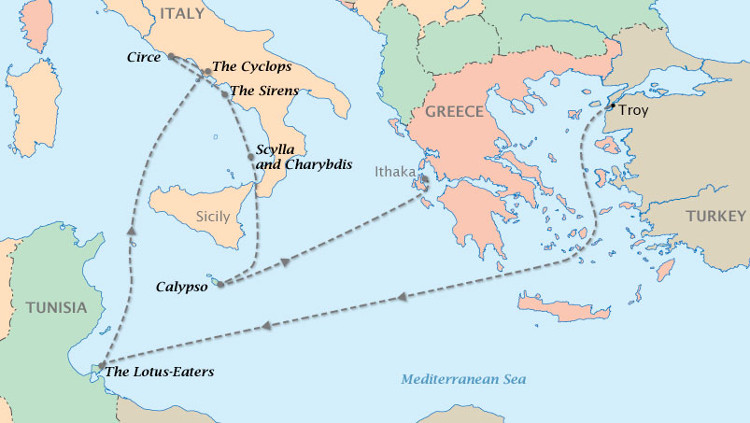
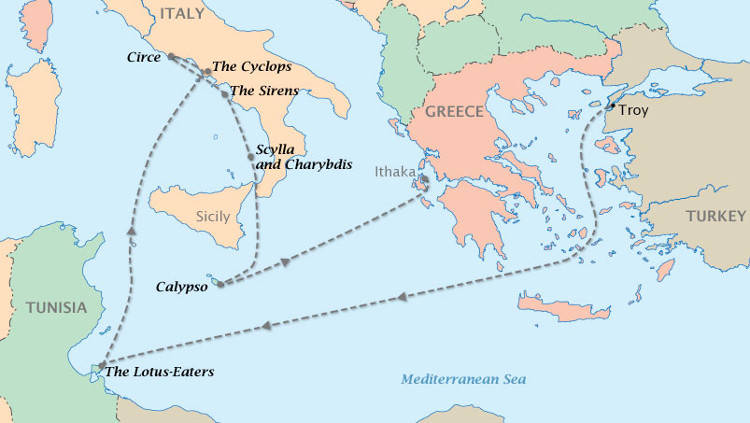
The righties are apoplectic that Christopher Nolan’s The Odyssey famously portrays a Black Helen—displaying their ignorance of the actual intercourse between Africa and the ancient Greek world. But apart from the cultural politics of the movie, the geopolitics of the Trojan War have all too much to say about the contemporary world crisis. Then, the Bosphorus and Dardanelles constituted the strategic chokepoints at issue, just as the Strait of Hormuz and Bab al-Mandeb do today. And the Bosphorus & Dardanelles could suddenly become critically strategic if Turkey becomes embroiled in either the Middle East war or the Ukraine war—or both. The current world crisis could bring about a civilizational collapse far more decisive and complete than the Bronze Age Collapse that followed the Trojan War. In Episode 341 of the CounterVortex podcast, Bill Weinberg breaks it down. (Map: BestQuest)

Greater Middle East
Yemen

Yemen: Houthis threaten to close Bab al-Mandab Strait

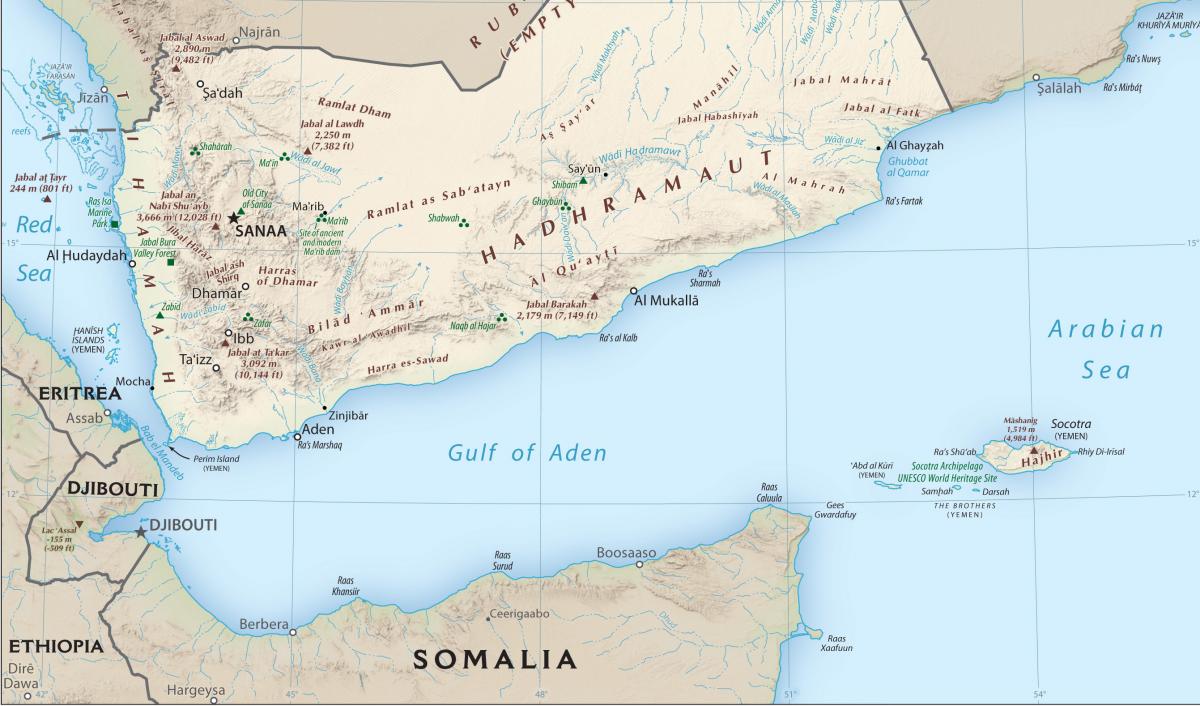
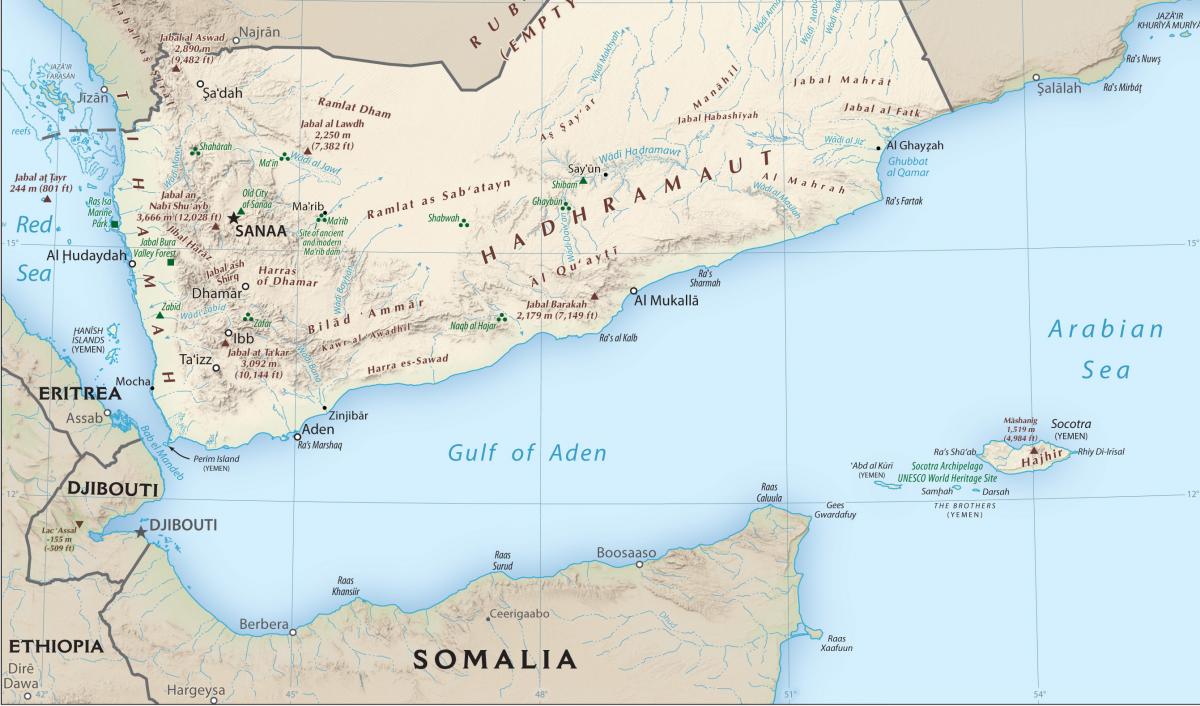
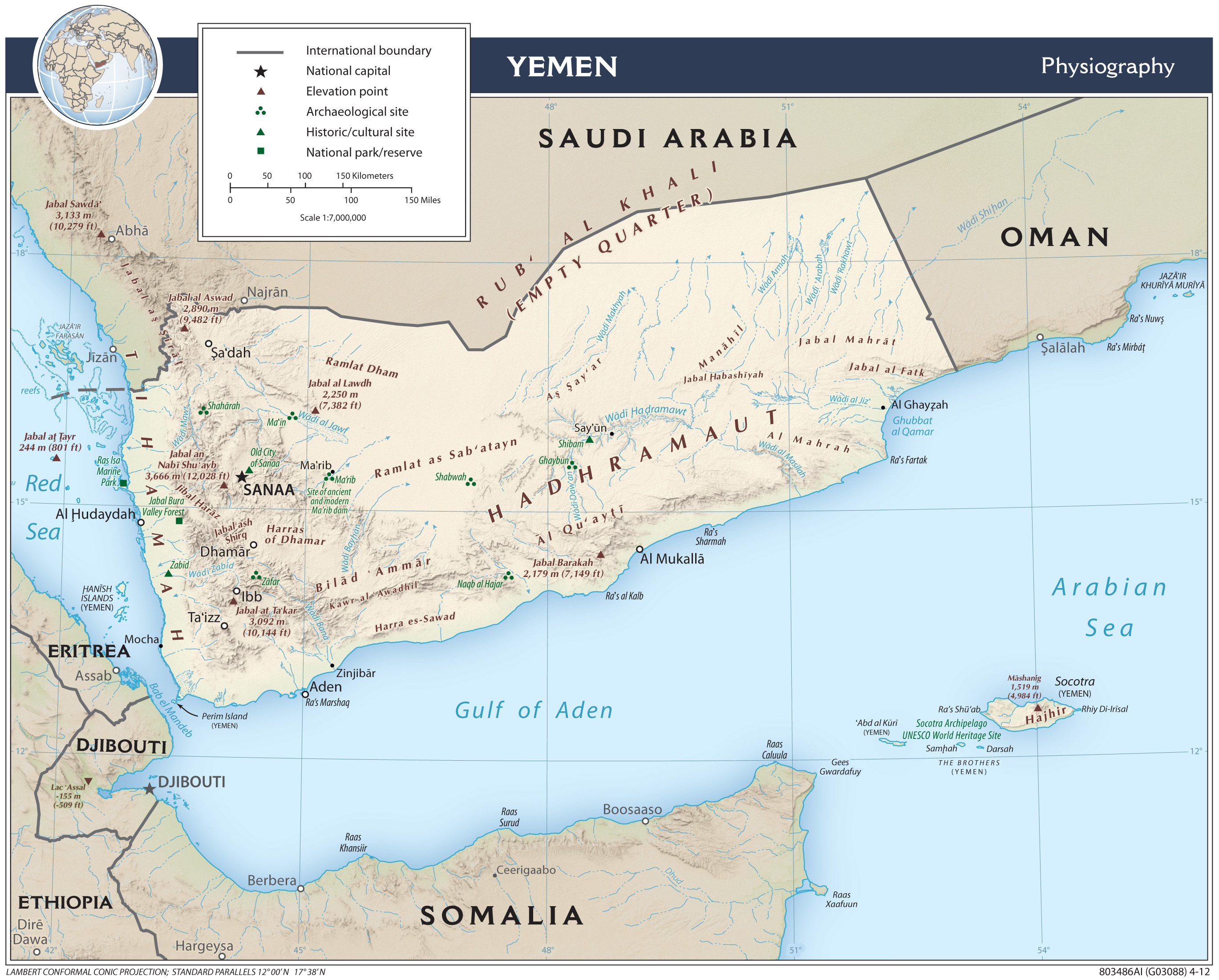
Yemen’s unrecognized Houthi administration warned that they are prepared to close the strategic Bab al-Mandab Strait, mouth of the Red Sea. This is a second maritime chokepoint for oil from the Arabian Peninsula after the Strait of Hormuz, now effectively closed due to Washington’s conflict with Iran. In a post on X, Houthi deputy foreign minister Hussein al-Ezzi said: “If Sana’a decides to close the Bab al-Mandab, then all of mankind and jinn will be utterly powerless to open it.” In a speech, Houthi leader Abdel Malek al-Houthi subsequently warned, “Sanaa will not remain neutral,” framing the current maritime tensions as part of a wider conflict targeting the “Islamic nation.” He said that any further military escalation would be met with an “equivalent response,” calling for increased coordination among members of the “axis of resistance” (meaning Iran, the Houthis and Hezbollah). (Map via PCL)

The Caucasus
Armenia-Azerbaijan

‘Trump Corridor’ through Armenia under ‘peace’ deal

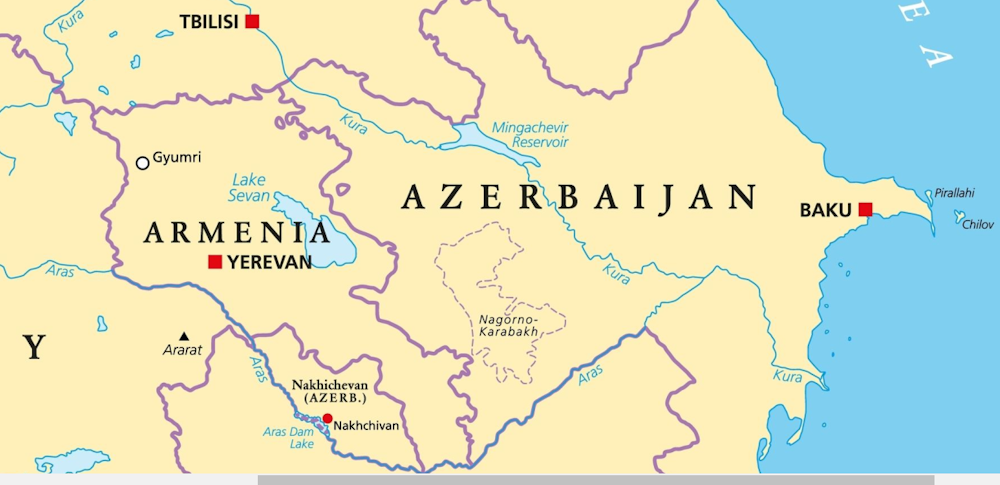
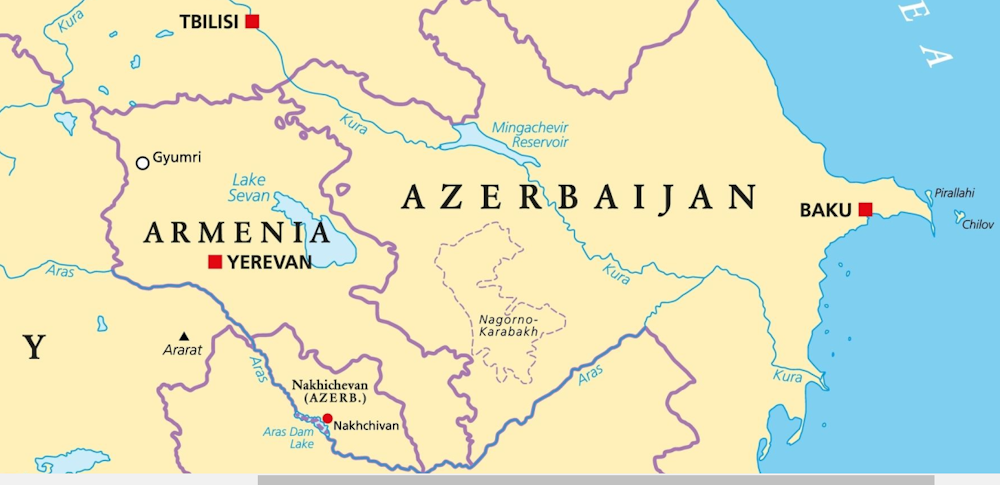
Prime Minister Nikol Pashinyan of Armenia and President Ilham Aliyev of Azerbaijan signed a joint declaration at the White House, with Donald Trump boasting that the US-brokered deal ends decades of conflict between the Caucasus neighbors. Critically, the agreement calls for a new transport corridor across Armenian territory, linking Azerbaijan to its exclave of Nakhchivan, which lies between Armenia and the borders with Turkey and Iran. The corridor is to be named the “Trump Route for International Peace & Prosperity,” and Armenia has granted the United States the right to manage it for 99 years. US companies will have exclusive development rights on the corridor throughout this period. (Map: Peter Hermes Furian/Shutterstock via The Conversation)

Palestine
settlement

Annexation agenda escalates West Bank conflict

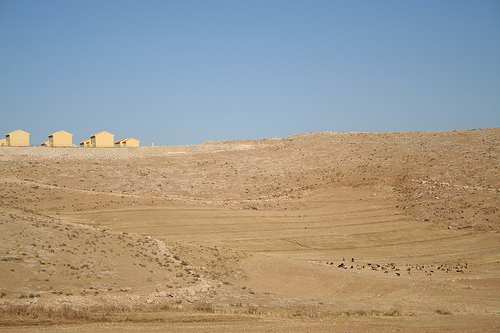
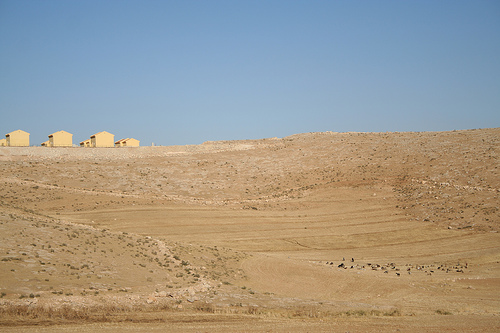
The Israel Defense Forces killed four Palestinians in an air-strike on the village of Siir, in Jenindistrict of the occupied West Bank. The Palestinian Red Crescent reported that Israeli forces “prevented our teams from reaching the bombing site,” declaring it a “closed military zone.” Two days later, an IDF drone strike near the village of Aqaba in the Jordan Valley left two dead. The IDF again reportedly prevented ambulances from reaching the site. Two days after that, fire-fights erupted in Jenin as Palestinian Authority security forces responded to the theft of military equipment. A PA statement said “a group of outlaws opened fire on the headquarters of the security services” and stole two vehicles. Despite the designation of “outlaws,” the vehicles were reportedly paraded through the streets by a band flying the flags of Islamic Jihad and Hamas. Sen. Tom Cotton (R-AR) has meanwhile introduced legislation to bar use of the term “West Bank” by the US government in favor of the official Israeli designation “Judea & Samaria.” (Photo: delayed gratification via New Jewish Resistance)

East Asia
Danjo

Escalation in East China Sea

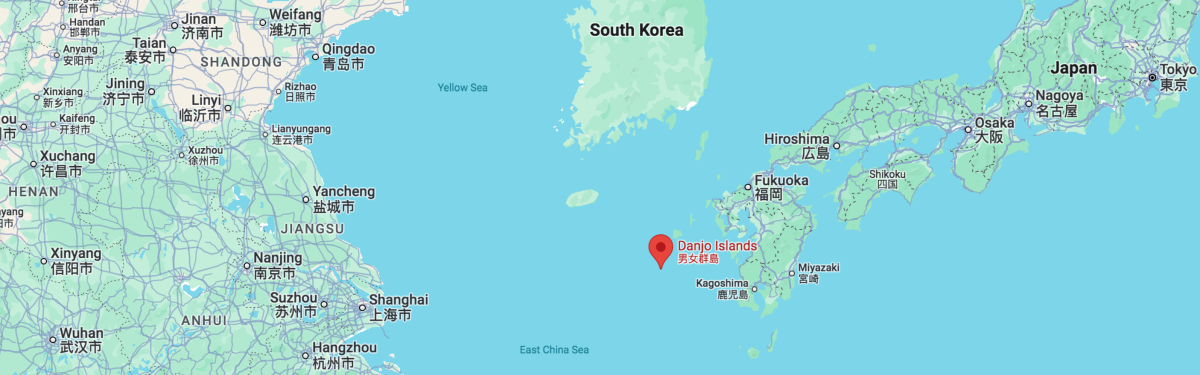
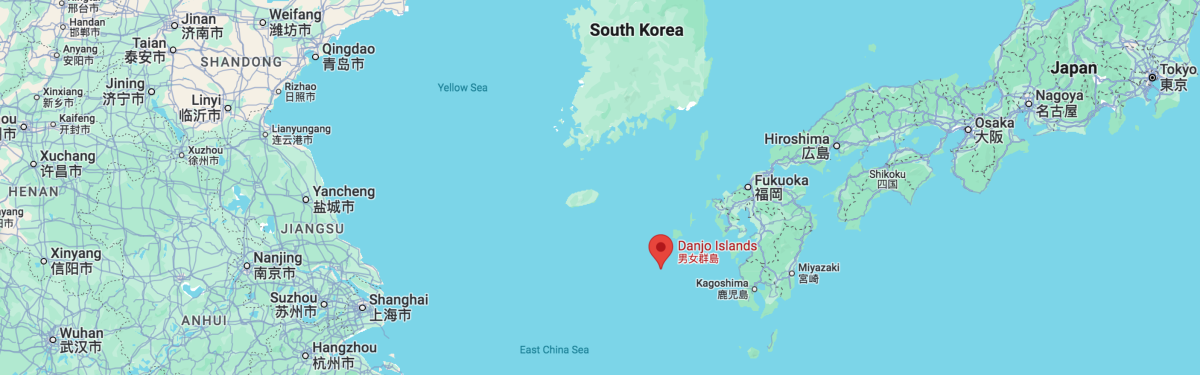
Japan scrambled fighter jets after a Chinese Y-9 surveillance plane “violated the territorial airspace” of the Danjo Islands in the East China Sea, Tokyo’s Ministry of Defense said, calling the breach “utterly unacceptable.” The incident constituted the first intrusion of Japanese airspace by a People’s Liberation Army aircraft “since we began anti-airspace incursion measures,” Tokyo said. Beijing’s Foreign Ministry responded that the PLA had “no intention of invading the airspace of any country,” and that the incident is under review. The apparent breach follows a series of accusations by Tokyo over the past months that China Coast Guard ships have entered waters around the Senkaku Islands, some 1,000 kilometers to the southeast of the Danjo. The Senkaku Islands, under Japanese control, are also claimed by China, which calls them the Diaoyu Islands. Like the Danjo, the Senkaku/Diaoyu are uninhabited, but are believed to hold potentially lucrative oil and gas reserves. (Map: Google)

Southeast Asia
South China Sea

Maritime collision escalates South China Sea tensions

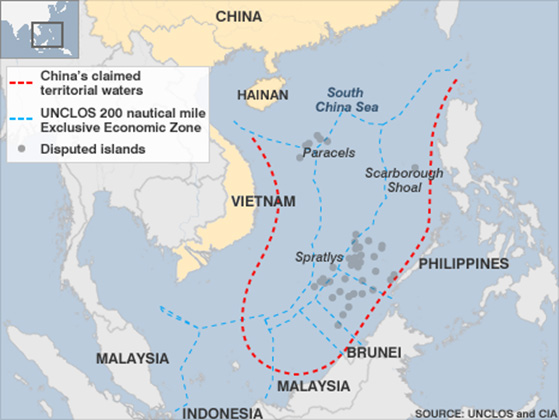
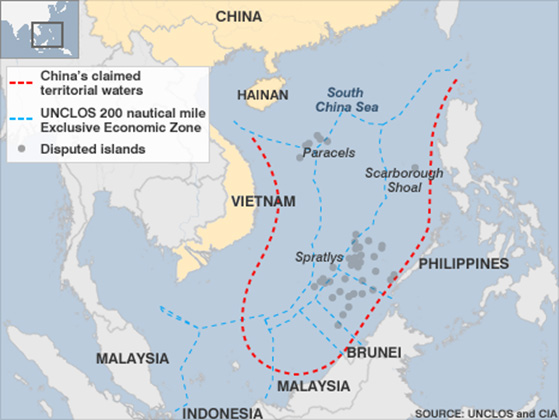
Manila accused Chinese military vessles of engaging in “dangerous manoeuvres, including ramming and towing” a Philippine ship in an effort to disrupt a “routine” resupply mission to an outpost on Second Thomas Shoal (known to the Philippines as Ayungin Shoal) in the the disputed Spratly Islands (known to the Philippines as the Kalayaan Islands). By Philippine media accounts, the craft was fired upon with water cannon and boarded by Chinese troops, with several Filipino soldiers injured in the ensuing confrontation. The skirmish came amid escalating tensions over the South China Sea—much of which Manila calls the West Philippine Sea, but nearly all of which is claimed by Beijing. The chief of staff of the Armed Forces of the Philippines, Romeo Brawner Jr., stated that the military and other maritime law enforcement agencies are prepared to defend Filipino fishermen from China’s newly announced “anti-trespassing policy.” (Map via IDSA)

Greater Middle East
Sahrawis

Podcast: from Palestine to Western Sahara

Benjamin Netanyahu’s gaffe on French TV, displaying a map of the “Arab World” that showed the occupied (and illegally annexed) Western Sahara as a separate entity from Morocco, sparked a quick and obsequious apology from the Israeli Foreign Ministry. But the snafu sheds light on the mutual hypocrisy at work here. There is an obvious hypocrisy to Moroccan protests that demand self-determination for the Palestinians but not the Sahrawi, the indigenous Arab inhabitants of Western Sahara. The hypocrisy of Israel is also obvious: Israeli commentators and hasbara agents are the first to play the “whataboutery” game—relativizing the plight of the Palestinians by pointing to that of Kurds, Berbers, Nubians, Massalit and other stateless peoples oppressed under Arab regimes. But, as we now see, they are just as quick to completely betray them when those regimes recognize Israel and betray the Palestinians. Yet another example of how a global divide-and-rule racket is the essence of the state system. Bill Weinberg breaks it down in Episode 229 of the CounterVortex podcast. Listen on SoundCloud or via Patreon. (Photo: Kirby Gookin/Western Sahara Resource Center)

Greater Middle East
sahara

Netanyahu’s new map flap: multiple ironies

Israel was forced to apologize to Morocco after Prime Minister Benjamin Netanyahu was seen in a video displaying a map of the Middle East and North Africa—that failed to show the occupied (and illegally annexed) territory of Western Sahara as within the kingdom’s borders. Netanyahu brandished the map in an interview with a French TV channel, showing what he called “the Arab world” in green, a swath of near-contiguous territory from Iraq to Mauritania—contrasting small, isolated Israel, “the one and only Jewish state.” The goof was especially dire because in 2020 Israel joined the US as the only two countries on Earth to recognize Moroccan annexation of Western Sahara, in exchange for Moroccan recognition of the Jewish state under the Trump administration-brokered Abraham Accords. This was a cozy mutual betrayal of both the Palestinians and Sahrawi Arabs, the indigenous inhabitants of occupied Western Sahara. (Image: Twitter via Middle East Eye)

The Caribbean
Esequibo

Podcast: geopolitics of the Essequibo dispute

In Episode 205 of the CounterVortex podcast, Bill Weinberg looks at the recent re-escalation and (hopefully) denouement of the dispute over Esequibo—an oil-rich territory controlled by Guyana and claimed by Venezuela. Ironically, this claim was first asserted by the conservative, anti-communist Venezuela of the 1960s to help destabilize the anti-imperialist Guyana of Cheddi Jagan. Today, the left-populist but increasingly nationalistic regime of Nicolás Maduro even entertains hubristic claims to sovereignty over Venezuela’s other much larger neighbor, Colombia. But this revanchism appears to mask the fact that “revolutionary” Venezuela largely remains a petro-state with a rentier economy, vulnerable to drops in the global oil price, even if Chinese corporate exploiters have been replacing gringo ones. With the recent easing of sanctions, US giants like Chevron have even returned to Venezuela—while the extractivist model results in indigenous resistance. Contrary to the dogmas of left and right alike, the real root of the Venezuelan crisis is that the country is insufficiently socialist. Listen on SoundCloudor via Patreon. (Map: SurinameCentral via Wikimedia Commons)

Europe
Putin

Russia conducts simulated nuclear strike

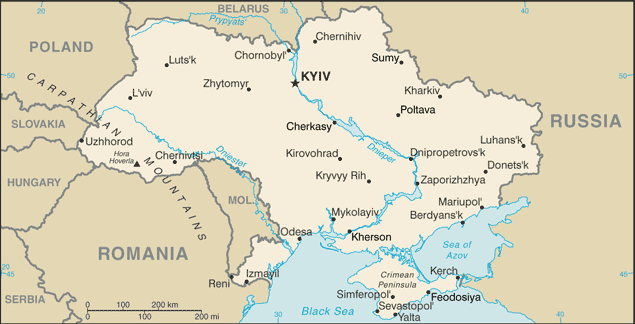
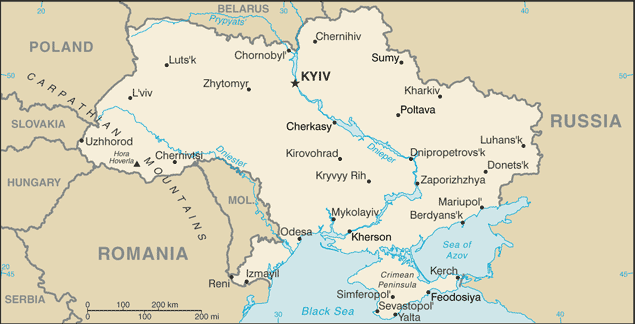
Russia’s military conducted exercises with nuclear-capable missiles, shortly after the State Duma unanimously voted to revoke ratification of the Nuclear Test Ban Treaty. The Russian Strategic Missile Forces command claimed the exercises were part of a regularly scheduled annual training drill held every October. But Defense Minister Sergei Shoigu said the exercises were to simulate a retaliatory nuclear strike to be carried out if Russia were attacked with nuclear firepower first. The Russian military widely publicized videos of the exercises across state media. According to the Kremlin, the exercises were overseen by President Vladimir Putin from a Moscow command center. (Photo: Kremlin)

Iran
Bauchi

‘Islamic State,’ Islamic Republic both target Baluchi

More than 50 were killed and dozens injured in a suicide attack in Pakistan’s Balochistan province as people gathered to celebrate the birth of the Prophet Muhammad. Those targeted in the blast at the town of Mastung were overwhelmingly members of the Baluch ethnicity. The attack is believed to have carried out by the local “Islamic State” franchise, ISIS-Khorasan. That same day, Iranian security forces opened fire on Baluchi protesters at the town of Zahedan, Sistan & Baluchestan province, leaving several wounded. The demonstration had been called to commemorate the previous year’s “Bloody Friday” massacre in Zahedan, when some 40 were slain by security forces during a protest held amid the national uprising then sweeping through Iran. (Map via Wikipedia)

The Caucasus
Nagorno-Karabakh

Podcast: the fall of Artsakh & the fate of the Armenians

With a mass exodus of ethnic Armenians underway from the enclave of Nagorno-Karabakh following its fall to Azerbaijani forces, the threat of “ethnic cleansing” looms. The enclave had maintained a de facto independence as the Republic of Artsakh since 1991, but the war in Ukraine has pushed the stand-off out of the headlines, and ironically given Azerbaijan a free hand to finally re-take the territory. In Episode 193 of the CounterVortex podcast, Bill Weinberg explores the historical roots of the conflict, and demonstrates how the Armenians of Artsakh have been betrayed by all the Great Powers—including both Russia and the United States. Listen on SoundCloud or via Patreon. (Map: Wikipedia)