

Africa
west africa

ECOWAS declares regional state of emergency

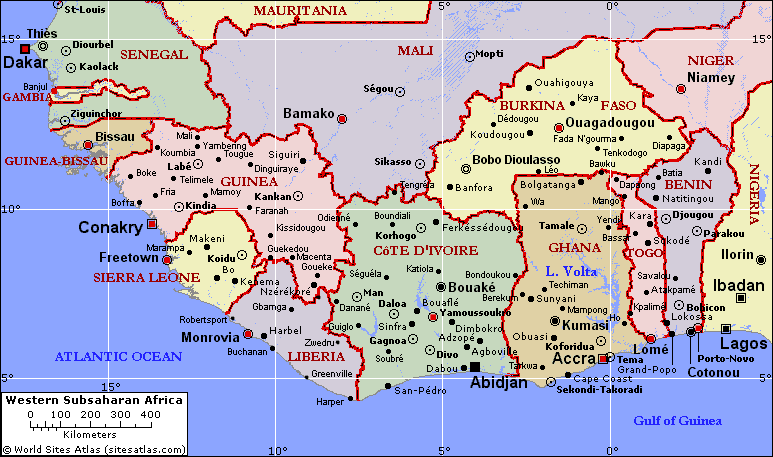
The Economic Community of West African States (ECOWAS) announced a state of emergency following a wave of coups and attempted coups that have struck several member states of the regional bloc. The declaration was made during the 55th session of the ECOWAS Security Council in Abuja, Nigeria, by the president of the bloc, Gambian diplomat Omar Touray. Since 2020, several military coups d’etat have taken place in West Africa, including Mali, Burkina Faso, Niger, Guinea and Guinea-Bissau. A coup attempt was launched days before the ECOWAS declaration in Benin, but was thwarted by Nigerian military intervention. A regional crisis is driven by armed insurgencies, economic hardship, and weak institutions, creating viable ground for military rule. (Map: World Sites Atlas)

Africa
Sahel States

Mali, Niger, Burkina Faso announce withdrawal from ICC

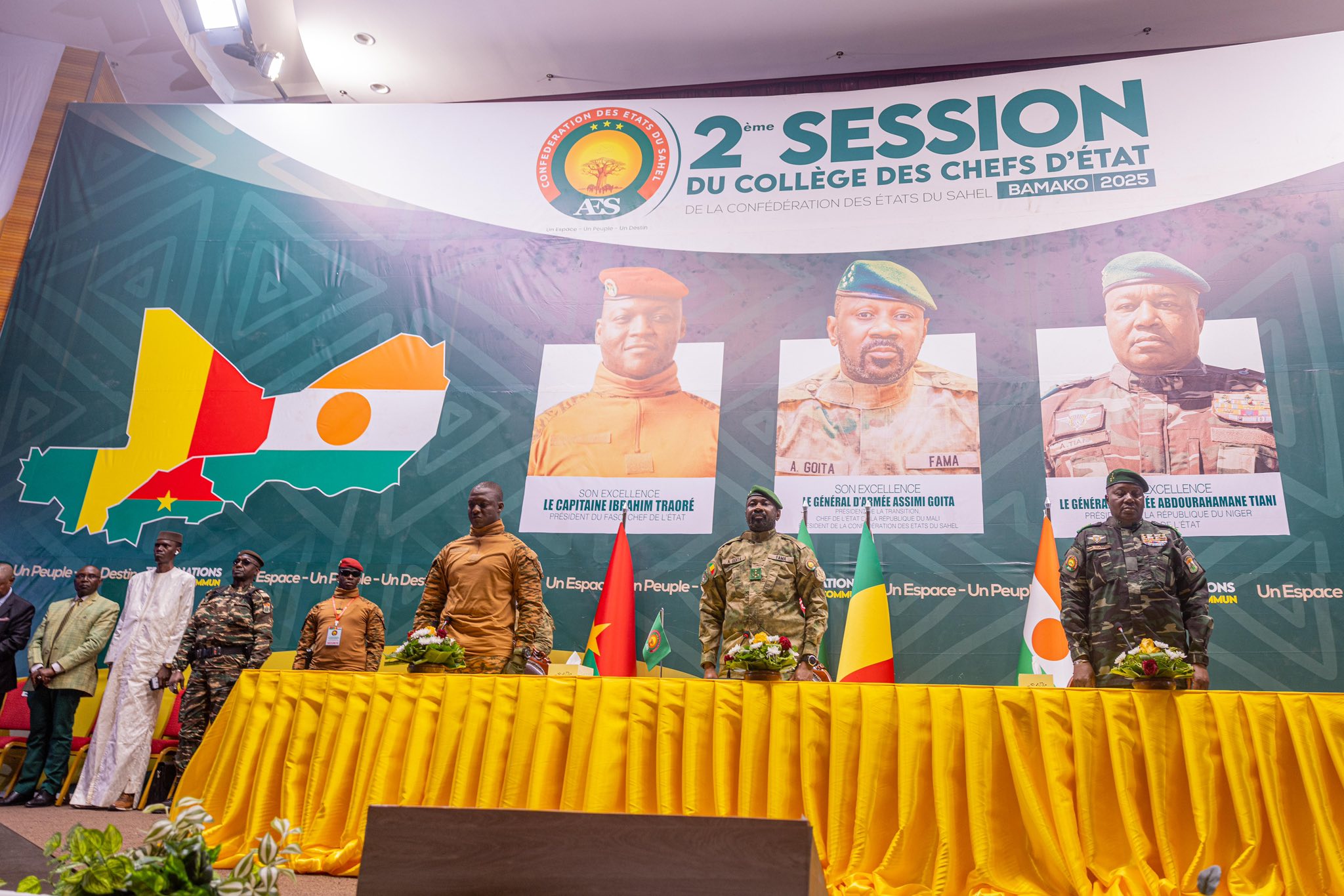
Mali, Niger and Burkina Faso announced that they will withdraw from the International Criminal Court (ICC), accusing the tribunal of serving “imperial” rather than African interests. The three countries, each governed by military juntas and members of the newly formed Alliance of Sahel States (AES), issued a joint declaration stating that they no longer recognize the ICC as a legitimate forum for justice, charging that it has become an “instrument of neo-colonialist repression.” The decision comes amid ongoing security crisis in the Sahel region, where armed groups linked to al-Qaeda and the Islamic State are waging brutal insurgencies, carrying out attacks against civilians as well as security forces. Human rights groups have accused state security forces of committing extrajudicial killings and other serious abuses in counter-terrorism operations. (Image: Wikipedia)

Africa
IS Sahel

Niger: mounting atrocities by ISIS franchise

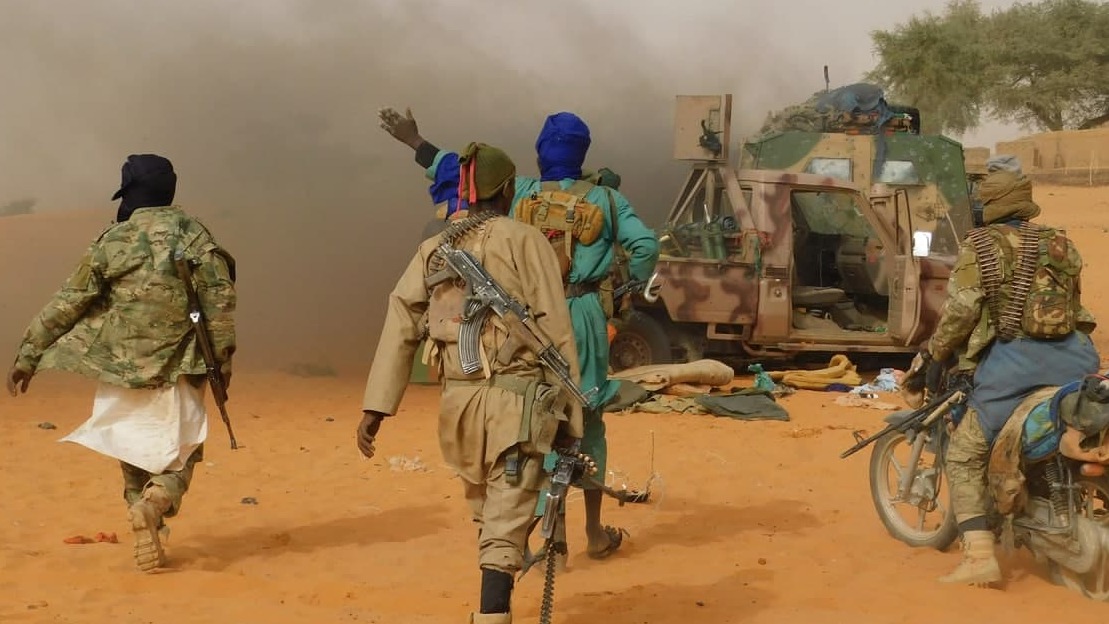
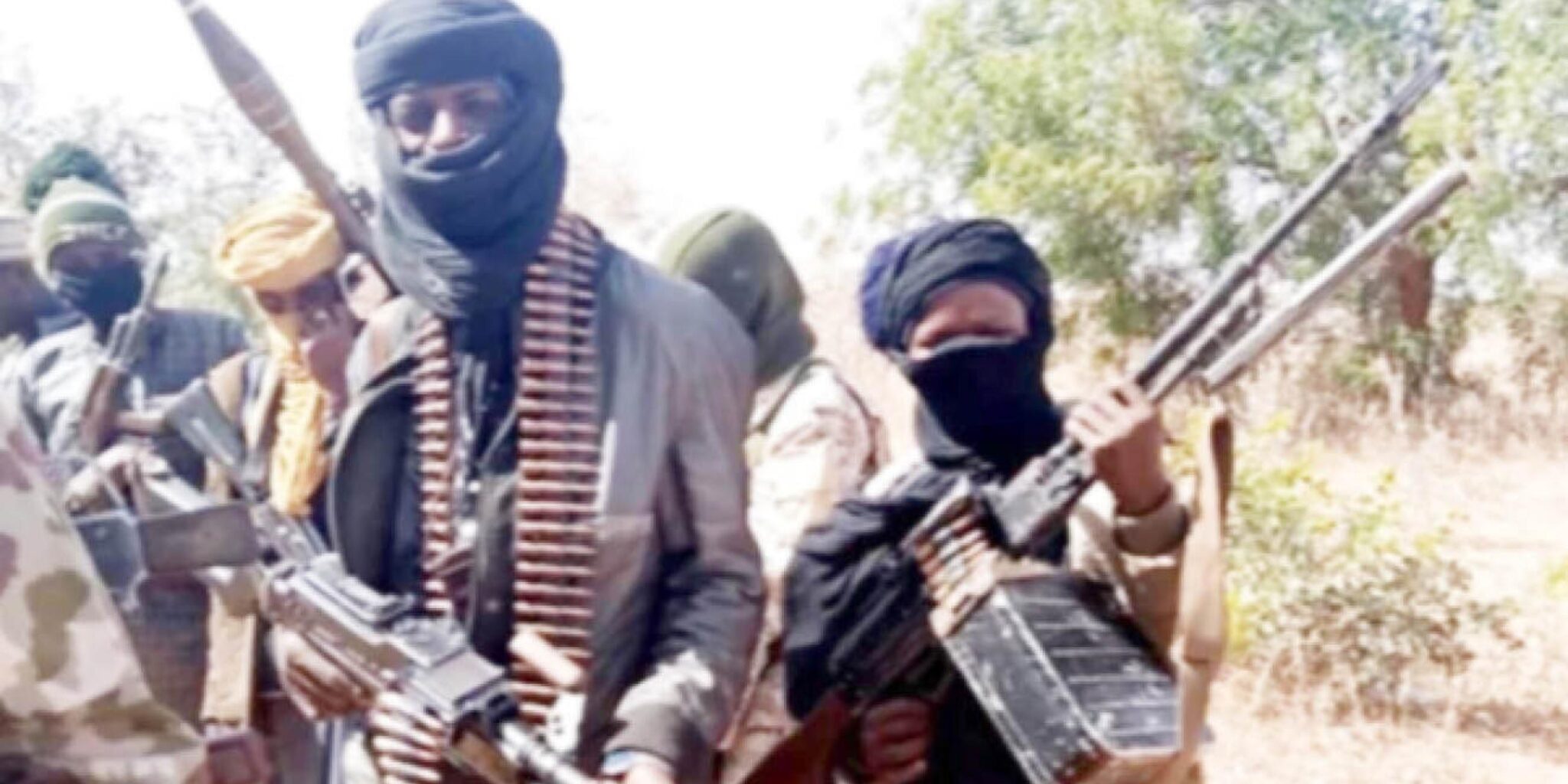
Human Rights Watch (HRW) stated that the armed group Islamic State in the Sahel Province (IS Sahel) is escalating attacks on civilians, reporting that since March the group has illegally executed 127 people in western Niger. HRW documented five armed attacks by the group in Tillabéri region during that time frame. The group killed 70 worshipers at a mosque in a mass execution in June. In May, IS Sahel attacked villages and burned at least a dozen homes, the report found. HRW stated that these attacks constituted war crimes. (Photo: Aharan Kotogo via Wikimedia Commons)

Watching the Shadows
travel ban

Trump issues new ‘travel ban’ proclamation

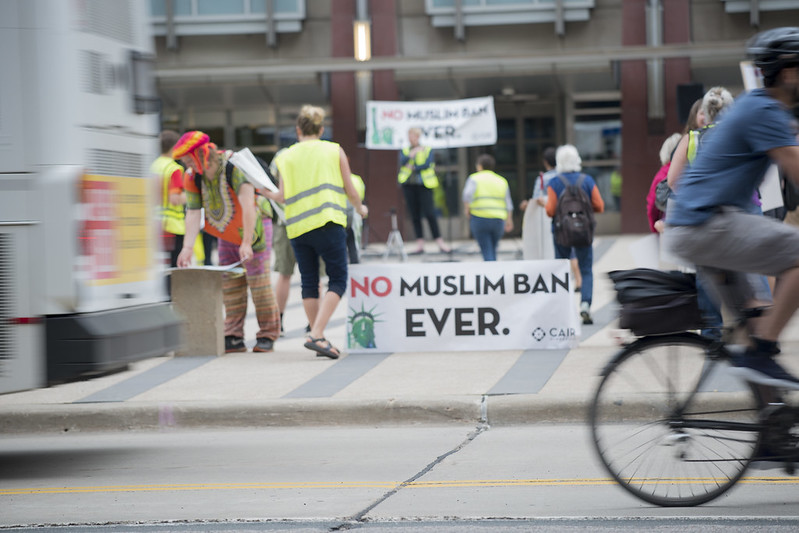
President Donald Trump issued a proclamation implementing a nearly full travel ban on nationals from a dozen countries, severely restricting potential entry into the United States. The proclamation is based on an executive order issued on Trump’s first day in office that laid the foundation for the administration to enact extensive immigration controls. Commentators have harshly criticized the ban, pointing out that it disproportionately affects Muslim-majority and African countries. Amnesty International’s secretary general Agnes Callamard lambasted Trump for the action, calling it “discriminatory, racist and downright cruel.” The restrictions bear a striking resemblance to Trump’s 2017 travel ban, which blocked travel to the United States from seven Muslim-majority countries. (Photo: Minneapolis protest of 2018 Supreme Court decision upholding Trump’s first travel ban. Credit: Fibonacci Blue/Flickr)

Africa
WAP

Qaeda franchise takes war to Benin

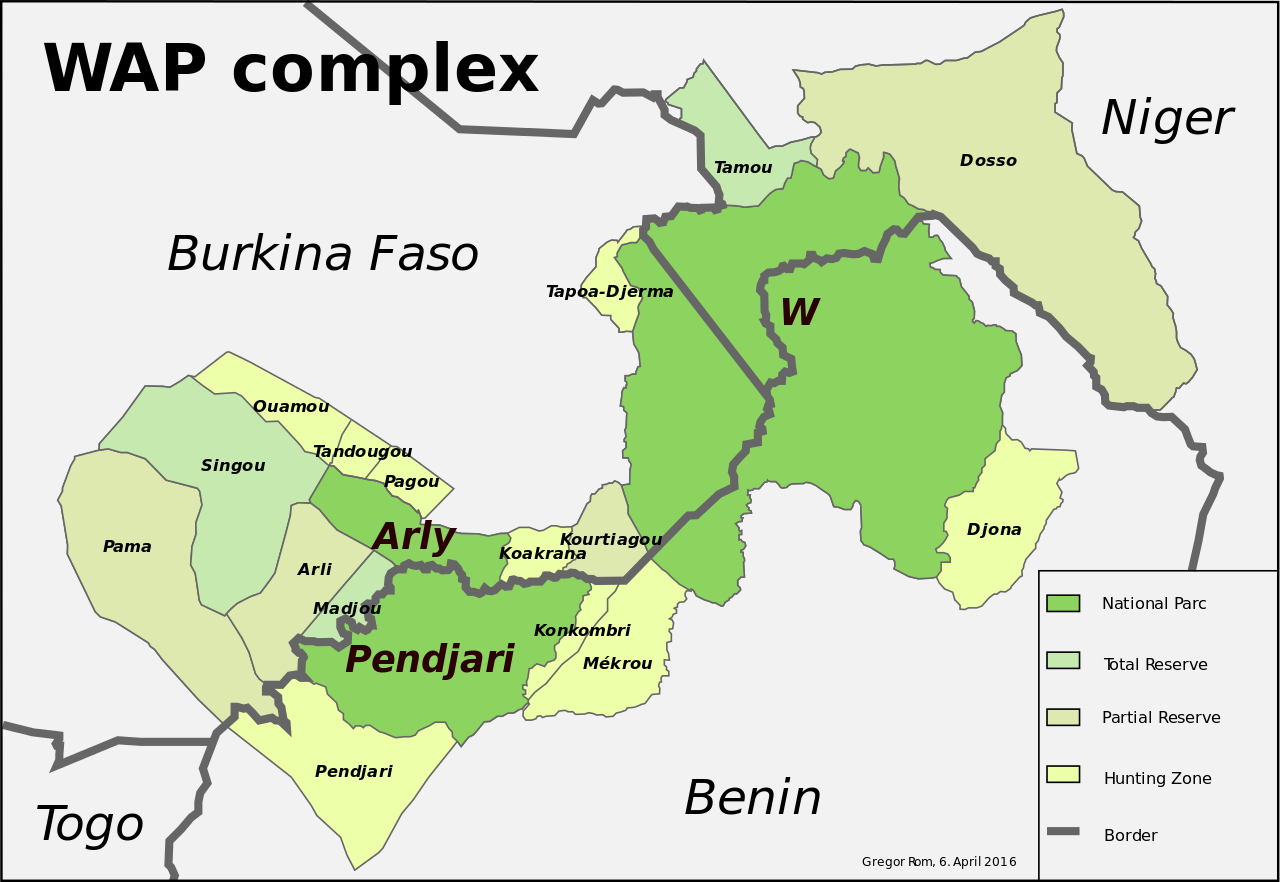
The government of Benin announced that 54 soldiers were killed in attacks by jihadists on military positions in a national park near the borders with Burkina Faso and Niger. The attacks in Park W, claimed by al-Qaeda-affiliated JNIM, are the deadliest yet in Benin. JNIM attacks in Benin have now caused more fatalities so far in 2025 (157) than they did in the entirety of 2024 (103), according to the conflict monitoring group ACLED. National Park W, where the attacks took place, is part of the WAP complex (made up of W, Arly and Pendjari national parks) straddling Benin’s northern borders. The park complex has become heavily militarized in recent years in response to jihadist infiltration. (Map: Gregor Rom/Wikimedia Commons)

Europe
Ukraine

US betrays Ukraine at United Nations

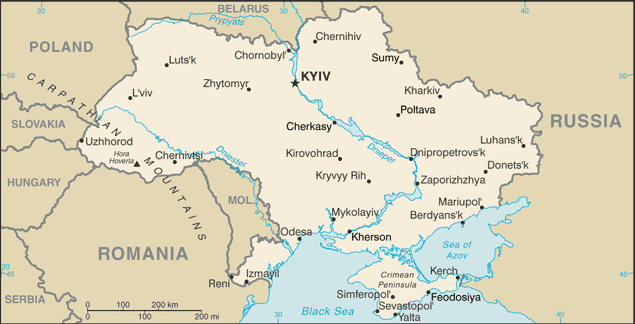
UN General Assembly members approved a resolution supporting Ukraine’s territorial integrity on the day marking the third anniversary of Russia’s massive invasion of the country. The resolution won 93 votes in favor, with 18 votes against and 65 abstentions. Washington sided with Russia, as well as Belarus, North Korea and Sudan, to vote against the measure. Hungary, Israel, Eritrea, Mali, Niger, Burkina Faso and Nicaragua also voted against. China and Iran were among the abstentions. The US had declined to co-sponsor the resolution, instead pushing its own language that failed to blame Russia for the war or mention Ukraine’s borders. (Map: PCL)

Africa
Lakurawa

SahelExit raises regional fears amid new ISIS threat

Dubbed “Sahelexit,” the decision by Mali, Burkina Faso and Niger to leave the West African regional community known as ECOWAS is now official. The three members of the newly formed Alliance of Sahel States (AES)—sanctioned over coups that overturned their elected governments—are out. It leaves the 12 other countries in ECOWAS, one of Africa’s most economically integrated blocs, rethinking the organization’s relevance. Like ECOWAS, the new group will allow free movement between their shared territories—now derisively referred to as the “coup belt.” But it is in the field of security cooperation that the AES states will be especially missed. Jihadist insurgents are on the march. So-called “Islamic State” forces have set up in northwest Nigeria, where they are known as Lakurawa. With neighboring Niger now pulling out of a regional Multilateral Joint Task Force, there are fears that countering the threat will be all the harder. (Photo via Sahara Reporters)

Africa
Sahel

Human rights crisis deepens under Sahel juntas

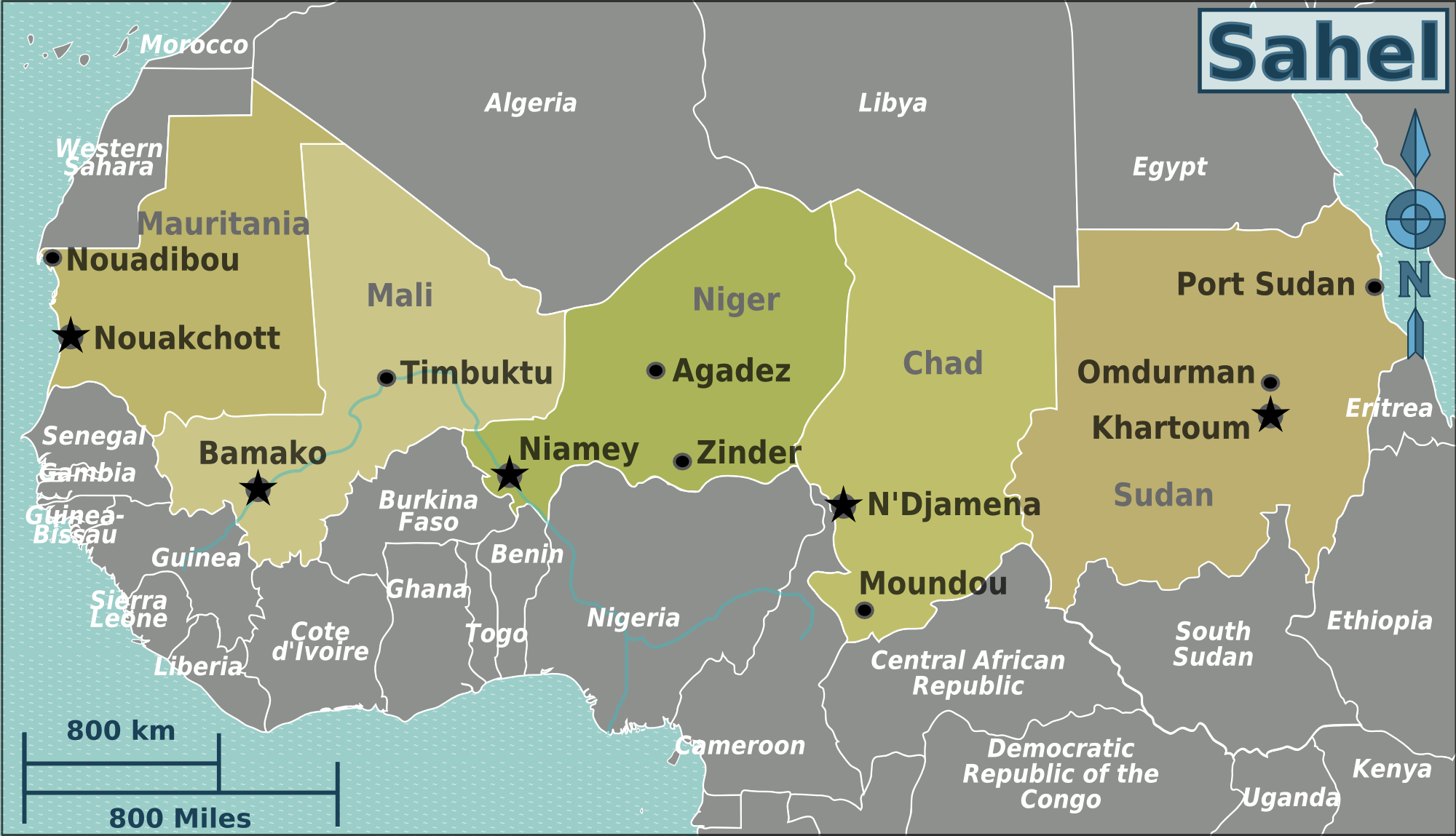
Two attacks on “defenseless civilian populations” along Niger’s border with Burkina Faso left some 40 dead, authorities said. Niamey’s defense ministry said 21 were killed in Libiri village and 18 in Kokorou, both in TillabĂ©ri region. The statement blamed “criminals,” but the borderlands are a stronghold of jihadist insurgents. An even worse attack was reported days earlier, but is being denied by Niger’s ruling junta. Authorities suspended the operations of the BBC in Niger after it reported that jihadists had killed 90 soldiers and upwards of 40 civilians at Chatoumane, also in TillabĂ©ri. According to the monitor Armed Conflict Location & Event Data (ACLED), at least 1,500 have been killed in jihadist attacks in Niger in the past year—more than double the 650 killed from July 2022 to July 2023. Human Rights Watch meanwhile released a report detailing killings of civilians and other serious abuses committed by Mali’s armed forces in collaboration with Russian mercenaries of the Africa Corps following the withdrawal of a UN peacekeeping mission last year. (Map: Wikivoyage)

Africa
Chad

Chad: military base overrun by Boko Haram faction

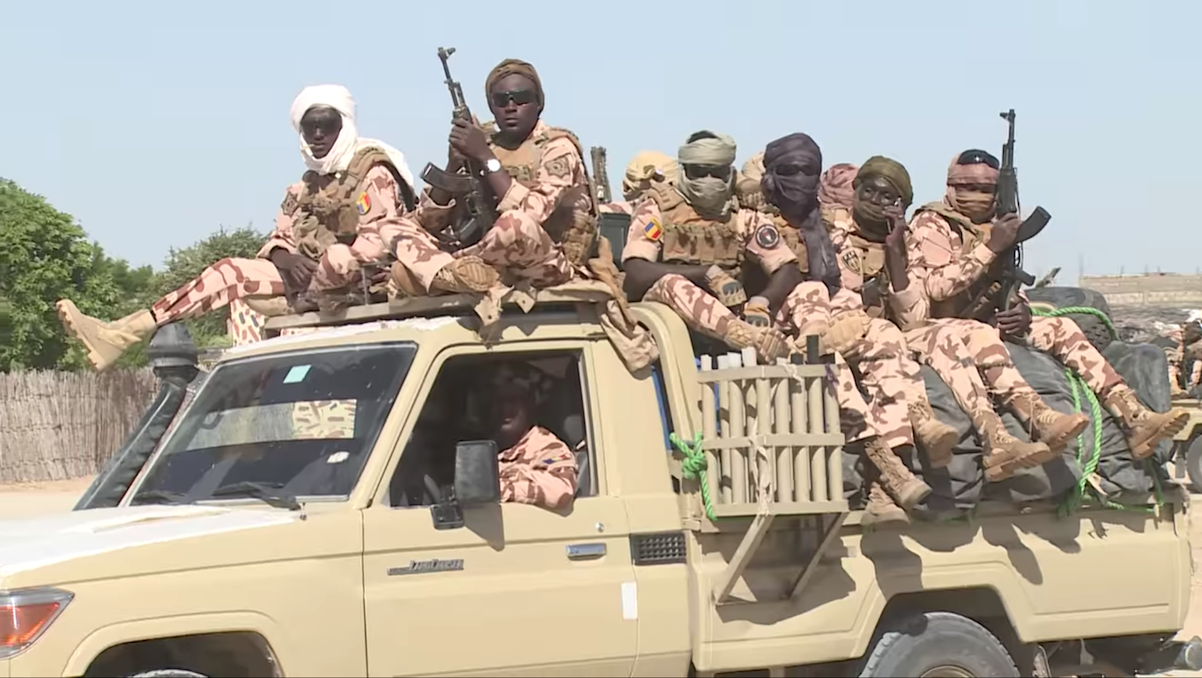
President Mahamat DĂ©by has vowed vengeance for an attack by jihadists on an army base in Chad’s Lake region that killed at least 40 soldiers. The insurgents who managed to overrun the base are likely to be from Boko Haram’s “Bakura” faction, which is concentrated in the northern part of the region, on the Niger-Chad border. They’ve been involved in a long-running battle for supremacy in the region with the rival Islamic State in West Africa Province (ISWAP). Their commander, Ibrahim Bakura Doro, has resisted both peace overtures and demands for assimilation by the larger ISWAP group. The night-time attack on the Barkaram base, in which weapons and equipment were captured, follows a military sweep through the region by a joint force of Nigerian, Cameroonian and Chadian troops—which at the time was proclaimed a success. (Photo of Chadian troops via Presidency of Chad/Facebook)

Africa
west africa

West Africa: dissidents detained, disappeared

Amnesty International urged Malian authorities to immediately release dissident Youssouf Daba Diawara and 11 other arbitrarily detained opposition politicians. According to the statement, Mali’s junta has been arbitrarily holding these political figures solely for exercising their civil rights. Diawara was forced from his car by armed men in Bamako and taken to the Gendarmerie’s Criminal Investigations Brigade. He was charged with “opposition to legitimate authority” for participating in a protest against power cuts and inflation. The UN High Commissioner for Human Rights has also expressed concern over the “disappearance” of activists in neighboring Guinea. Both Mali and Guinea have been led by military juntas since coups d’etat in 2020 and 2021, respectively. (Map: World Sites Atlas)

Africa
west africa

Uranium at issue in Great Game for West Africa

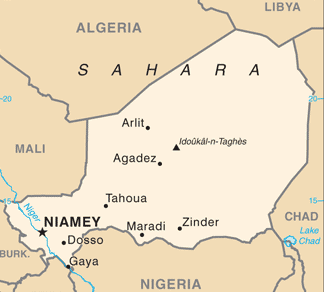
The ruling junta in Niger revoked the operating license of French nuclear fuel producer Orano at one of the world’s largest uranium mines. Russian companies have meanwhile indicated interest in picking up the lease for the giant Imouraren mine. However, exports are stalled by closure of the border with Benin, the vital sea corridor for landlocked Niger, as tensions mount between the two countries. The uranium dispute comes as French and US troops have been forced to withdraw from Niger, and Russian forces have moved in. The Pentagon’s AFRICOM commander Gen. Michael Langley has acknowledged that the US is seeking to establish new bases in neighboring West African countries, including Benin. (Map: World Sites Atlas)

Africa
Niger

Niger: jihadis score deadly blow against junta

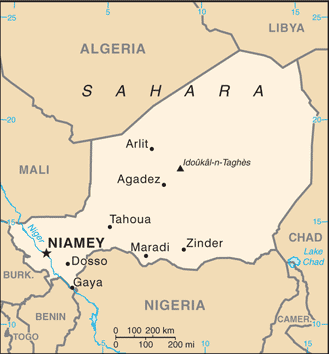
Authorities in Niger declared three days of national mourning after an ambush on security forces near the village of Tassia resulted in the deaths of at least 20 soldiers and one civilian. Tassia lies in the western Tillabéri region bordering Mali and Burkina Faso, long a stronghold of jihadist​ insurgents. The incident highlights the growing challenges facing the ruling junta one year after it came to power in a July 2023 coup, overthrowing the civilian government led by Mohamed Bazoum. (Map: PCL)