

Podcast: New Caledonia in the Great Game
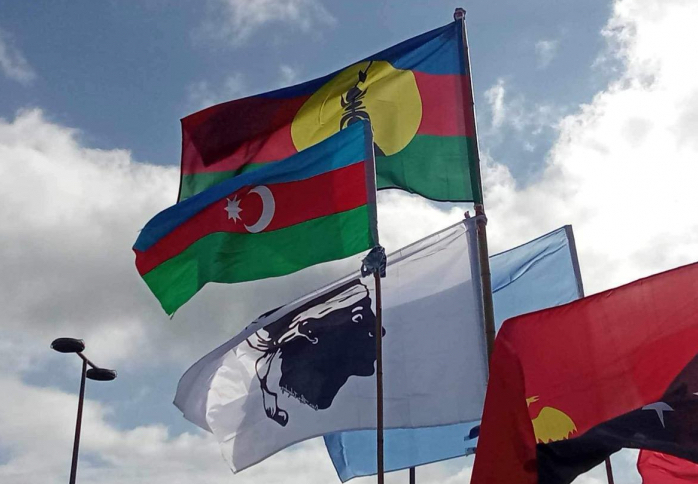
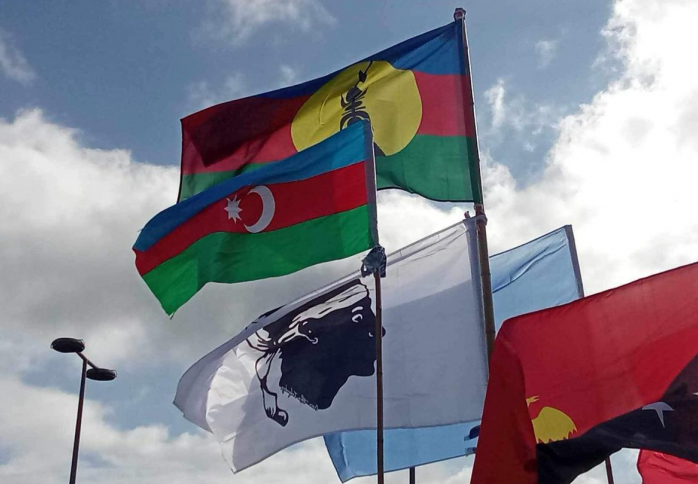
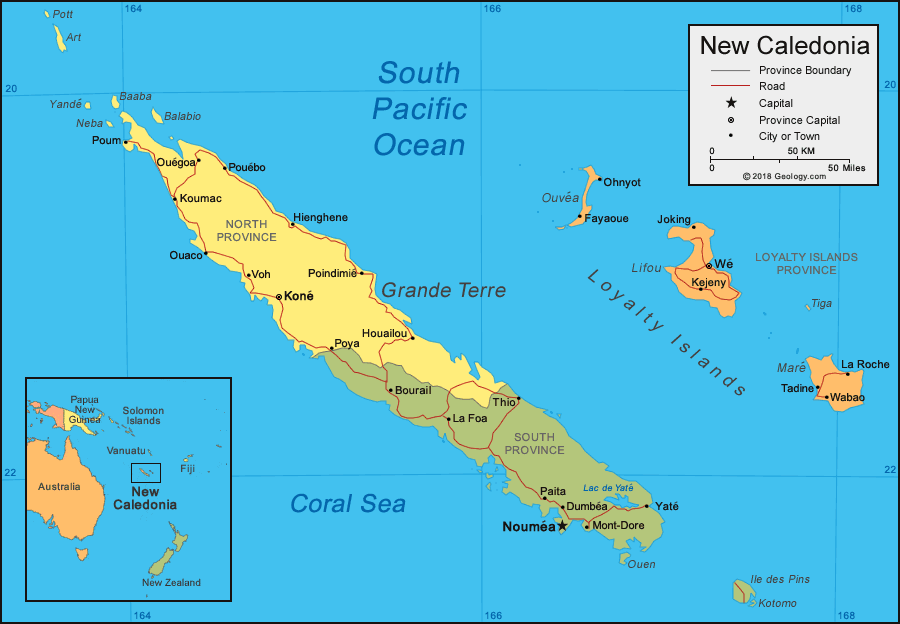
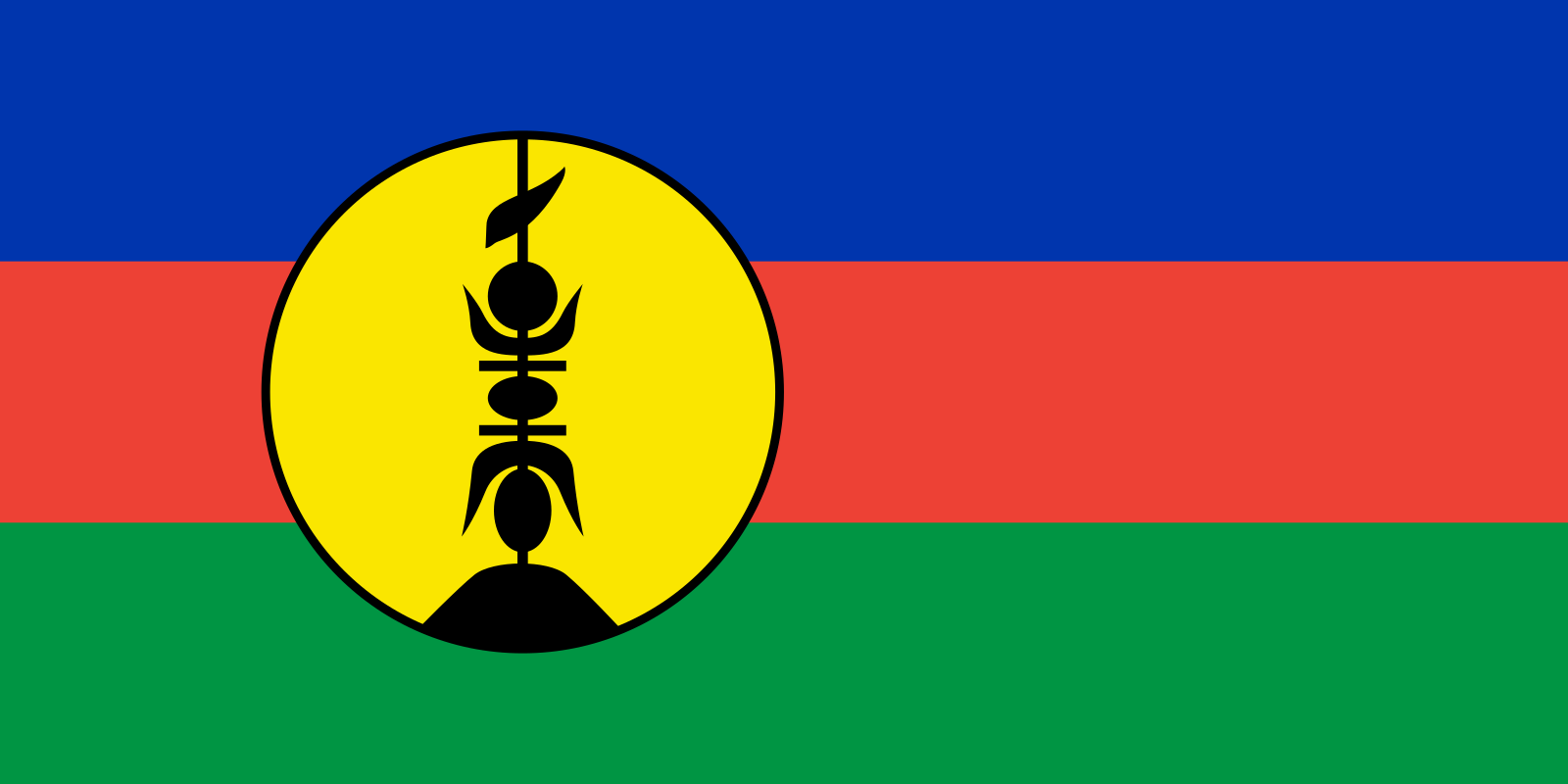
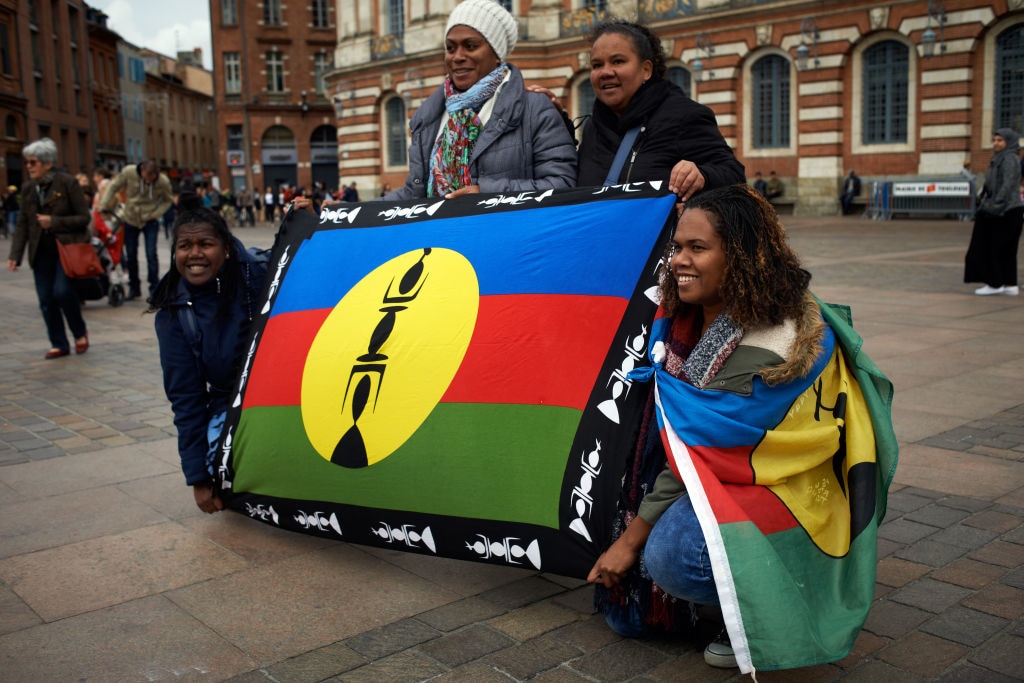
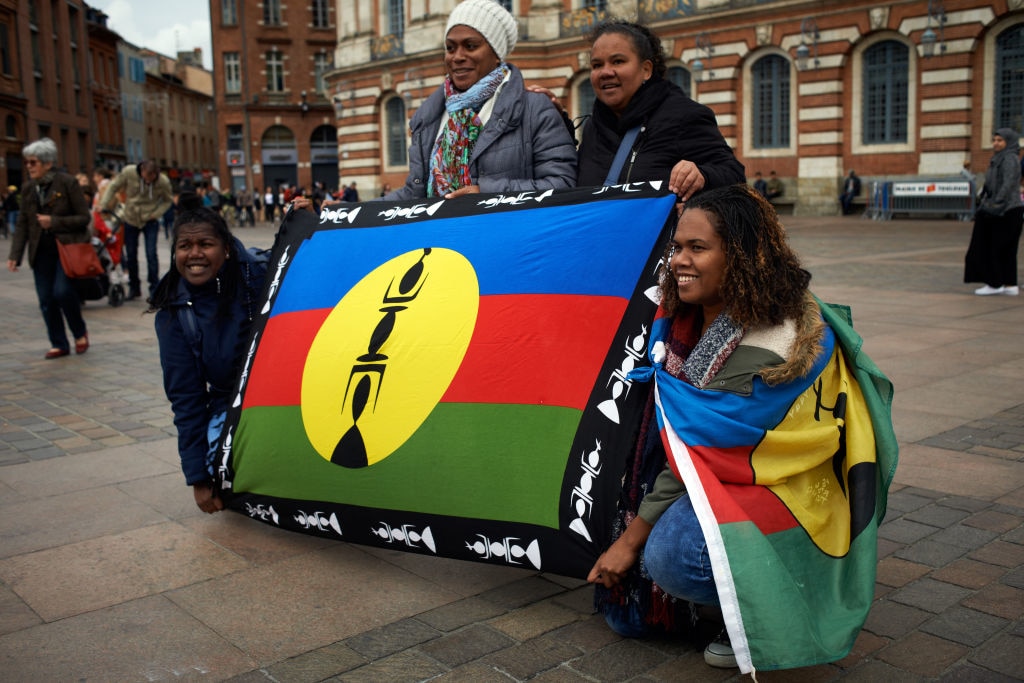
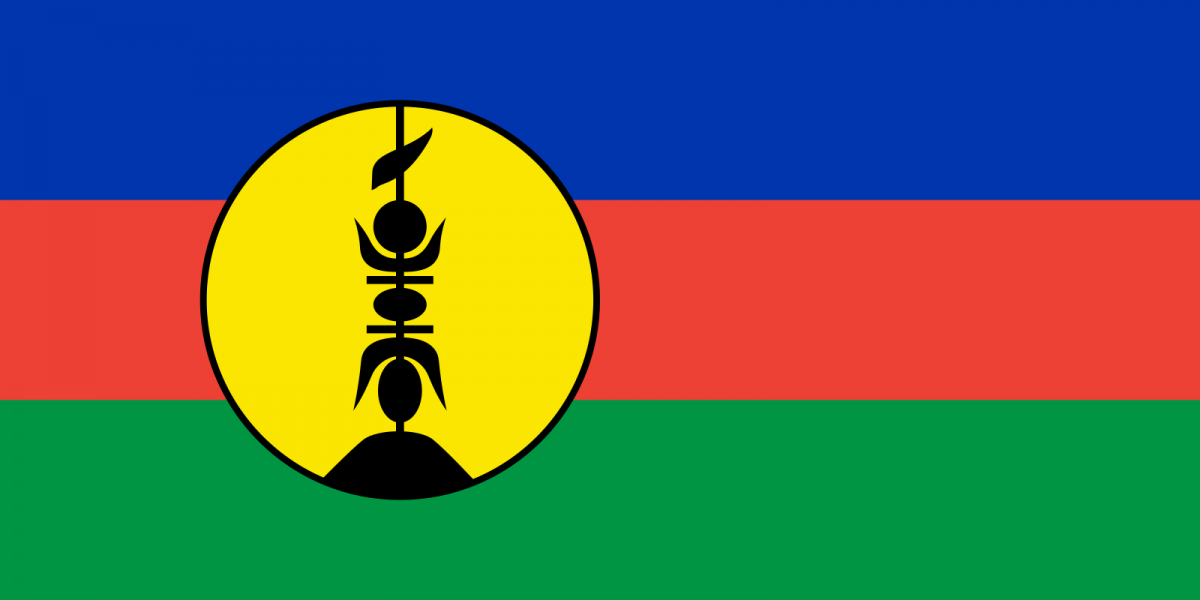
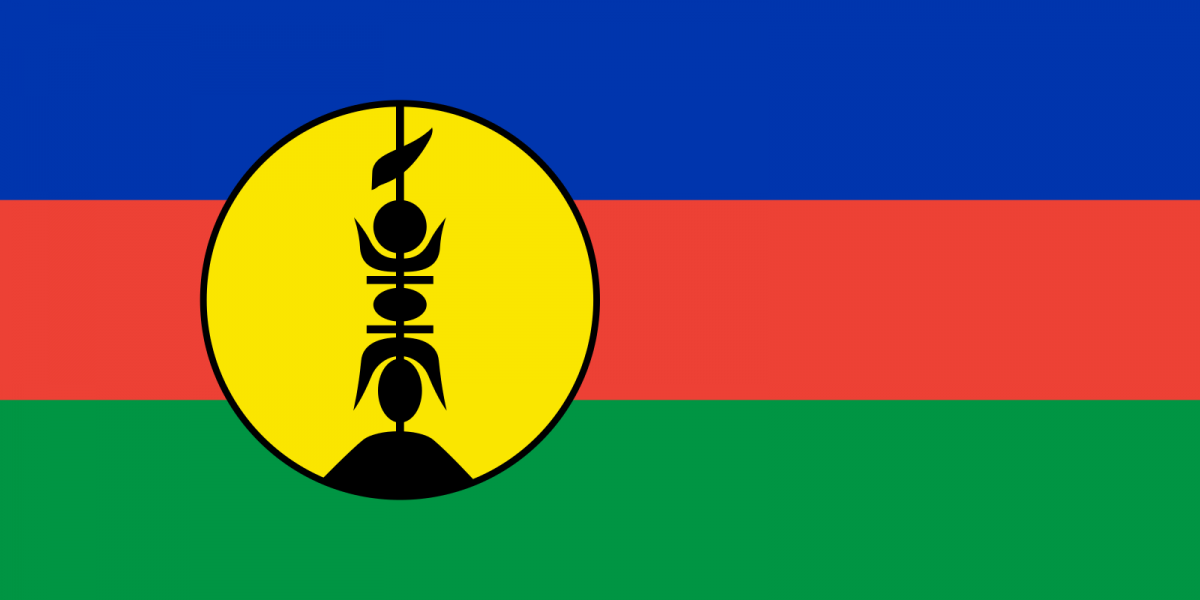 Azerbaijan, now facing accusations of genocide against Armenians, suddenly rallies to the defense of the Kanak indigenous people in the French overseas territory of New Caledonia, and accuses France of a legacy of "crimes against humanity" in its colonial holdings. This appears to be blatant retaliation for French support of Armenia in the conflict between the two Caucasus nations. The repression of the Kanak uprising in their colonized homeland and the cleansing of the Armenians from their usurped ancestral lands both demand our protest—but the propaganda game makes everything more complicated. Yet another example of how a global divide-and-rule racket is the essence of the state system. Bill Weinberg discusses in Episode 227 of the CounterVortex podcast. Listen on SoundCloud or via Patreon. (Flag image via Wikipedia)