

Palestine

Gaza invasion averted; West Bank land-grabs escalate
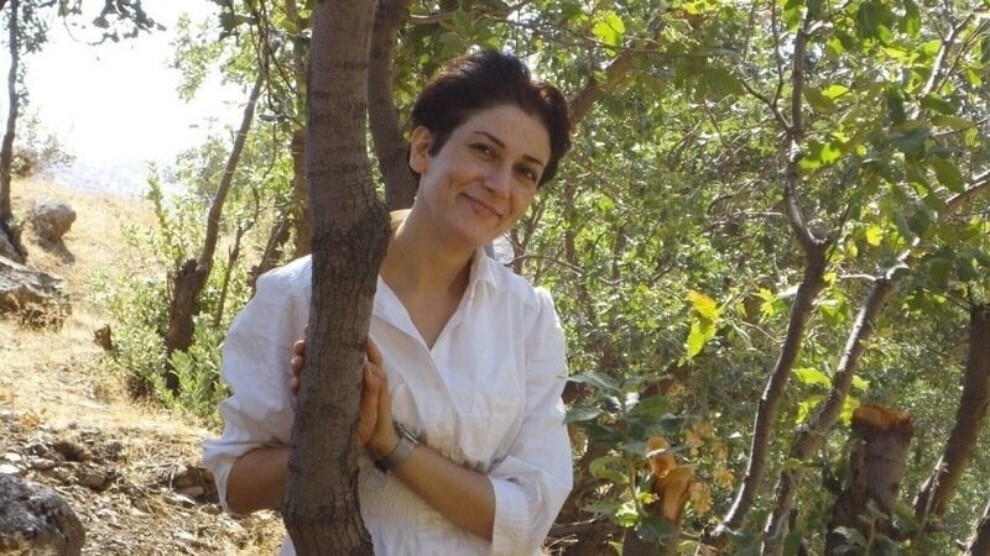
AziziOver 26 rights organizations, including the Kurdistan Human Rights Network and Center for Human Rights in Iran, issued a joint statement calling for the immediate revocation of the death sentence imposed on Kurdish women's rights activist Pakhshan Azizi. This sentence, handed down by the Iranian judiciary, has sparked international outrage, with the organizations calling it "a blatant violation of human rights principles and standards as well as international conventions and treaties." Held in solitary confinement for months, during which time she was subjected to torture to coerce confessions, Azizi was sentenced to death by the Islamic Revolutionary Court in Tehran on charges of "armed insurrection" and "membership in opposition groups." Her lawyers maintain that Azizi has no involvement in any armed groups, but that she spent years working in displaced persons' camps in Syria's Rojava region, providing humanitarian aid to those displaced by ISIS violence. (Image: ANF)
The Amazon

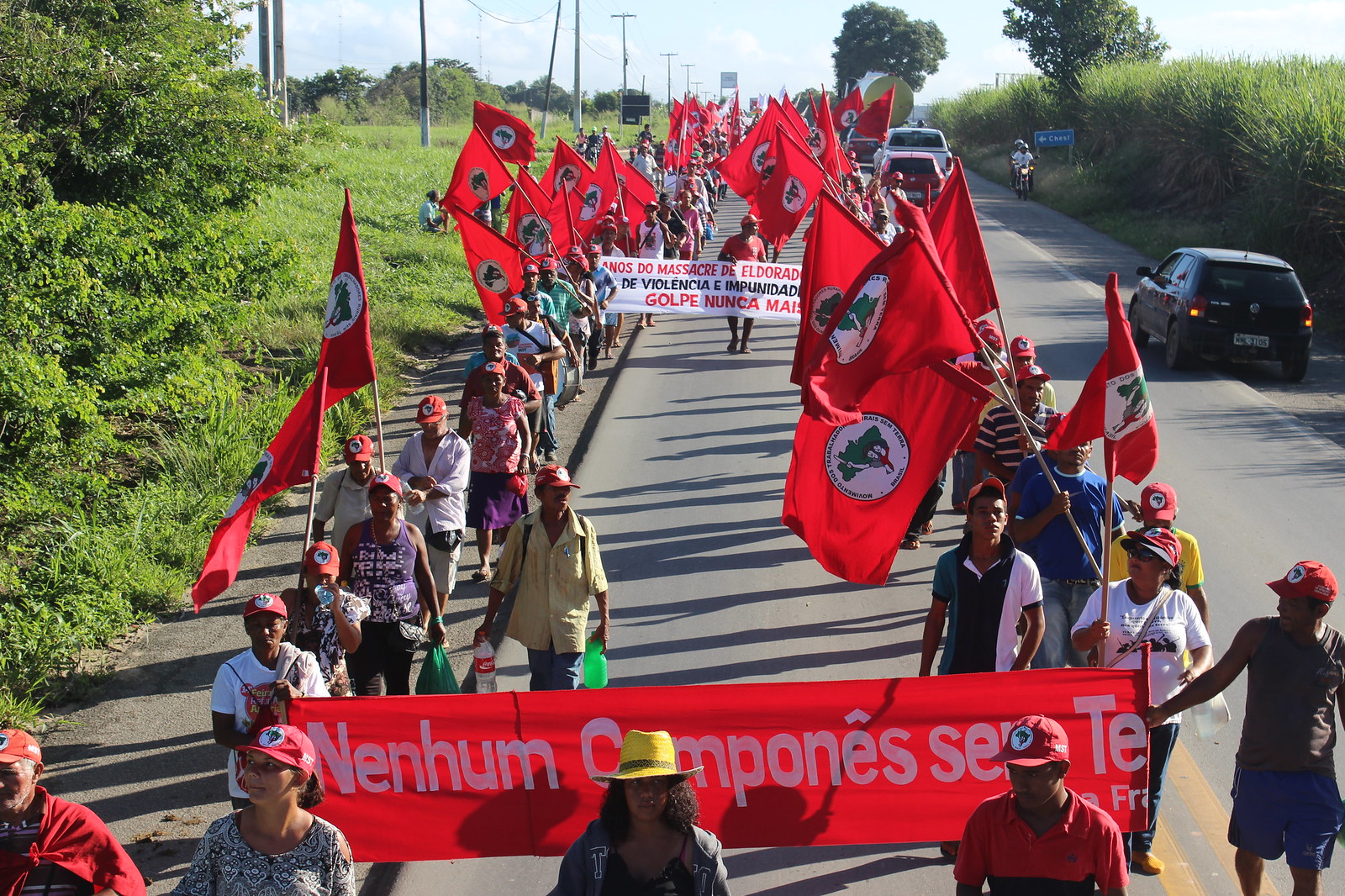
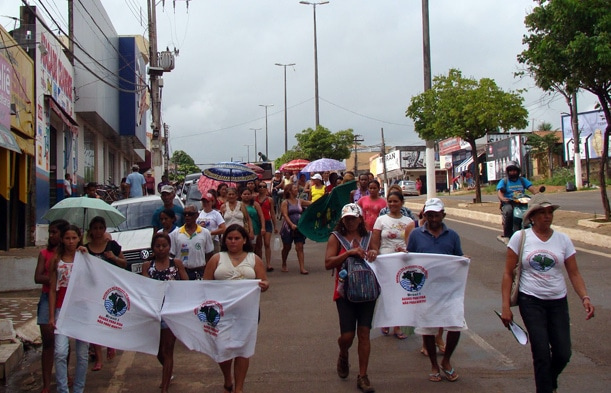
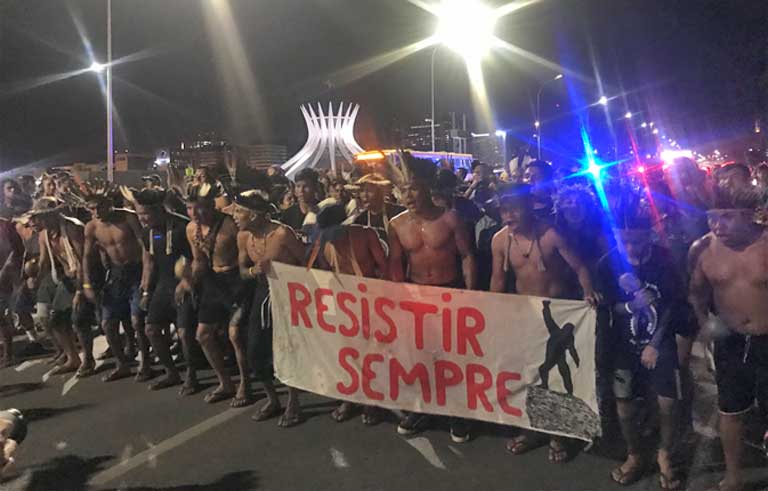
Brazil high court ruling sparks indigenous protest

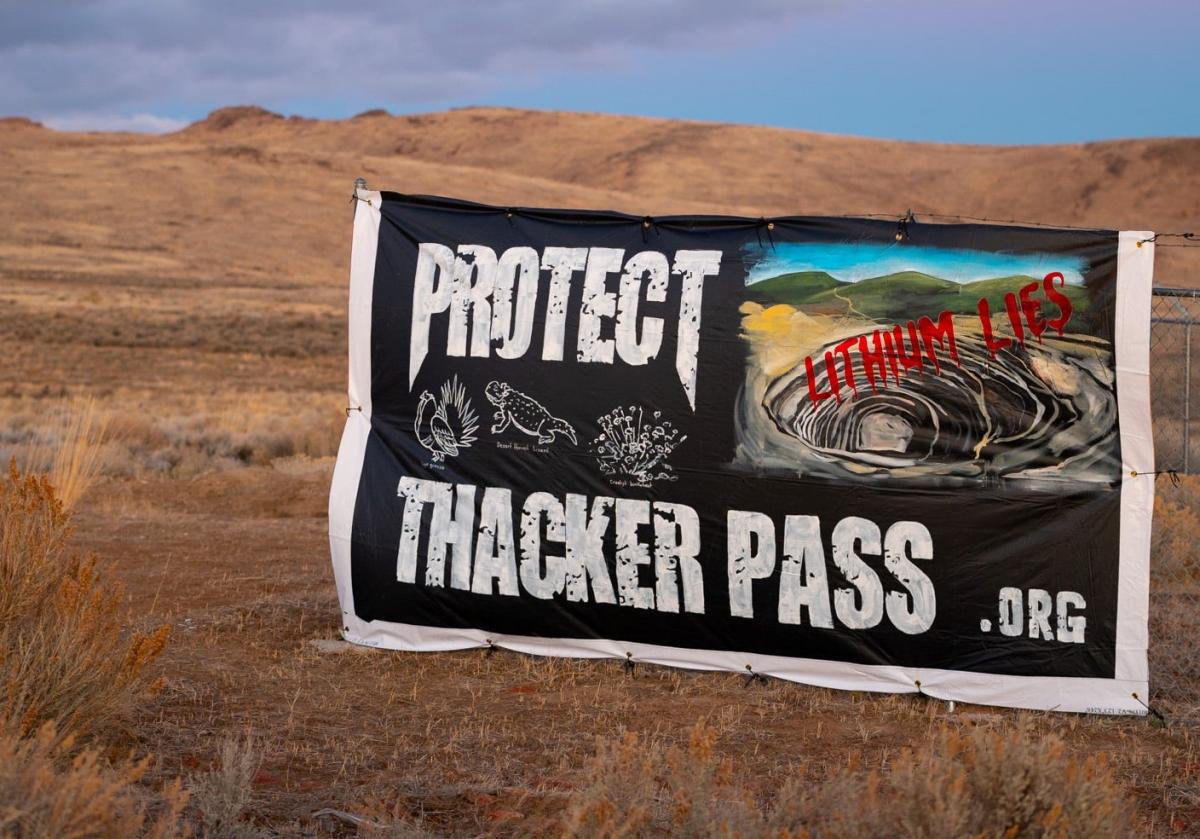
Thacker PassLocal indigenous peoples and their environmentalist supporters have rallied outside the federal courthouse in Reno, Nev., as they await a decision on their request for an injunction to stop the Thacker Pass Lithium Mine Project, set to be developed on public lands within the ancestral territory of the Paiute and Shoshone. Opponents have also established a protest camp near the mine site. If the injunction is denied, Lithium Nevada, a subsidiary of Canada-based Lithium Americas, will be able to move ahead with an archaeological survey in preparation for breaking ground on the mine. (Photo: Protect Thacker Pass)

The Amazon

Violence escalates in Brazilian Amazon

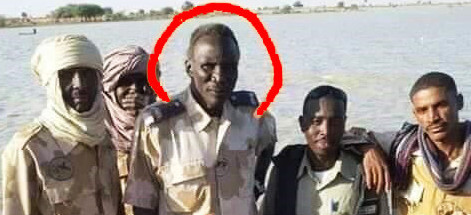
KushaybPre-Trial Chamber II of the International Criminal Court (ICC) issued a decision unanimously confirming charges against Sudanese militia leader Ali Muhammad Ali Abd-Al-Rahman. Consequently, Abd-Al-Rahman, also known as Ali Kushayb, was committed to trial before an ICC trial chamber. Abd-Al-Rahman was a top commander of the Janjaweed militia, and a senior leader in the tribal hierarchy of Wadi Salih locality, Central Darfur state. He is also a leader of the Popular Defense Forces, the more regularized successor to the Janjaweed. He is alleged to have led pro-government campaigns against Darfur rebel groups, ultimately displacing 40,000 and murdering 300 civilians. (Photo via Radio Dabanga)

Palestine

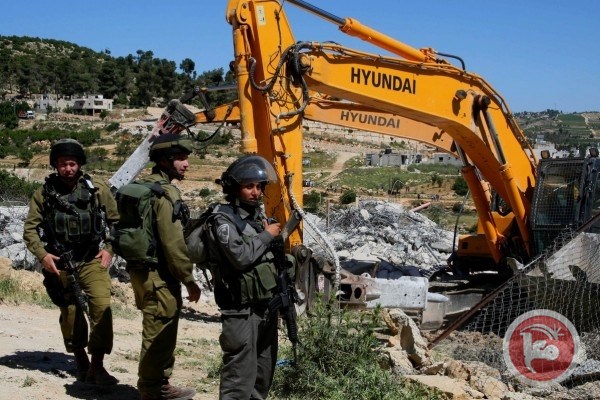
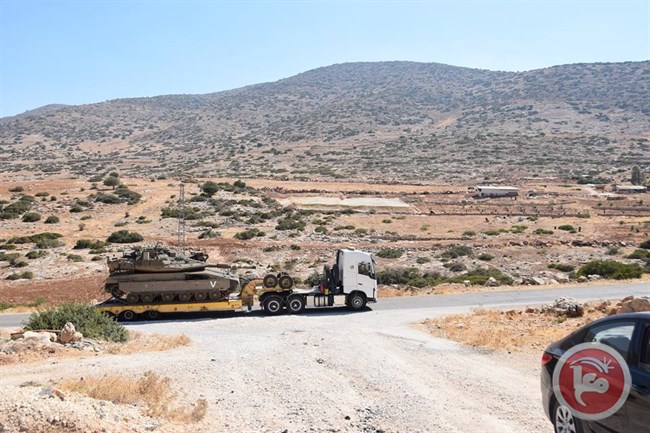
Netanyahu pledges to annex West Bank territory

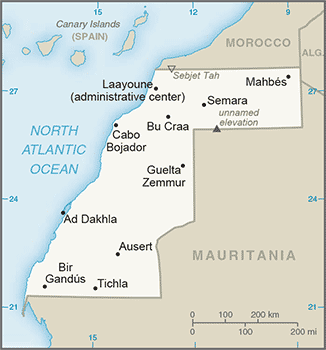
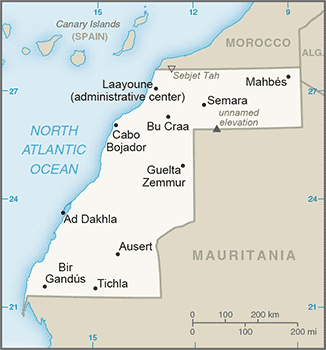
Western SaharaUS-led forces are currently carrying out war games in Morocco, the periodic "African Lion" exercises—this year taking place near the disputed region of Western Sahara. Morocco is trumpeting this as a re-affirmation of US recognition of its claim to the territory. The Trump administration last year formally recognized Moroccan sovereignty over Western Sahara in exchange for Moroccan diplomatic recognition of Israel as a part of the so-called Abraham Accords. But Spain, the disputed territory's former colonial ruler, is opposing Morocco's current push for international recognition of its claim. Just before the war games opened, Spanish Foreign Minister Arancha González Laya called US Secretary of State Antony Blinken, urging him to reverse Washington's recognition of Moroccan rule in Western Sahara. (Map: Perry-Castañeda Library)

The Amazon

Land-rights defender assassinated in Brazil

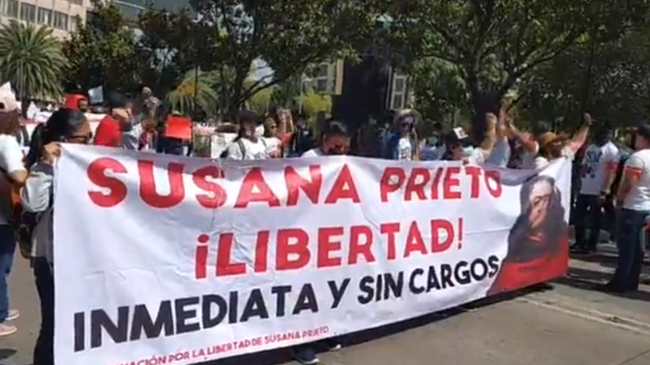
SINTISThe AFL-CIO and other trade unions announced that they have filed a complaint against Tridonex, a Mexican auto parts factory and subsidiary of Philadelphia-based Cardone Industries, located in the city of Matamoros, Tamaulipas state. This case will be one of the first to test the United States-Mexico-Canada Act (USMCA), which supersedes the North America Free Trade Agreement (NAFTA). The complaint is brought under the new "rapid response" mechanism of the USMCA, a "rapid response" provision allowing complaints of labor violations to be brought against individual factories. The complaint comes after Tridonex workers attempted to organize with an independent union, replacing the co-opted "protection union" at the plant. Over 600 workers were fired for their association with the new union. Susana Prieto Terrazas, the lawyer representing the Tridonex workers, was also arrested and jailed by the Tamaulipas governor on "trumped-up charges," and only released after agreeing to leave the state of Tamaulipas. (Photo: Prensa Obrera)

The Andes

Máxima Acuña case against Newmont Mining remanded

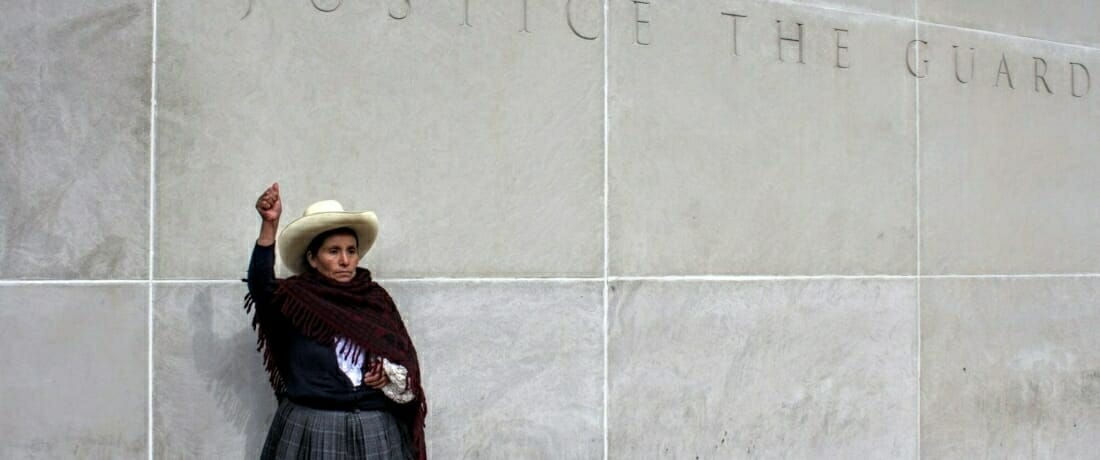
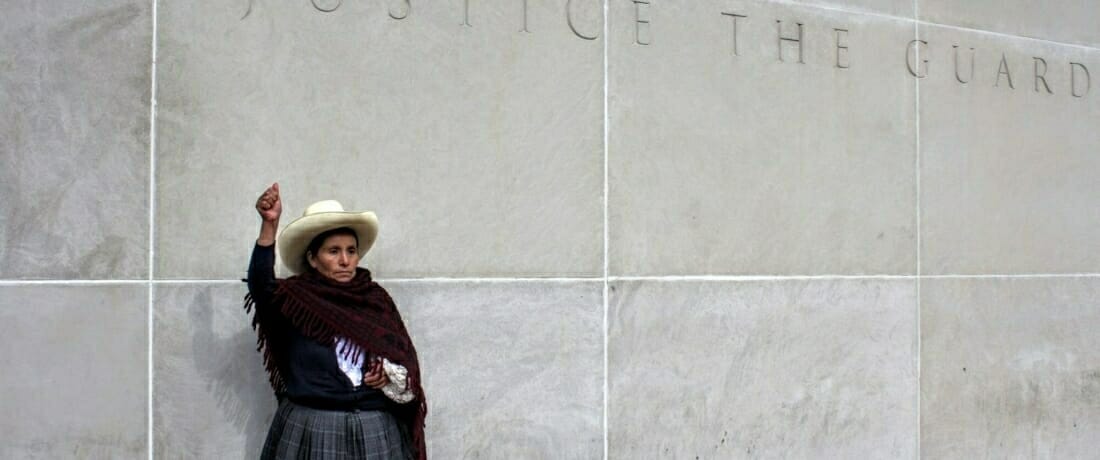
Maxima AcuñaThe US Court of Appeals for the Third Circuit in Philadelphia revived the case by Máxima Acuña Atalaya de Chaupe and her family against the US-based Newmont Mining Company. The family of subsistence farmers from Peru's Cajamarca region sued Newmont in the United States for abuse at the hands of the company's security forces. A lower court had dismissed the case, saying it should be heard in Peru. The Appeals Court reversed that decision, citing Newmont's corruption of local courts there. The suit, Acuna-Atalaya v. Newmont Mining Corp, seeks to stop a pattern of harassment and physical abuse that the Chaupe family say they have suffered at the hands of Newmont personnel, which the family believes is aimed at usurpation of their plot of land at Tragadero Grande. (Photo: EarthRights International)

Africa

Climate catastrophe in suffering Mozambique

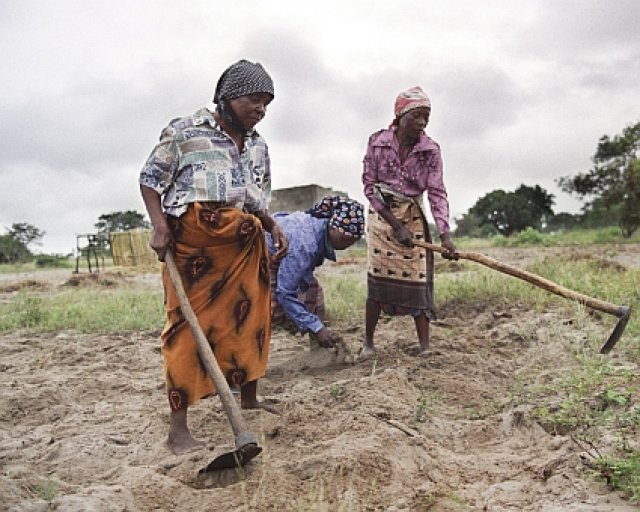
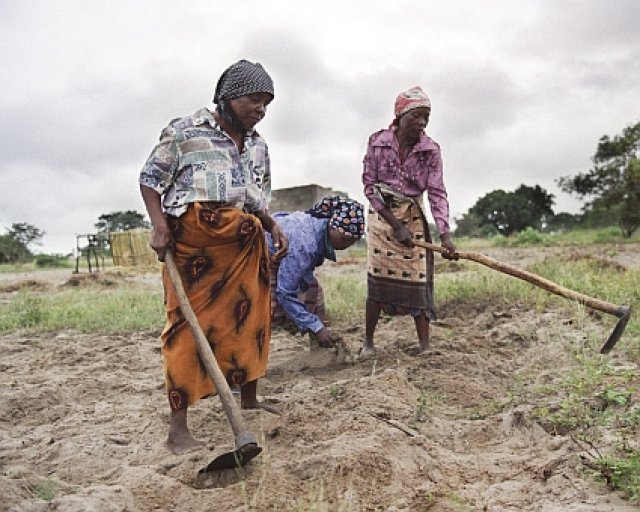
MozambiqueA humanitarian catastrophe is unfolding in Mozambique, Zimbabwe and Malawi, as the full scale of devastation from Cyclone Idai becomes clear. The World Meteorological Organization says Idai could become the worst tropical cyclone on record in the Southern Hemisphere. Mozambique's President Filipe Nyusi fears that 1,000 people may have lost their lives in his country alone. The UN World Food Program warns of "a major humanitarian emergency that is getting bigger by the hour." And, as after similar "mega-storms" of recent years, the link to global climate destabilization is evident. "Cyclone Idai is a clear demonstration of the exposure and vulnerability of many low-lying cities and towns to sea-level rise as the impact of climate change continues to influence and disrupt normal weather patterns,” said Mami Mizutori, UN Special Representative for Disaster Risk Reduction. (Photo: WikiMedia via Jurist)

Central America

Indigenous land-rights activist slain in Costa Rica

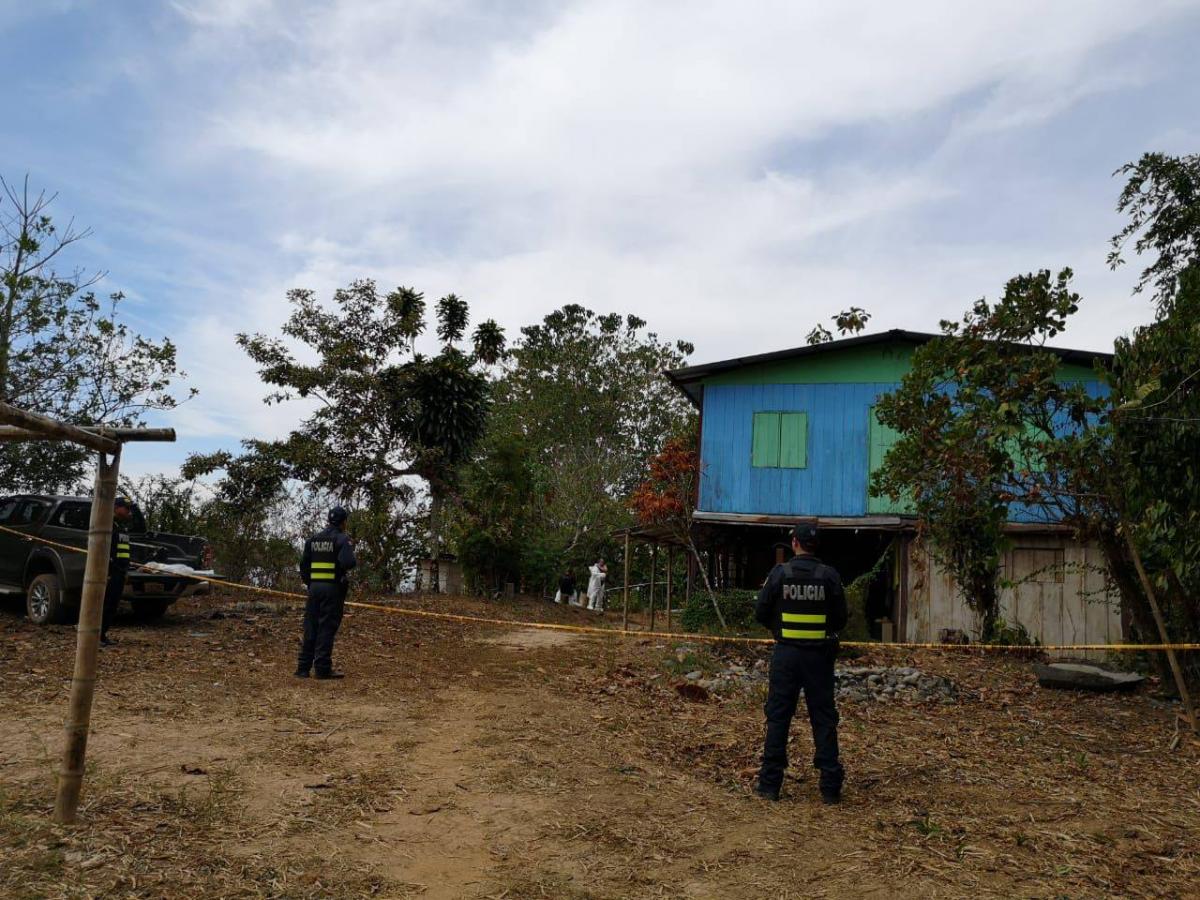
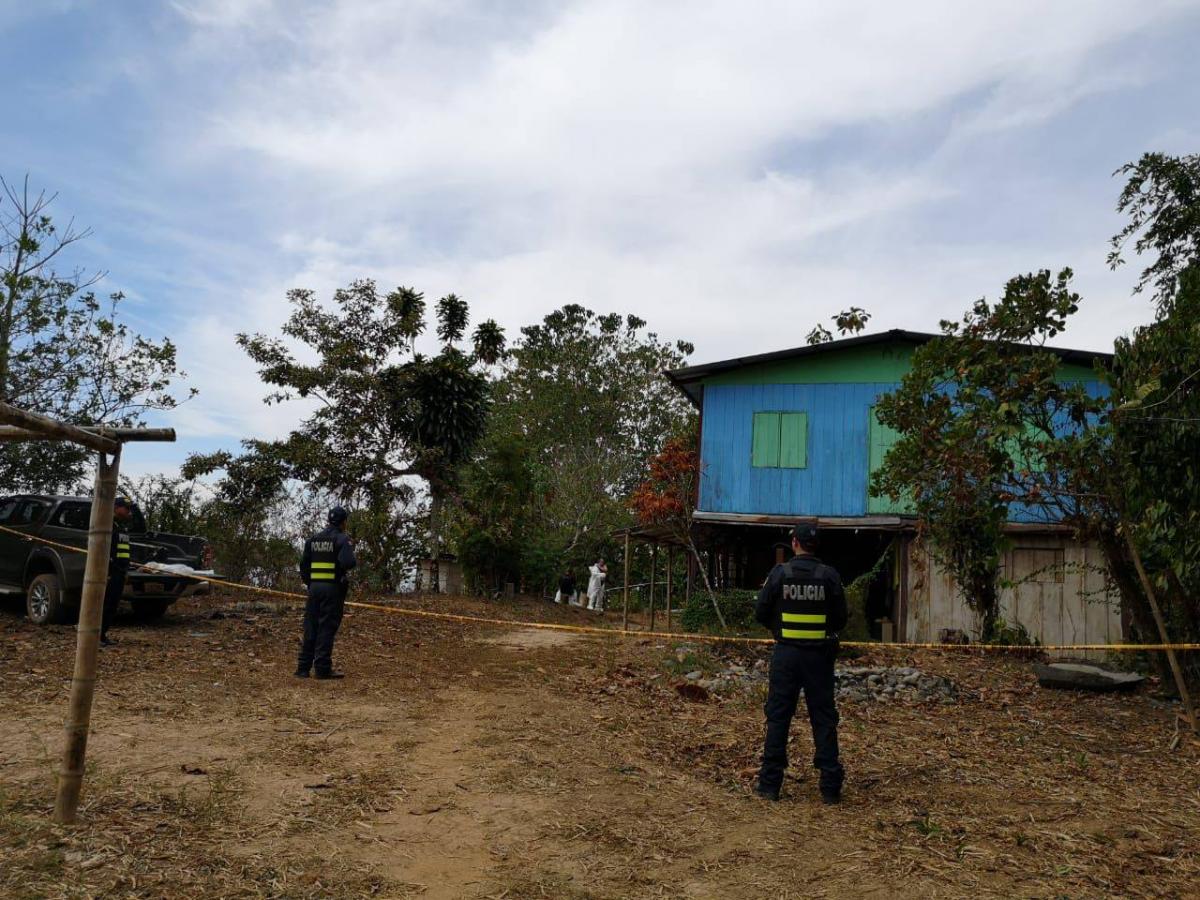
Sergio RojasSergio Rojas, a leader of the indigenous Bribrí people in Costa Rica, was slain in an attack by unknown gunmen at his home in the indigenous territory of Salitre, Puntarenas province. Rojas was president of the Association for the Development of the Indigenous Territory of Salitre and coordinator of Costa Rica's National Front of Indigenous Peoples (FRENAP). He was shot 15 times in the attack. The local conflict stems from a 1977 law that gave the Bribrí and Teribe peoples rights to 11,700 hectares of usurped lands but did not allocate funds to compensate non-indigenous farmers who already occupied those lands. In 2012, Rojas was shot at six times in an apparent assassination attempt. (Photo via Tico Times)

Mexico

Indigenous eco-activist slain in Morelos, Mexico

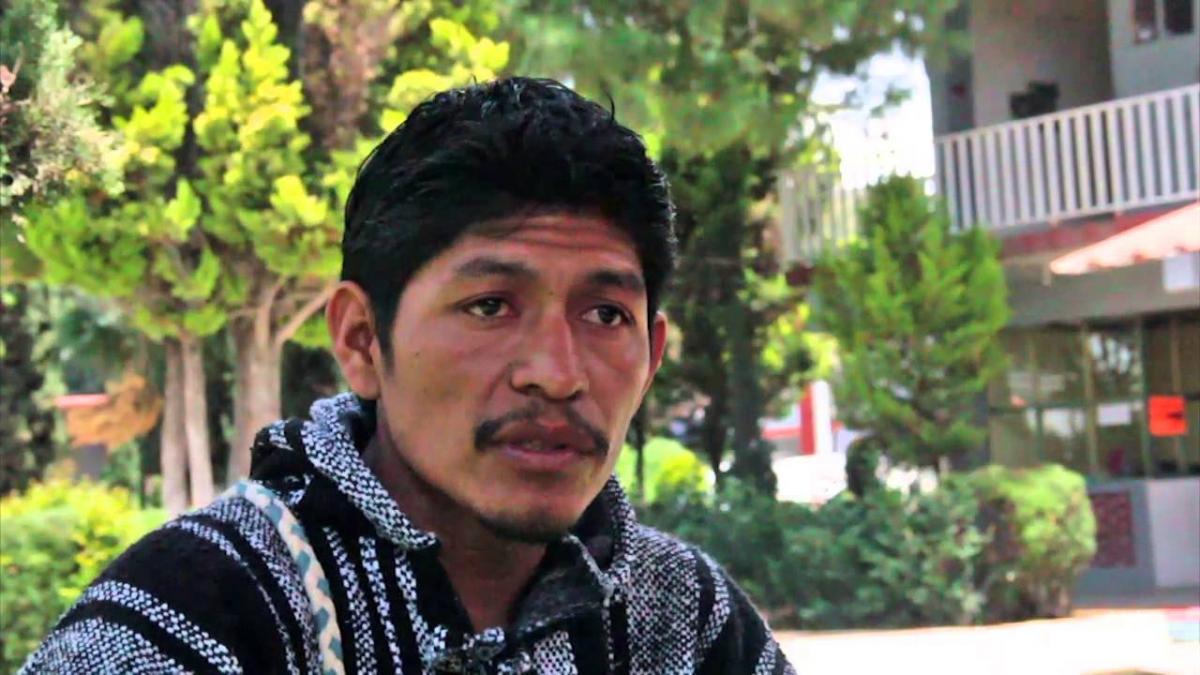
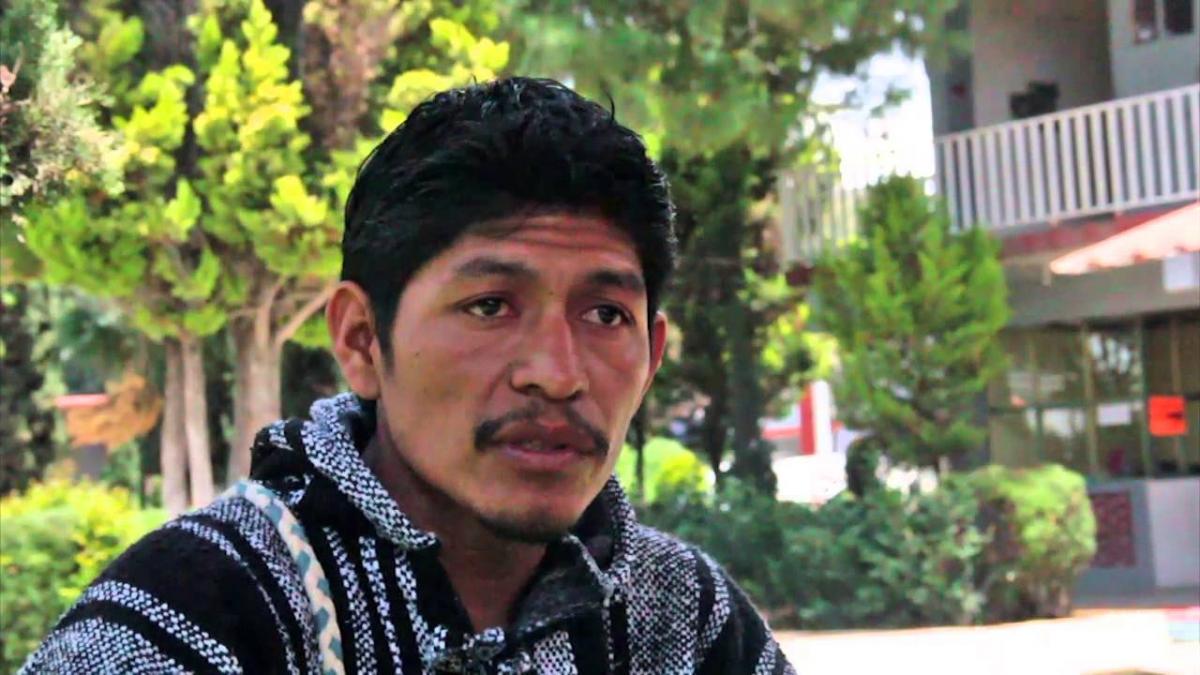
Samir FloresAn indigenous environmental activist was killed in Mexico's south-central state of Morelos, three days ahead of a planned referendum on an energy development project that he opposed. Samir Flores Soberanes was a leader of the local Peoples in Defense of Land and Water Front and community radio station Amilzinko. He was slain by unknown gunmen in an attack at his home in the village of Amilcingo, Temoac municipality. He was a longtime figure in local opposition to the planned Huexca power plant and associated natural-gas pipeline, pushed by the government under the Morelos Integral Project. (Photo: Somos el Medio)

The Andes
paramilitaries

Colombia sliding deeper into internal war

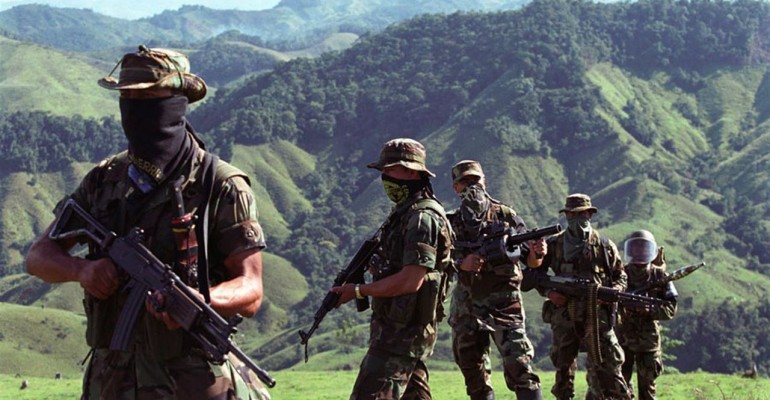
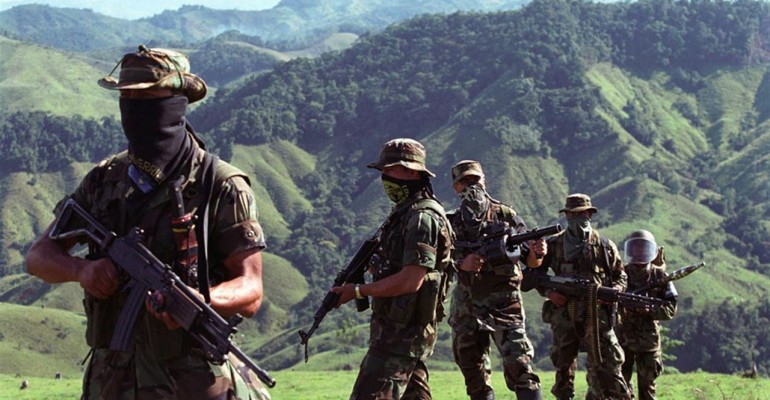
paramilitariesUnder pressure to address the ongoing wave of targeted assassinations in Colombia, President Iván Duque for the first time spoke before the National Commission to Guarantee Security, formed by the previous government to address continuing violence in the country—which has only worsened since he took office last year. Duque said 4,000 people are now under the government's protection program for threatened citizens. But his office implied that the narco trade is entirely behind the growing violence. Interior Minister Nancy Patricia Gutiérrez told the meeting: "This great problem is derived from the 200,000 hectares of illicit crops that we have in Colombia." However, it is clear that the narco economy is but part of a greater nexus of forces that fuel the relentless terror—all related to protecting rural land empires and intimidating the peasantry. (Photo via Contagio Radio)

The Andes

Colombia: UN concern over political assassinations

Gilberto ValenciaGilberto Valencia, a young Afro-Colombian cultural worker, became 2019's first casualty of political violence in Colombia, when a gunman opened fire on a New Years party he was attending in his village in Cauca region. As the death toll from around the country mounted over the following weeks, the UN Mission to Colombia  warned President Iván Duque that he must address "the issue of the assassinations of social leaders and human rights defenders." Colombia's official rights watchdog, the Defensoría del Pueblo, acknowledges that there was an assassination on average every two days in the country last year—a total of 172, and a rise of more than 35% over 2017.  (Photo via Caracol Radio)

The Andes

Forgotten voices in Venezuela crisis

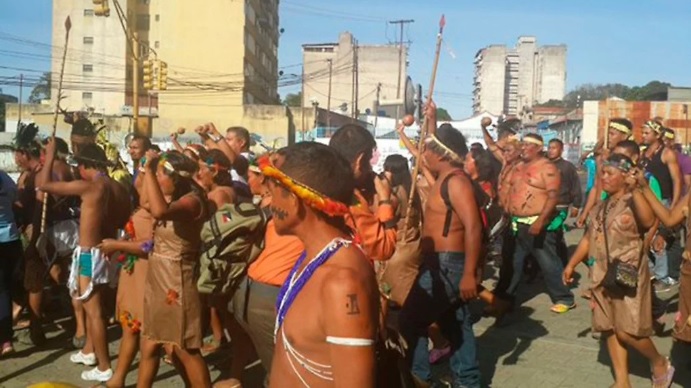
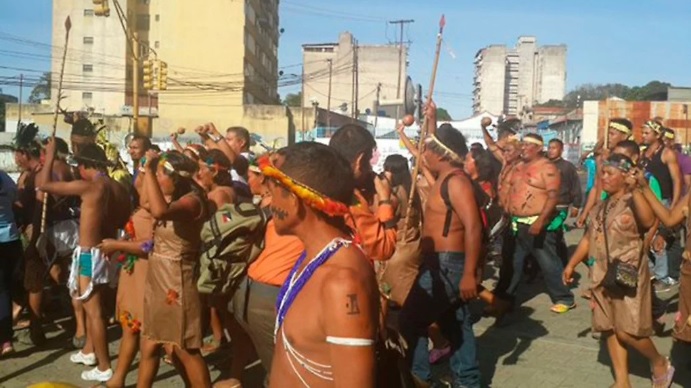
PemonTrump, the great enthusiast for dictators, suddenly develops a touching concern with democracy in Venezuela, grasping at the opportunity for long-sought regime change. Predictably overlooked in the world media's Manichean view of the crisis are voices of Venezuela's dissident left that takes a neither/nor position opposed to both the regime and the right-wing leadership of the opposition. Also unheard are voices of indigenous dissent and resistance. In an episode that received little coverage, December saw protests in the remote Orinoco Basin after a leader of the Pemón indigenous people was killed in a confrontation with elite Military Counterintelligence troops. The military operation was ostensibly aimed at clearing the region of illegal mining—while the Pemón themselves had been protesting the mining. The indigenous leaders view the militarization of the region as intended to make way for corporate exploitation under the Orinoco Mineral Arc plan. (Photo: EcoPolitica Venezuela)