
US-Iran war spirals across Middle East

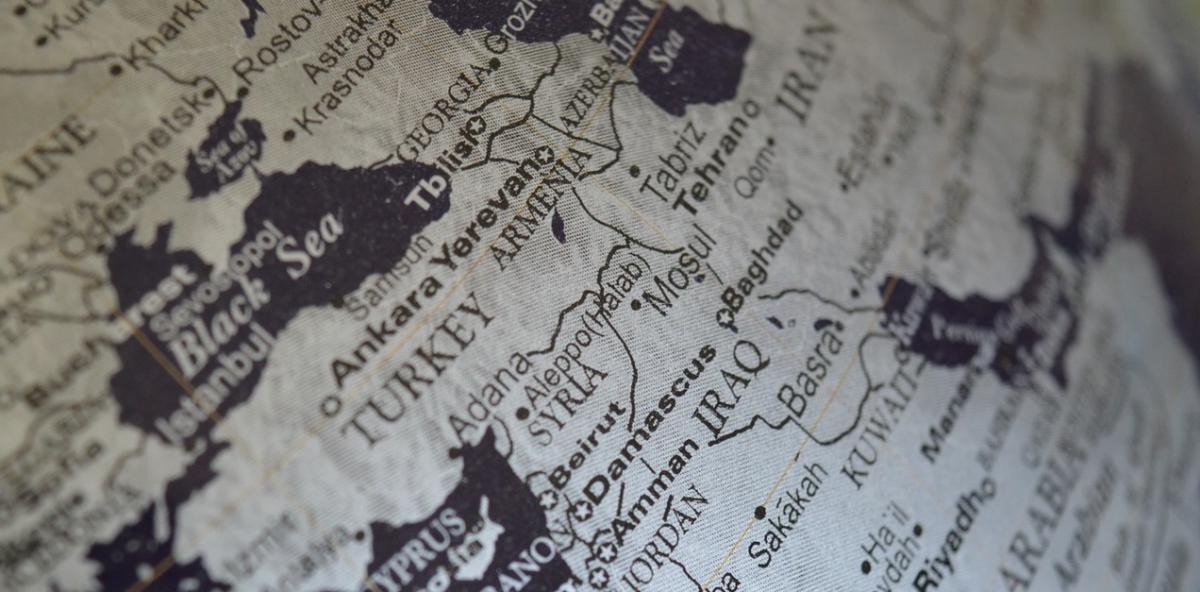
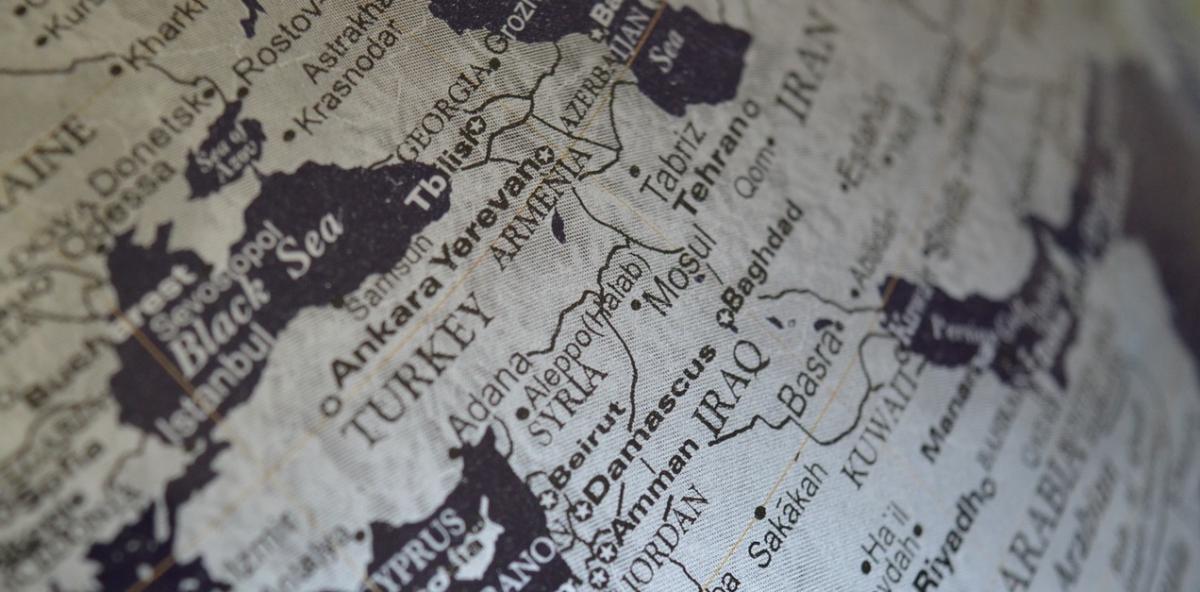
SyriaAs the US-Iran war escalates, more countries in the Middle East have—officially or unofficially—entered the fray over the past week. As the US stepped up air-strikes on Iran, it joined with Saudi Arabia to launch strikes against Iran-backed militias in Iraq. Iran (or the Houthis) hit Egypt, Kuwait and Jordan, where three US soldiers were killed. Saudi Arabia is building a military alliance to police the Red Sea, with an eye toward removal of the Houthis from power in Yemen. The US Senate again failed to pass a War Powers Resolution, while the Iran regime apparently sees it as in its political interest to extend the conflict on at least a minimal basis. Nonetheless, it appears to be quickly spiralling out of control. (Image: Pixabay)
Shaky US-Iran ceasefire; escalation in Lebanon

SyriaThe United States and Iran signed a Memorandum of Understanding that aims to end the war the US and Israel launched on Iran nearly four months ago. The 14-point agreement, signed by Donald Trump at a gathering hosted by French President Emmanuel Macron in the Palace of Versailles—where the treaty to end World War I was signed in 1919—opens up the Strait of Hormuz for a 60-day ceasefire window, during which the two sides have vowed to negotiate a long-term resolution to the Iranian nuclear standoff. The US will also terminate all sanctions against Iran, provide $300 billion for post-war reconstruction, and unlock all frozen Iranian funds and assets. But despite—or possibly because of—the signing of the MoU, which calls for an end to fighting in Lebanon, the fighting there immediately flared again. A rash of Israeli air-strikes followed Hezbollah's killing of four IDF soldiers in a southern Lebanese village, prompting furious statements from Israeli politicians such as extreme-right security minister Itamar Ben-Gvir, who said "all of Lebanon must burn." (Image: Pixabay)

Uncertain ceasefire in Iran

SyriaAfter five weeks of war, the US and Iran agreed to a two-week ceasefire brokered by Pakistan. Its basic details, however, and to what extent it will be implemented, are surrounded by uncertainty. A main sticking point is the question of whether Lebanon was included in the deal. Iranian and Pakistani officials are insisting it was, but the US and Israel say that it wasn't. Meanwhile, Israel has continued to carry out devastating attacks on Beirut and other parts of Lebanon. (Image: Pixabay)

Escalating repression across Middle East

SyriaUN Human Rights Chief Volker Türk warned that repression of freedom of expression across the Middle East has deepened significantly since the US-Israeli attacks on Iran commenced at the end of February. In Iran, approximately 2,345 people have been arrested on charges related to national security. Many of these, as well as more arbitrarily arrested during the January protests, are being held in harsh conditions and incommunicado detention. The state has also cut internet access to prevent external sharing of information. Three protestors were publicly hanged in March after being convicted of "waging war against God" based on "confessions" obtained under torture. Many more are at imminent risk of execution. But hundreds of arbitrary arrests for online anti-war dissent have also taken place in the Gulf states that Iran has been targeting with missile strikes, with Türk warning of a "sharp securitization of civic space across the region." (Image: Pixabay)

‘Black rain’ falls on Tehran amid US-Israeli strikes

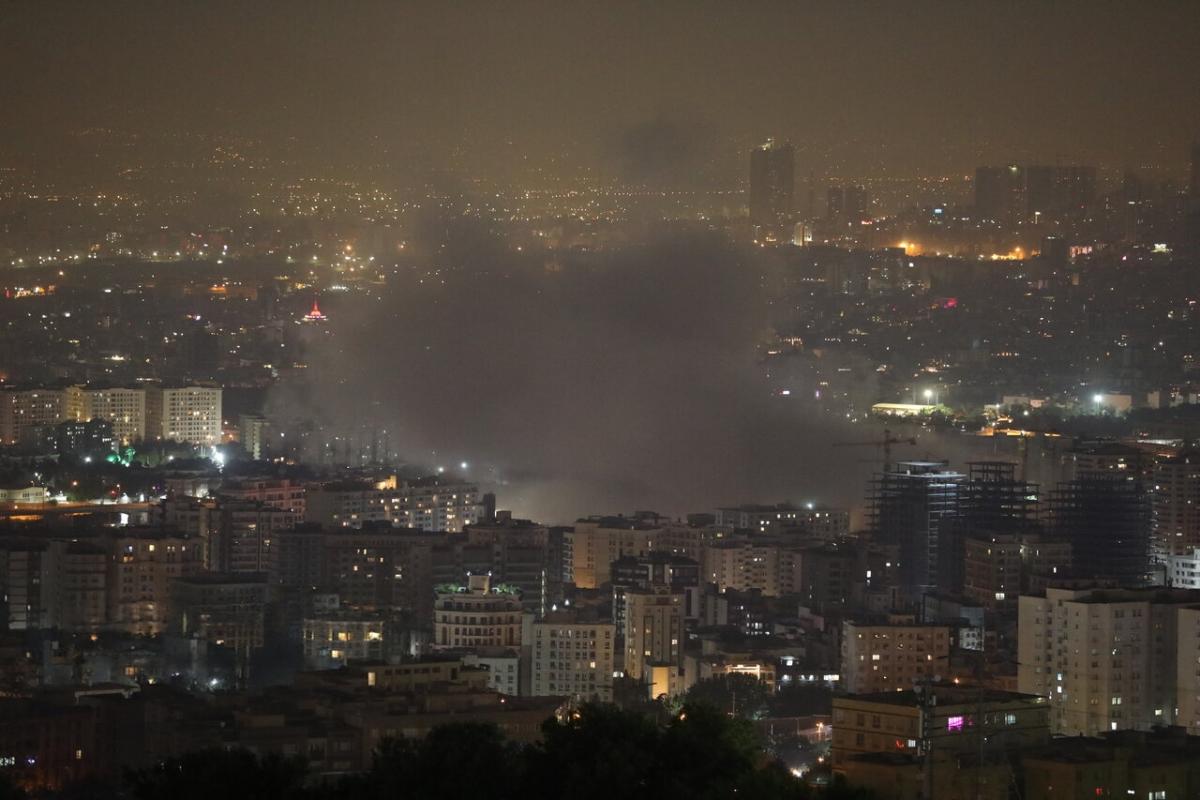
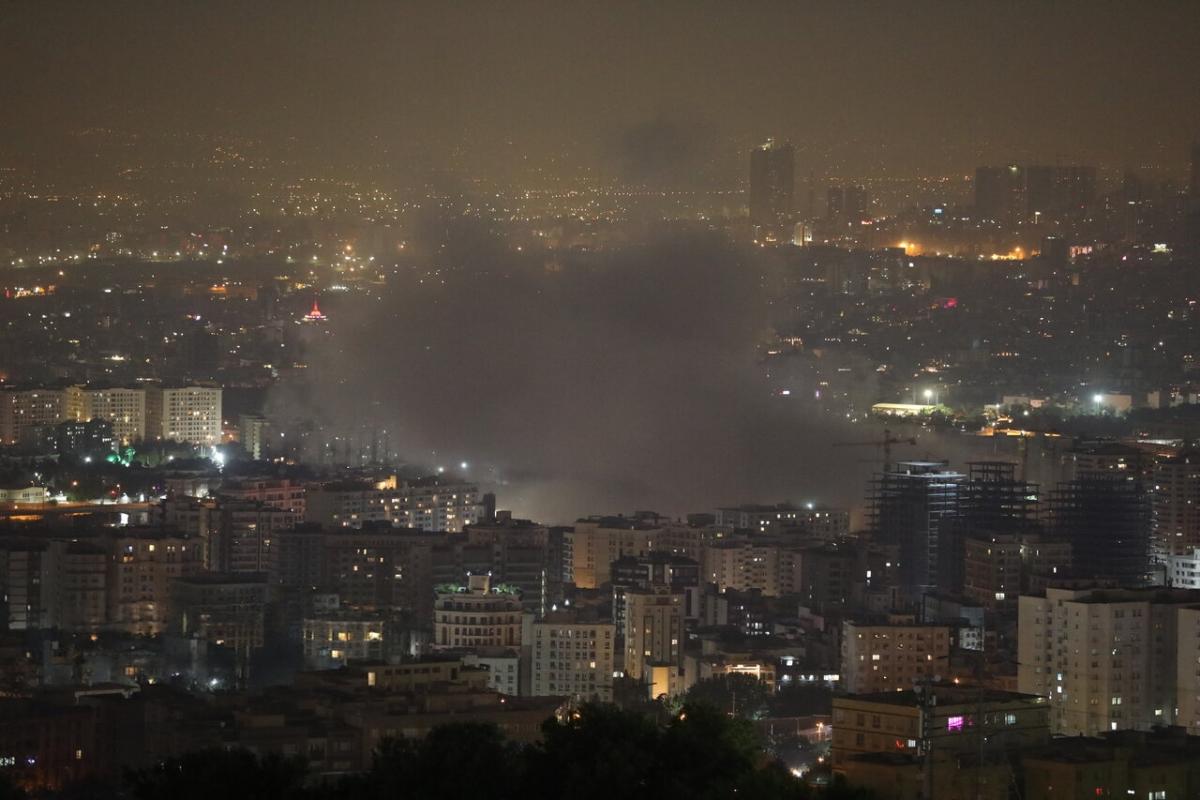
TehranUnited Nations officials said that US and Israeli airstrikes on fuel depots in Tehran have released large amounts of toxic pollutants, producing acidic "black rain" across parts of the capital. Officials from the World Health Organization warned that the burning of depots has released hydrocarbons, sulphur oxides, and nitrogen compounds into the atmosphere. The released pollutants have caused darkened skies in Tehran, prompting authorities to advise residents to remain indoors due to respiratory risks and potential water contamination. (Photo: Mehr via Wikimedia Commons)

UN demands civilian protection amid Middle East escalation

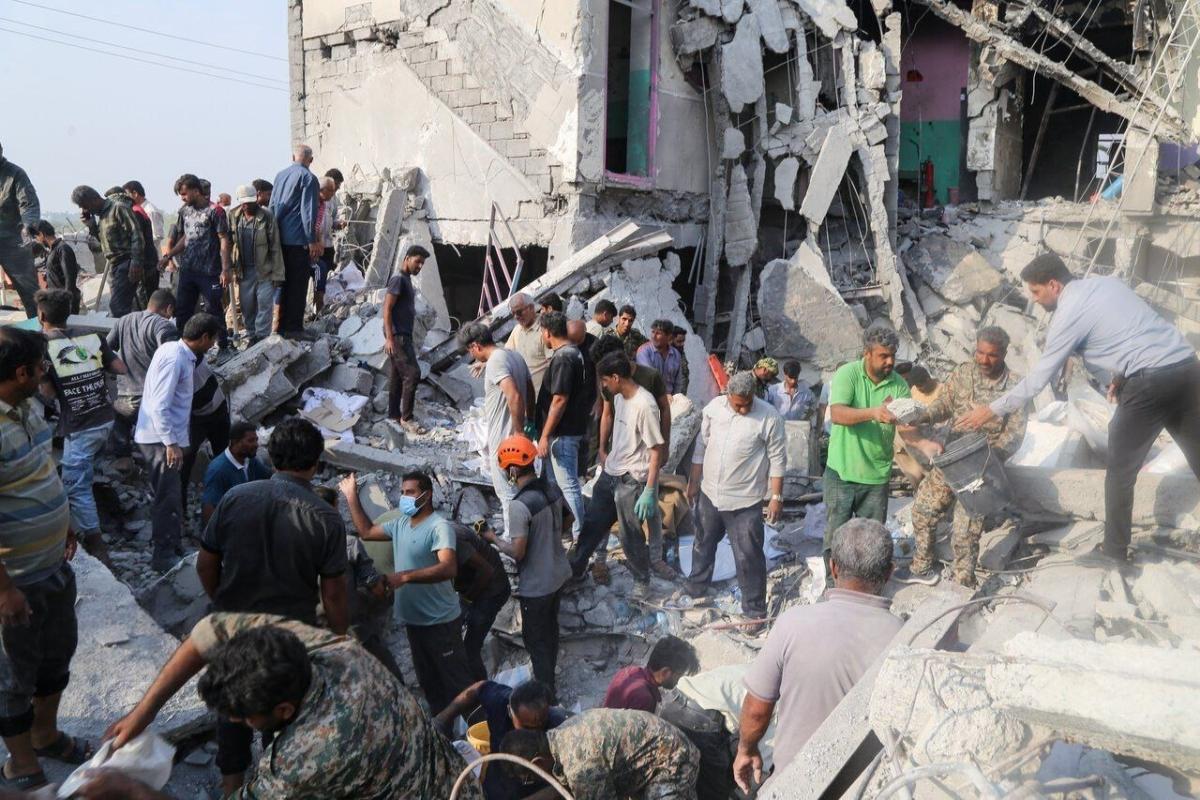
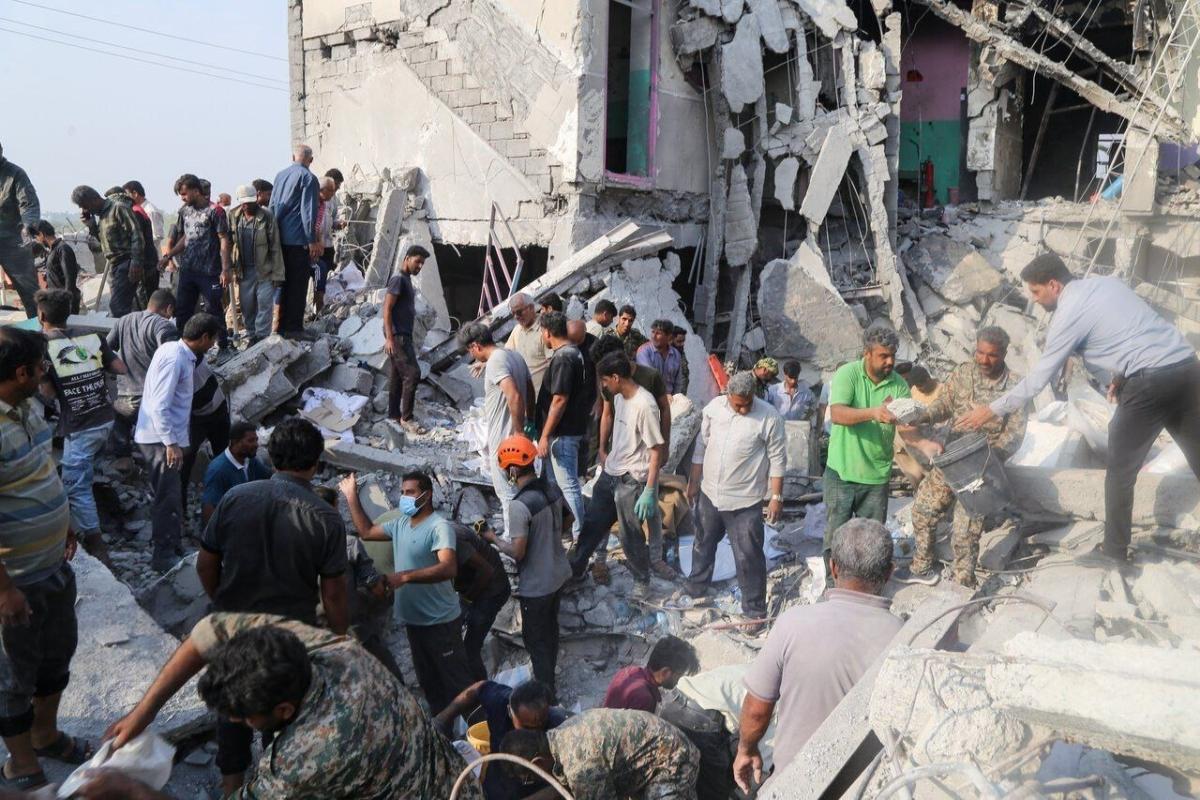
MinabThe United Nations urgently called for civilian protection amid growing violence and instability in the Middle East—and particularly in regard to the ongoing US and Israeli military operations against Iran. The UN urged a thorough investigation into a deadly strike on a girls' school in Iran, and requested the disclosure of all relevant information. The attack in the southern coastal city of Minab reportedly killed 168 people. According to Iran's Ministry of Education, the overwhelming majority of the slain were schoolgirls aged seven to 12. The strike came on the first day of coordinated US and Israeli airstrikes officially targeting Iranian infrastructure and military facilities. (Photo: Mehr via Wikimedia Commons)

Iran
Persian Gulf

Trump sends more troops to Persian Gulf

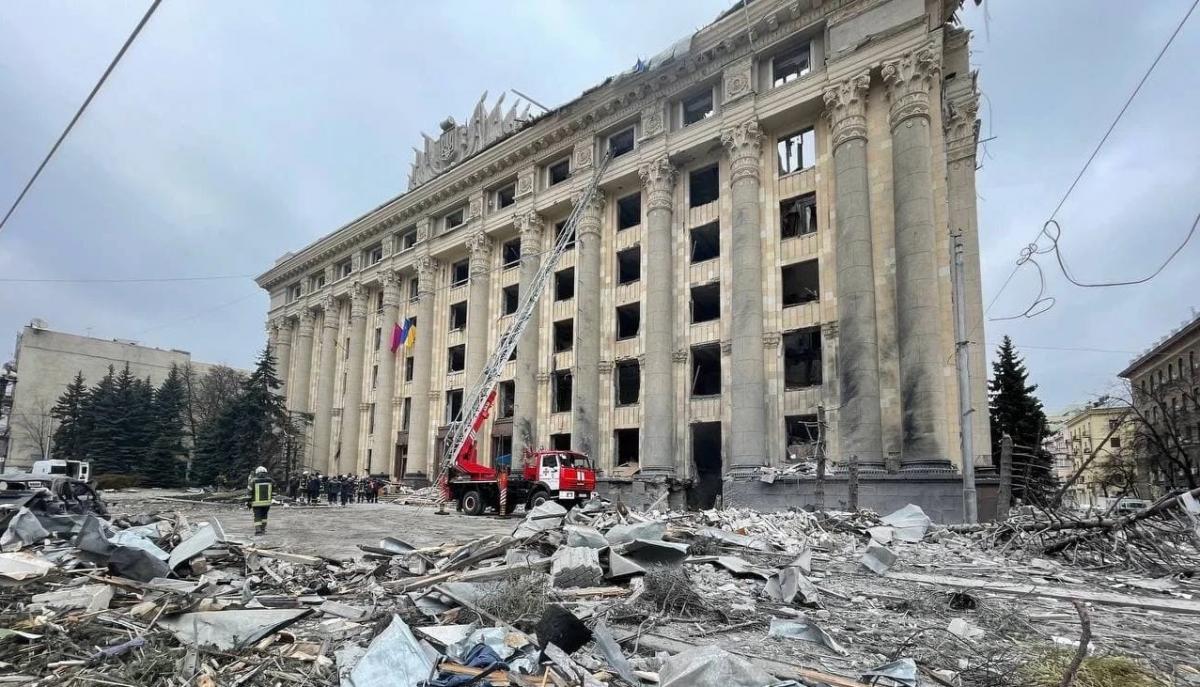
KharkivChief prosecutor for the International Criminal Court (ICC) Karim Khan visited Kharkiv with Ukrainian Prosecutor General Iryna Venediktova to document evidence of war crimes. During his visit Khan called the city a "crime scene," and toured areas hardest hit by Russian bombing. "We must make sure that the whole world sees that the law works," Khan said, promising to prosecute war criminals. Venediktova praised Khan for his visit, saying, "Prosecutors are working even under fire gathering evidence for [Ukrainian and international] courts." Venediktova reports that 760 civilians have been killed, over 1,000 injured, and 4,000 buildings destroyed in Kharkiv oblast due to Russian shelling. (Photo via Wiadomosci)

Syria
troops return to Syria

Trump makes grab for Syrian oil-fields

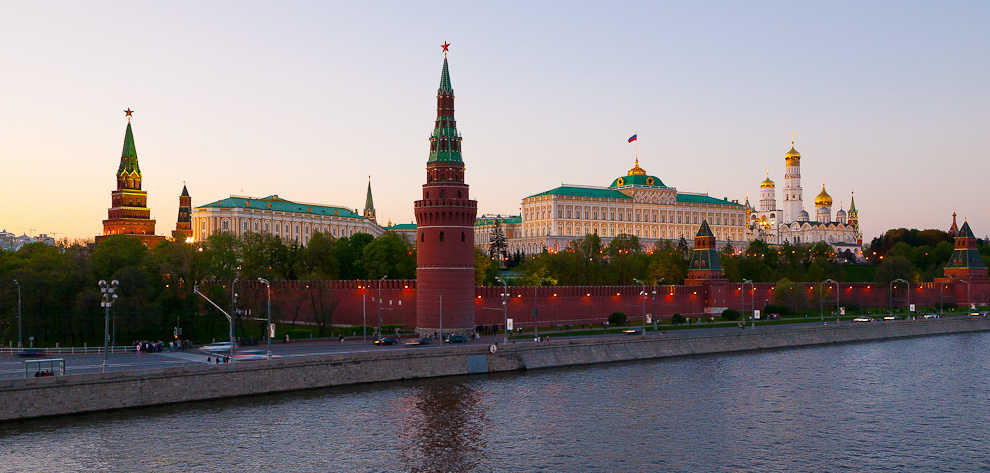
KremlinUN human rights experts decried Russia's conviction of nine International Criminal Court (ICC) officials, calling the ruling a "flagrant violation of international law." After a trial held in absentia, the Moscow City Court sentenced Prosecutor Karim Khan and eight ICC judges under the Russian Criminal Code for "unlawfully prosecuting Russian citizens in The Hague," and subsequently placed them on an international wanted list. Prosecutor Khan received a 15‑year prison term, with the others receiving sentences of between three and 15 years. The case concerns the arrest warrants issued by the ICC for President Vladimir Putin and one of his cabinet members on war crimes charges. (Photo: Wikipedia)

Central Asia
Uighurs

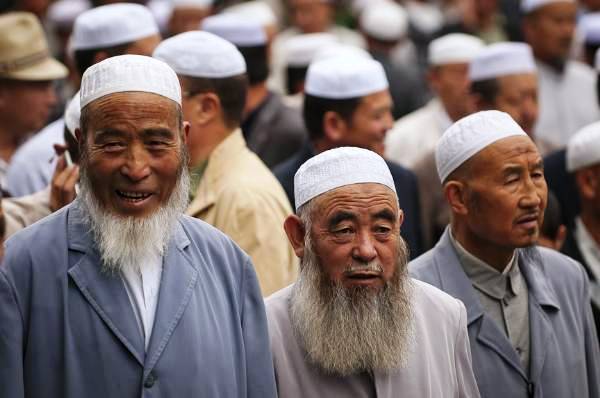
Uighurs as pawns in the Great Game

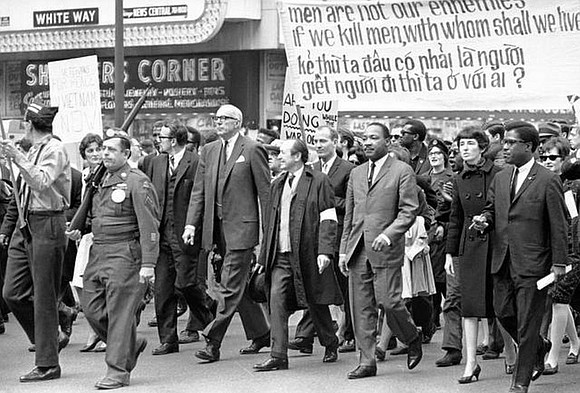
MLKIn Episode 158 of the CounterVortex podcast, Bill Weinberg notes that the Russian Socialist Movement has issued a call for solidarity actions with anti‑war activists in Russia on Jan. 19. This is the date when left activists Stanislav Markelov and Anastasia Baburova were gunned down by far-right militants in Moscow in 2009. Today, the Vladimir Putin regime is persecuting activists such as Alexandra Skochilenko—who faces a long prison term for producing public art on an anti-war theme. Instead of responding to this call for solidarity, the ANSWER Coalition and other exponents of the "tankie" pseudo-left have called a rally against aid to Ukraine, and implicitly in support of Putin and his war aims, for Jan. 14 in locations such as New York's Times Square—perversely, in the name of Martin Luther King. The Ukraine Socialist Solidarity Campaign repudiates this pseudo-anti-war rally, urging: "No exploitation of Dr. MLK Jr. to support war criminal Putin!" Debunking the Russian propaganda that portrays Putin's aggression as a defensive move against NATO encroachment, Weinberg demonstrates that the principles propounded by Dr. King in his courageous dissent from LBJ's criminal war in Vietnam now mandate that we direct our protests at Vladimir Putin. Listen on SoundCloud or via Patreon. (Photo: MLK at anti-war march in Chicago, March 25, 1967, under banner with quote from Vietnamese pacifist Thich Nhat Hanh. Via Portland Observer)

Europe

The Yellow Vests and the carbon wars

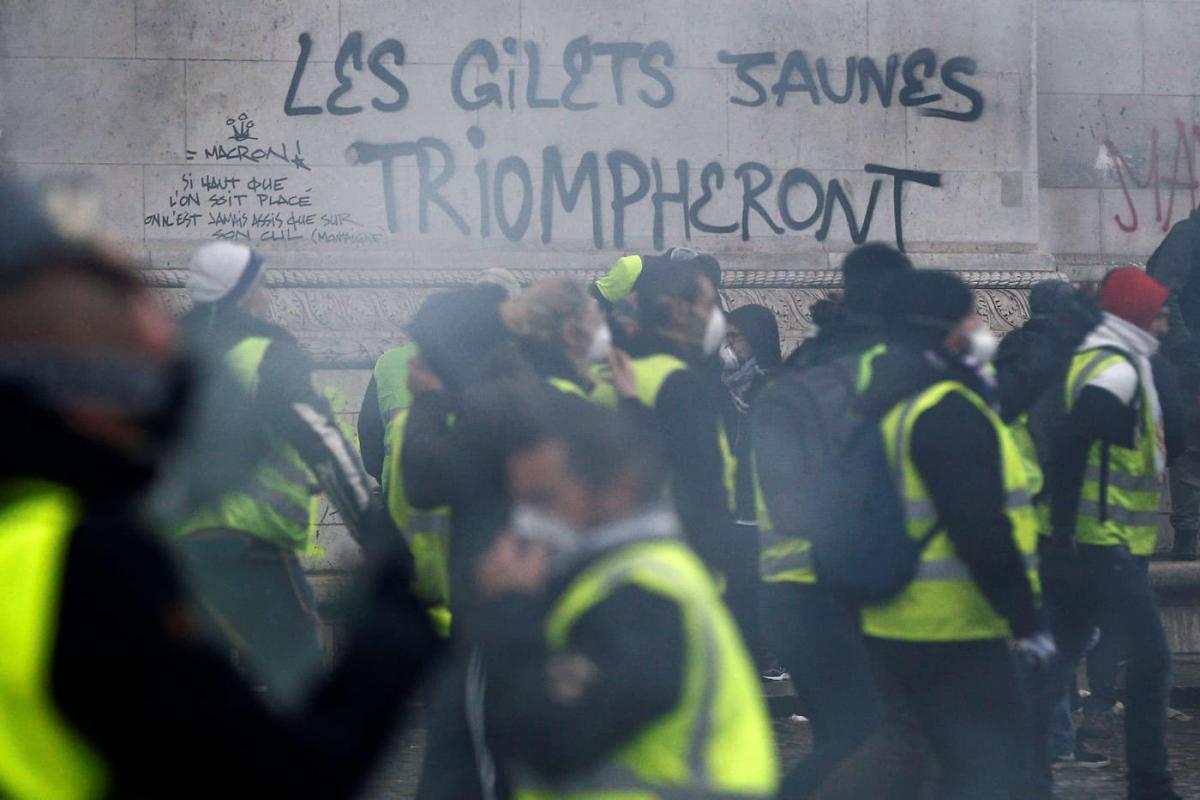
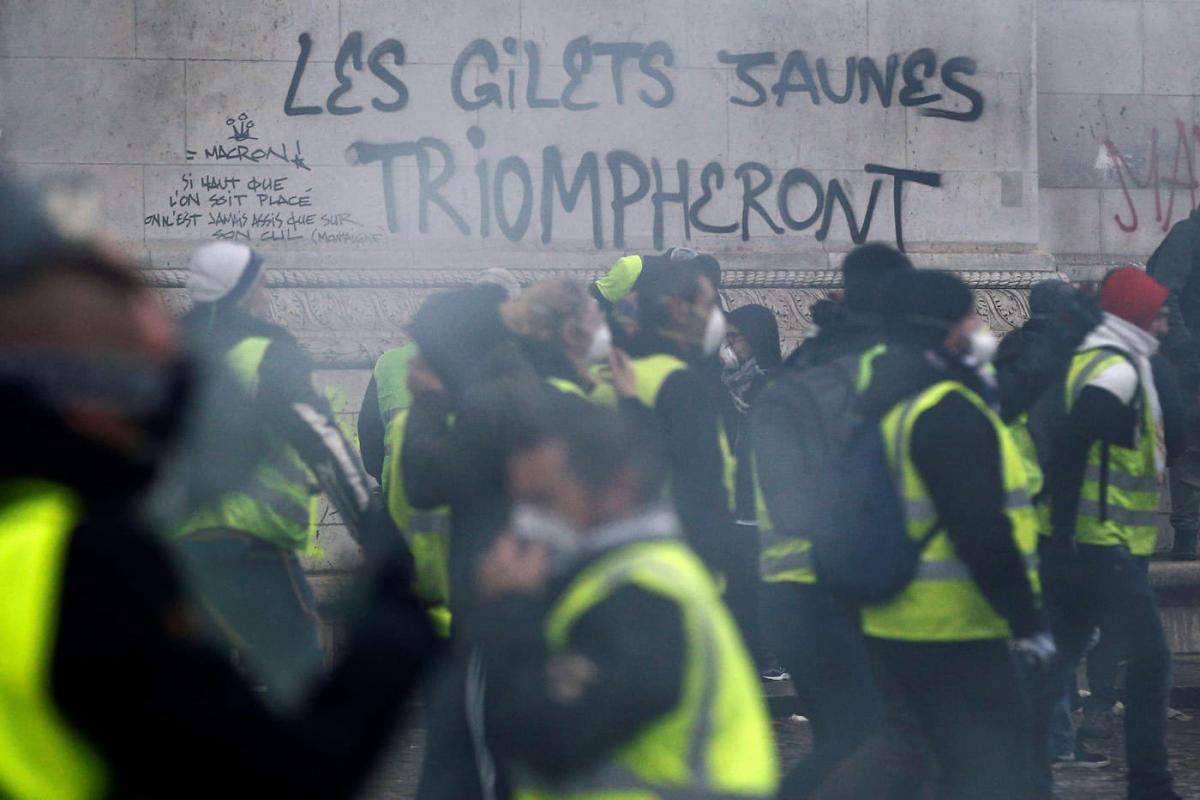
Yellow VestsThe Yellow Vest movement in France scored a victory, as President Emmanuel Macron agreed to suspend a controversial fuel tax after weeks of increasingly violent protests. This may be concretely a win for the working class, but the fact that Macron imposed the tax in the name of reducing carbon emissions has provided fodder for anti-environmental content to the movement. Exploiting this moment, Donald Trump blamed the uprising on the Paris climate accord, tweeting: "The Paris Agreement isn't working out so well for Paris. Protests and riots all over France. People do not want to pay large sums of money, much to third world countries (that are questionably run), in order to maybe protect the environment. Chanting 'We Want Trump!' Love France." (Photo via CrimethInc)