

Greater Middle East
Lebanon

UN sees potential Israeli ‘war crimes’ in Lebanon

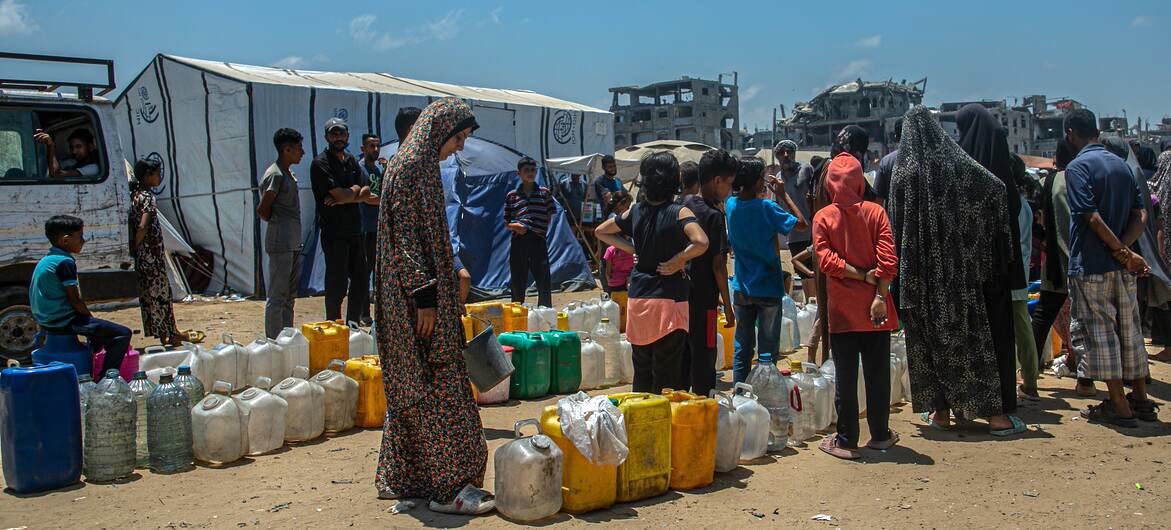
The UN Human Rights Office stated that Israeli strikes on homes and civilian infrastructure in Lebanon may constitute war crimes. The statement came as Israel intensifies its military campaign on the territory of its northern neighbor amid the broader conflict spreading across the Middle East. Thameen Al-Kheetan, spokesperson for the UN High Commissioner for Human Rights, said that Israeli strikes in Lebanon have killed hundreds, including children, and destroyed homes and healthcare facilities, while Hezbollah rockets have injured civilians in Israel. Mass displacement has forced families into overcrowded areas, with access to healthcare, food and education severely disrupted. (Image via Flickr)

Iran
Iran protest

Podcast: neither MAGA-fascism nor Islamic Republic

As Trump and Netanyahu rain death down on Iran, the ayatollah regime paints any would-be protesters as pawns of the “enemy” and promises deadly repression. This positions the civil opposition poorly for any resumption of the uprising that the regime drowned in blood mere weeks ago—and points to the paradoxical reality that Trump and the regime are de facto (at least) collaborators against the Iranian people. In Episode 318 of the CounterVortex podcast, Bill Weinberg repudiates both those who would rally around the reactionary and criminal regime in the name of opposing the US-Israeli aggression and those who would rally around Trump’s reckless and criminal war in the interest of opposing the regime. Instead, he offers statements from Iran’s anarchist and dissident-left opposition that continue to advance an uncompromising neither/nor position. (Photo of Berlin protest via Instagram)

Syria
Damascus

UN Commission on Syria: protect civil society

The UN Human Rights Council’s Commission of Inquiry on Syria (COI) announced that it completed an in-country mission to Damascus as it prepares to brief the Council in Geneva. The commissioners said they were encouraged by the growth of Syrian civil society organizations, including groups returning from exile. Still, they noted continued barriers and fears, and urged conditions that would allow civil society to operate “without restriction.” There remain legal questions about whether and to what degree authorities will tolerate independent documentation, advocacy, and victim participation, which are needed elements for credible truth-seeking, reparations design, and institutional vetting. (Image: Damascus protest against Israeli intervention in Syria. Credit: The Syria Campaign via Facebook)

Palestine
Jerusalem

UN report: Gaza genocide ‘spills into West Bank’

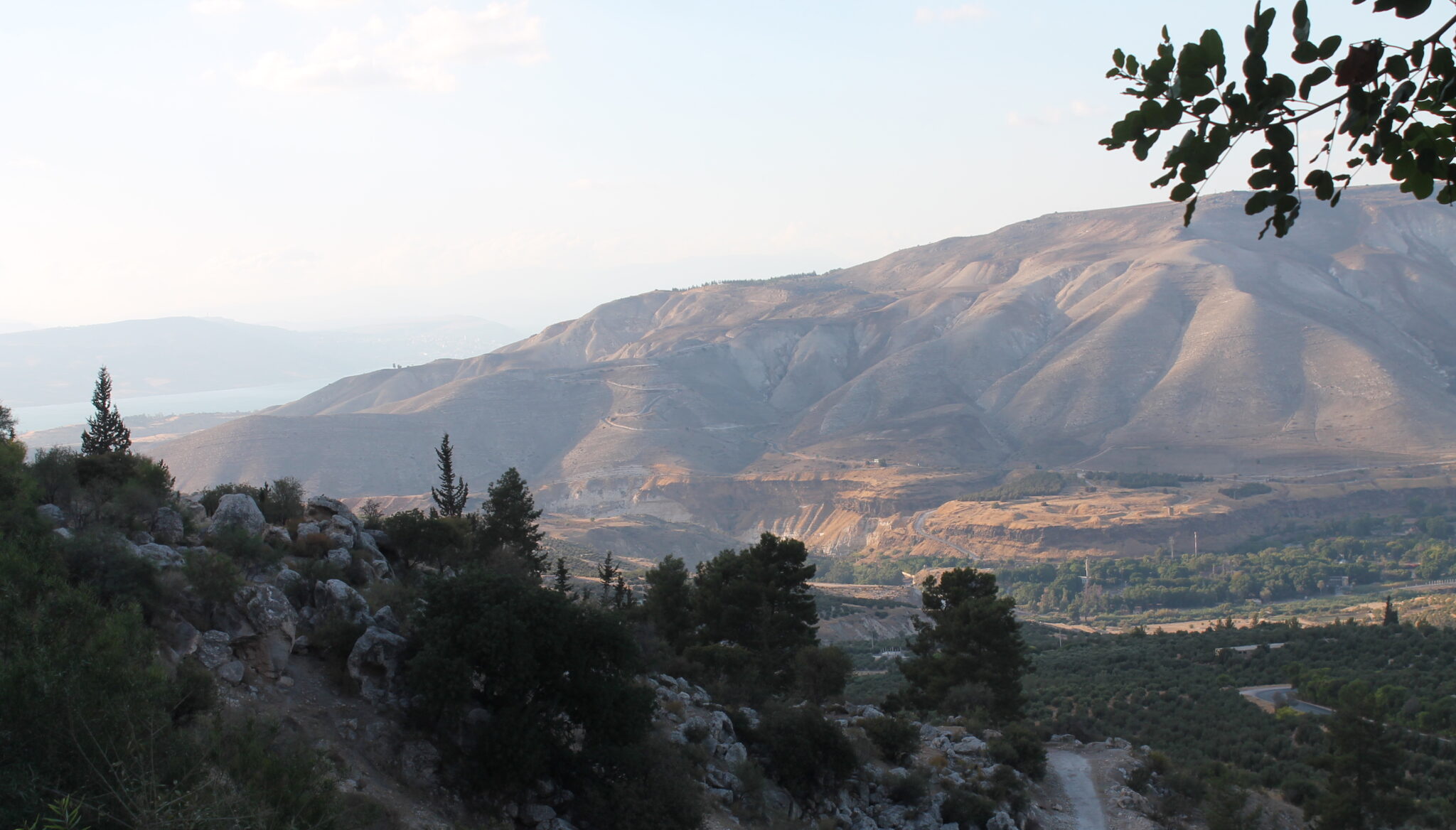
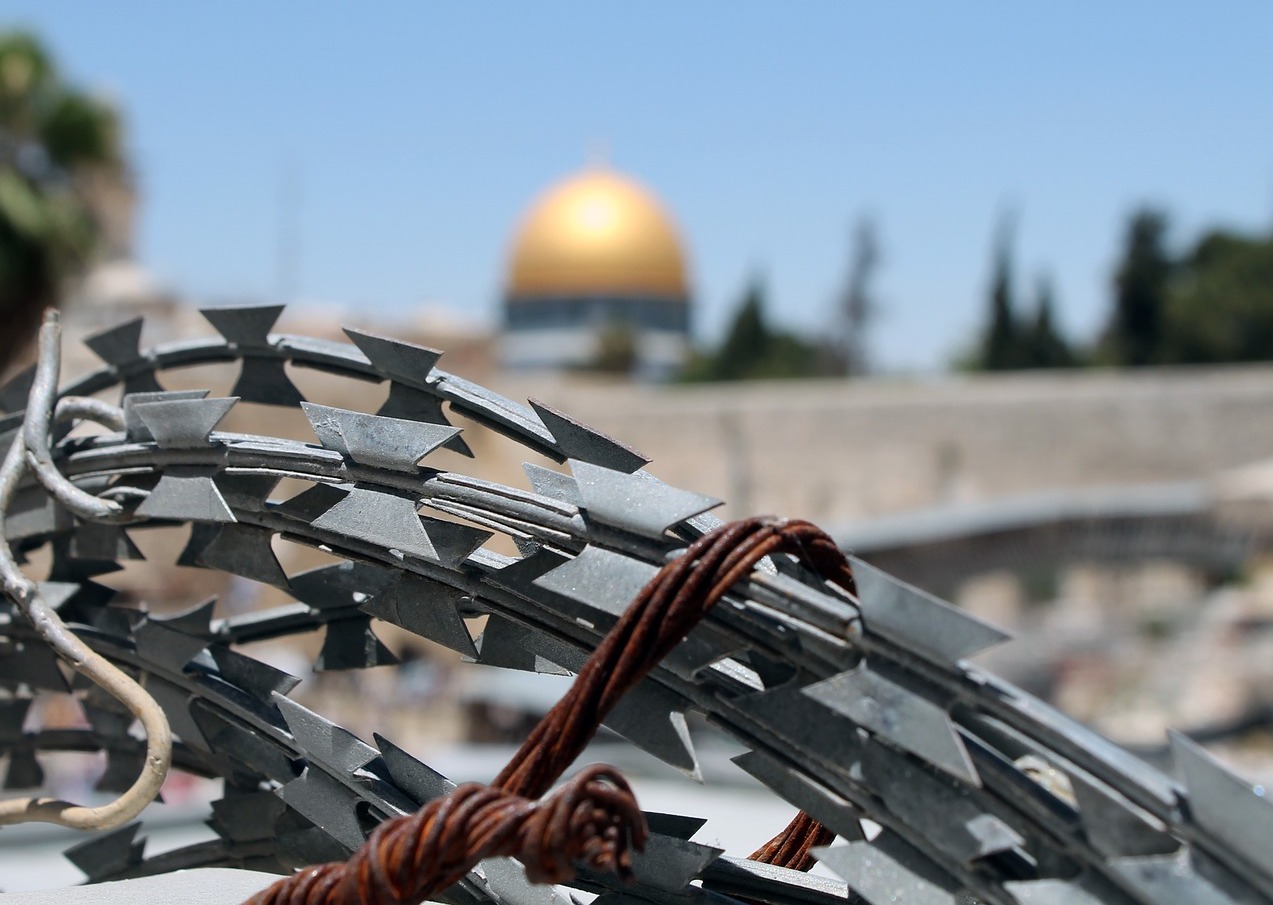
A group of UN experts warned that the genocide in Gaza is spilling into the West Bank as a wider war engulfs the region. The experts argue that Israeli policy is designed to coerce Palestinians to leave in both territories. The report also covered occupied East Jerusalem, finding: “Israel is accelerating measures that alter Jerusalem’s demographic composition, religious character and legal status, destroying the remnants of the pluralistic fabric that Jerusalem has represented for centuries, for Muslims, Christians and Jews… What is being done to this world symbol of spiritual coexistence and shared heritage is irreversible.” (Photo: RJA1988 via Jurist)

Greater Middle East
Minab

UN demands civilian protection amid Middle East escalation

The United Nations urgently called for civilian protection amid growing violence and instability in the Middle East—and particularly in regard to the ongoing US and Israeli military operations against Iran. The UN urged a thorough investigation into a deadly strike on a girls’ school in Iran, and requested the disclosure of all relevant information. The attack in the southern coastal city of Minab reportedly killed 168 people. According to Iran’s Ministry of Education, the overwhelming majority of the slain were schoolgirls aged seven to 12. The strike came on the first day of coordinated US and Israeli airstrikes officially targeting Iranian infrastructure and military facilities. (Photo: Mehr via Wikimedia Commons)

Iran
Iran

Did US-Israel attack on Iran abort nuclear deal?

The coordinated US-Israel military strikes on Iran began 48 hours after the conclusion of a third round of US-Iran indirect nuclear negotiations in Geneva, mediated by Oman, that had produced what multiple parties described as an unprecedented breakthrough. Omani Foreign Minister Badr Albusaidi told CBS News the day before the strikes began that Iran had agreed to zero stockpiling of enriched uranium, with existing stockpiles to be down-blended to the lowest possible level and converted into reactor fuel under full International Atomic Energy Agency (IAEA) verification. “The single most important achievement, I believe, is the agreement that Iran will never, ever have a nuclear material that will create a bomb,” Albusaidi said, describing the understanding as stronger than the 2015 Joint Comprehensive Plan of Action (JCPOA) negotiated under Obama. (Image: Grunge Love via Flickr)

Iran
Iran

US preparing to strike Iran?

The Trump White House appears close to launching military strikes on Iran. The US is amassing a large strike force in the Middle East, including two aircraft carriers, over a dozen warships, and advanced fighter jets, suggesting preparations for a prolonged war. After first threatening military action in January during a protest crackdown in Iran that killed thousands, US officials now say a decision could come within days or weeks, depending on the outcome of now-stalled negotiations over Iran’s uranium enrichment and missile development programs. Israeli Prime Minister Benjamin Netanyahu has said any deal must dismantle both programs. Iran’s leaders may view forfeiting these means of deterrenceagainst foreign intervention as more dangerous than a war. (Map: PCL)

Syria
Syria

UN Security Council briefed on Syria transition

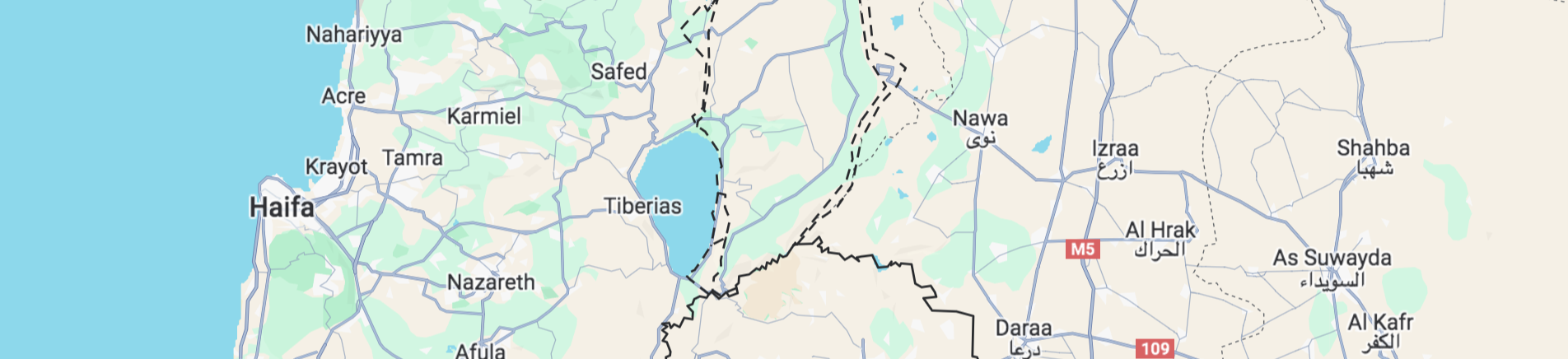
Senior UN officials told the Security Council that Syria’s fragile political transition has gained momentum following a landmark agreement between Damascus and Kurdish authorities in the northeast. Still, they warned that renewed violence in the south, Israeli incursions, and deep humanitarian needs continue to underscore the precarious path to stability. (Map: PCL)

Planet Watch
Board of Peace

Trump’s global imperial court

When US President Donald Trump first proposed establishing a so-called “Board of Peace” to oversee governance of the Gaza Strip for a transitional period back in September, the idea was quickly likened to a form of colonial takeover. The UN nonetheless adopted a Security Council resolution in November giving its blessing to the board’s creation—a vote some member states may now regret. The board was just officially inaugurated in a ceremony in Davos, Switzerland, where Trump was attending the World Economic Forum. But Gaza seems almost incidental to its true mission, which appears to be creating a global strongmen’s club—led by Trump, potentially for life—to rival, if not replace, the UN itself. (Image via Wikipedia)

Southeast Asia
Rohingya refugees

Burma begins defense in ICJ genocide case

Burma began its defense before the International Court of Justice in the ground-breaking genocide case brought by the Gambia, rejecting all allegations of genocide against the Muslim Rohingya minority. The case opened in November 2019, when the Gambia brought proceedings against Burma under to the Genocide Convention. In 2020, Burma was ordered to halt and prevent all genocidal acts against the Rohingya. The Gambia’s case against Burma is the first instance in which a state not affected by the facts at issue has brought proceedings under the Genocide Convention. The case serves as important precedent for South Africa’s application against Israel, which charges that Israel’s actions against Palestinians amount to genocide. (Photo: VOA via Jurist)

Palestine
Jerusalem

UN rights chief urges Israel to drop death penalty bill

UN High Commissioner for Human Rights Volker TĂĽrk urged the Israeli government to abandon proposed legislation that would mandate death sentences exclusively for Palestinians in specific cases—for crimes committed both in Israel and the Occupied Palestinian Territory. TĂĽrk stated that the legislation is “inconsistent with Israel’s obligations'” under the International Covenant on Civil & Political Rights. He also raised concerns over the “introduction of mandatory death sentences, which leave no discretion to the courts, and violate the right to life.” The rights chief asserted that Israel has frequently violated the fair trial protections enshrined in the Fourth Geneva Convention for Palestinians in the West Bank or Gaza, adding that this “amounts to a war crime.” (Photo: RJA1988 via Jurist)

Africa
Somaliland

Somaliland and Western Sahara: forbidden symmetry

Israel has become the first country on Earth to recognize the de facto independent Republic of Somaliland, in exchange for a commitment from Somaliland to join the Abraham Accordsand recognize Israel. However, not three years ago, Israel joined the US as the only two countries on Earth to recognize Morocco’s claim to sovereignty over the disputed territory of Western Sahara—a betrayal of the occupied Sahrawi Arab people who seek an independent state. And of course both these deals constitute a betrayal of the Palestinians. Somaliland and the Sahrawi Arab Democratic Republic should be natural allies, and instead they are being pitted against each other in the Great Power game. Yet another example of how a global divide-and-rule racket is the essence of the state system. In Episode 311 of the CounterVortex podcast, Bill Weinberg breaks it down. (Photo: Horn Diplomat via Wikipedia)