Greater Middle East
suez

ISIS militants ‘besiege’ targets near Suez Canal

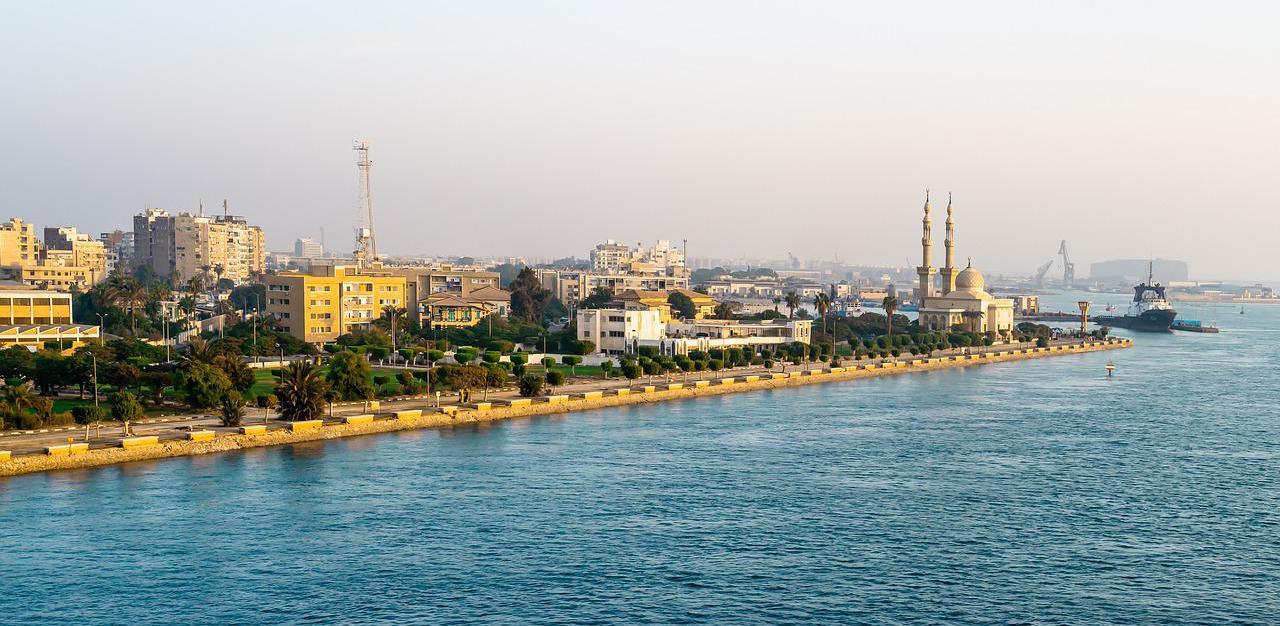
Dozens of militants believed to be associated with the Islamic State’s “Sinai Province” (Wilayat Sinai) attempted to besiege targets including power transformers and railway facilities in the city of El Qantara Sharq, on the eastern bank of Egypt’s Suez Canal. The militants barred access to the sites, but dispersed as security forces advanced. Attacks by the ISIS affiliate have been mounting in the Sinai Peninsula. In May, militants attacked a water station near the Canal, killing 16 members of the military force guarding it. (Photo: Pixaby)
Africa
Mali

Mali massacre: jihadism or ethnic war?

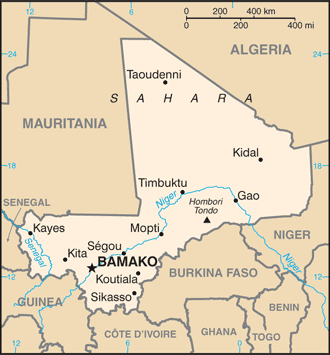
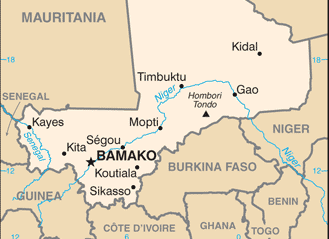
Scores of Malians demonstrated in the town of Bankass, in central Mopti region, to demand state protection after more than 130 civilians were killed by presumed jihadist militants in three villages over the past days. The massacres in the localities are said to have been carried out by the Katiba Macina, a militant group led by Fulani preacher Amadou Kouffa. The gunmen burned huts and stole cattle in addition to killing villagers. The Katiba Macina is apparently an offshoot of the Qaeda-aligned Group for Support of Islam & Muslims (JNIM). However, in Mopti region, traditionally known to the Fulani as Macina, the violence appears to have taken on an ethnic cast. In March 2019, more than 160 Fulani civilians were massacred at the village of Ogossagou. Fulani were also targeted in an April 2022 massacre attributed to Russian mercenaries from the Wagner Group. (Map: PCL)Afri

Iraq
Rojava

Podcast: Rojava and Ezidikhan in the Great Game

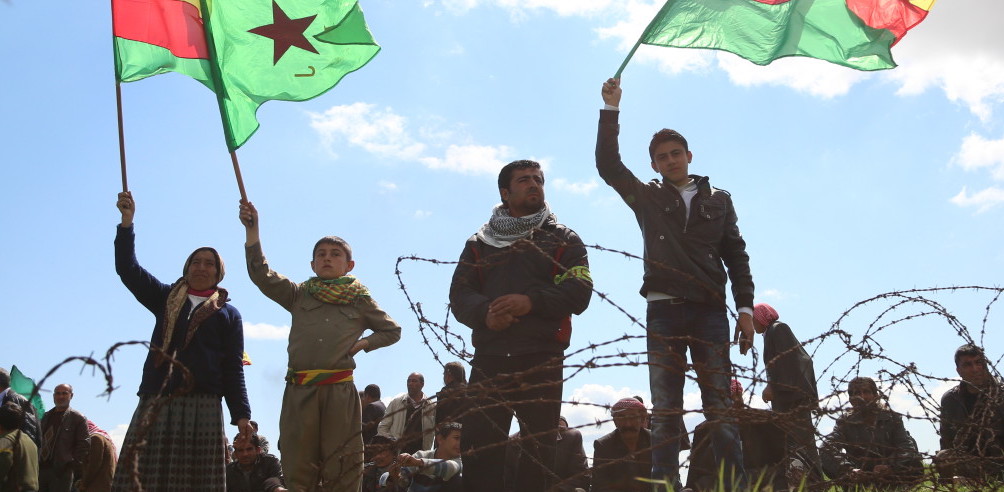
In Episode 127 of the CounterVortex podcast, Bill Weinberg notes that the Kurdish-controlled Syrian city of Kobani, which became a global icon of resistance to ISIS in 2014, is now under threat of Turkish aggression. The Syrian Kurds were betrayed in 2019, when their autonomous zone of Rojava was greatly reduced by Turkey’s first thrust into their territory. Erdogan is now threatening to extinguish it altogether, and incorporate all of Rojava into his “security zone.” There is growing speculation that the US could “green light” this aggression in exchange for Turkey dropping its objections to Sweden and Finland joining NATO. Meanwhile, the Yazidis of northern Iraq, who were subjected to genocide at the hands of ISIS in 2014, now face extermination of their hard-won autonomous zone of Ezidikhan at the hands of Baghdad’s military—acting under pressure from Turkey. Great Power meddling in Syrian and Iraqi Kurdistan alike is pitting the peoples of the region against each other, portending a disastrous Arab-Kurdish ethnic war. How can activists in the West help break this trajectory? Listen on SoundCloud or via Patreon. (Photo: Rojava Solidarity NYC)

Iraq
ybs

Iraq: thousands displaced in new battle for Sinjar

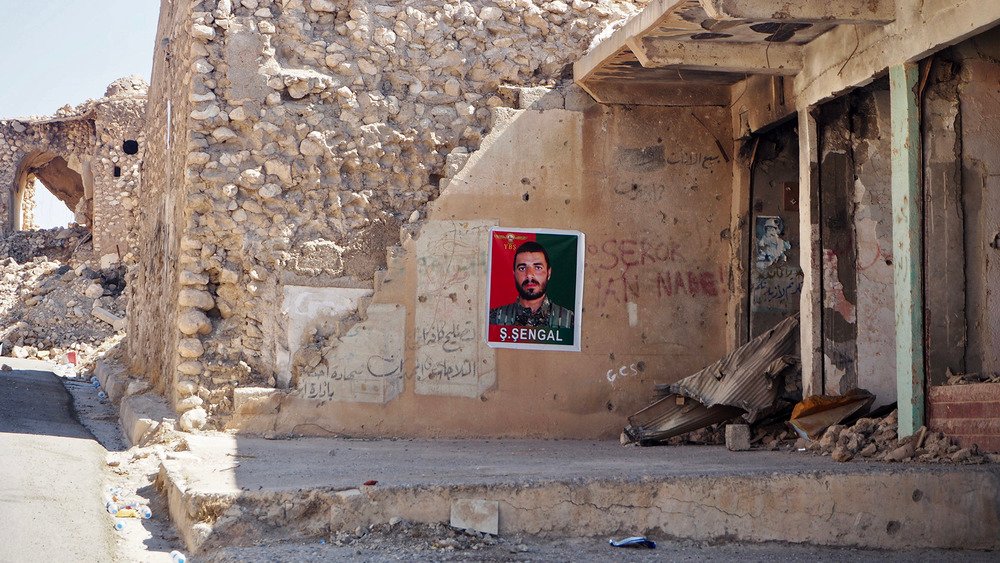
Clashes between the Iraqi military and a local Yazidi militia have forced more than 3,000 people to flee the northern town of Sinjar. Fighting erupted when the military launched an operation to clear the area of the Sinjar Resistance Units (YBS), a militia with ties to the Kurdistan Workers Party (PKK). Many of those displaced are Yazidis who survived the 2014 Islamic State genocide against the ethnicity. They are now distributed in camps across Iraq’s Kurdish region. In 2020, Baghdad and the Kurdistan Regional Government (KRG) signed a pact to restore their joint control to the autonomous Yazidi enclave, known as Ezidikhan. The deal has not been implemented until now, despite growing pressure from Turkey, which has carried out intermittent air-strikes on the Sinjar area. (Photo: A poster commemorating a slain YBS fighter on a bombed-out building in Sinjar. Credit: TNH)

Africa
Somalia

Podcast: Somalia in the Great Game

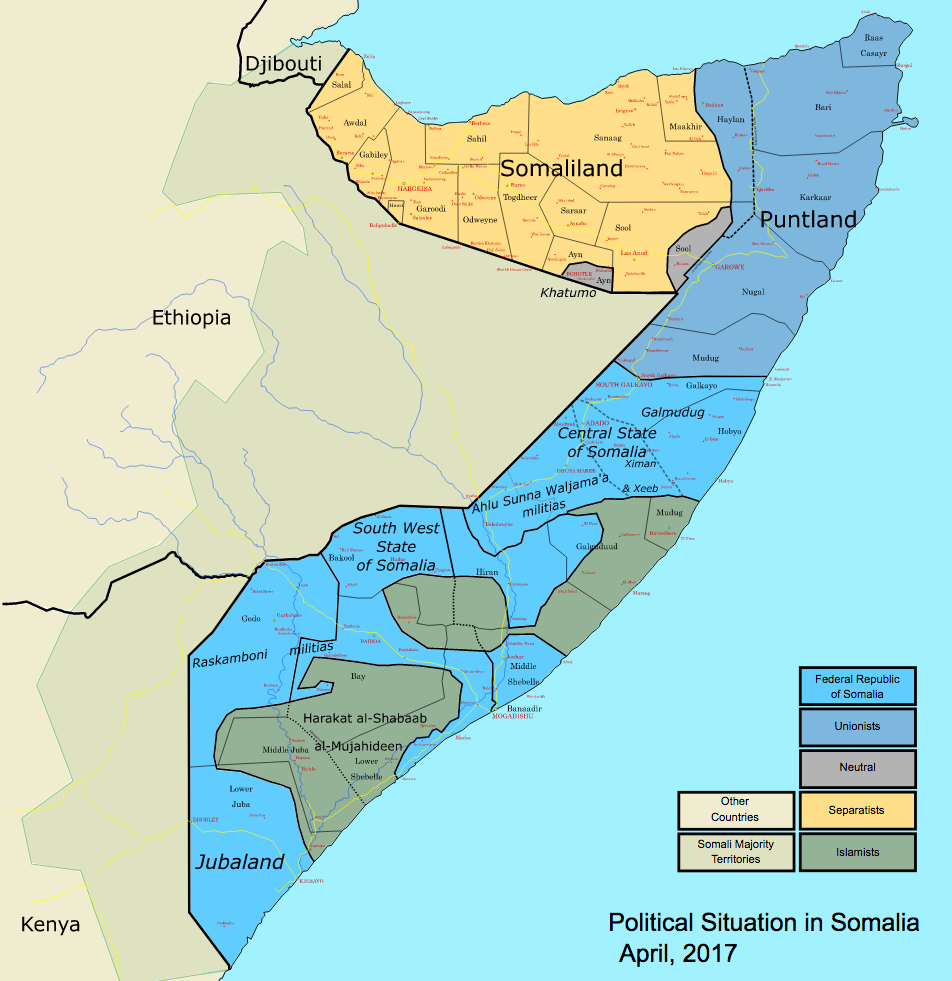
In Episode 122 of the CounterVortex podcast, Bill Weinberg examines the ongoing conflict in Somalia in light of both climate change and Great Power politics. Despite a pseudo-withdrawal of US forces, the Pentagon continues drone strikes against the Shaabab insurgents—as the Horn of Africa faces it worst drought in a generation, with millions on the brink of extreme hunger and possible starvation. A paradox of the situation is that “government-controlled” Somalia (the southern third of the country) is not controlled by any government, but wracked by insurgency. In contrast, the unrecognized de facto independent state of Somaliland in the north is a bastion of comparative stability and even social progress. Reports of Russian designs on Somaliland as a potential site for a naval base threaten to draw it into the imperial contest for control of the strategic Horn. Progressives in the West can demand international recognition for an independent and non-aligned Somaliland. We can also loan solidarity to the Sufi resistance now fighting both the Shaabab and the “recognized” Mogadishu quasi-government. Most importantly, we can support the secular and pro-democratic voices of civil society that are standing up for human rights and basic freedoms at great risk to themselves, and in spite fo everything. Listen on SoundCloud or via Patreon. (Map via Wikimedia Commons)

South Asia
Kashmir

Protests in Baltistan amid Pak political crisis

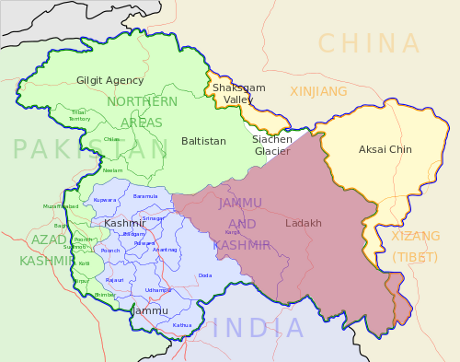
Pakistan has seen mass mobilizations both in protest and celebration since parliament voted to remove Imran Khan as prime minister. Opposition to Khan has especially been mounting in the remote and contested Himalayan region of Baltistan, with residents demanding the return of properties they say have been usurped by local officials. Protesters accuse the Khan administration of illegal and forceful acquisition of their properties on behalf of “land mafias” dominated by regional oligarchs. (Map via Wikipedia)

Africa
Mali

Russian mercenaries accused in Mali massacre

Malian armed forces and associated foreign soldiers are believed to have summarily executed an estimated 300 civilian men in a town they occupied in late March, Human Rights Watch says in a new report, calling it “worst single atrocity reported in Mali’s decade-long armed conflict.” The men were detained at a marketplace in the central town of Moura, Mopti region, during a military raid. Army troops and foreign soldiers—identified by several sources as Russians—are said by witnesses and survivors to have broken the detainees up into small groups and marched them to an area outside town before putting them to death. The Malian regime is battling an insurgency by jihadist militants linked to ISIS and al-Qaeda with the help of private military contractors from Russia’s Wagner Group. (Map: PCL)

Palestine
Israeli police

Israel: detention of ‘terror suspects’ without charge

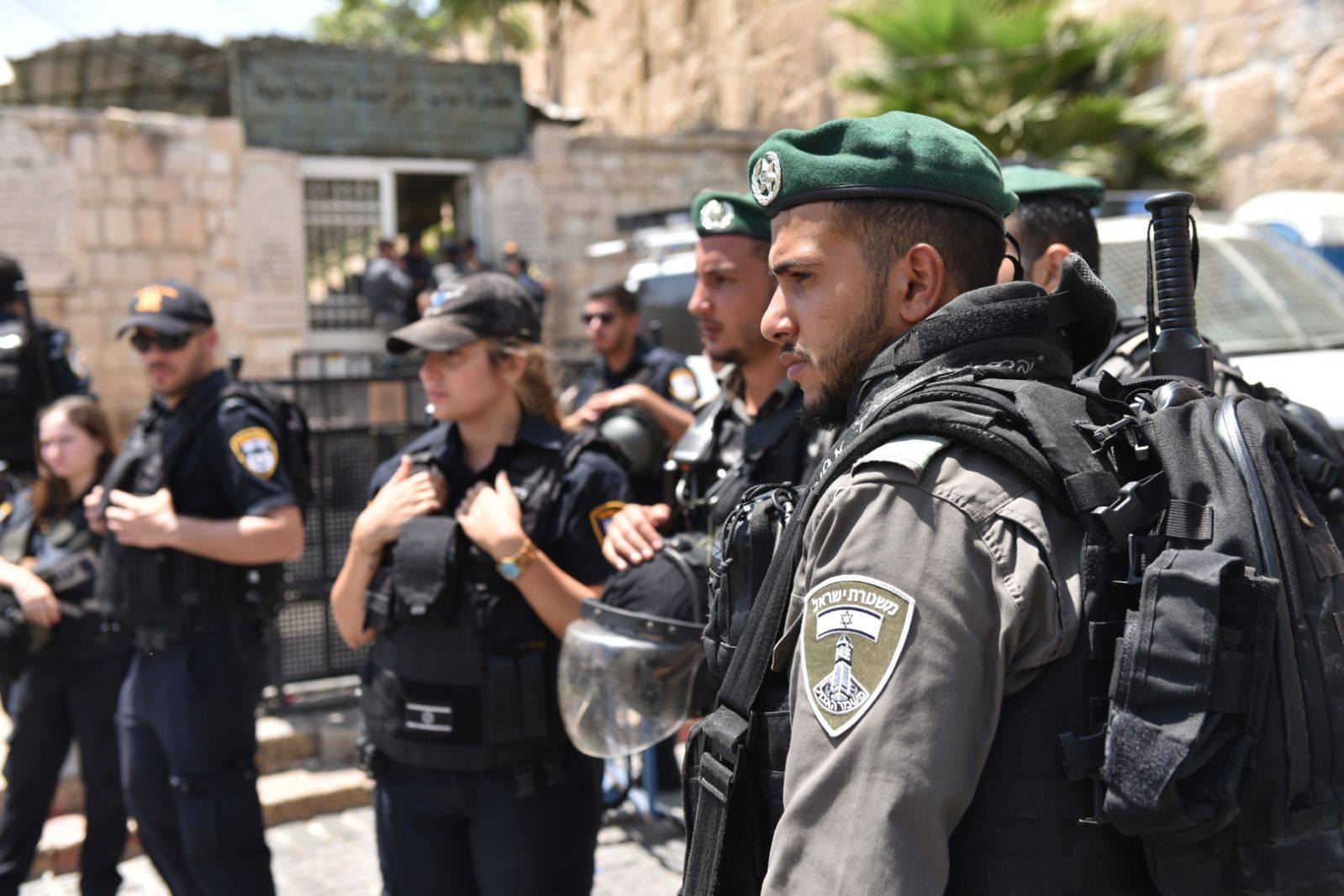
Israeli Prime Minister Naftali Bennett instructed security services to hold “terror suspects” in “administrative detention,” even without charge. The order extends to Palestinians in Israel a policy long applied to Palestinians on the West Bank. Bennett cited “a new situation that requires suitable preparations and adjustment by the security services to the circumstances within which extremist elements of Arab society, directed by extremist Islamic ideology, are carrying out terror attacks and taking lives.” The order follows deadly attacks by Israeli citizens who were said to be supporters of the so-called “Islamic State.” (Photo: Wikimedia)

Africa
mali-hunger-displacement

Mali: crisis deepens as foreign forces withdraw

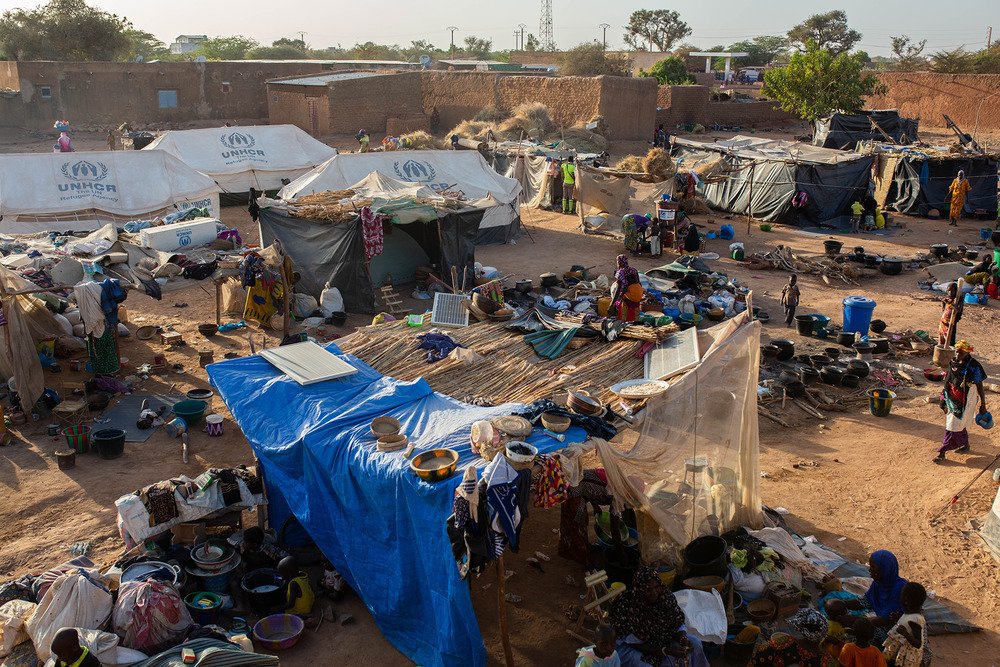
France and allied European countries are withdrawing their military forces from Mali after diplomatic relations broke down with the ruling junta that came to power in last year’s coup d’etat. The junta has meanwhile reportedly welcomed in hundreds of mercenaries from the Russian Wagner Group. The diplomatic crisis has overshadowed a worsening humanitarian emergency that has seen severe hunger hit the highest level since 2013, when the seizure of large parts of the country by jihadist rebels prompted the French intervention. Over 350,000 people have now fled violence linked to jihadist groups aligned to al-Qaeda and the so-called Islamic State—a nearly 70% increase from early 2020. (Photo of Mali displaced persons camp: The New Humanitarian)

Afghanistan
afghanwomen

Afghanistan: Taliban repress women’s protest

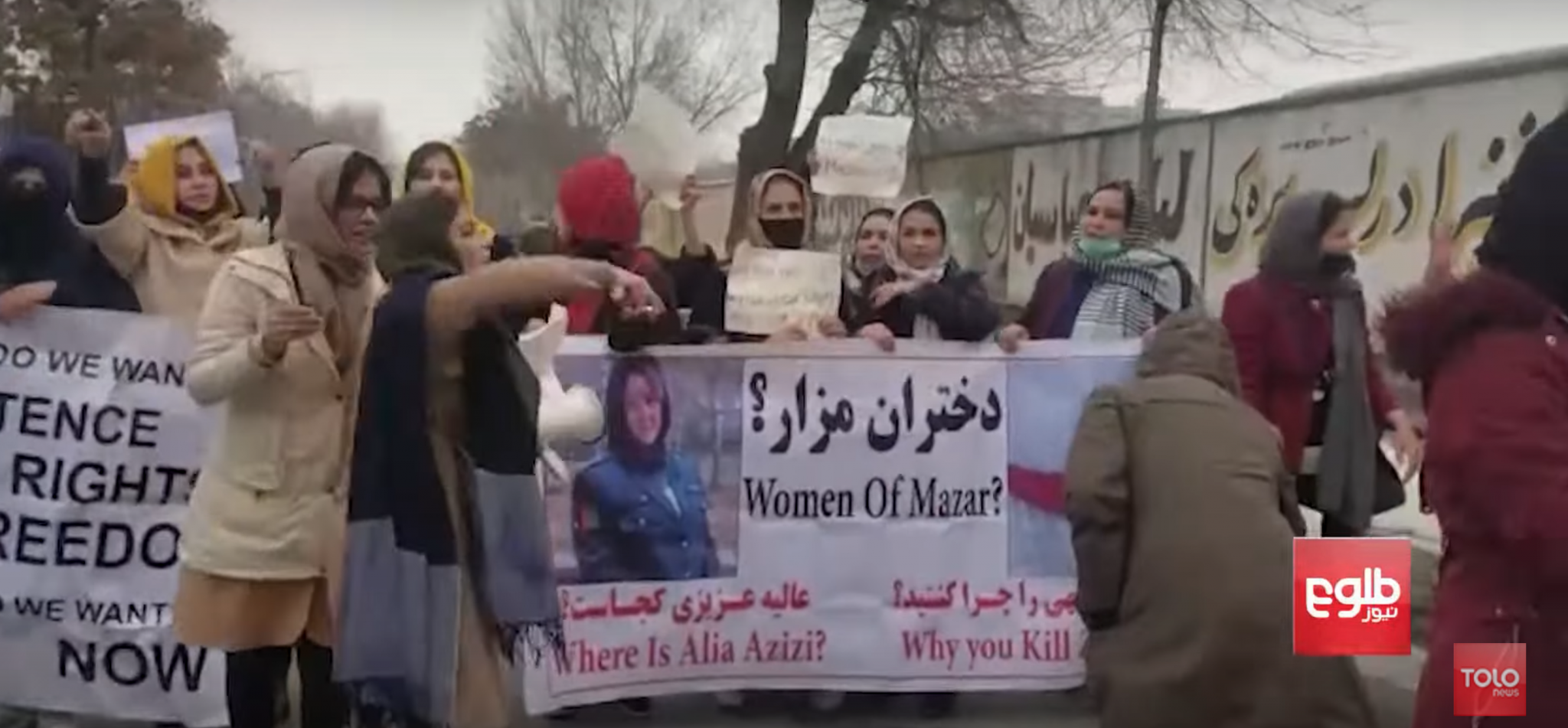
Taliban fighters—now acting as the security forces of the self-declared “Islamic Emirate of Afghanistan”—used tear-gas to break up a protest by women in Kabul, called under the banner of “Rights and Freedom Now.” The small demonstration in the vicinity of Kabul University especially called attention to two incidents in recent days—the detention of three women activists at a protest in the northern city of Balkh, in Mazar province, who have yet to be released; and the slaying of two young women of the Hazara ethnic minority by Taliban gunmen at a checkpoint in Kabul. In the continuing protests since the Taliban seizure of power, women have been in the vanguard. (Photo: TOLO News)

Africa
uganda

Uganda-DRC joint offensive against ISIS franchise

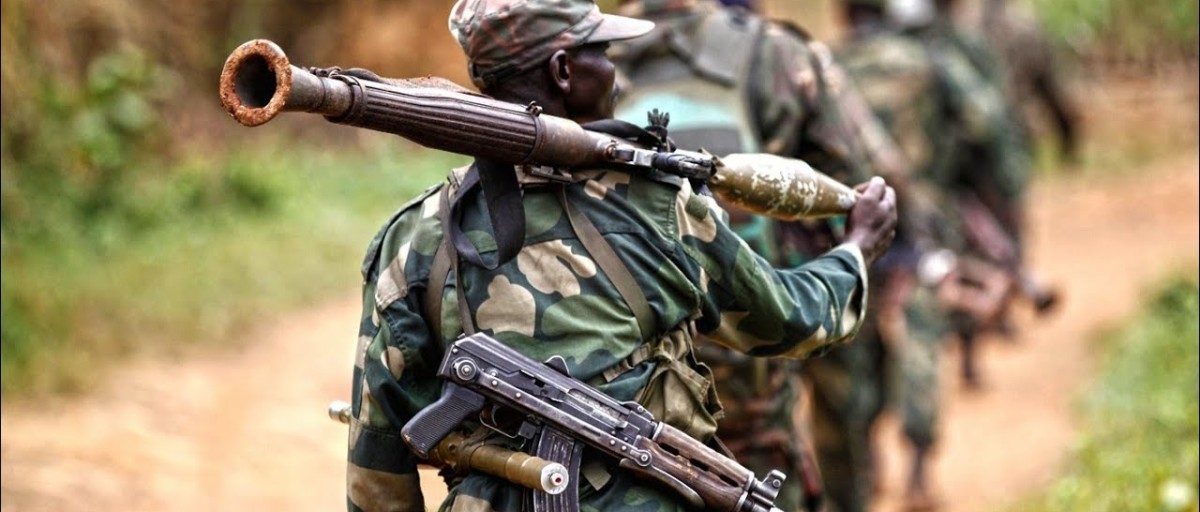
Uganda and the Democratic Republic of Congo are continuing to pursue a joint military offensive launched late last month against the Allied Democratic Forces (ADF), a rebel group that is now said to be integrated into the Islamic State Central Africa Province (ISCAP). The ironically named ADF has carried out a string of recent attacks in Uganda, and has for years been terrorizing the DRC’s North Kivu province. The Ugandan and DRC militaries say they have captured some 35 fighters and “neutralized” four rebel camps. The campaign has included air raids and artillery strikes. (Photo via Africa Institute for Security Studies)

Afghanistan
afghanistan

Afghanistan: Taliban kill, ‘disappear’ ex-officials

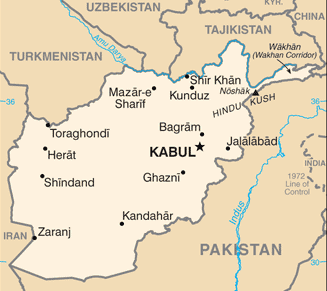
Taliban forces in Afghanistan have summarily executed or forcibly disappeared more than 100 former police and intelligence officers in just four provinces since taking over the country in August, despite a proclaimed amnesty, Human Rights Watch charges. The report, ‘No Forgiveness for People Like You’—Executions and Enforced Disappearances in Afghanistan under the Taliban, documents the killing or disappearance of 47 former members of the Afghan National Security Forces (ANSF)—military personnel, police, intelligence service members, and militia—who had surrendered or were apprehended by Taliban forces. HRW gathered credible information on more than 100 killings from Ghazni, Helmand, Kandahar, and Kunduz provinces alone. (Map: Perry-Castañeda Library)