Afghanistan
warplane

US allies maintain lead over Taliban in civilian deaths
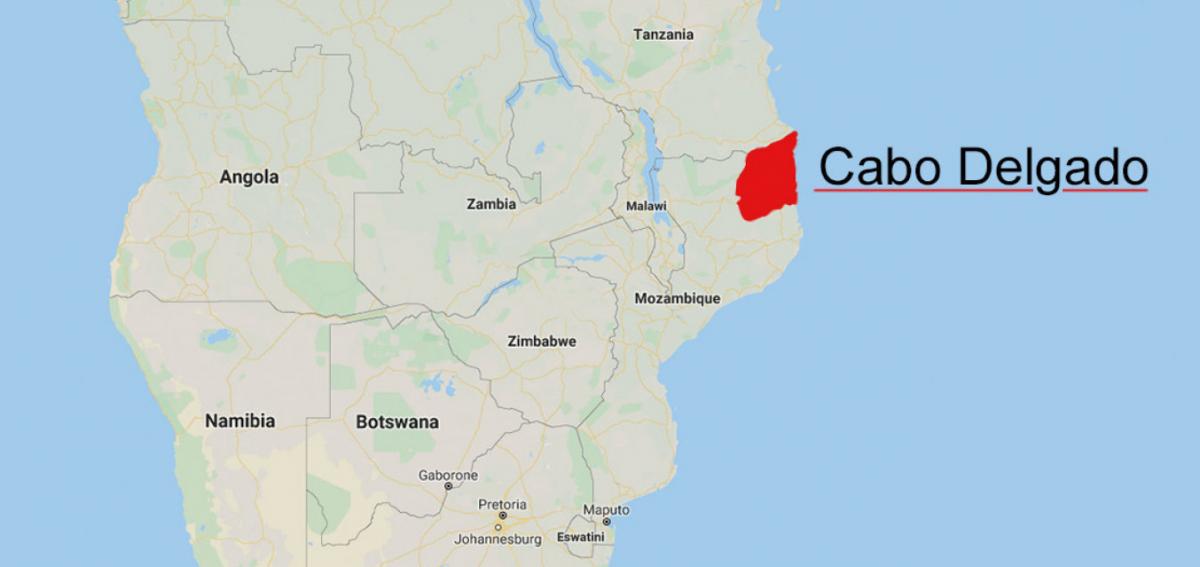
MozambiqueMozambique's President Filipe Nyusi is usually wary of foreign military intervention. But the grim situation in Cabo Delgado seems to have forced his hand. Rwanda is deploying a 1,000-strong force to the insurgency-hit northern province. And troops from the Southern African Development Community regional bloc are also set to arrive. Reports suggest the Rwandans will set up around the Afungi peninsula, where a multi-billion dollar gas project is located. Their battlefield enemy—known locally as al-Shabab—is formidable and entrenched, as Mozambique's army and its mercenary allies know well. Lost in the military chatter is much mention of Cabo Delgado's worsening humanitarian crisis: More than 700,000 people have been uprooted, and close to a million are now facing severe hunger. (Map via Moscow Times)
Watching the Shadows
Gitmo

SCOTUS lets stand Guantánamo detention

AlbertaThe legislature of the oil-producing Canadian province of Alberta invoked the controversial Alberta Sovereignty Act in response to federal environmental policies. The provincial legislature passed a resolution resolving to "urge the Government to use all legal means necessary to oppose the implementation and enforcement of the Federal Initiative in Alberta." The initiative refered to is Canada's proposed Clean Energy Regulations, which the resolution says would have "an extreme chilling effect on investment" in Alberta's electricity energy sector. Premier Danielle Smith introduced the Sovereignty Act in November 2022, asserting that Albertans no longer wanted "Ottawa to…interfere in our constitutional areas of jurisdiction," and proclaiming a right to provincial non-compliance. (Photo of Alberta's shale oil fields by Kris Krug, via The Tyee)

Afghanistan
Afghan army

Afghanistan war crimes victims appeal to ICC

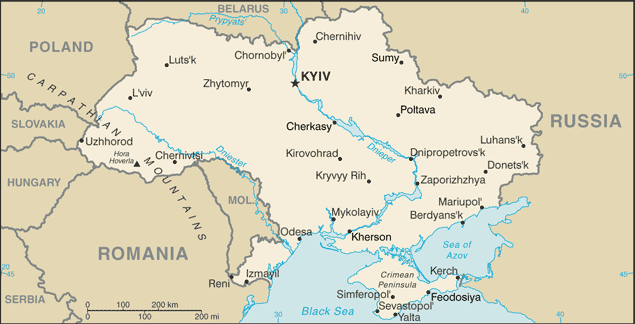
UkraineUN General Assembly members approved a resolution supporting Ukraine's territorial integrity on the day marking the third anniversary of Russia's massive invasion of the country. The resolution won 93 votes in favor, with 18 votes against and 65 abstentions. Washington sided with Russia, as well as Belarus, North Korea and Sudan, to vote against the measure. Hungary, Israel, Eritrea, Mali, Niger, Burkina Faso and Nicaragua also voted against. China and Iran were among the abstentions. The US had declined to co-sponsor the resolution, instead pushing its own language that failed to blame Russia for the war or mention Ukraine's borders. (Map: PCL)

Greater Middle East

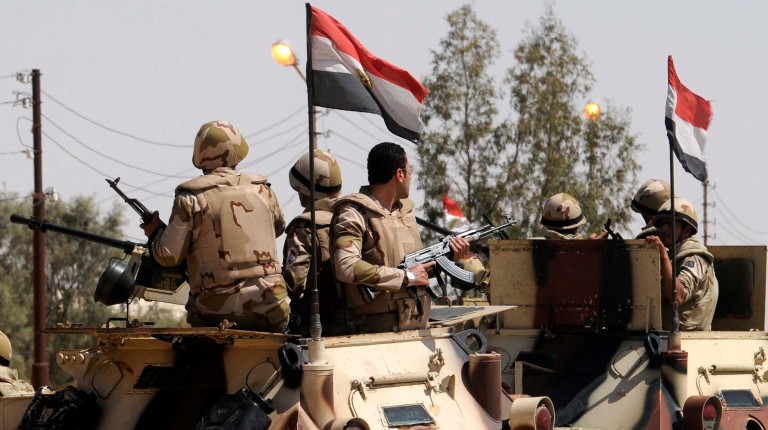
Egypt: ‘crimes against humanity’ in Sinai feared

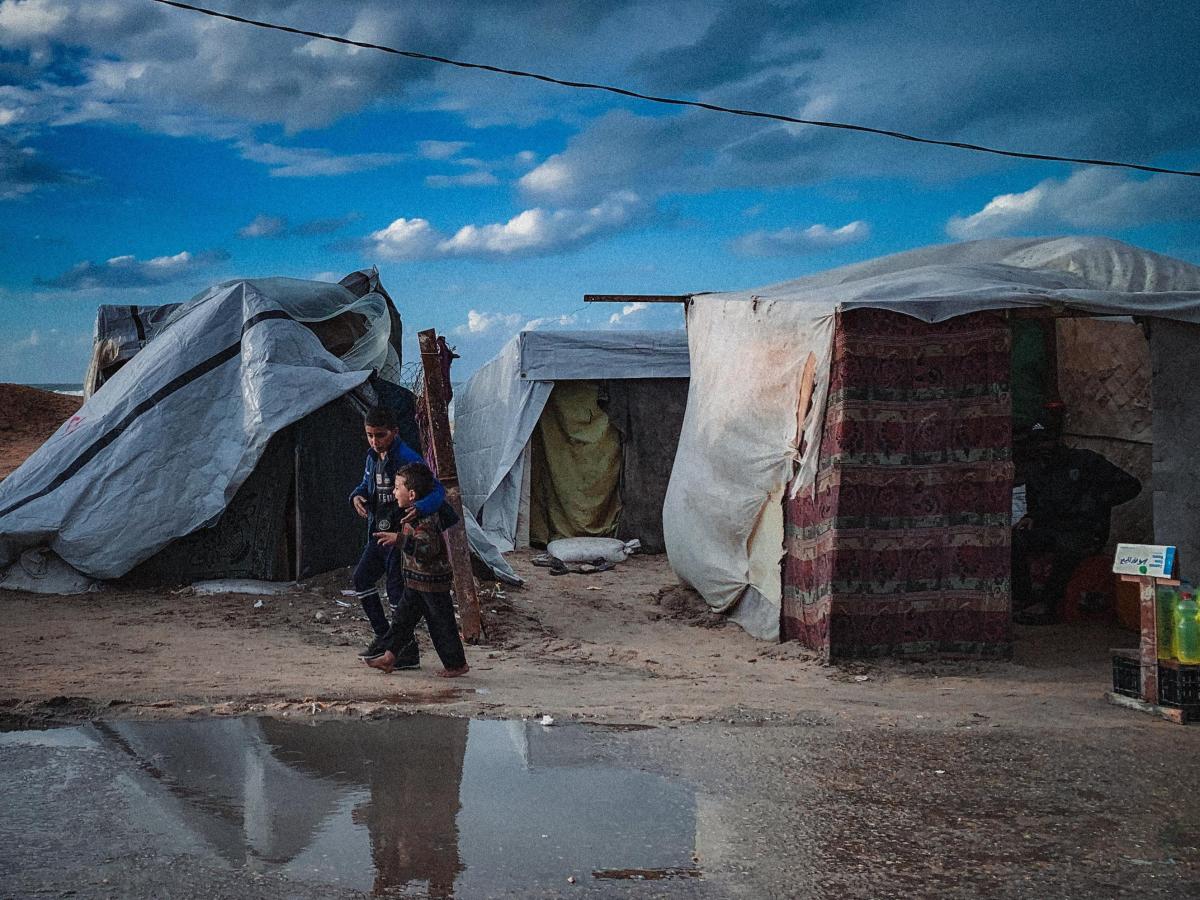
GazaWith the sounds of war starting to fall silent in the Gaza Strip after 470 days of brutal Israeli military assault and siege, a tiny crack of hope has opened for the Palestinian residents of the enclave that they will be able to gather the shattered pieces of their lives and begin the daunting task of rebuilding. But whether the deal reached by Israel and Hamas will lead to a decisive end to the war remains entirely unclear. Under a Trump administration that promises to be even more staunchly pro-Israel than the Biden administration, it's difficult to imagine Palestinians seeing anything resembling their aspirations for a state being met—or justice and accountability for the crimes committed over the past 15 months. (Photo: Rita Baroud/TNH)

Africa

General Assembly: UK must return Chagos Islands

MinskLong-ruling strongman Alexander Lukashenko cut off internet across most of Belarus as the country explodes into angry protests in the wake of contested presidential elections. Riot police are unleashing harsh repression, using rubber bullets, flash-bang grenades and water hoses against demonstrators. One person has been reported killed and many more wounded, including several police officers. According to preliminary results, Lukashenko won an unlikely 80% of the vote, with the main opposition candidate Svetlana Tikhanovskaya taking only 10%. Tikhanovskaya was a surprise replacement for her husband Sergei, a popular blogger who was arrested after he attempted to launch his candidacy. She held large rallies in Minsk and other cities, riding a groundswell of discontent with Lukashenko. (Photo: Meduza)

Iran

US-Tehran terror-baiting tit-for-tat

KeikoThe Fiscalía of Peru, the country's top prosecutor, has opened an investigation into Vladimiro Montesinos, the imprisoned former intelligence chief under dictator Alberto Fujimori, following release of a recording in which he evidently urges electoral authorities to throw the pending presidential election to Keiko Fujimori—daughter of the ex-dictator. The so-called "Vladiaudios" were released by Pedro Rejas, a retired military officer and Fujimori loyalist who received the phone call from Montesinos. In the call they appear to discuss bribing members of the National Jury of Elections (JNE). (Photo: A.Davey/Flickr via Aula Blog)

Afghanistan

Report: Afghan government control lowest yet

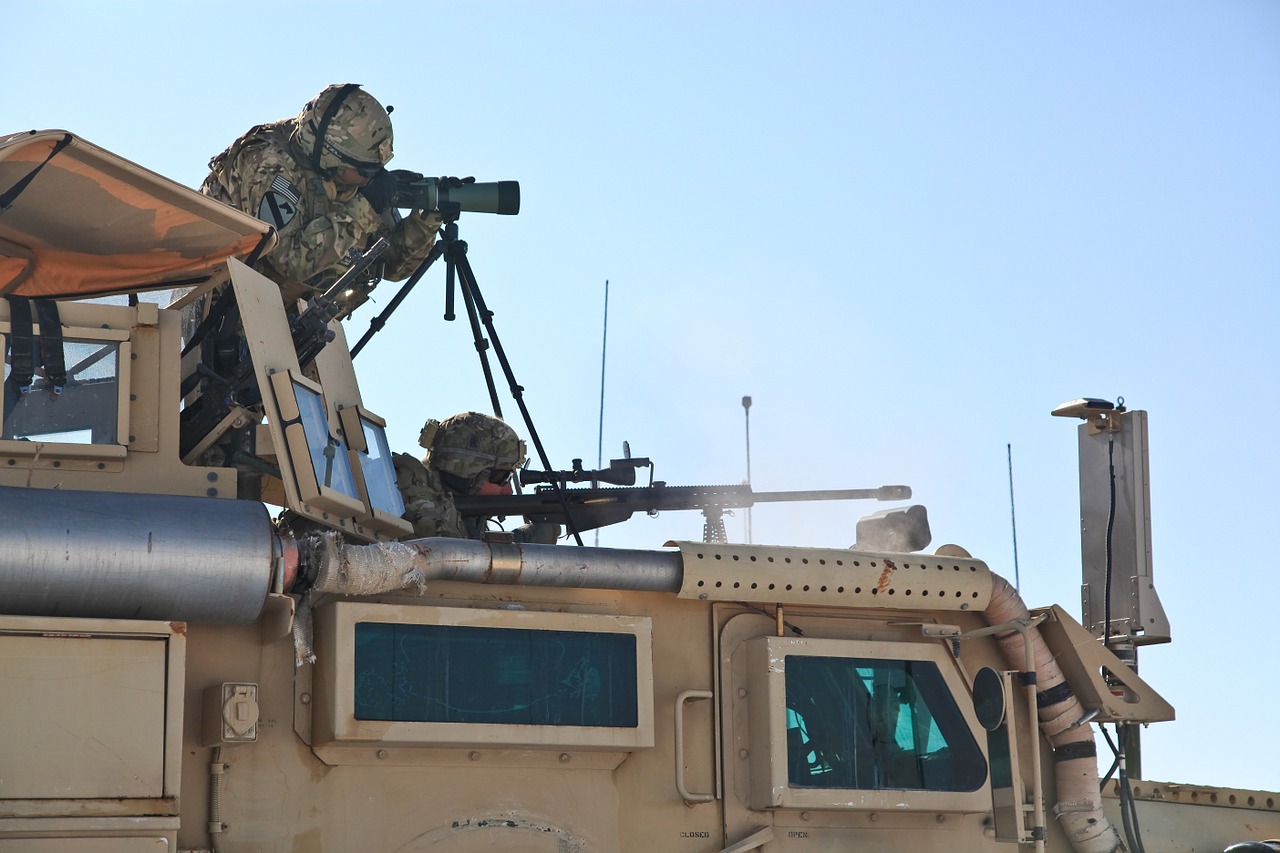
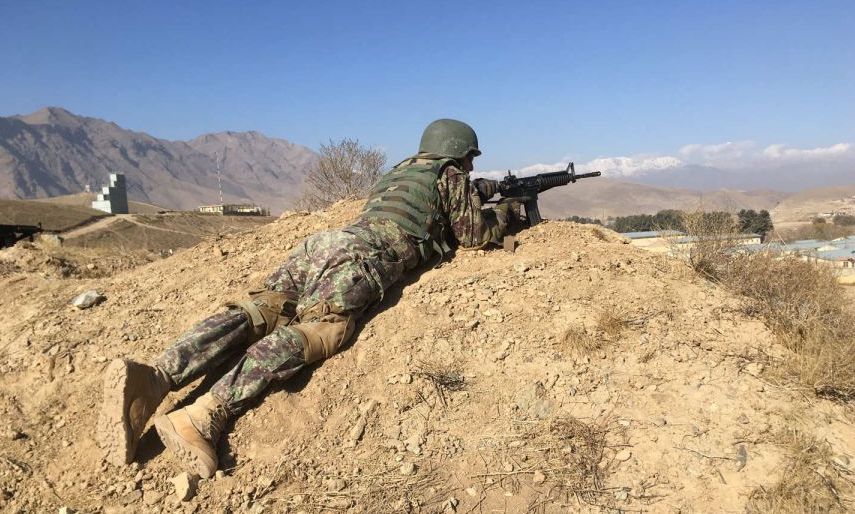
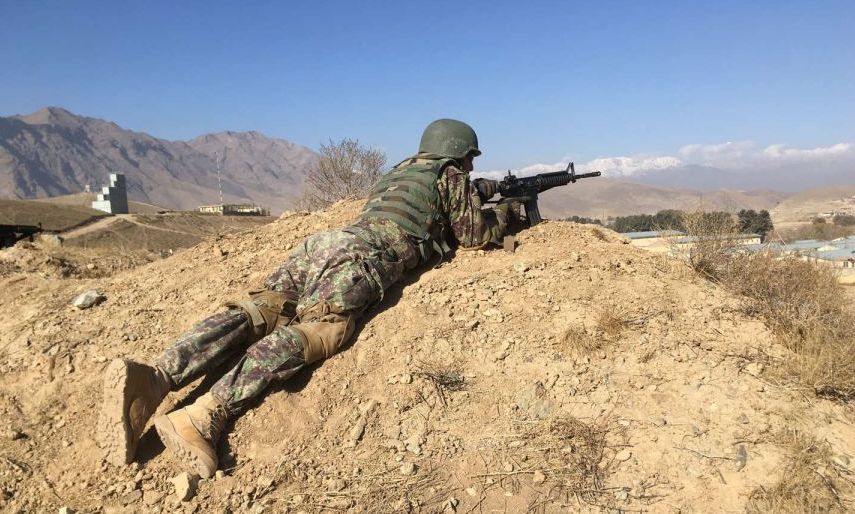
AfghanistanIn its latest quarterly report to Congress, the US watchdog for Afghan reconstruction finds that the security situation is at an all-time low since monitoring began. Since the Special Inspector General for Afghanistan Reconstruction (SIGAR) began tracking district control in 2015, Afghan government-controlled or "influenced" districts have declined 16% to 55.5%. In the same period, areas of insurgent control or influence rose 5.5% while "contested" districts increased 11%. As of late July, the US military assessed that the Kabul government controls or influences 226 of Afghanistan's 407 districts, while the Taliban controls/influences 49. The remaining 132 districts are identified as "contested." Since the prior quarterly report, Operation Resolute Support downgraded eight districts from "government influenced" to "contested." SIGAR said Afghan security forces "made minimal or no progress in pressuring the Taliban" in the period covered by the report. (Photo via Stars & Stripes)

Watching the Shadows
killer robot

Amnesty calls on UN to ban ‘killer robots’

killer robotAmnesty International called upon countries to ban fully autonomous weapons systems on  the first day of the UN Convention on Certain Conventional Weapons Group of Governmental Experts on Lethal Autonomous Weapons Systems meeting. Amnesty states that technology related to advanced weapons systems is outpacing international law. Future technologies may be able to replicate human responses, including "the ability to analyse the intentions behind people's actions, to assess and respond to often dynamic and unpredictable situations, or make complex decisions about the proportionality or necessity of an attack." A complete ban on fully autonomous weapons is necessary in order to avoid possible "dystopian" futures. Human interaction should be required by law to be involved in the identification, selection, and engagement of targets in advanced weapons. (Photo: Future of Life Institute)

Planet Watch

Podcast: The countervortex of global resistance

Bill WeinbergJournalist Dan Young speaks with CounterVortex editor Bill Weinberg in an interview for Northern California's KNYO. They discuss the prospects for resisting the global vortex of ecological collapse, totalitarianism and permanent war—and supporting indigenous and autonomy struggles, popular democracy, and peace initiatives. Weinberg traces his own political evolution through the Cold War endgame of the Reagan era, the Lower East Side squatter scene, the Zapatista rebellion in Chiapas, 9-11 and the "Global War on Terrorism," to the Arab Revolution, the Syrian war and the current dilemma. The discussion touches on the abysmal politics of the contemporary American left, the urgent need for international solidarity across the Great Power "spheres of influence," the contradictions and challenges posed by digital technology, and the possibilities for a decent future for humanity on Planet Earth.

Southeast Asia

US broaches air-strikes on ISIS in Philippines

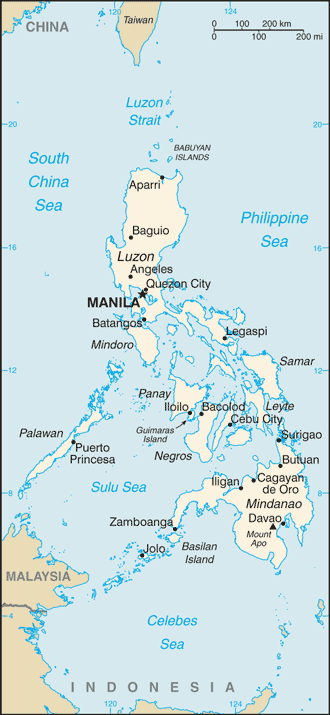
PhilippinesOn the heels of Secretary of State Rex Tillerson's Manila meeting with Philippines President Rodrigo Duterte, NBC News reports that the Pentagon is considering a plan for the US military to conduct air-strikes on ISIS targets in the archipelago nation. The account quotes two unnamed defense officials who told the network that "authority to strike ISIS targets…could be granted as part of an official military operation" likely to be named in the coming days. The strikes would probably be conducted by armed drones.

Greater Middle East

Qatar crisis places US regional policing in pickle

Qatar's diplomatic isolation by the other Gulf states, accused of supporting terrorism in the region, heightens contradictions for the Pentagon's use of the critical al-Udeid Air Base.

Greater Middle East

UN: Saudi anti-terror laws threaten rights

The UN Special Rapporteur on protection of human rights while countering terrorism said that Saudi Arabia's sweeping anti-terror laws pose a threat to fundamental freedoms.