Syria
Daraya

Remembering the Daraya massacre

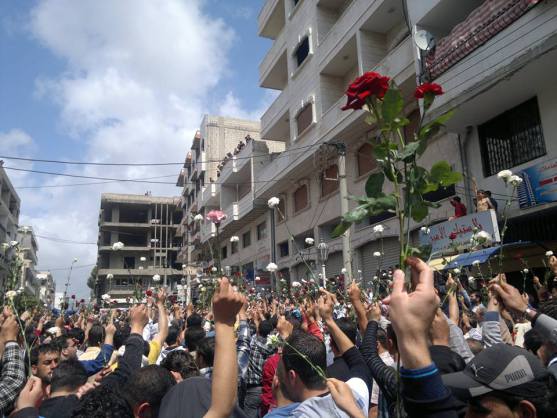
In Episode 139 of the CounterVortex podcast, Bill Weinberg marks the 10th anniversary of the 2012 Daraya massacre, in which the regime of Syrian dictator Bashar Assad killed some 700 civilians while taking back the city from the secular pro-democratic revolutionary forces that had seized power there. These early Syrian revolutionaries were inspired by the grassroots-democratic vision of the anarchist thinker Omar Aziz, and the ethic of nonviolent resistance propounded by Jawdat Said, the “Syrian Gandhi.” Daraya was re-taken by rebels later that year, but fell a second time in August 2016, putting an end to the experiment in parallel power and direct democracy. Most of the remaining inhabitants were evacuated to Idlib province in the north, which remained in rebel hands, and the model of parallel power survived there for another two years—before extremist factions linked to the Nusra Front began to take over. The November 2018 assassination of civil resistance leader Raed Fares was another turning point. The following year saw a popular uprising in idlib by the pro-democratic resistance against jihadist rule. But the legacy of Daraya, once the frontline of a peaceful revolution, is largely forgotten history, its true heroism betrayed by the world. Listen on SoundCloud or via Patreon. (Photo: Daraya, 2011 via Leila’s Blog)

Watching the Shadows

Podcast: against pseudo-left disinformation on Ukraine and Syria

In Episode 138 of the CounterVortex podcast, Bill Weinberg is outraged that The Nation magazine marks the ninth anniversary of the Ghouta chemical massacre by engaging in glib “false flag” theorizing—the predictable response of the post-truth pseudo-left. This sinister spewing from writer David Bromwich is but the latest entry in a long and shameful litany of pro-Assad and pro-Putin propaganda to appear in The Nation. Similar chemical denialism has been dished out by James Cardenn, and loaned credence by Phyllis Bennis—despite the findings of bona fide human rights groups. The Nation’s Bob Dreyfuss has expressed open support for the genocidal dictatorship of Bashar Assad. The Nation’s late éminence griseStephen F. Cohen has spread dishonest Russian propaganda both on Syria and on Ukraine, his spewings eagerly lapped up by Tucker Carlson. Weinberg asserts that The Nation has become a vehicle of Kremlin foreign policy aims, and calls for a complete boycott. Listen on SoundCloud or via Patreon. (Photo of Aleppo ruins from UNHCR)

South Asia
naxals

Podcast: India’s forgotten wars

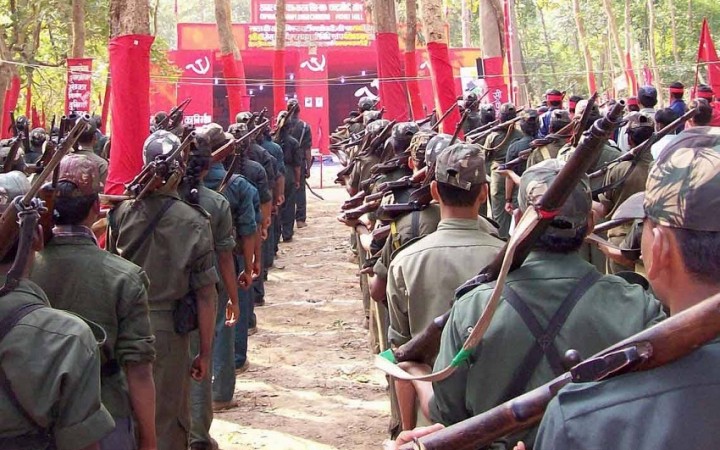
In Episode 137 of the CounterVortex podcast, Bill Weinberg explores two of the many under-reported internal conflicts in India, which are rooted in unresolved issues left over from the colonial era in spite of 75 years of Indian independence. In the east-central interior, the Naxalite insurgency has been met with harsh repression from the security forces—especially against the Adivasis, or indigenous peoples who make up the movement’s support base. In the remote Northeast, the long struggle of the Naga people is still met with massacres at the hands of the military today. For three generations the Naga have been fighting for their independence, keeping alive their indigenous culture, and protesting the genocide of their people—to the silence of the international community. Listen on SoundCloud or via Patreon. (Photo via MIM)

Europe
Ukraine

Ukraine: debunking Russia’s war propaganda

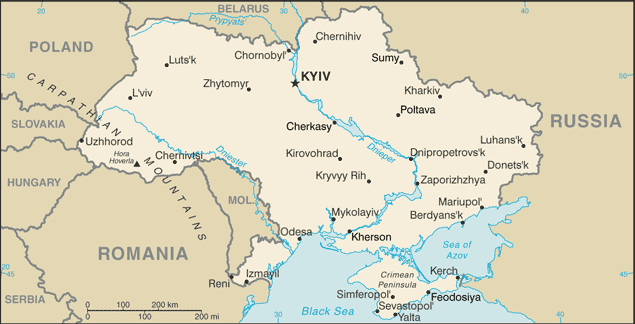
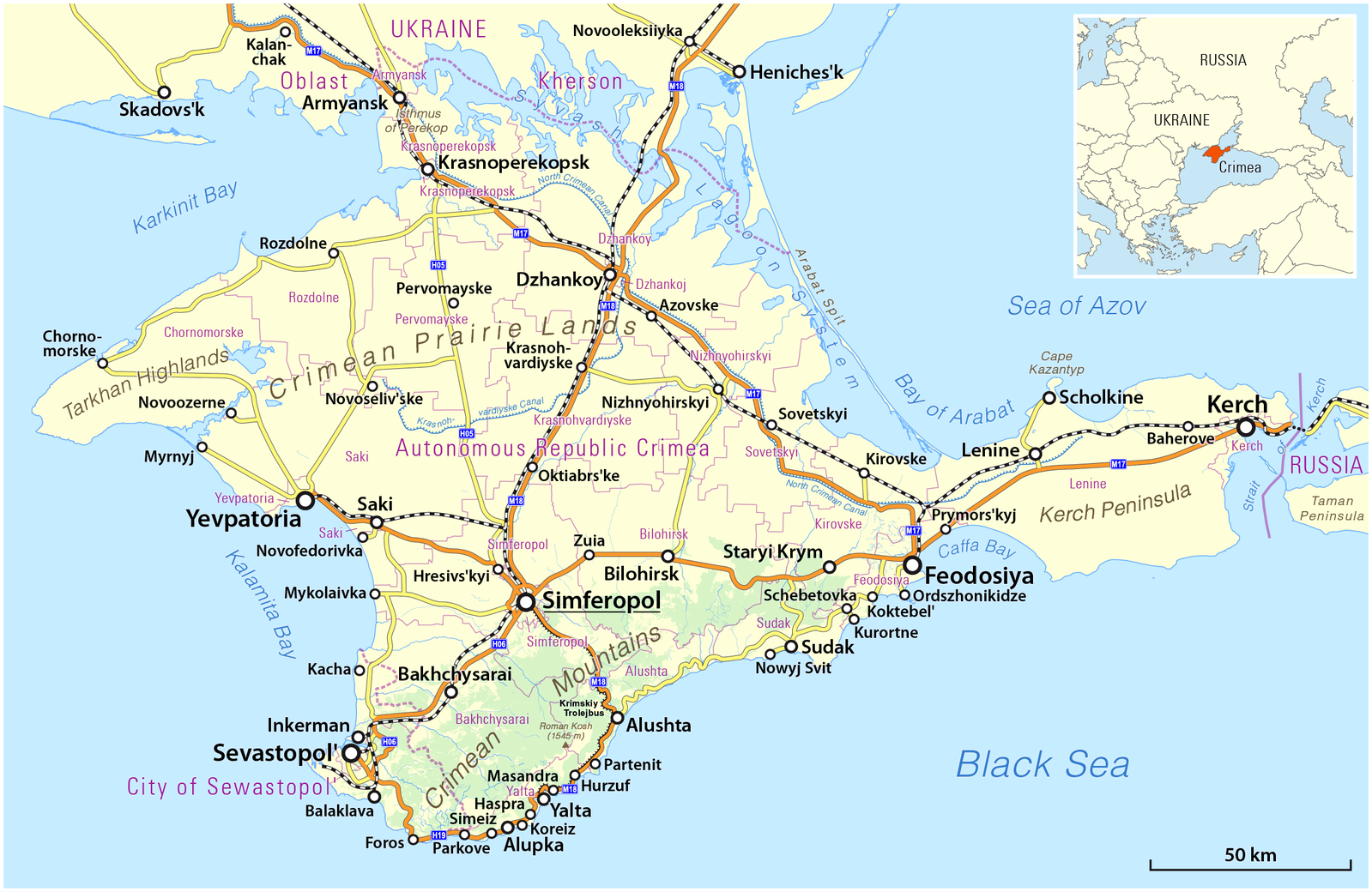
In Episode 136 of the CounterVortex podcast, Bill Weinberg debunks Vladimir Putin’s “de-Nazification” propaganda for his invasion of Ukraine,  a paramount example of the ultra-cynical phenomenon of paradoxical fascist pseudo-anti-fascism. Putin’s stated justifications for the Ukraine war are either paranoid delusions or outright lies. His real objectives are to rebuild the Russian Empire, re-establish the Russian dictatorship, and exterminate Ukraine as a cultural and political entity. These are the open aims of Alexander Dugin, the intellectual mastermind of Putin’s revanchist imperial project, and the political heir of Ivan Ilyin, the 20th century theorist of “Russian Fascism.” Listen on SoundCloud or via Patreon. (Map: PCL)

Europe
Ukraine

Podcast: against pseudo-left disinformation on Ukraine

In Episode 131 of the CounterVortex podcast, Bill Weinberg calls out the ironically named Fairness & Accuracy in Reporting (FAIR) for openly spreading Russian disinformation. FAIR serially portrays the 2014 Maidan Revolution as a US-instrumented, Nazi-tainted, unconstitutional “coup.” FAIR commentators Luca Goldmansour, Gregory Shupak and Bryce Greene are all guilty of this. They do not bother to consult voices of Ukrainian civil society—academics, media watchdogs and human rights groups—that refute this notion. Glomming onto the notorious Nuland phone call to dismiss a grassroots pro-democracy uprising as a Washington “regime change” intrigue reveals chauvinistic contempt for the Ukrainians. And hyping the supposed “Nazi” threat in Ukraine (while ignoring the Nazi-nostalgist and neo-fascist elements on the Russian side) abets Putin’s ultra-cynical propaganda stratagem of fascist pseudo-anti-fascism. Rather than calling out Fox News for its propaganda service to Putin, FAIR instead joins them. How did a supposed progressive media watchdog become a de facto arm of Kremlin war propaganda? Listen on SoundCloud or via Patreon. (Map: PCL)

Europe
Makhno

Ukrainian self-determination: Bandera or Makhno? II

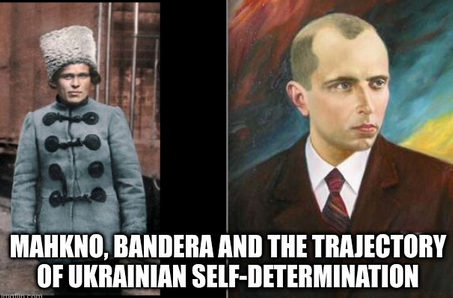
In Episode 130 of the CounterVortex podcast, Bill Weinberg continues his comparison of the two diametrically opposed exponents of Ukrainian armed resistance to Russian rule: the World War II-era right-wing nationalist Stepan Bandera and the World War I-era revolutionary anarchist Nestor Makhno. Contemporary left commentary in the West echoes Russian propaganda in portraying Bandera simply as a Nazi collaborator, while many contemporary anarchists (at least) glorify Makhno as a visionary of agrarian utopia. Much is left out of both narratives. Bandera was quickly betrayed by the Nazis and slapped in a concentration camp after he refused to renounce his declaration of Ukrainian independence. And while historians have had much to say about anti-Semitic pogroms by all factions in the multi-sided 1917-21 civil war in Ukraine, it is only recent scholarship that has brought to light atrocities by Makhno’s forces against Mennonite agricultural colonies. Listen on SoundCloud or via Patreon. (Graphic: CounterVortex with images via Marxists Internet Archive, Ukrainian Youth Union)

Africa
Sudan

Wagner Group named in massacres on Sudan-CAR borderlands

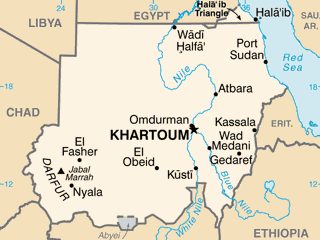
Russian mercenaries are accused of carrying out a series of deadly attacks on artisanal miners in the lawless border zone between Sudan and the Central African Republic, in an apparent effort to establish dominance over outlaw gold mining operations with allied paramilitary factions. Dozens are said to have been killed in attacks on mining camps this year, allegedly involving mercenaries working for the Kremlin-linked Wagner Group. Witnesses interviewed by The Guardian described “massacres” and looting by Wagner gunmen. The “Troika” diplomatic group that helps oversee the Sudan peace process released a report in March charging that the Wagner Group is engaged in illegal gold mining in collaboration with the Rapid Support Forces (RSF), a paramilitary group backed by the Sudanese regime. Sudan’s Ministry of Foreign Affairs responded with a statement denying the presence of the Wagner Group in the country. (Map: Perry-Castañeda Library Map Collection)

Africa
OLA

Massacres escalate in Ethiopia’s Oromia state

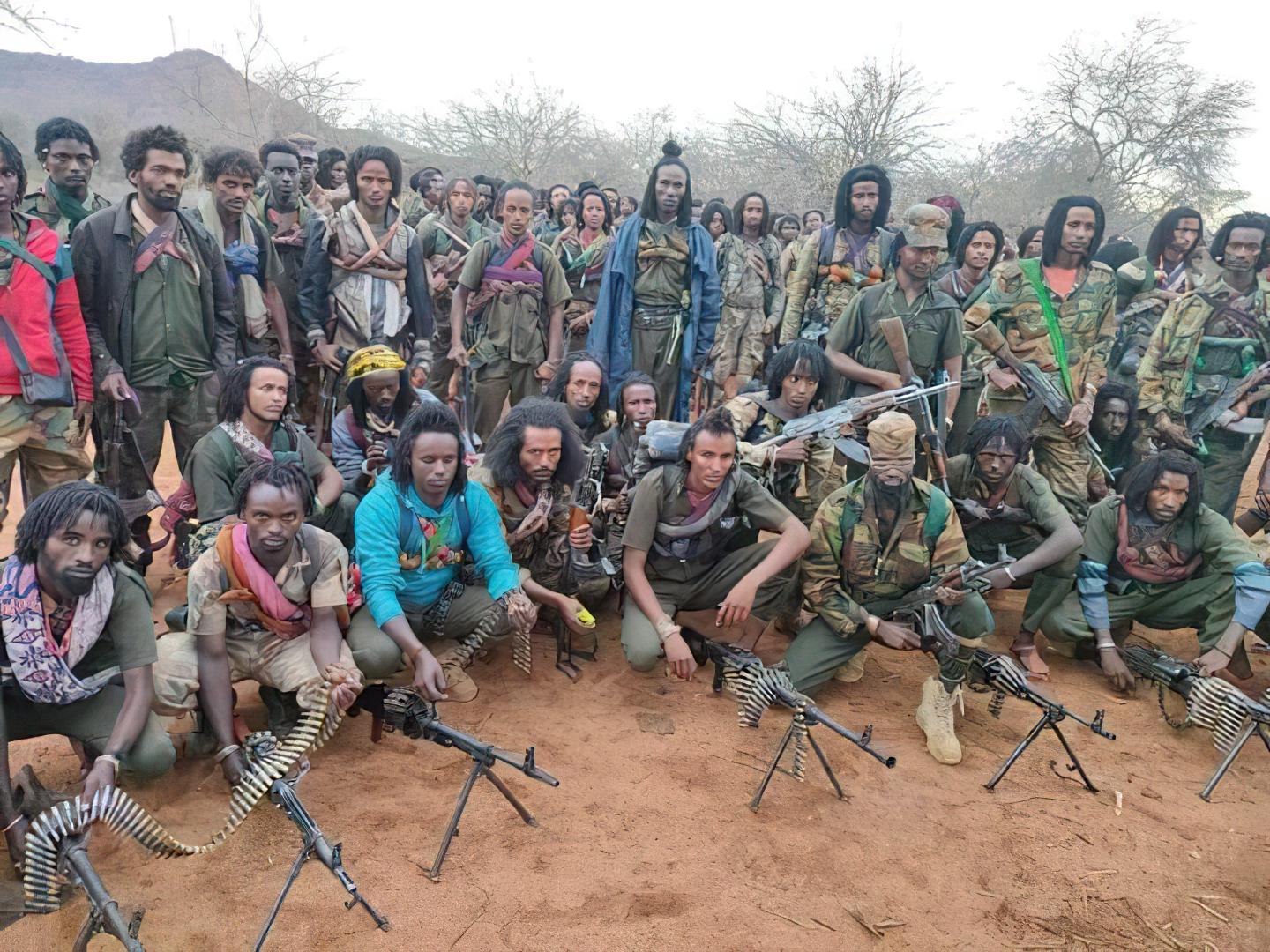
More than 200 civilians were killed at the village of Tole Kebele in the West Wollega zone of Ethiopia’s Oromia regional state. The massacre, which targeted members of the Amhara ethnicity, is being blamed by authorities on the rebel Oromo Liberation Army (OLA). Amhara militias in the region have been cooperating with the official security forces in counterinsurgency operations against the OLA, resulting in reprisal attacks on villages. However, OLA commander Kumsa Dirriba denies that his forces carry out attacks on civilians, claiming that the national army is “solely responsible” for the killings of Amhara civilians in Oromia. Whatever the truth of the matter may be, the dynamic is spreading into neighboring Gambella regional state, which has seen heavy fighting between the army and joint rebel forces of the OLA and Gambella Liberation Front (GLF), with dozens of civilians among the slain over the past days. (Photo: Ethiopia Insight)

Africa
Mali

Mali massacre: jihadism or ethnic war?

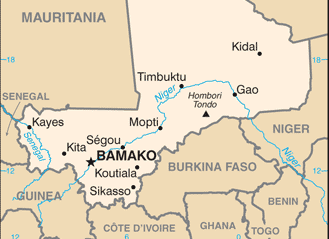
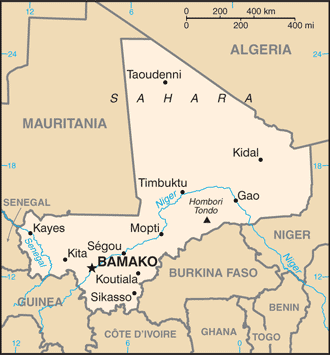
Scores of Malians demonstrated in the town of Bankass, in central Mopti region, to demand state protection after more than 130 civilians were killed by presumed jihadist militants in three villages over the past days. The massacres in the localities are said to have been carried out by the Katiba Macina, a militant group led by Fulani preacher Amadou Kouffa. The gunmen burned huts and stole cattle in addition to killing villagers. The Katiba Macina is apparently an offshoot of the Qaeda-aligned Group for Support of Islam & Muslims (JNIM). However, in Mopti region, traditionally known to the Fulani as Macina, the violence appears to have taken on an ethnic cast. In March 2019, more than 160 Fulani civilians were massacred at the village of Ogossagou. Fulani were also targeted in an April 2022 massacre attributed to Russian mercenaries from the Wagner Group. (Map: PCL)Afri

Europe
Kharkiv

Russia using cluster bombs in Kharkiv: Amnesty

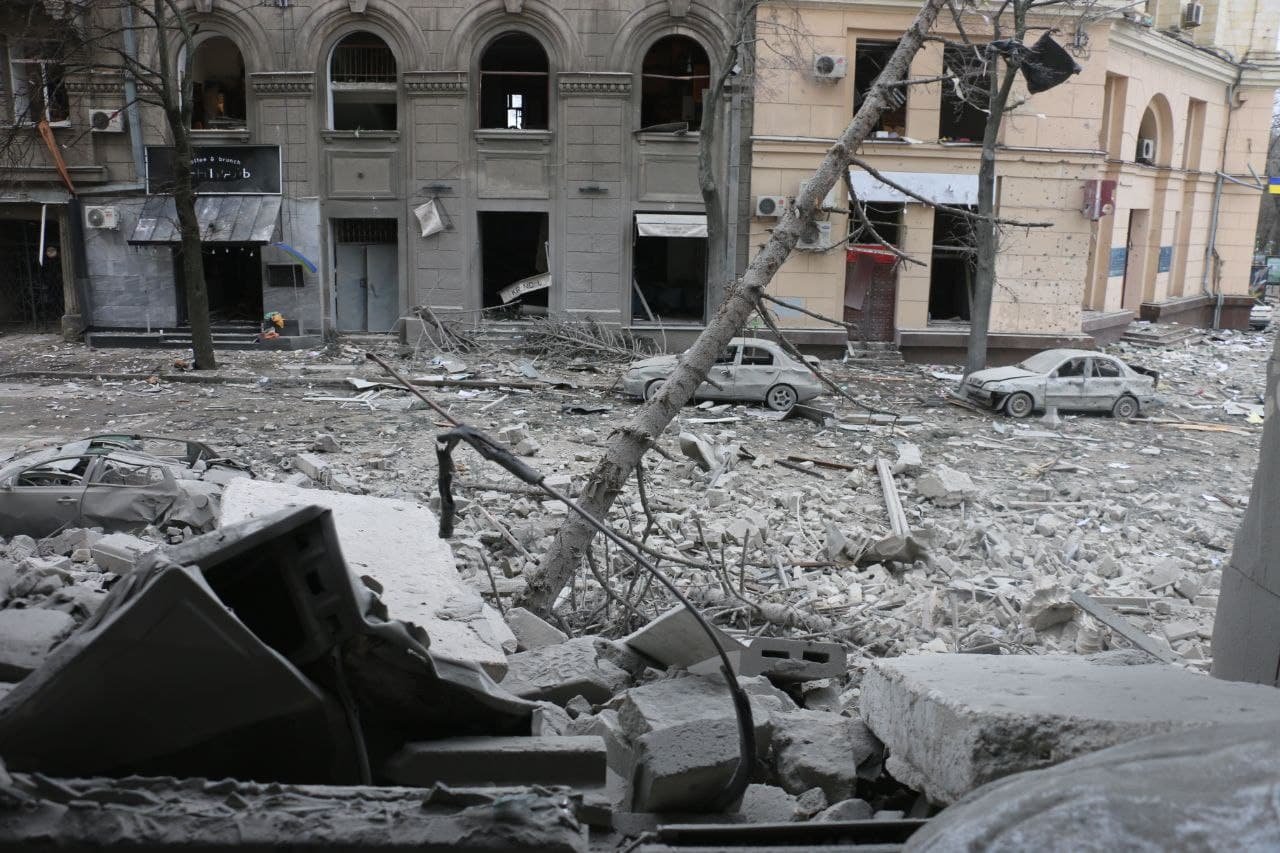
Hundreds of civilians have been killed in the Ukrainian city of Kharkiv by indiscriminate Russian shelling using widely banned cluster munitions and inherently inaccurate rockets, Amnesty International finds. A new report, entitled ‘Anyone Can Die at Any Time’, documents how Russian forces have shelled residential neighborhoods almost daily since the start of the invasion, causing “wholesale destruction.” Amnesty found evidence of repeated Russian use of 9N210 and 9N235 cluster munitions as well as scatterable mines, both of which are subject to international treaty bans because of their indiscriminate effects. “The repeated use of widely banned cluster munitions is shocking, and a further indication of utter disregard for civilian lives,” said Donatella Rovera, Amnesty’s senior crisis response adviser. “The Russian forces responsible for these horrific attacks must be held accountable for their actions, and victims and their families must receive full reparations.” (Photo: Wikimedia Commons)

The Andes
colombiahr

Protest closing of ICC Colombia investigation

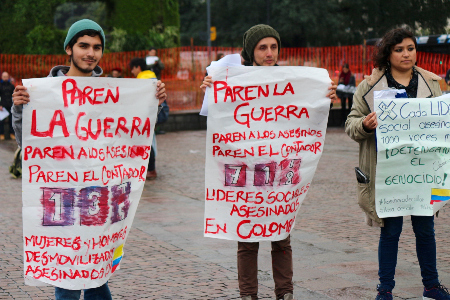
A coalition of Colombian human rights groups and survivors’ organizations released a statement decrying as “shocking” the decision by the International Criminal Court (ICC) to close its preliminary examination of possible war crimes carried out in the country. The statement, jointly issued by the International Federation for Human Rights (FIDH) and the José Alvear Restrepo Lawyers’ Collective (CAJAR), said that closure of the examination “could mean that hundreds or thousands of victims of crimes under the jurisdiction of the ICC will be deprived of knowing the truth and obtaining justice concerning the crimes committed. In Colombia…there is still a systematic absence of investigation of those responsible at the highest levels for crimes under the jurisdiction of the ICC.” (Photo: Prensa Rural)

Iraq
Rojava

Podcast: Rojava and Ezidikhan in the Great Game

In Episode 127 of the CounterVortex podcast, Bill Weinberg notes that the Kurdish-controlled Syrian city of Kobani, which became a global icon of resistance to ISIS in 2014, is now under threat of Turkish aggression. The Syrian Kurds were betrayed in 2019, when their autonomous zone of Rojava was greatly reduced by Turkey’s first thrust into their territory. Erdogan is now threatening to extinguish it altogether, and incorporate all of Rojava into his “security zone.” There is growing speculation that the US could “green light” this aggression in exchange for Turkey dropping its objections to Sweden and Finland joining NATO. Meanwhile, the Yazidis of northern Iraq, who were subjected to genocide at the hands of ISIS in 2014, now face extermination of their hard-won autonomous zone of Ezidikhan at the hands of Baghdad’s military—acting under pressure from Turkey. Great Power meddling in Syrian and Iraqi Kurdistan alike is pitting the peoples of the region against each other, portending a disastrous Arab-Kurdish ethnic war. How can activists in the West help break this trajectory? Listen on SoundCloud or via Patreon. (Photo: Rojava Solidarity NYC)