

Planet Watch
COP27

COP27: progress on ‘loss and damage,’ not mitigation

The 27th UN Climate Change Conference (COP27) closed with what was hailed as a breakthrough agreement to establish a “loss and damage” fund for vulnerable countries on the frontlines of climate disasters. Yet no action was taken to stop oil and gas expansion from fueling further disasters. India had pushed a proposal to extend to all fossil fuels the agreement to “phase down” coal reached last year at COP26 in Glasgow. A broad coalition of more than 80 countries took up the call, but host country Egypt, holding the presidency of the conference, was able to block the measure, acceding to powerful opponents prominently including Saudi Arabia and Russia. It should be noted that while Saudi Arabia and Russia are key oil and gas producers, India is a major coal producer—and fought for weaker language on the coal “phase down” at Glasgow. So the battle lines seem to reflect competition between different sectors of the hydrocarbons industry. (Photo: Tribal Army)

South Asia
Sindh

Pakistan floods highlight climate injustice

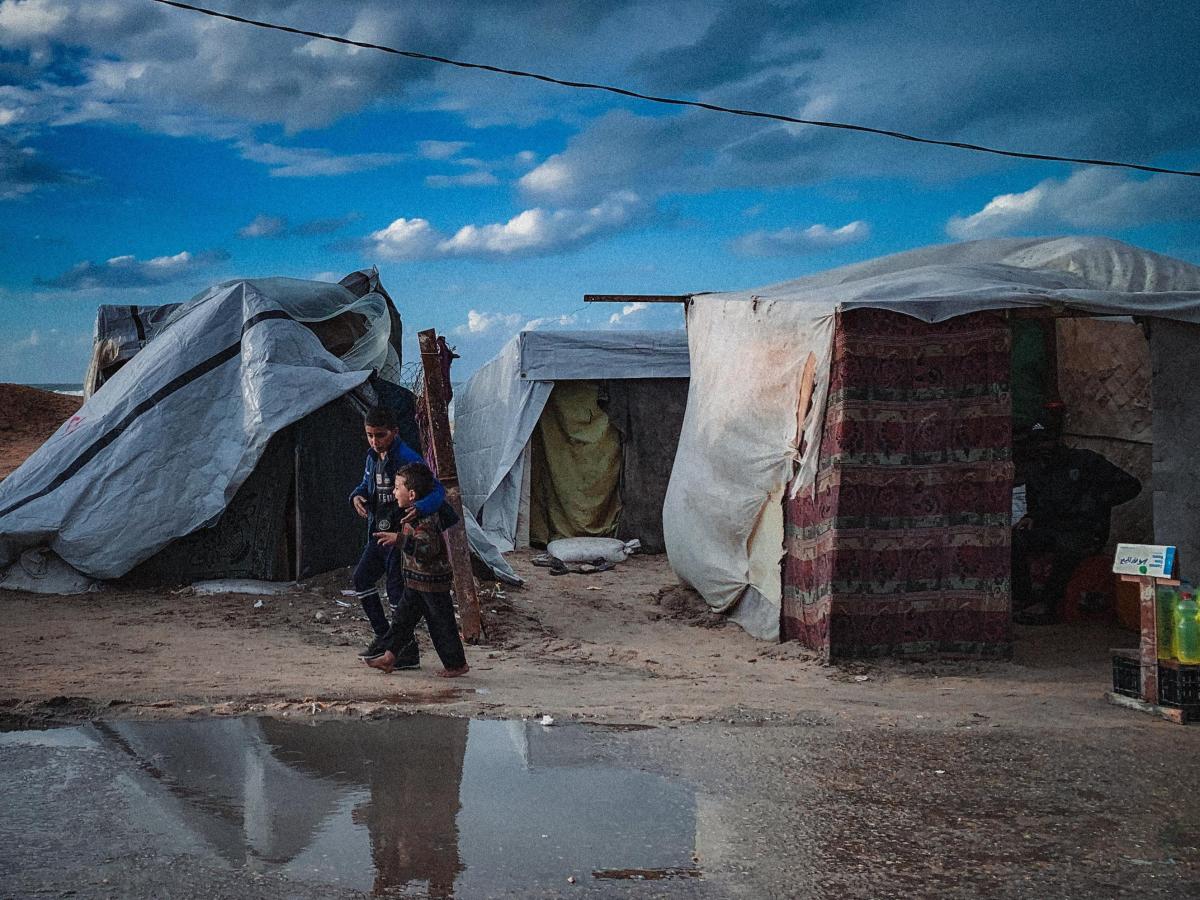
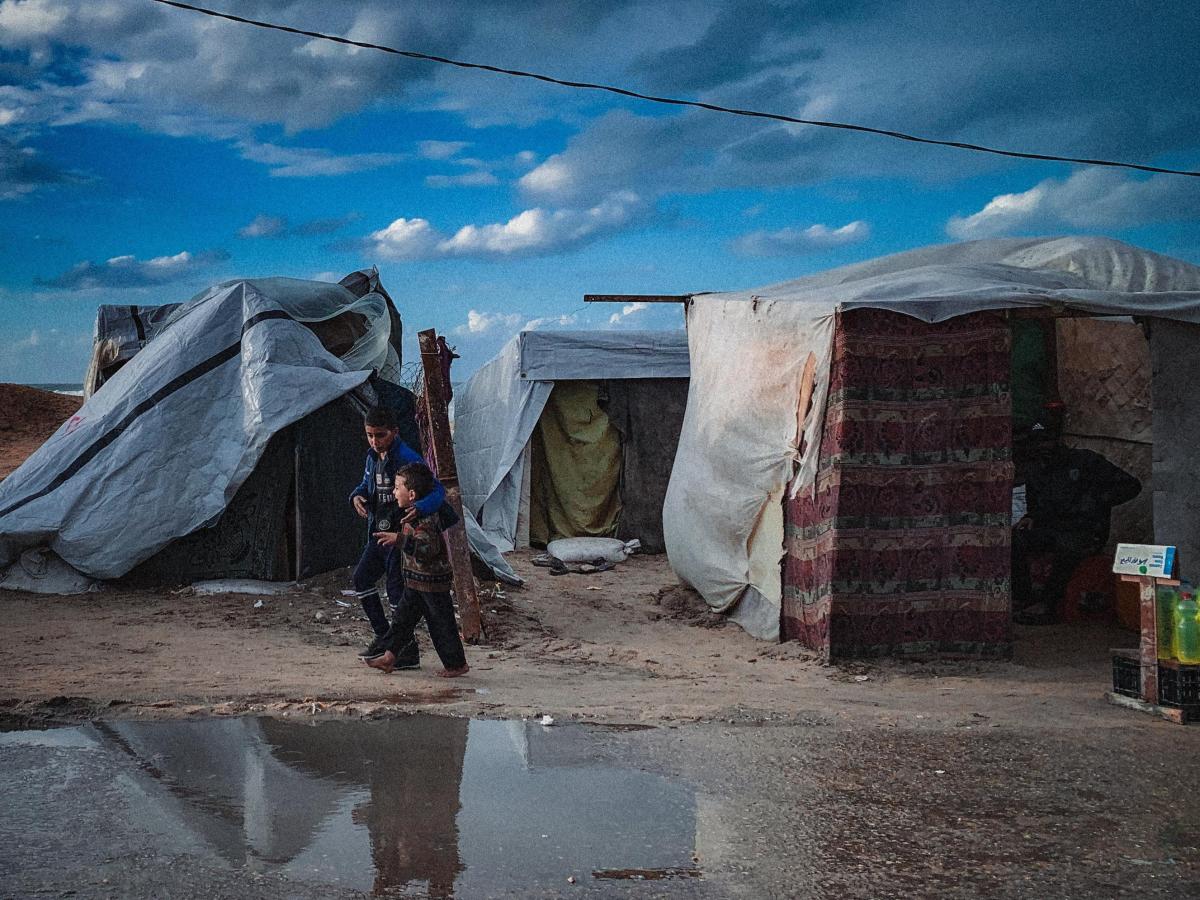
As world leaders meet at the COP27 in Egypt to try to reinvigorate stalled global climate talks, survivors of Pakistan’s heaviest flooding in living memory are facing a health crisis, with stagnating floodwaters fuelling a rise in malaria, dengue, and diarrhoea. The unprecedented scale of the disaster—up to $40 billion in economic damage, 1,700 killed since mid-June, eight million displaced, and almost half the country’s farmland submerged—has given impetus to calls for COP27 to take up the question of climate reparations. (Photo: Verena Hölzl/TNH)

Planet Watch
cop27

Egypt: COP27 opens amid repression

The 27th UN Climate Change Conference (COP27) opened in Egypt’s Red Sea resort of Sharm el-Sheikh—in an atmosphere of censorship and repression. In the weeks prior to the summit, Egyptian authorities arrested hundreds of people for allegedly planning protests, with at least 151 currently detained by the Supreme State Security Prosecution (SSSP), according to Amnesty International. The Egyptian Front for Human Rights (EFHR) reported that in the final days of October, the SSSP ordered at least 65 people detained for 15 days on charges including publishing “fake news” and misusing social media platforms. (Image via Twitter)

Greater Middle East
suez

ISIS militants ‘besiege’ targets near Suez Canal

Dozens of militants believed to be associated with the Islamic State’s “Sinai Province” (Wilayat Sinai) attempted to besiege targets including power transformers and railway facilities in the city of El Qantara Sharq, on the eastern bank of Egypt’s Suez Canal. The militants barred access to the sites, but dispersed as security forces advanced. Attacks by the ISIS affiliate have been mounting in the Sinai Peninsula. In May, militants attacked a water station near the Canal, killing 16 members of the military force guarding it. (Photo: Pixaby)

The Andes
Partnership of the Americas 2009

Colombia joins ‘new partnership’ with NATO

President Joe Biden issued an executive order designating Colombia a Major Non-NATO Ally (MNNA) of the United States. The designation facilitates further weapons transfers from the US to Colombia, and increased military cooperation between the two countries. Colombia is the third MNNA in Latin America, after Brazil and Argentina. Weeks earlier, a delegation of NATO staff visited Colombia to discuss the South American country’s participation in the alliance’s Defense Education Enhancement Program (DEEP). Colombia became NATO’s newest “global partner” in 2018, but this relationship was reinforced last December, when it became a member of the NATO Individually Tailored Partnership Program (ITPP). (Photo: Wikimedia Commons)

Palestine
Israeli police

Israel: detention of ‘terror suspects’ without charge

Israeli Prime Minister Naftali Bennett instructed security services to hold “terror suspects” in “administrative detention,” even without charge. The order extends to Palestinians in Israel a policy long applied to Palestinians on the West Bank. Bennett cited “a new situation that requires suitable preparations and adjustment by the security services to the circumstances within which extremist elements of Arab society, directed by extremist Islamic ideology, are carrying out terror attacks and taking lives.” The order follows deadly attacks by Israeli citizens who were said to be supporters of the so-called “Islamic State.” (Photo: Wikimedia)

East Asia
Tiananmen

‘Great Leap Backward’ for press freedom in China

Reporters Without Borders issued a new report, The Great Leap Backwards of Journalism in China, revealing the extent of the regime’s campaign of repression against the right to information. At least 127 journalists (professional and non-professional) are currently detained by the regime. Simply reporting on a “sensitive” topic or publishing censored information can result in years of detention. The report especially examines the deterioration of press freedom in Hong Kong, which was once a world model but has now seen an increasing number of journalists arrested and prosecuted in the name of “national security.” (Photo: chinaworker.info)

Planet Watch
anthropocene

Glasgow: ‘climate-vulnerable’ protest ‘compromise’ pact

The COP26 UN climate summit concluded a deal among the 196 parties to the 2015 Paris Agreement on long-delayed implementation measures. UN Secretary-General Antonio Guterres called the deal a “compromise,” and indeed it was saved through eleventh-hour haggling over the wording. Just minutes before the final decision on the text of the Glasgow Climate Pact, India, backed by fellow major coal-producer China, demanded weaker language on coal, with the original call for a “phase-out” softened to “phase-down.” And even this applies only to “unabated” coal, with an exemption for coal burned with carbon capture and storage technology—a technofix being aggressively pushed by Exxon and other fossil fuel giants, in a propaganda blitz clearly timed for the Glasgow summit. Another corporate-backed fix that allows polluters to go on polluting was also embraced at Glasgow: the pact calls for establishment of a global carbon-trading market in 2023. (Photo: CounterVortex)

Greater Middle East
egypt police

State of emergency lifted in Egypt —charade?

The ending of Egypt’s nearly four-year state of emergency, announced by President Abdel Fattah al-Sisi, was hailed by international human rights groups as a positive step. But Sisi is now trying to make permanent a more recent, and officially temporary, national security law that would give the military powers normally used during a state of emergency. The amendments to the national terrorism law, which have been approved by the House of Representatives, would give the president the authority to take “measures necessary to preserve security and public order,” including the ability to impose curfews. It would also expand the purview of military courts, giving them power over any crimes concerning “public infrastructure.” A related measure passed by the House would impose penalties for conducting “research” on the military. (Photo via Wikipedia)

Afghanistan
ground zero

Podcast: 9-11 and the GWOT at 20

In Episode 88 of the CounterVortex podcast, Bill Weinberg revisits his predictions from 20 years ago and from a month ago about what the world would look like on the 20th anniversary of 9-11. The attack, and Dubya Bush’s Global War on Terrorism, did not lead to a wave of new attacks within the US, as the jihad has proved more concerned with the struggle within Islam. But this has meant an invisible catastrophe for the Muslim world. The ongoing wars in Afghanistan, Iraq, Syria and Yemen get at least some international media attention. There are many more nearly forgotten wars and genocides: the serial massacres in Pakistan, the insurgency in Egypt’s Sinai Peninsula, the Boko Haram war in Nigeria that is now spilling into Cameroon, the mounting massacres in the Sahel nations. Even the insurgency in Somalia, where the US has had a military footprint, wins little coverage—despite the fact that it is spilling into Kenya. The insurgency in Mozambique has now prompted an African-led multinational military intervention. The insurgency on the Philippine island of Mindanao has been met with air-strikes. All waged by entities claiming loyalty to either al-Qaeda or ISIS. The new imperial doctrine appears to be that this violence is acceptable as long as it is not visited upon the West. Listen on SoundCloud or via Patreon. (Photo: CounterVortex)

Iraq
Gilgamesh

Looted Gligamesh tablet repatriated to Iraq

A US District Court in New York ordered craft chain Hobby Lobby to turn over the Gilgamesh Dream Tablet, a rare cuneiform text from ancient Mesopotamia that was smuggled into the United States from Iraq, so that it may be repatriated. The company’s founder and president, Steve Green, bought the 3,500-year-old Akkadian artifact in 2014, intending to display it in his Museum of the Bible, in Washington DC. The tablet is one of approximately 17,000 looted artifacts that Washington has agreed to return to Iraq. (Photo: ICE via ArtNet News)

North Africa
Libya

Libya: Turkish troop presence threat to ceasefire

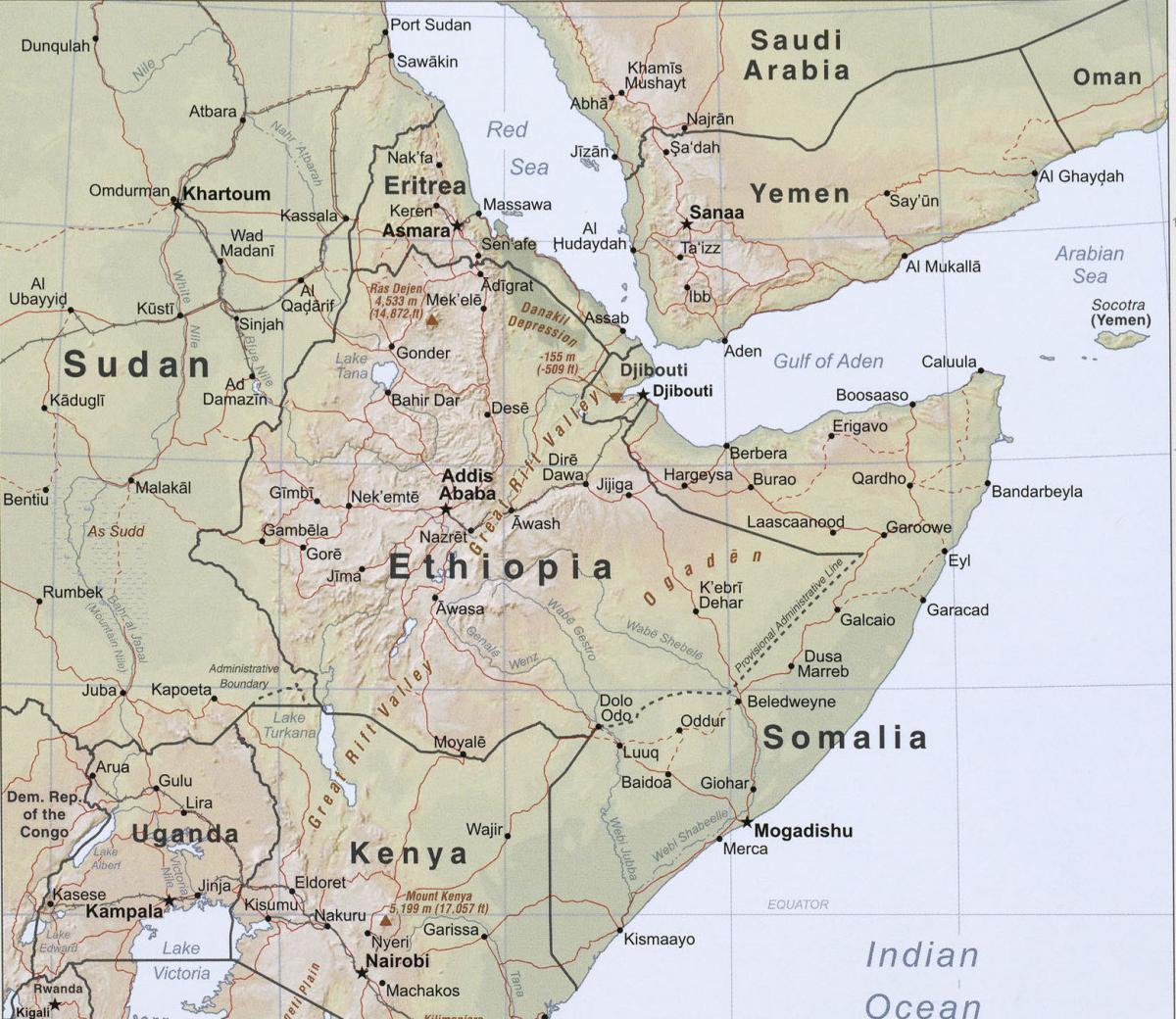
Libya’s eastern warlord Gen. Khalifa Haftar, who launched an offensive last year to capture the capital Tripoli from the UN-recognized Government of National Accord (GNA), threatened to launch attacks on Turkish forces if Ankara doesn’t withdraw troops and mercenaries sent in to back up the GNA. Haftar’s comments came in response to the Turkish Parliament’s move to extend for 18 months a law that allows the deployment of Turkish troops in Libya. Turkey’s defense minister responded that any attack by Haftar on its personnel would be met with force. “A war criminal, murderer Haftar and his supporters must know that they will be seen as a legitimate target in case of any attack on Turkish forces,” Hulusi Akar said in an address to Turkish units in Tripoli. The ultimatum is a threat to the ceasefire that has largely held since it was signed in October. (Map: CIA)