

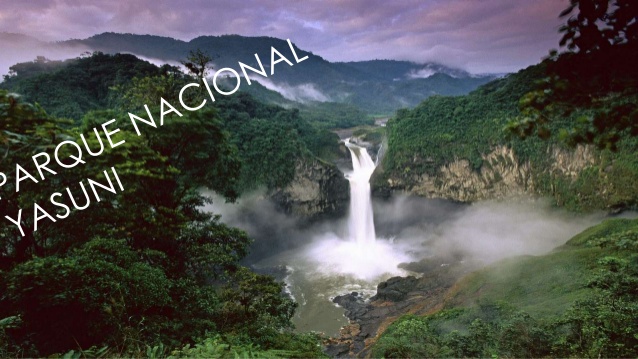
The Andes
Ecuador

Rights abuses seen in US-Ecuador joint operations

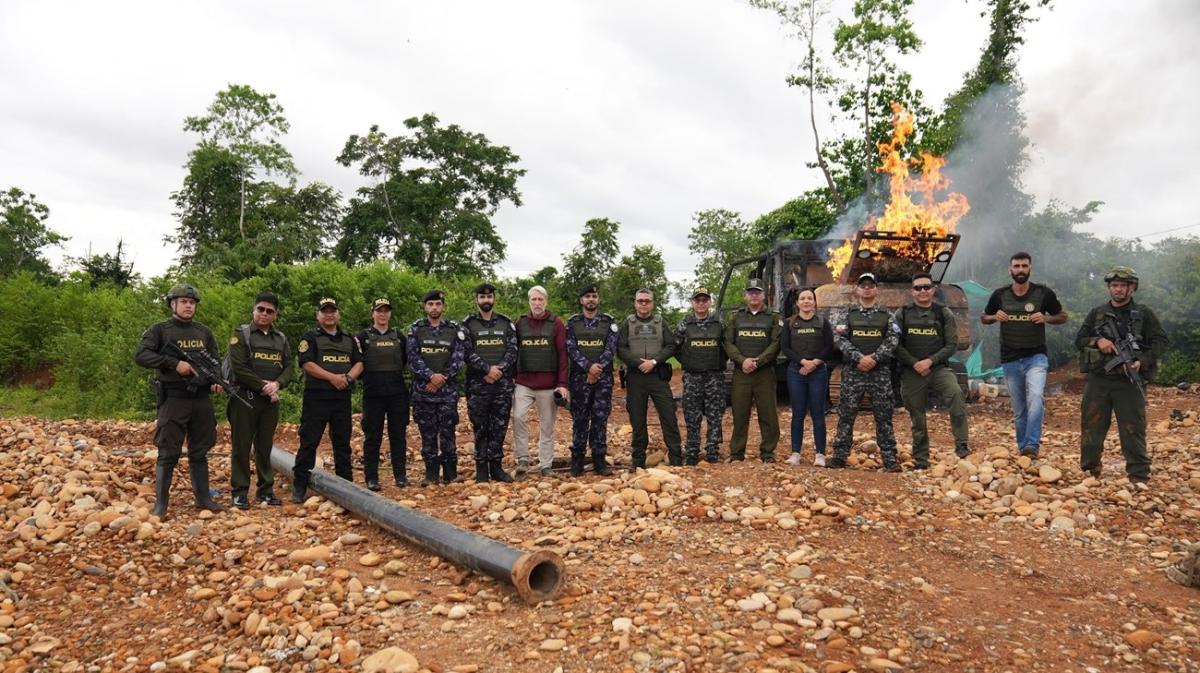
Human Rights Watch released a report detailing four attacks on Ecuadorian persons, properties and vessels that they attribute to an intensified counter-narcotics campaign led by the US with the partnership of the Ecuadorian government. The first attack took place in March on the farming community of San Martín, Sucumbíos province, and was confirmed by the US government as a partnered military operation. The remaining three incidents took place at sea, off Ecuador’s Pacific coast. They are the January disappearance of the Fiorella, an Ecuadorian fishing vessel, and March drone attacks on two other fishing vessels, La Negra Francisco Duarte II and the Don Maca. The US has denied responsibility in these maritime strikes. (Image: Nicolas Raymond via Flickr)

The Andes
Cuzco

US pushes ‘Donroe Doctrine’ at Cuzco defense summit

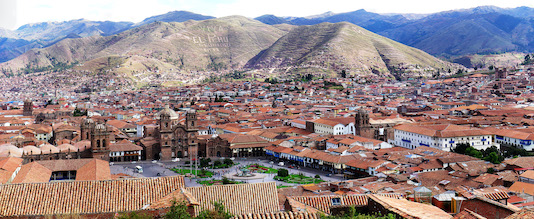
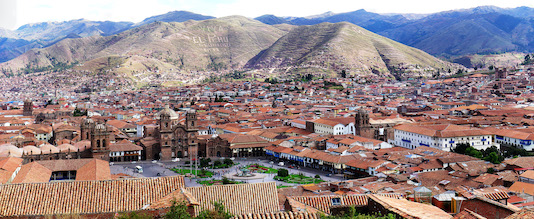
Representatives from over 30 countries gathered in the Peruvian city of Cuzco for the Conference of Defense Ministers of the Americas, where top Pentagon official Elbridge Colby used the occasion to defend the “Donroe Doctrine.” As at other regional security summits, including the “Shield of the Americas” conference held in Florida in March, Trump officials cast drug trafficking and irregular migration as threats to US security, urged regional governments to increase military spending, and called for deeper security collaboration with Washington. An increasing number of the right-wing governments in attendance have embraced closer military ties with the United States through joint strikes and new military bases—even as militarized policies fail to curb organized crime and violence in countries like Ecuador, a key testing ground for the administration’s renewed war on “narcoterrorism.” (Photo: Martin St-Amant via Wikimedia Commons)
The Caribbean
Coast Guard

Identifying victims of the US boat strikes

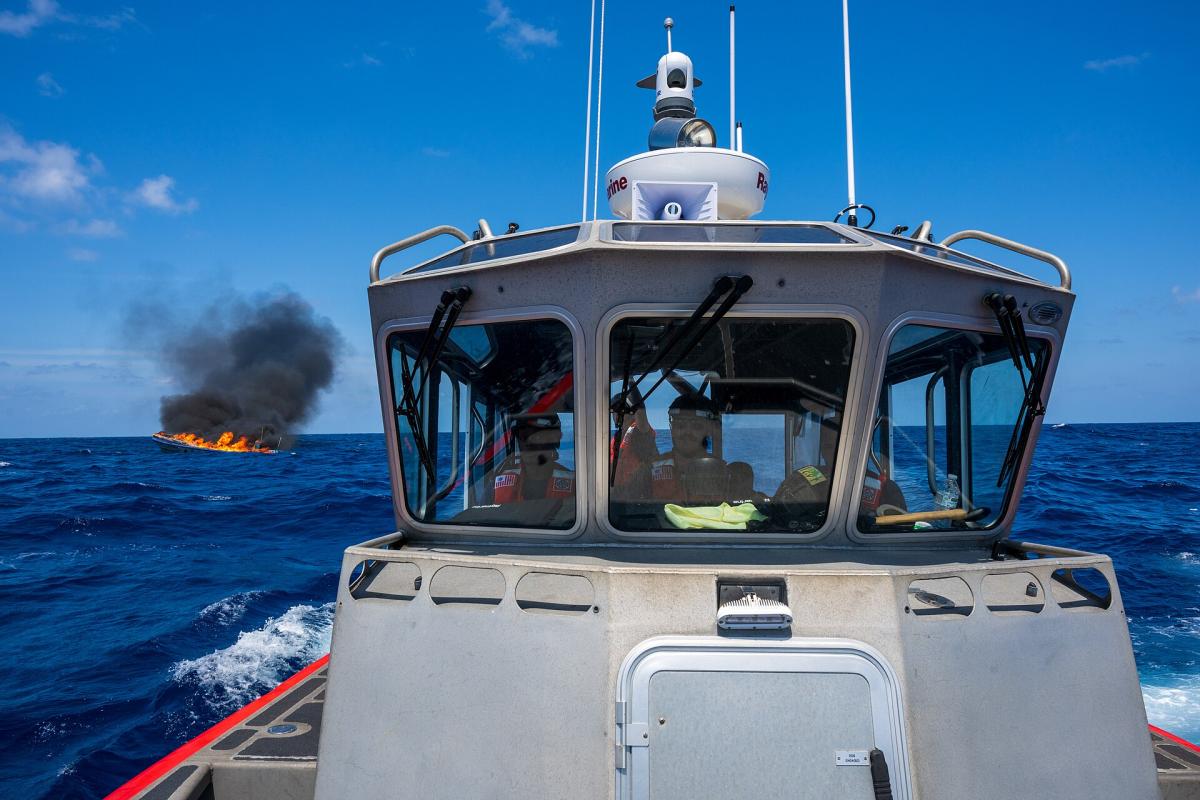
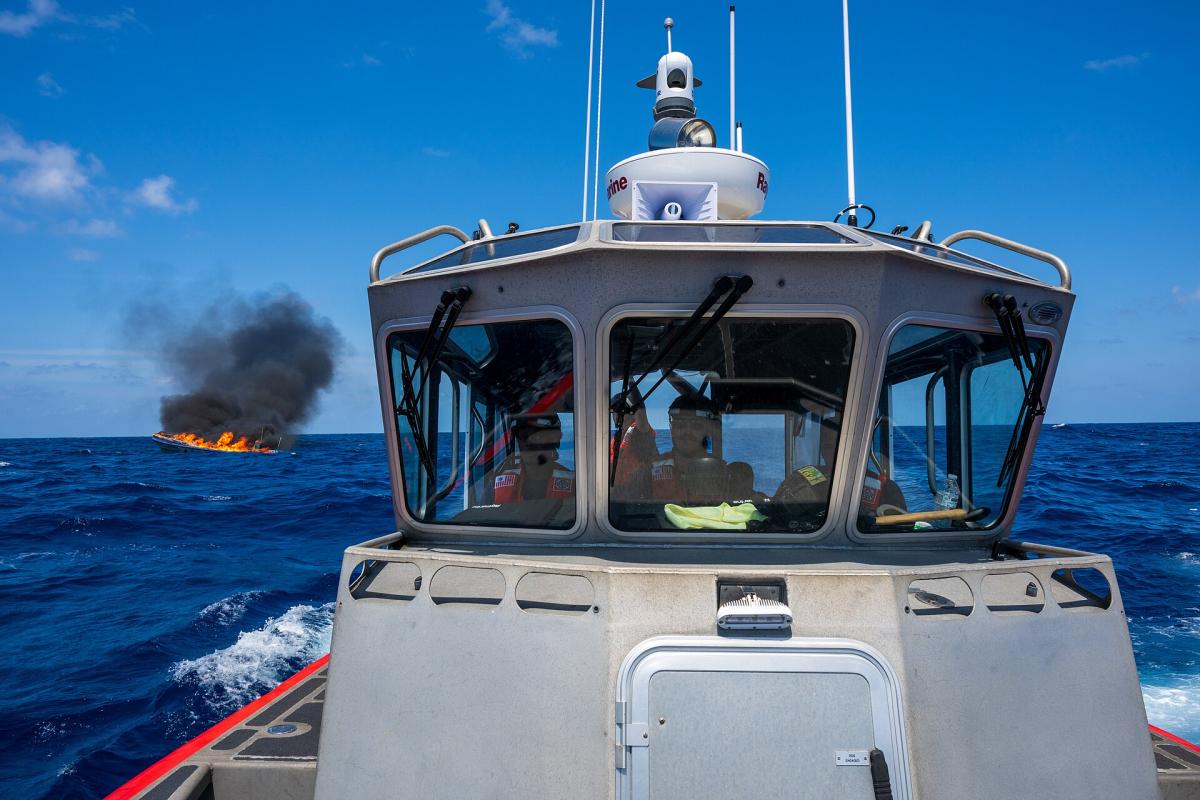
Nearly 200 people have been killed since the US started bombing boats supposedly believed to be carrying drugs in the Caribbean and Eastern Pacific last September—and the figure keeps rising. The strikes have caused an international outcry over the violation of international human rights law, but there has been little information about the victims themselves. A months-long cross-border investigation coordinated by the Latin American Center for Investigative Journalism (CLIP) has now managed to piece together the details of over 20 of the young men believed to have been killed, plus three survivors. They were overwhelmingly poor fishermen and small boat operators without criminal records. They came from economically vulnerable coastal communities, including in Colombia, Venezuela, Saint Lucia, Trinidad & Tobago and Ecuador. The investigation identified each of the boats targeted and noted that their home governments have failed so far to investigate the attacks. (US Coast Guard via Wikimedia Commons)
Watching the Shadows
deportees

Trump admin has transferred 17,400 to ‘third countries’

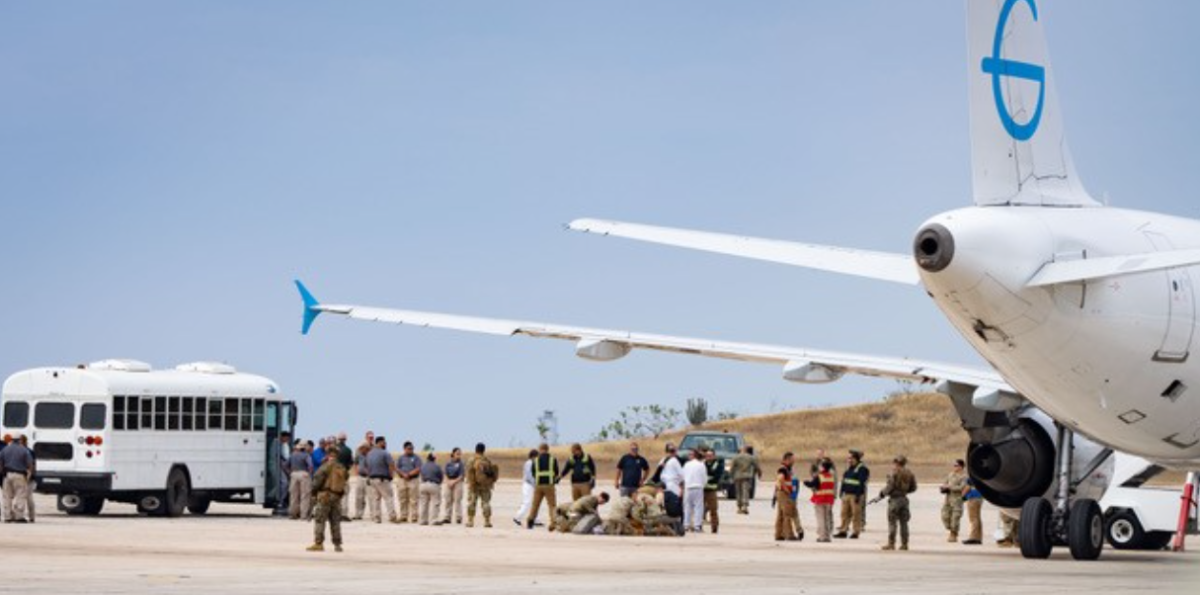
The Trump administration has built a network of third-country transfer agreements with more than 30 governments and used them to remove over 17,400 people, in some cases in defiance of federal court orders and after individuals had won their release through habeas corpus, according to data released by Human Rights First and Refugees International. The organizations report that the administration in April re-arrested and forcibly transferred to third countries people who had previously been granted withholding of removal by US immigration judges and had prevailed on habeas petitions challenging the legality of their detention. The report documents an attempted transfer of individuals to Libya last year in violation of a court order then in effect. (Photo: Venezuelan deportees in Honduras. Credit: ICE via Wikimedia Commons)

The Amazon
Ceibo

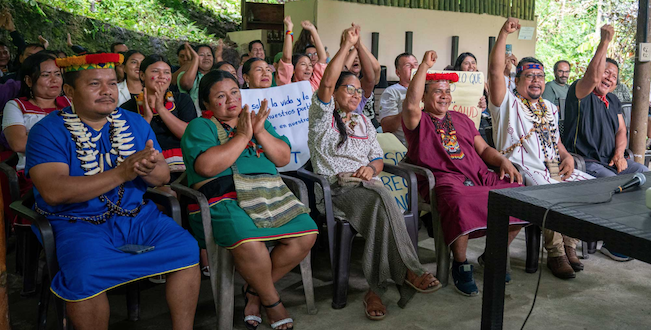
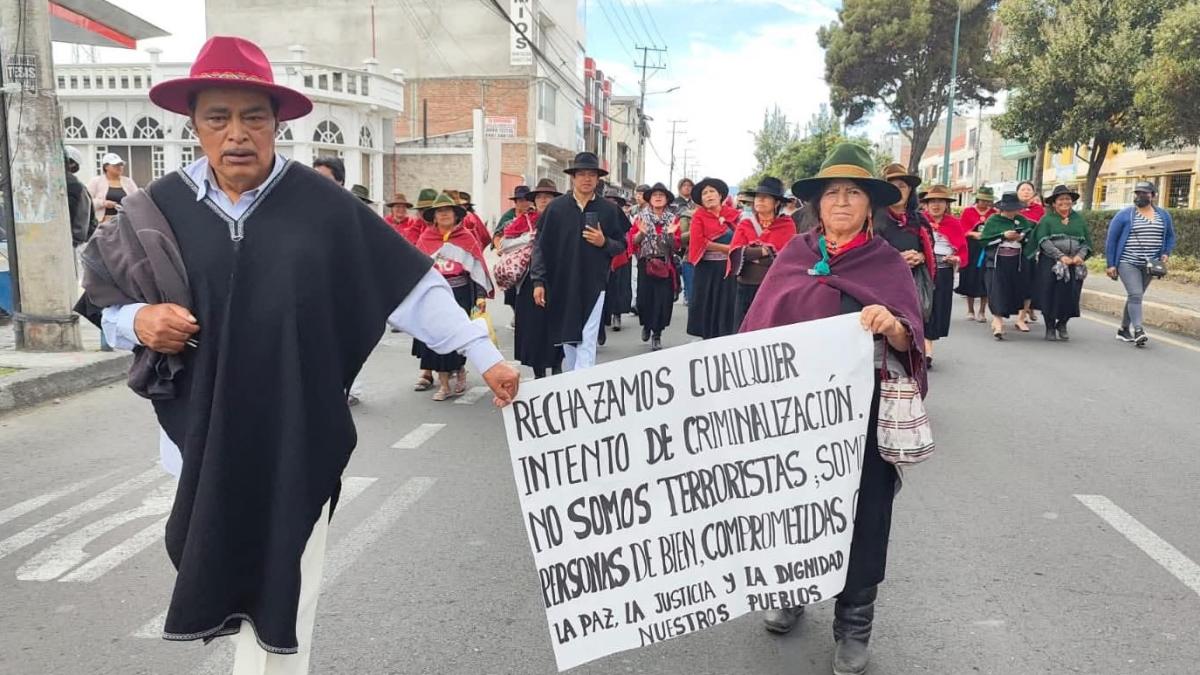
Ecuador: crackdown on indigenous, environmental groups

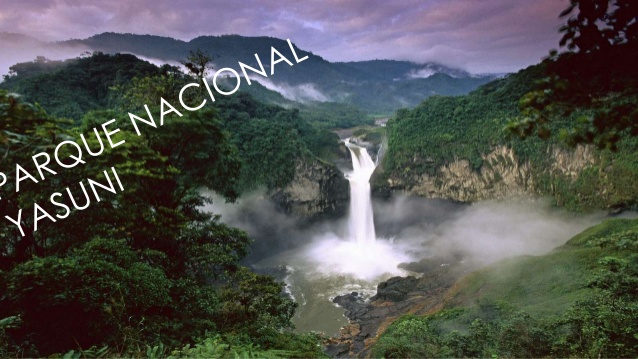
Ecuador’s financial crimes agency froze the bank accounts of several indigenous and environmental groups in an apparent effort to silence protests, Human Rights Watch said. The government’s Unidad de Análisis Financiero y Económico (UAFE) cited secret intelligence reports to justify the freezing of the funds. Among the groups affected is the indigenous organization Alianza Ceibo, representing the Waorani, Siekopai, A’i Cofán and Siona peoples, which has defended the economic, social, cultural and collective rights of these peoples for 10 years. Also targeted are groups protesting the decision to approve a mining project in the southern province of Azuay which threatens the fragile ecosystem in the region. (Photo: Alianza Ceibo)

The Andes
Cuenca

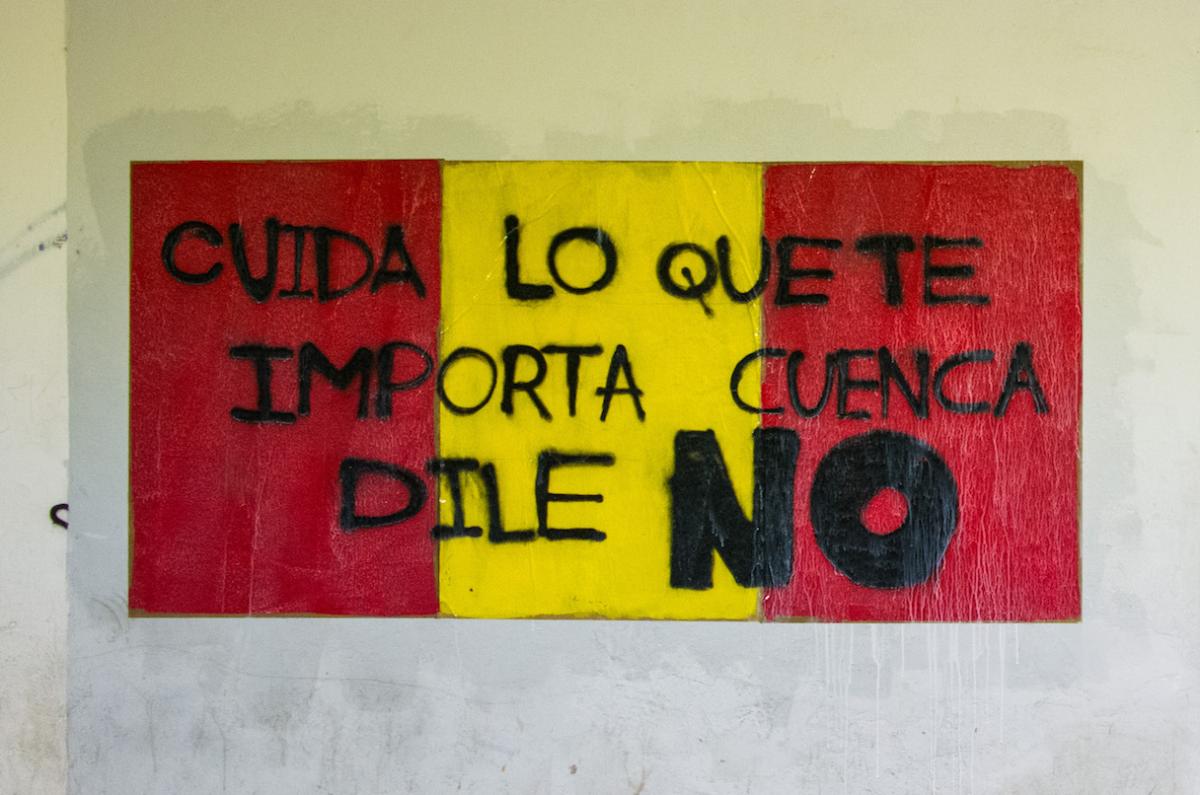
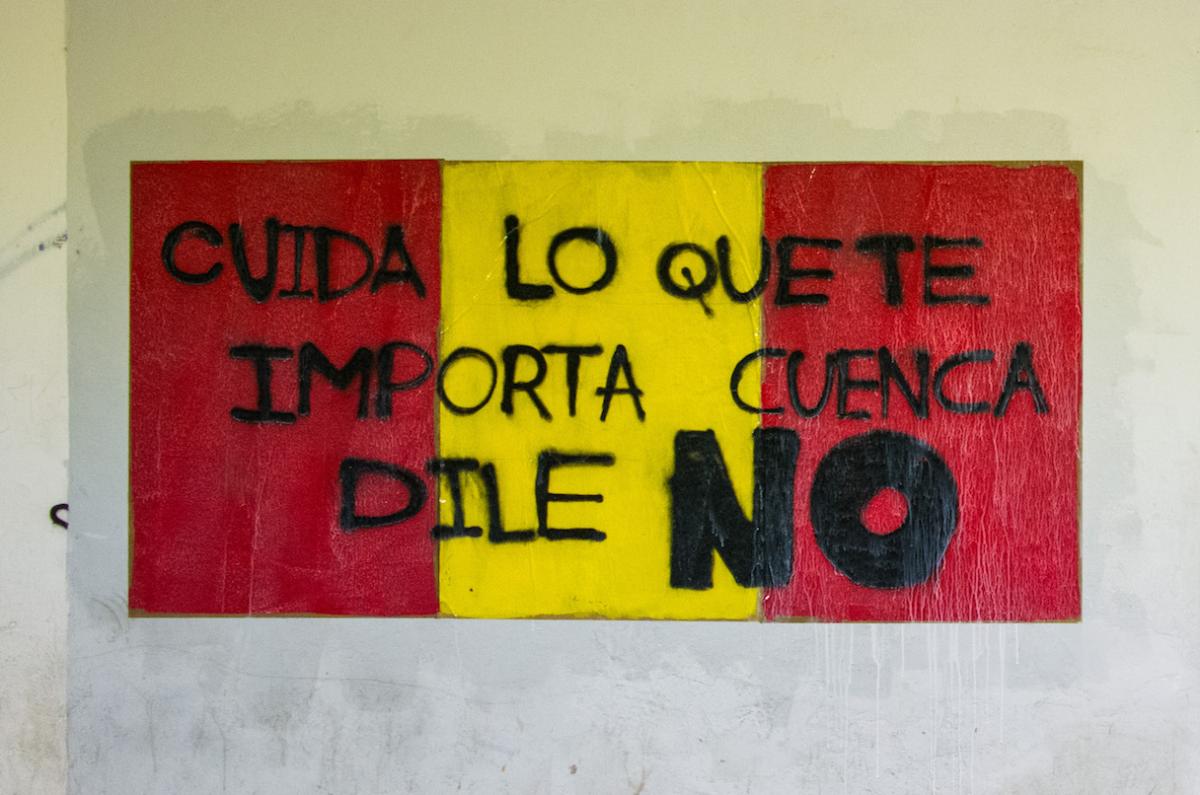
Ecuador voters reject foreign military bases

In a decisive referendum, Ecuadoran citizens overwhelmingly rejected a constitutional amendment that would have allowed foreign military bases on the country’s soil. Early counts show nearly two-thirds of ballots cast opposed the measure. President Daniel Noboa introduced the referendum, arguing that foreign cooperation was essential to combat the ongoing surge in violence related to drug-trafficking. The rejection represents a significant setback for Noboa and his broader security agenda, revealing public skepticism of solutions involving foreign military forces. (Photo: Martín Vasco via Wikimedia Commons)

The Andes
CONAIE

Popular protests turn deadly in Ecuador

Widespread protests in Ecuador, sparked by cuts to fuel subsidies, reached a boiling point, as an indigenous land defender was killed by the armed forces, a government aid convoy was reportedly attacked by protesters, and 12 soldiers went missing. Meanwhile, the government continued to advance its plan to rewrite the constitution—an initiative that has further intensified public anger. Undeterred, the powerful Confederation of Indigenous Nationalities (CONAIE), which initiated the nationwide strike, announced that it would extend the action. (Photo: CONAIE via Peoples Dispatch)

The Andes
Ecuador army

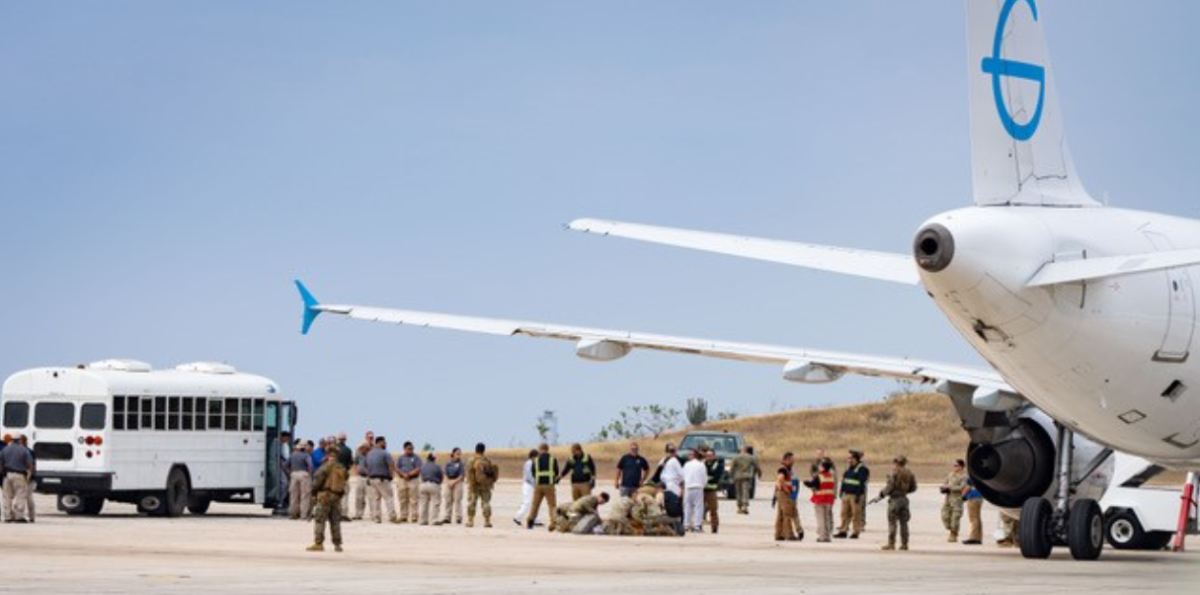
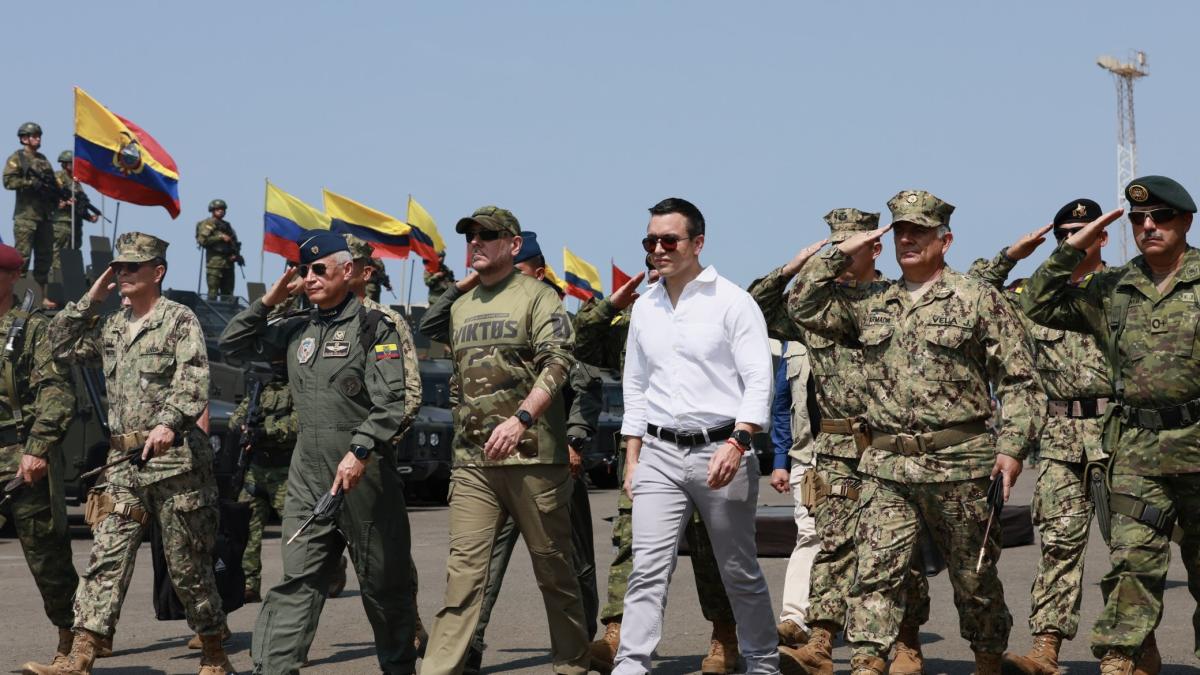
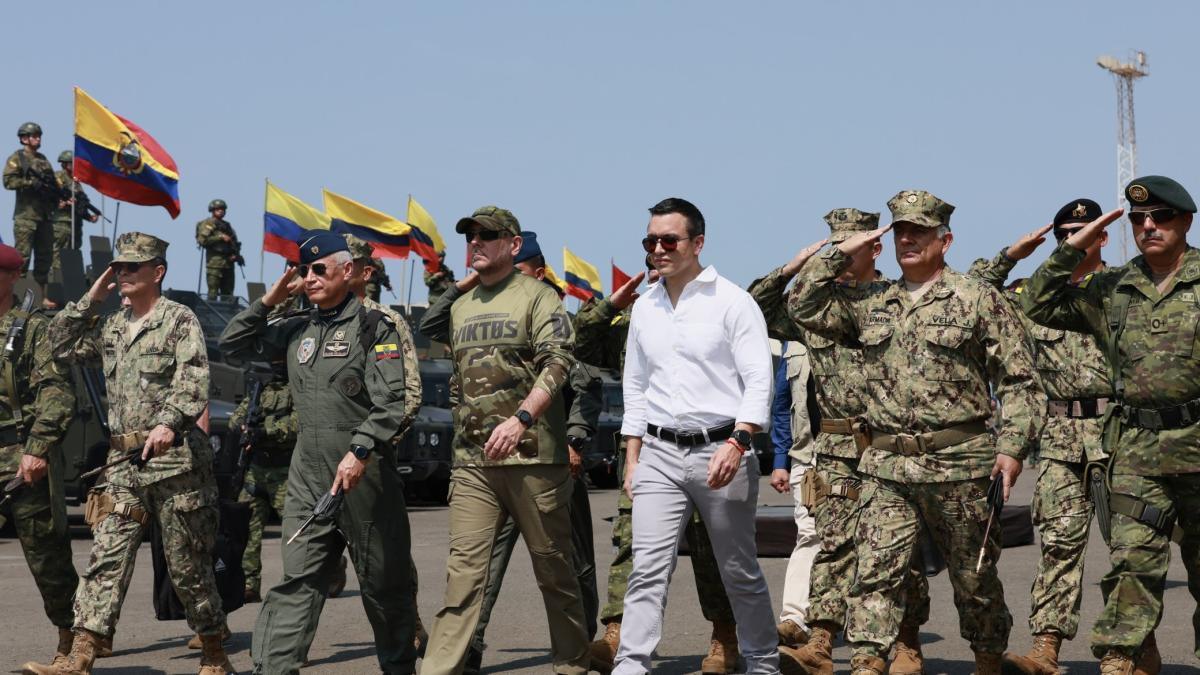
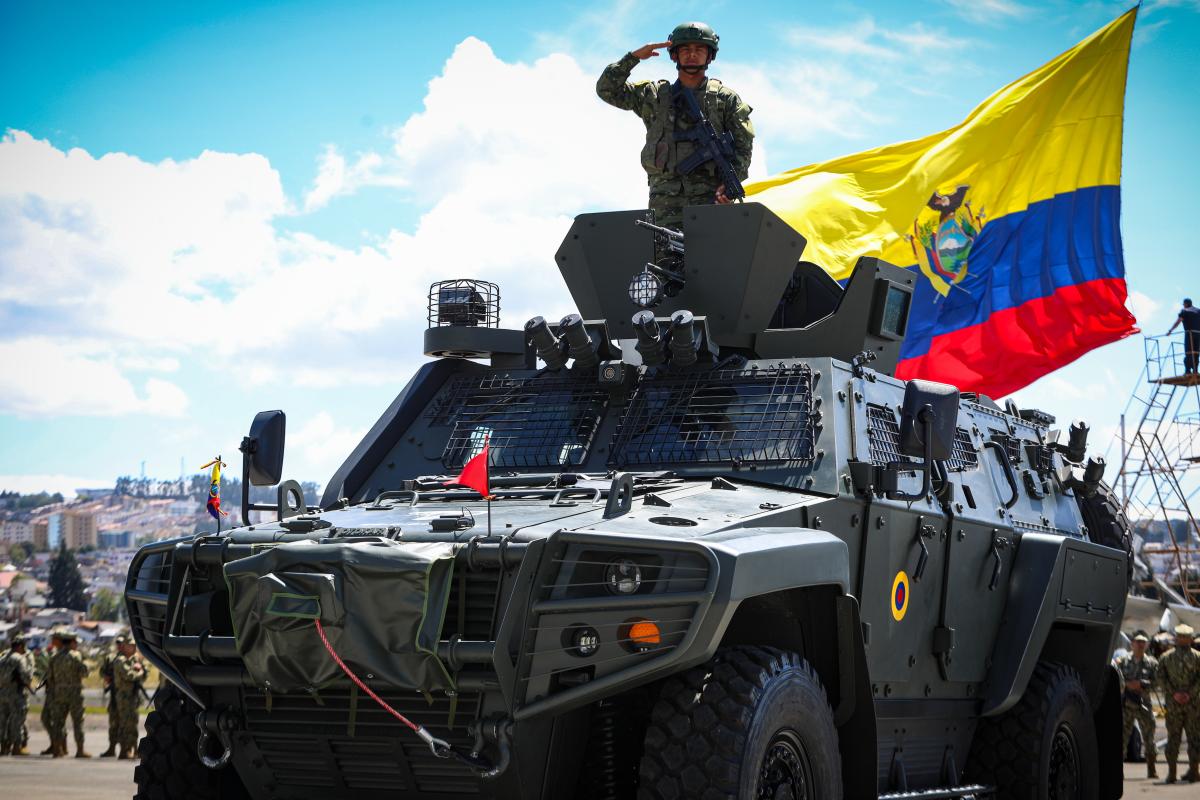
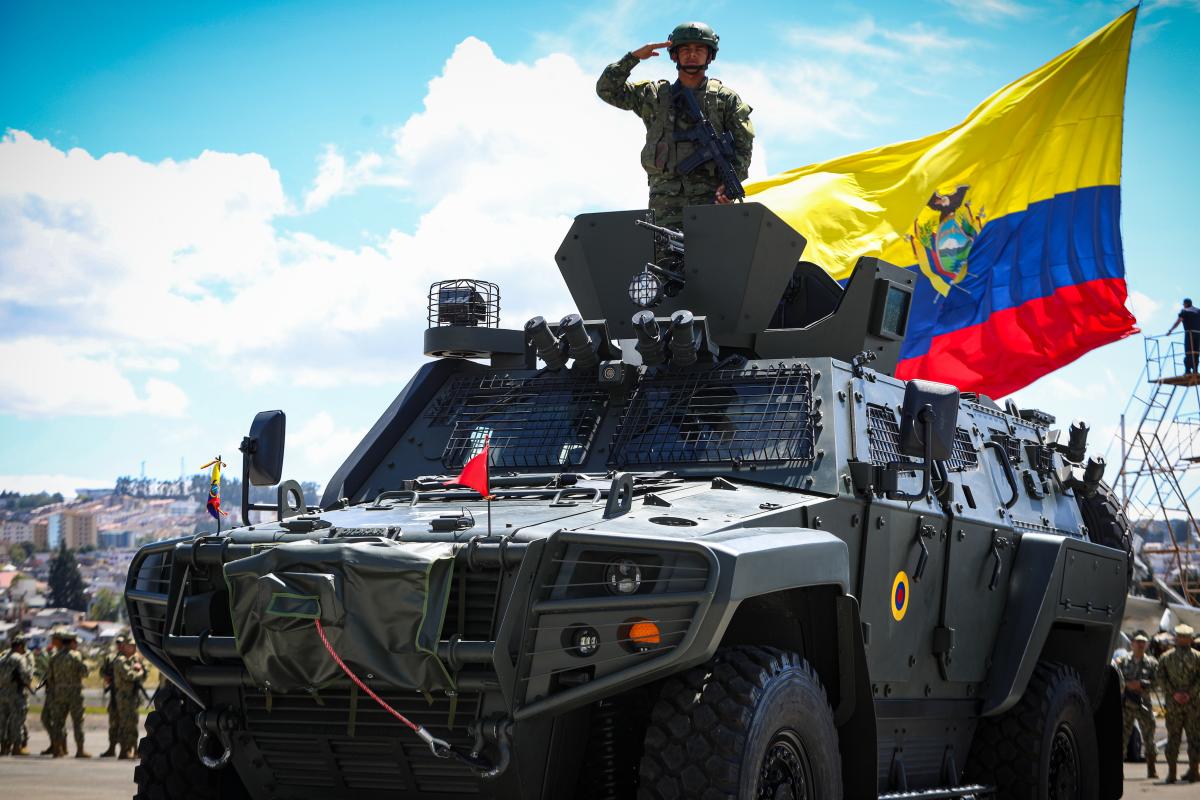
US-Ecuador security pact amid deepening crisis

At least 17 people were killed in an armed attack on a bar in El Empalme, a small town north of Ecuador’s port city of Guayaquil—days before US Homeland Security Secretary Kristi Neom visited the country and signed a deal to fight organized crime and illegal migration. The deal includes training for Ecuadoran security forces in the US and collaboration on border security. Once one of South America’s safest countries, Ecuador has registered a vertiginous uptick in violent crime in the past few years. In response, President Daniel Noboa has adopted a series of hardline security policies that have raised concern over human rights abuses. The policies range from the repeated declaration of states of emergency, the construction of El Salvador-style prisons, and a “strategic alliance” with private US military contractor Erik Prince. Noboa has also replicated some of US President Donald Trump’s deportation tactics, returning more than 600 Colombian prisoners to their country in late July with no official notice. (Photo: Presidencia Ecuador via Peoples Dispatch)

The Amazon
Ecuador

Israel, UAE to assist Ecuador drug war

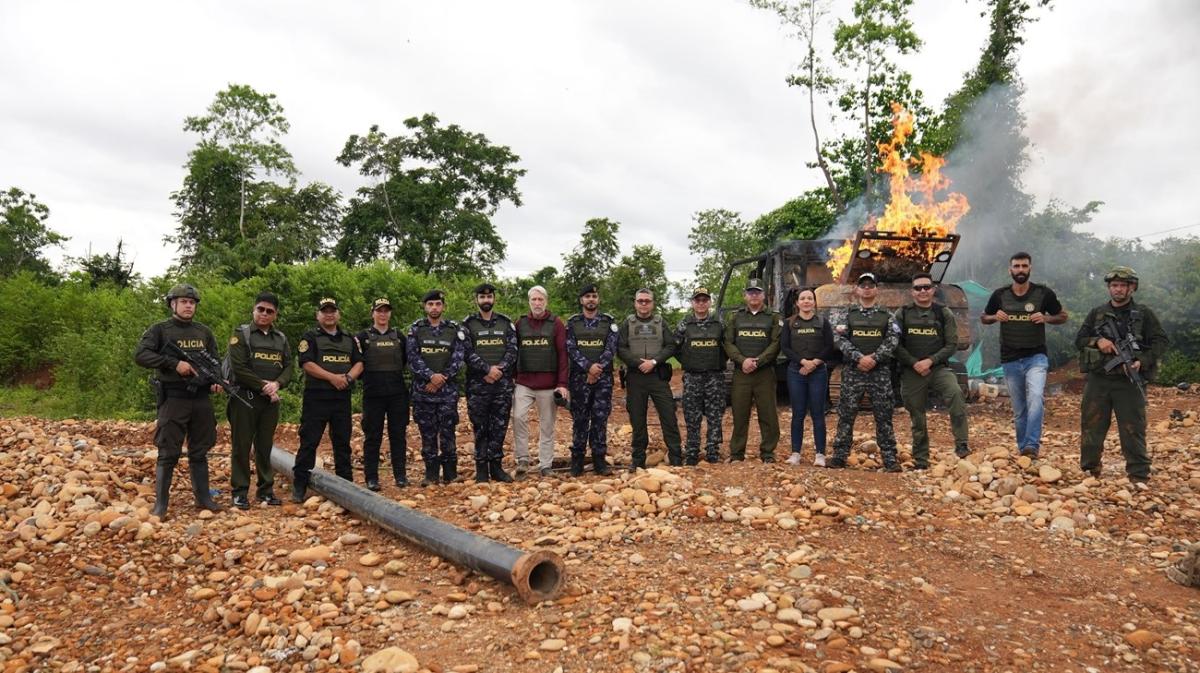
Ecuador’s President Daniel Noboa says he is seeking assistance from Israel and the United Arab Emirates to combat the drug cartels that are terrorizing the South American country. The hardline rightist who won re-election last month said Israel and the UAE have agreed to provide intelligence aid “to help” fight the narco gangs. A day after Noboa’s comments, Ecuadoran authorities announced that 11 soldiers were killed while carrying out an operation to combat illegal mining in a region near the border with Colombia. The Prosecutor General’s office said the troops were attacked by the Comandos de la Frontera, a “dissident” faction of Colombia’s FARC guerillas that controls cross-border drug trafficking and illegal gold-mining operations in the eastern province of Orellana. (Photo: Presidencia de la República del Ecuador via WikimediaCommons)

Watching the Shadows
Salvador

Trump-Bukele detention deal heads for clash with courts

The Trump administration’s deportation policies took center stage this week as Salvadoran President Nayib Bukele visited the White House, courts continued challenging the legality of the deportations, and a Maryland senator travelled to El Salvador in an attempt to make contact with a man known to have been wrongfully deported. With Trump now openly defying the federal courts—and, in fact, seeking to expand indefinite detention of deportees in El Salvador’s prison system—the long-awaited showdown between the executive and judiciary appears to have arrived. (Photo: WikiMedia via Jurist)

North America
Trump

Podcast: nullify the election!

As Trump assembles his cabinet of dangerous cranks and far-right extremists, his election is being openly celebrated by reigning fascists and arch-reactionaries from Russia to Hungaryto Bosnia. The fascist world order that began to consolidate under his first term is poised to be cemented under a global triumvirate of tyranny—Trump, Putin and Xi. Biden’s cooperationin the transfer of power is a betrayal not only of the nation but of humanity—and Trump has still failed to sign the ethics pledge mandated by the protocol of presidential transition, making clear his ill intent. Evidence that the Kremlin directly hacked the vote on behalf of Trump (rather than merely using disinformation propaganda, as in 2016) warrants investigation. Furthermore, the Insurrection Clause of the 14th Amendment, under which Trump was impeached, should be invoked to bar him from office. There is still time to stop the fascist takeover of the United States through the Electoral College or in the certification process. Despite the Supreme Court decision upholding state laws against “faithless electors” who refuse to vote for the candidate they pledged for, this is by no means equivalent to the “fake electors” contrived by Trump’s team to try to throw the 2020 election. On the contrary, it is a constitutional mechanism, as outlined by Hamilton in the Federalist Papers. In Episode 252 of the CounterVortex podcast, Bill Weinberg makes the case for mass pressure to demand nullification of the election. The protests against Trump since Election Day are a good start. But a mass movement on the scale of the post-electoral protests now seen in the Republic of Georgia and Ecuador is urgently mandated. (Image: APhilosophicalEnquiry)

The Andes
Ecuador

Ecuador moves toward return of foreign military bases​

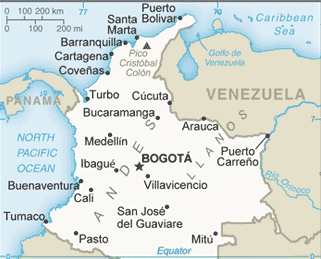
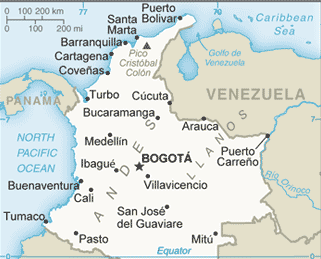
Ecuador’s President Daniel Noboa announced a decision to introduce a bill amending Article 5 of the constitution, to permit the establishment of foreign military bases in the country. A video Noboa posted announcing the decision was recorded at the military base in Manta, Manabí province. Established in 1999, the base had previously been leased to and operated by the United States military to combat drug trafficking. Ecuadorian activists long protested the presence of the US military. Upon taking power in 2007, left-populist president Rafael Correa—under whom the current constitution was enacted—stated that the lease would not be renewed, resulting in the US military formally leaving the Manta base in 2009. But the statement from Noboa’s office asserts: “Ecuador is facing a battle against transnational crime. This requires a strong national and international response.” (Map: PCL)