Planet Watch

Chevron fire: how many more?

It hasn’t won the merest fraction of the coverage enjoyed by the London Olympics, but last week’s massive Chevron oil refinery fire in Richmond, Calif., sent hundreds of people rushing to hospitals, darkened the skies over East Bay, and has… Read moreChevron fire: how many more?

Southeast Asia

Geopolitical chess game heats up South China Sea

Beijing's move to set up a military garrison on disputed Yongxing Island—claimed by the Philippines as part of the Paracel chain—is escalating tension in the South China Sea.

Africa

Niger Delta insurgency back on?

Gunmen attacked two ships off the coast of Nigeria's oil-rich southern delta, killing two naval troops protecting the vessels and seizing four foreign workers before fleeing. 

The Amazon
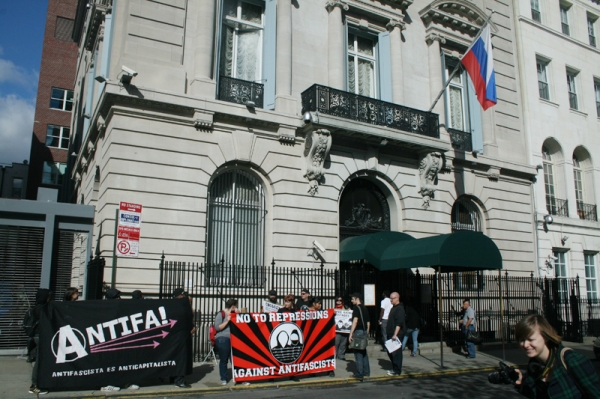
nyc supportrussianantifas sep17 06

ANTIFA

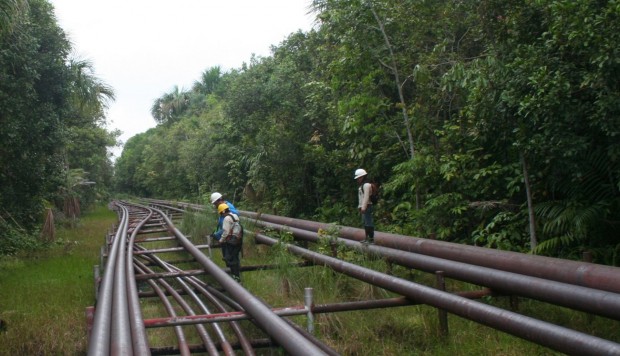
North Peru pipelineLizardo Cauper, president of Peru's alliance of Amazonian peoples, AIDESEP, issued an urgent call for authorities to open dialogue with indigenous communities in the northern region of Loreto rather than militarizing the area in response to mounting social conflicts and attacks on the North Peruvian Pipeline. Noting that the aging pipeline is in chronic disrepair, with repeated spills contaminating the rainforest, Cauper said: "We have made a call that, in place of militarization, they put in place a new pipeline. But it is not enough to have a new pipeline, but to respond to the demands of the people who are living around these oil activities." Regional authorities have called upon Lima to declare a state of emergency in response to paralysis of the pipeline, which delivers crude from rainforest oilfields over the Andes. (Photo: Andina)

Mexico
P1000162

mosque162

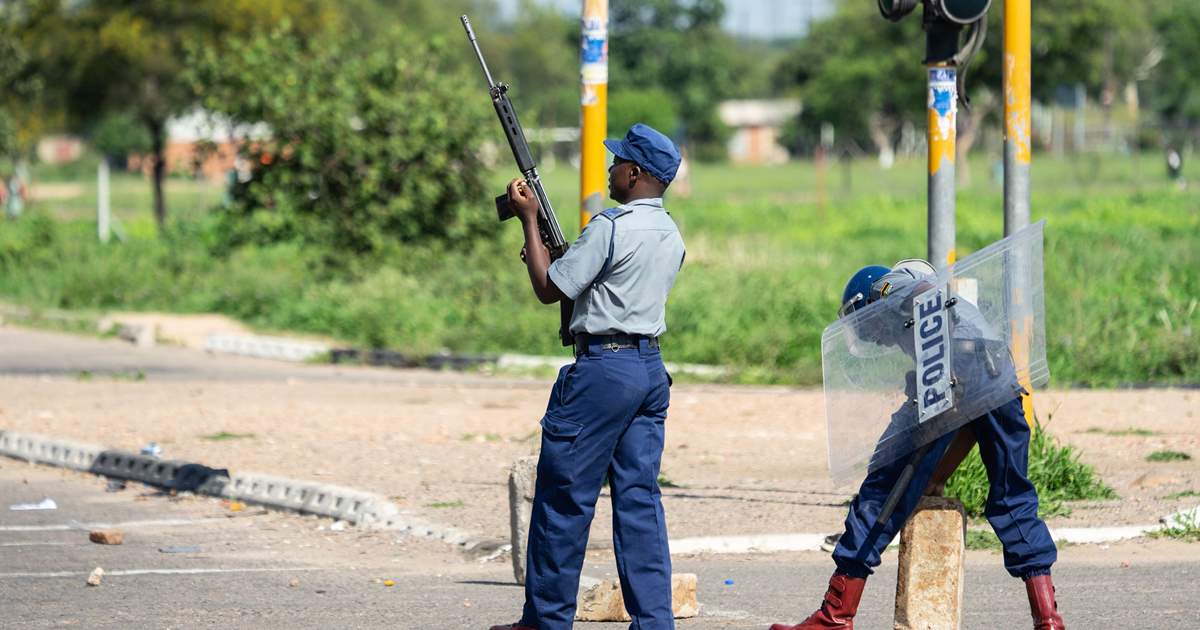
Zimbabwe unrestWorld oil prices remain depressed despite an uptick this month, driven by the Venezuela crisis and fear of US-China trade war. Yet this month also saw Zimbabwe explode into angry protests over fuel prices. The unrest was sparked when the government doubled prices, in an effort to crack down on "rampant" illegal trading. Simultaneously, long lines at gas stations are reported across Mexico—again due to a crackdown on illegal petrol trafficking. Despite all the talk in recent years about how low oil prices are now permanent (mirrored, of course, in the similar talk 10 years ago about how high prices were permanent), the crises in Zimbabwe and Mexico may be harbingers of a coming global shock. (Photo via Amnesty International)

The Andes
P1000160

mosque160

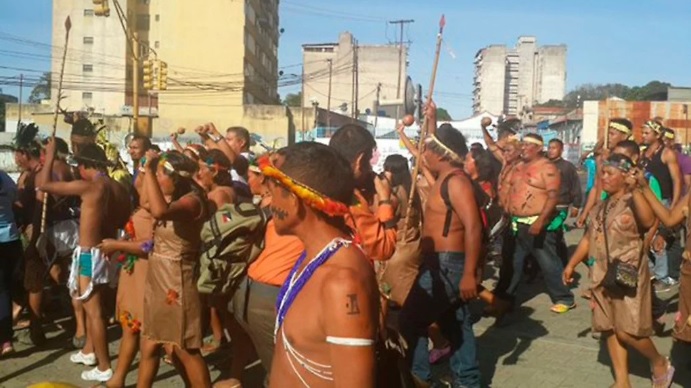
PemonTrump, the great enthusiast for dictators, suddenly develops a touching concern with democracy in Venezuela, grasping at the opportunity for long-sought regime change. Predictably overlooked in the world media's Manichean view of the crisis are voices of Venezuela's dissident left that takes a neither/nor position opposed to both the regime and the right-wing leadership of the opposition. Also unheard are voices of indigenous dissent and resistance. In an episode that received little coverage, December saw protests in the remote Orinoco Basin after a leader of the Pemón indigenous people was killed in a confrontation with elite Military Counterintelligence troops. The military operation was ostensibly aimed at clearing the region of illegal mining—while the Pemón themselves had been protesting the mining. The indigenous leaders view the militarization of the region as intended to make way for corporate exploitation under the Orinoco Mineral Arc plan. (Photo: EcoPolitica Venezuela)

Africa
P1000153

mosque153

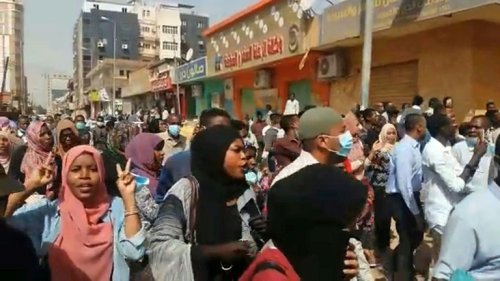
Sudan protestUN High Commissioner for Human Rights Michelle Bachelet called on the government of Sudan to protect its people's rights to peaceful assembly and freedom of expression in the face of mounting violence. Anti-government protests have swept across Sudan for weeks. Over 800 have been arrested, including "journalists, opposition leaders, protestors and representatives of civil society." The government has confirmed 24 deaths but other reports place the number at double that. There have also been reports of security forces following protesters into hospitals and firing tear-gas and live ammunition inside. (Photo via Sudan Tribune)

Iraq
P1000085 1

mosque3

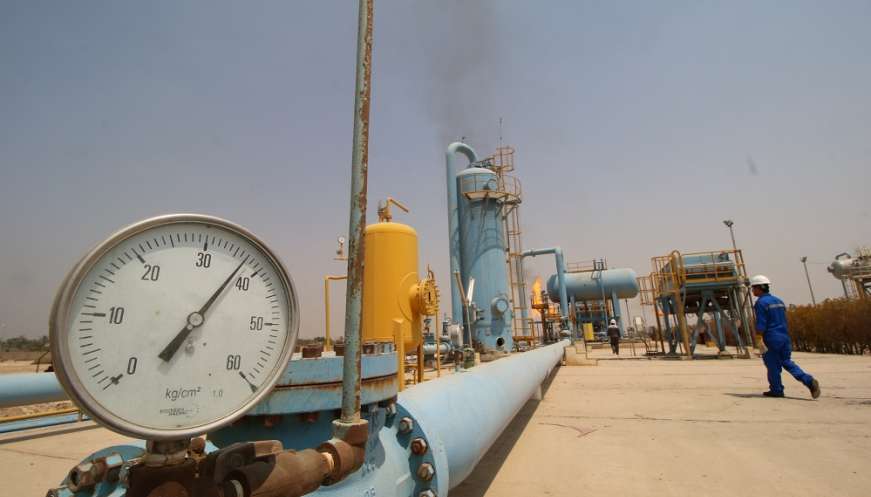
KRG pipelineThe export of oil from northern Iraq's contested enclave of Kirkuk is to resume under a deal struck between Baghdad and the Kurdistan Regional Government (KRG), Iraq's Ministry of Oil announced. With Baghdad's Kirkuk-Ceyhan pipeline disabled during fighting with ISIS, the so-called KRG pipeline is currently the only method of delivering Kirkuk oil to foreign markets other than through Iran. That route has now also been cut off by the resumption of US sanctions against the Islamic Republic. But Baghdad and the KRG have long been at odds over terms, and the situation was worsened with the central government's seizure last year of Kirkuk and its oil-fields, which had been in Kurdish hands since the KRG routed ISIS from the enclave in 2014. US National Security Advisor John Bolton welcomed the agreement between Baghdad and the KRG as a "promising first step to return to 2017 levels." The KRG pipeline is jointly owned by the Erbil-based KRG, BP and Russia's Rosneft. (Photo via Iraqi News Agency)