Planet Watch
anthropocene

Podcast: against ‘normalcy’ II

In Episode 106 of the CounterVortex podcast, Bill Weinberg continues his rant against the ubiquitous propaganda that normalizes the oppressive and dystopian pre-pandemic normality—or, as it is now incorrectly rendered, “normalcy” (sic). The opportunity for a crash conversion from fossil fuels that was posed by 2020’s pandemic-induced economic paralysis is now being squandered. As fossil-fuel prices soar, the Biden administration is continuing a Trump-era policy to aggressively open public lands to coal mining, refusing to return to an Obama-era moratorium on new leases. US greenhouse gas emissions dramatically bounced back in 2021—one of the hottest years on record. The global mean sea level is rapidly rising, and will keep rising for centuries even if the Paris Agreement goals are met, as seems less likely each day. And all this as hospitals remain overwhelmed coast to coast, and the National Guard is being mobilized to keep them functioning. Listen on SoundCloud or via Patreon. (Photo: CounterVortex)

Planet Watch
freeway

Podcast: against ‘normalcy’

In Episode 105 of the CounterVortex podcast, Bill Weinberg rants against the ubiquitous propaganda that normalizes the oppressive and dystopian pre-pandemic normality. Amid the relentless COVID-19 denialism, even mainstream voices are calling for a return to “normalcy” (sic)—which is not even a word. The opportunity for a crash conversion from fossil fuels that was posed by 2020’s pandemic-induced economic paralysis, when already depressed oil prices actually went negative, is now being squandered. President Biden just released oil from the Strategic Reserves to control soaring prices. Simultaneously, the administration is moving ahead with the largest offshore oil lease sale in US history. While during the 2020 lockdown. the usually smog-obscured Himalayas became visible from northern India for first time in decades, Delhi is now choked with emergency levels of toxic smog. During the 2020 lockdown, the total US death rate actually dropped because people were staying off the roads; US traffic deaths are now soaring. New York’s new Mayor Eric Adams wants to stake the city’s economic future to the cryptocurrency industry, even as China is cracking down on Bitcoin “mining” (sic) because of its “extremely harmful” carbon footprint. And amid all the empty hand-wringing about climate change, airlines are flying thousands of empty “ghost flights” in order to keep their slots at congested airports. The “return to normalcy” must be urgently resisted. As Bruce Cockburn observed long ago, the trouble with normal is it always gets worse. Listen on SoundCloud or via Patreon. (Photo: malingering via The Source Metro)

Africa
cameroon

Water scarcity sparks clashes in Cameroon’s North

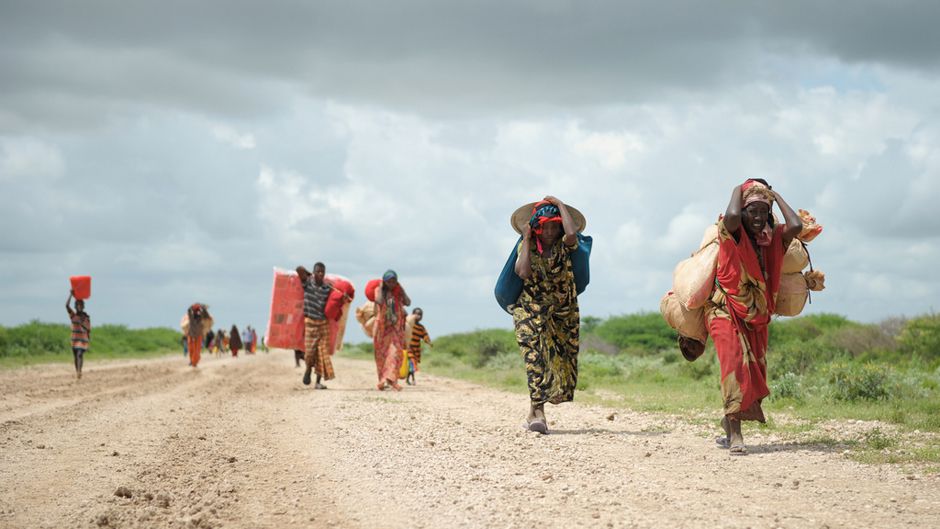
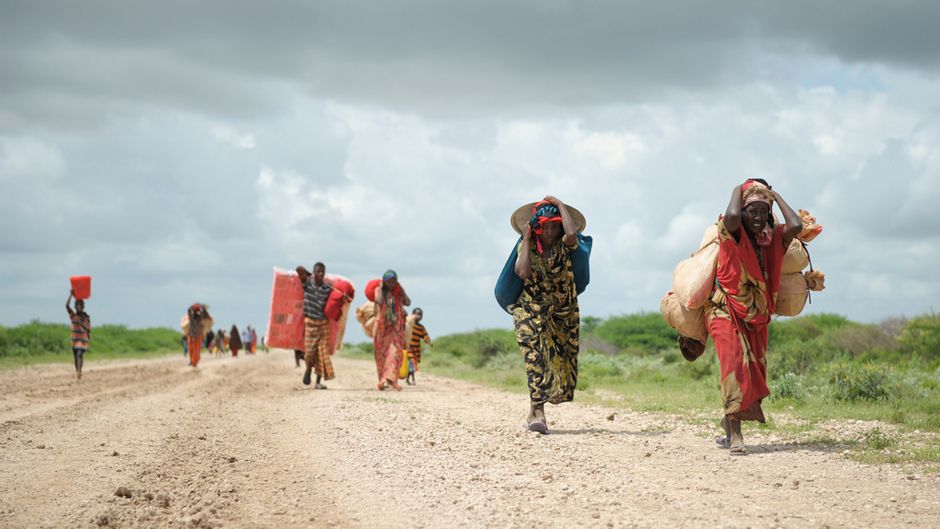
The UN Refugee Agency reports that “intercommunal clashes” in Cameroon’s Far North region have displaced thousands inside the country and forced more than 30,000 people to flee to neighboring Chad. At least 22 have been killed and 30 others injured. The fighting began in the border village of Ouloumsa following a dispute between herders, fishermen and farmers over dwindling water resources. Violence then spread to neighboring villages. Ten villages have been burned to the ground. The violence also reached Kousseri, Cameroon’s northern commercial hub, where the cattle market was destroyed and thousands forced to flee. (Photo: Aristophane Ngargoune/UNHCR)

Planet Watch
anthropocene

Glasgow: ‘climate-vulnerable’ protest ‘compromise’ pact

The COP26 UN climate summit concluded a deal among the 196 parties to the 2015 Paris Agreement on long-delayed implementation measures. UN Secretary-General Antonio Guterres called the deal a “compromise,” and indeed it was saved through eleventh-hour haggling over the wording. Just minutes before the final decision on the text of the Glasgow Climate Pact, India, backed by fellow major coal-producer China, demanded weaker language on coal, with the original call for a “phase-out” softened to “phase-down.” And even this applies only to “unabated” coal, with an exemption for coal burned with carbon capture and storage technology—a technofix being aggressively pushed by Exxon and other fossil fuel giants, in a propaganda blitz clearly timed for the Glasgow summit. Another corporate-backed fix that allows polluters to go on polluting was also embraced at Glasgow: the pact calls for establishment of a global carbon-trading market in 2023. (Photo: CounterVortex)

Planet Watch
extinction rebellion

Podcast: anarchism and the climate crisis

With the inauspicious opening of the Glasgow climate conference, activists around the world are increasingly looking to local action as an alternative to the moribund United Nations process on addressing what has been called a “Code Red for humanity.” In Episode 95 of the CounterVortex podcast, Bill Weinberg explores the ideas of Social Ecology and radical municipalism, developed by the late Vermont anarchist thinker Murray Bookchin, and how they provide a theoretical framework for localities struggling to lead from below on the climate question. Examples discussed include the Zapatistas in Chiapas, the Rojava Kurds in Syria, and the community gardens and ongoing struggles for reclaimed urban space on New York’s Lower East Side. Listen on SoundCloud or via Patreon. (Photo: East River Park Action)

Planet Watch
Fikile Ntshangase

Record number of ecologists slain in 2020

A record number of environmental defenders were murdered last year, according to a report by advocacy group Global Witness. The report, “Last Line of Defense,” counts 227 activists killed around the world in 2020—the highest number recorded for a second consecutive year. Many of the murders were linked to resource exploitation—logging, mining, agribusiness, and hydroelectric dams. Since the 2015 Paris Agreement on climate change, the organization found on average of four activists have been killed each week. (Photo via Groundwork)

Planet Watch
Arenal

Denmark, Costa Rica to launch no-fossil-fuel bloc

Denmark and Costa Rica jointly announced that they are launching an alliance of nations committed to setting a firm date to completely phase out use and production of fossil fuels. The two countries hope to present the initiative, tentatively dubbed the Beyond Oil & Gas Alliance (BOGA), at the upcoming UN climate summit in Glasgow. Nearly 60 countries have made some sort of net zero emissions pledge, but only a handful of those have actually set a target in law or enacted bans on new fossil fuel exploration and production. An International Energy Agency report released earlier this year found that new fossil fuel exploration needs to halt by 2022 in order to keep warming within the limits set by the 2015 Paris Agreement. (Photo: Flickr/photodiscoveries via weather2travel.com)

North Africa
kabylia fire

Algiers plays politics with Morocco as Kabylia burns

At least 90 people have been killed in wildfires that have swept through northern Algeria over the past weeks. The blazes have consumed some 100,000 acres, mostly in the northeastern Kabylia region. While remaining silent on the role of climate change, the Algerian government is exploiting the disaster for political purposes. President Abdelmadjid Tebboune said the fires were “criminal” in origin, and blamed them on regional rival Morocco. Authorities have arrested several presumed members of the Kabylia Self-Determination Movement (MAK), a civil organization seeking independence for the predominantly Berber region. The DGSN security agency said the suspects were part of a “terrorist organization.” Last month, Algiers recalled its ambassador in Rabat in protest of Moroccan diplomatic statements in support of self-determination for the Berbers of Kabylia. (Photo via Twitter)

Africa
Nigeria

Sectarian massacre in Nigeria’s Plateau state

Nigerian authorities imposed a curfew in Jos, capital of north-central Plateau state, after at least 20 Muslim travelers passing through the city were massacred by a presumed Christian militia. The Muslims, mostly of the Fulani ethnicity, were in a convoy of vehicles, returning to their homes in Ondo and Ekiti states from a celebration in neighboring Bauchi state marking the start of Muharram, the Islamic new year. In Jos, the convoy was caught in a traffic jam, and the vehicles set upon by militiamen, the occupants slain with machetes, daggers and other weapons. The assailants were apparently Christians of the Irigwe ethnicity. Northern and central Nigeria have for years seen growing violence between Muslim semi-nomadic herders and Christian farmers over control of land and water. (Map: Perry-Castañeda Library)

Planet Watch
DixieFire

UN climate report: ‘Code Red for Humanity’

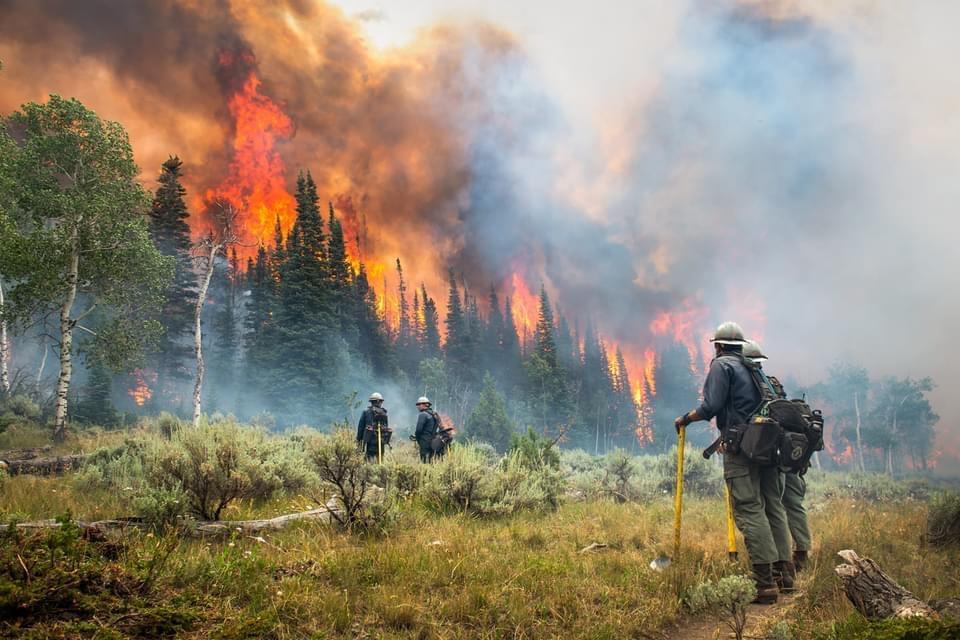
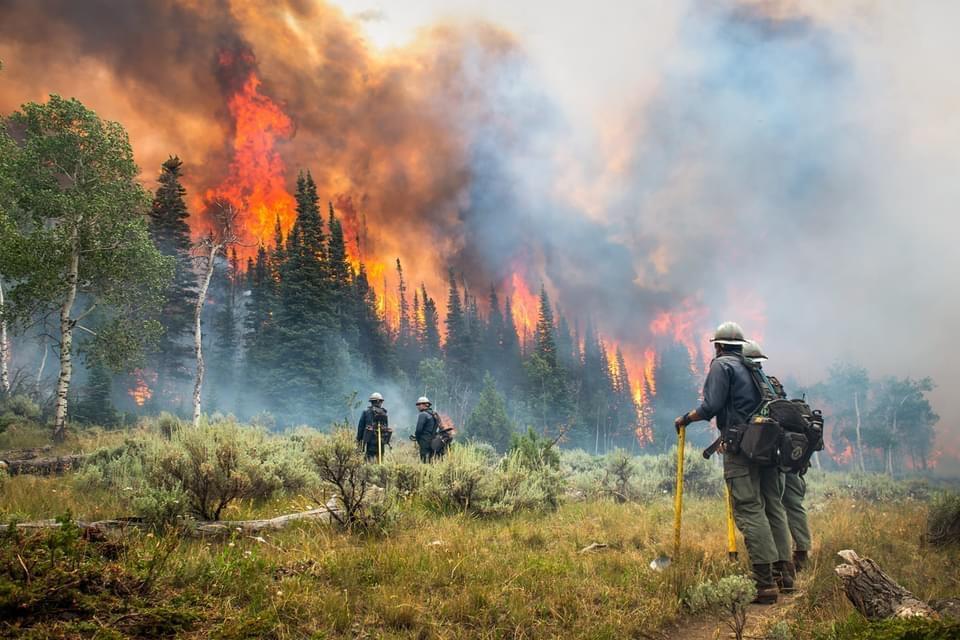
Climate change is “unequivocal” and rapidly intensifying, and some of the changes already in motion—such as continued sea level rise—are irreversible over hundreds to thousands of years, finds the latest report from the Intergovernmental Panel on Climate Change (IPCC). The report concludes that human influence has warmed the planet at a rate that is unprecedented in at least the last 2,000 years. Human-induced climate change is already affecting many weather and climate extremes in every region across the globe—including heatwaves, droughts, and tropical cyclones. Atmospheric concentrations of CO2 are higher than at any time in at least two million years. (Photo: CalFire)

Syria
Raqqa

Survivors struggle four years after battle of Raqqa

Children in Raqqa, northeast Syria, are still living among ruins, with limited water, electricity, and access to education, four years after the city was taken from ISIS, according to a new report by Save the Children. Thousands of people have returned to Raqqa since the battle for the city ended in 2017. But levels of rebuilding and rehabilitation of housing remain low, with children living in constant fear of their homes collapsing on top of them. Research estimates that 36% of the city’s buildings remain entirely destroyed. At the peak of the bombing campaign, Raqqa faced 150 air-strikes a day. (Photo: Mahmoud Bali/VOA via Wikimedia)