
Renewed conflict along Durand Line

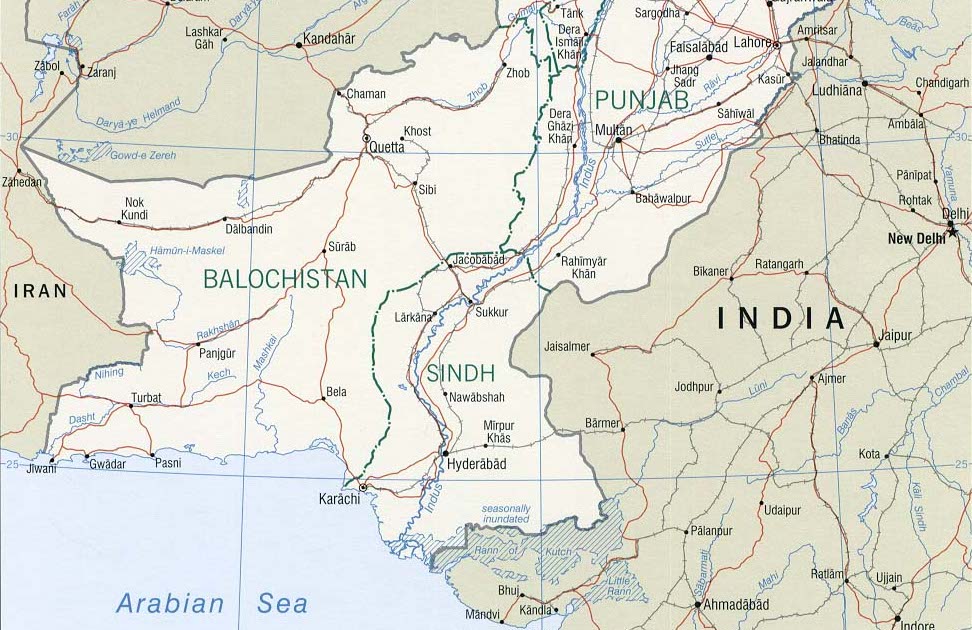
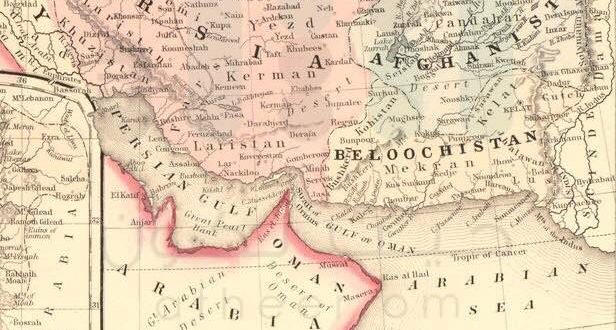
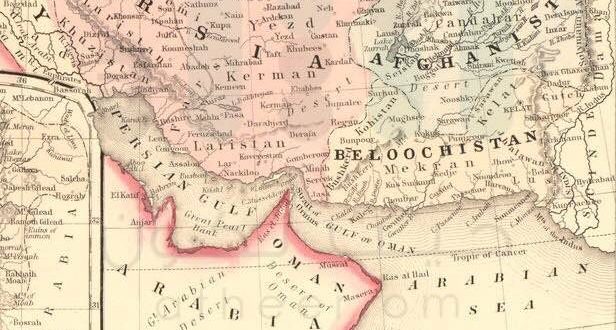
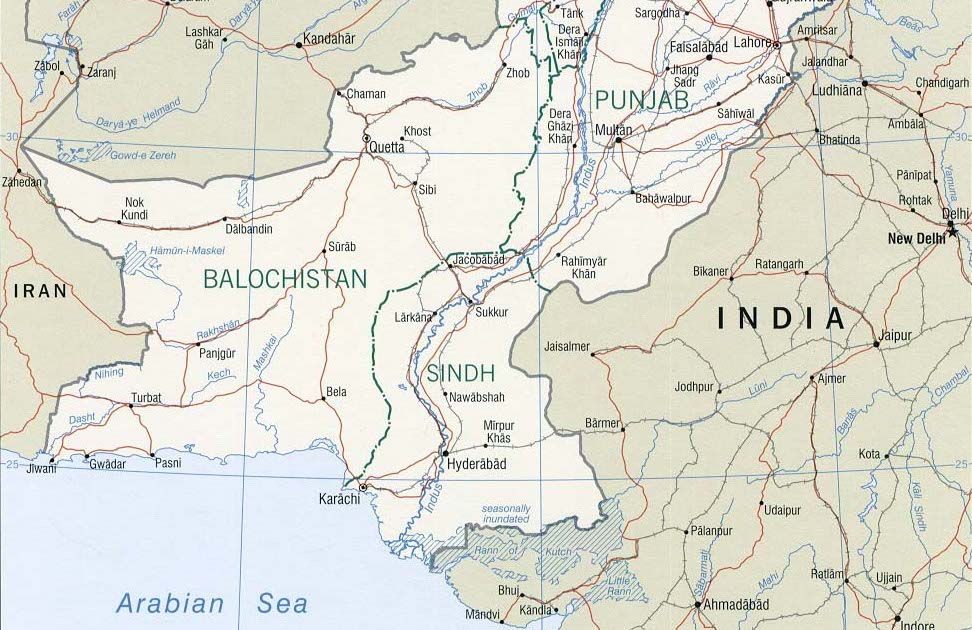
BaluchistanIn an ongoing counter-insurgency operation dubbed "Azm-e-Istehkam" (Resolve for Stability), Pakistani security forces carried out deadly raids on militants of two "terrorist" networks designated by the propaganda terms "Fitna al-Khawarij" and "Fitna al-Hindustan." The prior, roughly translating as "heretical faction," refers to jihadist formations operating along the border with Afghanistan in Khyber Pakhtunkhwa province. The later, translating as "Indian faction," refers to ethnic Baloch rebels in Balochistan province—implying that they are backed by India, which Delhi denies. Islamabad also accuses the Taliban regime in Afghanistan of backing both groups of insurgents, and the fighting follows a new round of Pakistani air-strikes across their international border, known as the Durand Line. (Map: PCL)
Iranian officials named for crimes against humanity

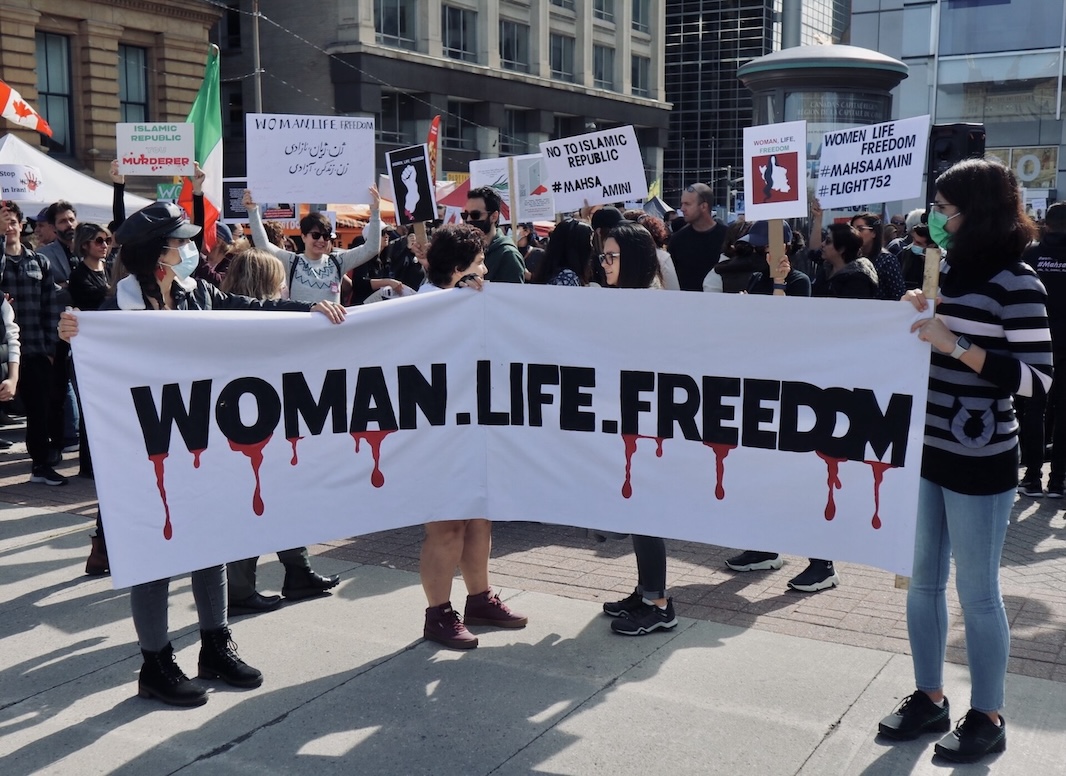
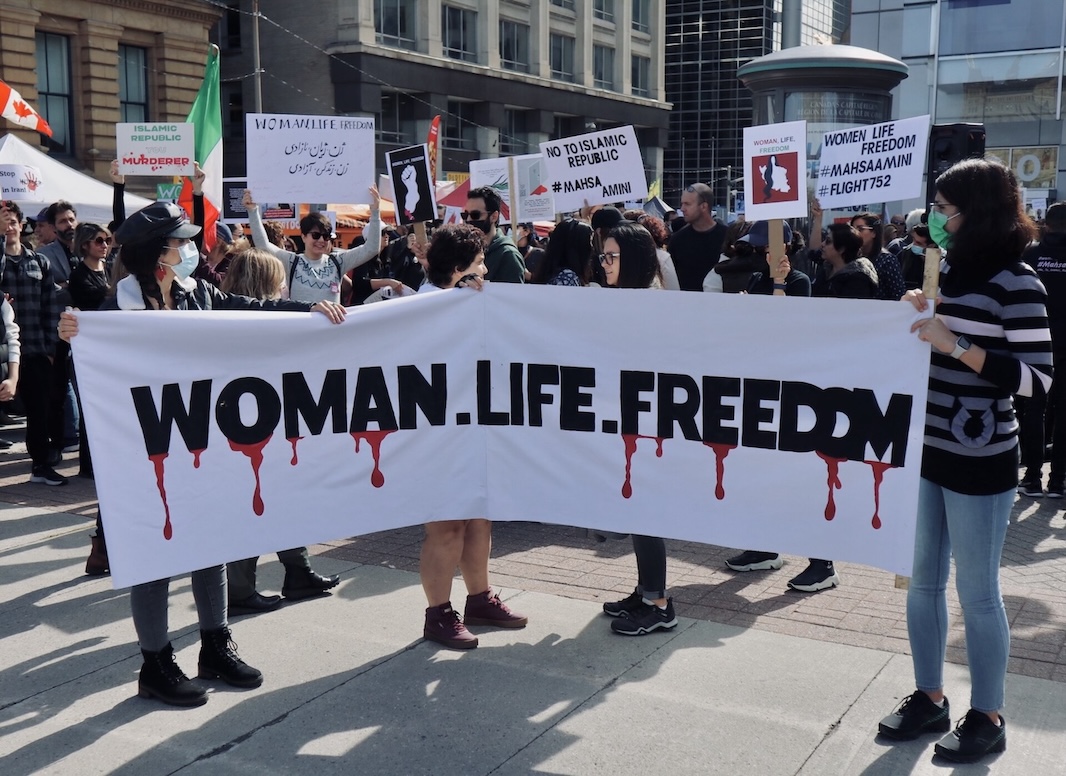
Iran protestsAmnesty International named 87 Iranian security and Interior Ministry officials who it says should face criminal investigation for crimes against humanity committed during the 2022 crackdown on the Woman Life Freedom protests, and urged the UN Security Council to refer Iran's situation to the International Criminal Court. The 1,161-page report, titled "Architects of Atrocities," documents 377 fatalities among protesters and bystanders between September and December 2022, of whom 56 were children, along with widespread torture, rape, enforced disappearances, and arbitrary imprisonment. (Photo: Taymaz Valley, Ottawa, via Wikimedia Commons)

Potential US ‘war crimes’ seen in Iran

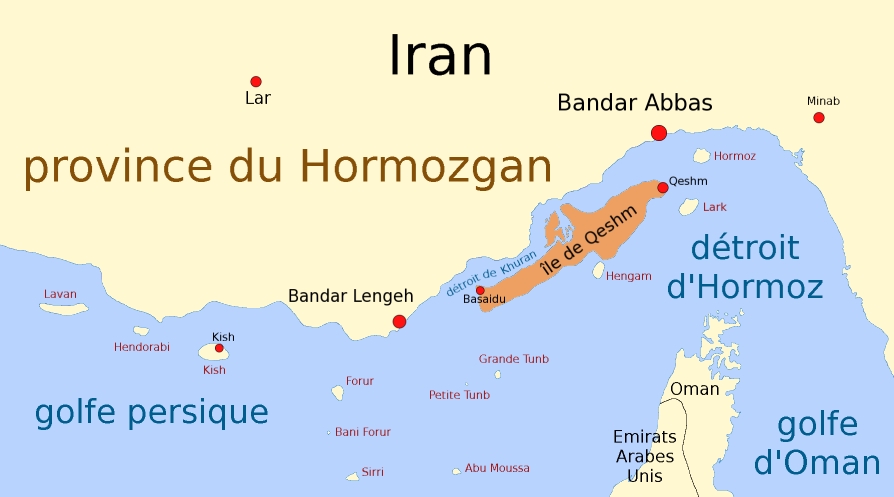
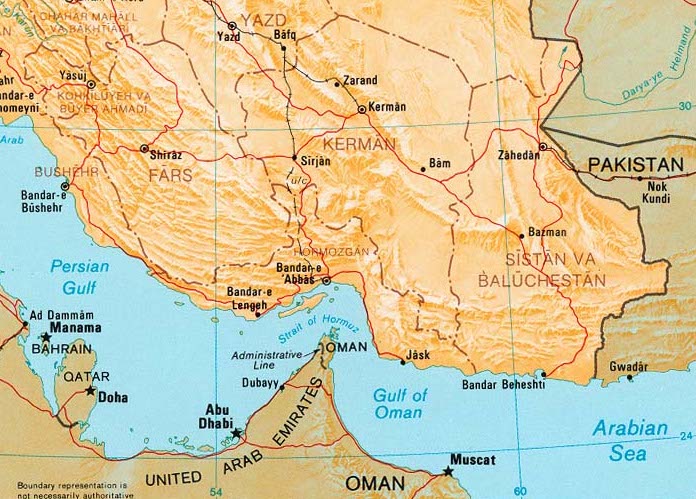
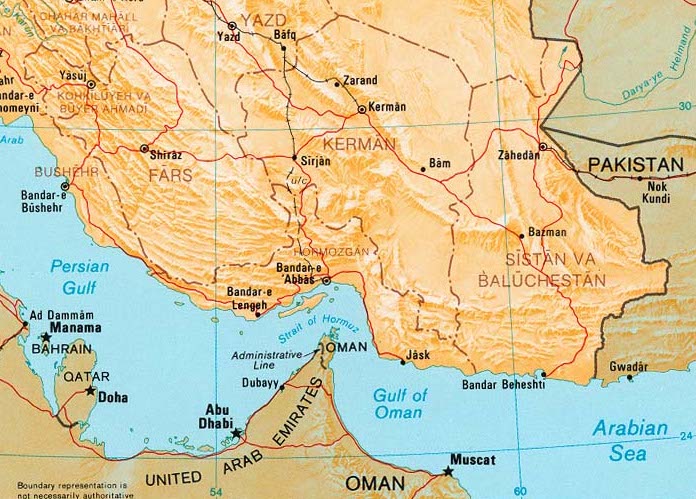
QeshmThe UN Independent International Fact-Finding Mission on Iran called on all parties to the conflict to immediately cease hostilities and comply with international humanitarian law following reported US air-strikes that killed and injured civilians in southern Iran. A reported US air-strike hit a home in Kuhestak, Hormozgan province, during a wedding celebration. Iranian media reported that five people died, including two children and one woman, and that dozens of others suffered injuries. Weeks earlier, another reported US strike destroyed a residential home on Qeshm Island, killing a man, a woman and their two-year-old son, and injuring their two other children. Both attacks occurred in areas with historically marginalized minority populations. The Mission identified Kuhestak as predominantly Baloch, and Qeshm as predominantly Sunni. The Mission found that these strikes may have constituted war crimes, and called for thorough investigations. (Map: Wikipedia)

Pakistan launches new offensive on Baloch rebels

BaluchistanPakistani authorities say that more than 100 insurgents have been killed in Balochistan province over the past week as security forces intensify a large-scale campaign against the Baloch Liberation Army (BLA) and other militant groups. The campaign, dubbed "Operation Shaban," was launched after a series of attacks on security personnel. The army, Frontier Corps and Balochistan Police have been deployed in coordinated aerial and ground assaults across the province. (Map: PCL)

Pakistan: life sentence for Baloch activist

BalochUN experts condemned the sentencing of Pakistani human rights defender Mahrang Baloch to two terms of life imprisonment by a court in Quetta, describing it as a "travesty" of justice and misuse of counter-terrorism laws. Mahrang Baloch is a leader of the Baloch Yakjehti Committee (BYC), which advocates for the rights of the Baloch community in Pakistan. She was convicted alongside another BYC member for the death of a Frontier Corps officer during a July 2024 protest in Gwadar condemning discrimination, enforced disappearances, and unlawful appropriation of local communities' lands for mining and foreign investment projects. (Photo: The Baloch Circle)

Iran: deadly repression in Baluchistan

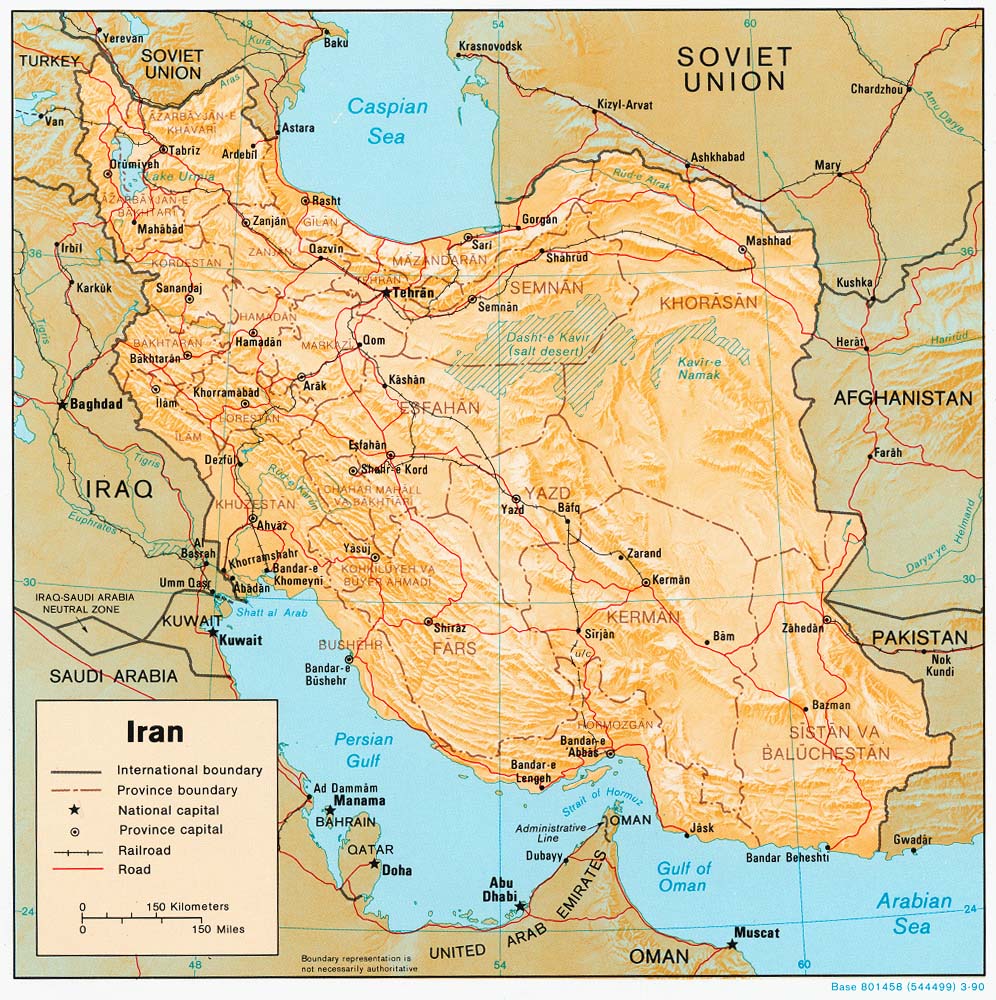
BaluchistanIranian security forces violently dispersed protesters in Pashmouki village, Kerman province, within the greater Baluchistan region. Six ethnic Baloch residents, including three women, were detained, and several injured. The protest took place outside a chromite mine in the village, which has been a source of great contention. Iran's government has been cracking down on unlicensed mines in the region, but residents say they gain no economic benefit from the licensed ones, while they are left to deal with the environmental impacts. Since the mass protests in Iran earlier this year, the Baluchistan region has been flooded with Revolutionary Guard troops. Two Baloch youths in the region were killed by Revolutionary Guards in unclear circumstances within days of the Pashmouki violence. (Map: PCL)

Pakistan’s Baloch students are vanishing

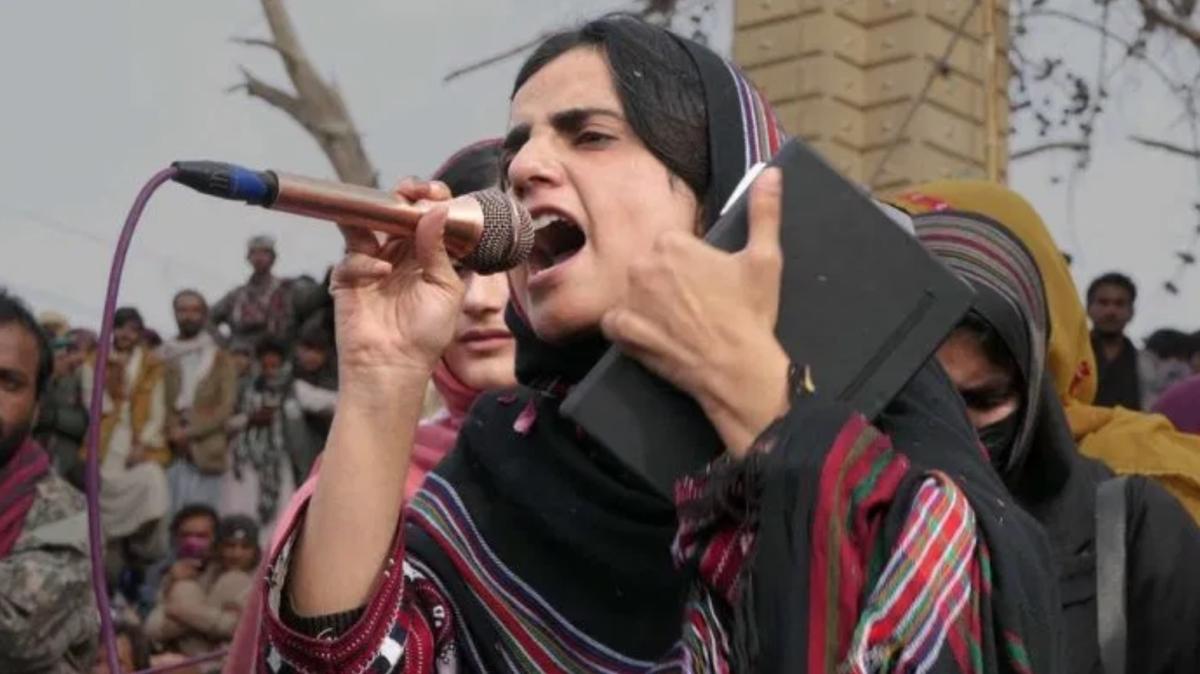
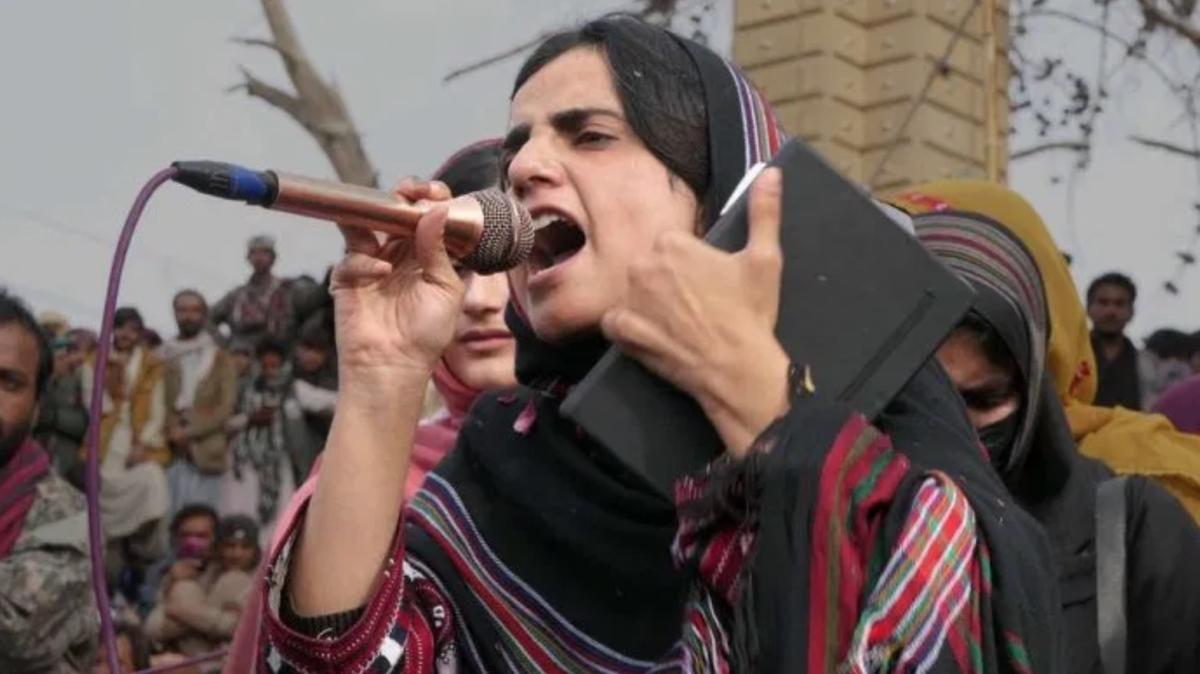
BalochPakistan's Balochistan just witnessed one of the province's deadliest episodes: a wave of attacks and clashes across several cities that left dozens of civilians, fighters and security personnel dead, with official tolls as high as 200. It marked the latest escalation in decades of conflict between separatist groups and the Pakistani state in Balochistan, where the central government has long been accused of exploiting rich resources while marginalizing the local population. But before the recent violence, public attention was focused on the abduction of a young Baloch student, a case that has reignited simmering anger over enforced disappearances. For more than 6,000 days, activists have maintained a protest camp in Quetta, the provincial capital, demanding answers for hundreds of missing Baloch citizens believed to have been abducted and killed by the security forces. "The very existence of the Baloch is perceived as a threat to the state," said Sabiha Baloch, head of the Baloch Yakjehti Committee (BYC), a local rights organization. "The more educated, conscious, and politically aware the Baloch become, the more threatened the state feels." (Image: BYC)

UN condemns ‘alarming’ global increase in executions

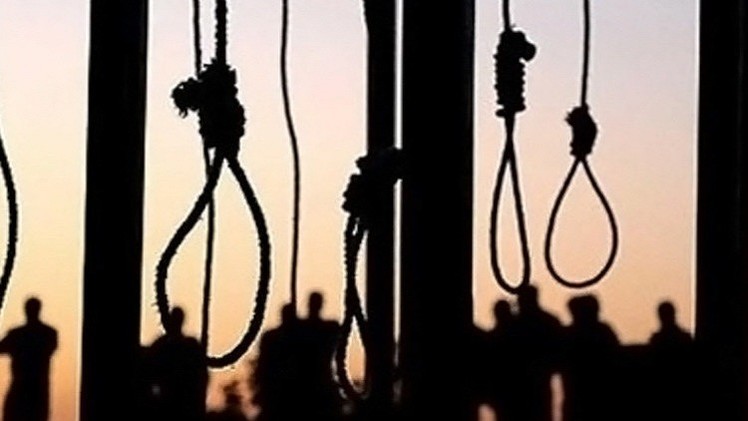
executionsThe UN Human Rights Office raised concern over a "sharp hike" in the number of executions globally in 2025. UN High Commissioner for Human Rights Volker Türk said his office "monitored an alarming increase in the use of the capital punishment in 2025, especially for offences not meeting the 'most serious crimes' threshold required under international law, the continued execution of people convicted of crimes committed as children, as well as persistent secrecy around executions." The increase primarily came from executions for drug-related offenses in a small number of retentionist states. These are countries that continue to retain capital punishment, as opposed to the growing number of abolitionist states. which do not employ the death penalty. (Photo: ICHRI)

UN monitors warn of surging executions in Iran

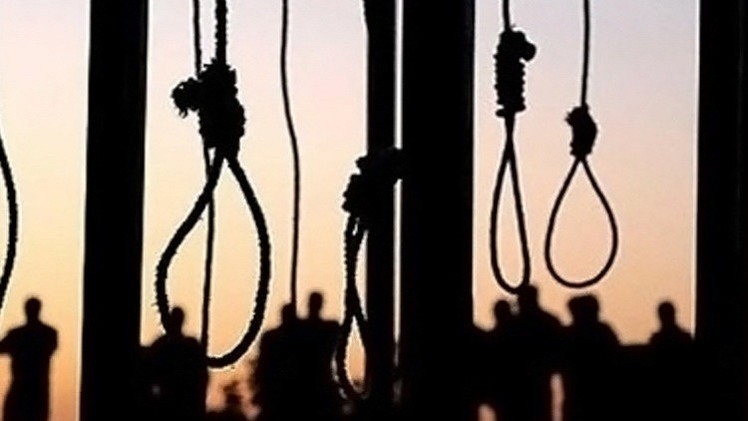
executionsThe Special Procedures of the UN Human Rights Council reported that over 1,000 people have been executed in Iran in 2025, warning that this represents a dramatic escalation that violates international human rights law. The UN experts wrote: "With an average of more than nine hangings per day in recent weeks, Iran appears to be conducting executions at an industrial scale that defies all accepted standards of human rights protection." A 2017 Amendment to Iran's Anti-Narcotics Law abolished the death penalty for low-level drug offenses, and introduced a mechanism to limit capital punishment by commuting many death sentences to life imprisonment. Despite this, executions for drug-related offenses have steadily risen since 2020 and surged in 2024, which saw 503 drug-related executions—more than 50% of all executions in Iran that year. (Photo: ICHRI)

Subcontinent tensions mount after Balochistan blast

BaluchistanA suicide attack on bus serving an army-run school in Pakistan's Balochistan province killed five people, three of them children. Islamabad, which faces accusations it was involved in last month's attack in Indian-administered Kashmir, quickly pointed the finger at neighboring India and Afghanistan. Both New Delhi and Kabul have denied the allegations. Balochistan has been the subject of a decades-long armed struggle for autonomy. Ethnic Baloch communities have accused Pakistani authorities of disenfranchisement, neglect and forced disappearances. (Map via Atheer)

Call for UN to intervene in Balochistan repression

BalochThe international Baloch Human Rights Council (BHRC) called upon UN Secretary-General Antonio Guterres to urgently intervene in the repression of peaceful protests in Pakistan's conflicted Balochistan province. The group urged the UN to secure the immediate release of Dr. Mahrang Baloch and other members of the Baloch Yekjehti Committee, a local rights group. Dr. Baloch and several of her comrades were detained at a protest in provincial capital Quetta against enforced disappearances. Urging global action to hold Pakistan accountable, the BHRC described the arrests as "a blatant violation of fundamental freedoms and democratic principles." (Image: BYC)

Iran intensifies repression of Azeri minority

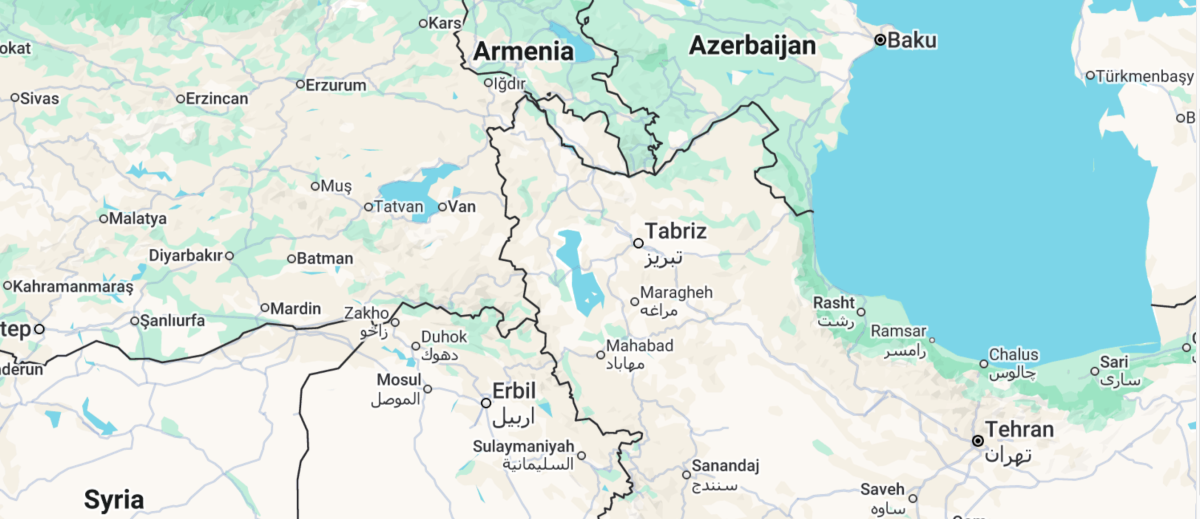
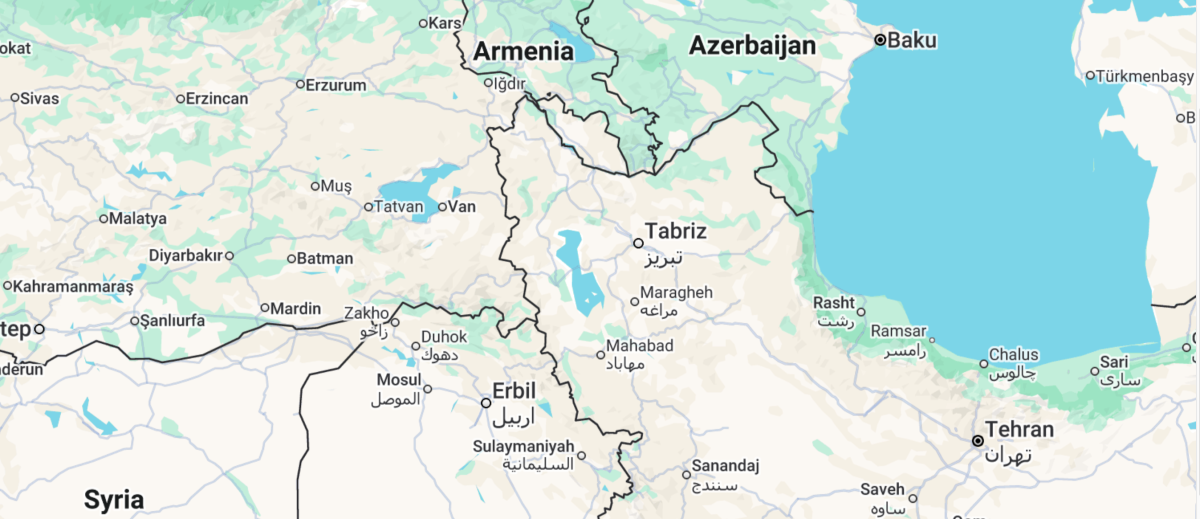
IranHuman Rights Watch reported that the Iranian government is systematically targeting the Azeri ethnic minority through the imposition of "abusive" criminal charges and severe prison sentences aimed at silencing dissent. The crackdown has intensified since October, with at least two dozen Azeri activists imprisoned following unfair trials. These activists have been handed terms ranging from three to 14 years on charges including "propaganda against the state," "conspiracy against the country," and "forming an opposition group." (Map: Google)