

North Africa
Haftar

Libya: Blackwater CEO trafficked arms to Russia-backed warlord

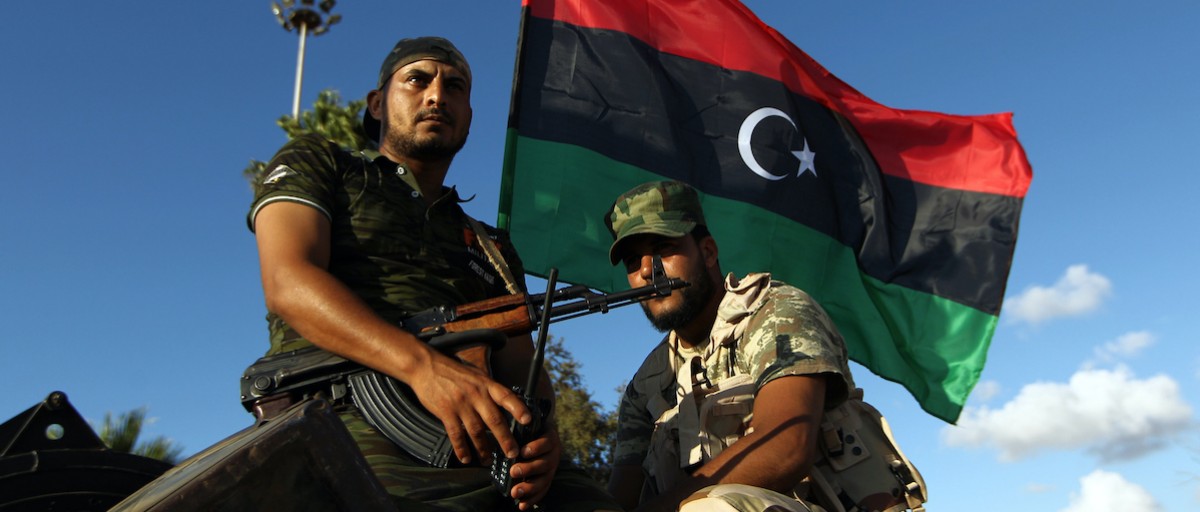
Erik Prince, former CEO of the notorious private military company Blackwater, violated the UN arms embargo on Libya with a clandestine pipeline to a rebel warlord, according to a confidential report to the Security Council obtained by the New York Times. The report found that in 2019 Prince deployed a force of foreign mercenaries and weapons to renegade military commander Khalifa Haftar, who has been fighting to depose the UN-recognized Libyan government—and is also being aggressively backed by Russia. (Photo via ISS Africa)
Greater Middle East
yemen

Biden pledges end to US support for Yemen war —almost

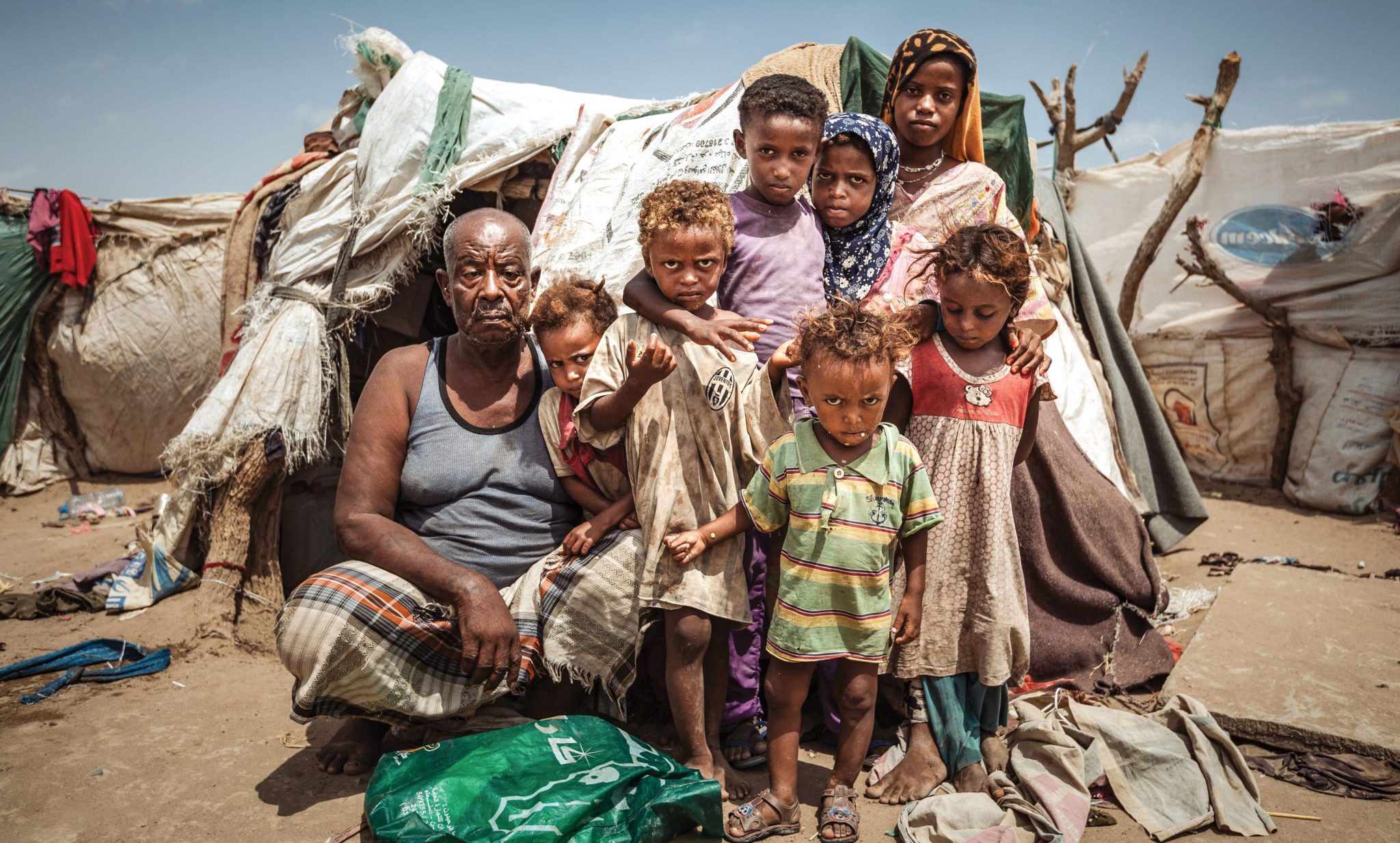
President Joe Biden announced the United States will end support for the Saudi-led military campaign in Yemen that has deepened suffering in the Arabian Peninsula’s poorest country. “This war has to end,” Biden told diplomats in his first visit to the State Department as president, saying the conflict has created a “humanitarian and strategic catastrophe.” Biden pledged an end to “relevant” US arms sales, while giving no immediate details on what that would mean. However, National Security Adviser Jake Sullivan was quick to add that an end to US support for the Saudi war against the Houthi rebels will not affect US operations against al-Qaeda in the Arabian Peninsula (AQAP). (Photo: OCHA)

Iraq
Iraq pipeline

Crisis-hit Iraq mortgages oil to China

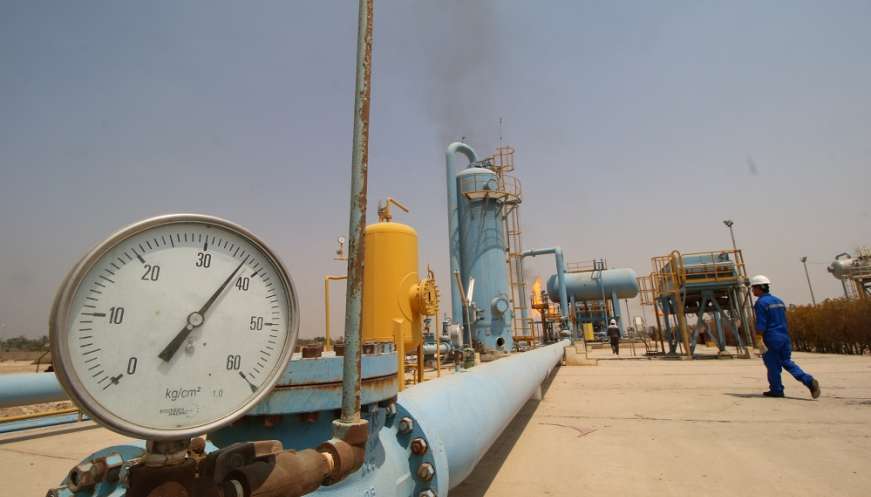
Iraq has won an up-front $2 billion infusion from a state-owned Chinese oil company, as it continues to struggle amid the pandemic-triggered collapse in energy prices. After numerous bids to Iraq’s State Organization for Marketing of Oil (SOMO), the deal was clinched by ZhenHua Oil Co, subsidiary of China North Industries Group Corp (Norinco). The deal marks the first in which Iraq has offered a pre-payment for crude, with oil effectively used as security for a loan. According to Bloomberg, SOMO is to supply some 130,000 barrels a day of crude for five years. Norinco is primarily a defense company, with investments in oil and minerals in several countries. (Photo via Iraqi News Agency)

North Africa
Libya

Libya: Turkish troop presence threat to ceasefire

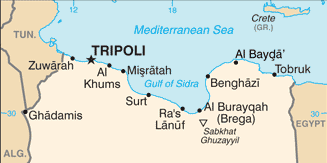
Libya’s eastern warlord Gen. Khalifa Haftar, who launched an offensive last year to capture the capital Tripoli from the UN-recognized Government of National Accord (GNA), threatened to launch attacks on Turkish forces if Ankara doesn’t withdraw troops and mercenaries sent in to back up the GNA. Haftar’s comments came in response to the Turkish Parliament’s move to extend for 18 months a law that allows the deployment of Turkish troops in Libya. Turkey’s defense minister responded that any attack by Haftar on its personnel would be met with force. “A war criminal, murderer Haftar and his supporters must know that they will be seen as a legitimate target in case of any attack on Turkish forces,” Hulusi Akar said in an address to Turkish units in Tripoli. The ultimatum is a threat to the ceasefire that has largely held since it was signed in October. (Map: CIA)

Africa
Somaliland

Russia seeks naval base in Sudan —and Somaliland?

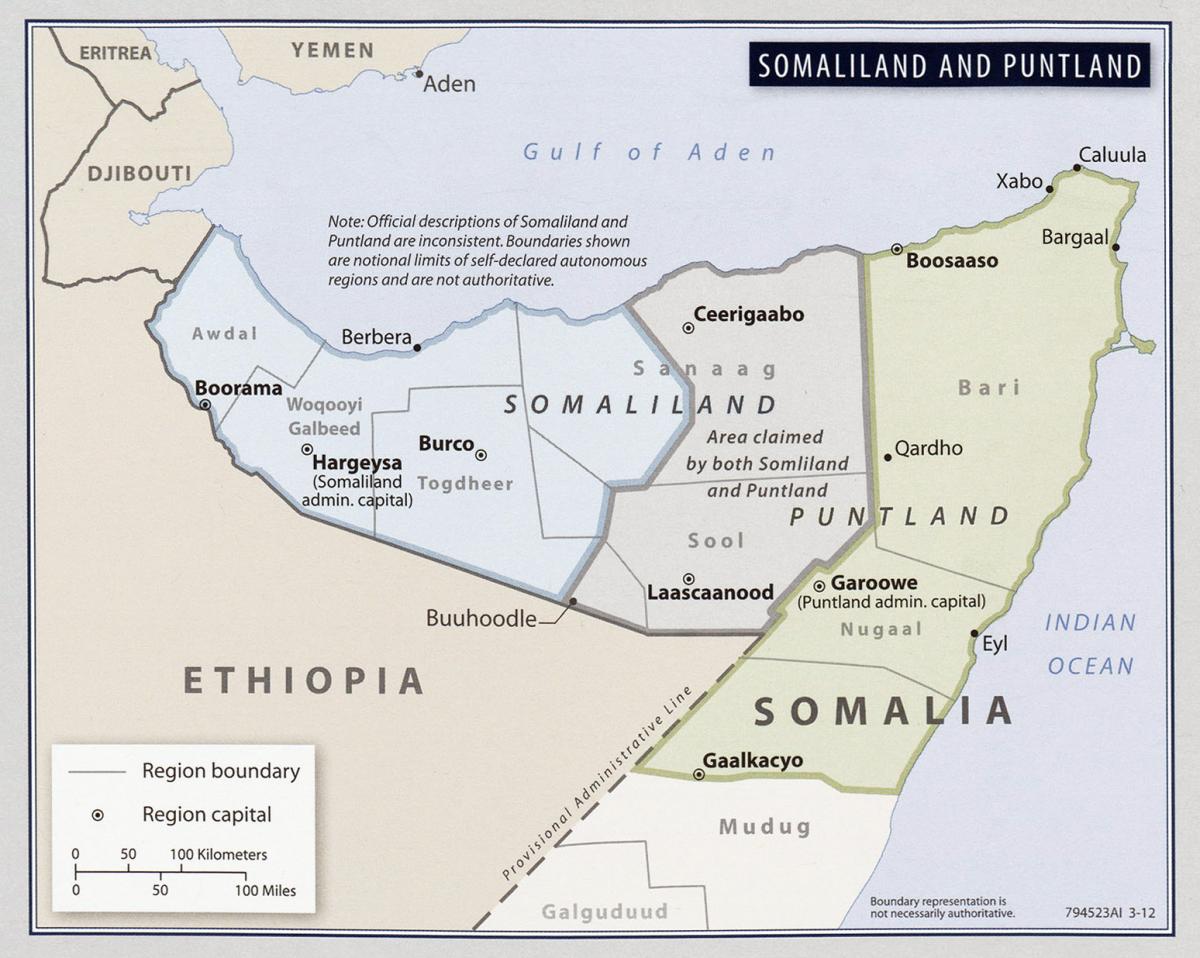
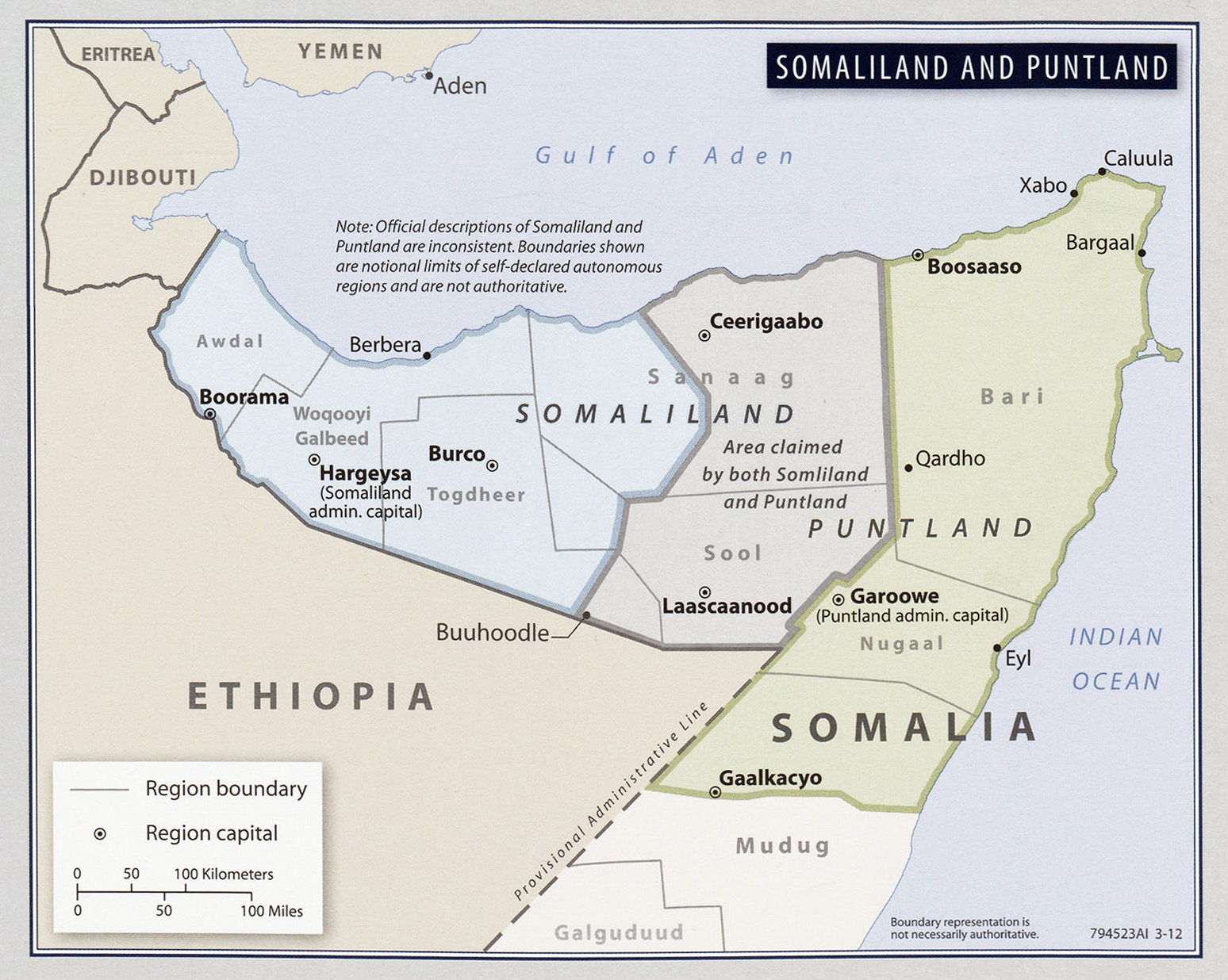
Just after Russia finalized plans to establish a naval base on the Red Sea in Sudan, Moscow’s UN ambassador for the first time weighed in diplomatically on the dispute between Somalia and the separatist enclave of Somaliland, urging both sides to find a compromise solution. The move sparked speculation within the region that Russia is seeking a second naval facility at Somaliland’s port of Berbera, on the Gulf of Aden which guards the southern mouth of the Red Sea. This would allow Russia to establish a counter-presence to US, French and Chinese bases in Djibouti, just across the land border to the northwest, as well as Turkish military forces in Somalia proper to the south. (Map: Somalia Country Profile)

The Caucasus
Nagorno-Karabakh

Campaign to recognize Republic of Artsakh

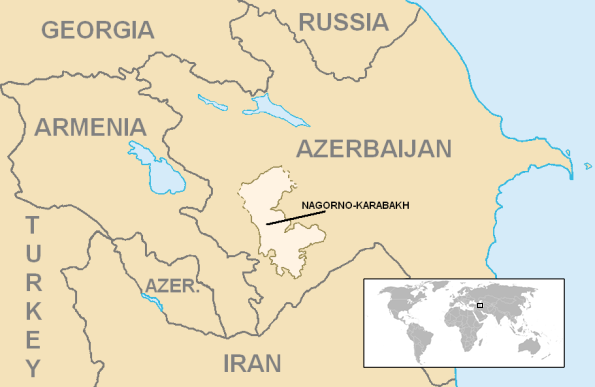
Amid renewed heavy fighting over the contested territory of Nagorno-Karabakh, the enclave’s capital, Stepanakert, is coming under heavy shelling by Azerbaijan. The self-governing enclave within Azerbaijan has since 1994 been under the control of ethnic Armenians, who constitute the majority there, and have declared the de facto Republic of Artsakh. The National Assembly of Artsakh issued a statement accusing Azerbaijan of intentionally targeting civilians and using banned weaponry such as cluster munitions. The statement also accused Turkey of directing the offensive, and backing it up with mercenary fighters. The National Assembly called upon the international community to formally recognize the Republic of Artsakh as “the most effective way to put an end to the ongoing grave crimes against the peaceful population of Artsakh, and to protect their rights.” (Map: Wikipedia)

North Africa
Libya Refinery

Russian mercenaries occupy Libyan oil terminals

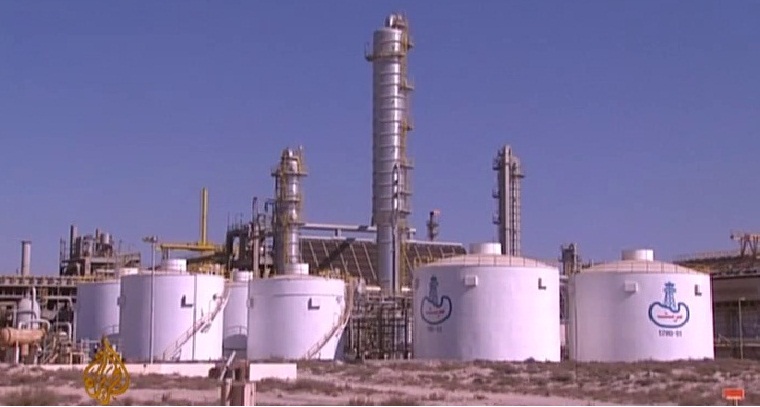
Libya’s eastern warlord Khalifa Haftar, his long siege of Tripoli broken by the city’s defenders in June, continues to hold the country’s principal oil terminals, and has established effective control over the Petroleum Facilities Guard. The UN this week brokered a ceasefire between Haftar and the Tripoli-based Government of National Accord, seeking to re-open exports from the terminals. Haftar agreed to the ceasefire after the US threatened sanctions against him. Russia, in turn, is apparently backing Haftar, sending arms and mercenaries to help his forces secure the terminals. Russia’s paramilitary Wagner Group is especially said to be present at Es-Sider terminal, outside the port city of Ras Lanuf. (Photo via Libyan Express)

Afghanistan
Afghanistan

Is Russia really backing the Taliban?

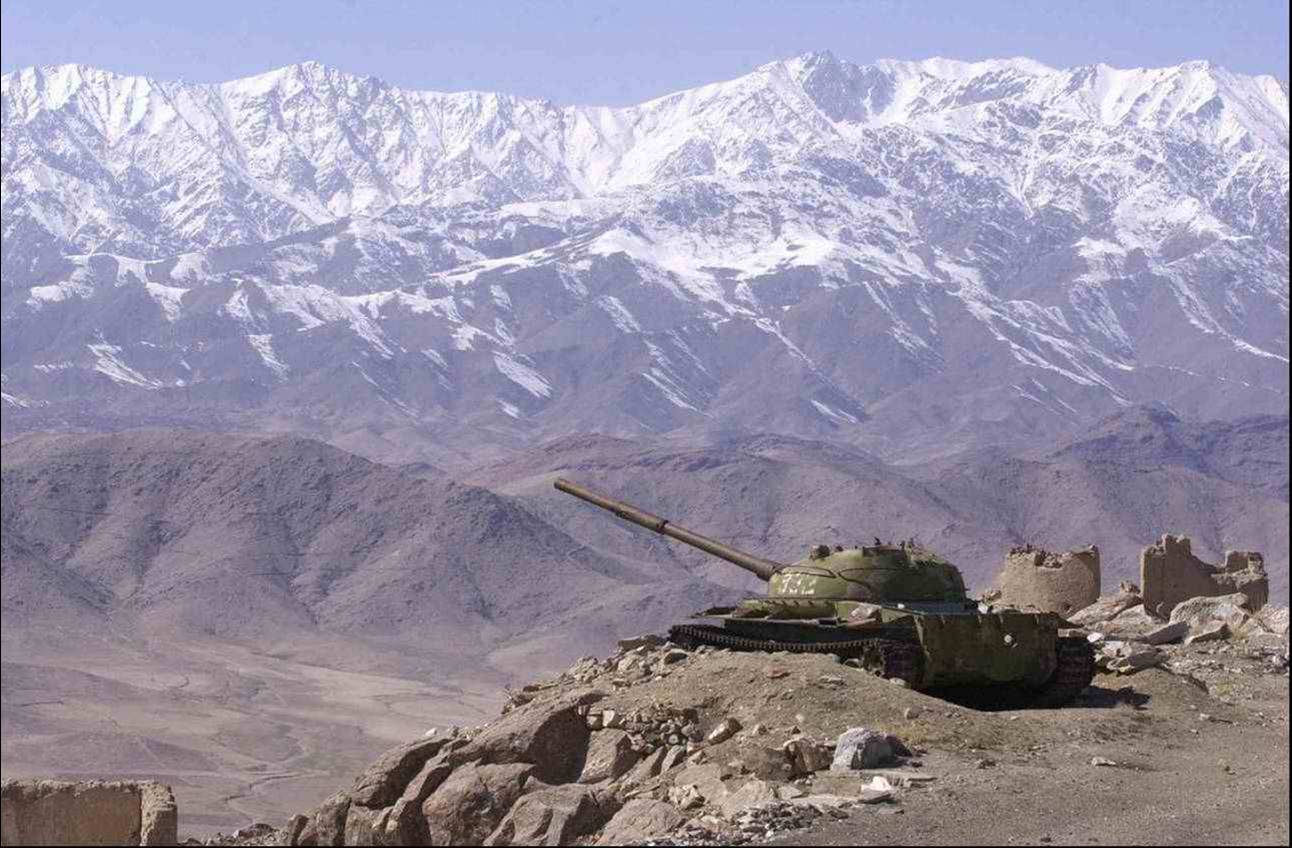
The kneejerk squawking of “McCarthyism” any time new revelations of Moscow misdeeds emerge is tiresome and dangerous. But there is reason for skepticism about the claims that Russia is arming the Taliban in Afghanistan, and offering them a bounty to kill US troops. This makes little sense in terms of the regional alliances: US ally Pakistan has been the traditional patron of the Taliban, while Russia’s closest ally in the region is Iran, which opposes the Taliban on sectarian grounds. The notion that Moscow would do anything to strengthen the hand of Sunni extremism in a country where it faced its own counterinsurgency quagmire in the ’80s, and which still borders its “near abroad,” stretches credulity. (Photo of abandoned Soviet tank in Afghanistan via Wikimedia Commons)

North Africa
Sudan rebels

Internationalization of Libya war

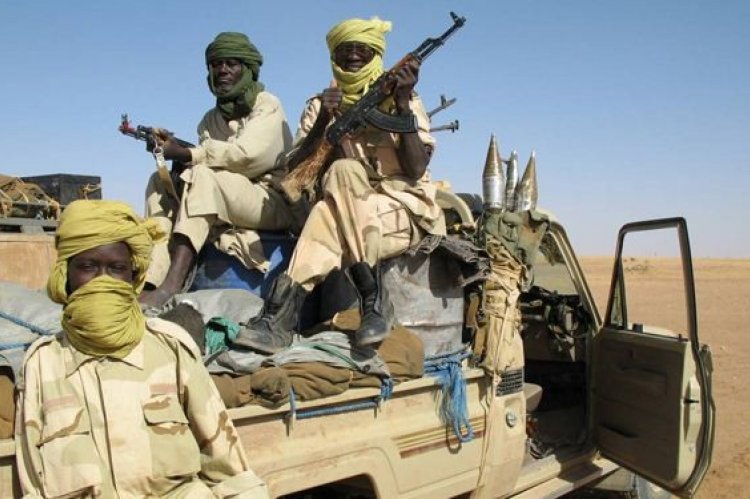
A senior UN official charged at a press conference in Munich that numerous countries are violating the Libya arms embargo and must be held accountable. UN Deputy Special Representative to Libya Stephanie Williams said that “the arms embargo has become a joke.” The Libyan National Army (LNA), led by Khalifa Haftar, has been fighting with the internationally recognized Government of National Accord (GNA) for control of Tripoli since April of last year. Russia, Egypt and the UAE are supporting the LNA, while Turkey supports the GNA. Foreign powers are violating the arms embargo “by land, sea and air,” Williams said. A UN report also accuses Haftar of bringing in Sudanese rebels from Darfur to fight for the LNA, while Turkey is accused of importing Syrian rebels to fight for the GNA. (Photo: Libya Observer)

Syria
Syria oil map

Trump lays claim to Syrian oil

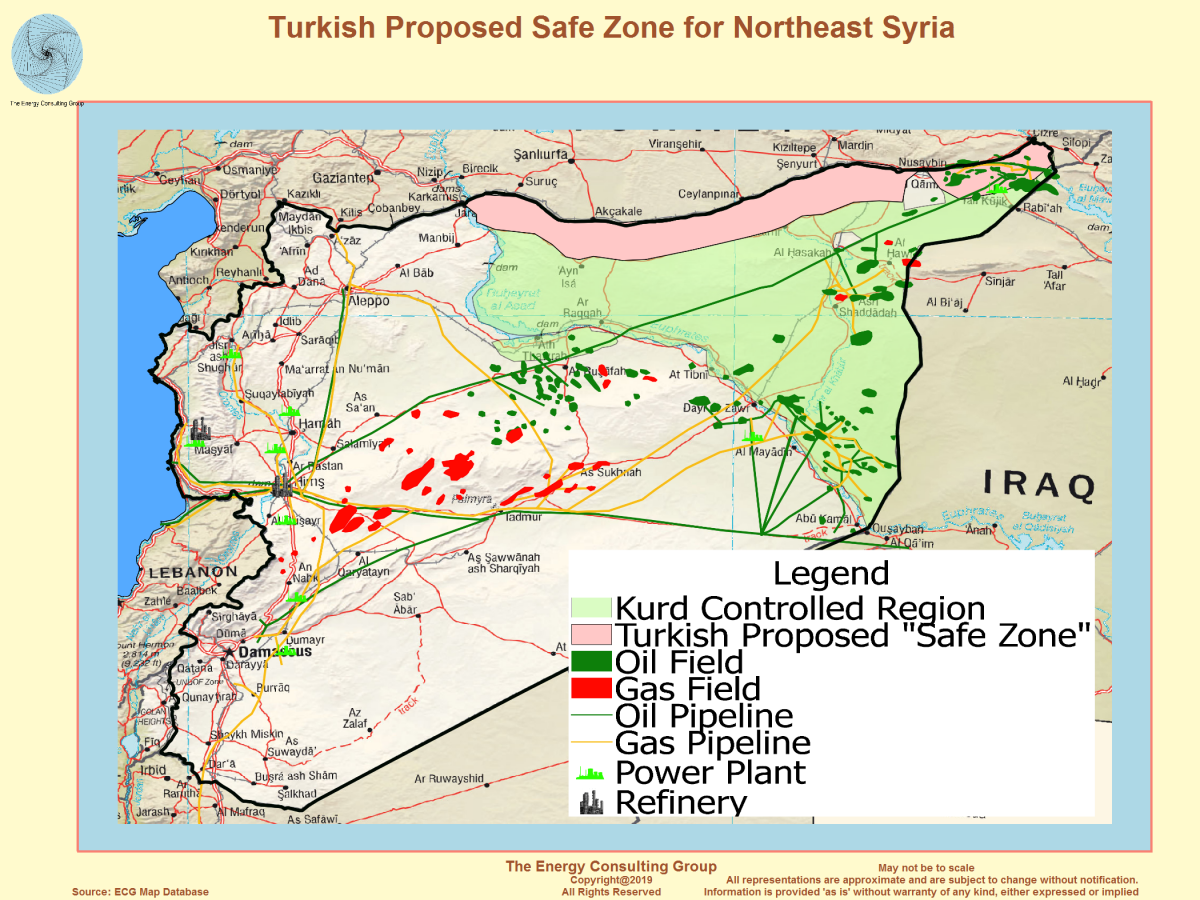
Before Donald Trump left the London NATO summit in a huff, he made the startling claim at a press conference that the US can do “what we want” with the oil-fields it now controls in northeast Syria. This faux pas, jumped on by the British tabloid press, recalls Trump’s 2016 campaign trail boast of his plans for Syria: “I’ll take the oil”—and turn the seized fields over to Exxon. A military showdown over the oil looms, as all sides to the conflict await the new order that will emerge from the current scramble for northern Syria. A contest between the US and Russian-backed Assadist forces is a terrifying possibility. One restraining factor is that the US holds the fields jointly with Kurdish forces—and Washington, Moscow and Damascus alike are attempting to groom the Kurds as proxies. (Map: Energy Consulting Group)

North Africa
drone

Drone wars over Libya

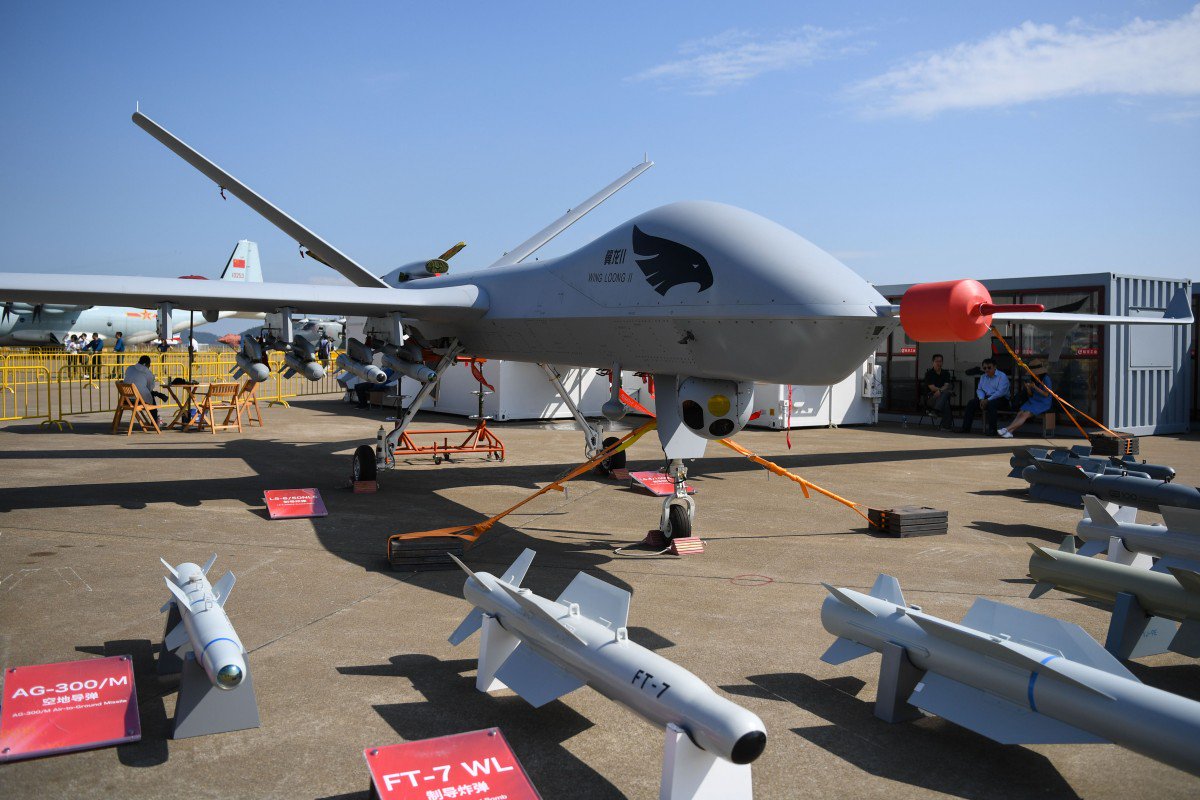
With the forces of eastern strongman Khalifa Hifter stalled outside Tripoli in his drive to oust Libya’s Government of National Accord (GNA), both sides have been sniping at each other with drone strikes. Experts say that Haftar has procured Chinese-made Wing Loong drones from his main backer, the United Arab Emirates. The GNA, meanwhile, has turned to Ankara, its own increasingly open backer, which is believed to be supplying Turkish Bayraktar drones. Over 1,000 have been killed, close to 6,000 injured, and 120,000 displaced in the battle for Tripoli, which opened a year ago. (Photo of Wing Loong II drone via Xinhua)

Syria
Russian missile

Russia admits: Syria is test war for weaponry

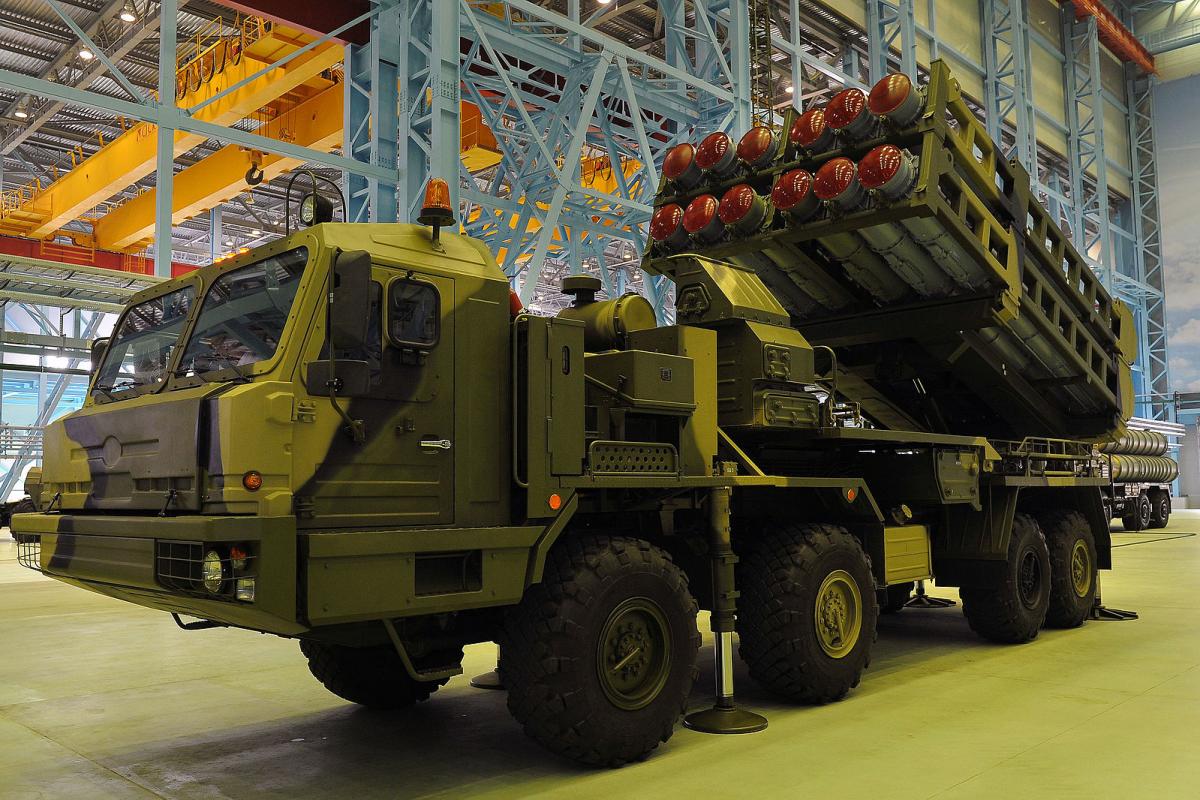
Russia has effectively used the Syrian war to perfect weaponry, Moscow’s Defense Minister Sergei Shoigu boasted. Russia intervened in support of the Bashar Assad regime in 2015 and has since been held responsible for some of the most devastating aerial bombings experienced by civilians since the onset of the conflict more than eight years ago. Shoigu said around 300 weapons had been “fine-tuned” through the Syria intervention, including the Kalibr cruise missile, generally launched from Russia’s war fleet off Syria’s coast. Previous to use in Syria, Shoigu said, technical difficulties meant the Kalibr missile often missed targets, but that is no longer the case. (Photo of Vityaz missile launcher via Wikipedia)