Europe
Smyrna

Erdogan invokes burning of Smyrna

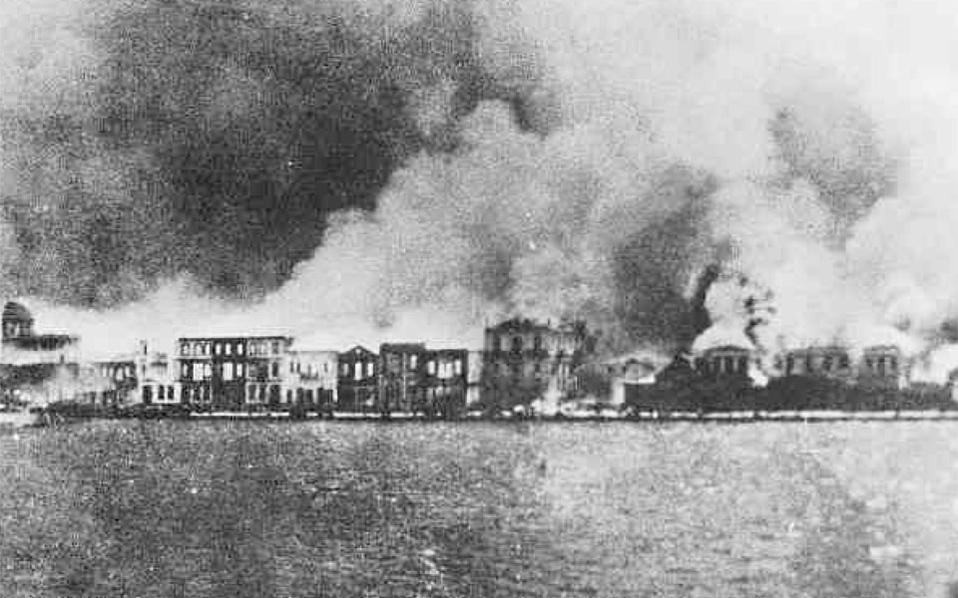
Amid rising tensions between NATO allies Turkey and Greece, Turkish President Recep Tayyip Erdogan explicitly invoked the burning of Smyrna at the end of the Greco-Turkish War. “We have only one word to tell Greece: Do not forget Izmir,” Erdogan warned, using the Turkish name for the coastal city that was the scene of atrocities targeting the substantial Greek populace after it was taken by Turkish forces in September 1922. “We may come suddenly one night,” Erdogan added. The current dispute stems from a treaty signed the year after the attack on Smyrna/Izmir, which gave offshore islands to Greece on condition that they remain unarmed. Ankara charges that Greece is militarizing the islands, in violation of the 1923 Treaty of Lausanne. (Photo via HALC)
Europe
Crimea

Nuclear flashpoint Crimea?

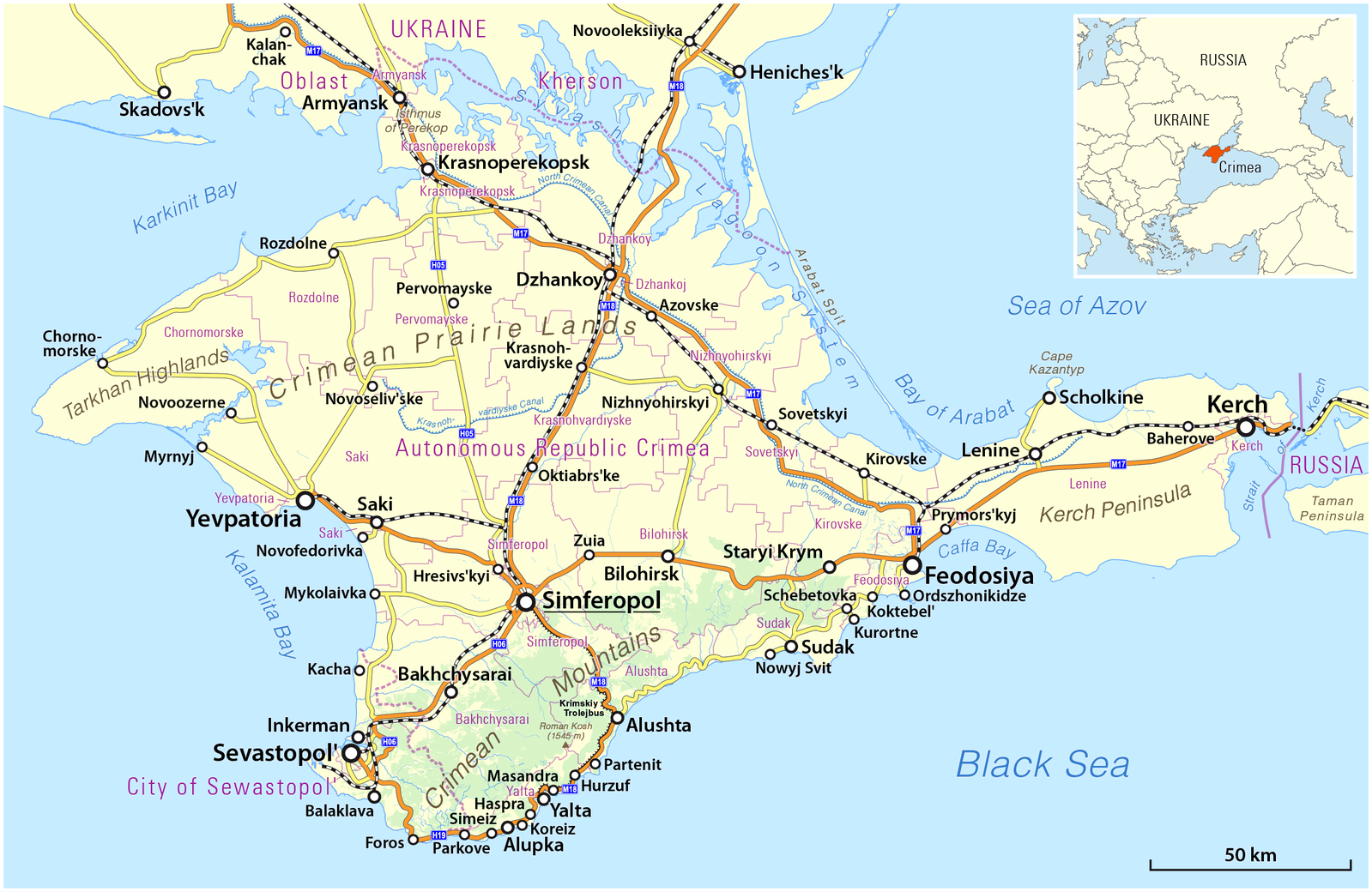
A series of explosions tore through a Russian airbase on the Crimean Peninsula, leaving one dead. Saki airfield is some 200 kilometers from the Ukrainian lines, and President Volodymyr Zelensky’s office denied responsibility for the blasts. However, an unnamed Kyiv official anonymously told the New York Times that Ukrainian forces carried out an attack on the base. Zelensky later stated: “Crimea is Ukrainian, and we will never give it up. This Russian war against Ukraine and against all of free Europe began with Crimea and must end with Crimea—with its liberation.” But last month, in response to the arrival of US High Mobility Artillery Rocket Systems (HIMARS) in Ukraine, former Russian president Dmitry Medvedevimplied that Ukrainian strikes on targets in Crimea would meet Russia’s stated criteria for use of nuclear weapons. Saying that the refusal of Ukraine and Western powers to recognize Moscow’s control of Crimea poses a “systemic threat” to Russia, he added: “Doomsday will come very fast and hard. There will be no hiding from it.” (Map via Wikimedia Commons)

Europe
Kharkiv

Russia using cluster bombs in Kharkiv: Amnesty

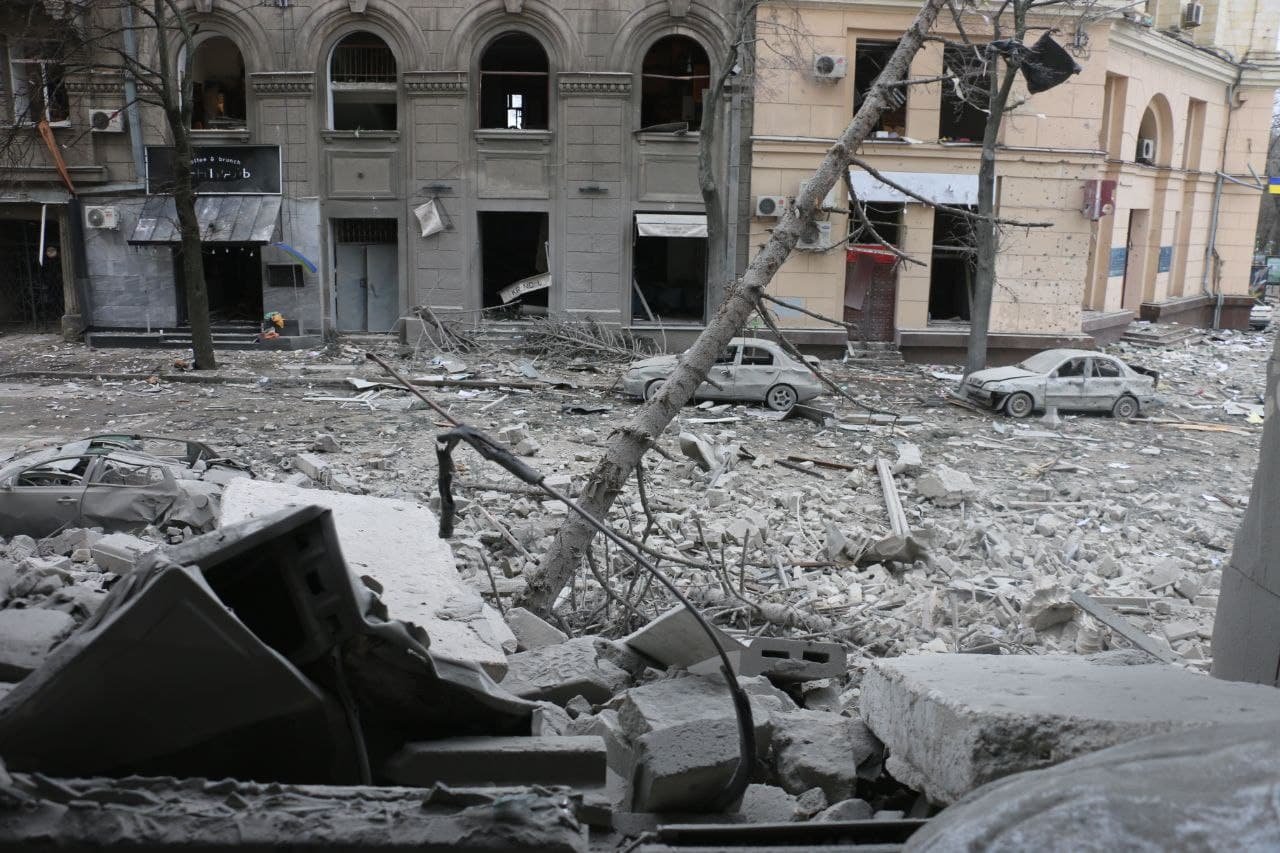
Hundreds of civilians have been killed in the Ukrainian city of Kharkiv by indiscriminate Russian shelling using widely banned cluster munitions and inherently inaccurate rockets, Amnesty International finds. A new report, entitled ‘Anyone Can Die at Any Time’, documents how Russian forces have shelled residential neighborhoods almost daily since the start of the invasion, causing “wholesale destruction.” Amnesty found evidence of repeated Russian use of 9N210 and 9N235 cluster munitions as well as scatterable mines, both of which are subject to international treaty bans because of their indiscriminate effects. “The repeated use of widely banned cluster munitions is shocking, and a further indication of utter disregard for civilian lives,” said Donatella Rovera, Amnesty’s senior crisis response adviser. “The Russian forces responsible for these horrific attacks must be held accountable for their actions, and victims and their families must receive full reparations.” (Photo: Wikimedia Commons)

The Andes
Partnership of the Americas 2009

Colombia joins ‘new partnership’ with NATO

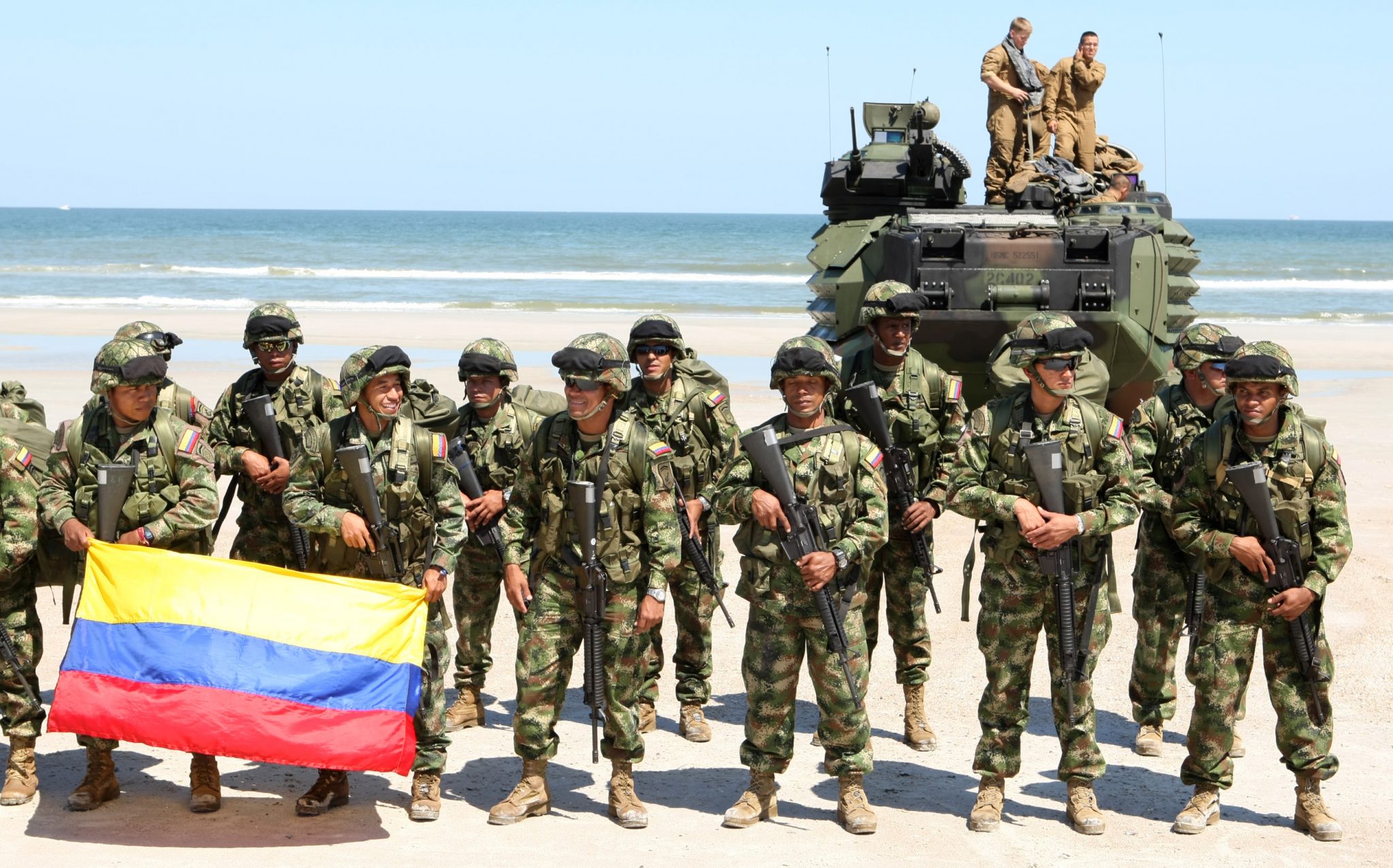
President Joe Biden issued an executive order designating Colombia a Major Non-NATO Ally (MNNA) of the United States. The designation facilitates further weapons transfers from the US to Colombia, and increased military cooperation between the two countries. Colombia is the third MNNA in Latin America, after Brazil and Argentina. Weeks earlier, a delegation of NATO staff visited Colombia to discuss the South American country’s participation in the alliance’s Defense Education Enhancement Program (DEEP). Colombia became NATO’s newest “global partner” in 2018, but this relationship was reinforced last December, when it became a member of the NATO Individually Tailored Partnership Program (ITPP). (Photo: Wikimedia Commons)

North Africa
Libya

Russian mercenaries accused in Libya atrocities

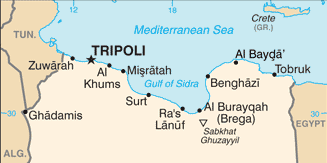
A report to the Security Council by a panel of UN human rights experts finds that foreign fighters and private military companies are responsible for grave abuses in Libya—especially naming Russia’s Wagner Group. The report was classified “confidential,” but a copy was leaked to the Associated Press. It finds that both Turkish-backed militias loyal to the Tripoli-based Government of National Unity (GNA) and the Wagner Group, apparently contracted by eastern warlord Khalifa Haftar, have employed mercenaries who were veterans of the war in Syria. GNA-aligned militias are implicated in abuses of migrants, who have been “regularly subjected to acts of slavery, rape and torture.” The Wager Group is accused of planting unmarked anti-personnel mines on the southern periphery of Tripoli, when the city was besieged by Haftar’s forces from April 2019 to October 2020. (Map: Perry-Castañeda Library)

Europe
babiyar

Fascist pseudo-anti-fascism: Moscow’s propaganda offensive

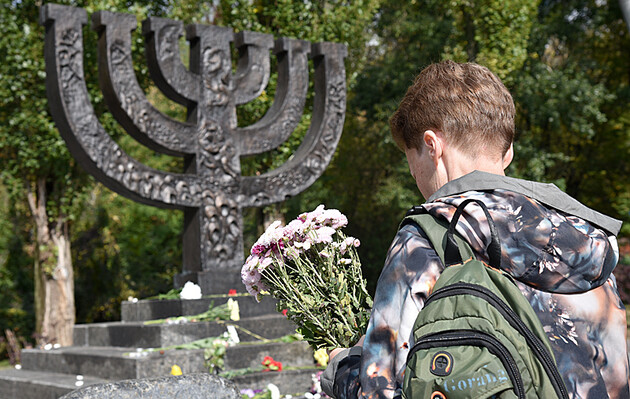
Russia announced plans to host an international “Anti-Fascist Conference“—with hideous irony, on the same day its forces bombarded a Holocaust memorial site in Kyiv. The surreal announcement came from Defense Minister Sergei Shoigu, who said Moscow will hold the conference in August, in conjunction with an arms expo sponsored by his ministry. Among the invited countries are China (accused of genocide in Xinjiang), India (now emulating China’s mass detention policies), Pakistan (a fast-consolidating police state), Saudi Arabia (similarly moving toward a mass detention state), the UAE (a burgeoning police state), Azerbaijan (accused of war crimes in last year’s war with Armenia), Uzbekistan (an entrenched dictatorship), and Ethiopia (accused of crimes against humanity in the Tigray war). (Photo of Babi Yar memorial in Kyiv via Kharkiv Human Rights Protection Group)

Greater Middle East
drone

Turkish drones decisive in regional wars

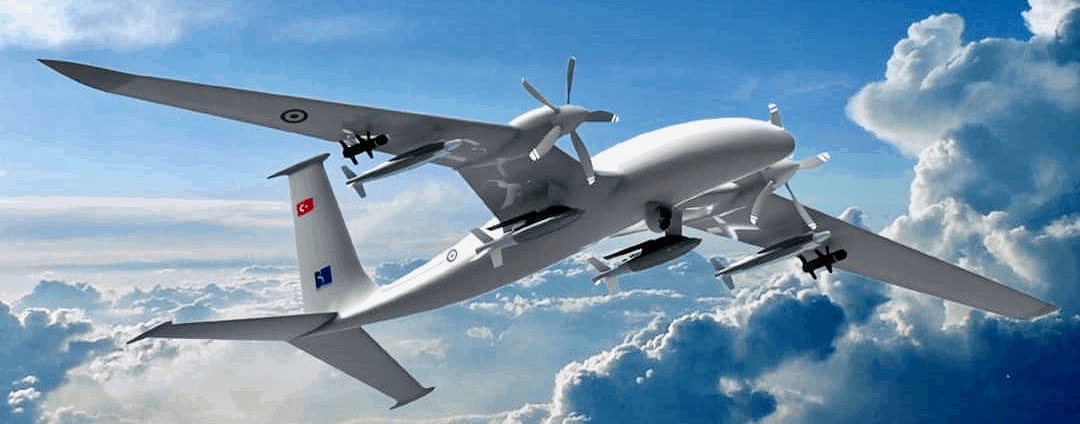
The Turkish military is unveiling a new upgraded “unmanned combat aerial vehicle,” the Bayraktar Akıncı, developed by private drone manufacturer Baykar Defense, which is owned by President Recep Tayyip Erdoğan’s son-in-law Selçuk Bayraktar. The Akıncı is a more advanced version of Turkey’s iconic Bayraktar TB2, able to fly higher and carry more missiles. The TB2 has been used by Ankara against Kurdish guerillas in northern Iraq, and against Syrian regime forces. Turkey has also provided the TB2 to various foreign militaries; it is held to have been decisive in Azerbaijan’s victory over Armenian forces in last year’s Nagorno-Karabakh war, as well as the Libyan government’s victory over the warlord Khalifa Haftar. Ukraine, having already tested an initial dispatchment of the drone, is now ordering 24 more for use in its war against Russian-backed separatists. (Photo: Wikipedia)

Southeast Asia
mandalay

Burma: urban warfare erupts in Mandalay

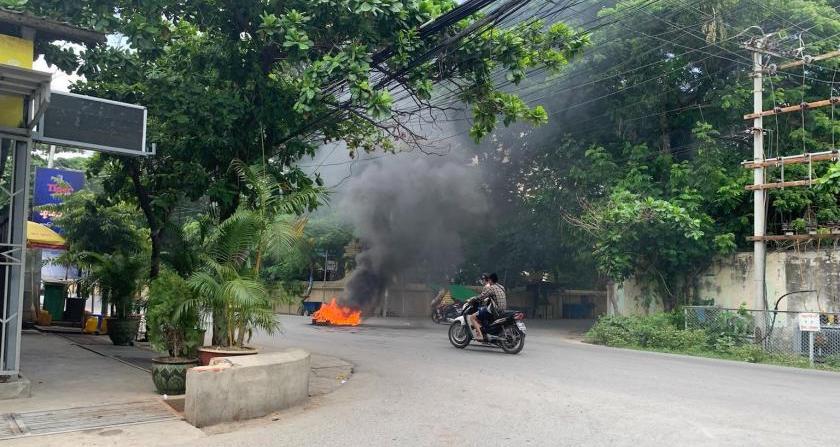
Gunfire erupted in the streets of Mandalay, Burma’s second largest city, as regime troops raided a building where a cell of the incipient armed resistance movement was sheltering. The raid sparked hours of running street battles. Resistance fighters erected barricades of flaming tires to slow the advance of troops. Both the military, known as the Tatmadaw, and the rebel People’s Defense Force (PDF) claimed casualties on the opposing side and denied deaths among their own forces. “We’ve declared war,” the Mandalay PDF said in a statement. “The day we’ve been waiting for is finally here.” (Photo: Myanmar Now)

Syria
Idlib

Syria: regime bombs first responder headquarters

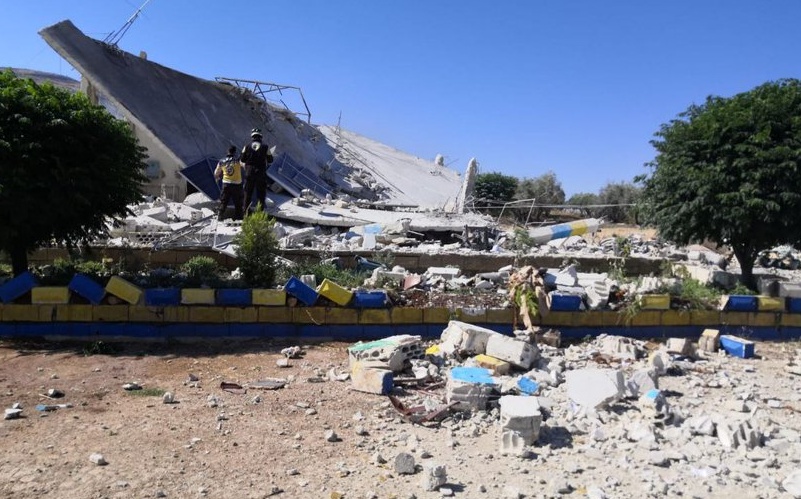
Assad regime forces shelled a White Helmets civil defense center in northwest Syria, killing a rescuer and wounding three others. The destroyed center was in the town of Qastoun in the al-Ghab Plain of western Hama province. Local sources said that Russian-made Krasnopol guided missiles were used, indicating the deliberate targeting of the rescuers. Regime forces have escalated shelling of southern Idlib and western Hama provinces this month, as civilians return to their homes from displaced persons camps near the Turkish border. At least nine people have been killed, a school destroyed, and crops burned. (Photo via EA Worldview)

North Africa
tarhouna_collage

Libya: UK slaps sanctions on Haftar-aligned militia

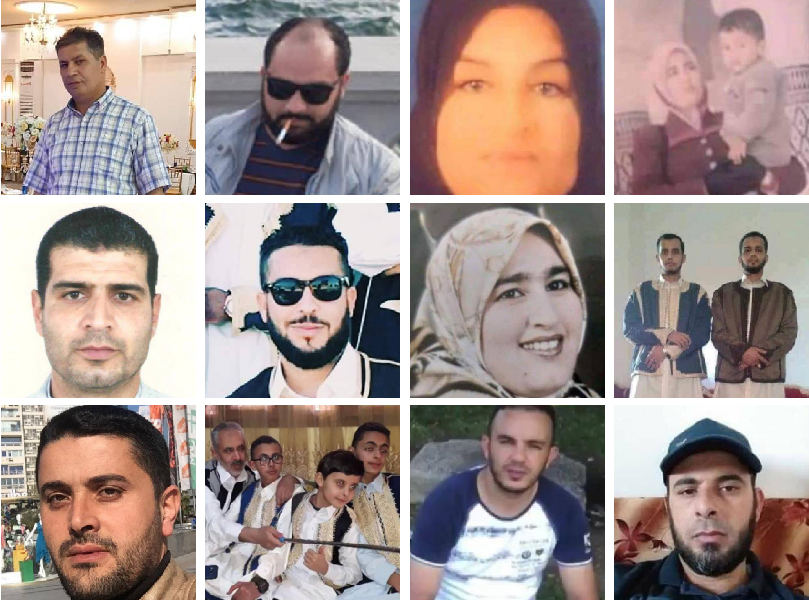
The UK government imposed sanctions on Libya’s al-Kaniyat militia and its leaders for violations of international law. The militia is reportedly responsible for 27 mass gravescontaining the remains of hundreds of residents reported missing in the Libyan town of Tarhuna, on the southern outskirts of Tripoli. The group, aligned with the forces of eastern warlord Khalifa Haftar, is additionally held responsible for atrocities such as torture, murder, arbitrary detention, and enforced disappearance. Of the five permanent members of the UN Security Council, the UK and the US are the two that have imposed sanctions on the militia. A Security Council resolution that would have placed international sanctions on the militia was blocked by Russia last November. (Map: CIA)

The Caucasus
Lake Sev

Armenia-Azerbaijan border stand-off —over water

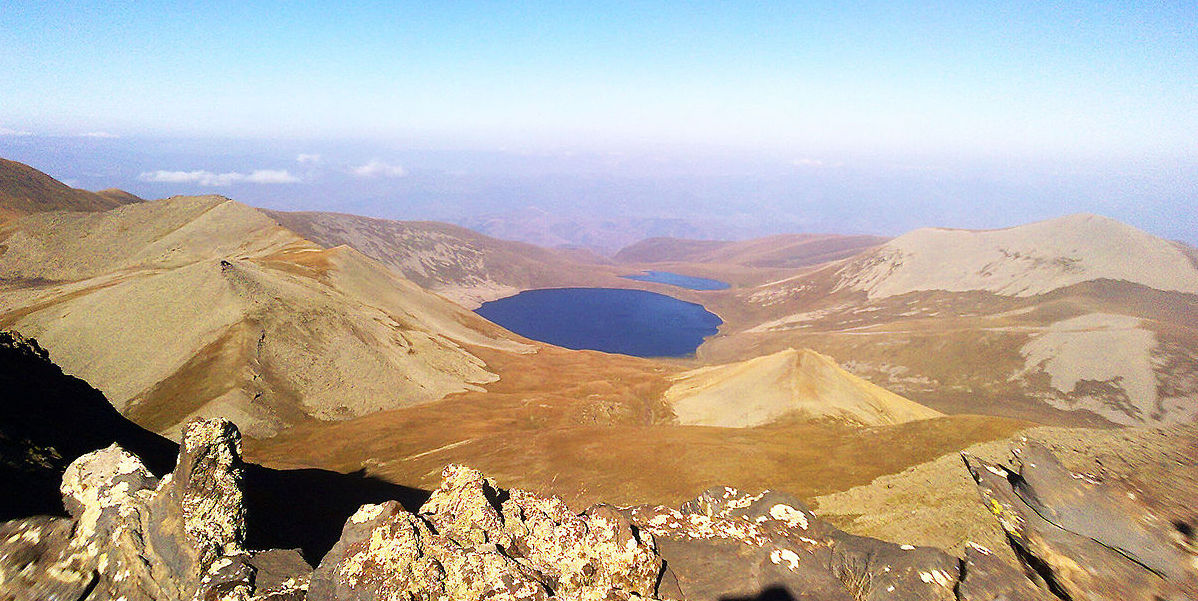
Armenia’s Security Council held an emergency meeting in response to a reported border incursion by Azerbaijan. Local authorities in southern Syunik province issued urgent reports that Azerbaijan’s forces had crossed the border and completely surrounded Lake Sev. The glacial lake, which provides water for irrigation in the area, is bisected by the frontier between the two countries, with its northern third lying within Azerbaijan. But the territory on the Azerbaijan side had been held by Armenia between the 1991-4 war and last November’s ceasefire, under which it was ceded back. The two sides remain at odds on the precise demarcation of the line, which had not been formalized in Soviet times. (Photo: Albero/Wikimedia Commons via Armenian Weekly)

Syria
syria betrayed

Ten years after: the Syrian Revolution betrayed

Ten years after the Syrian Revolution began with peaceful anti-regime protests, the UN Human Rights Commission released a report finding that actions by the Assad regime and its Russian allies over the course of the Syrian war have likely constituted “crimes against humanity, war crimes and other international crimes, including genocide.” The UN and human rights groups have issued such findings repeatedly—to little media coverage. The charge of genocide officially requires the world to act under the Genocide Convention. But the world is no longer even paying attention. (Image: Delawer Omar)