

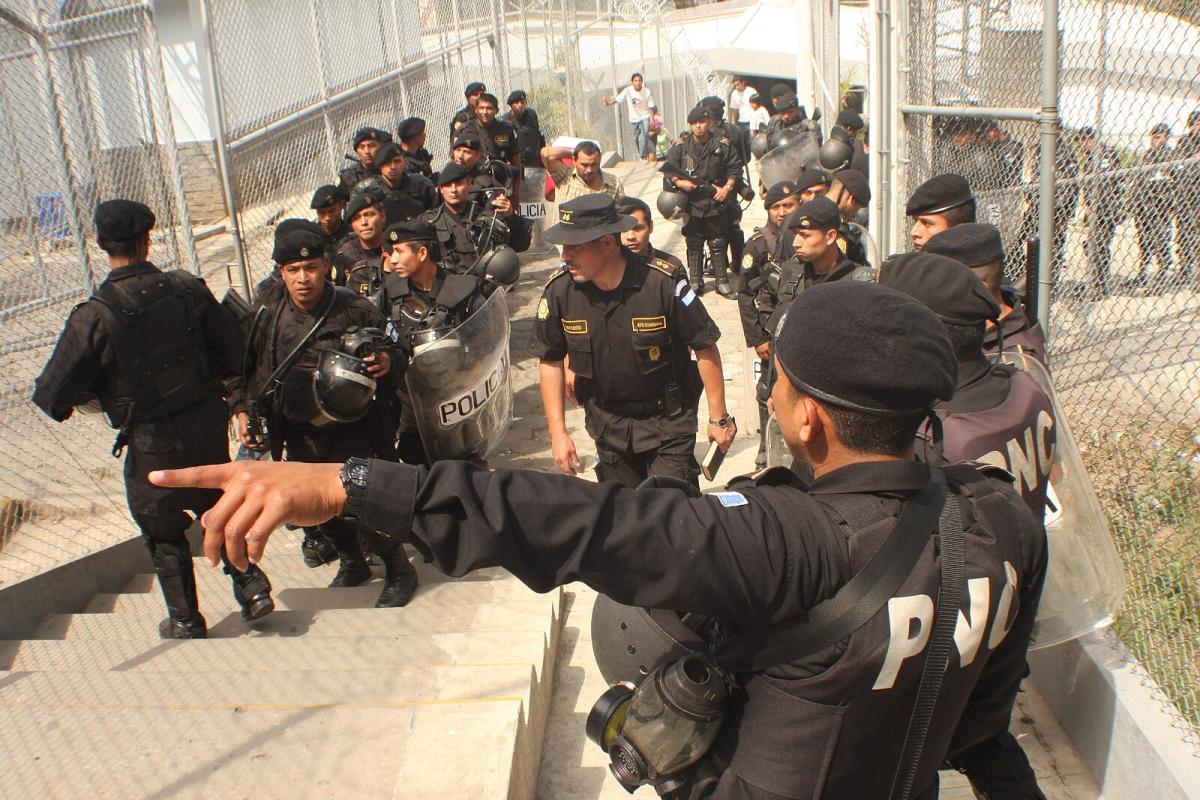
US weapons to Guatemala

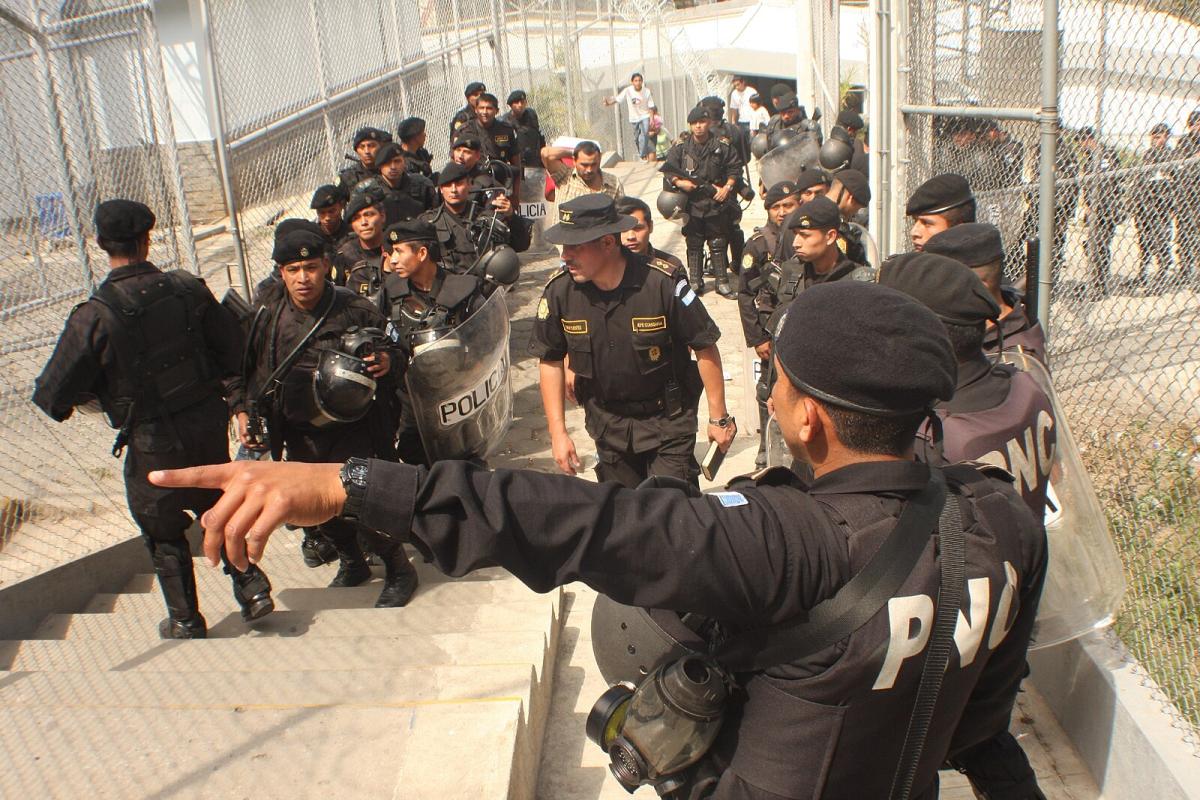
Guatemala policeGuatemala received a shipment of weapons and military equipment from the United States, the first in a series of commercial exchanges set to total $5 million. Weapons transfers to the country had been formally frozen since the administration of President Jimmy Carter restricted arms sales in 1977 due to the Guatemalan military's record of human rights abuses during the country's civil war. The ban was lifted in March, after months of deepening security ties between the two countries. (Photo: Danilojramirez via Wikimedia Commons)
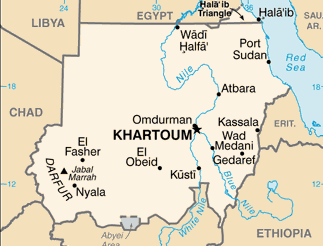
UN Mission: foreign support fuels Sudan war

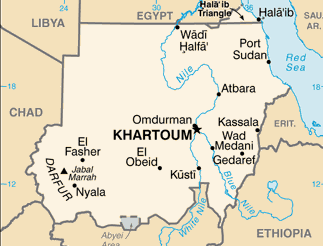
SudanThe UN Independent International Fact-Finding Mission on Sudan released a new report detailing how external support networks fuel the conflict and escalate civilian harm in the country. The Mission found that foreign-sourced weapons and personnel have significantly expanded the military capabilities of both the Sudanese Armed Forces (SAF) and the Rapid Support Forces (RSF), intensifying the conflict's scale and lethality. Although the UN Security Council has long imposed an arms embargo on Sudan, the Mission believes the RSF sources artillery, air-defense systems, drones, and other military equipment from individuals and entities in the United Arab Emirates, Chad, Libya and Somalia. The report stated that arms suppliers who violate the embargo contribute to crimes under international law. (Map: PCL)

UN decries Israel’s new West Bank outpost plans

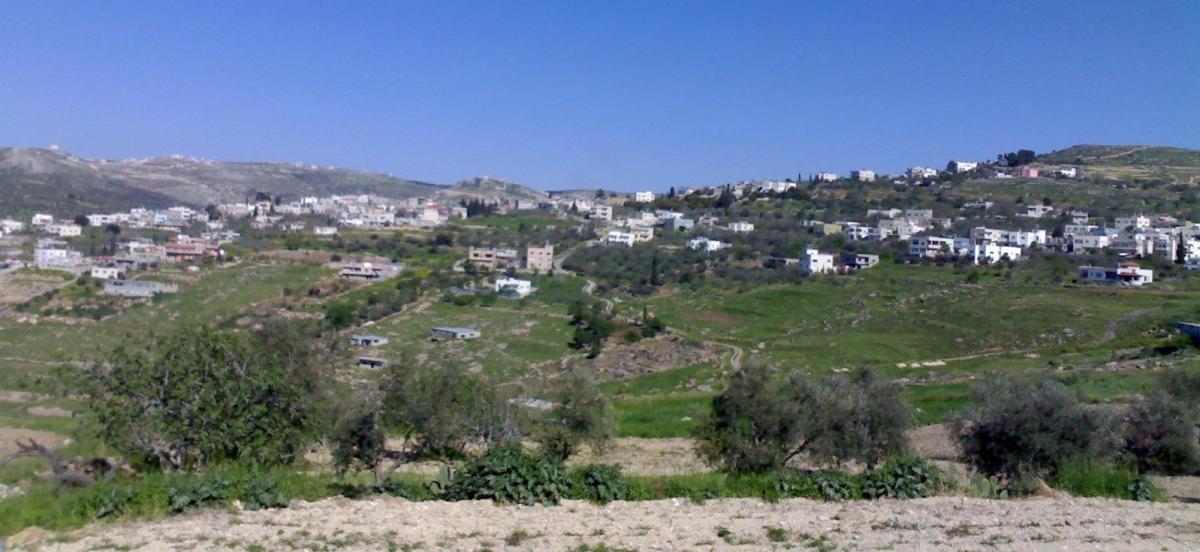
TalUN Secretary-General António Guterres condemned Israel's announcement of plans to accelerate the authorization of settlement outposts under Israeli domestic law in the occupied West Bank, warning that the move constitutes a "flagrant violation" of international law. Prime Minister Benjamin Netanyahu announced the measures following a clash that left four Palestinians and two Israeli settlers dead at the village of Tal, near Nablus. Mosques, farmland and vehicles were set afire during the settler attacks that sparked the clash. Netanyahu simultaneously announced new Israeli military operations on the West Bank. Hundreds have since been arrested in sweeps of Palestinian villages. (Photo: Wikipedia)

Nigerian jihadists turn to AI

ISWAPThe technical prowess of jihadi groups in West Africa is well documented—from the use of surveillance and attack drones to Elon Musk's Starlink and cryptocurrencies. The adoption of generative AI, then, should come as no surprise. New research details how the jihadist movement in Nigeria has become adept at using AI operationally in attack planning, weapons calibration, and the design of explosives. Initial training was delivered through transnational jihadist networks, but Nigerian groups now have dedicated AI teams staffed by trusted personnel drawn from senior operational and technical roles, including bomb-makers, gun specialists, and engineers. "Trial and error can kill you. AI gives you accuracy," a recently demobilized ex-combatant explained to researchers at the Cambridge Programme on AI Science & Policy (CASP). (Photo via TNH) 

UN investigation finds genocide in Sudan

SudanThe UN fact-finding mission for Sudan has produced a follow-up to its February investigation into atrocities by the Rapid Defense Forces (RSF) in El Fasher, finding at least three of the "material crimes" of genocide "overwhelmingly present." After a prolonged siege, the UAE-backed paramilitary army launched an October 2025 assault on El Fasher, which was the last major Darfur city where the Sudanese army and allied forces were in control. Since the February publication, the mission said it has received new information, especially on the abduction and mass rape of women and girls. It says survivors were raped by RSF forces in the presence of corpses, including of family members, and were targeted along ethnic lines. The mission also received new information on the high number of people—up to tens of thousands—who remain missing or unaccounted for. With the RSF planning a new assault on the North Kordofan capital, El Obeid, the mission said the same patterns are repeating, and called for the lessons of El Fasher not to be ignored. (Map: PCL)

UAE-backed network in Libya fuels Sudan war

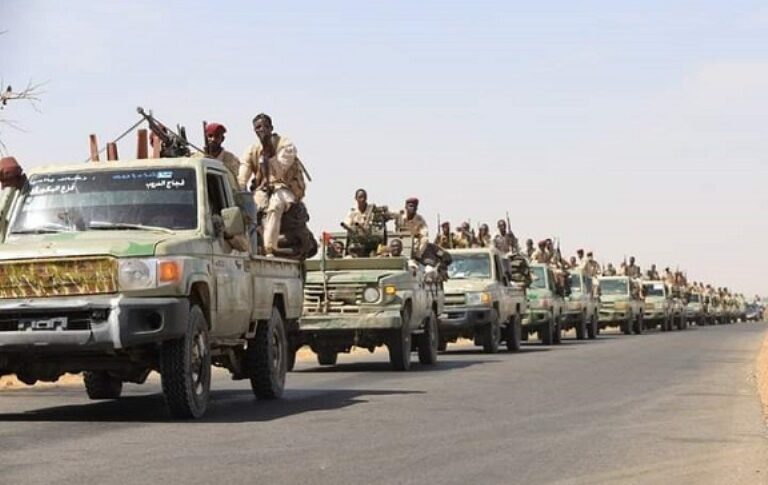
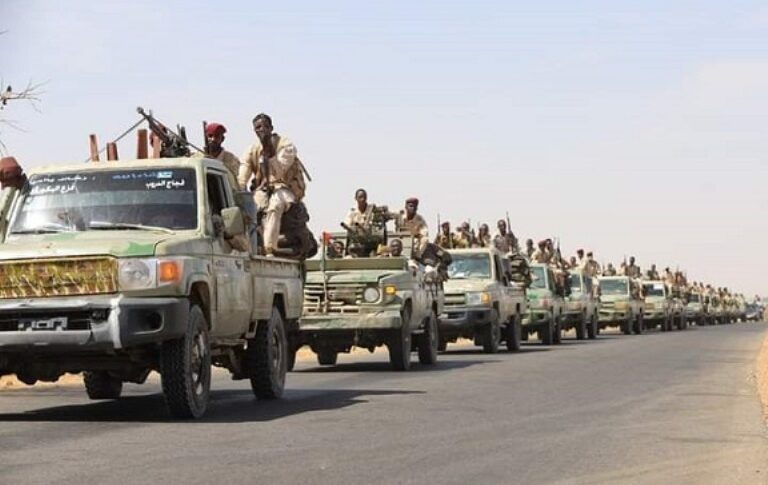
RSFA new Lighthouse Reports investigation has brought to light new evidence of the United Arab Emirates' role in sustaining Sudan's civil war by backing the Rapid Support Forces (RSF) through a covert logistics and training network based in eastern Libya. The report draws on social media analysis, geolocation data, satellite imagery, and witness interviews to trace alleged RSF-linked camps, convoy routes, and transfers of weapons and fuel between Libya and Sudan. The investigation identified four previously unknown RSF staging areas in Libya, including one near Benghazi. RSF defectors described training alongside Libyan National Army soldiers and UAE-contracted Colombian mercenaries before being sent back to Sudan. (Photo of RSF forces in Darfur via Sudan Tribune)

Civil society call to end AI in warfare

missileMore than 200 civil society groups and advocates issued a joint statement calling for an immediate halt to the use of artificial intelligence systems in military "kill chains," warning that AI-accelerated warfare risks facilitating violations of international criminal, human rights and humanitarian law. The signatories said that claimed safeguards such as "human in the loop" mechanisms cannot prevent the lethal consequences of AI-accelerated targeting, but instead risk becoming a means of "rubber-stamping" killing at greatly accelerated speed and scale. (Image: Andrew West via Pixabay)

UAE recruits Colombian fighters for Sudan’s RSF: report

SudanA company based in the United Arab Emirates (UAE) has hired and transported hundreds of Colombian private military contractors to Sudan to fight for the Rapid Support Forces (RSF), Human Rights Watch charges in a new report. HRW found that the recruits passed through a UAE military base in Ghiyathi and an apparent private military facility in Al Wathba, both in the Emirate of Abu Dhabi. HRW called on the international community to press the UAE to end its support for the RSF by suspending military cooperation and arms sales. (Map: PCL)

Drones now leading cause of civilian deaths in Sudan

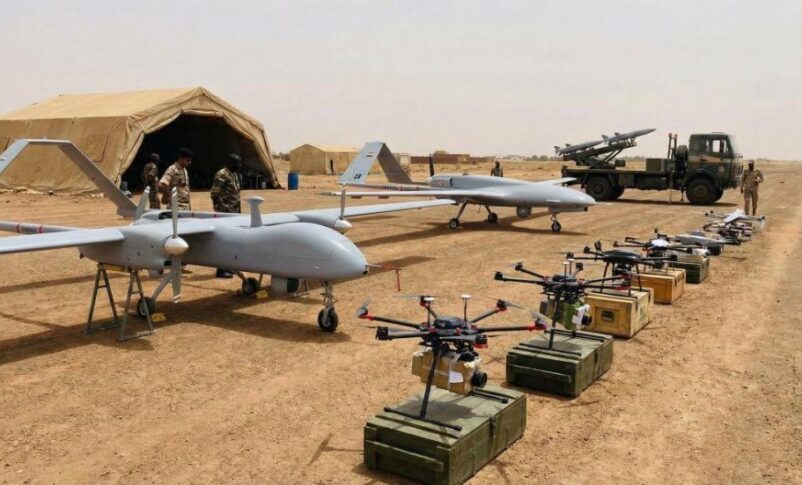
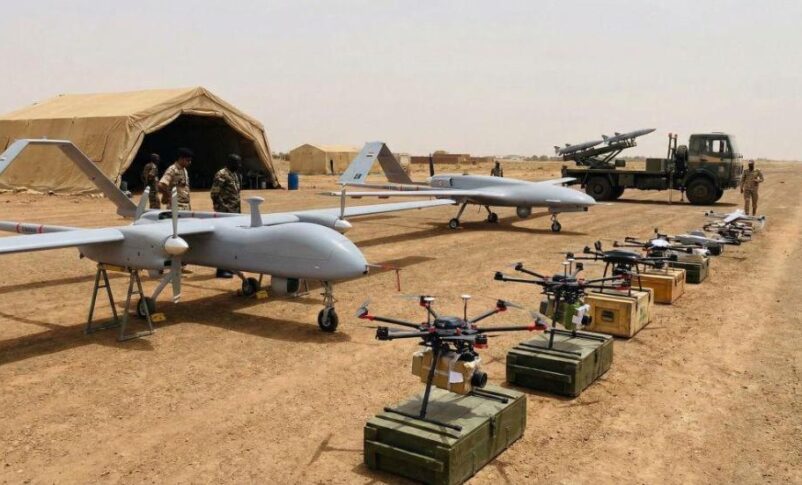
dronesUN Human Rights Chief Volker Türk issued a high alert on the widening use of drones in the conflict in Sudan. Türk warned that unless the international community takes action without delay, the conflict in Sudan could enter a new, even deadlier phase. The Sudan team at the Human Rights Office found that upwards of 80% of all civilian deaths from January to April—numbering at least 880—can be attributed to drone attacks. Türk warned: "This increasing reliance on drones allows hostilities to continue unabated in the approaching rainy season, which in the past has brought about a lull in ground operations. An intensification of hostilities in the coming weeks, as the parties seek to gain or consolidate control of territory amid shifting conflict dynamics, risks hostilities expanding even further to central and eastern states, with lethal consequences for civilians across enormous areas." (AI-generated image of various drones used in Sudan, via Sudan Tribune)

Syria

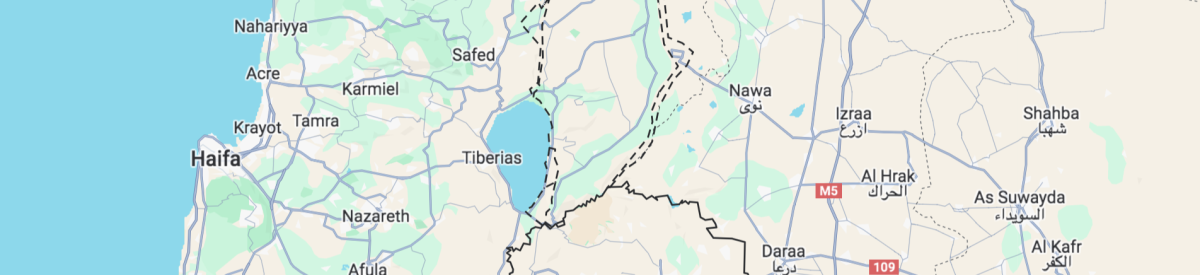
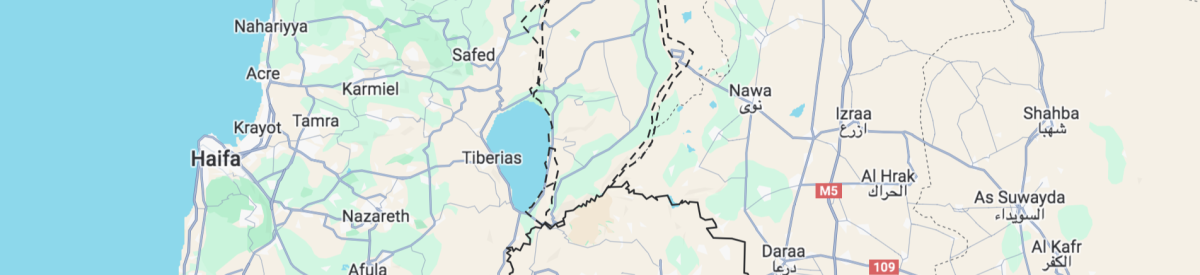
Fighting again erupts in Syria’s Suwayda

SuwaydaClashes broke out in Syria's southern as-Suwayda province between the central government's Internal Security Forces and Druze armed groups affiliated with the region's self-declared "National Guard." Fighters from the Guard's "501 Knights of Hamza" battalion attempted to advance toward government lines in the governorate's western countryside under heavy cover fire, including from truck-mounted machine-guns and rocket-launchers. Government forces responded with mortar fire. Since the fall of the Bashar Assad dictatorship in December 2024, Israel has occupied large areas of eastern as-Suwayda, and is believed to have dropped arms to Druze fighters in the region. The province has been effectively divided since fighting broke out last year between Druze militia and central government forces and their local Bedouin allies. (Map: Google)

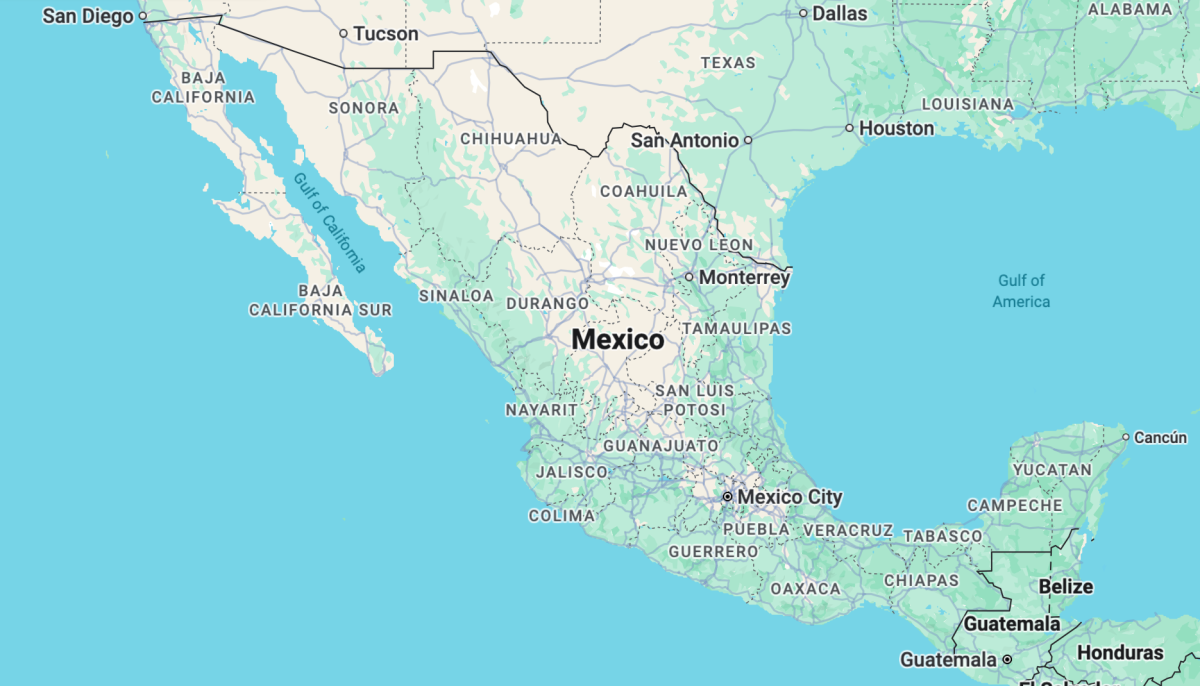
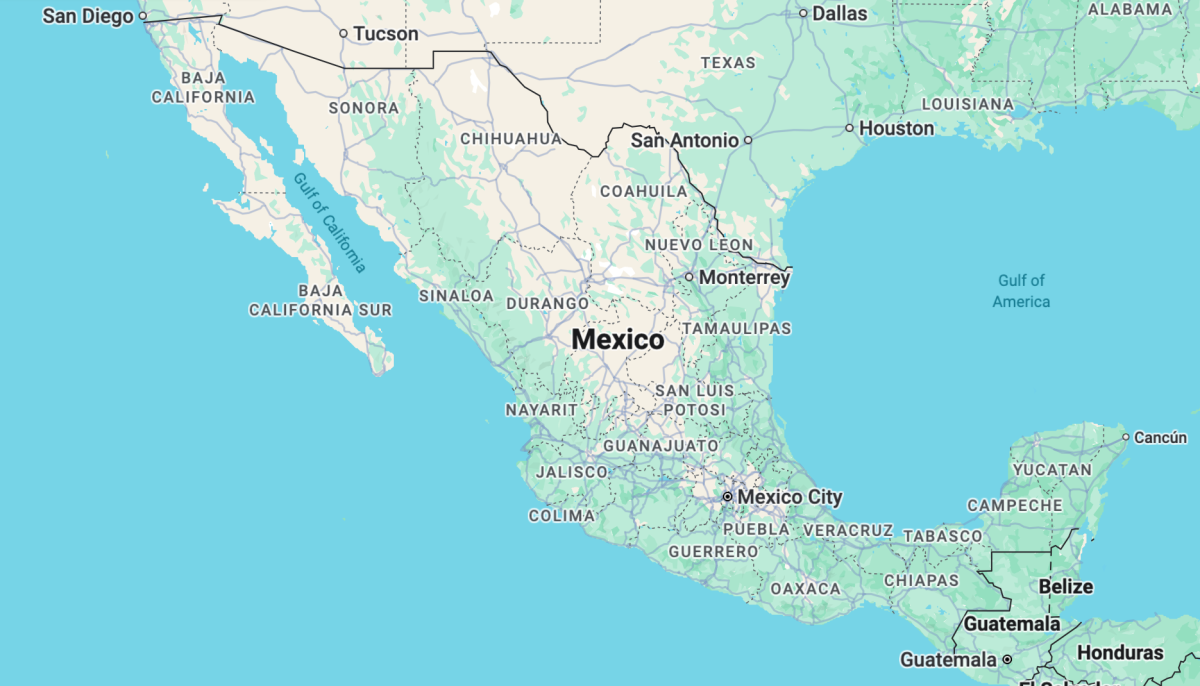
US charges Mexican officials with drug trafficking

MexicoA grand jury in the US District Court for the Southern District of New York indicted 10 current and former Mexican officials for importing large amounts of drugs into the United States, along with related offenses. The officials include the current governor of Sinaloa state, Rubén Rocha Moya, as well as a Sinaloa deputy attorney general, a former Sinaloa secretary of public security, a former deputy director of the Sinaloa State Police, and a federal senator. The indictment accuses the officials of ties to one faction of the Sinaloa Cartel, "Los Chapitos," run by the sons of Joaquín "El Chapo" Guzmán, who is serving a life prison term in the US. In a seeming reference to the fact that Rocha Moya and others of those indicted are from Mexico's ruling MORENA party, President Claudia Sheinbaum said: "[I]t it is evident that the objective of these charges by the Department of Justice is political… We will not allow any foreign government to…decide the future of the Mexican people." (Map: Google)

Peru: US arms deal behind cabinet shake-up

PresidenciaPeru's government made a $462 million payment to US defense contractor Lockheed Martin for purchase of 12 ‌F-16 fighter jets, the first installment in a controversial multi-billion-dollar deal that triggered the resignation of two top ministers. In stepping down, Defense Minister Carlos Díaz and Foreign Minister Hugo de Zela cited their opposition to interim President José Balcázar's attempt to delay the deal. The payment came days after a $2 billion contract for the F-16s was signed by an official in Peru's Air Force—over the head of Balcázar, who was informed of finalization of the deal only after the fact. (Photo: Wikipedia)