Africa
Mali

War crimes seen in Mali conflict

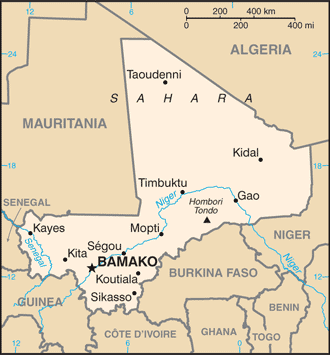
An Islamist armed group linked to al-Qaeda killed at least 32 civilians, including three children, and set fire to over 350 homes in central Mali in January, forcing about 2,000 villagers to flee, Human Rights Watch reports. Earlier in January, a Bambara ethnic militia formed to oppose the jihadists killed at least 13 civilians, including two children, abducted 24 other civilians, and looted property and livestock in central Mali. These attacks, which HRW said are apparent war crimes, occurred amid a cycle of reprisal killings and communal violence in central Mali, pitting the Dogon and Bambara against the Fulani. (Map: PCL)
Africa
Sudan

Darfur: ‘ethnic cleansing’ targets Massalit

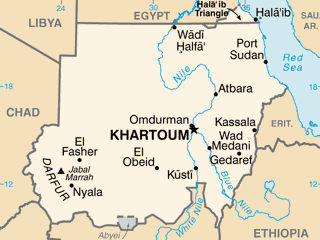
Human Rights Watch (HRW) reported that “ethnic cleansing” and crimes against humanity are being committed in El Geneina, capital of Sudan’s West Darfur state. The crimes are described as “among the worst atrocities against civilians so far in the current conflict in Sudan.” The Rapid Support Forces (RSF) are responsible for the widespread attacks and massacres that have been carried out against the Massalit ethnic minority. The wave of attacks commenced in April 2023, with the start of the conflict. Since then, it is estimated that between 10,000 and 15,000 people have been killed in El Geneina. HRW called for these killings to be investigated as genocide. The RSF meanwhile continues to close a ring around El Fasher, North Darfur, the last city in Darfur region it has not yet taken.  (Map: PCL)

Africa
Somalia

Somalia drone strikes could be war crimes: Amnesty

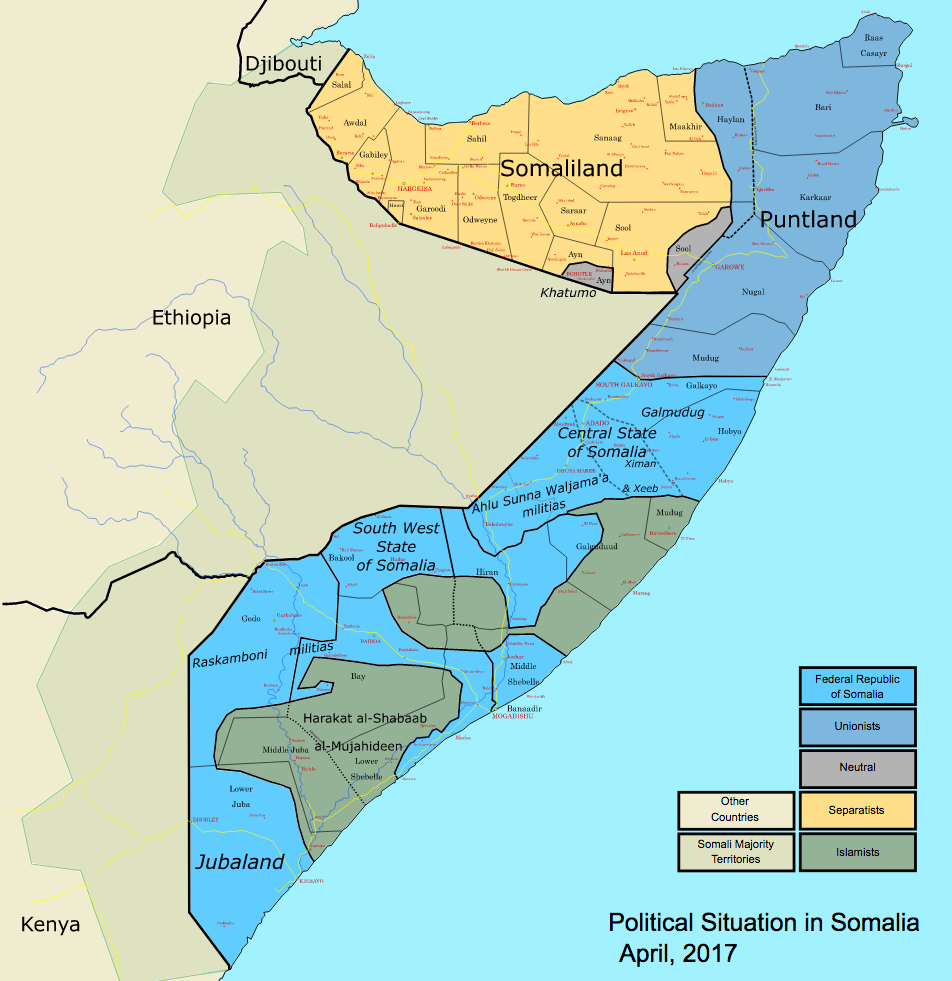
Two strikes that killed 23 civilians during Somali military operations supported by Turkish drones must be investigated as war crimes, Amnesty International said. Civilians killed in the strikes included 14 children, five women and four men. Another 17 civilians were injured. All were from the marginalized Gorgaarte clan. The strikes hit a farming community in the Lower Shabelle region amid operations against the Shabaab insurgents. “The Somali and Turkish governments must investigate these deadly strikes as a war crime, and put an end to reckless attacks on civilians,” said Amnesty’s regional director for East Africa. (Map via Wikimedia Commons)

Planet Watch
anthropocene

2023: ‘bonkers year’ for global climate

Records were once again broken last year for greenhouse gas levels, surface temperatures, ocean heat and acidification, sea level rise, and retreat of glaciers, according to a new global report issued by the World Meteorological Organization (WMO). The WMO State of the Global Climate 2023 report finds that on an average day in 2023, nearly one third of the ocean surface was gripped by a marine heatwave, harming vital ecosystems and food systems—far beyond the already inflated levels seen in recent years. Antarctic sea ice reached its lowest extent on record—at one million square kilometers below the previous record year of 2022, an area equivalent to the size of France and Germany combined. One leading oceanographer wryly stated: “The scientific term is bonkers year.” (Photo: CounterVortex)

Africa
Chad

Political violence erupts in Chad

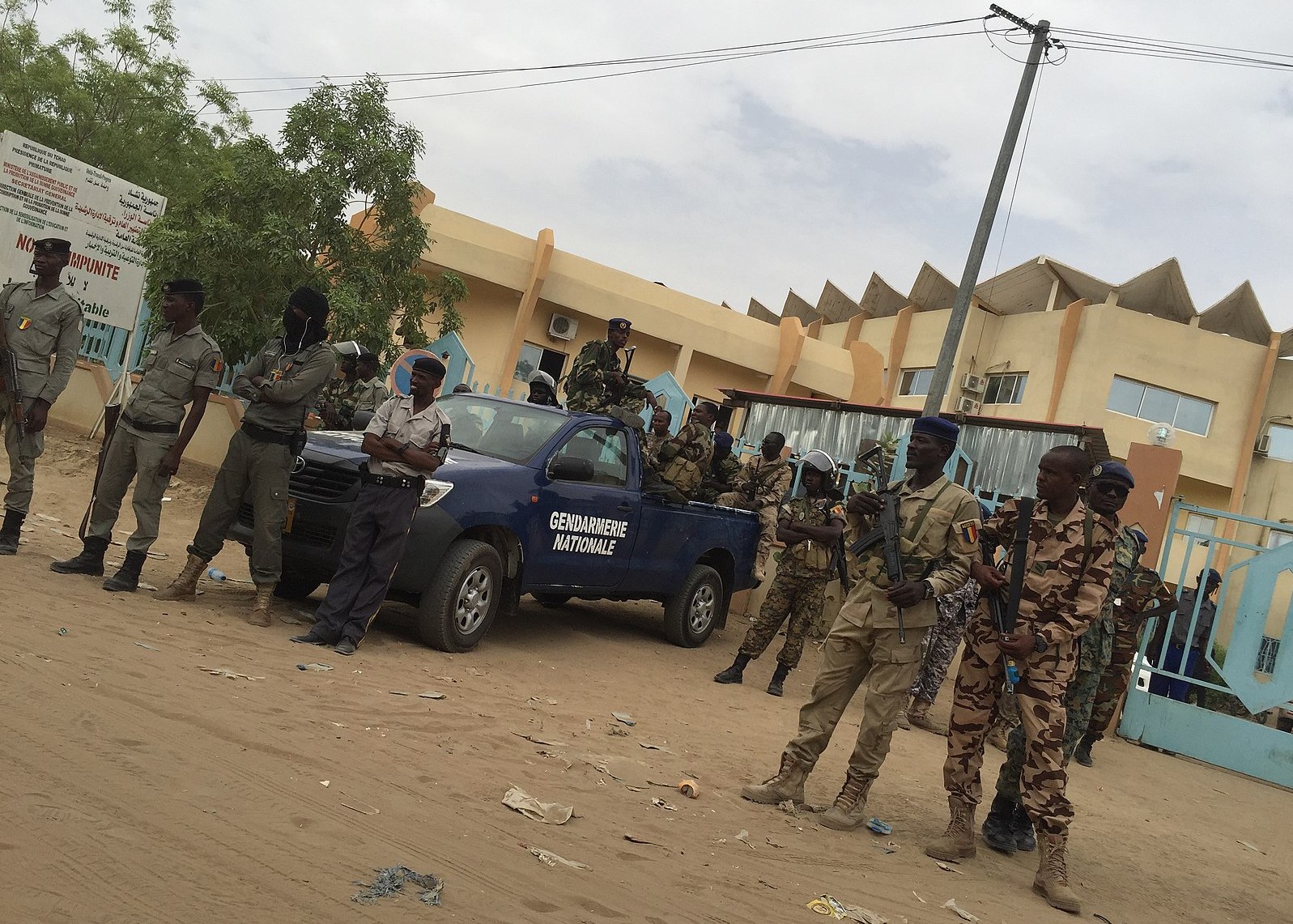
Violence erupted in Chad shortly after the country’s elections agency confirmed dates for a May presidential poll, which is supposed to restore democracy after three years of junta rule. The outbreak began with an armed attack on the headquarters of the National Security Agency, which the government blamed on followers of the Socialist Party Without Borders (PSF), the main opposition party in Chad. The PSF denied the charge. But the following day party leader Yaya Dillo—a vocal critic of ruler Gen. Mahamat Idriss Déby—was killed alongside dozens of the others in a shoot-out with security forces at the PSF headquarters in the capital, N’Djamena. (Photo: Chadian gendarmerie in N’Djamena. Credit: Bagassi Koura/VOA via Wikimedia Commons)

Africa
Wagner

Russia creates new Africa Corps

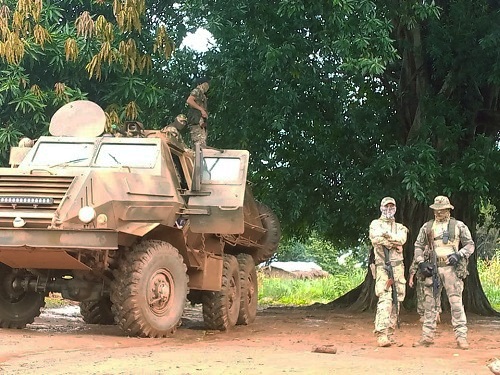
Following the death of Wagner Group leader Yevgeny Prigozhin, the Russian ministries of defense and foreign affairs quickly moved to reassure African client states that business as usual would continue—meaning that Moscow’s unofficial boots on the ground would keep operating in these countries. Now reports indicate a transformation, with Wagner’s estimated force of 5,000 troops—deployed from the Sahel to Libya to Sudan—to be brought under Defense Ministry command as a new Africa Corps. (Photo: Russian mercenaries in the Central African Republic. Credit: Corbeau News Centrafrique via Wikipedia)

Africa
Sahel

Sahel states defect from ECOWAS

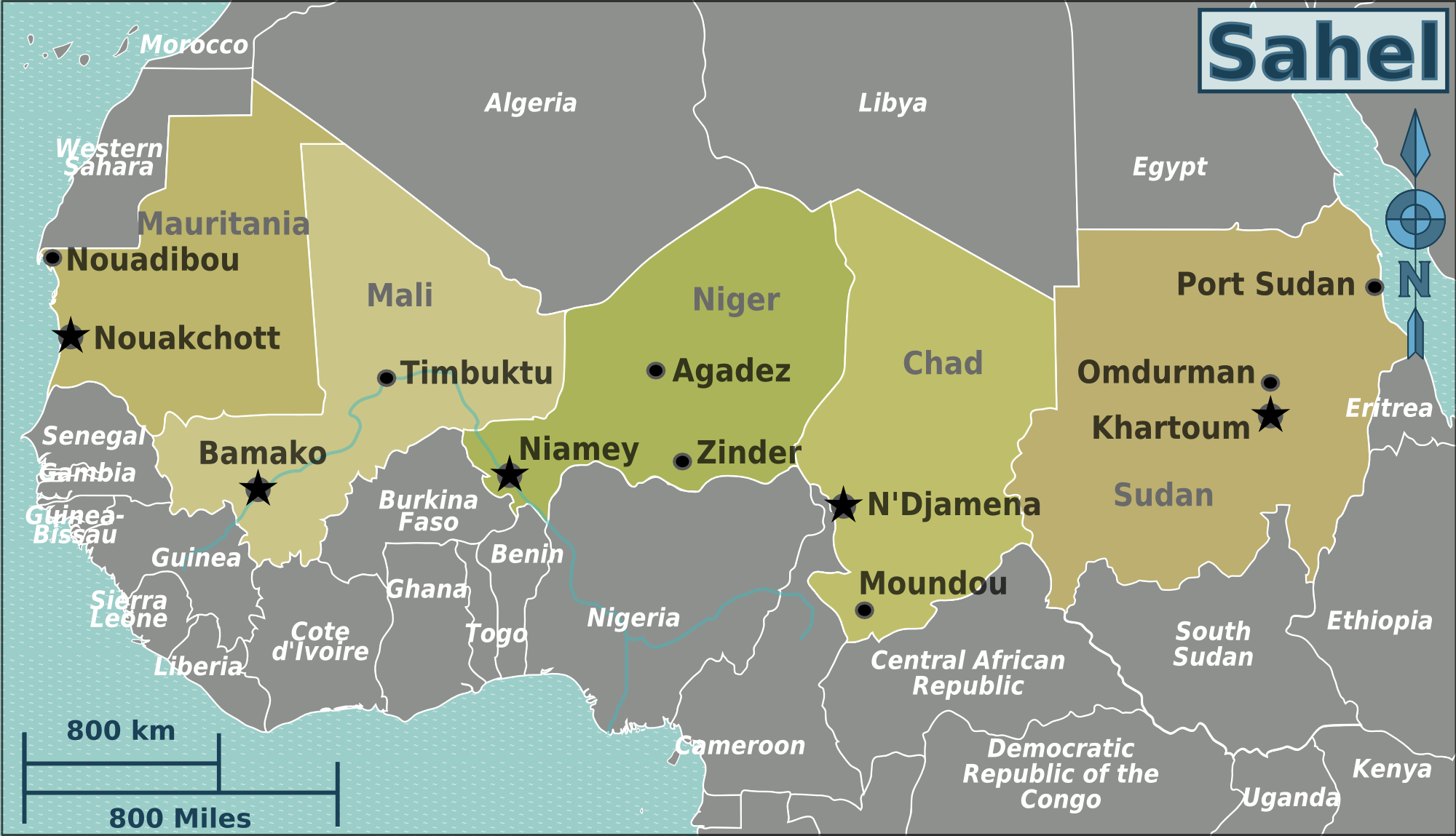
Niger, Mali and Burkina Faso announced they are withdrawing from the Economic Community of West African States (ECOWAS), issuing a joint statement saying they had taken a “sovereign decision” to abandon the regional bloc of which they were founding members in 1975. The statement charges that ECOWAS has “drifted from the ideals of its founding fathers and the spirit of Pan-Africanism,” and is now “under the influence of foreign powers.” All three countries are led by military juntas after undergoing coups d’etat, which resulted in their suspension from the bloc. All three countries have also moved closer under their respective military regimes to Russia, whose Wagner Group mercenary force is backing up a new Malian government offensive against Tuareg separatist rebels. (Map: Wikivoyage)

Africa
Somaliland

Regional lines drawn over Somaliland conflict

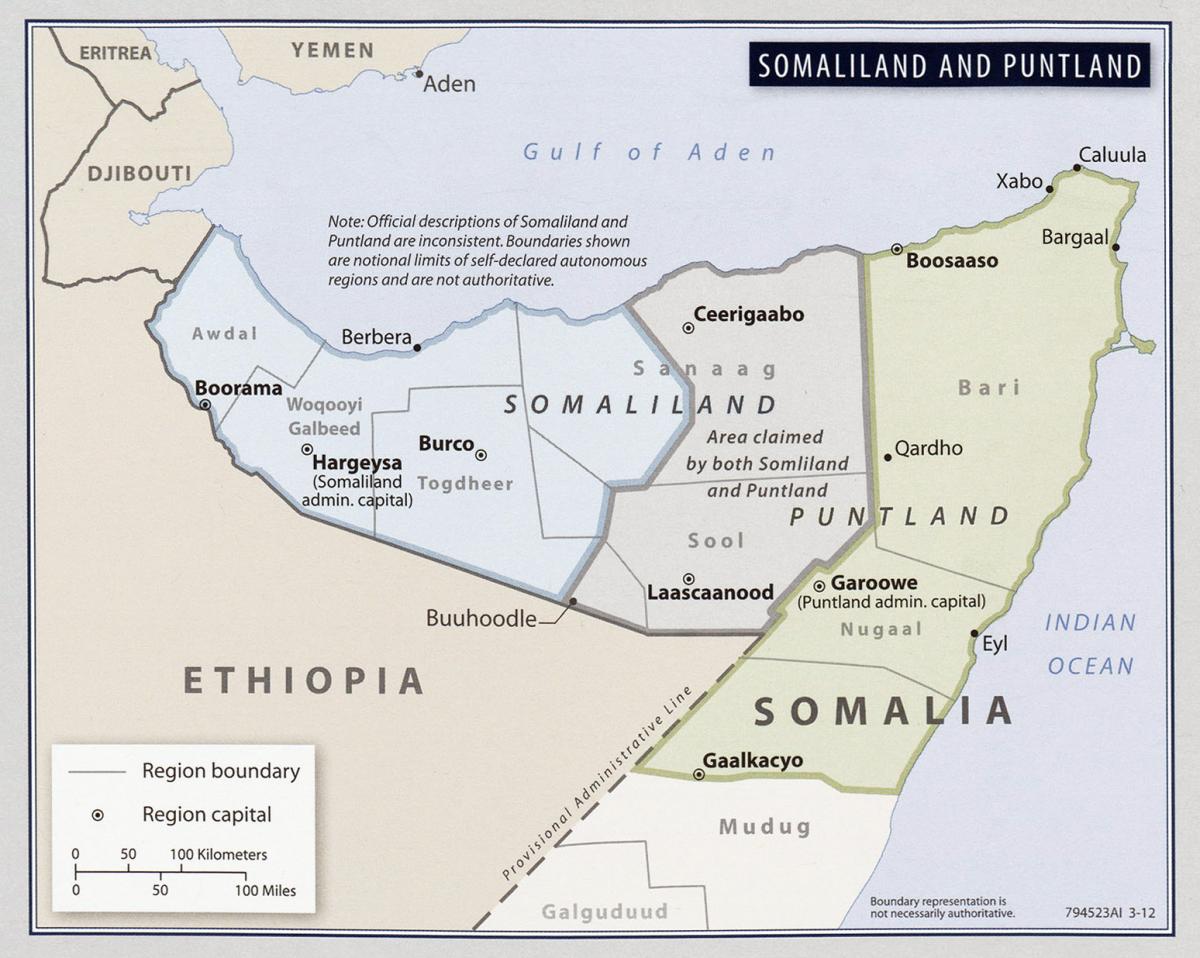
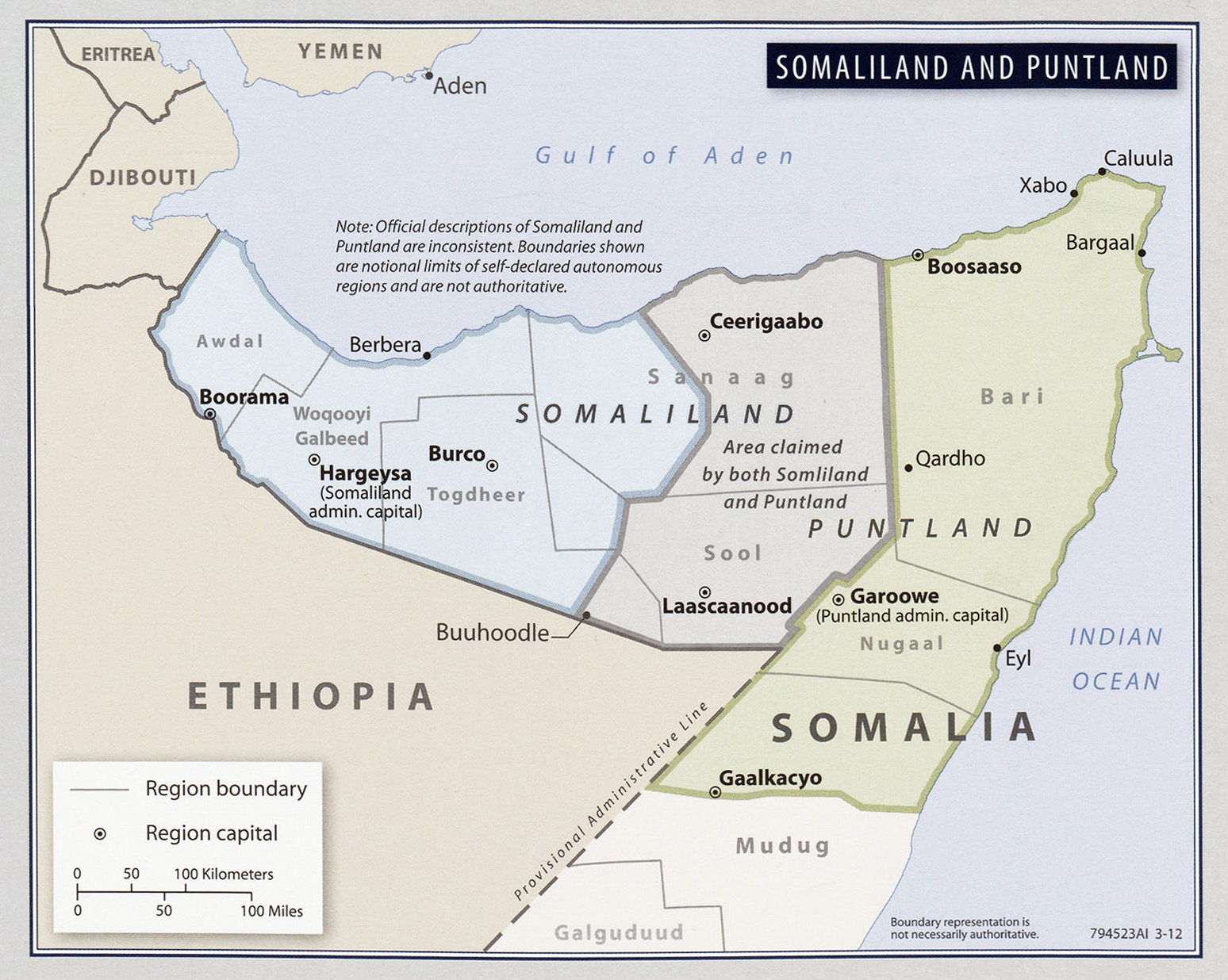
Addis Ababa held talks on military cooperation with Somaliland, after announcing a controversial deal on sea access through the self-governing but unrecognized republic. As the talks began, Somalia’s President Hassan Sheikh Mohamud visited Eritrea (Ethiopia’s regional rival) seeking support for his harsh opposition to the deal, decried as a step toward recognition of Somaliland’s independence. President Mohamud also signed a law nullifying the New Year’s Day memorandum of understanding (MoU) between the governments of Ethiopia and Somaliland, which grants the landlocked regional power a corridor to Somaliland’s port of Berbera. The Somaliland government, based in Hargeisa, claims full sovereignty, and does not recognize Mogadishu’s jurisdiction over the territory. (Map: Somalia Country Profile)

Africa
wagner group

‘Blood gold,’ diamonds behind Russian war effort

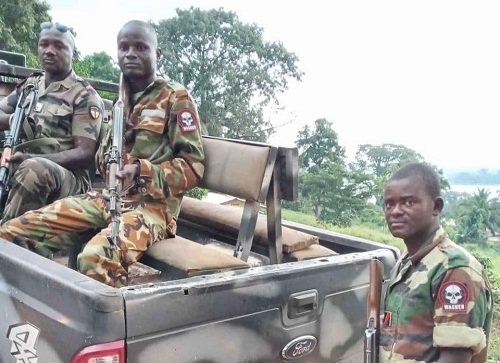
Gold-mining operations in Africa under the control of the paramilitary Wagner Group are funneling money to the Kremlin for the Russian war effort in Ukraine, according to a new report by watchdog organizations. “The Blood Gold Report,” prepared by the Consumer Choice Center and Democracy 21, finds that Wagner has laundered some $2.5 billion in proceeds from its African operations since Russia’s full-scale invasion of Ukraine in 2022, helping Moscow to ride out international sanctions. In the Central African Republic, Wagner is said to have exclusive operational control over the country’s largest gold mine at Ndassima in return for its services in propping up the regime. The European Union meanwhile announced  sanctions on Russia’s state-owned diamond giant Alrosa and its CEO, citing their “long-standing partnership with the Russian Armed Forces.” (Photo of CAR army troops wearing the Wagner Group insignia via Corbeau News Centrafrique)

Africa
Nigeria

Drone massacre in northwest Nigeria

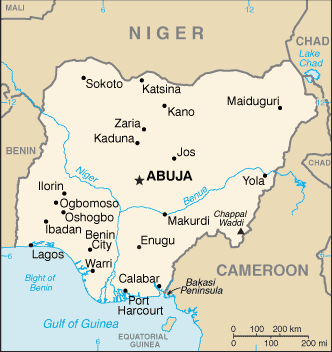
The Nigerian military says it is investigating an army drone attack at a religious gathering on a village in northwest Kaduna state that killed 85 civilians and wounded more than 60 others. Residents of Tudun Biri village were holding festivities for the birthday of the Prophet Muhammad, Eid-e-Milad an-Nabi, when the drone struck. Since 2017, hundreds of civilians have been killed in air-strikes carried out by the Nigerian military, ostensibly targeting armed rebel and bandit groups, according to monitors. (Map: Perry-Castañeda Library)

Africa
Mozambique

Mozambique: post-election protests turn deadly

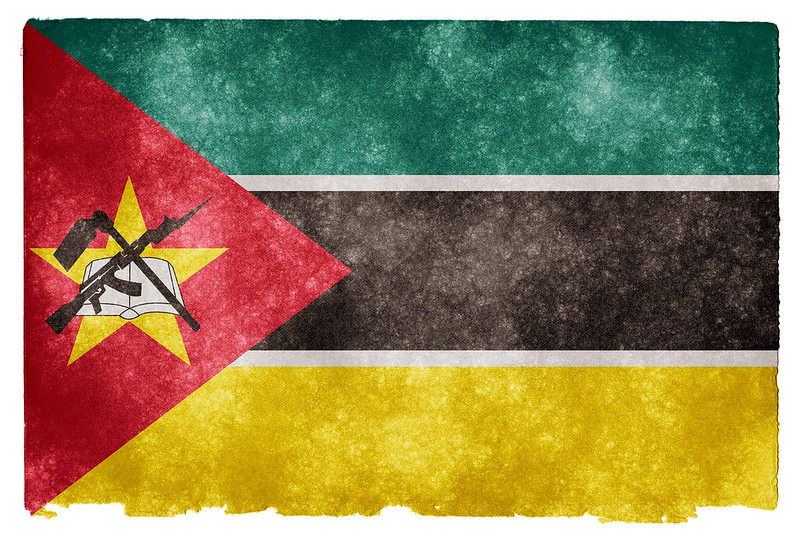
Violence broke out in Mozambique’s capital Maputo between security forces and demonstrators protesting the results of nationwide local elections. Confrontations were also reported in the cities of Nampula and Nacala. Police are accused of using disproportionate force, including tear-gas and live bullets, and at least three people are reported dead, including a 10-year old boy. Demonstrations were called by the opposition Mozambican National Resistance (RENAMO) after the National Elections Commission announced that the ruling Liberation Front of Mozambique (FRELIMO) won in 64 of the country’s 65 municipalities. RENAMO and other oppositions parties denounced the results, claiming there was fraud. RENAMO, a former guerilla army that reorganized as a political party after the end of the civil war in 1991, briefly returned to arms following contested elections in 2016. (Image: via Flickr)

Africa
Kenyan soilders

Kenya-led intervention force approved for Haiti

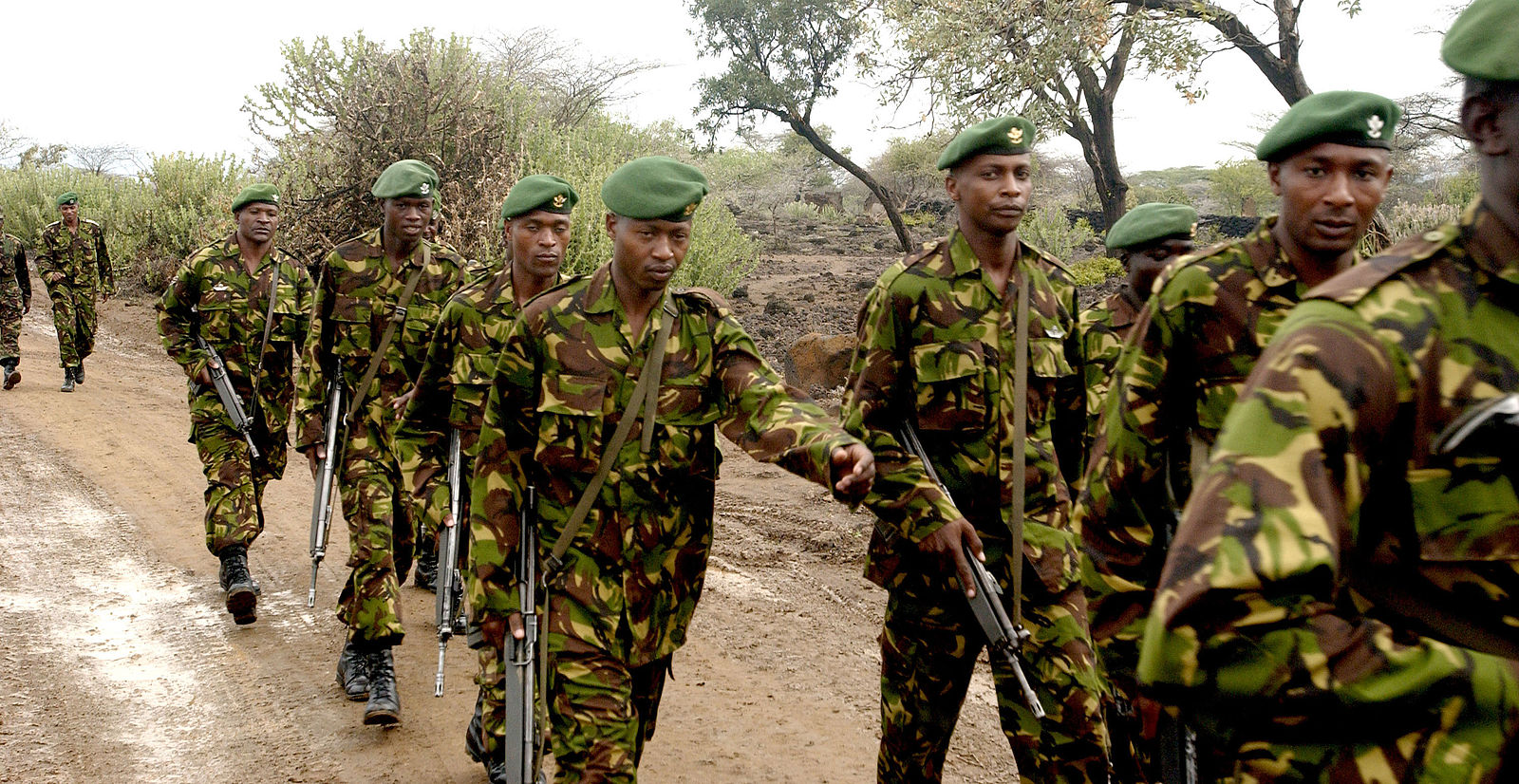
The UN Security Council voted to approve a multi-national armed force led by Kenya to combat violent gangs in Haiti—marking the first time in nearly 20 years that foreign forces are to be deployed to the Caribbean nation. Kenya’s foreign minister said that his country wants to go beyond tackling the gangs, helping to strengthen infrastructure and restore democracy in Haiti, where elections have been repeatedly postponed due to the violence. But many have voiced skepticism about deployment of the force, asking how it will work if Kenyan troops don’t speak French or Kreyol, and questioning the wisdom of sending personnel from a military criticized at home for human rights abuses. (Photo: Wikimedia Commons)