

Greater Middle East

Turkish environmental activist faces prison
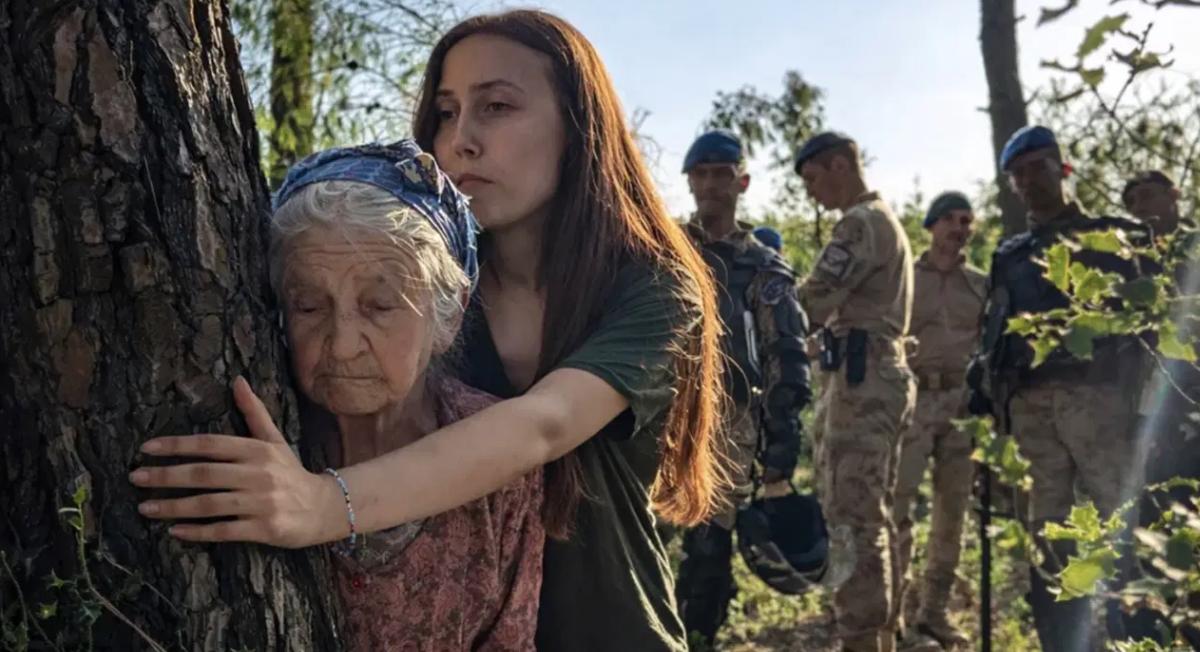
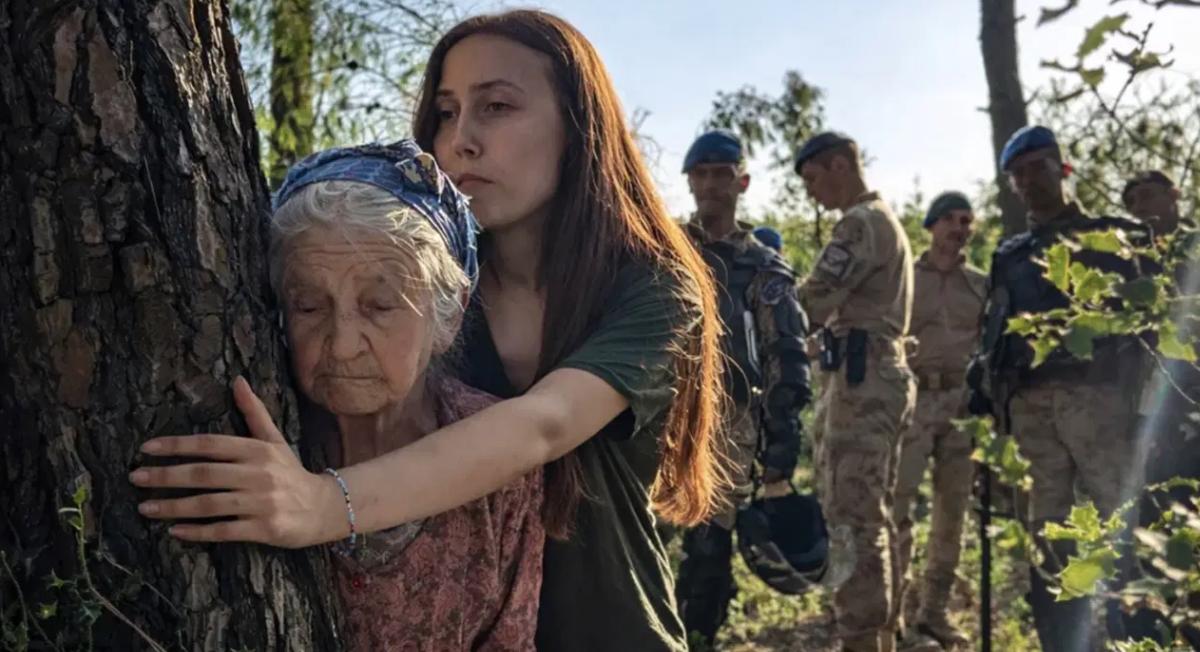
EsraAmnesty International condemned the conviction in Turkey of environmental activist Esra Işık. The activist was convicted of "resisting a public official to prevent performance of duty" and "insulting a public official," and sentenced to two years and one month in prison. Işık was detained in March following participation in demonstrations against an extraordinary "urgent" land expropriation decision by the Turkish government, in which over 600 parcels in the Akbelen Forest area were to be seized for expansion of a coal mine. (Photo: Cumhuriyet)
Africa

UAE-backed network in Libya fuels Sudan war

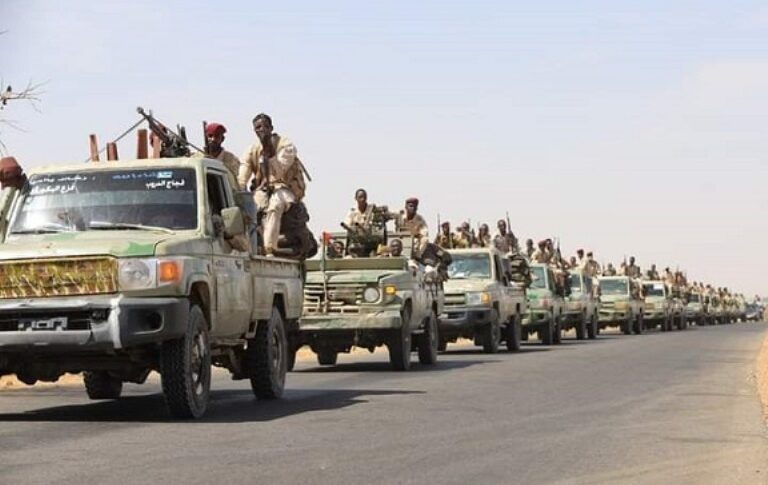
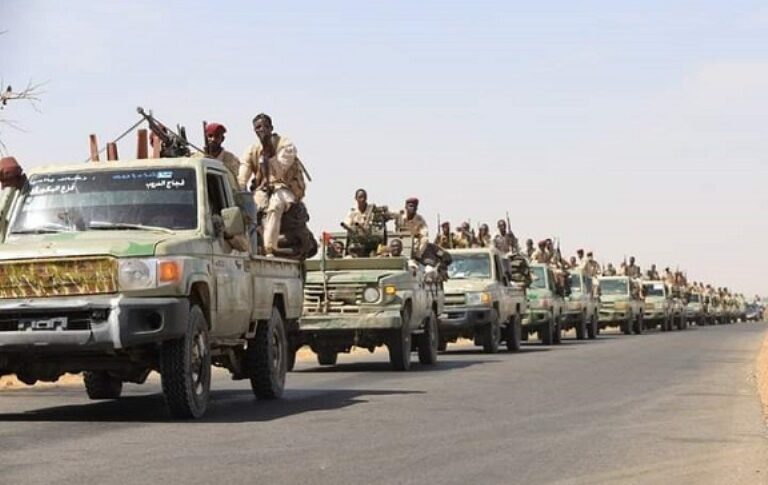
RSFA new Lighthouse Reports investigation has brought to light new evidence of the United Arab Emirates' role in sustaining Sudan's civil war by backing the Rapid Support Forces (RSF) through a covert logistics and training network based in eastern Libya. The report draws on social media analysis, geolocation data, satellite imagery, and witness interviews to trace alleged RSF-linked camps, convoy routes, and transfers of weapons and fuel between Libya and Sudan. The investigation identified four previously unknown RSF staging areas in Libya, including one near Benghazi. RSF defectors described training alongside Libyan National Army soldiers and UAE-contracted Colombian mercenaries before being sent back to Sudan. (Photo of RSF forces in Darfur via Sudan Tribune)

Greater Middle East

Iran-linked terrorism conspiracy case in Bahrain

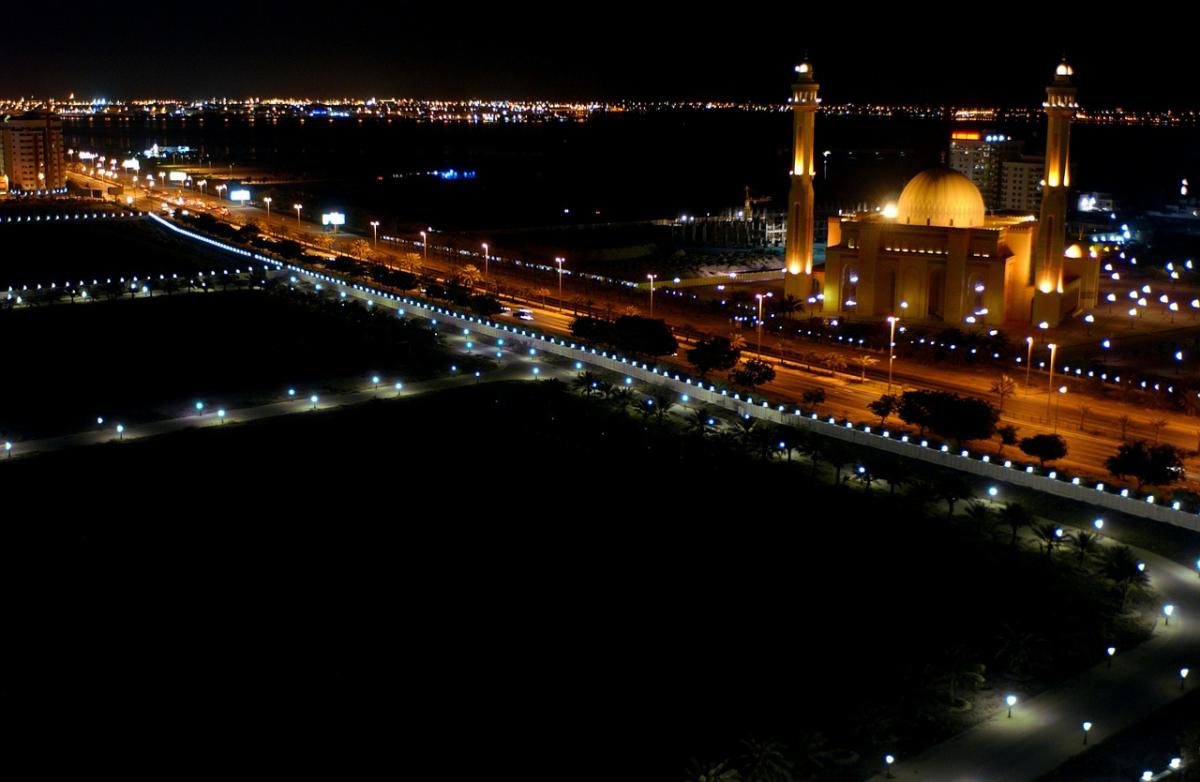
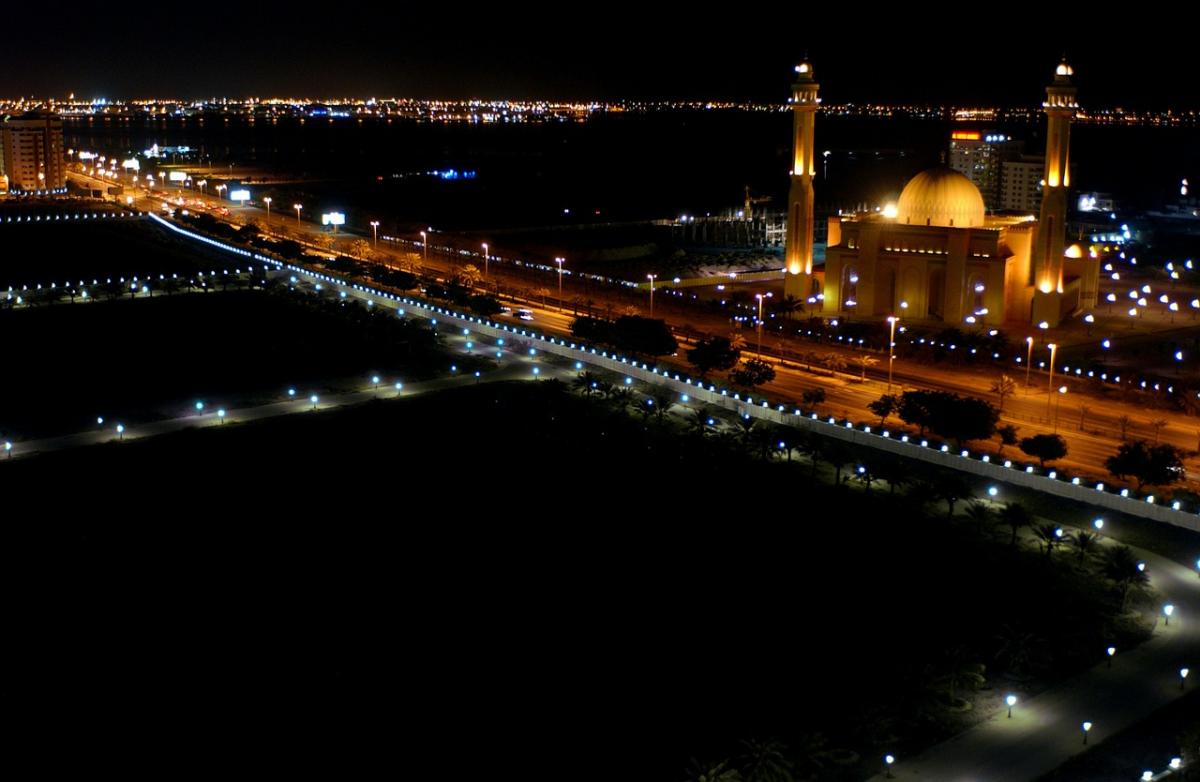
BahrainBahrain's High Criminal Court held its first hearing in a national security case involving 19 defendants accused of forming and operating a terrorist organization linked to Iran’s Islamic Revolutionary Guard Corps (IRGC). Prosecutors allege the group sought to destabilize Bahrain's political order, obstruct government institutions, undermine national unity, and ultimately overthrow the constitutional system. The defendants are also accused of efforts to spread political messaging aligned with wilayat al-faqih, the governance theory of Iran's cleric-led political system. (Photo: Pixabay via Jurist)

Africa

Mali, Niger, Burkina Faso withdraw from ICC

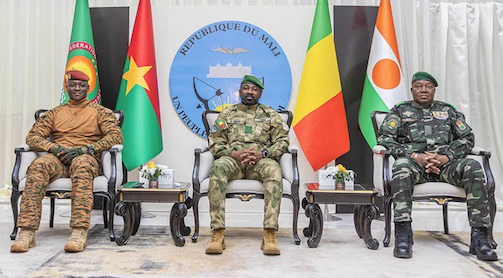
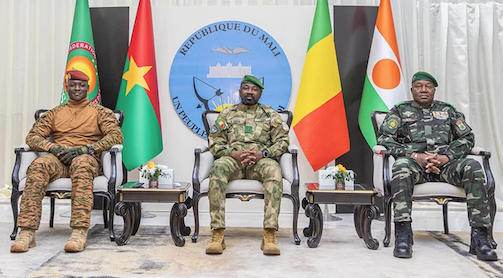
AESAmnesty International warned that the recent move by Mali, Niger and Burkina Faso to submit formal notifications of withdrawal from the Rome Statute of the International Criminal Court (ICC) paints a bleak future for thousands of conflict survivors, threatening their right to truth, justice and reparations. The three countries recently formed the Alliance of Sahel States (AES), a mutual defense and economic confederation that seeks to reject the political influence of Western powers. The AES countries are currently engaged in coordinated military actions to beat back surging jihadist offensives, which have resulted in massive civilian casualties across their shared borders. The Sahel war has contributed to an ongoing humanitarian crisis in the region, and resulted in multiple massacres and extrajudicial killings committed by state security forces and paramilitaries with Kremlin ties, as well as by insurgent groups. (Photo: Mali Government Information Center via Morning Star)

Planet Watch

Podcast: Resist digital hegemony! II

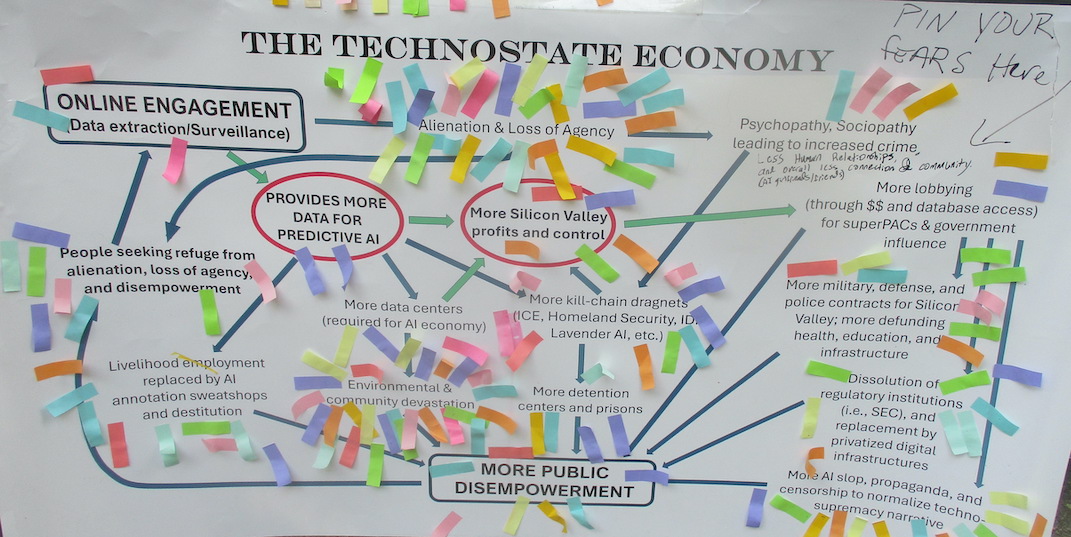
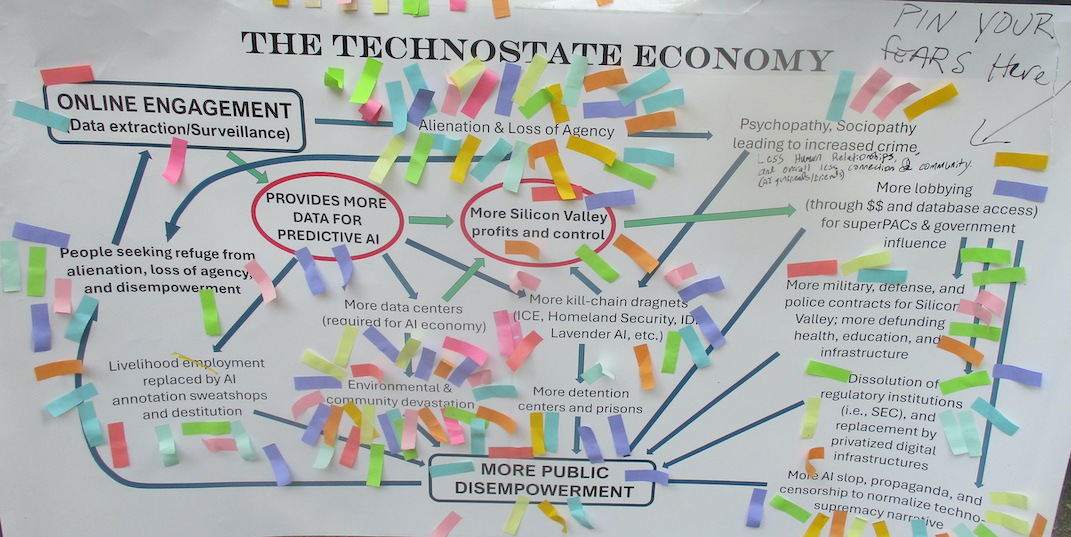
technostateDigital technology continues to colonize every sphere of human activity with terrifying rapidity, and Artificial Intelligence portends the actual abolition of humanity. Even the United Nations' belated and insufficient efforts to put a regulatory regime in place for AI acknowledge that humans face imminent "loss of control" over the technology. There are glimmers of hope, however: teachers engaged in practical resistance to the rollout of AI in school classrooms, and the nationwide protests against the proliferation of data centers. In New York City, the local Luddite Club just held a Summer of Ludd festival—aimed at getting people to disconnect from the digital pseudo-reality that recuperates our very alienation from itself, and to reclaim real life in the public parks and streets. In Episode 335 of the CounterVortex podcast, Bill Weinberg offers a report from Manhattan's Lower East Side. (Photo: CounterVortex)

Southeast Asia

Extrajudicial killings continue in Philippines

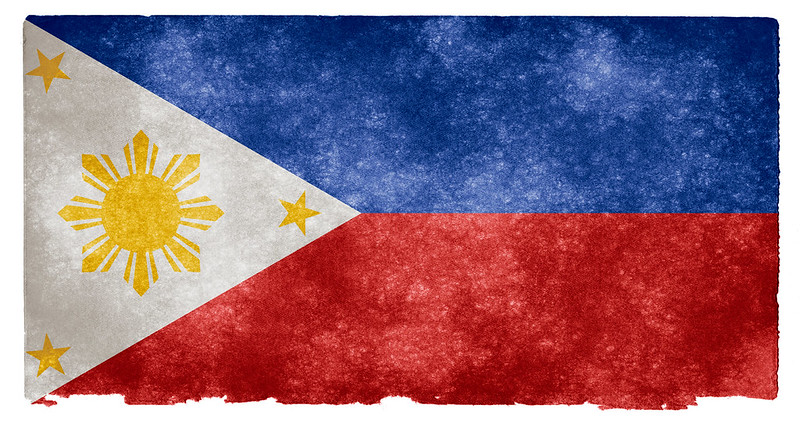
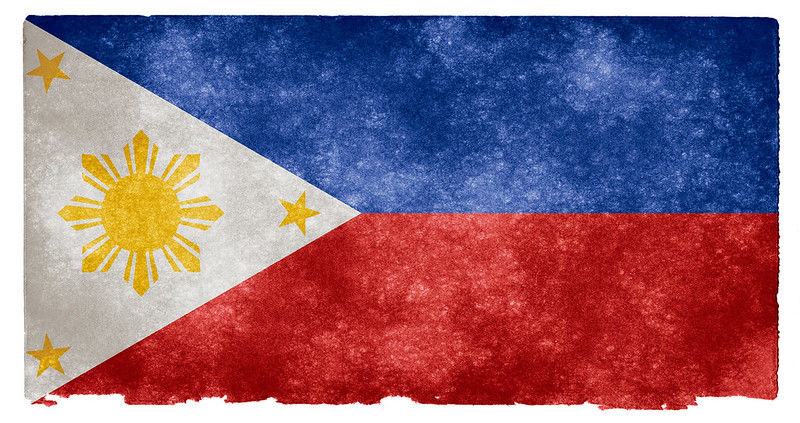
PhilippinesHuman Rights Watch (HRW) reported that authorities in the Philippines continue to conduct extrajudicial killings, with no accountability, as part of the government's anti-drug campaign. Ten years after then-President Rodrigo Duterte launched his brutal "war on drugs," serious human rights violations remain ongoing. According to HRW, the number of killings in the anti-drug campaign has reached 1,273 since Ferdinand Marcos Jr. became president in 2022. The report noted a decline in the number of extrajudicial killings compared to rates under Duterte's presidency, but found that illegal arrests have significantly increased. In 2025, Duterte was arrested under an International Criminal Court warrant for crimes against humanity related to his "war on drugs." The trial is scheduled for November. (Image: Grunge Love via Flickr)

Mexico

Afro-Mexican human rights activist assassinated

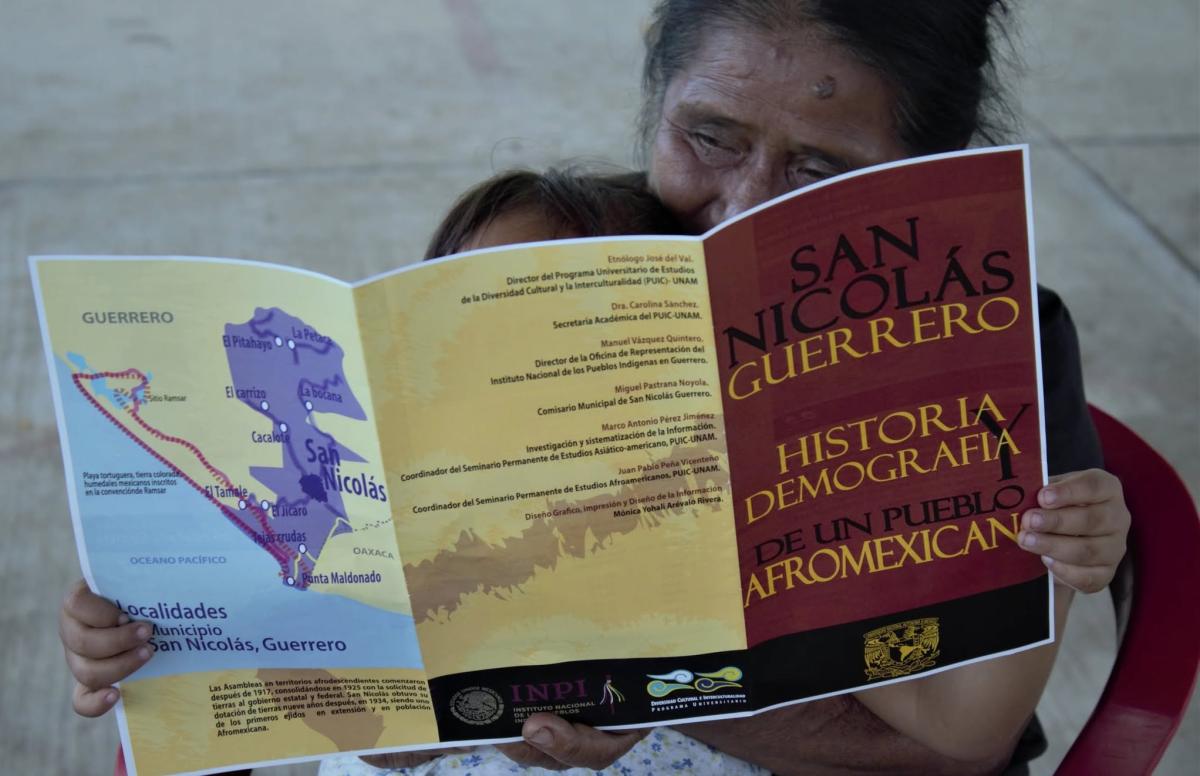
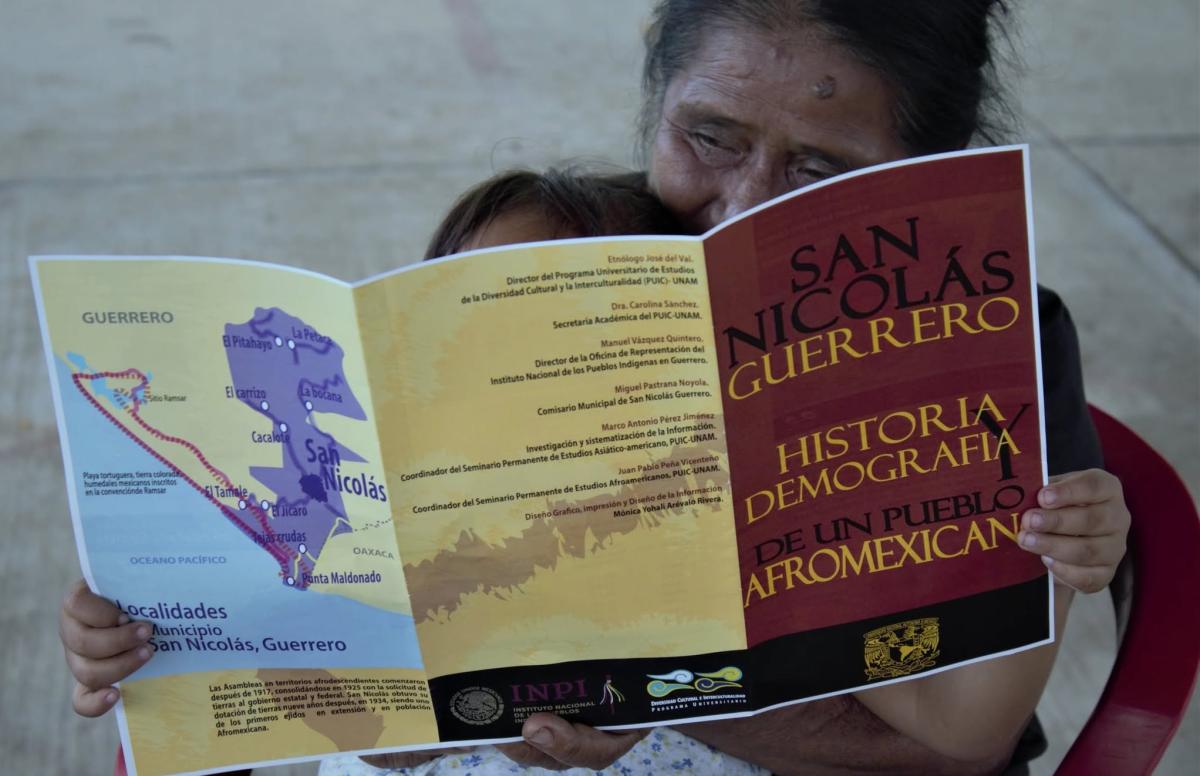
afromexicanosA UN expert panel condemned the latest murder of a Mexican human rights activist, and called for a thorough, impartial and transparent investigation by state authorities. Sael Silva Cisneros, a prominent lawyer and advocate for Afro-Mexican and LGBTQ rights, was killed in a roadside attack outside the town of Cuajinicuilapa, Guerrero state, shortly after delivering a seminar titled "Afro-Mexican dissidences in Guerrero: history, justice and rights." Silva Cisneros had a history of campaigning for local community and land rights on Guerrero's Costa Chica, the Afro-Mexican heartland. (Photo: Facebook)

East Asia

Hong Kong: six years after National Security Law

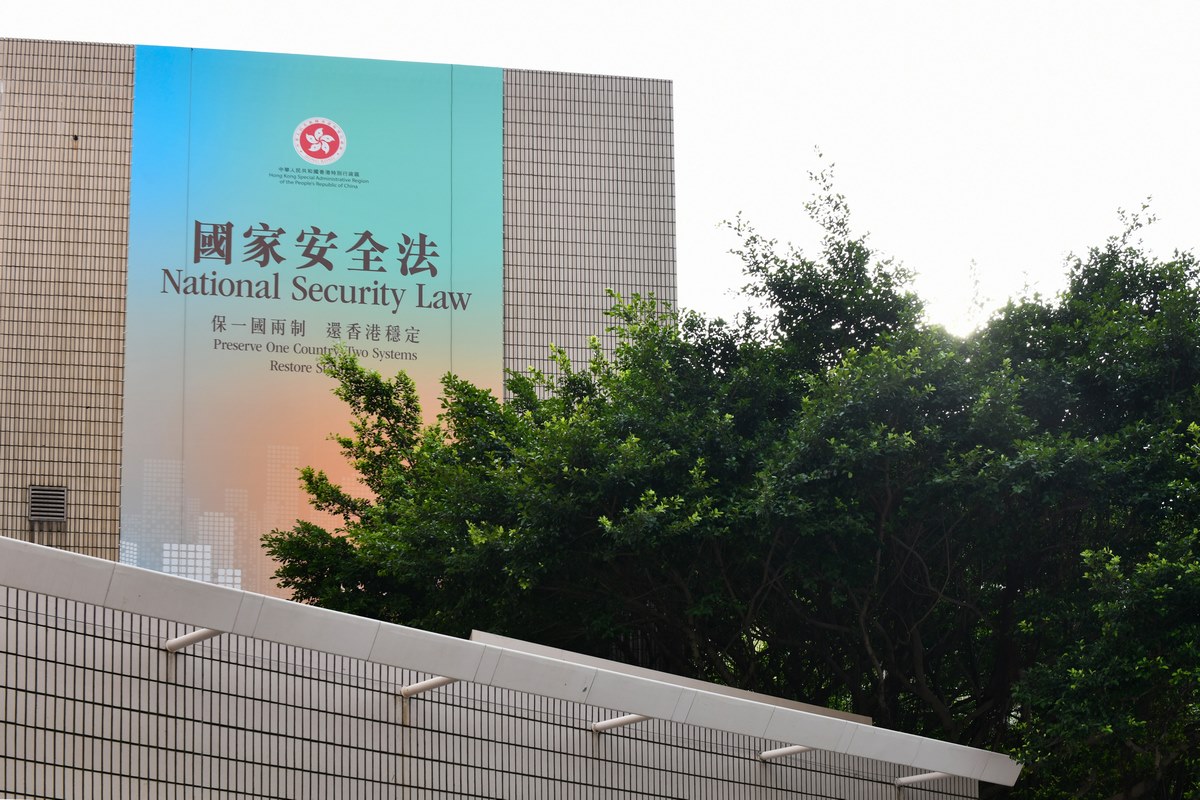
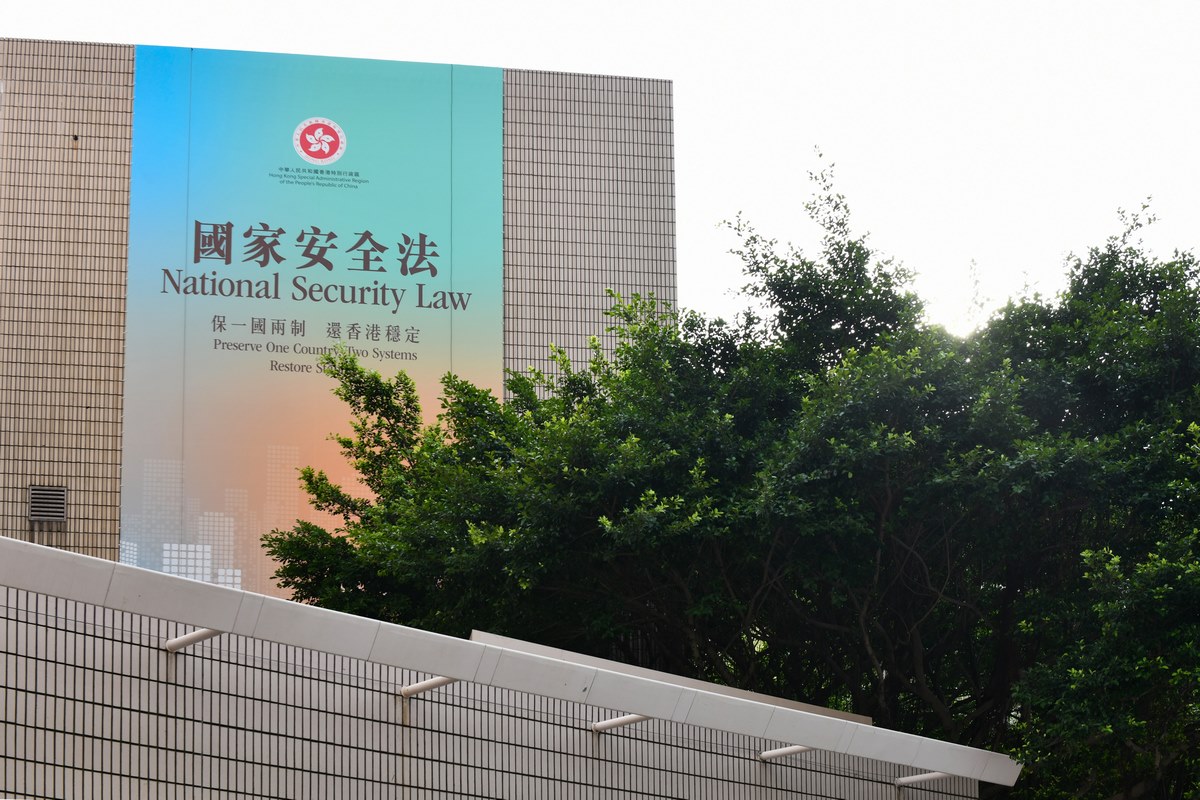
Hong KongHuman Rights Watch stated in a new report that over the past years Beijing has restructured Hong Kong's governance in a way that reduces accountability and tightens social control. A "draconian" national security regime is in place, which answers to the Chinese Communist Party leadership rather than Hong Kong's people. The reshaping has fundamentally changed the institutions of the Hong Kong Special Administrative Region (HKSAR). The new Legislative Council is overwhelmingly comprised of individuals with deep ties to the Chinese state, including 45 people who hold positions in Chinese state-owned enterprises, and numerous former police officers. These changes have been consolidated in the six years since the National Security Law was imposed in June 2020. This law has led to the arrests of protestors, activists and former opposition lawmakers, as well as shutting down numerous pro-democracy news sources. Prominent democracy advocates have been imprisoned, including Jimmy Lai and Joshua Wong. (Photo: HKFP)

Africa

Mali: rising violence against civilians

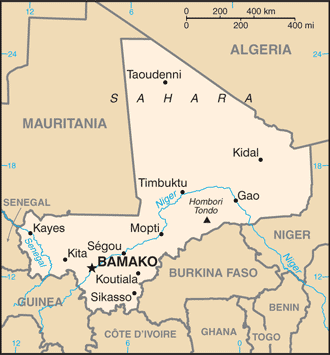
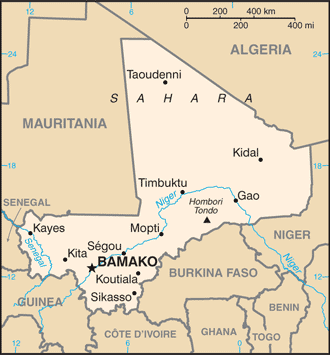
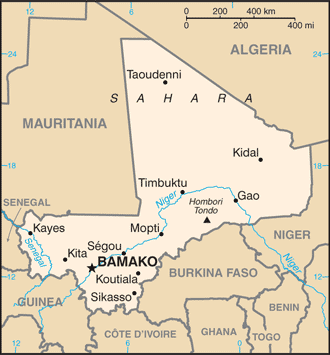
MaliHuman Rights Watch criticized insurgent armed groups, the Malian armed forces and allied militias, and Russian mercenaries, which have all committed "serious abuses of human rights against civilians" amid an internal conflict that has further fueled long-standing ethnic tensions in the country. A sudden intensification of violence ​began this April after the al-Qaeda-affiliated Group for the Support of Islam & Muslims (Jama'at Nusrat al-Islam wal-Muslimin, or JNIM) formed a pact with Tuareg fighters of the Azawad Liberation Front (FLA), a faction with which they have had a rocky relationship, to carry out attacks across Mali. The Malian armed forces have responded with drone strikes that resulted in multiple civilian fatalities. The armed forces and militia groups are also believed to have carried out reprisals against Fulani communities, who are stigmatized as JNIM collaborators. Russian fighters from the paramilitary Africa Corps have also participated in atrocities. (Map: PCL)

Greater Middle East

Syria: ‘Barrel Bomb Mufti’ on trial

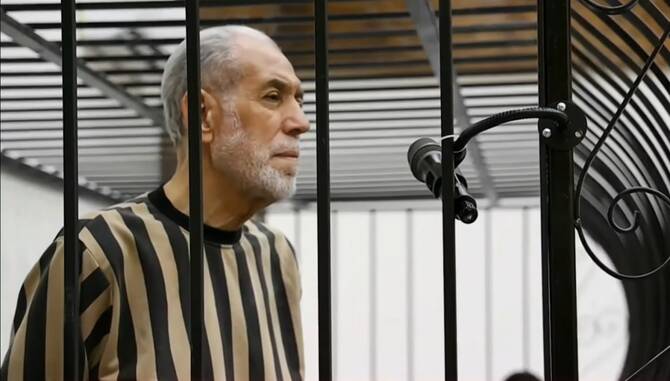
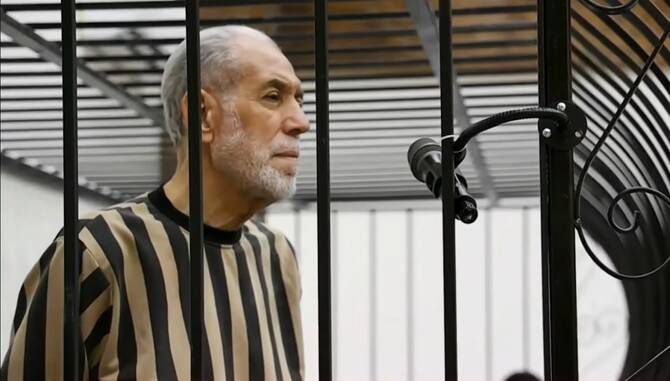
muftiThe trial of Syria's former grand mufti, Ahmed Bareddin Hassoun, opened at the Palace of Justice in Damascus. Hassoun led Syria's official religious establishment under the Bashar Assad dictatorship. He is accused of incitement to murder and abusing his position as a mufti to provide religious cover for the crimes of the regime, as well as participation in war crimes and crimes against humanity. He famously issued fatwas justifying the bombing of civilians and called the regime's use of indiscriminate barrel bombs "liberation," winning him the epithet "Barrel Bomb Mufti." He also issued a fatwa in 2017 authorizing the execution of detainees held at the notorious Sednaya Prison, where the Assad regime killed thousands, many through torture and starvation. (Photo: SANA via Arab News)

Africa

DRC files ICJ case against Rwanda

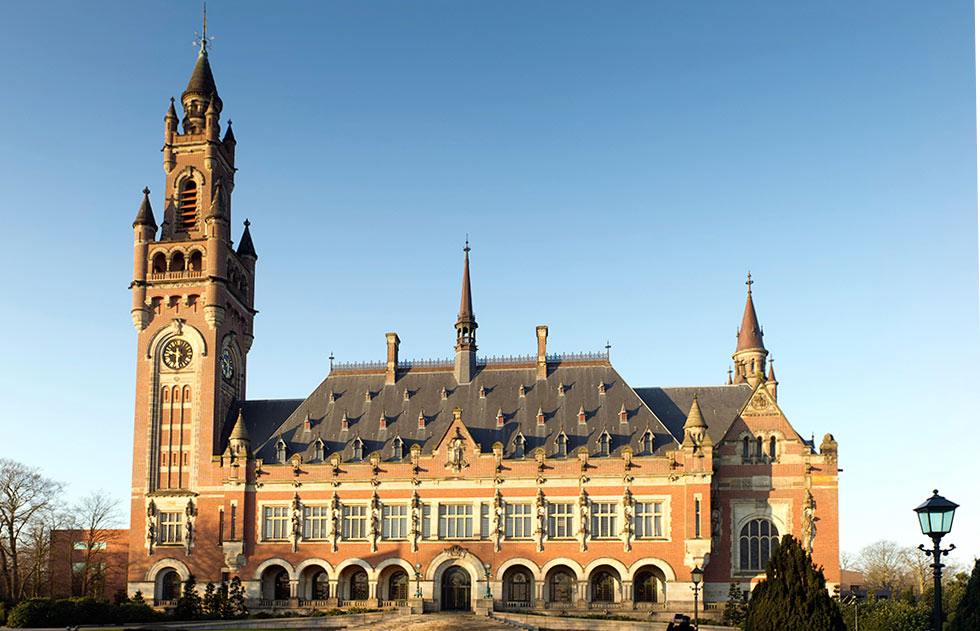
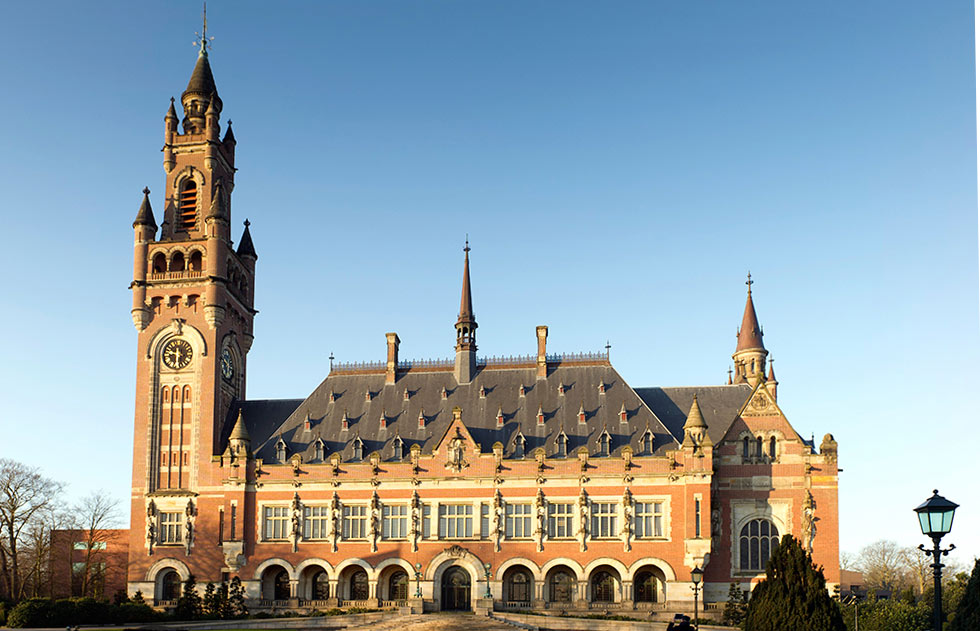
ICJThe Democratic Republic of the Congo (DRC) filed an application to bring proceedings against Rwanda over decades of war crimes and violence perpetrated in the DRC's east. The case filed with the International Court of Justice cites "abuses attributable to Rwanda over a period extending from 1996 to the present day," including massacres, forced displacement, and other atrocities. The case comes after years of worsening tensions, with the Congolese government repeatedly accusing Rwanda of supporting armed groups operating in the eastern DRC, particularly the M23 rebel army, which has seized large areas of territory in recent years. (Photo: ICJ)

Greater Middle East

Repression in Ankara ahead of NATO summit

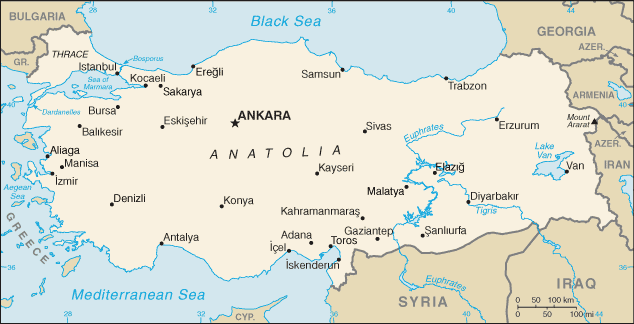
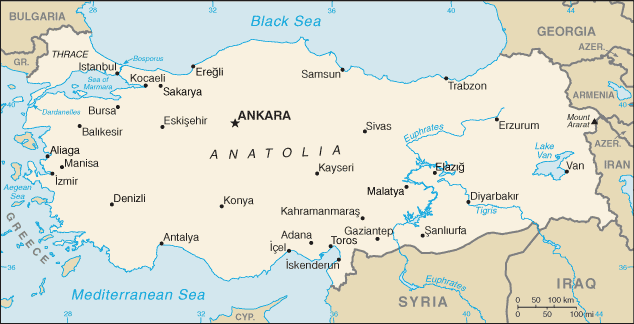
TurkeyAmnesty International raised concerns over an absolute blanket ban by the Turkish government on all protests in the capital Ankara ahead of the NATO summit that is to be held in the city next week. The statement also decried the pretrial detention of more than 100 people in the city, including lawyers, academics and activists. Amnesty describes the measures as "excessive" and constituting an attack on the rights to freedom of expression and peaceful assembly. (Map: CIA)