


Senior UN officials told the Security Council on Feb. 13 that Syria’s fragile political transition has gained momentum following a landmark agreement between Damascus and Kurdish authorities in the northeast. Still, they warned that renewed violence in the south, Israeli incursions, and deep humanitarian needs continue to underscore the precarious path to stability.
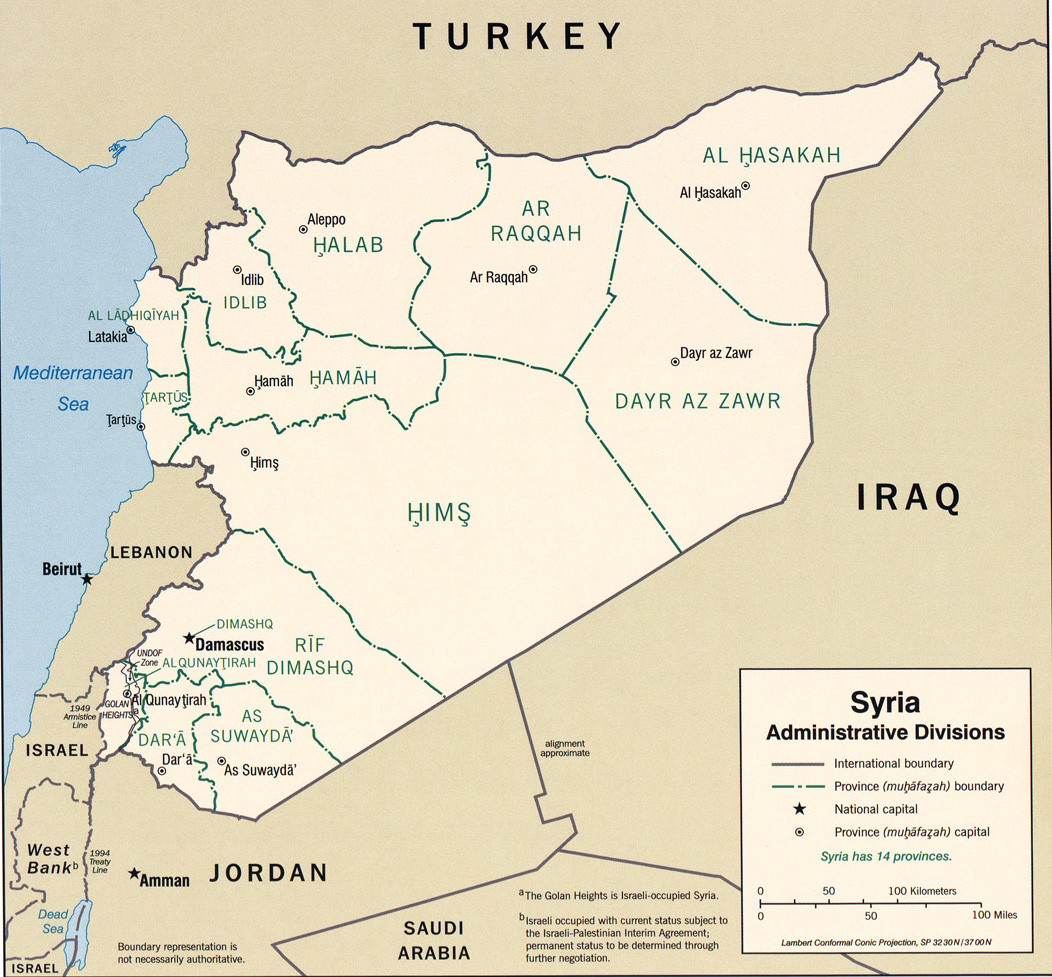
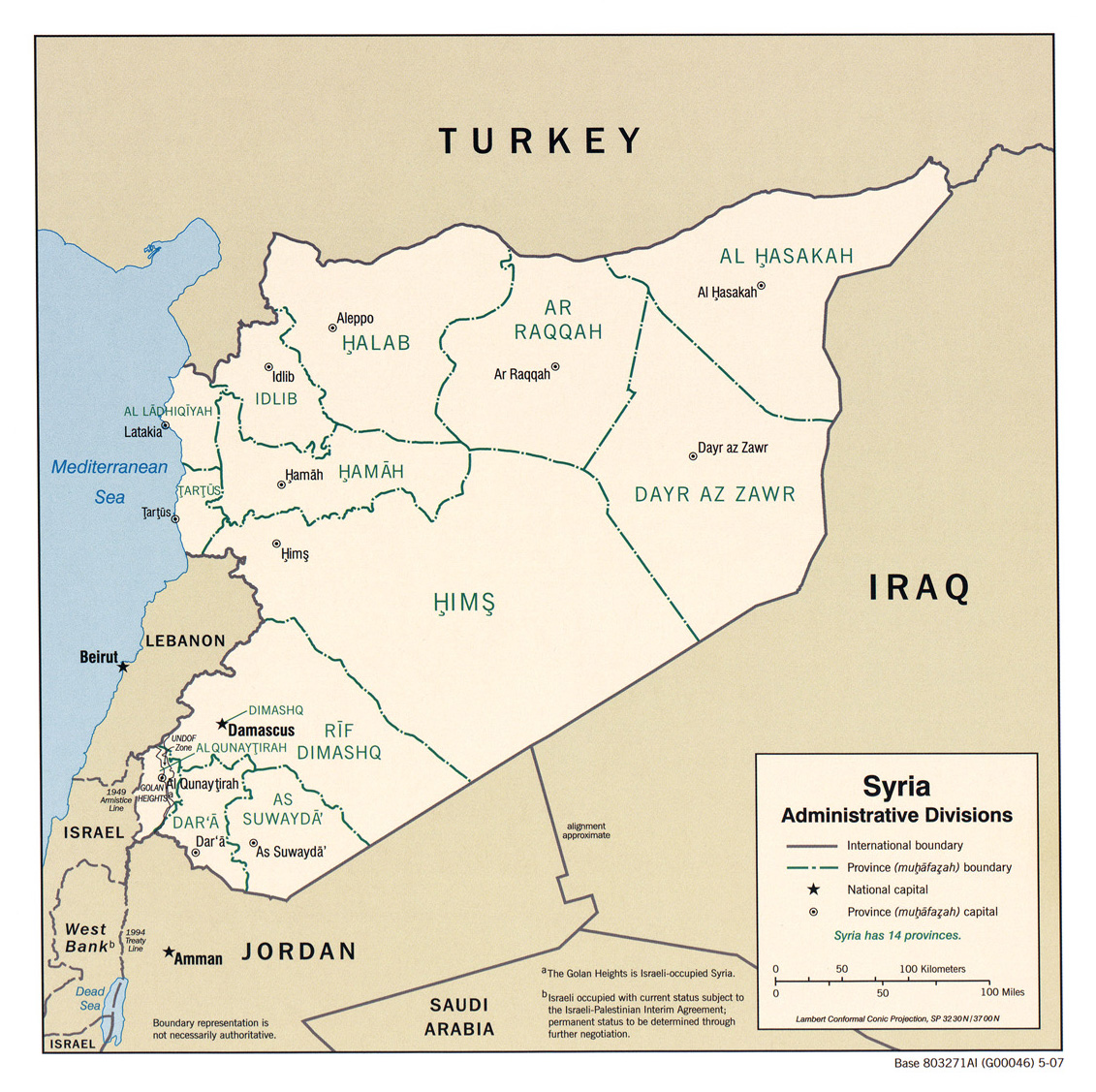
Briefing for the first time as deputy special envoy for Syria, Claudio Cordone highlighted the ceasefire and “integration” agreement reached between the Syrian transitional authorities and the Kurdish-led Syrian Democratic Forces (SDF) in late January. Cordone said hostilities had ended and that implementation work was progressing, including reported deployments of Interior Ministry forces in al-Hasakeh and Qamishli, alongside discussions on local governance and political appointments.
The agreement includes provisions on the return of displaced people and the protection of Kurdish civil and educational rights, building on last month‘s Presidential Decree 13, guaranteeing Kurdish linguistic, cultural and citizenship rights.
The transition briefing raised concerns about detention and accountability for rights abuses. In remarks delivered to the Security Council, Cordone said the UN is monitoring transfers of detained suspected ISIS collaborators, both Syrian and non-Syrian, to Iraq. He stressed that any proceedings must respect fair trial standards, while urging states to repatriate their nationals among the detained.
UN officials warned that relative stabilization in the northeast has not prevented renewed volatility elsewhere. In Suwayda (Sweida), renewed clashes between government forces and local Druze armed groups have reportedly caused material damage and electricity outages. Protests calling for self-determination have also resurfaced, prompting UN calls for confidence-building measures within full respect of Syria’s sovereignty and territorial integrity.
In southern Syria, UN officials cited continued Israeli incursions and operations, including reports of aerial herbicide spraying that damaged crops. They called for respect for international law and withdrawal from areas the UN describes as occupied in violation of the 1974 Disengagement of Forces Agreement.
Humanitarian officials emphasized that insecurity is compounding acute civilian need. The UN Office for the Coordination of Humanitarian Affairs (OCHA) reported that recent clashes have displaced tens of thousands, and that about 130,000 people remain displaced across al-Hasakeh, ar-Raqqa and Aleppo governorates, with a large majority women and girls. UN officials also reported flooding in Idleb and northern Latakia that killed two children and damaged or destroyed roughly 2,000 tents, affecting over 5,000 displaced people.
The next political milestone, Cordone said, is the formation of the People’s Assembly, with additional seats still to be filled and further presidential appointments pending. He stressed that meaningful representation, rights protection, missing-persons recovery, and transitional justice remain central to a credible transition.
From JURIST, Feb. 16. Used with permission. Internal links added.
See our last report on the transition process in Syria
Map: PCL


Chaos surrounds future of Syrian camp detainees
A notorious detention camp in northeast Syria that has long been home to both victims and people with alleged links to the so-called Islamic State largely emptied out this week, as a chaotic handover between the Kurdish-led Syrian Democratic Forces (SDF) and the Syrian government led to evacuations, escapes, and the flight of most of its residents. Some of those who got out of al-Hol, which along with nearby detention camp al-Roj was home to around 30,000 people (down from more than 70,000 several years ago), appear to have made it across the border to Lebanon. A group of women and children who reportedly left al-Roj with plans of flying to their home country of Australia via Damascus were turned back, with Australian officials making it clear they have no plans to repatriate citizens who have suspected ISIS ties. The Syrian government has said those who remain in al-Hol will be moved to another camp, but humanitarian fears are deepening. (TNH)
HRW condemns US transfer of detainees from Syria to Iraq
Human Rights Watch (HRW) on Feb. 17 condemned the US for the transfer of 5,700 detainees with alleged ISIS affiliation from Syria to Iraq, where detainees face risk of enforced disappearance, unfair trials, and torture.
The US transferred the detainees on Jan. 21, conducting evacuation flights under the Pentagon’s Operation Inherent Resolve. HRW said that the US violated Article 33(1) of the 1951 of the UN Convention relating to the Status of Refugees, which upholds the principle of non-refoulement.
“Victims of ISIS crimes deserve genuine justice, and that requires fair trials for the accused,” said Sarah Sanbar, Iraq researcher at HRW. (Jurist)