Syria
Iran

Podcast: the new Syria in the Great Game

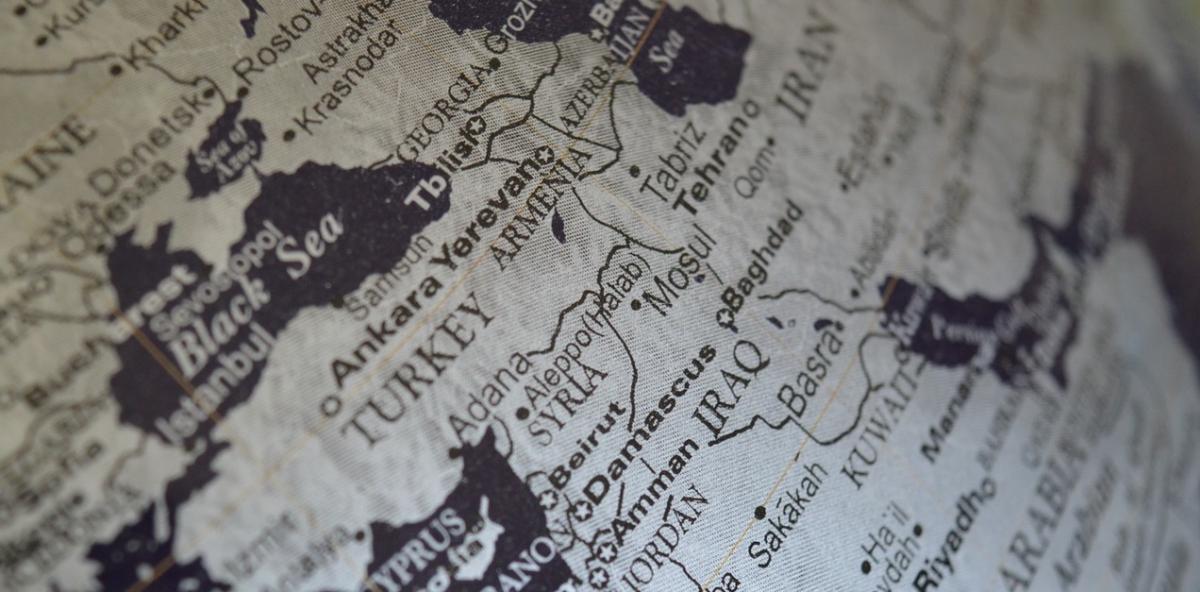
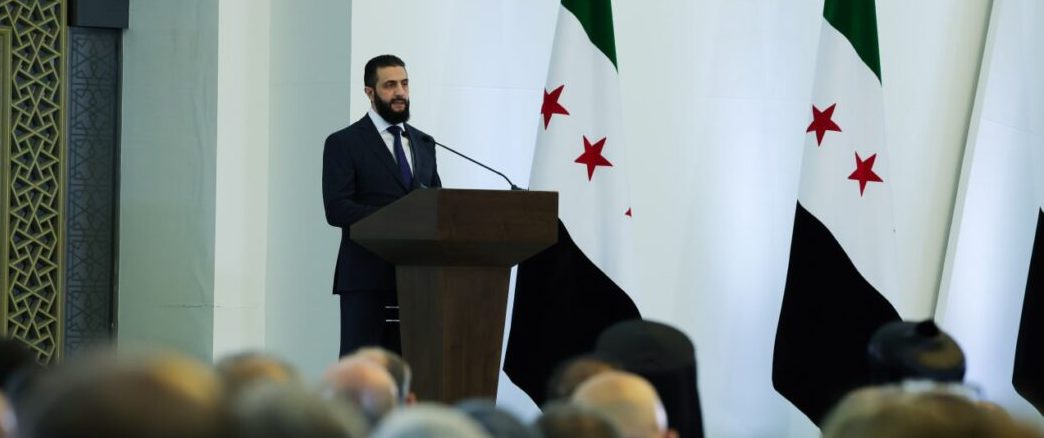
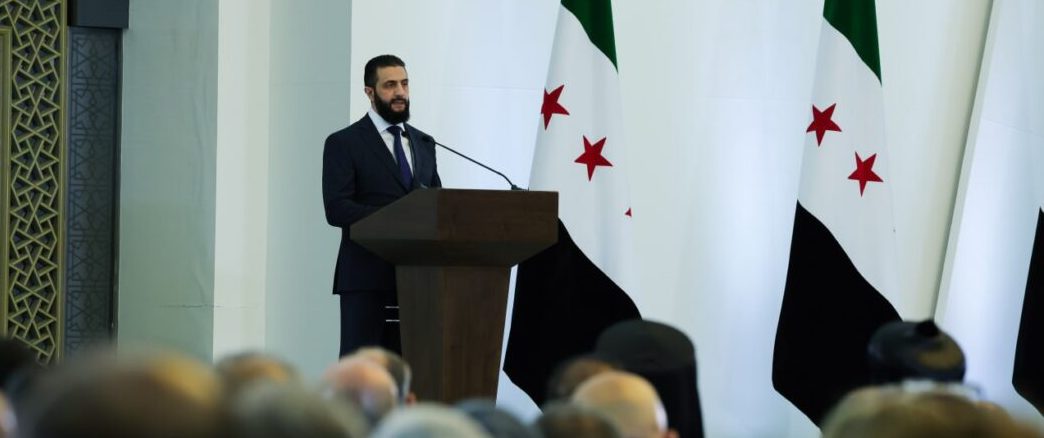
Syrian interim president Ahmed al-Sharaa’s White House meeting with Donald Trump followed the removal of his Hayat Tahrir al-Sham (HTS) from the list of designated “terrorist organizations” both at the State Department and at the UN. It also coincided with raids against ISIS by his security forces, raising the prospect of his government being invited to join the US-led Global Coalition to Defeat ISIS. The Washington visit also came just a month after al-Sharaa’s similar trip to meet Vladimir Putin in Moscow, where a deal was brokered allowing Russia to keep its military bases in Syria. Amid all this, Syria continues to see forced disappearances and other abuses targetting Druze, Alawites and Kurds—pointing to the looming threat of an ethnic or sectarian internal war. The US troop presence in Syria is largely embedded among the Kurdish forces in the east. As al-Sharaa becomes a new “anti-terrorist” partner (or proxy) for the Great Powers, will these troops be withdrawn—providing a “green light” for Damascus to attack the Kurdish autonomous zone? In Episode 305 of the CounterVortex podcast, Bill Weinberg weighs the risks at this critical moment in Syria’s transition process, nearly one year after the fall of the Assad dictatorship. (Image: Pixabay)

Planet Watch
Wiphala

Bolivia, Syria & the challenge of plurinationalism

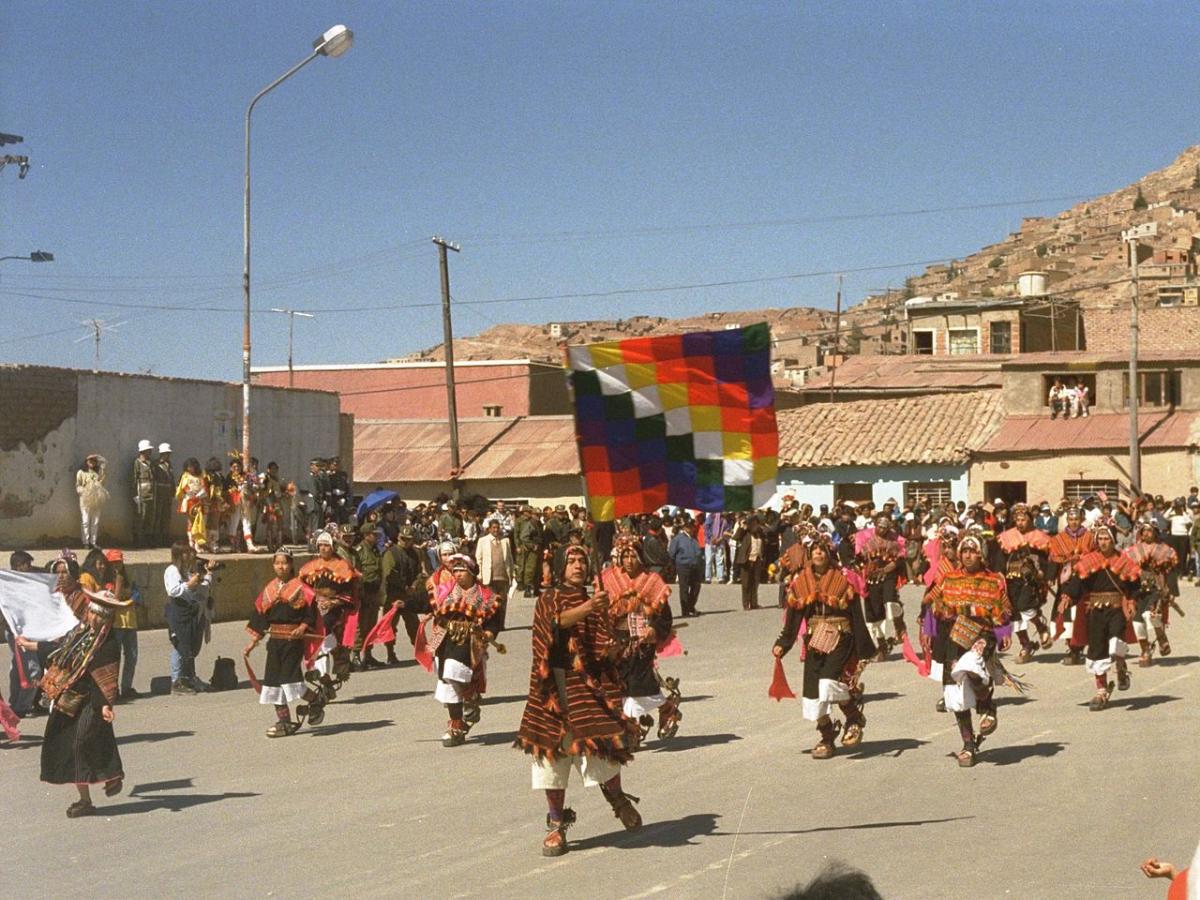
The recent political reversal in Bolivia raises the question of whether the advances of nearly 20 years of rule by the indigenist left will survive—including a constitution that refounded the state as a “plurinational” republic. In Episode 299 of the CounterVortex podcast, Bill Weinberg explores how the lessons of the Bolivian experience can be applied to Syria, where the new revolutionary government faces a challenge in Kurdish and Druze demands for regional autonomy. (Photo: Aymara march in Oruro, Bolivia. Via Wikipedia)

Syria
Damascus

Syria: revolution on the razor’s edge

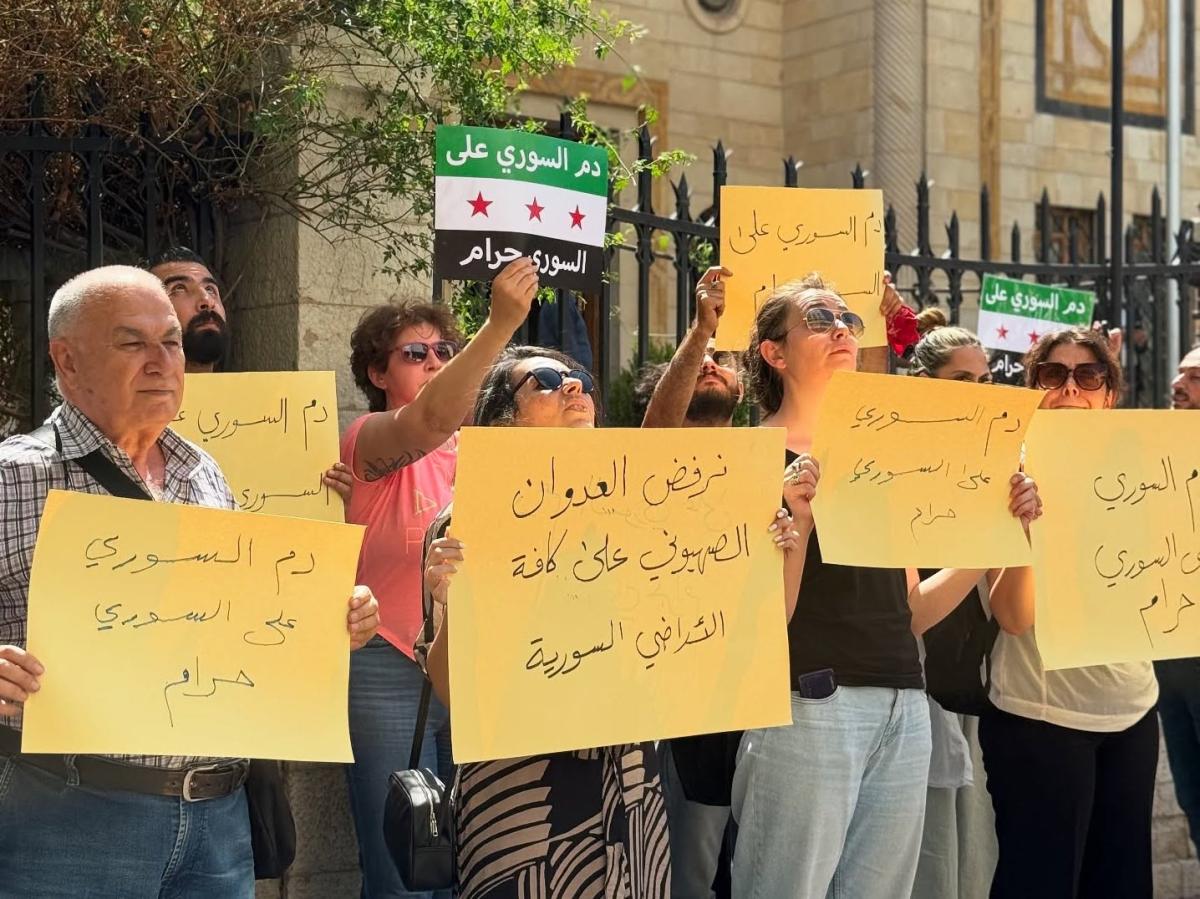
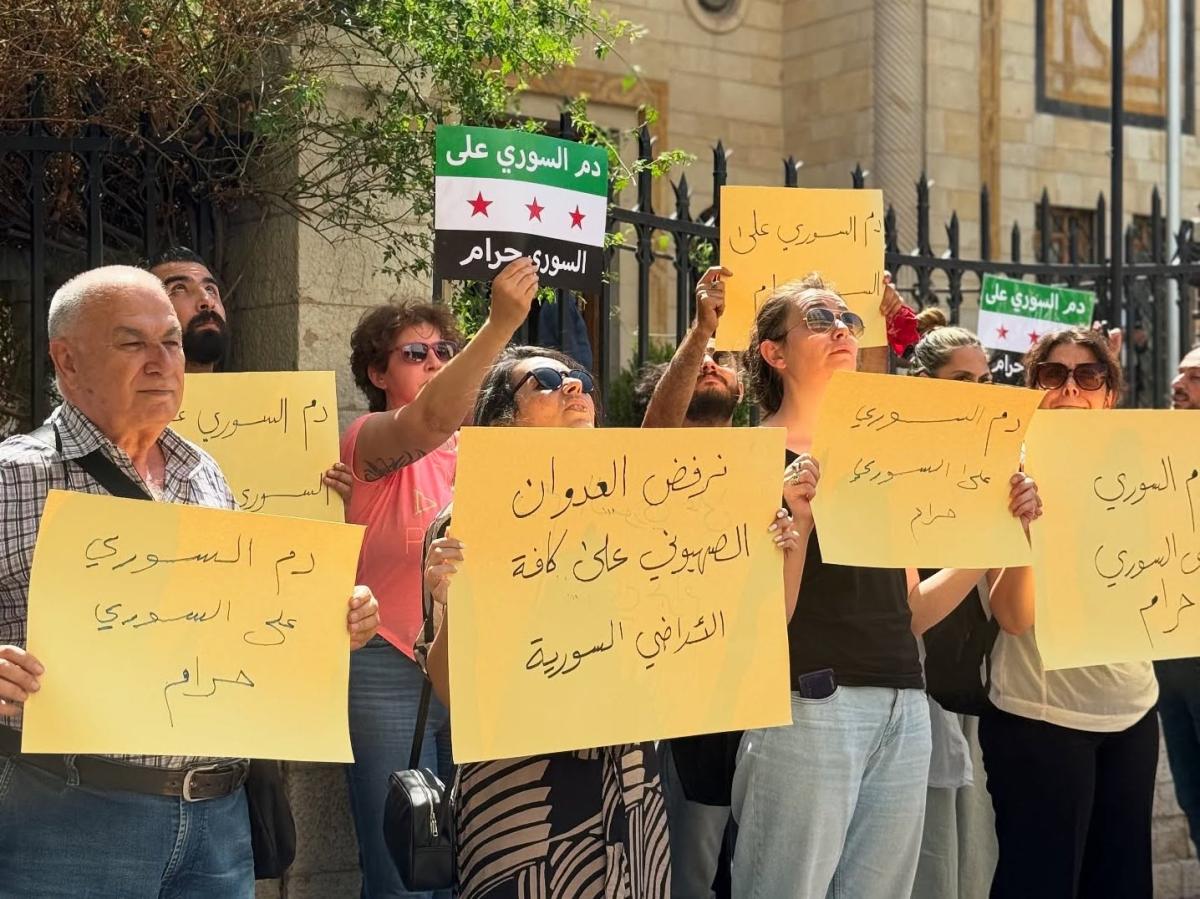
The investigation by the Syrian transition government into the March violence against the Alawites in Latakia province has been submitted—but the full findings have not been made public, and it apparently exonerates the government of involvement. Meanwhile southern Suwayda province has seen a perhaps even deadlier eruption of violence—this time pitting Druze against Bedouin, with the role of the government similarly the source of much contestation (and fodder for Internet partisans). And a Damascus protest against the violence and for co-existence was attacked by goons. Amid all this, Israel is militarily intervening, the government looks to Turkey for military aid, and both the US and Russia still have forces on the ground—treating the country as a Greet Power chessboard. In Episode 288 of the CounterVortex podcast, Bill Weinberg warns that the Syrian Revolution is poised on a razor’s edge, ready to descend into ethno-sectarian war and authoritarianism unless political space can be kept open for the secular-democratic civil resistance that began the revolution 14 years ago. (Image: Banners read “Syrians must not shed Syrian blood” and “We reject Israeli aggression against Syria.” Credit: The Syria Campaign via Facebook)

Syria
SDF

Podcast: Free Syria and the Kurdish question II

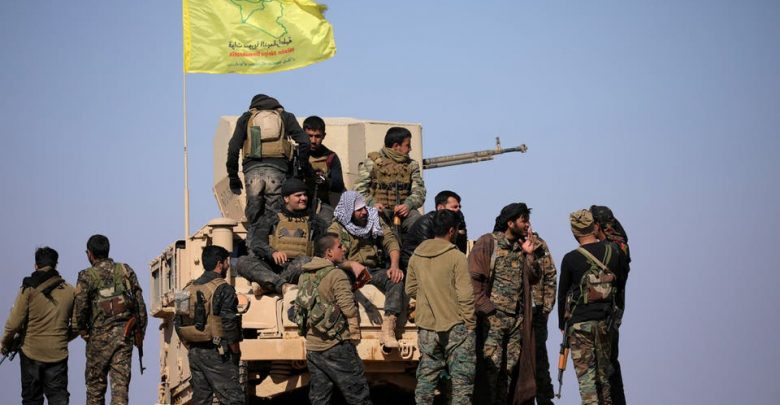
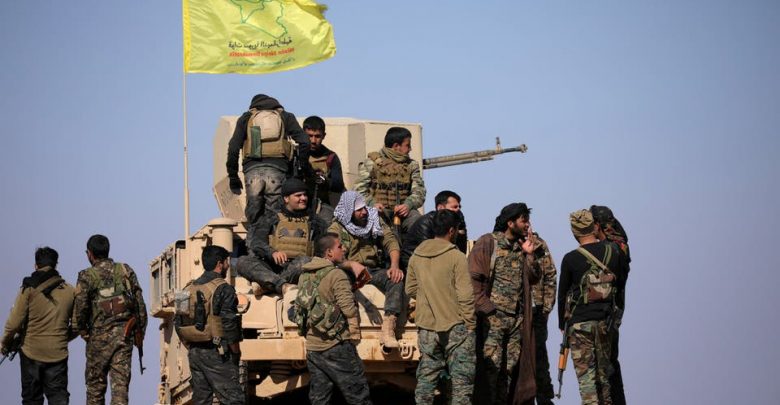
In Episode 268 of the CounterVortex podcast, Bill Weinberg examines the continued fighting in Syria since the fall of the Bashar Assad dictatorship in December. The recent outburst of violence in the Alawite heartland on the Mediterranean coast made headlines, but this week also saw anti-regime protests by Druze in Syria’s south. And fighting has never stopped between forces aligned with the new transition government and those of the Kurdish autonomous zone in the northeast. The situation is complicated by continuing military adventures on Syrian territory by foreign powers—Israel, Turkey, Russia and the US. Will Syrians be able to overcome these challenges and forge a democratic and multicultural order, in repudiation of sectarianism, ethno-nationalism and Great Power intrigues? (Photo: SOHR)

Syria
Syria

External, internal challenges for Syrian Revolution

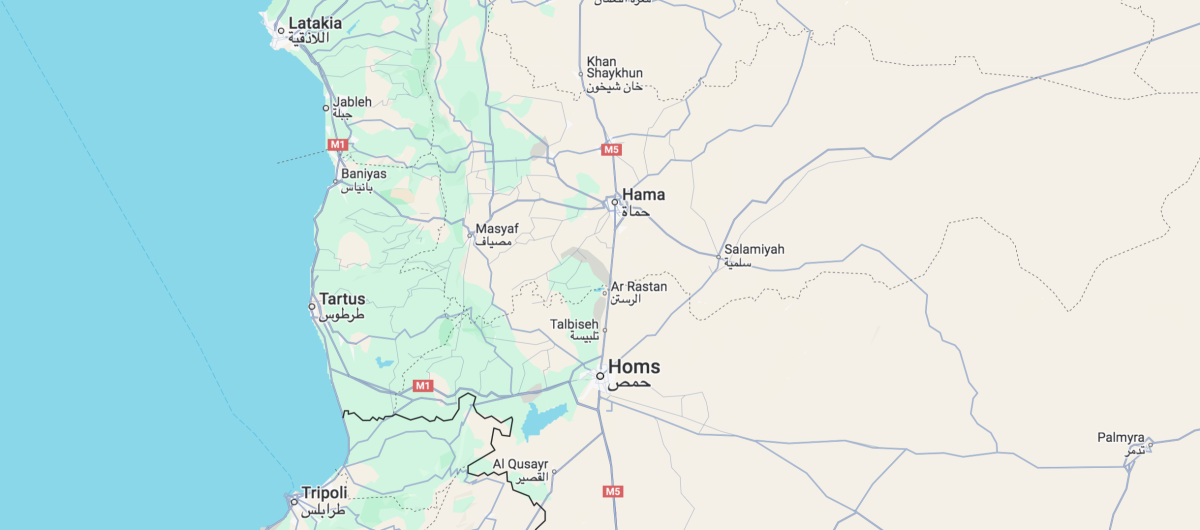
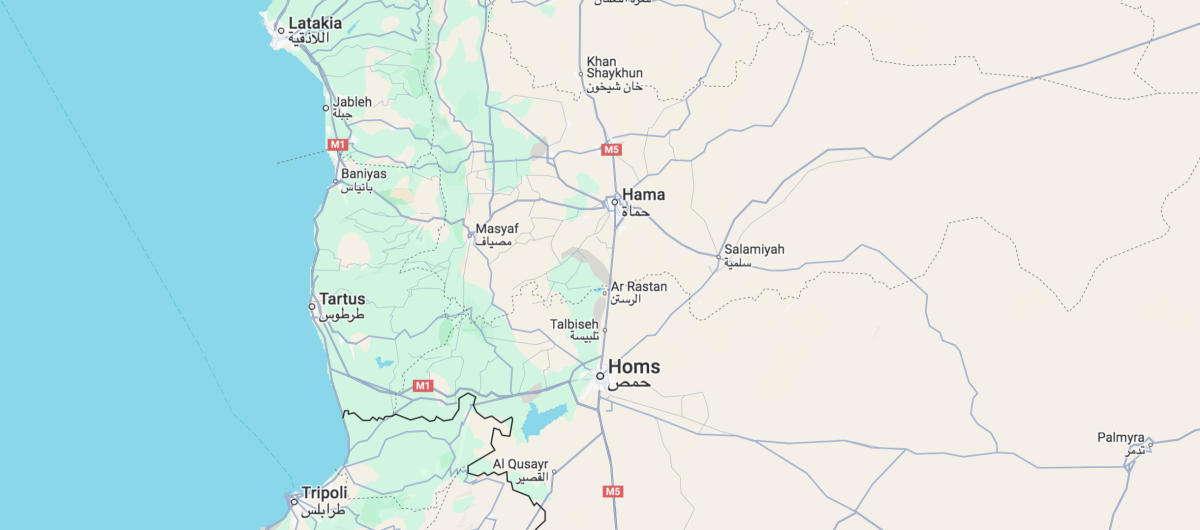
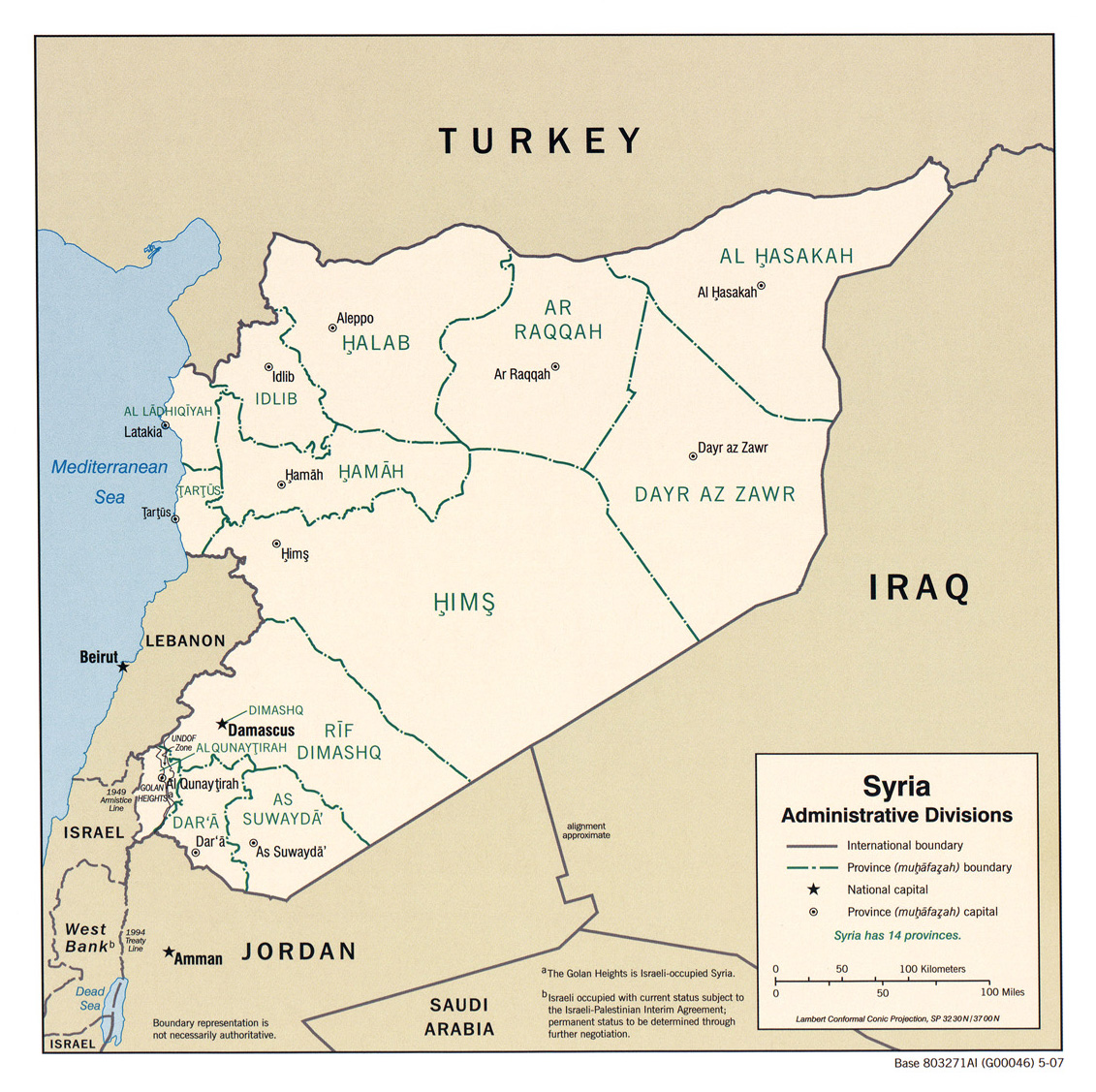
Apparent Assad loyalists have taken up arms against Syria’s transitional government in the Alawite heartland of Latakia on the Mediterranean coast. Fighting meanwhile continues between the Turkish-backed Syrian National Army (SNA) and Kurdish-led Syrian Democratic Forces (SDF) in the northeast, while Israel grabs a “security zone” in the south and continues intermittent air-strikes. Elsewhere in the south, the Druze of Suweida protest their perceived exclusion from the transition process. All this as Russia opens talks with the new authorities in a bid to keep its military bases in Syrian territory. (Map: PCL)

Syria

Book review: Impossible Revolution

This book is a necessary corrective to the dominant perception—left, right and center—that the opposition in Syria are all jihadists and dictator Bashar Assad the best bet for “stability.” Long a left-wing dissident in Assad’s Syria, Saleh is a veteran of the dictator’s prisons. Here, he traces the origins of the Syrian revolution to agony caused by the regime’s “economic liberalization” (socialist phrases aside), describes the initially unarmed opposition’s popular-democratic nature, and discusses the struggle to keep the Free Syrian Army accountable to this grassroots base after it became clear a military dimension to the revolution was necessary. He makes the case that the Assad regime can be termed “fascist” even by the most rigorous definition, and has been making good on its pledge to “burn the country” before ceding power. (Image: Haymarket Books)

Greater Middle East

Yemen and Syria: fearful symmetry

Russian counterinsurgency in Syria mirrors US-backed counterinsurgency in Yemen, betraying superpower rivalry and "cooperation" alike as inimical to the region's revolutions.

Greater Middle East

Are Rojava Kurds taking the Russian bait?

Syria's Rojava Kurds are accused of coordinating with Russian air-strikes to take territory held by Islamist factions—while Turkey warns them against any further advance.

Greater Middle East

Lines drawn in imperial scramble for Syria

The US and Russia each groom their own rival proxy forces to fight ISIS and the Nusra Front—which in turn pledge to turn Syria into "another Afghanistan."

Iraq

Sectarian massacres continue in Syria and Iraq

The Nusra Front fired hundreds of missiles into beseiged Alwaite villages in Syria, while ISIS claimed responsibility for suicide blasts that targeted Shi'ite areas of Baghdad.

Iraq

Russia launches Syria intervention

Russian fighter pilots are arriving in Syria, to begin sorties against ISIS and rebel forces—amid reports that Moscow's elite units are already fighting on the ground for the regime.